Understanding subtraction Reading Worksheets for Ages 5-8
3 filtered results
-
From - To
Explore our "Understanding Subtraction Reading Worksheets" designed specifically for children aged 5-8. These engaging worksheets aim to help young learners grasp the concept of subtraction through fun reading exercises that reinforce their math skills. Each worksheet incorporates interactive activities, enabling kids to visualize and comprehend subtraction in a relatable context. With colorful illustrations and age-appropriate language, our worksheets motivate children to tackle subtraction problems with confidence. Ideal for classroom or home use, these resources support educational growth while making learning enjoyable. Unlock your child’s mathematical potential today with our thoughtfully crafted subtraction reading worksheets!
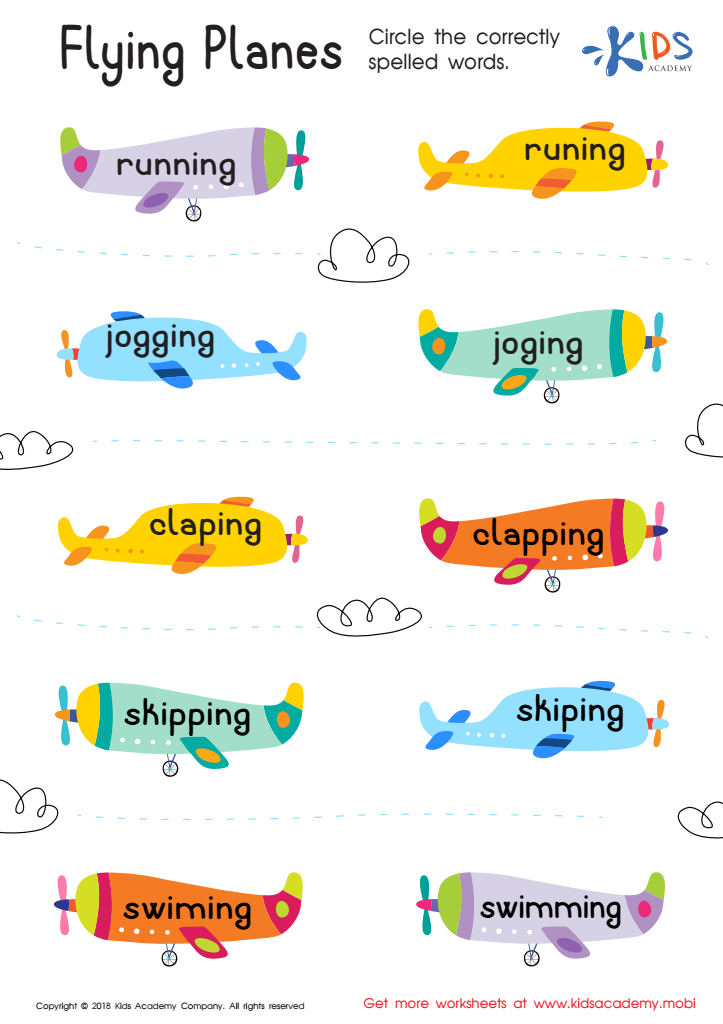
Flying Planes Worksheet
 Assign to My Students








Understanding subtraction is a foundational skill for children aged 5-8, making it crucial for parents and teachers to prioritize this aspect of early math education. Mastering subtraction promotes critical thinking and problem-solving abilities, enabling children to engage with more complex mathematical concepts in the future. It lays the groundwork for essential life skills such as budgeting, measurement, and time management.
Moreover, reading skills essential for understanding subtraction problems develop concurrently. When children read subtraction stories or word problems, they improve their comprehension, vocabulary, and linguistic skills, which are vital across all areas of learning. This dual enhancement fosters a holistic educational experience, allowing young learners to integrate math and literacy seamlessly.
Parents and teachers also play vital roles in recognizing and nurturing each child’s unique learning pace. By creating supportive and engaging environments that cultivate a positive attitude toward subtraction, caregivers can reduce math anxiety and boost confidence. This early mastery not only facilitates academic success but also inspires a lifelong love for learning. Therefore, emphasizing subtraction during these formative years can profoundly impact children’s intellectual development and overall approach to education.








