Vocabulary enhancement The 5 Senses Worksheets for Ages 5-8
3 filtered results
-
From - To
Enhance your child's vocabulary with our engaging "Vocabulary Enhancement - The 5 Senses Worksheets" designed for ages 5-8. These interactive worksheets explore the five senses—sight, sound, touch, taste, and smell—helping young learners make connections between words and their meanings. Through fun activities, your child will expand their vocabulary while developing crucial observational skills. Each worksheet encourages creativity and critical thinking, making learning enjoyable and effective. Ideal for homeschooling or classroom settings, these resources will empower your child to express themselves more vividly and descriptively. Start their journey to becoming a confident communicator today! Download and explore now!
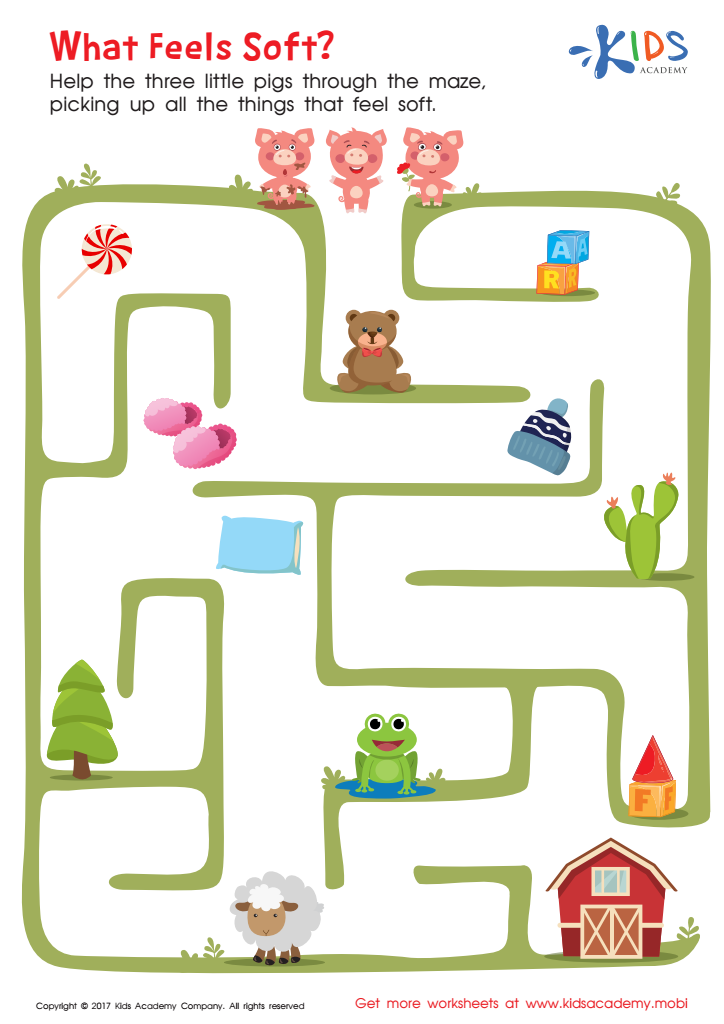
What Feels Soft Printable
 Assign to My Students
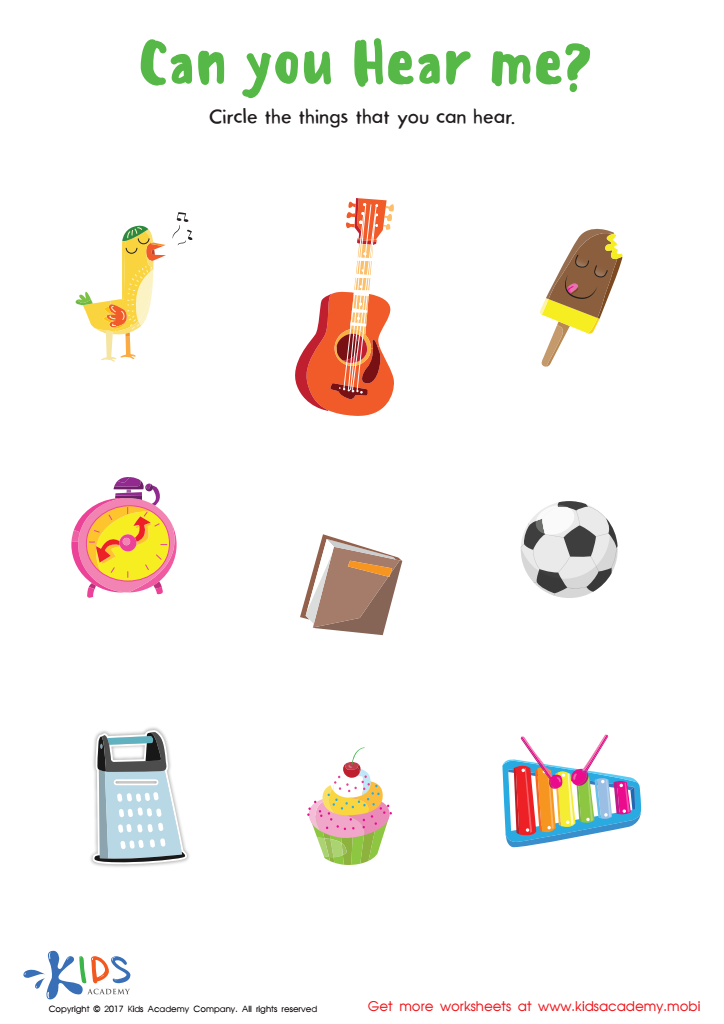
Can You Hear Me Worksheet
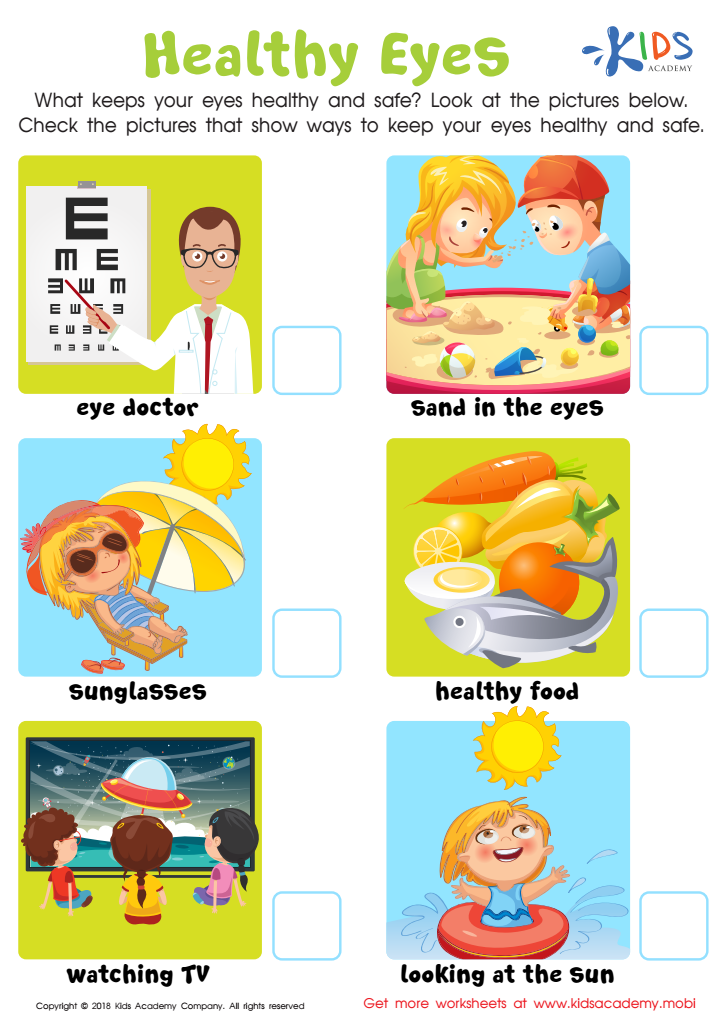
Healthy Eyes Worksheet



Vocabulary enhancement, particularly through the themed exploration of the five senses, is crucial for children ages 5-8. At this stage, children are developing foundational communication skills, and a rich vocabulary lays the groundwork for effective expression and comprehension. By engaging with words related to sight, smell, touch, taste, and sound, children learn not just to label their experiences but to describe them more vividly and precisely.
Understanding vocabulary through real-life contexts, like the five senses, fosters curiosity. When children learn to articulate what they see, hear, smell, touch, and taste, they develop critical thinking skills and enhance their cognitive abilities. Such exploration also enriches their storytelling, allowing them to convey emotions and details that resonate with others.
Moreover, engaging with sensory vocabulary cultivates an inclusive learning environment. Different cultures often have unique descriptive words related to senses, expanding children's global awareness and appreciation for diversity. When parents and teachers prioritize vocabulary enhancement around the five senses, they support literacy development. This educational focus not only prepares children for academic success but also helps them become effective communicators in their everyday interactions. In essence, nurturing vocabulary at this young age sets the stage for lifelong learning and social engagement.







