Knowledge application Science Worksheets for Ages 5-8
6 filtered results
-
From - To
Unlock the world of discovery with our Knowledge Application Science Worksheets designed for ages 5-8. At Kids Academy, we offer a variety of engaging and educational worksheets that help young learners apply fundamental science concepts in fun and meaningful ways. Each worksheet promotes critical thinking, deepens understanding, and makes complex topics accessible through hands-on activities. Perfect for classrooms and home learning, these resources support children in mastering biology, physics, earth sciences, and more. Encourage your child's curiosity and love for science with our expertly crafted worksheets, ensuring a solid foundation for future scientific exploration.
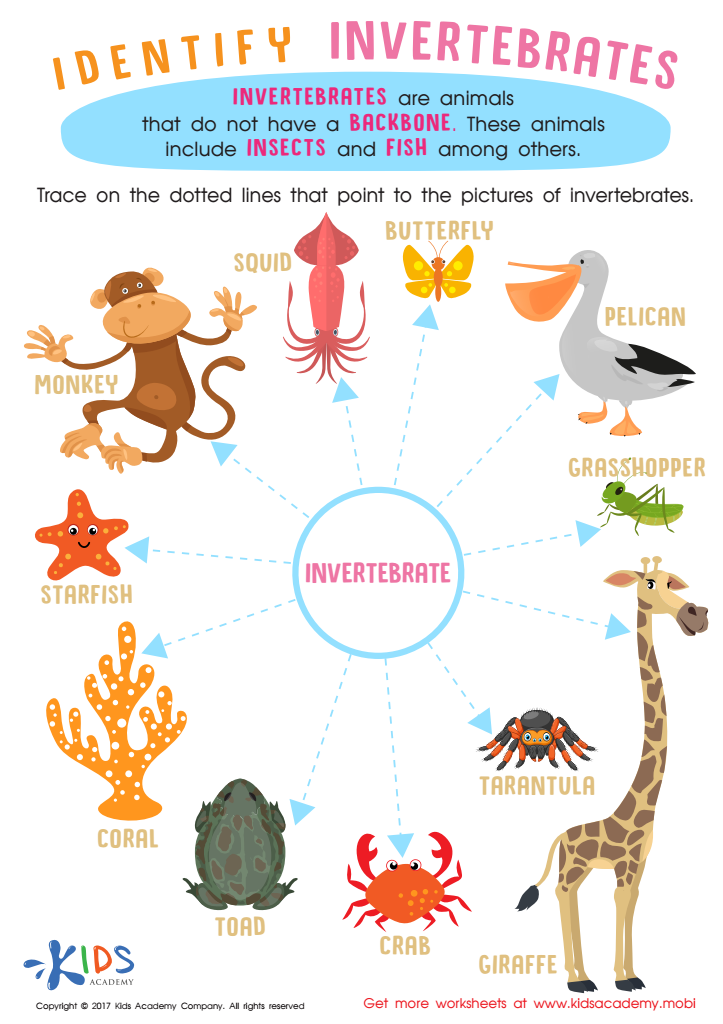
Invertebrates Worksheet for Grade 3
 Assign to My Students
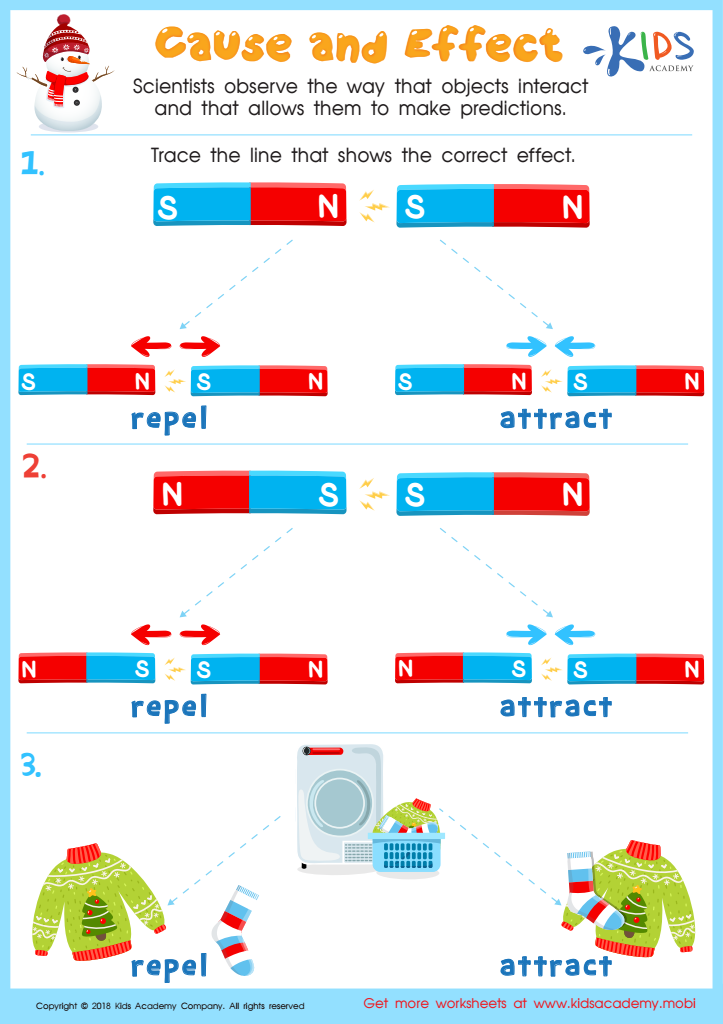
Repel and Attract Magnet Worksheet
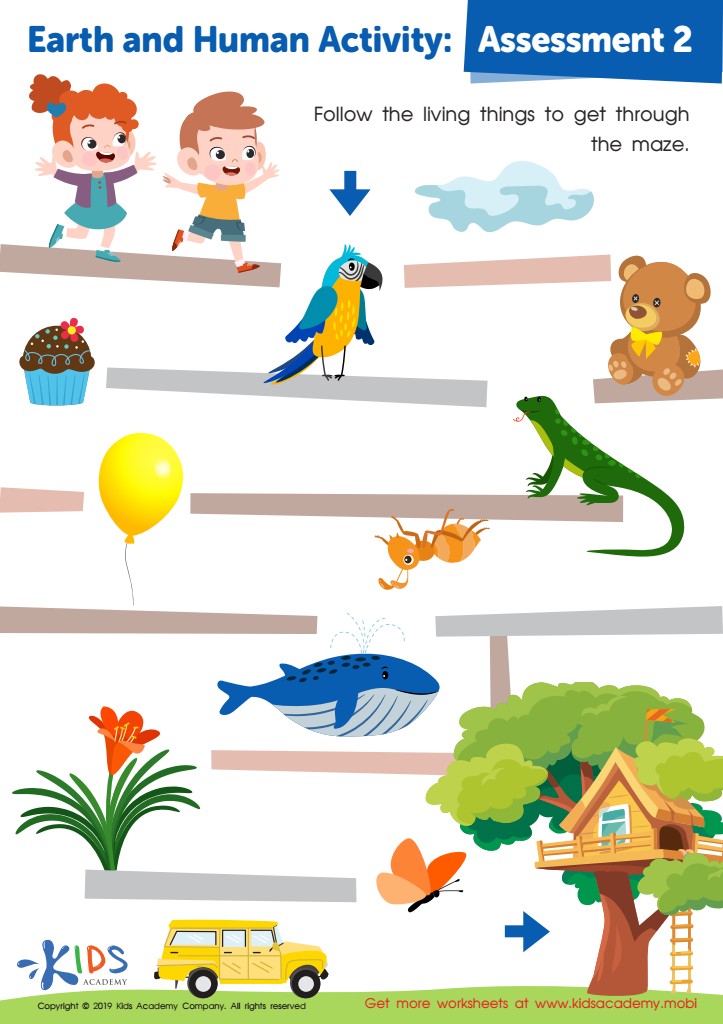
Earth and Human Activity: Assessment 2 Worksheet
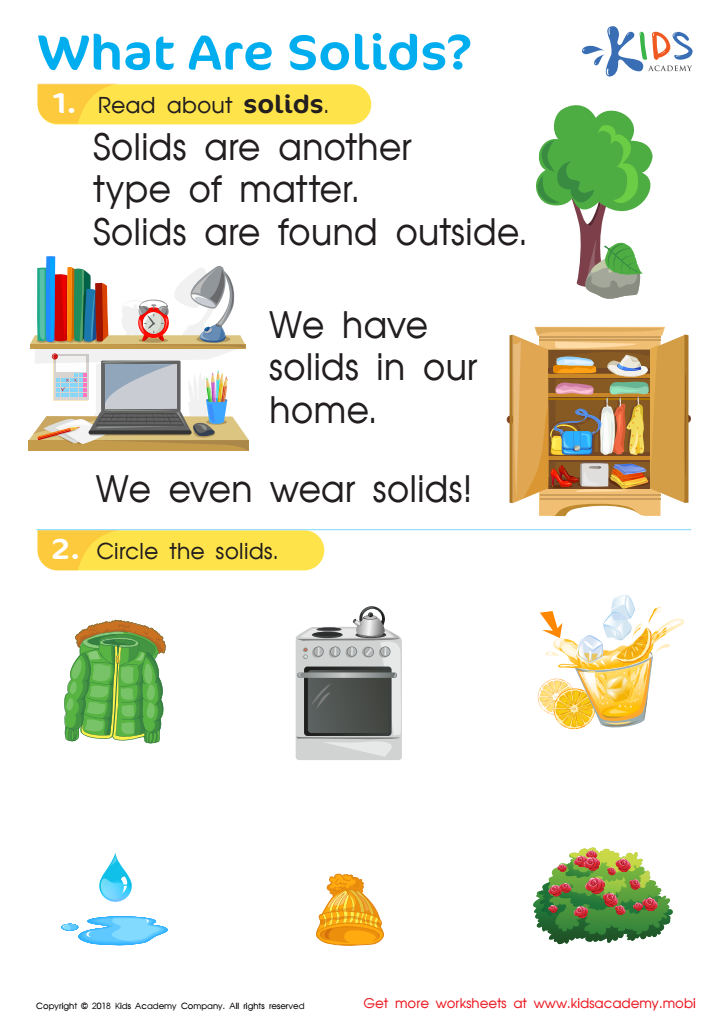
What Are Solids? Worksheet
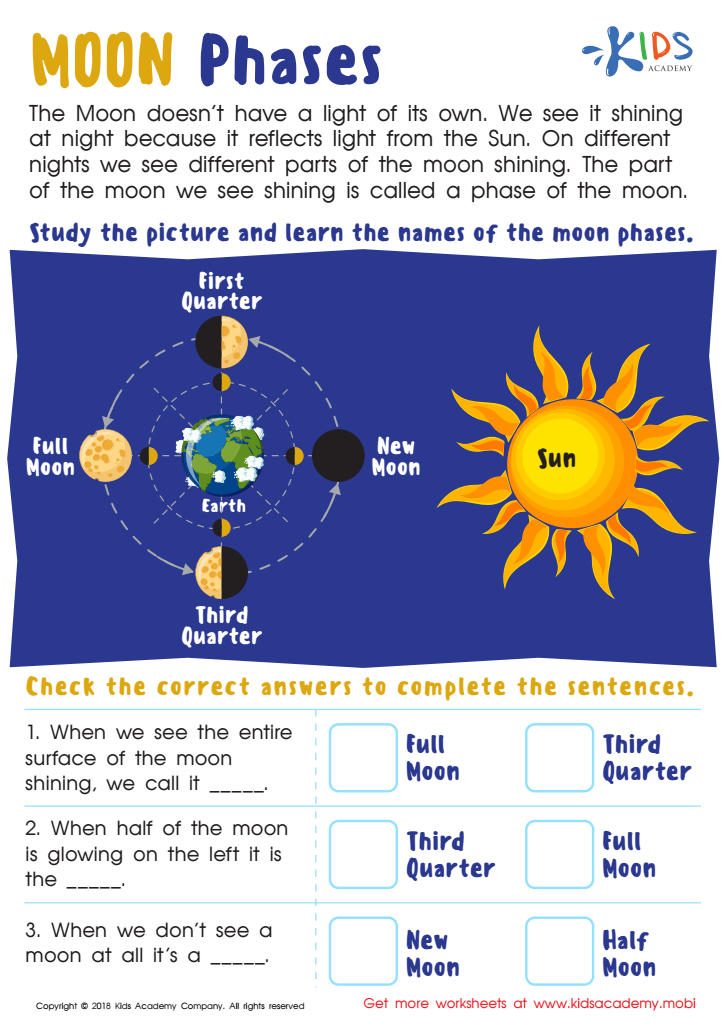
Moon Phases Worksheet
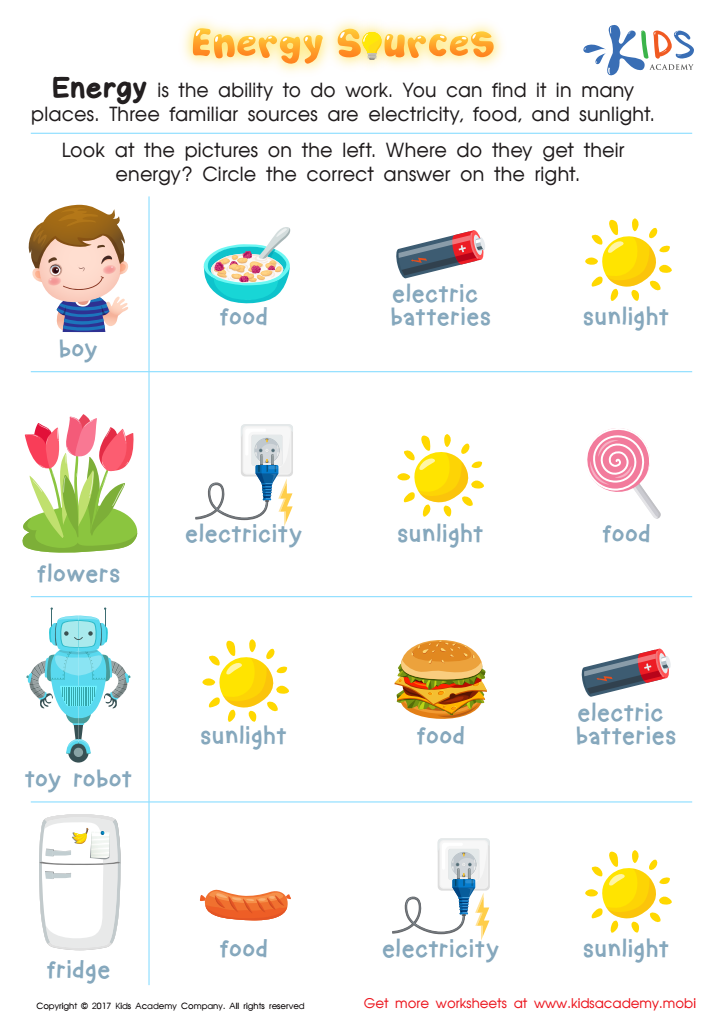
Energy Sources Printable





Knowledge application in science for children aged 5-8 is crucial for their development. At this formative stage, young minds are incredibly curious and absorb information rapidly. Engaging students in simple science activities helps cultivate a sense of wonder about the world around them. It encourages critical thinking and fosters problem-solving skills from an early age. By demonstrating how scientific concepts apply to everyday life, students learn to connect theory with practice, making learning more meaningful and relevant.
Moreover, early exposure to science sets a strong foundation for future education. Young children who engage with science tend to develop a lifelong interest in the subject, which can influence their academic choices and career paths. Additionally, hands-on science activities promote fine motor skills, teamwork, and verbal expression as children discuss their observations and findings.
Lastly, integrating science in early childhood education promotes equality. When both boys and girls are encouraged to explore science, it helps overcome stereotypes about gender roles in STEM fields. This inclusive environment nurtures diverse talents and perspectives, vital for innovation.
In summary, caring about science education for young children enriches their cognitive and social development, paving the way for future academic success and contributing to an equal opportunity landscape in scientific fields.







