Sequencing skills improvement Science Worksheets for Ages 5-8
3 filtered results
-
From - To
Enhance your child's sequencing skills with our engaging Science Worksheets designed for ages 5-8! Our carefully crafted printable worksheets foster critical thinking and logical reasoning through fun, interactive activities. Children will learn to arrange events, understand processes, and recognize patterns, all while exploring fascinating science concepts. These worksheets promote skill development in an enjoyable way, making learning exciting and effective. Tailored to young learners, our resources encourage exploration and encourage a love for science. Discover the benefits of improving sequencing skills that pave the way for academic success. Start your child’s journey with our comprehensive worksheets today!
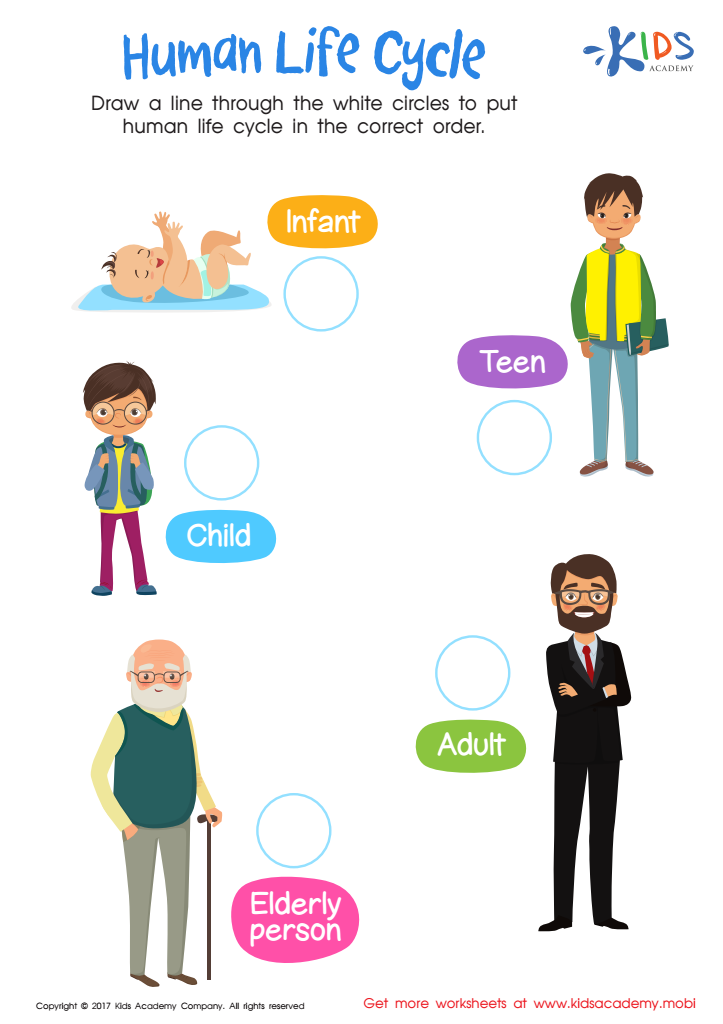
Human Life Cycle Worksheet
 Assign to My Students
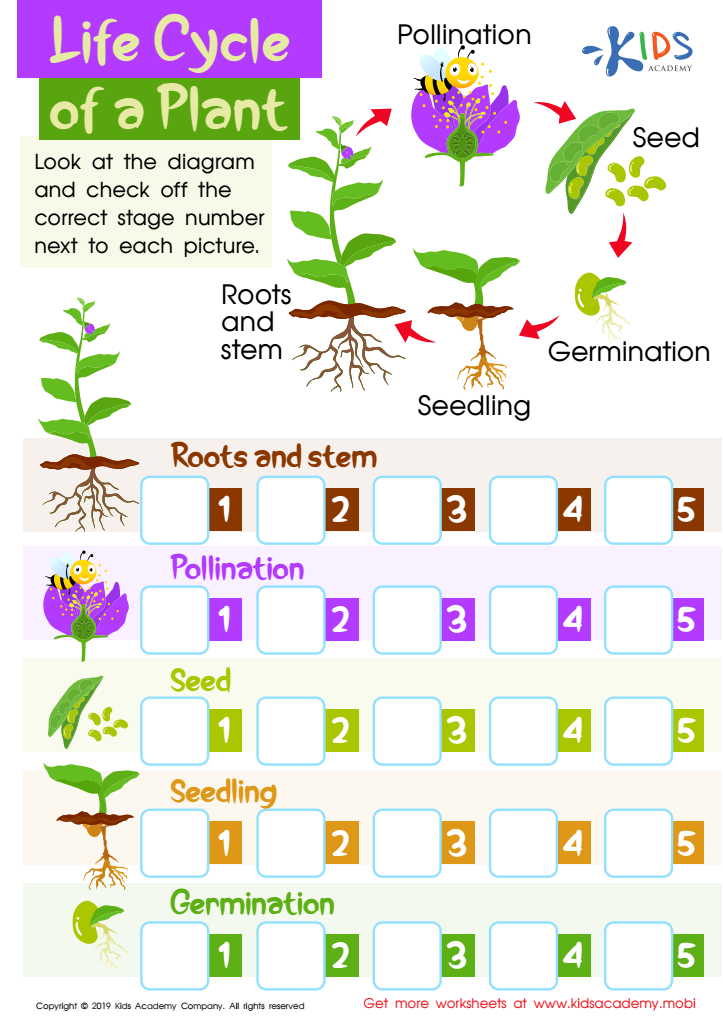
Life Cycle of a Plant Worksheet
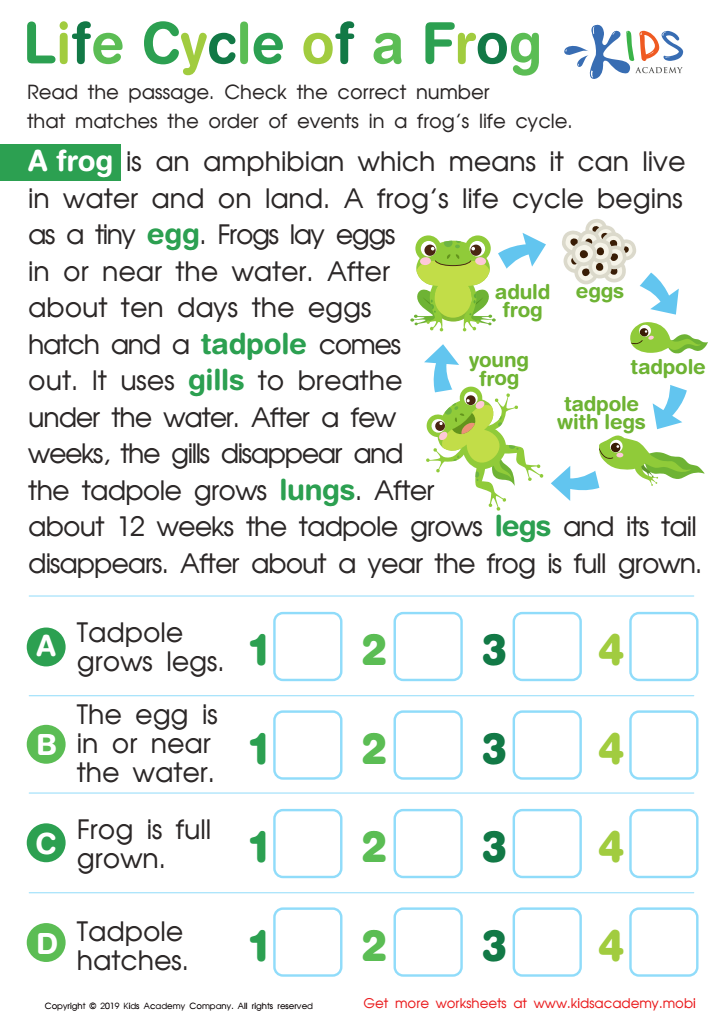
Life Cycle of a Frog Worksheet





Sequencing skills are vital for children aged 5-8, particularly in the context of science education, as they lay the groundwork for logical reasoning and critical thinking. These skills enable young learners to understand and organize facts and concepts systematically, promoting meaningful engagement with scientific material.
When children work on sequencing—arranging events, pictures, or scientific procedures— they enhance their ability to grasp cause-and-effect relationships. This not only helps them understand scientific processes, such as the water cycle or life cycles of plants and animals, but also fosters their comprehension of narratives, which supports literacy development.
Moreover, strong sequencing abilities enhance problem-solving skills. As students learn to follow steps in experiments or classify data, they become adept at identifying patterns and generating questions, essential components of the scientific method. This instills curiosity and encourages exploration, making learning more interactive and enjoyable.
Finally, improving sequencing skills aligns with broader educational goals, preparing children for future academic successes. For parents and teachers, investing time in developing these skills means nurturing a generation of critical thinkers and informed citizens who can navigate the complexities of scientific inquiry and the world around them.







