Understanding habitats Science Worksheets for Ages 5-8
5 filtered results
-
From - To
Explore our engaging "Understanding Habitats Science Worksheets for Ages 5-8" designed to ignite curiosity in young minds! These interactive worksheets introduce children to various habitats, enhancing their knowledge of ecosystems while developing critical thinking skills. Each worksheet features vibrant illustrations and simple activities that captivate learners, from identifying different animal homes to exploring plant life in diverse environments. Perfect for teachers and parents, these materials foster a love for science and promote hands-on learning. Join us in making science fun and accessible—download our worksheets today to help your child discover the wonders of nature while honing their academic skills!
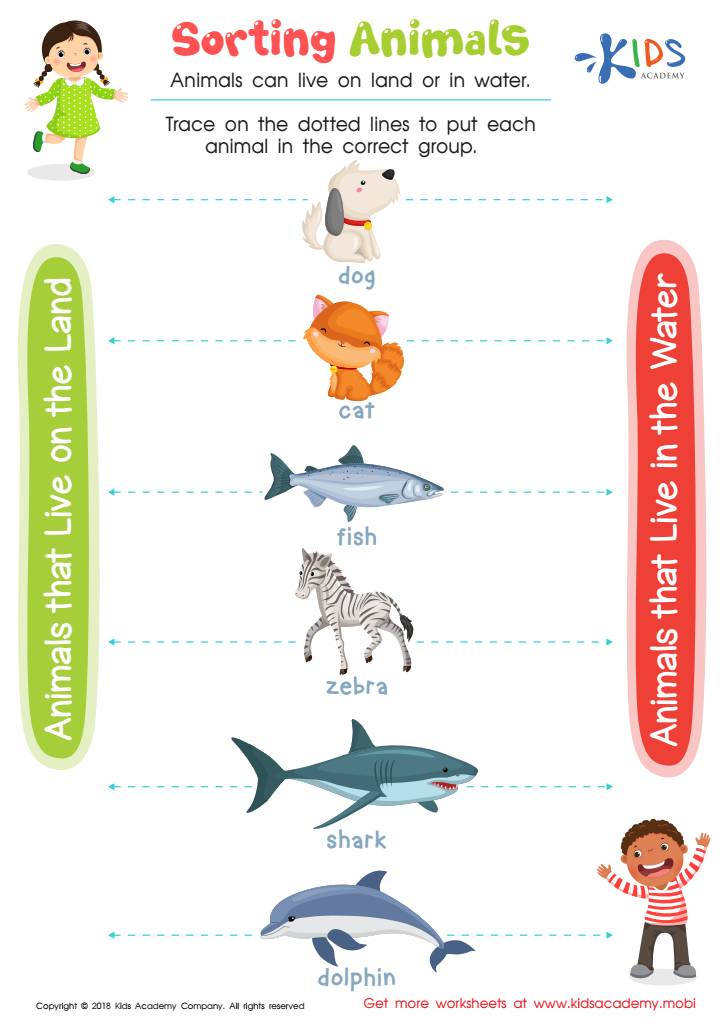
Sorting Animals Worksheet
 Assign to My Students
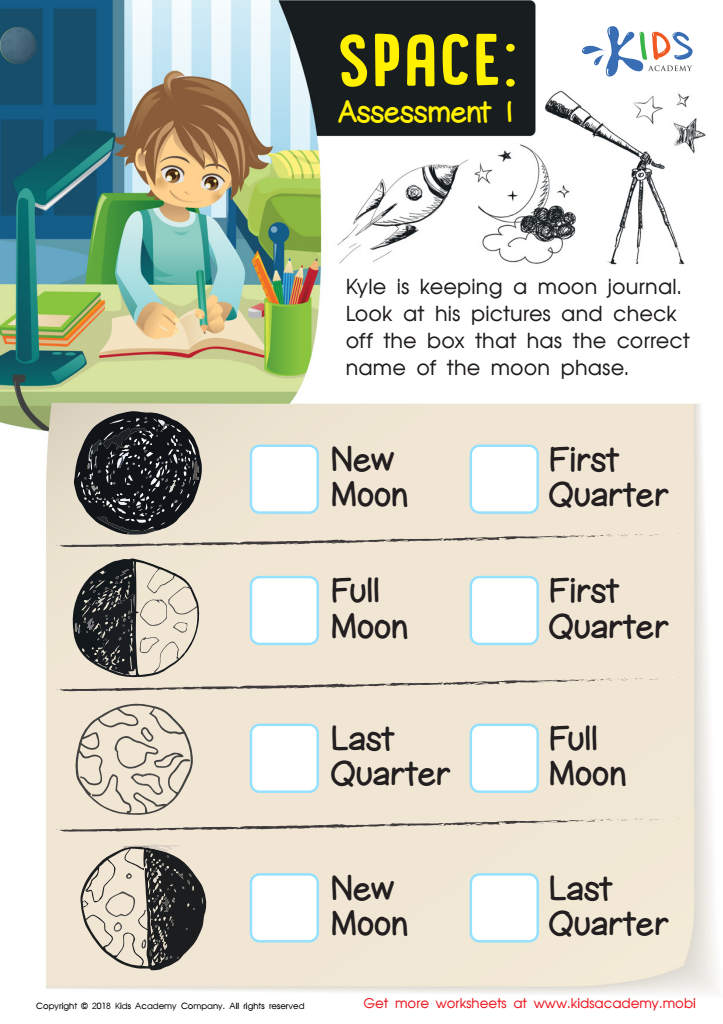
Space: Assessment 1 Worksheet
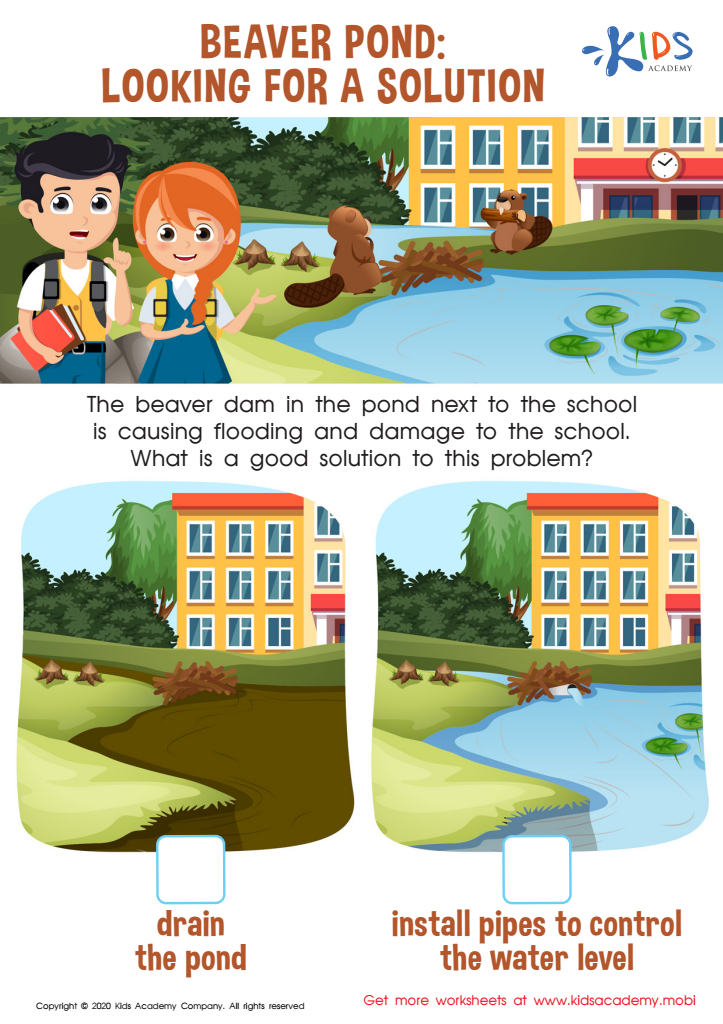
Beaver Pond: Looking for a Solution Worksheet
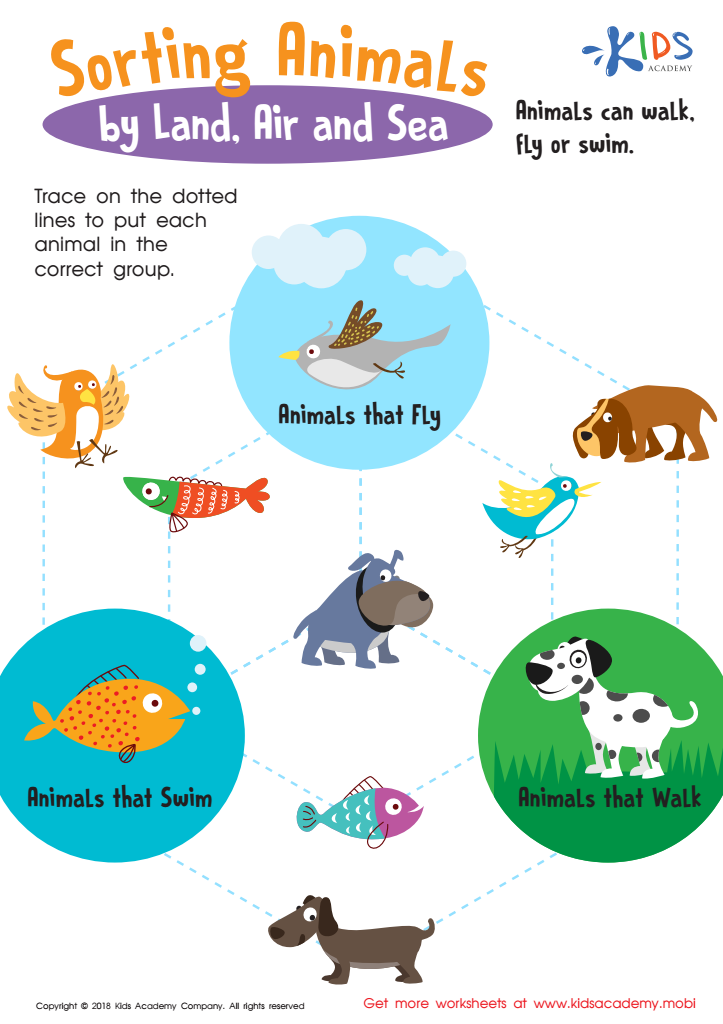
Sorting Animals by Land, Air and Sea Worksheet
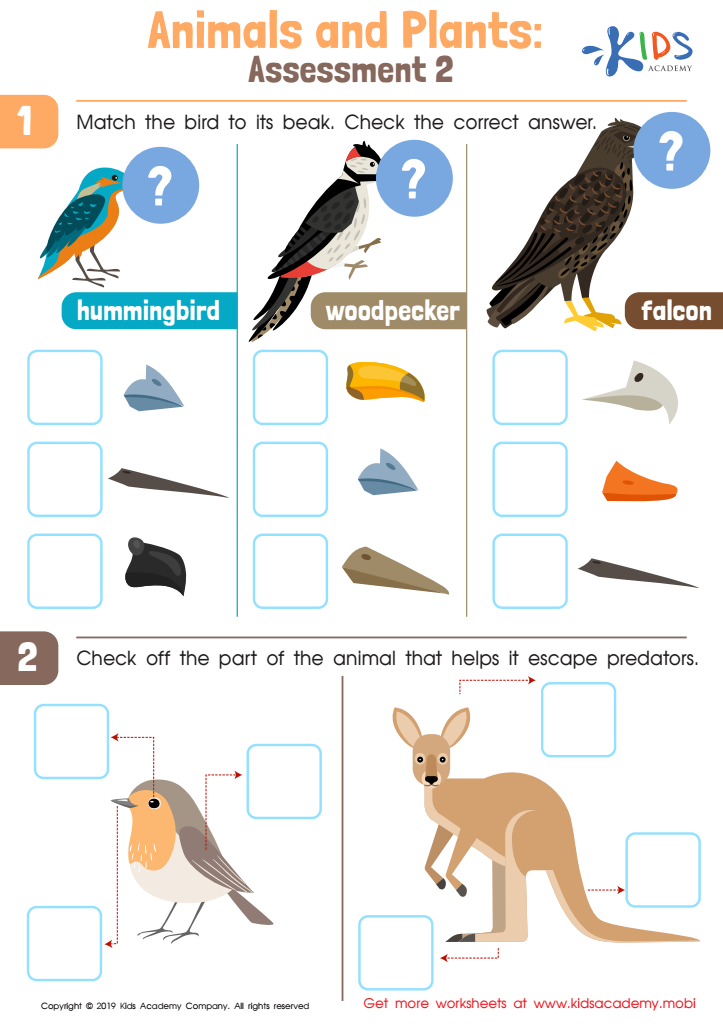
Animals and Plants: Assessment 2 Worksheet






Understanding habitats is crucial for children aged 5-8 as it lays the foundation for their appreciation of nature and the environment. At this early stage, children are naturally curious and eager to explore their surroundings. Teaching them about habitats nurtures this curiosity, encouraging them to observe and engage with the world around them.
By learning about different habitats—like forests, ponds, deserts, and oceans—children develop an understanding of biodiversity and the importance of ecosystems. They discover how living organisms interact with their environment and how each species plays a vital role in maintaining ecological balance. This knowledge fosters empathy and respect for all living things and motivates children to consider the impact of human activities on their habitats.
Moreover, understanding habitats can ignite a passion for science, paving the way for future learning and exploration. It promotes critical thinking skills as children ask questions, make observations, and engage in hands-on activities like nature walks and experiments. Involving parents and teachers in this learning process reinforces its importance, creating a sense of community and shared responsibility for the environment. Ultimately, nurturing an understanding of habitats equips young learners to become informed, conscientious stewards of the planet, ensuring a sustainable future.







