
Vocabulary development Life Science Worksheets for Ages 5-8
5 filtered results
Difficulty Level
Grade
Age
-
From - To
Subject
Activity
Standards
Introducing our engaging "Vocabulary Development Life Science Worksheets" for ages 5-8! These thoughtfully crafted worksheets are designed to enrich your child's science vocabulary while sparking an interest in life sciences. Tailored to young learners, each worksheet uses fun activities and captivating illustrations to teach essential life science terms and concepts, promoting better understanding and retention. Perfect for home or classroom use, our worksheets align with educational standards, making vocabulary building enjoyable and effective. Boost your child's language skills and scientific curiosity today with our comprehensive, easy-to-use resources! Start exploring now and watch their knowledge flourish.
Favorites
With answer key
Interactive
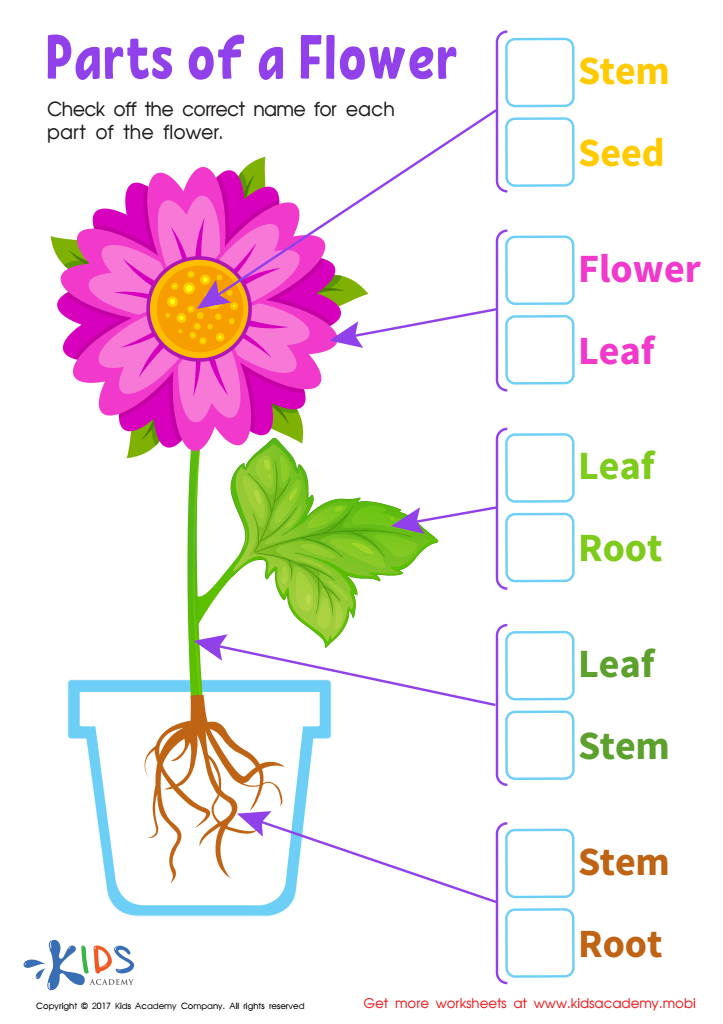
Parts Flower Printable
Introduce your child to life science with this vivid parts of a flower worksheet! They'll learn basic flower structures while building biology vocabulary and discovering plants are living creatures too! Perfect for budding little scientists!
 Assign to My Students
Parts Flower Printable
Worksheet
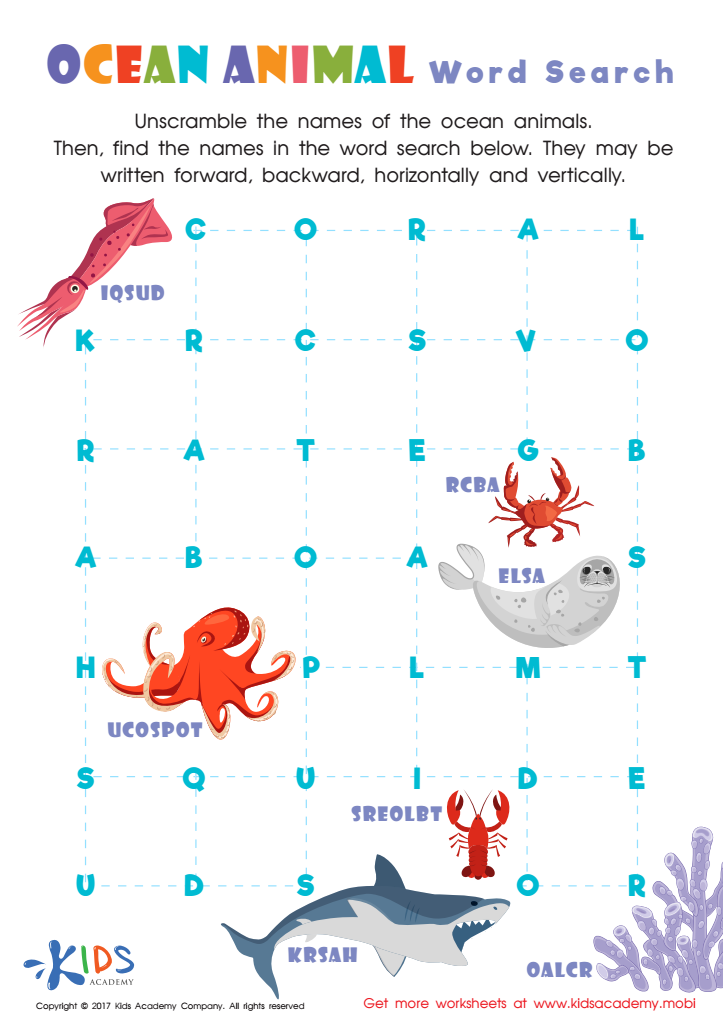
Ocean Animals Word Search Printable
Challenge your child to unscramble the names of ocean animals and find them in the word search. This ocean animals printable is a fun way to teach kids more about these fascinating creatures!
Ocean Animals Word Search Printable
Worksheet
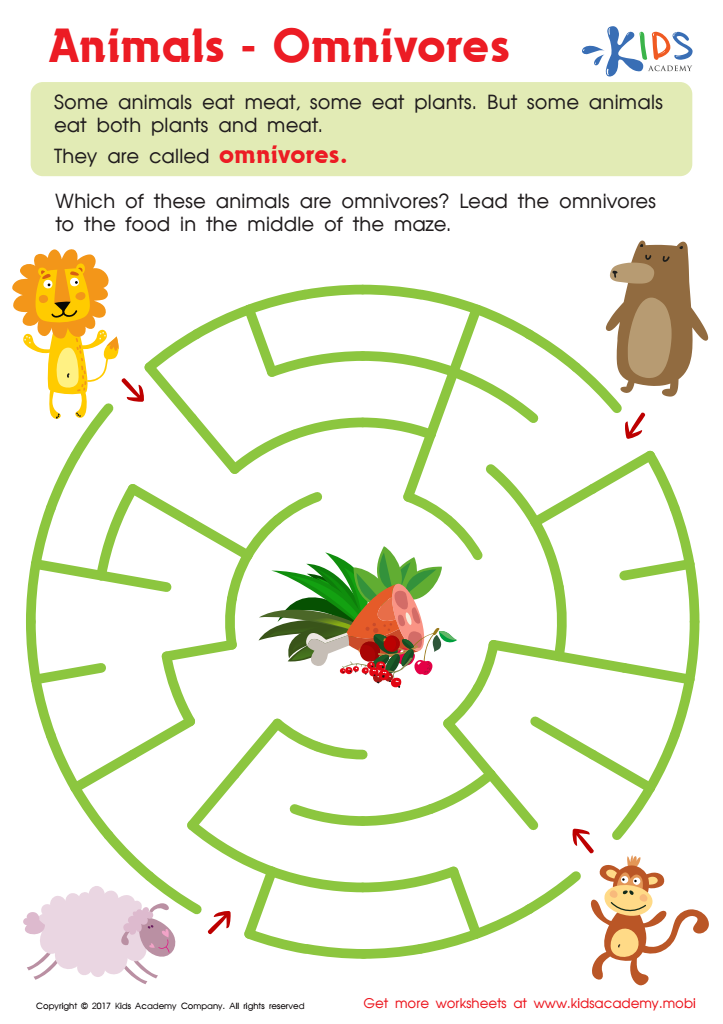
Omnivores Animals Worksheet
Kids can explore omnivores animals with this worksheet! It presents herbivores, carnivores and omnivores, with the main activity being a maze. Kids must guide a bear through it to get to its food. See how much they know about omnivores!
Omnivores Animals Worksheet
Worksheet
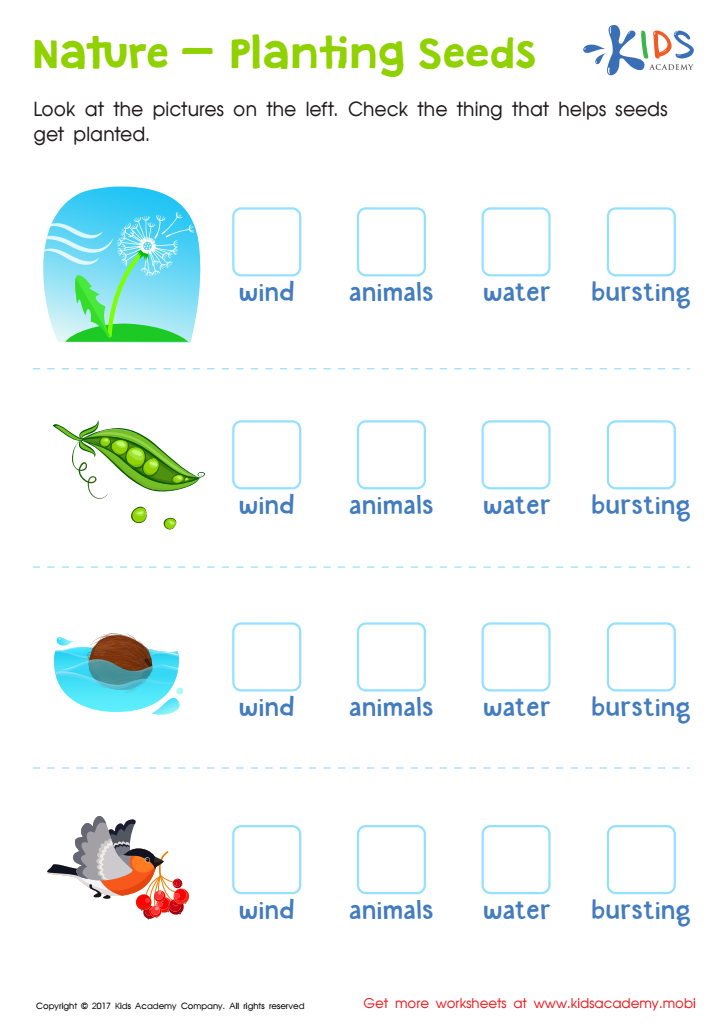
Nature Planting Seeds Worksheet
Help your child explore the fascinating cycle of plants and seeds with this worksheet. They'll learn how plants grow and how seeds travel to the ground. Challenge them to identify the right way each seed gets planted!
Nature Planting Seeds Worksheet
Worksheet
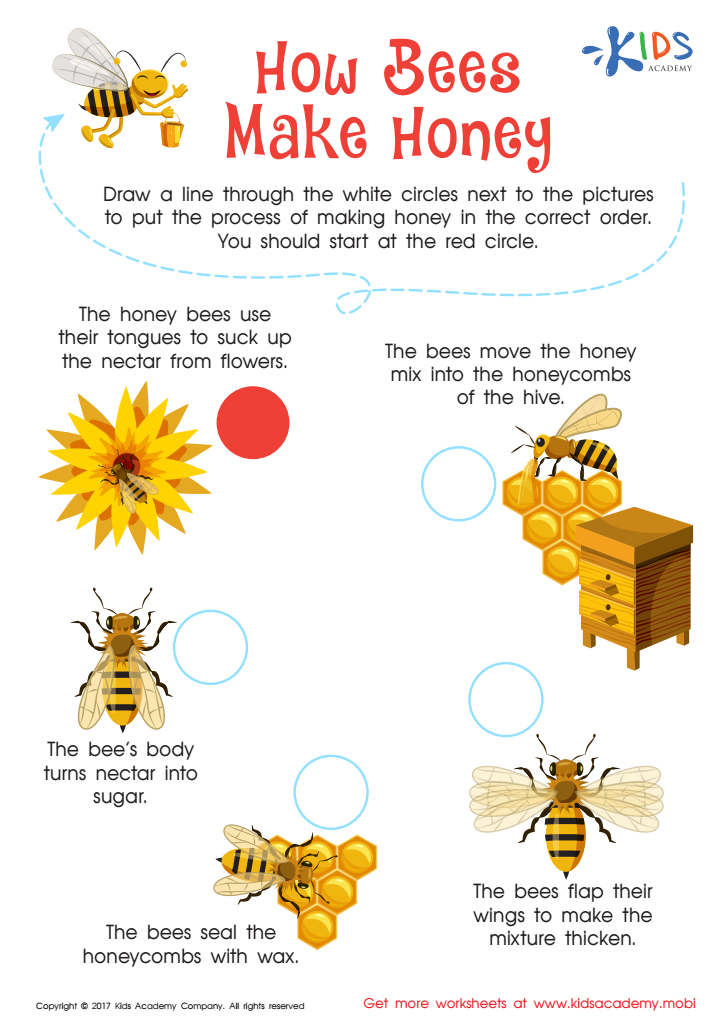
Honey Bee Worksheet
Kids learn about life science and the process of making honey with this sweet honeybee worksheet for 3rd grade. They identify the steps bees take and put the cycle in order, developing knowledge and appreciation for honeybees!
Honey Bee Worksheet
Worksheet
Join Kids Academy for Free
Who is primarily going to use this learning content?


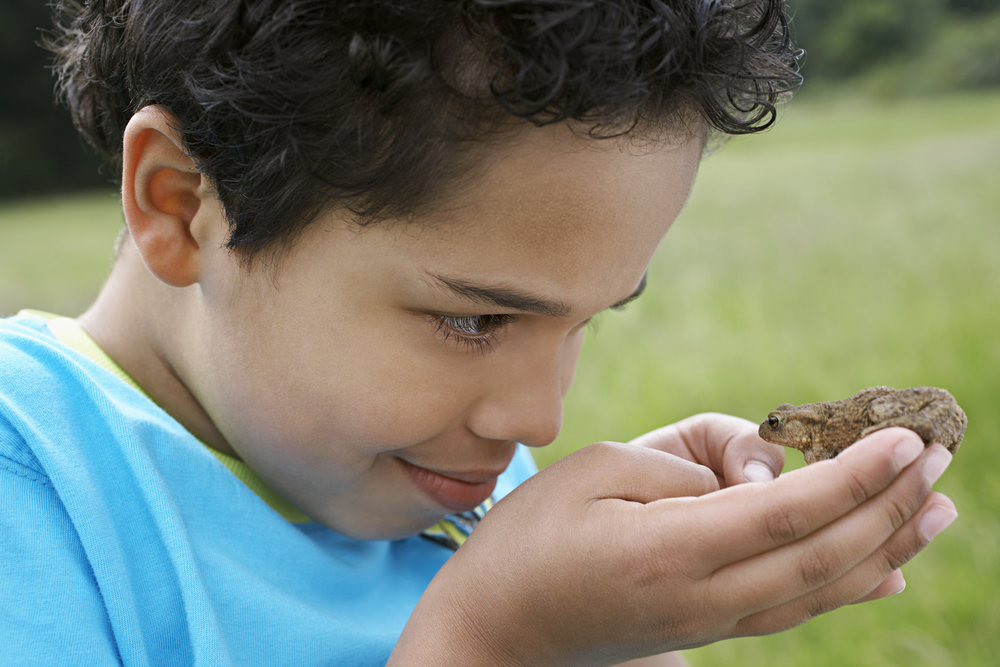



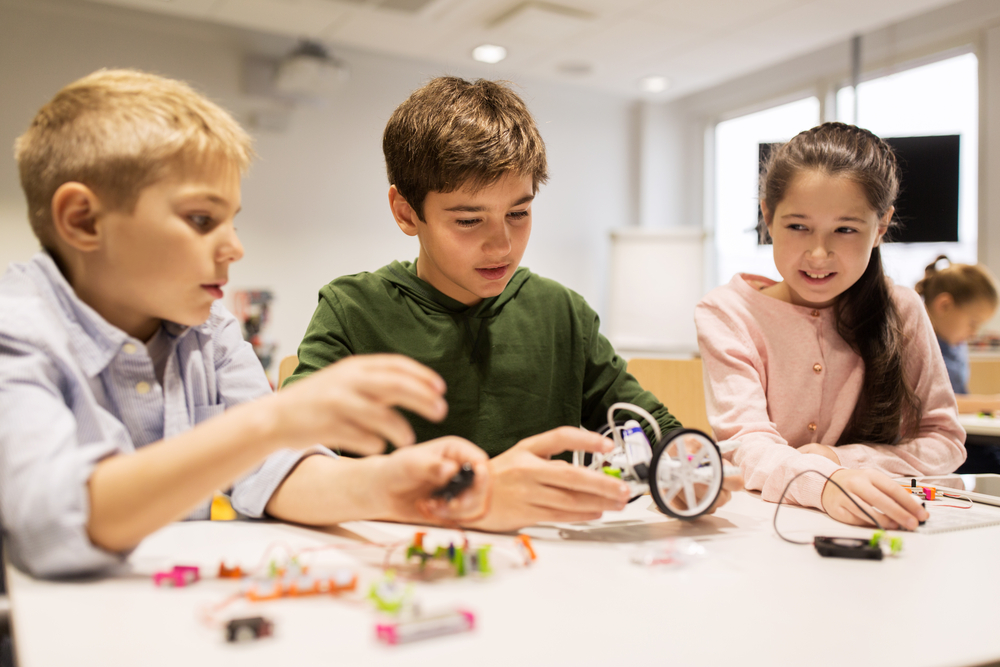

Vocabulary development in life science for children aged 5-8 is crucial for numerous reasons that extend beyond mere academic success. Firstly, early exposure to scientific terminology fosters a sense of curiosity and wonder about the natural world. This early interest can inspire a lifelong passion for learning and an enthusiasm for science, technology, engineering, and mathematics (STEM) fields.
Understanding life science vocabulary helps children grasp fundamental concepts about life forms, ecosystems, and biological processes. For instance, knowing words like "habitat," "organism," and "photosynthesis" enables young learners to better understand their environment and the complex interactions within it. This foundational knowledge supports critical thinking and problem-solving skills, which are essential for cognitive development.
Additionally, vocabulary acquisition in life science also aids language and literacy development. Learning new terms enhances children’s verbal abilities, reading comprehension, and improves communication skills, allowing them to better articulate their thoughts and ideas.
For parents and teachers, fostering a rich vocabulary in life science empowers children to succeed not only in academics but also in understanding the world around them. It lays the groundwork for informed, environmentally-conscious citizens who appreciate the complexities and beauty of living organisms and their ecosystems. Therefore, investing time and effort in teaching these terms reaps significant educational and developmental benefits.








