Analyzing data Our Planet and Environment Worksheets for Ages 5-8
5 filtered results
-
From - To
Explore our engaging "Analyzing Data: Our Planet and Environment Worksheets" designed specifically for children ages 5-8! These interactive worksheets introduce young learners to the exciting world of data analysis in the context of our planet and its ecosystems. Through fun activities, children will develop critical thinking skills as they learn to observe, categorize, and interpret information related to environmental topics like weather patterns, wildlife, and natural resources. Perfect for classroom use or home learning, these worksheets foster a love for science while promoting the importance of environmental stewardship. Click to download and inspire the next generation of eco-conscious thinkers!
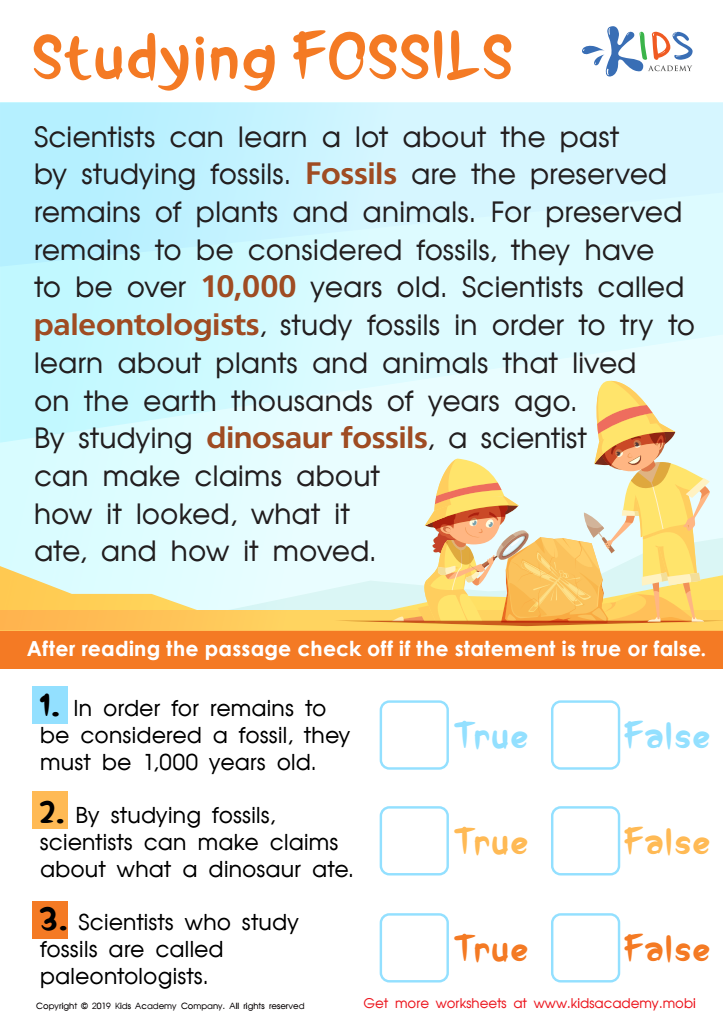
Studying Fossils Worksheet
 Assign to My Students
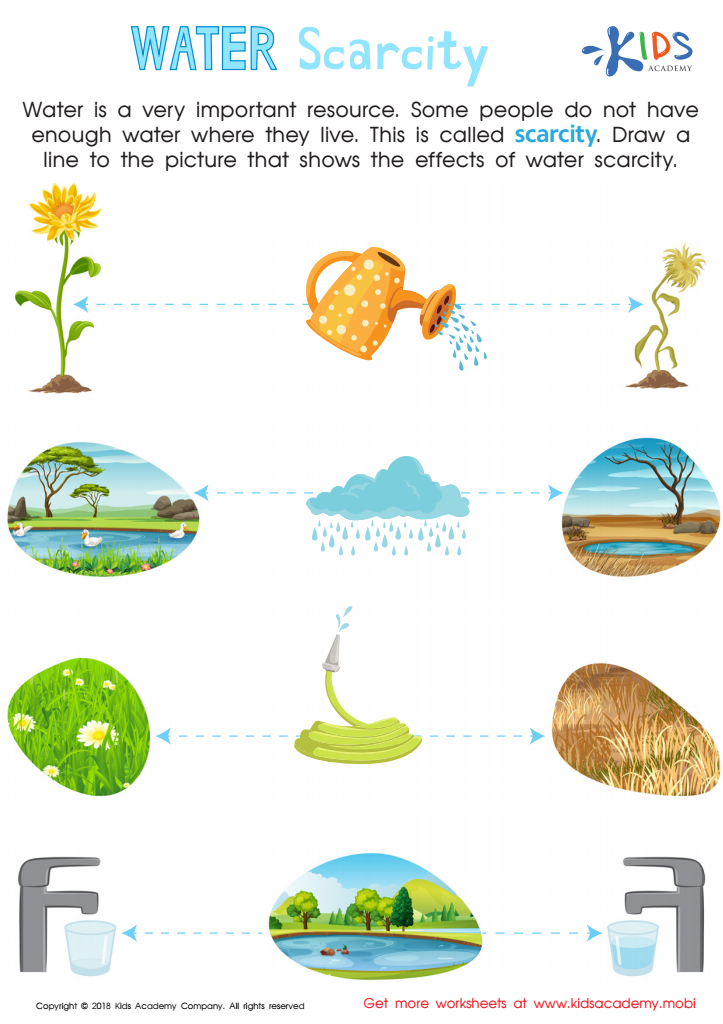
Water Scarcity Worksheet
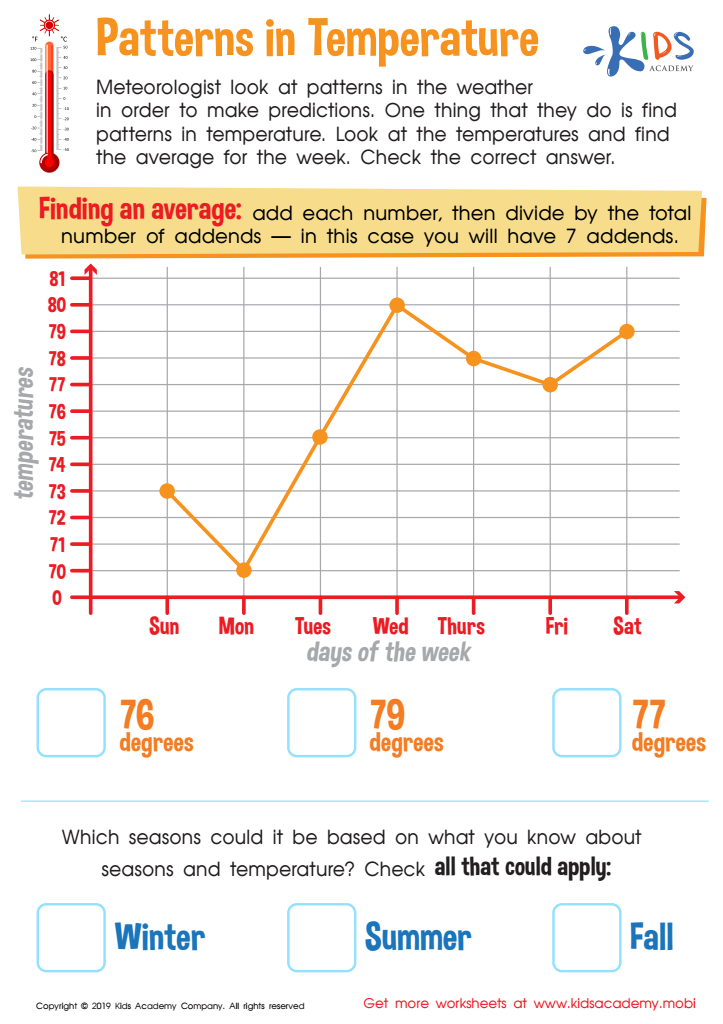
Patterns in Temperature Worksheet
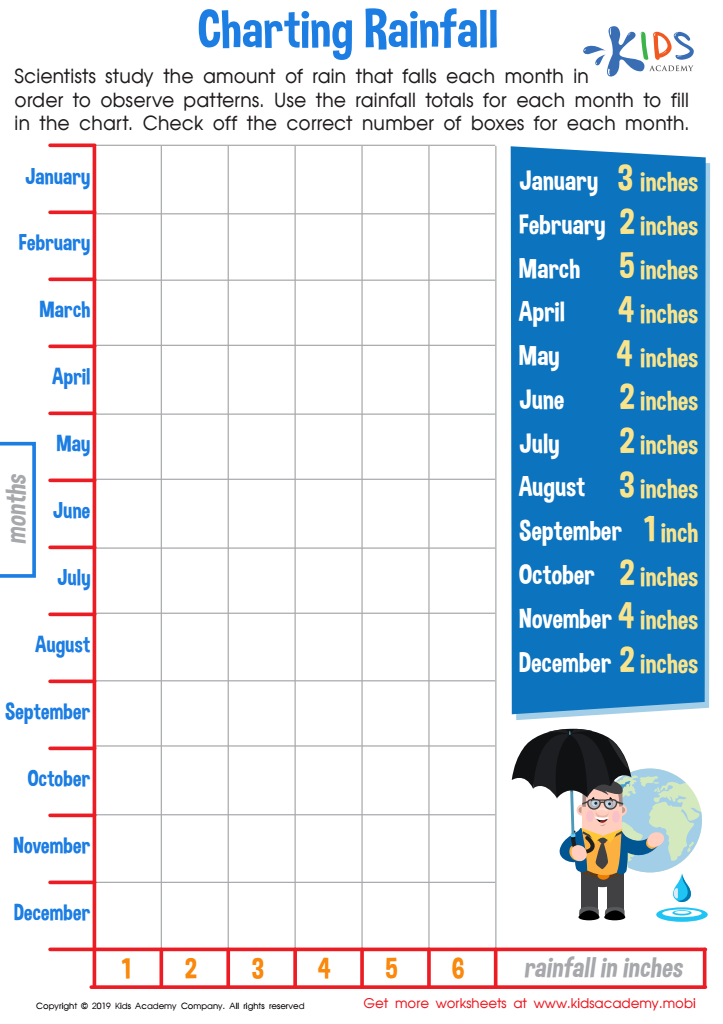
Charting Rainfall Worksheet
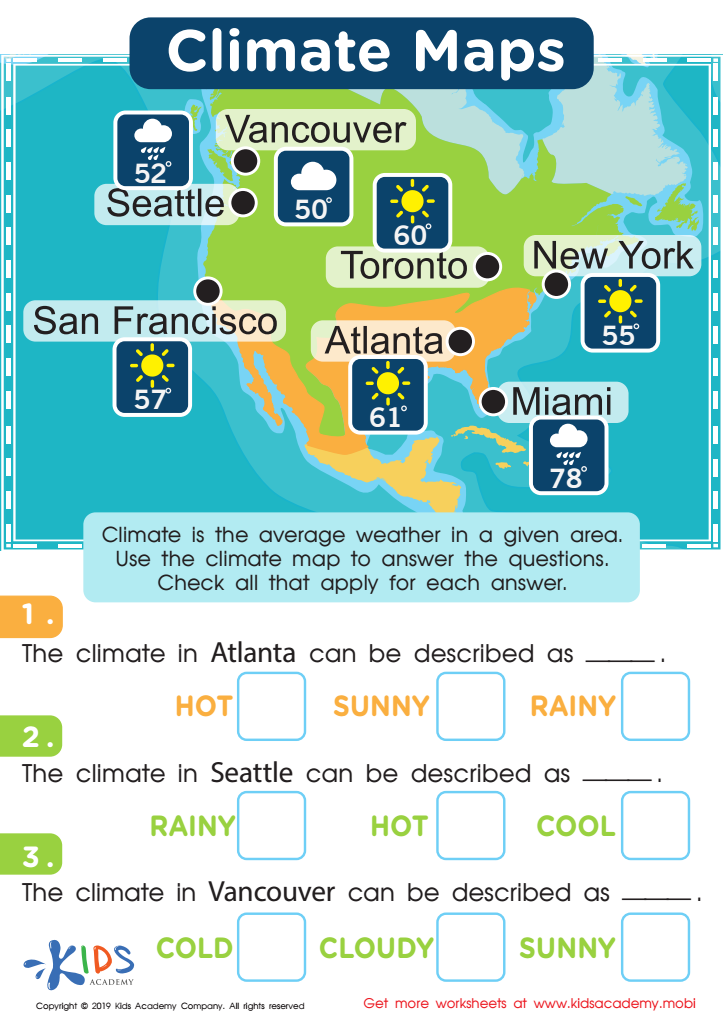
Climate Maps Worksheet







Analyzing data about our planet and environment is crucial for parents and teachers of children aged 5-8 for several reasons. First, this age group is at a stage of rapid cognitive development, making it an ideal time to cultivate an understanding of environmental stewardship and sustainability. Early exposure to data analysis helps children develop critical thinking and analytical skills, teaching them to interpret information and make informed decisions about their surroundings.
Second, engaging with environmental data fosters a sense of responsibility and connection to the world around them. Children who learn about local ecosystems, climate change, and biodiversity through data are more likely to develop empathy for nature and an understanding of global citizenship. This instills a mindset that encourages them to care for their environment as they grow.
Moreover, involving parents in data analysis can strengthen family bonds as they explore environmental issues together, leading to discussions about sustainability practices at home. Ultimately, by emphasizing the importance of analyzing environmental data, educators and parents provide children with the tools to become informed, responsible individuals who are capable of positively impacting their communities and the planet. This lifelong skill set is essential for navigating the challenges of a rapidly changing world.







