Critical Thinking Physical Science Worksheets for Ages 5-8
3 filtered results
-
From - To
Enhance young learners’ scientific skills with our "Critical Thinking Physical Science Worksheets for Ages 5-8." Perfectly curated for inquisitive minds, these worksheets explore fundamental concepts in physical science while nurturing critical thinking abilities. Engaging activities challenge children to question, analyze, and draw conclusions about the world around them. Ideal for classroom or home use, our resources support educators in fostering a solid foundation in science, promoting curiosity, and developing problem-solving skills. Boost your child’s intellect and interest in science today with these captivating and educational printables available on Kids Academy!
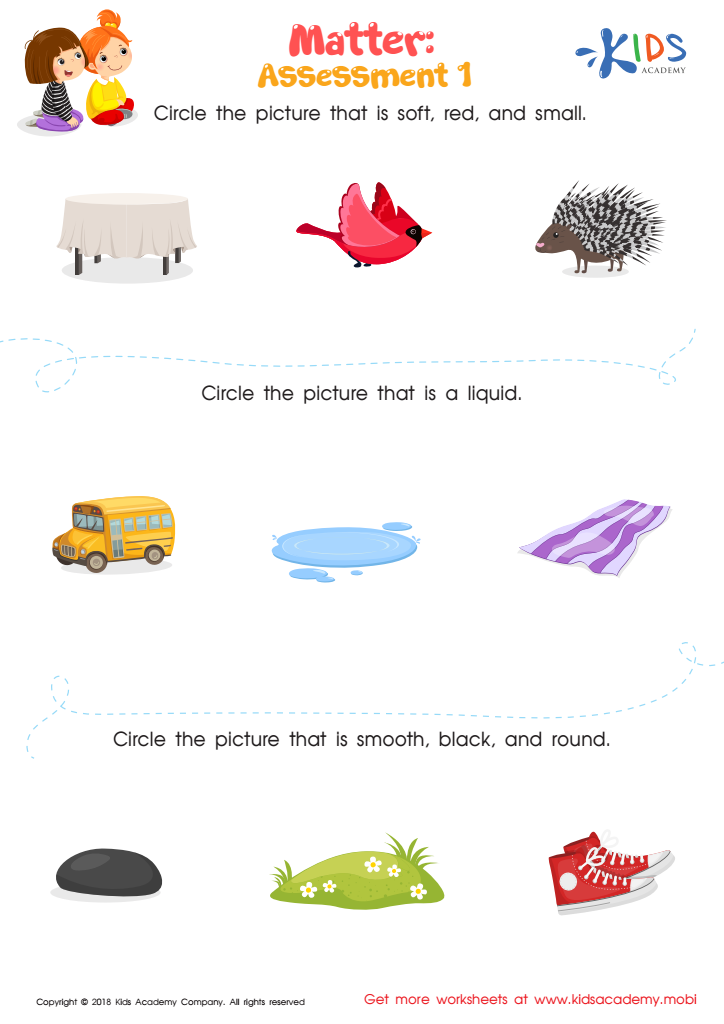
Matter: Assessment 1 Worksheet
 Assign to My Students
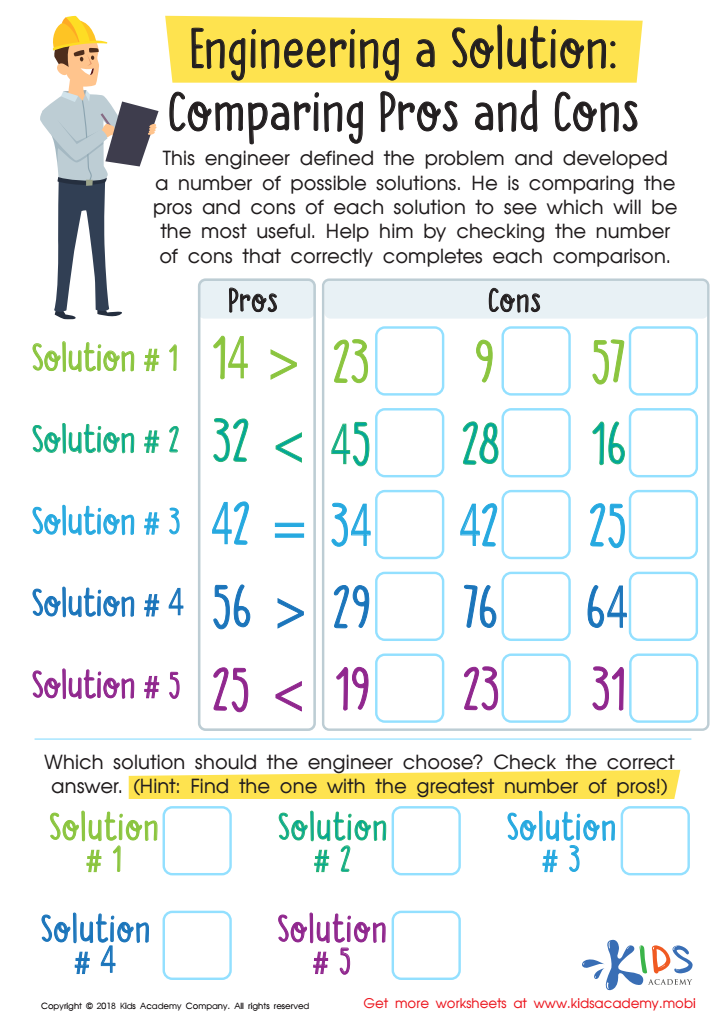
Engineering a Solution: Comparing Pros and Cons Worksheet
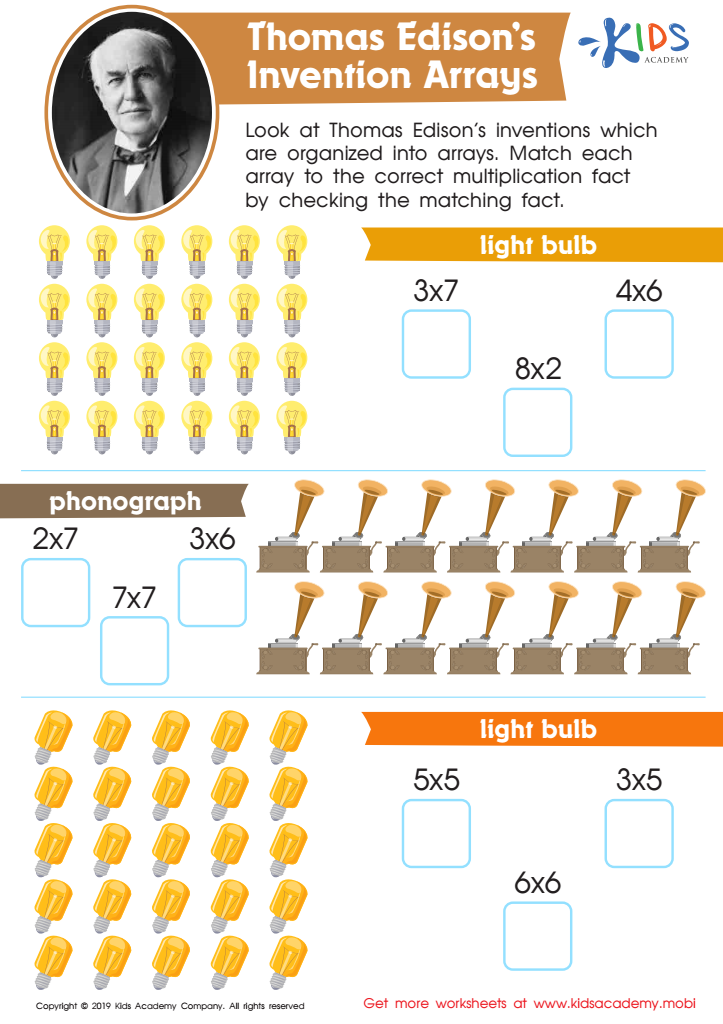
Thomas Edison’s Invention Arrays Worksheet






Parents and teachers should prioritize Critical Thinking in Physical Science for children aged 5-8 because it lays the foundation for lifelong learning and problem-solving skills. At this pivotal stage, young minds are exceptionally receptive and curious, making it an ideal time to introduce them to scientific principles and critical thinking processes. Engaging in activities that promote critical thinking helps children understand how to analyze information, make connections, and draw logical conclusions.
These skills are not only fundamental to their academic success but also foster curiosity and inquisitiveness about the world around them. By creating an environment where questioning, observing, experimenting, and reflecting are encouraged, parents and teachers cultivate an early love for science and learning in general. This early exposure also helps demystify complex concepts, making them accessible and less daunting for children as they progress in their education.
Moreover, critical thinking in science teaches children to approach problems systematically and creatively, an essential skill set for any future career in our rapidly changing world. Encouraging these abilities in the formative years can significantly impact their confidence and perseverance both in and out of the classroom, ultimately contributing to a more educated, thoughtful, and innovative society.







