Animal recognition Plants and Animals Worksheets for Ages 5-8
6 filtered results
-
From - To
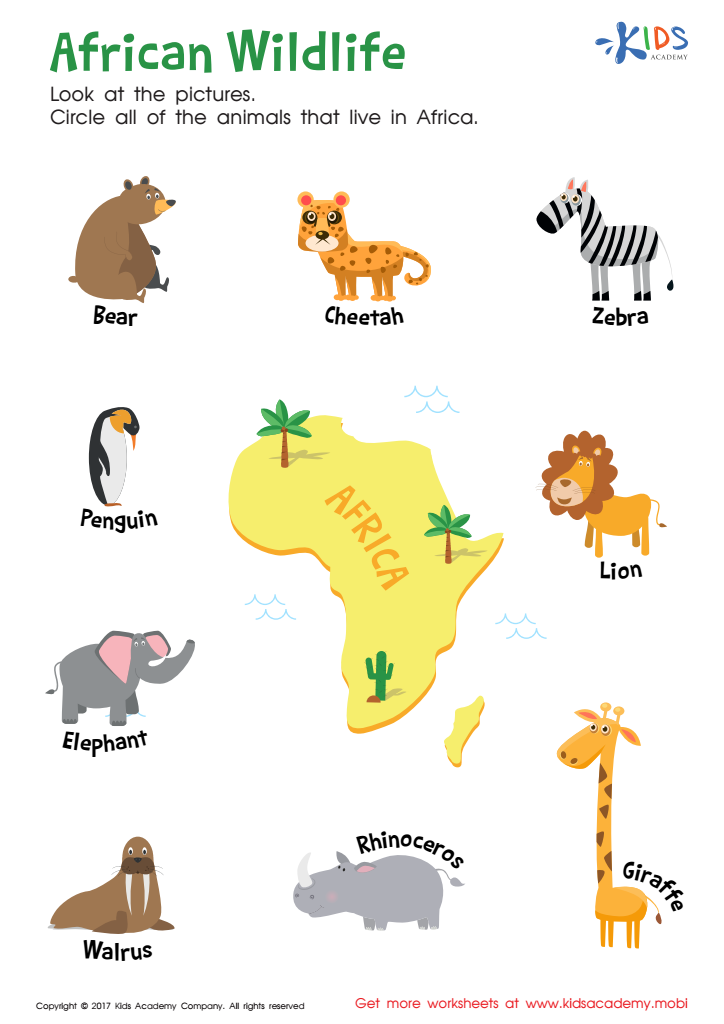
Welcome to our “Animal Recognition Plants and Animals Worksheets” designed specifically for ages 5-8! Our engaging and colorful worksheets make learning about the animal kingdom fun and interactive. Kids will explore various animals, their habitats, and characteristics through delightful illustrations and activities. Each worksheet focuses on building recognition skills, enhancing vocabulary, and promoting curiosity about the natural world. Perfect for homeschooling, classroom use, or extra practice at home, these resources encourage observation and comprehension. Help your young learners discover the diversity of animals while developing essential skills! Download our worksheets and inspire a love for nature today!
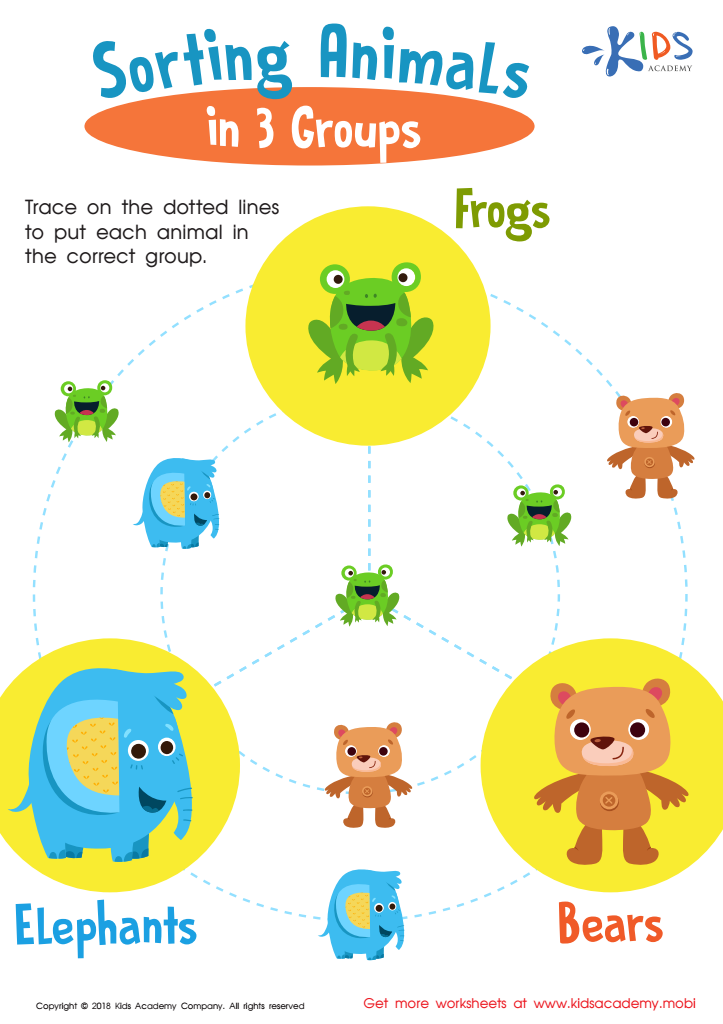
Sorting Animals in 3 Groups Worksheet
 Assign to My Students

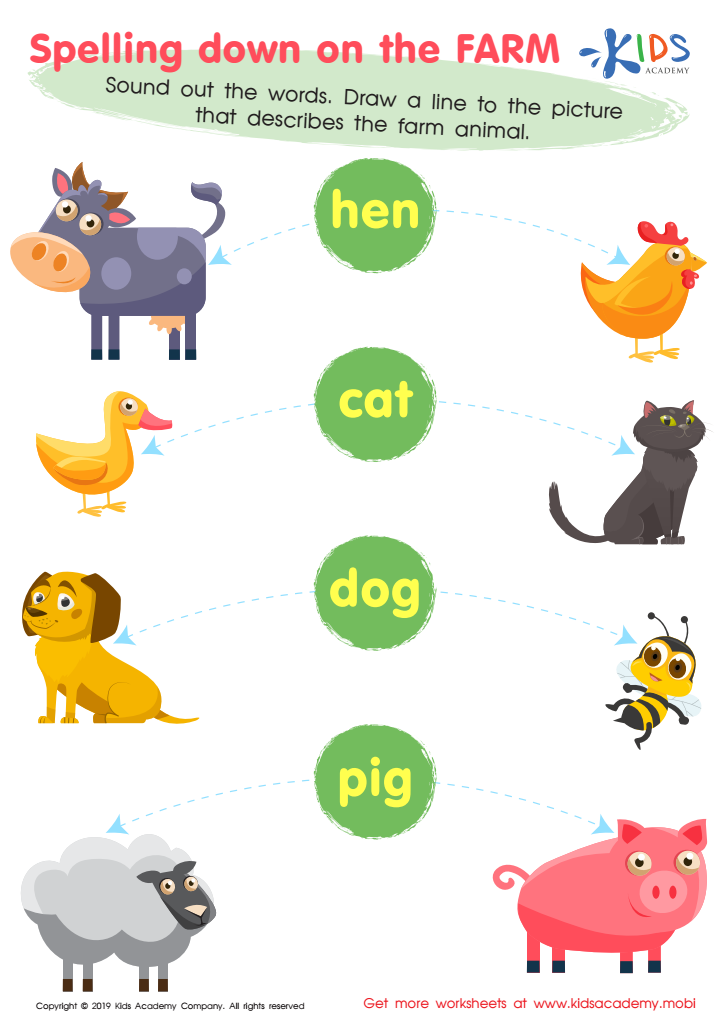
Spelling Down on the Farm Worksheet
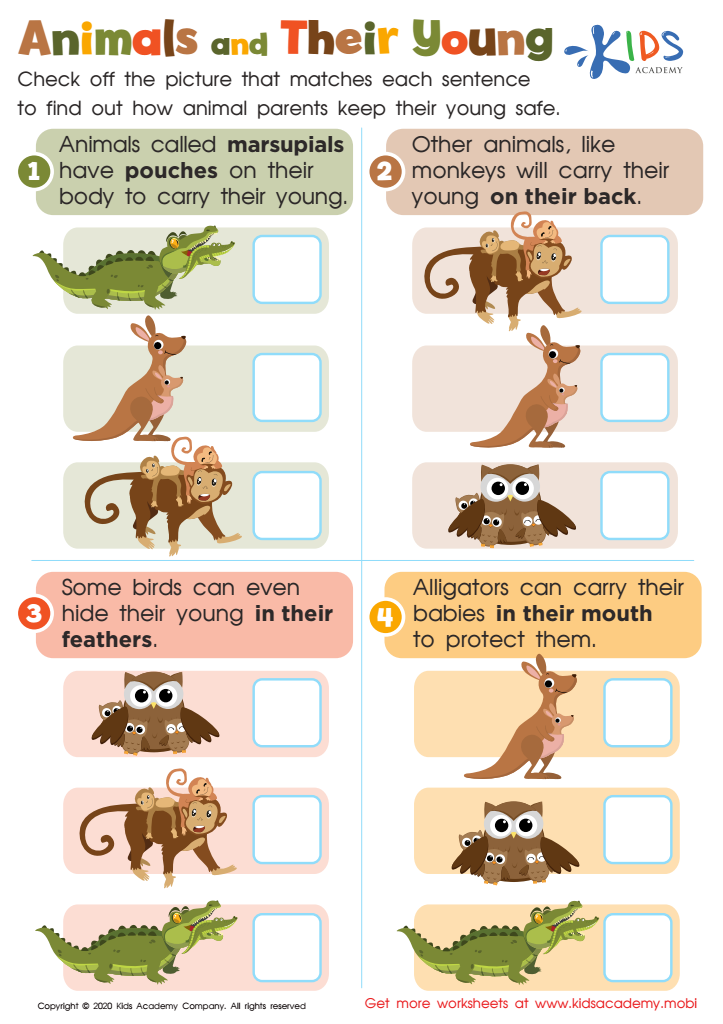
Animals and Their Young Worksheet
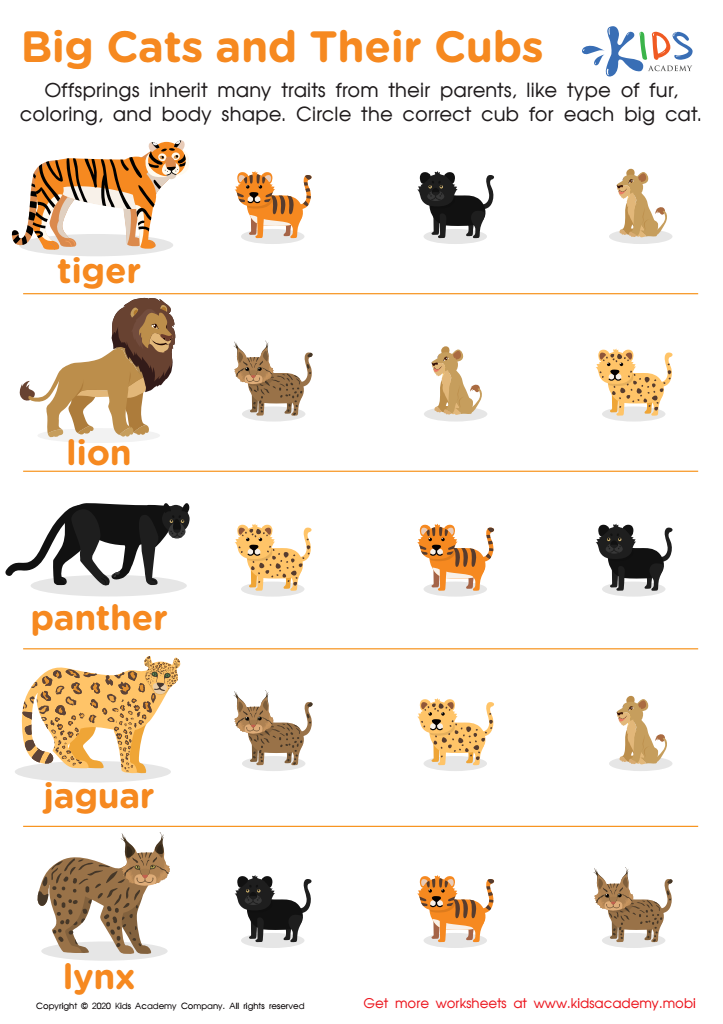
Big Cats and Their Cubs Worksheet
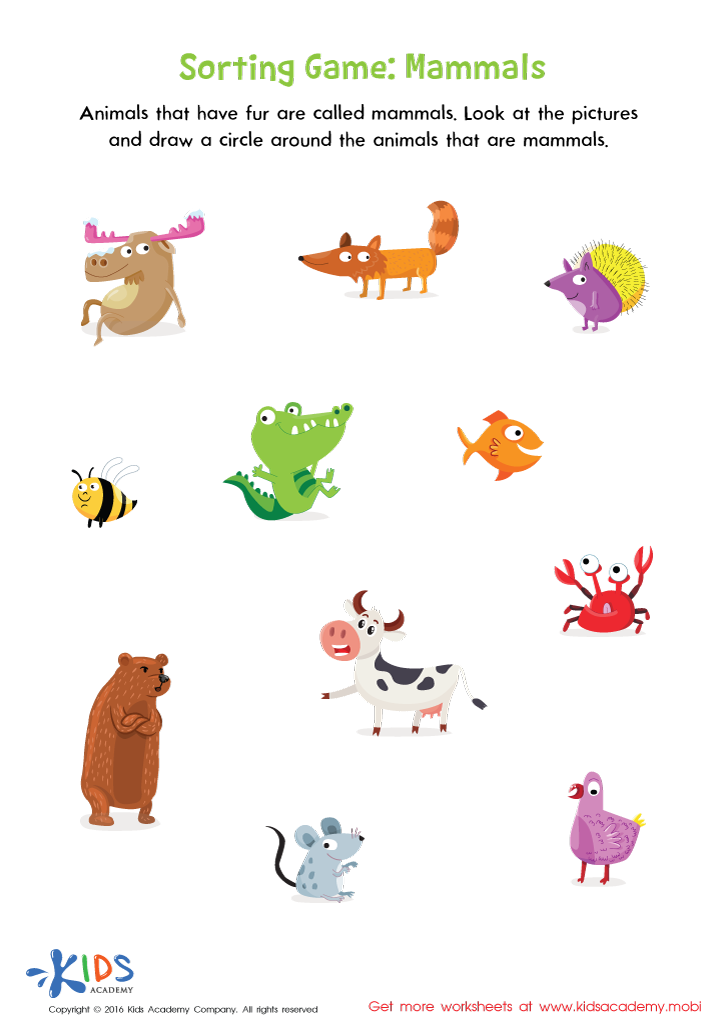
Mammals Sorting Worksheet


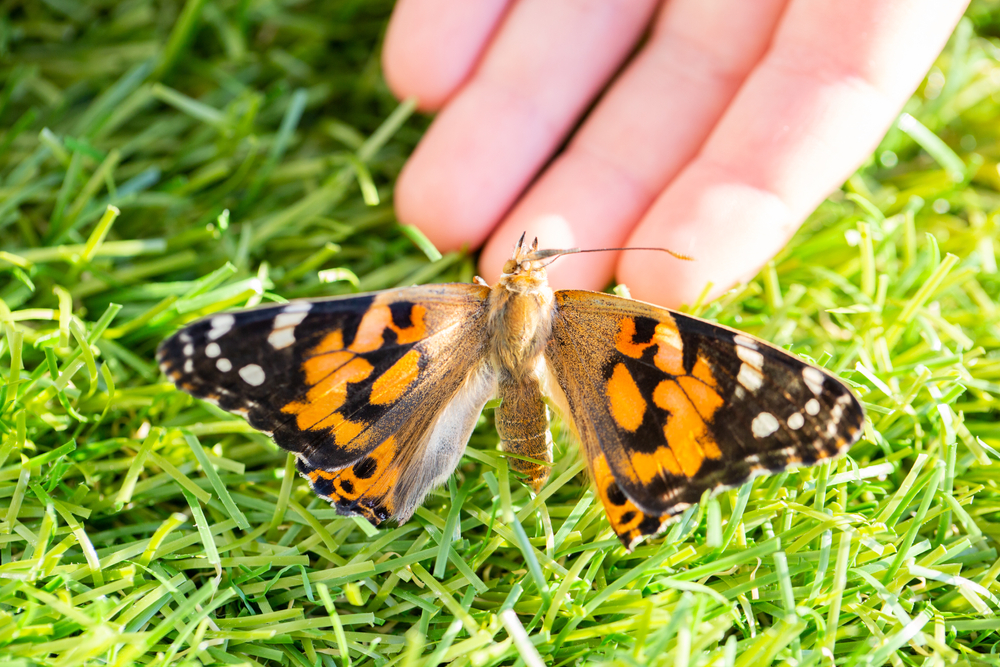





Understanding animal recognition is crucial for children aged 5-8, as it fosters a strong connection to the natural world and promotes cognitive development. At this age, children's brains are developing rapidly, and engaging them with the identification of various plants and animals enhances their observation skills and critical thinking. By recognizing different species, children learn about biodiversity, ecosystems, and the importance of preserving nature, laying the groundwork for future environmental stewardship.
Moreover, connecting with plants and animals encourages curiosity and creativity. Activities like observing and identifying local wildlife or gardening can stimulate discussions about habitats, life cycles, and adaptation, enriching their vocabulary and understanding of science concepts. Such interactions also promote emotional intelligence, as children learn to empathize with living beings and understand their roles within an ecosystem.
For parents and teachers, integrating animal recognition into learning not only supports educational frameworks but also cultivates responsibility and kindness in young learners. It provides a captivating way to teach math, literacy, and science through hands-on experiences. Overall, emphasizing animal recognition helps children develop a well-rounded foundation of knowledge, curiosity, and respect for the environment that benefits society as a whole.