Critical thinking development Plants and Animals Worksheets for Ages 5-8
3 filtered results
-
From - To
Nurture young minds with our engaging Critical Thinking Development Plants and Animals Worksheets for Ages 5-8. Designed to enhance scientific curiosity, these worksheets encourage kids to explore the natural world around them. Through fun and interactive exercises, children will learn about plant and animal life cycles, habitats, and adaptations, while simultaneously developing critical thinking skills. Ideal for reinforcing early learning concepts, our carefully crafted printables make science both educational and entertaining. Boost your child’s cognitive abilities and foster a love for nature with our specialized worksheets. Visit Kids Academy to download and print these valuable resources today!
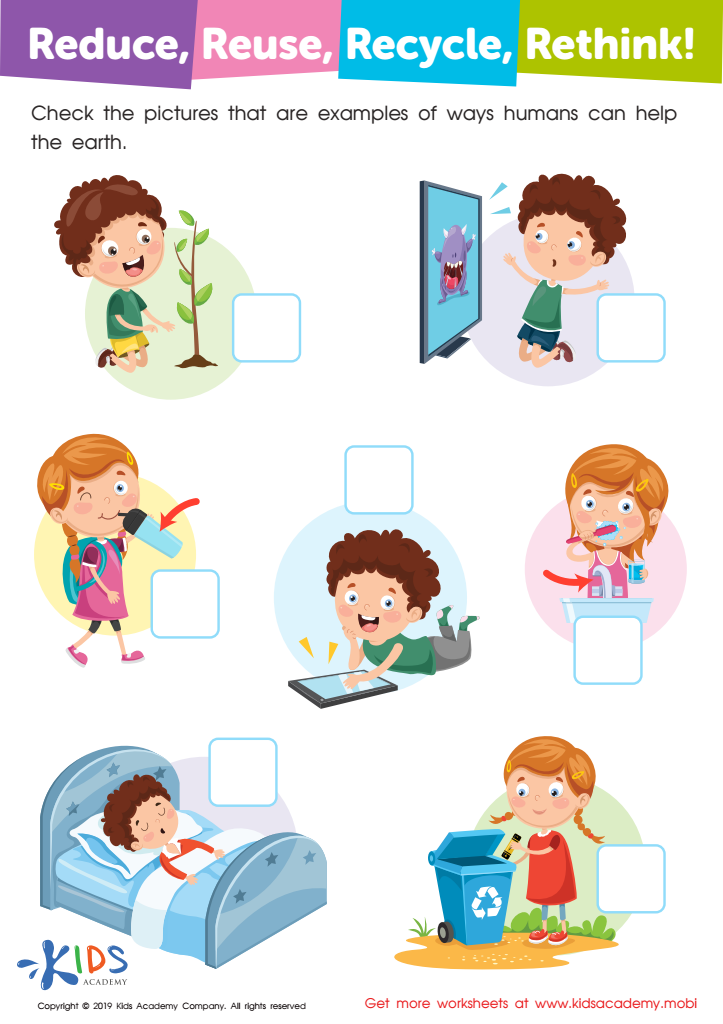
Reduce, Reuse, Recycle, Rethink Worksheet
 Assign to My Students
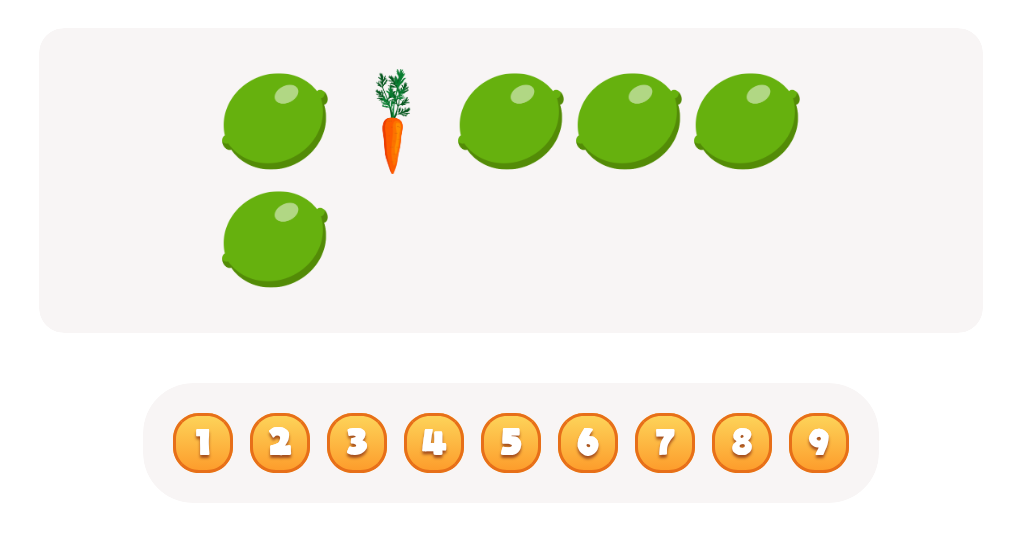


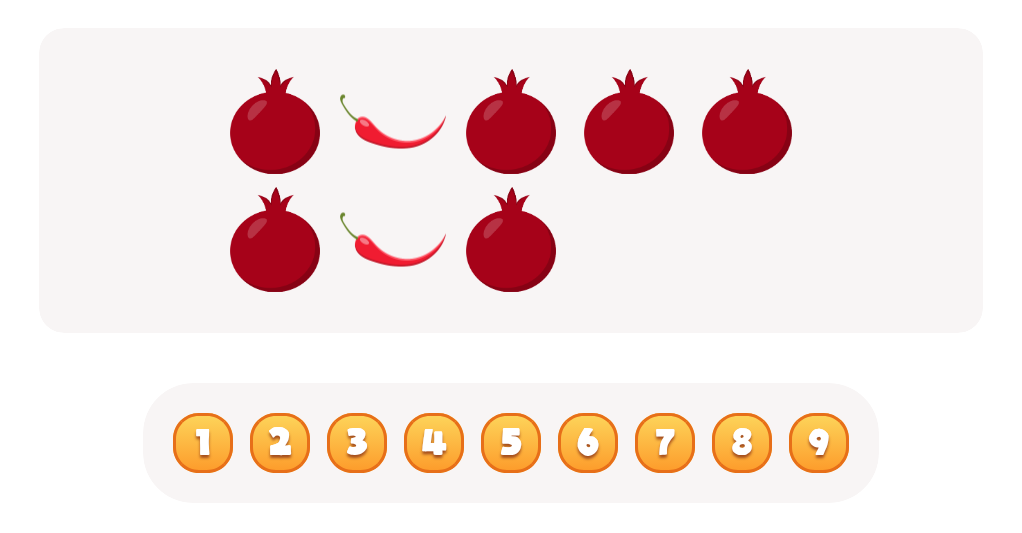
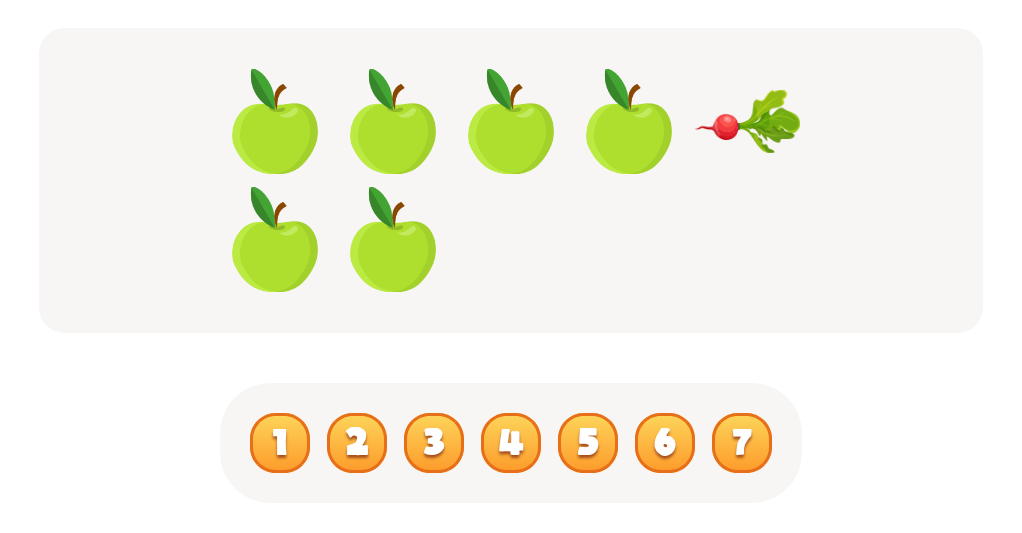



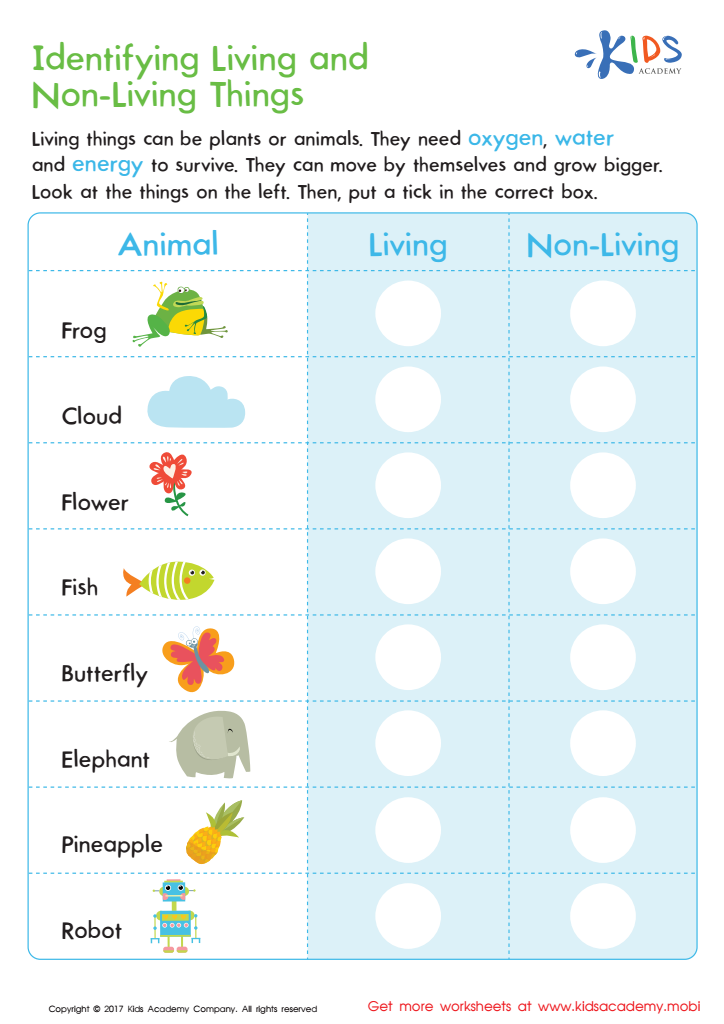
Identifying Living or Non–living Worksheet
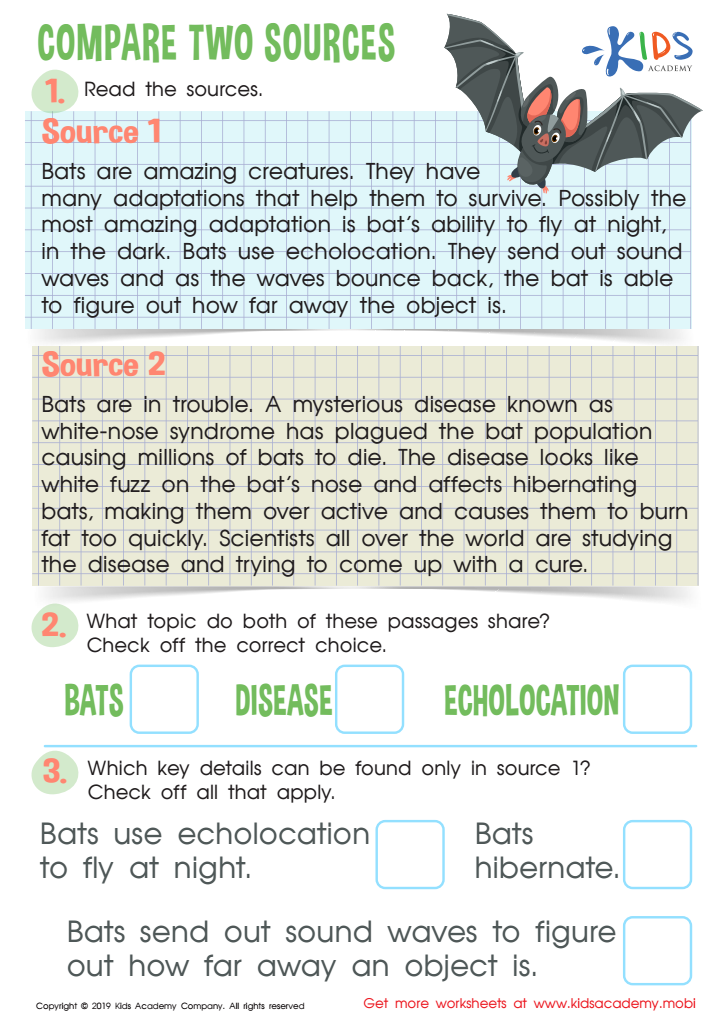
Compare Two Sources Worksheet








Encouraging critical thinking in young children through the study of plants and animals is crucial for their overall development. At ages 5-8, children are naturally curious, and harnessing this innate curiosity can foster a lifelong love for learning. By observing and engaging with the natural world, children develop important skills such as observation, analysis, and questioning.
For example, when children examine the life cycle of a butterfly or the way plants grow, they learn to make predictions, compare different stages, and understand the concept of cause and effect. These activities promote cognitive skills that form the foundation for scientific thinking and problem-solving. Critical thinking helps children navigate complex information, make informed decisions, and understand the consequences of their actions.
Moreover, this form of learning instills a sense of environmental stewardship. As children gain knowledge about living organisms and their habitats, they develop empathy and respect for nature. This awareness is crucial for cultivating responsible future citizens who are aware of ecological and environmental issues.
For educators and parents, fostering critical thinking through the lens of plants and animals is an engaging way to nurture intellectual growth and environmental awareness simultaneously. It equips children with essential cognitive tools and introduces them to the joys and responsibilities of understanding the world around them.








