Understanding pollination Plants and Animals Worksheets for Ages 5-8
3 filtered results
-
From - To
Discover fun and educational "Understanding Pollination" worksheets designed for children ages 5-8! These printable activities from Kids Academy help young learners explore the fascinating world of plants and animals while developing core science skills. Through engaging exercises, kids will learn about the vital process of pollination, the role of pollinators like bees, and how plants reproduce. Perfect for both classroom and at-home learning, these worksheets make understanding pollination exciting and accessible. Foster a love for science early on with our thoughtfully crafted resources, designed to stimulate curiosity and encourage hands-on learning. Start exploring today!
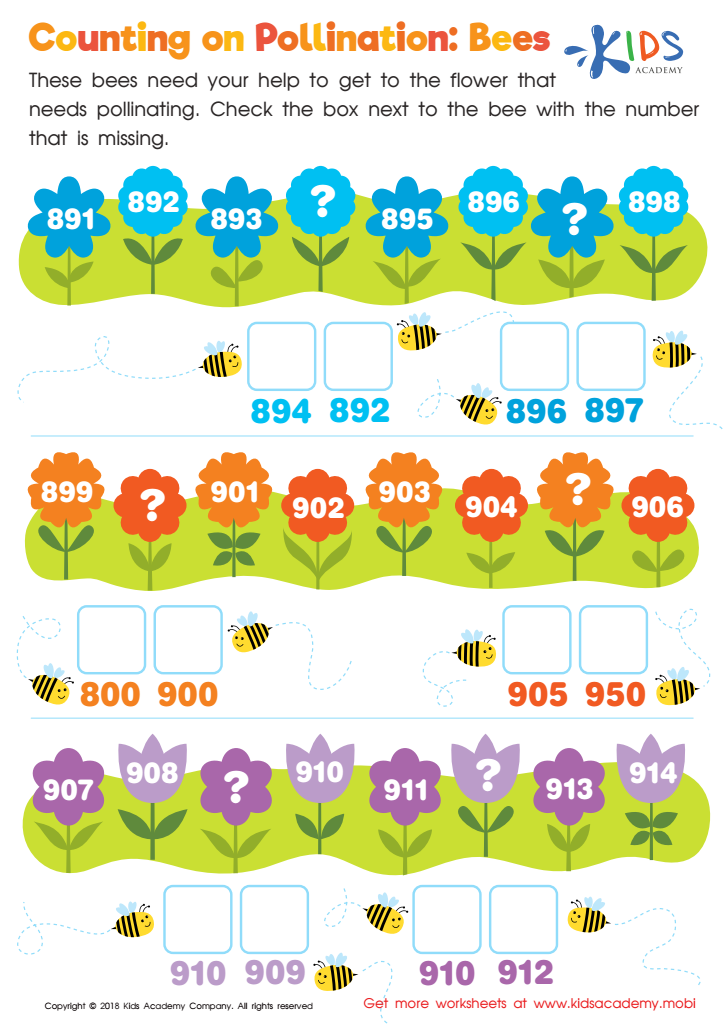
Counting on Pollination: Bees Worksheet
 Assign to My Students

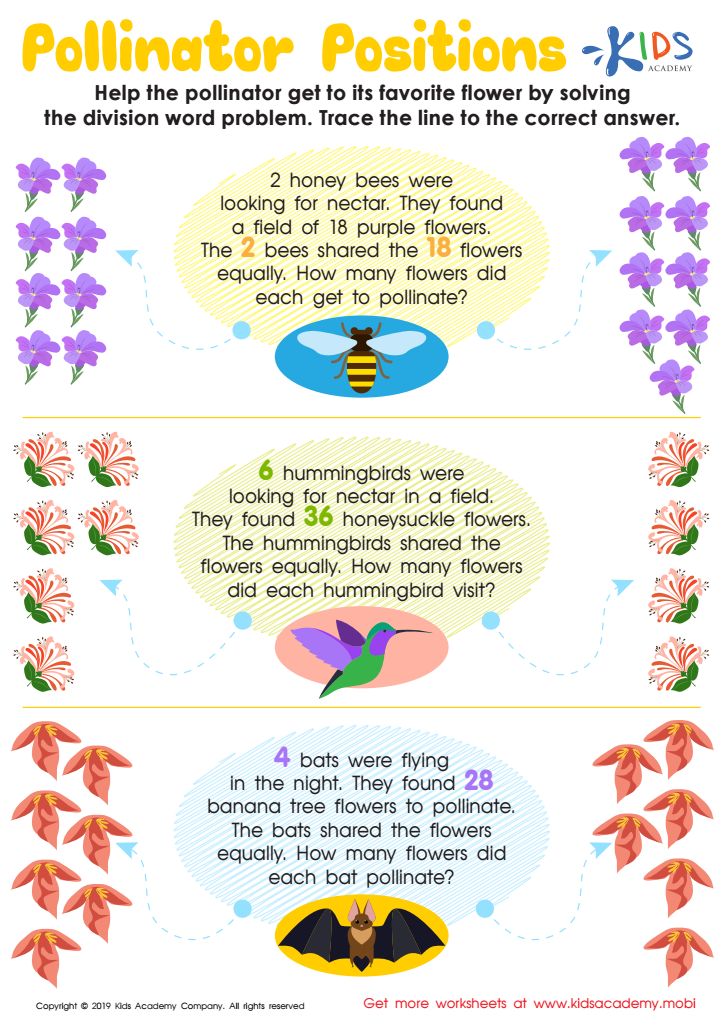
Pollinator Positions Worksheet
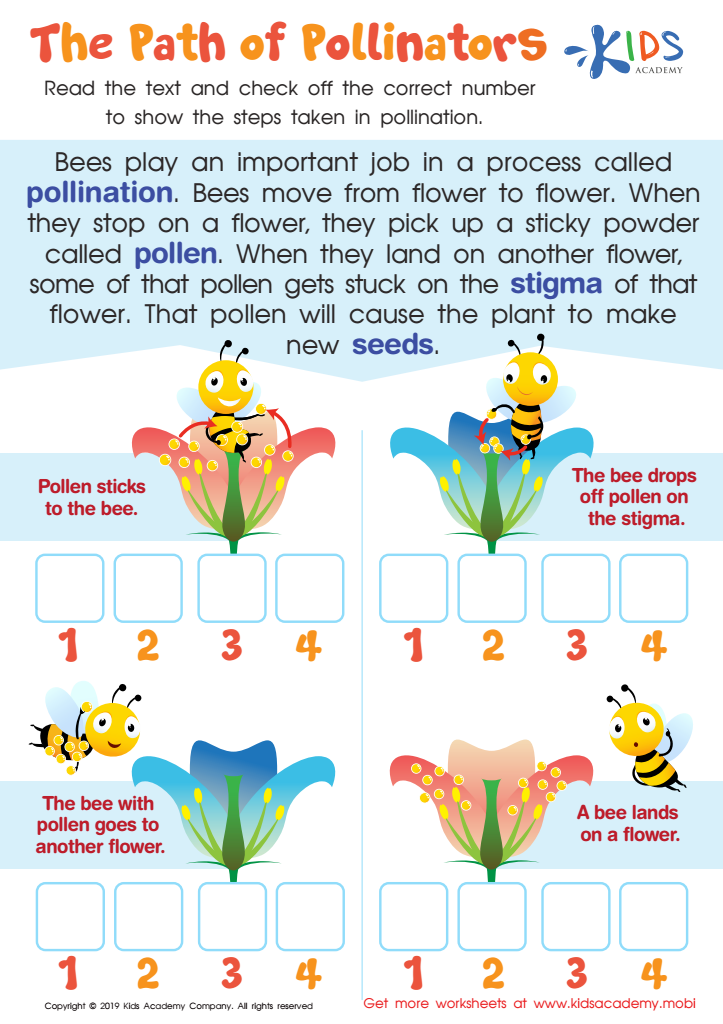
The Path of Pollinators Worksheet





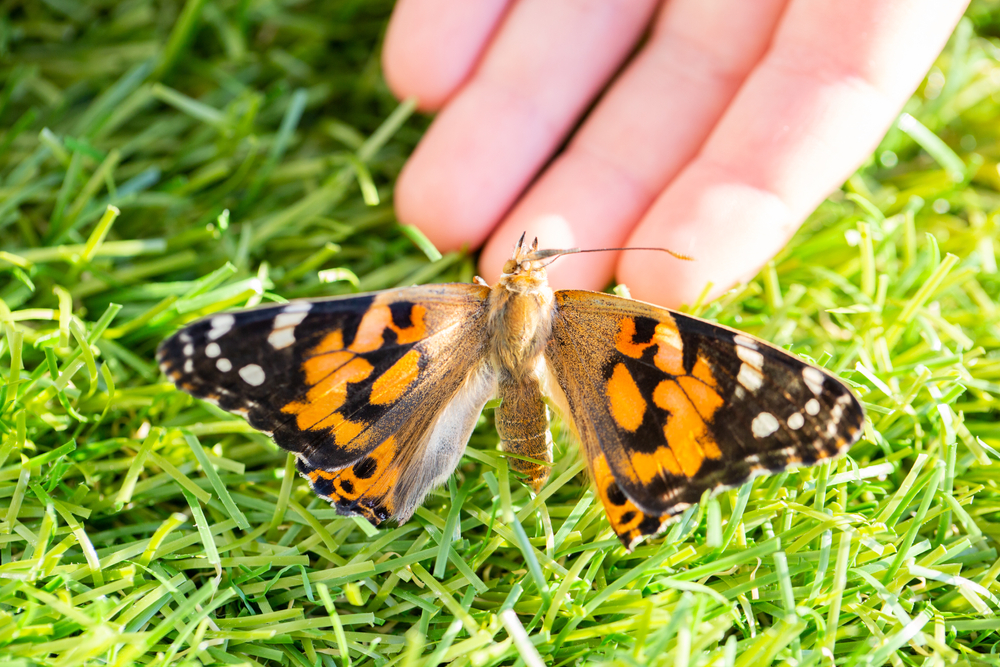

Understanding pollination is crucial for young children, and both parents and teachers should care about this topic because it builds a foundational appreciation for nature and supports scientific literacy. For ages 5-8, learning about pollination—how bees, butterflies, birds, and even the wind help plants reproduce—can spark curiosity about the world around them. It teaches them that plants are important for producing the fruits, seeds, and nuts we eat, linking everyday life to natural processes.
Teaching about pollination also fosters empathy and care for the environment. When children learn how essential pollinators like bees are for our ecosystem, they understand why protecting these creatures is important. This awareness can lead to positive behaviors like planting flowers, reducing pesticide use, or participating in conservation efforts.
Moreover, understanding pollination aligns with early science education standards, emphasizing observation, inquiry, and life cycles. Activities such as examining flowers, identifying pollinators, and discussing their roles develop critical thinking and problem-solving skills. By nurturing an interest in the living world, children grow up with a scientific mindset, ready to engage with more complex biological concepts in later grades.
Ultimately, caring about teaching pollination plants seeds of knowledge and respect for nature in young minds, ensuring a future generation that values and protects our planet's biodiversity.