Vocabulary Building Plants and Animals Worksheets for Ages 5-8
5 filtered results
-
From - To
Enhance your child's learning with our engaging Vocabulary Building Plants and Animals Worksheets designed for ages 5-8! These interactive resources will introduce young learners to essential vocabulary while exploring the fascinating world of plants and animals. Through a variety of fun activities including matching, fill-in-the-blanks, and picture identification, children will expand their vocabulary and improve their reading skills. Perfect for home or classroom use, these worksheets encourage curiosity about nature and promote critical thinking. Help your little ones develop a strong foundation in language and science with our vibrant, kid-friendly worksheets! Explore and download today to ignite your child's love for learning!
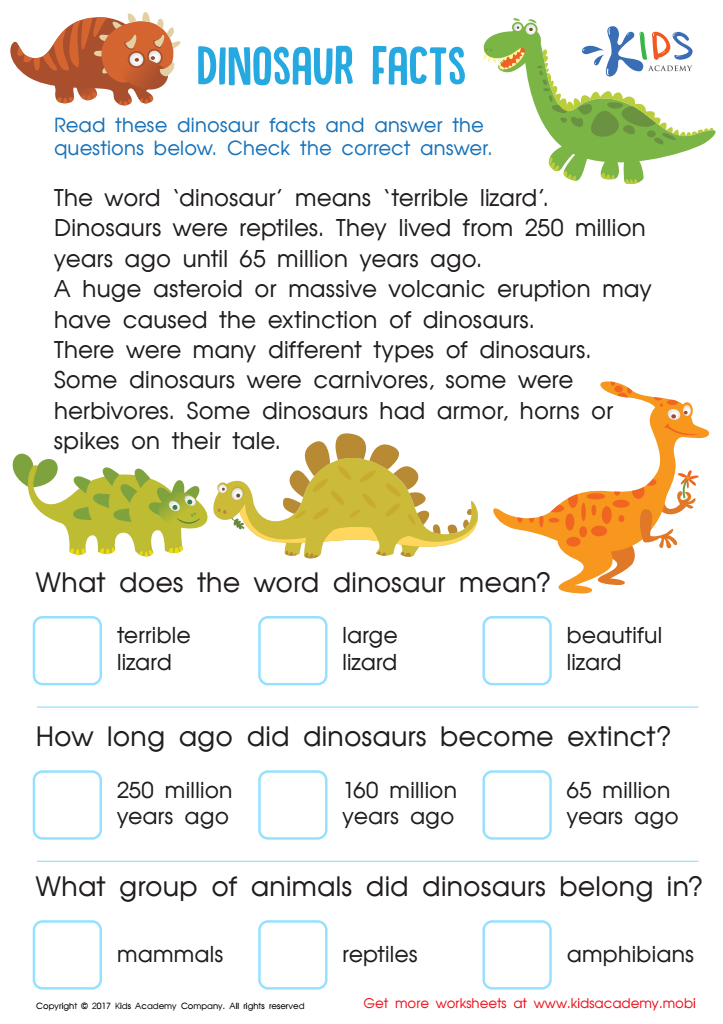
Dinosaur Facts Worksheet
 Assign to My Students











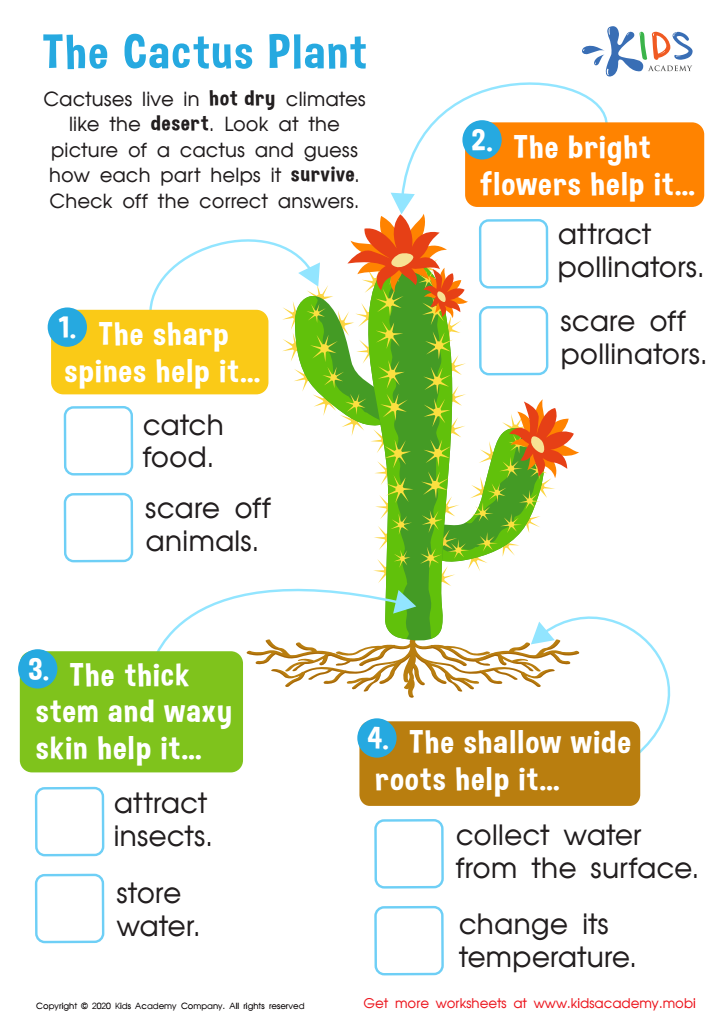
The Cactus Plant Worksheet
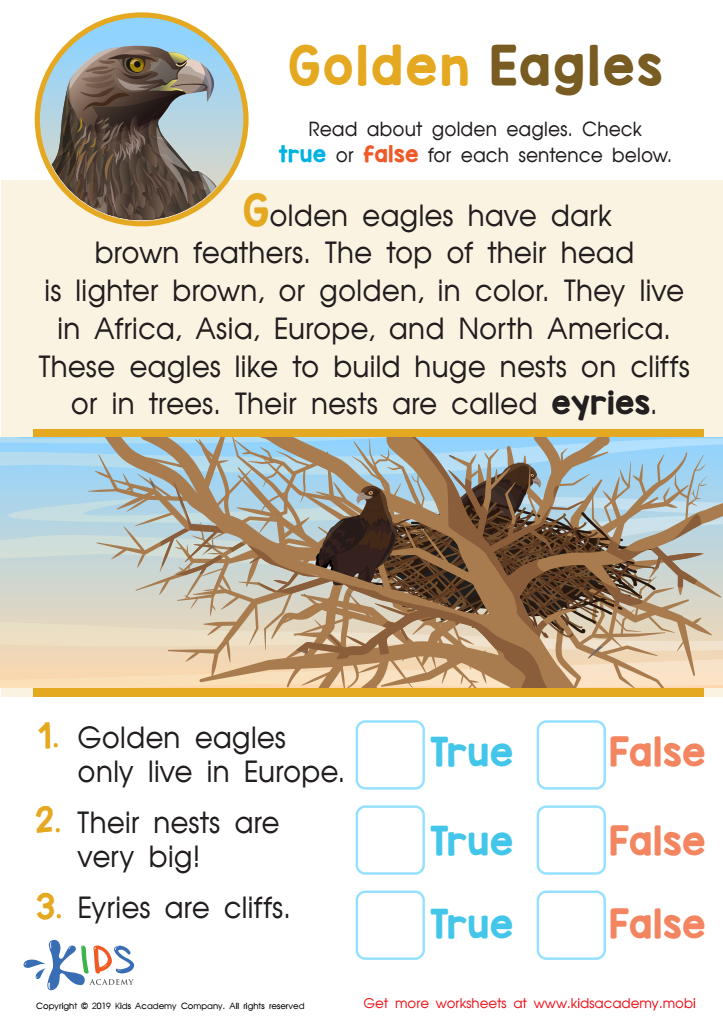
Golden Eagles Worksheet
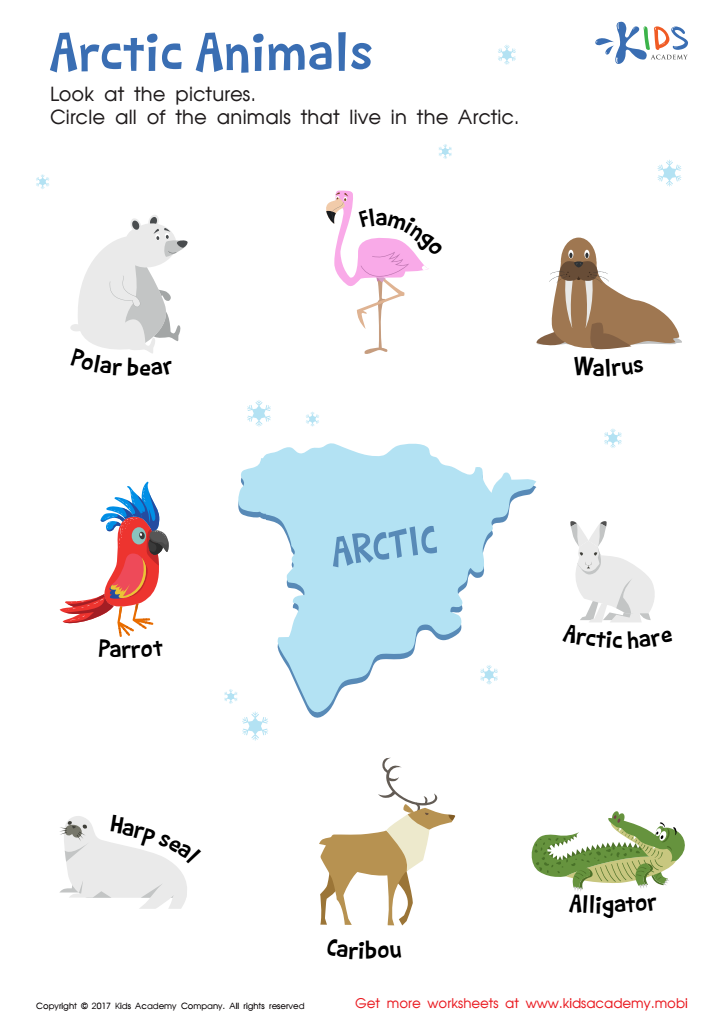
Arctic Animals Worksheet
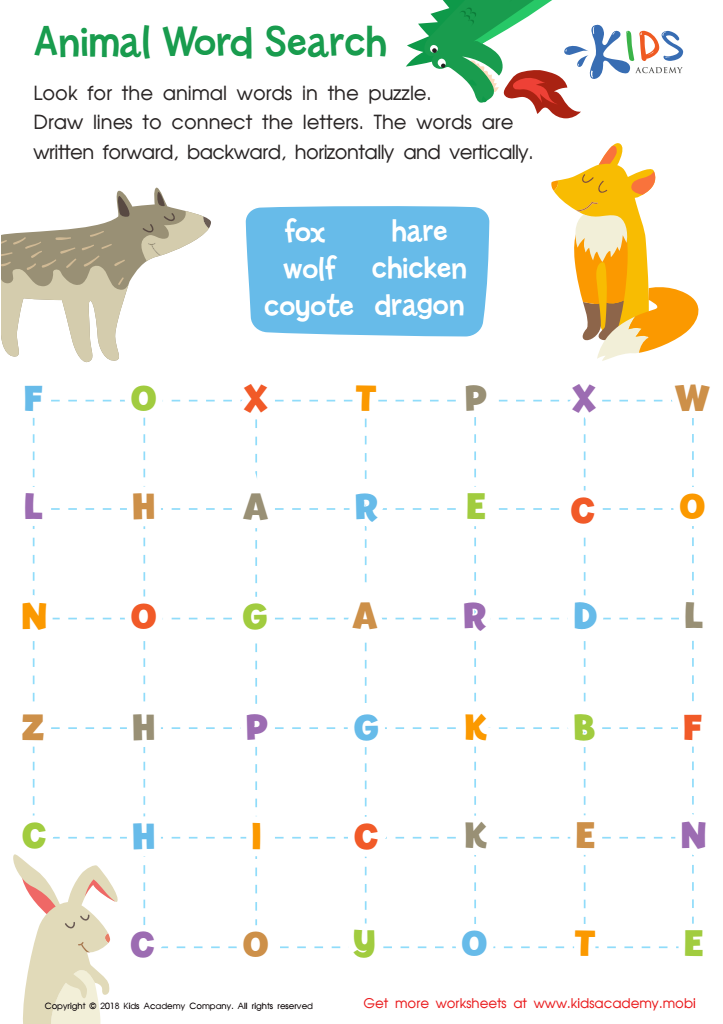
Animal Word Search Worksheet



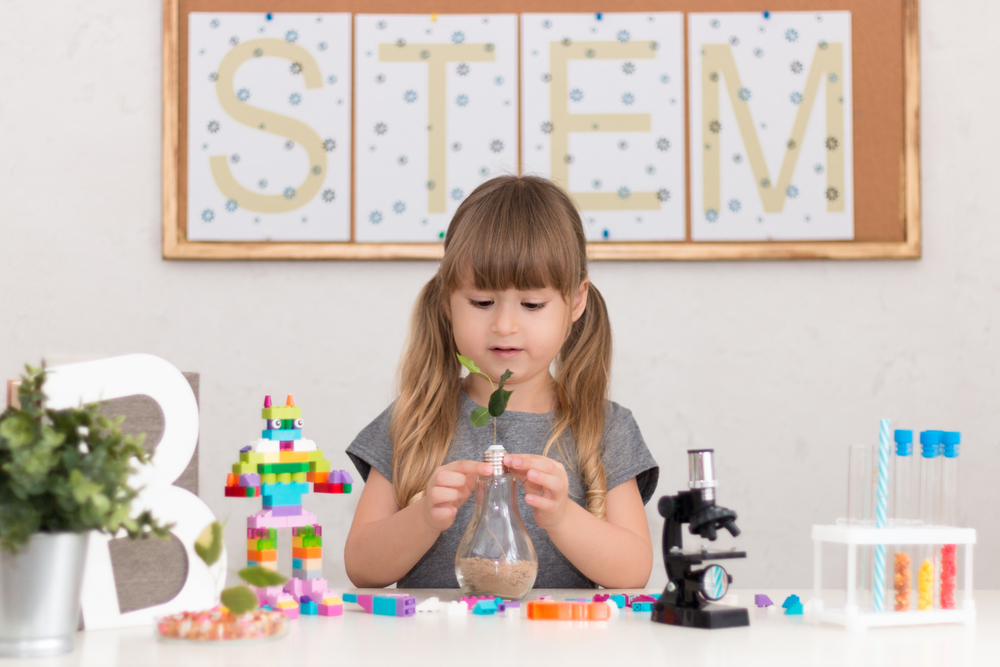
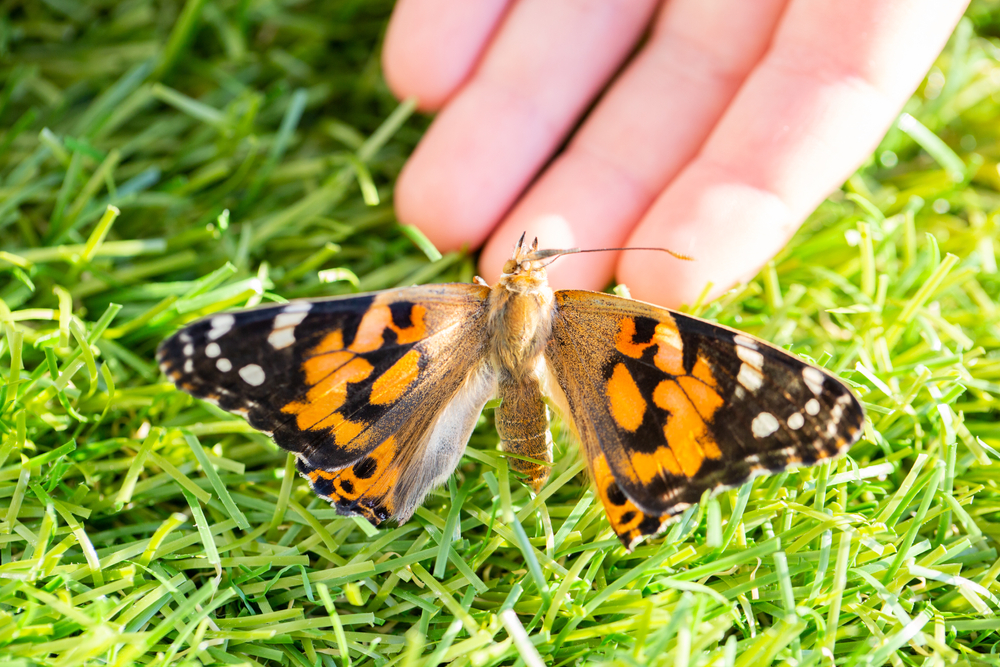



Vocabulary building is essential for young learners, especially in the context of plants and animals, as it lays the foundation for scientific understanding and literacy. For children ages 5-8, exposure to vocabulary related to plants and animals helps them connect with the world around them. Knowledge of terms such as “photosynthesis,” “habitat,” “predator,” and “pollinator” enhances their ability to communicate, think critically, and understand complex scientific concepts later in life.
Moreover, integrating vocabulary building in natural subjects fosters curiosity and engagement, shaping their attitudes toward learning. It encourages explorative discussions and hands-on activities, making the learning experience interactive and memorable. Teachers and parents play a vital role in this journey, as they can introduce these concepts through storytelling, nature walks, or scientific games, making learning fun and impactful.
As children expand their vocabulary, their reading comprehension improves, supporting academic success across subjects. This early stage is crucial for developing a lasting interest in science, fostering environmental stewardship, and nurturing informed future citizens. In summary, investing in vocabulary building for plants and animals not only enriches language skills but also promotes holistic learning where curiosity and knowledge intertwine seamlessly.








