English grammar practice Grammar Worksheets for Ages 5-8
3 filtered results
-
From - To
Welcome to our English Grammar Practice Worksheets for Ages 5-8! Designed specifically for young learners, our printable resources help children build a strong foundation in grammar skills. Each worksheet includes engaging activities that make grammar fun and approachable, covering topics such as sentence structure, punctuation, and parts of speech. These interactive exercises encourage creativity and boost confidence as children enhance their writing abilities. Ideal for home, classroom use, or supplemental learning, our worksheets are perfect for nurturing a love for language at an early age. Discover the joy of learning grammar today and watch your child's skills grow!
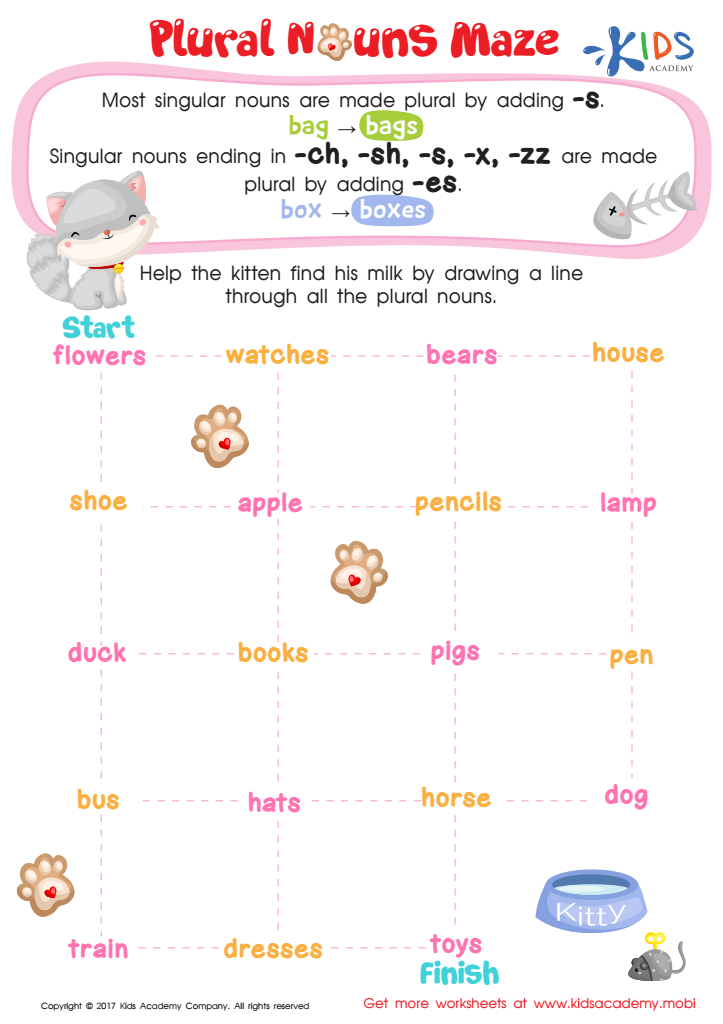
Plural Nouns Maze Worksheet
 Assign to My Students
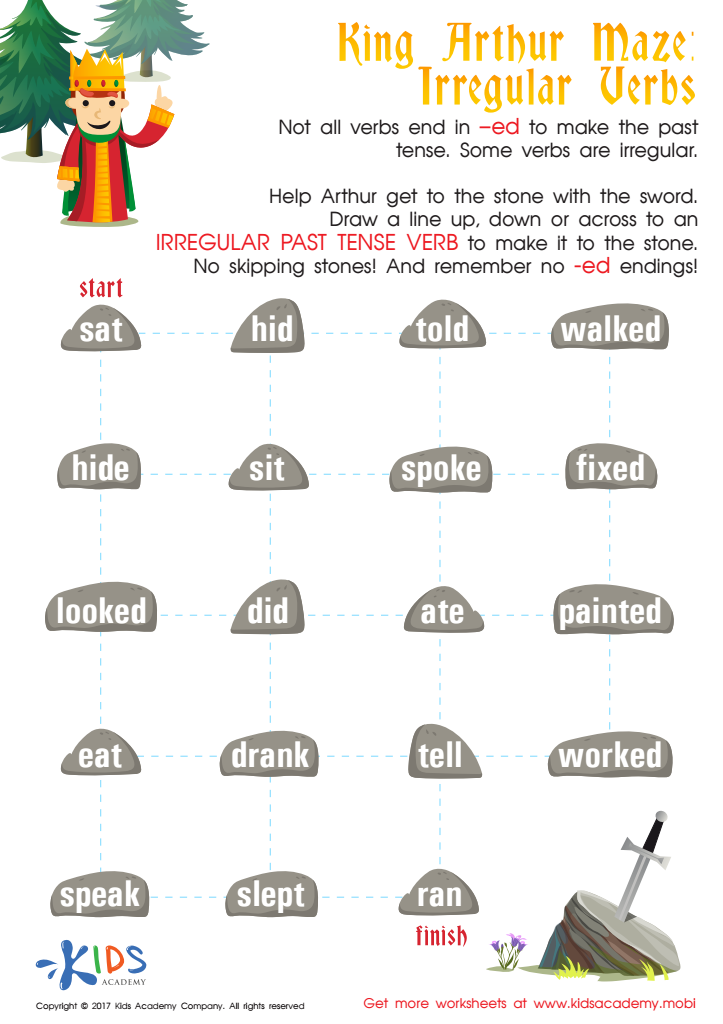
Irregular Verbs: Stones Worksheet
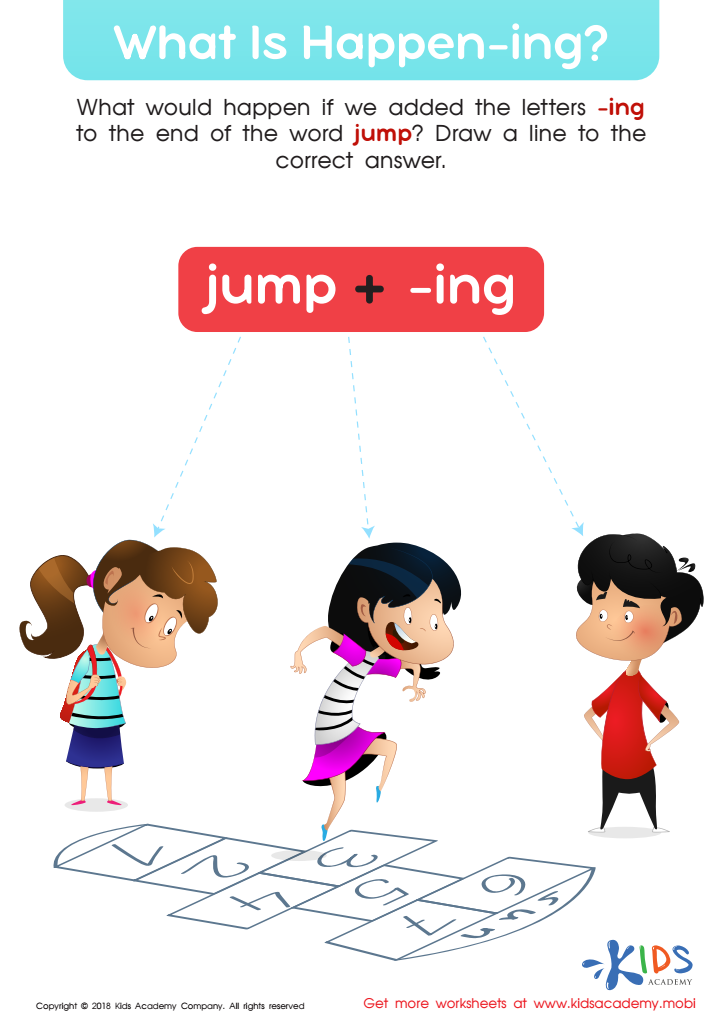
What Is Happen-Ing? Worksheet




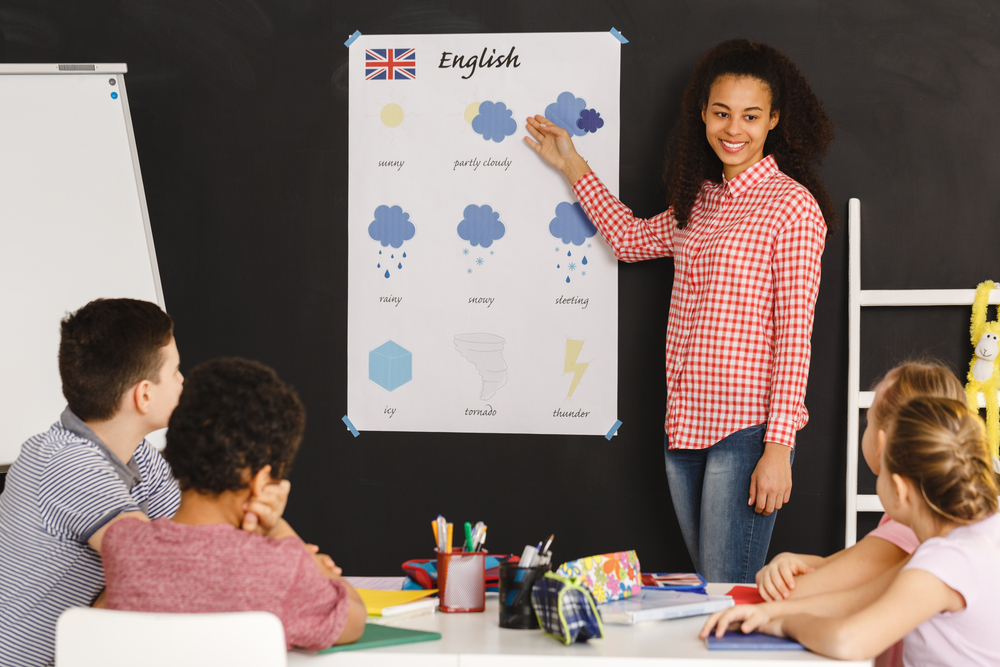

.jpg)
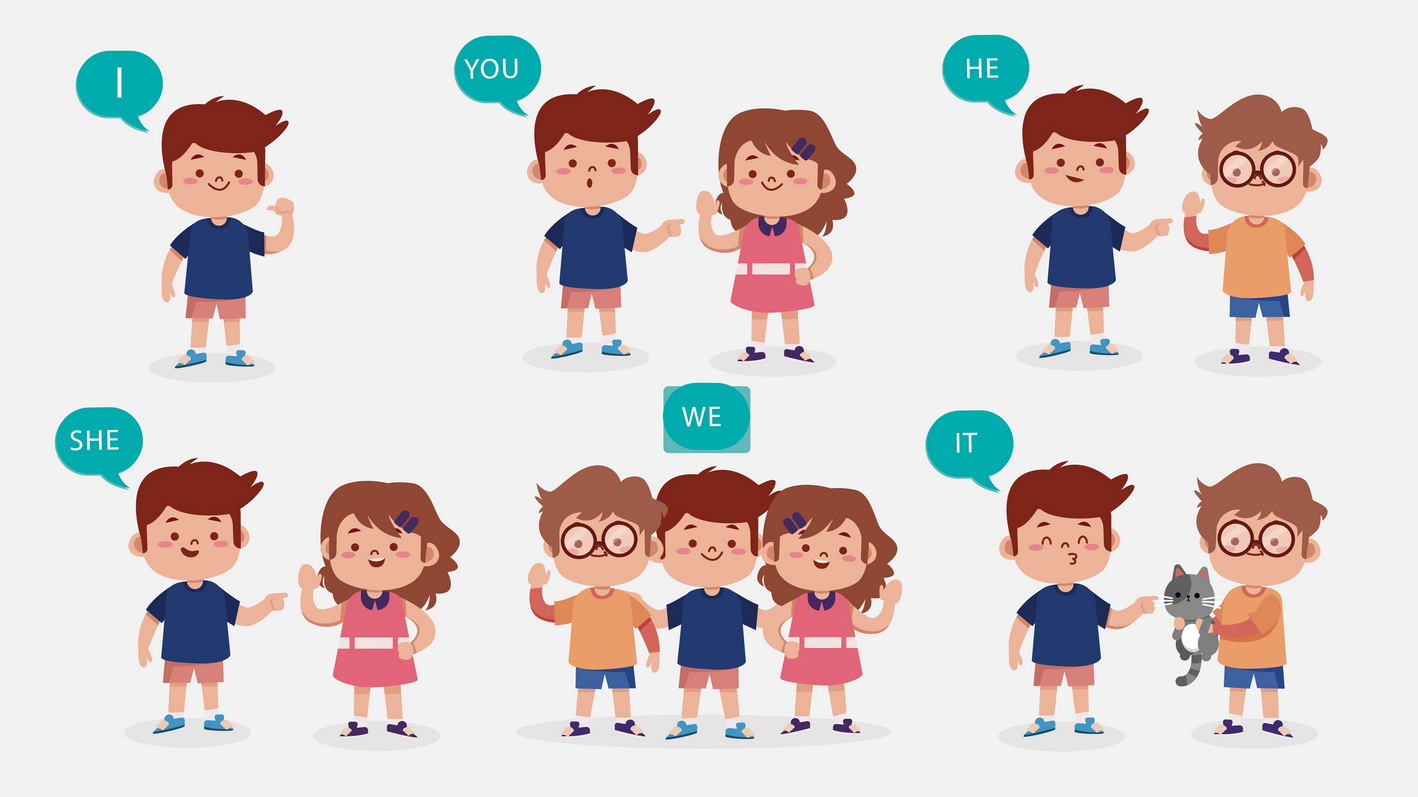
Parents and teachers should prioritize English grammar practice for children ages 5-8 because it serves as the foundation for effective communication. At this age, children are naturally curious and eager to learn, making it an ideal time to introduce grammatical concepts. By understanding basic grammar, children improve their reading and writing skills, which are crucial for academic success.
Mastering grammar enhances a child's ability to construct sentences clearly and coherently, aiding in both spoken and written expression. This clarity is essential not only for academic purposes but also for everyday interactions, fostering confidence in public speaking and social communication. Additionally, an early grasp of grammar helps prevent misconceptions that could become ingrained over time, making future learning more challenging.
Engagement in grammar practice can also foster critical thinking skills. Children learn to organize their thoughts logically, which can enhance problem-solving abilities. Furthermore, by involving parents in grammar practices, such as reading together or enjoying grammar games, you strengthen parental bonds and create a supportive learning environment.
Ultimately, equipping young learners with solid grammar knowledge paves the way for lifelong literacy and effective communication skills, essential tools in both their educational journey and their future endeavors.








