Reading skills improvement Writing Worksheets for Ages 5-8
6 filtered results
-
From - To
Enhance your child's reading skills with our expertly designed Writing Worksheets for ages 5-8! Tailored specifically for early learners, these engaging worksheets promote reading fluency, comprehension, and critical thinking. Each activity encourages kids to practice vocabulary, develop their sentence structure, and express ideas clearly. With colorful illustrations and age-appropriate themes, children will stay motivated and excited about learning. Ideal for home or classroom use, these worksheets will support your child's literacy journey while building confidence in their abilities. Help your young learner thrive in reading and writing today—discover our Reading Skills Improvement Writing Worksheets!
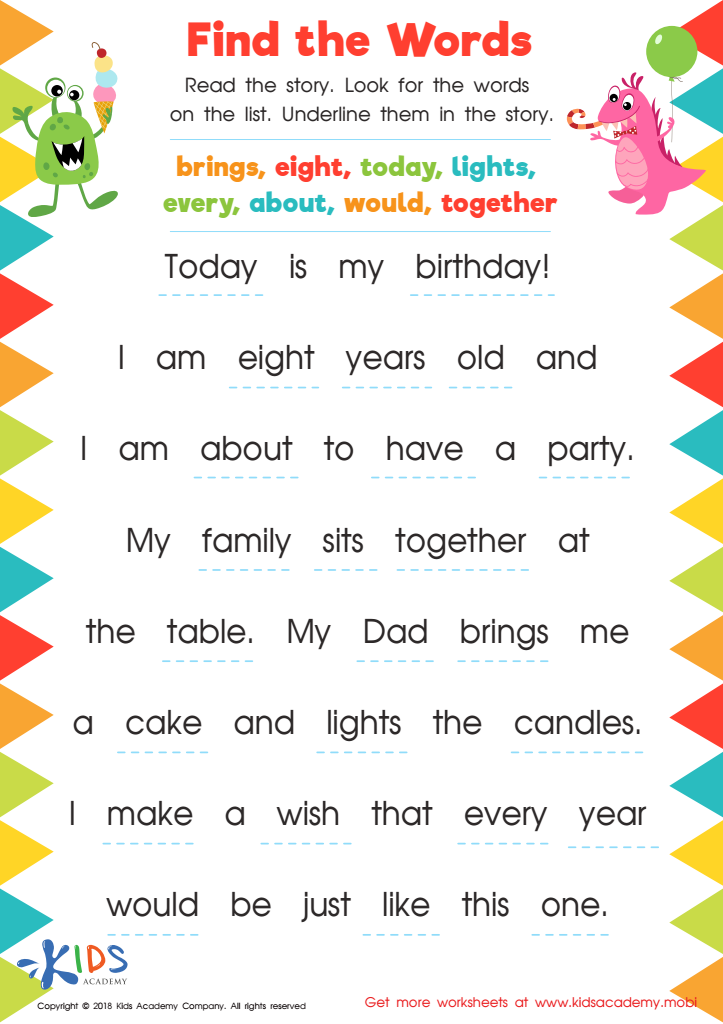
Find The Words Printable Worksheet
 Assign to My Students
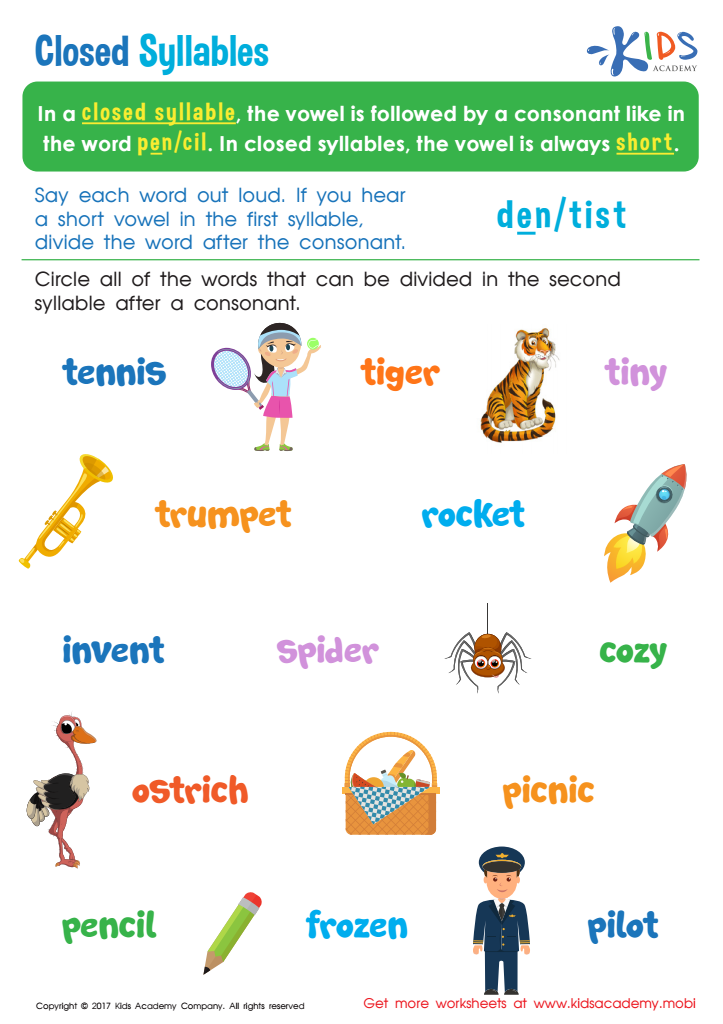
Closed Syllable Spelling Worksheet
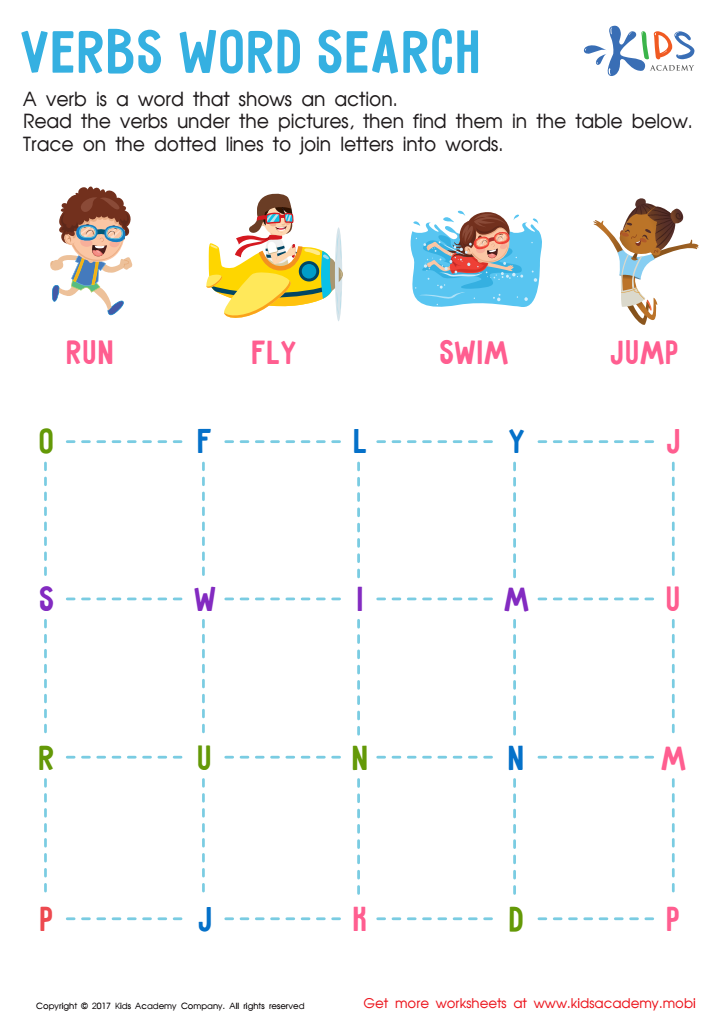
Verbs Word Search Worksheet
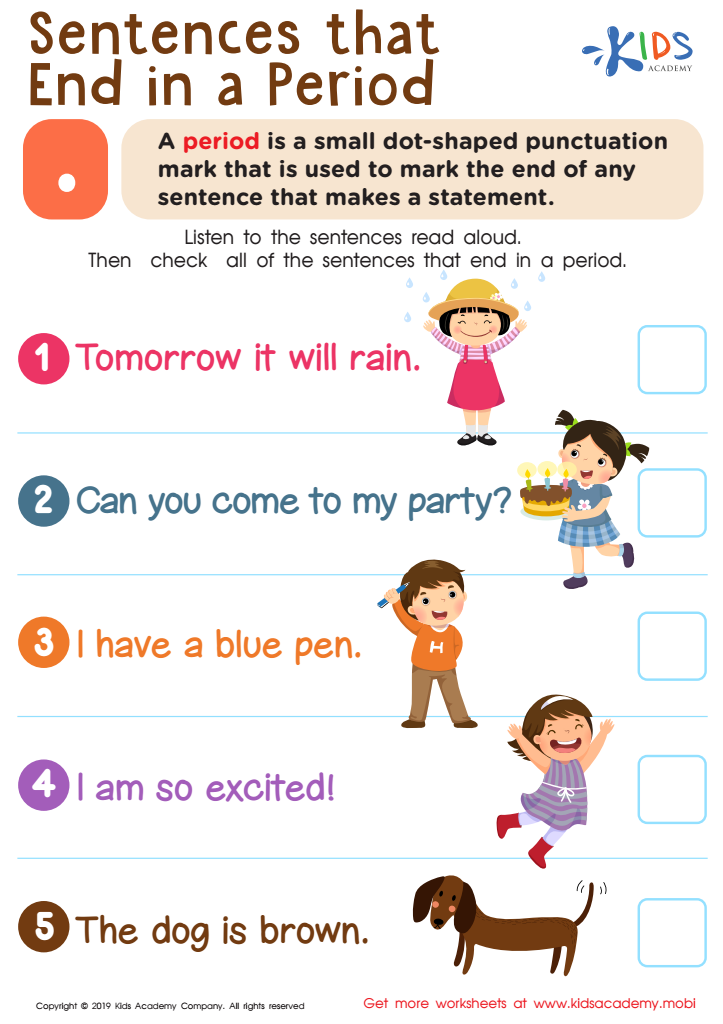
Sentences That End in a Period Worksheet
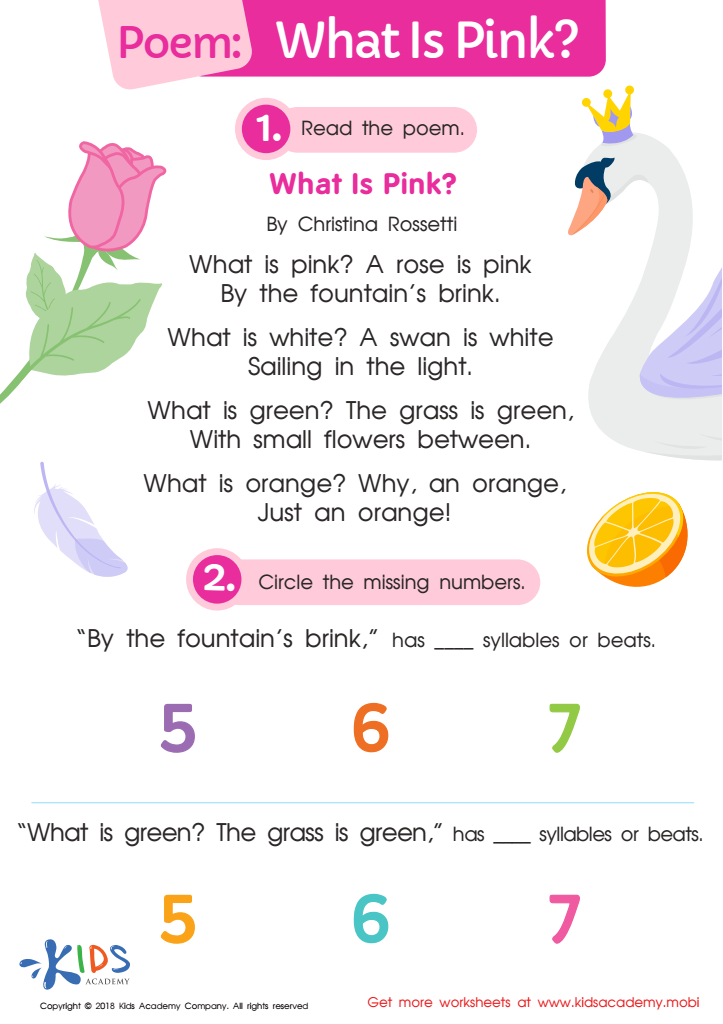
Poem: What Is Pink? Worksheet
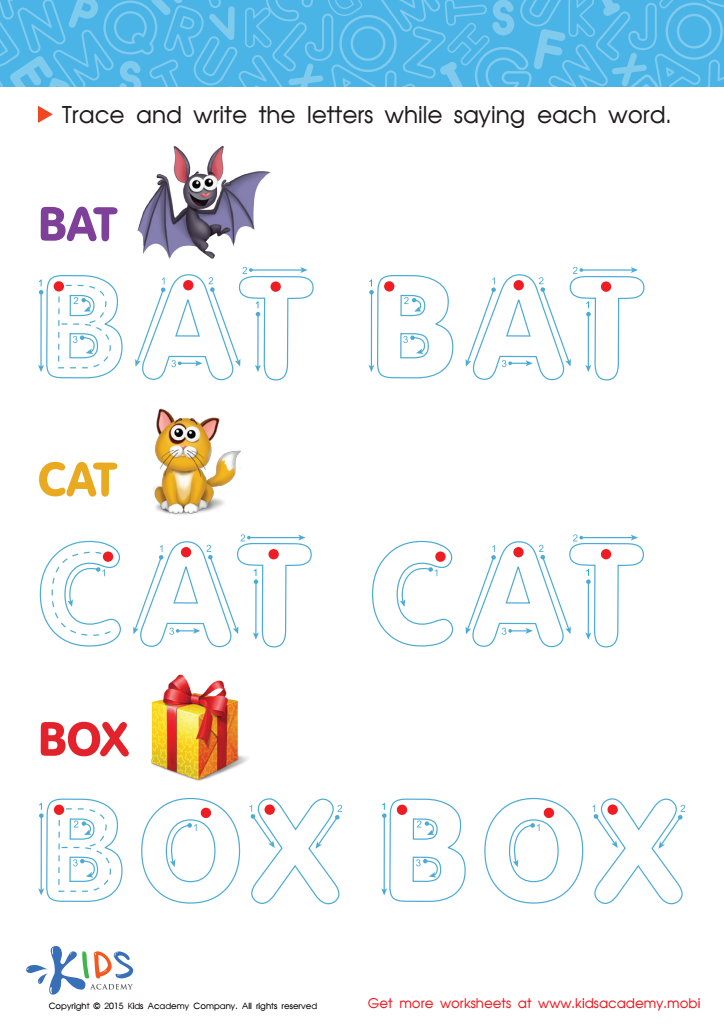
A Bat, a Cat and a Box Spelling Worksheet








Reading skills are foundational for children aged 5-8, impacting their overall academic success and development. Parents and teachers should prioritize reading improvement for several reasons. Firstly, strong reading skills enhance cognitive development; as children decode words and comprehend stories, they expand their vocabulary and critical thinking abilities. This directly correlates with better performance in other subjects, as children who read well can understand and engage with their curriculum more effectively.
Moreover, reading fosters a sense of empathy and emotional intelligence by exposing children to diverse perspectives and experiences. Engaging with characters and narratives helps children learn about feelings, relationships, and societal issues. This emotional development is crucial in shaping well-rounded individuals.
Additionally, improving reading skills builds confidence. Children who struggle with reading may experience frustration, leading to negative feelings about school. Encouraging progress creates a positive learning environment, fostering a love for reading that can last a lifetime.
Lastly, reading at this age cultivates critical lifelong skills, such as patience and focus, which are essential for future learning challenges. By prioritizing reading skills, parents and teachers equip children with the tools they need for academic and personal success throughout their lives.








