Letter Sounds Worksheets for Ages 5-9 - Page 2
33 filtered results
-
From - To
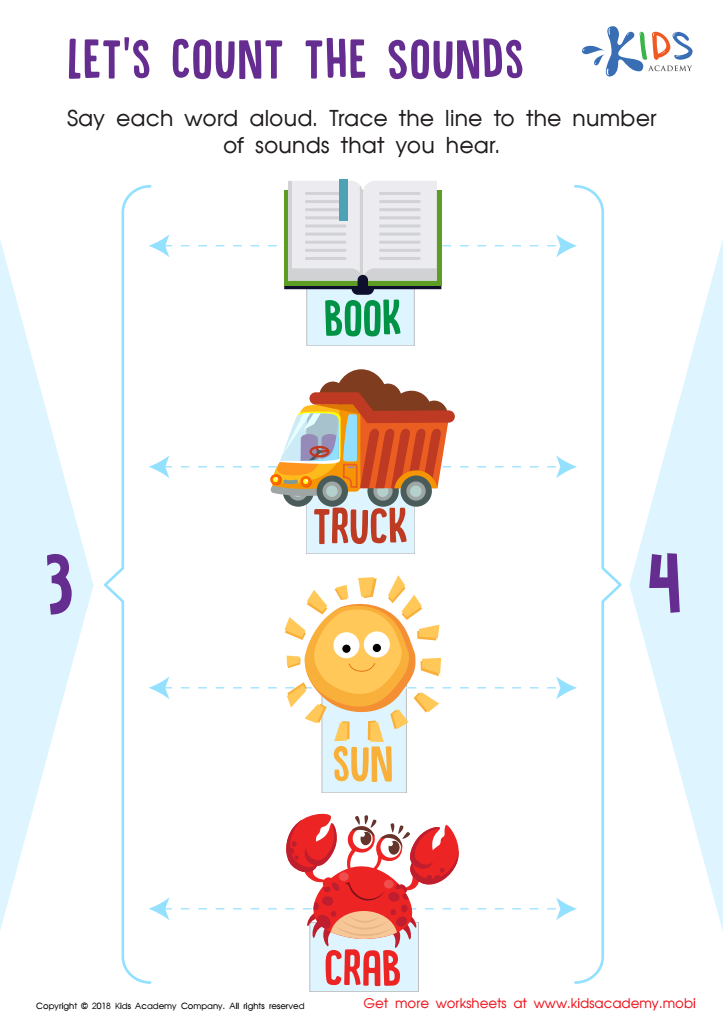
Let's Count the Sounds Worksheet
 Assign to My Students
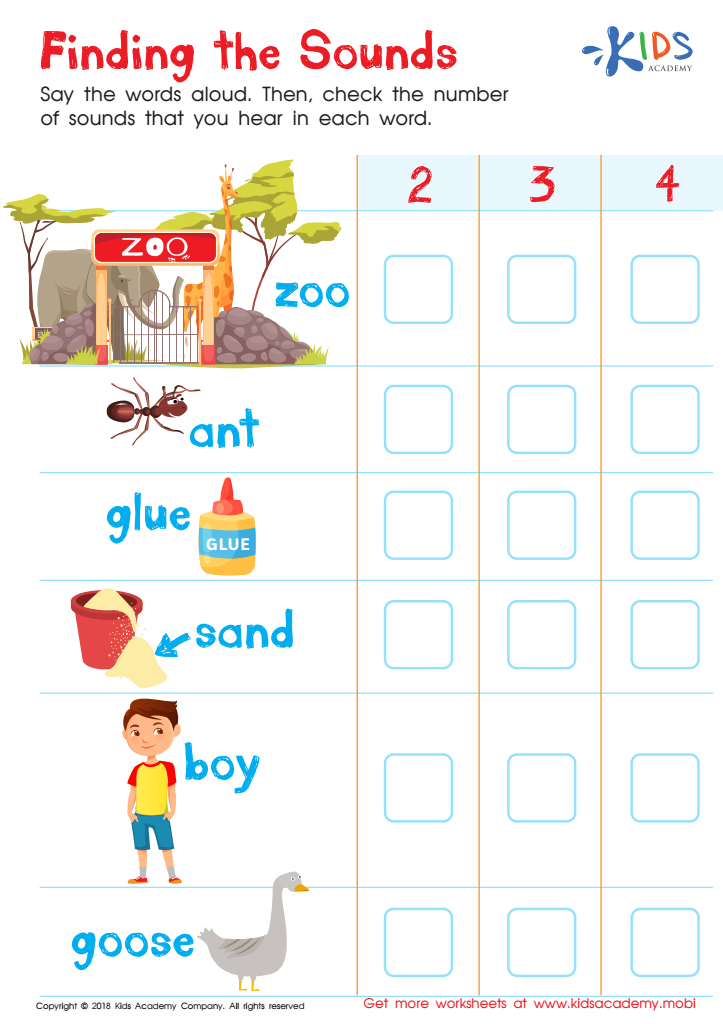
Finding the Sounds Worksheet
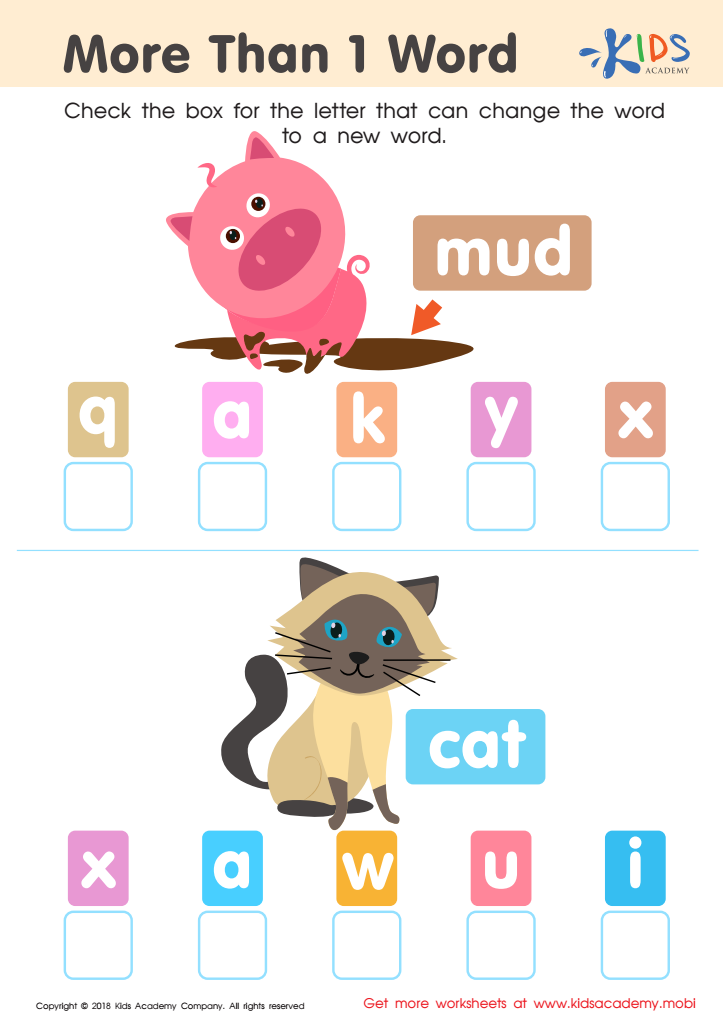
More than 1 word Worksheet
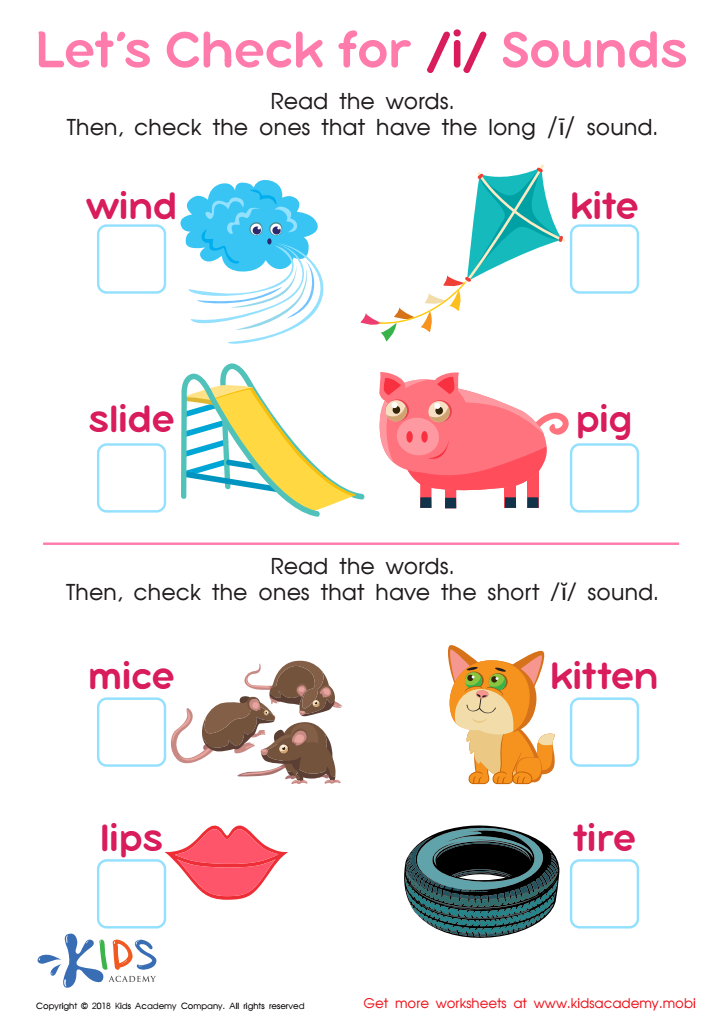
Let's Check for «i» Sounds Worksheet
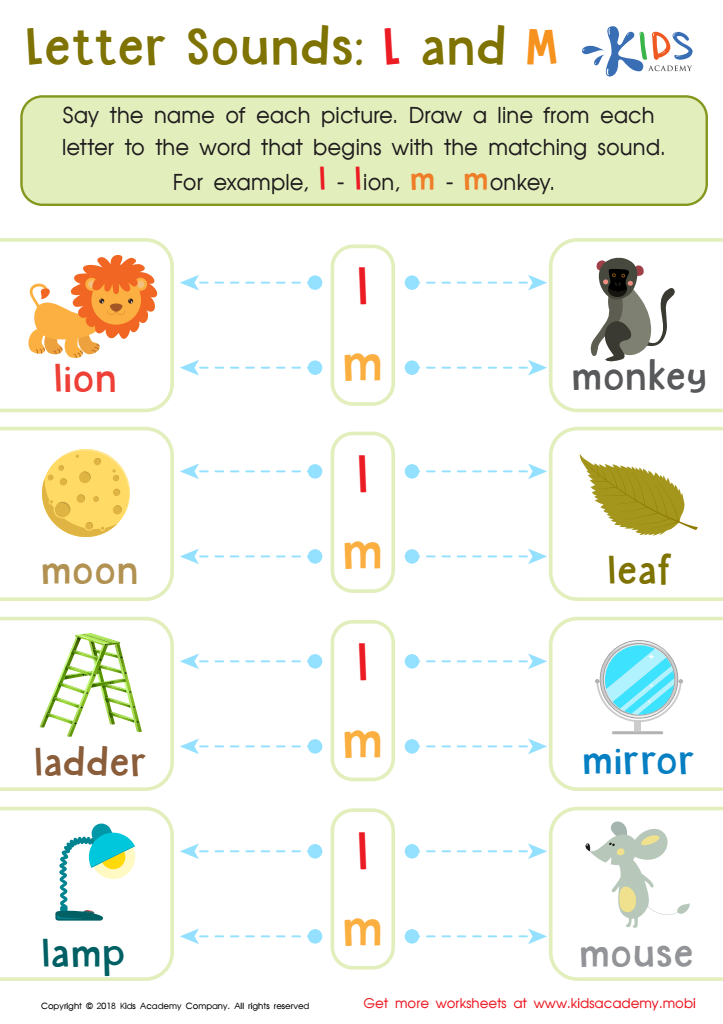
Letter l and M Sounds Worksheet
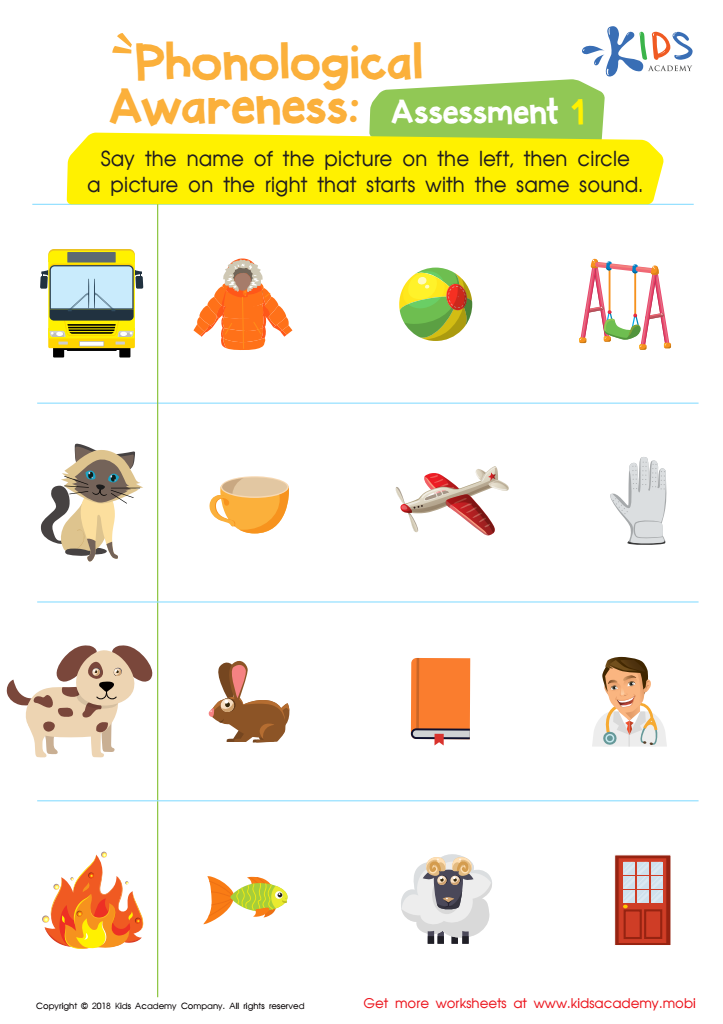
Phonological Awareness: Assessment 1 Worksheet
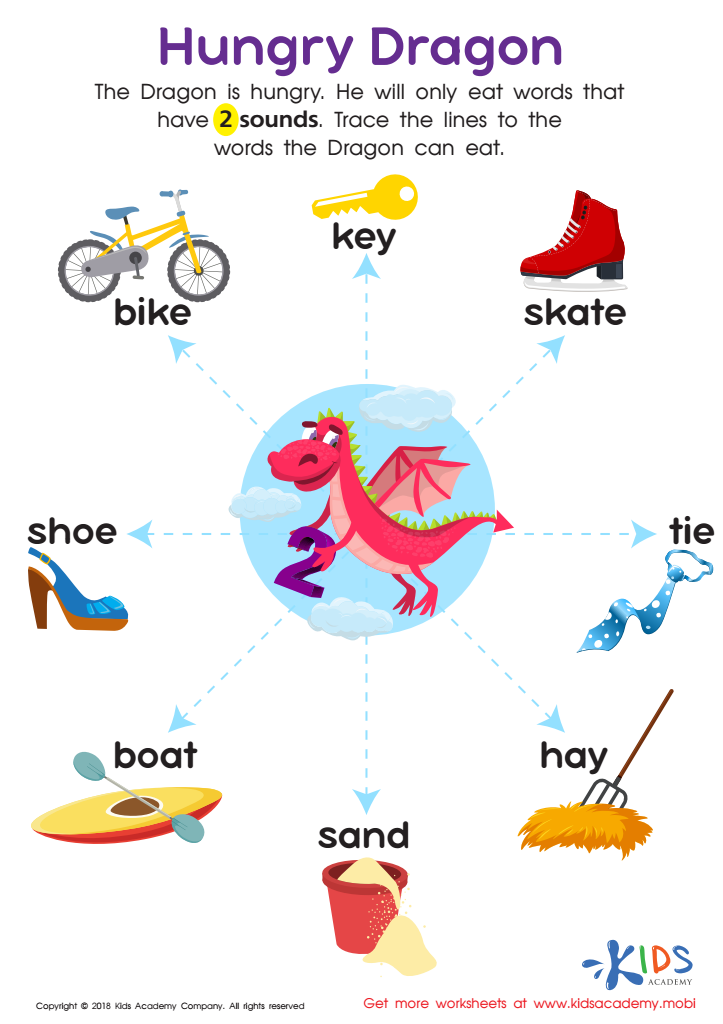
Hungry Dragon Worksheet
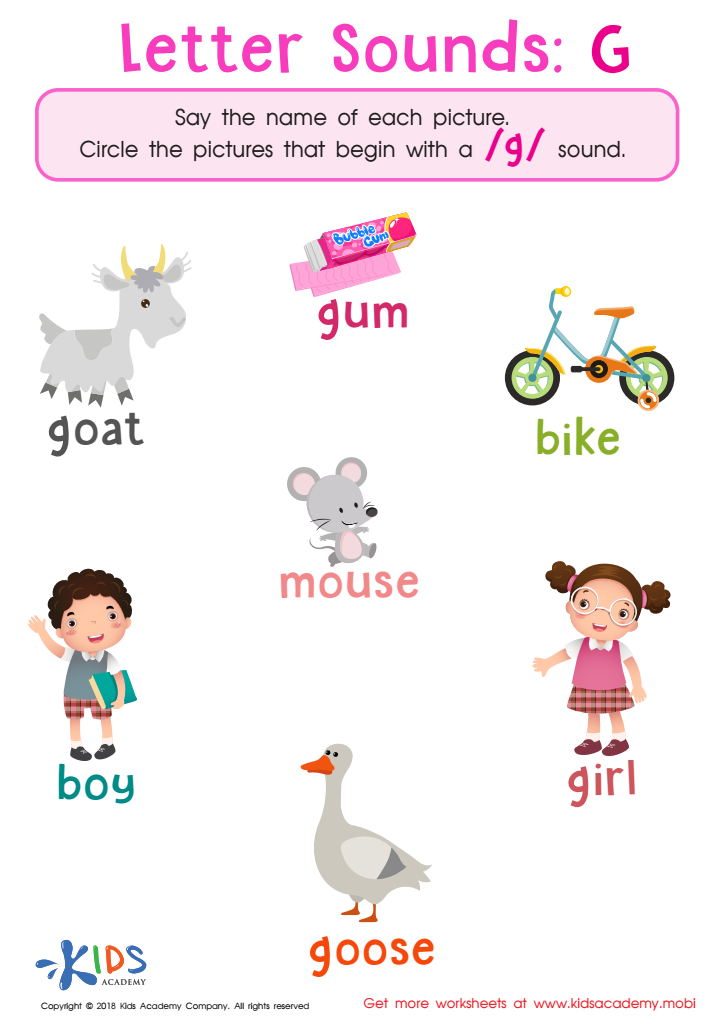
Letter G Sounds Worksheet
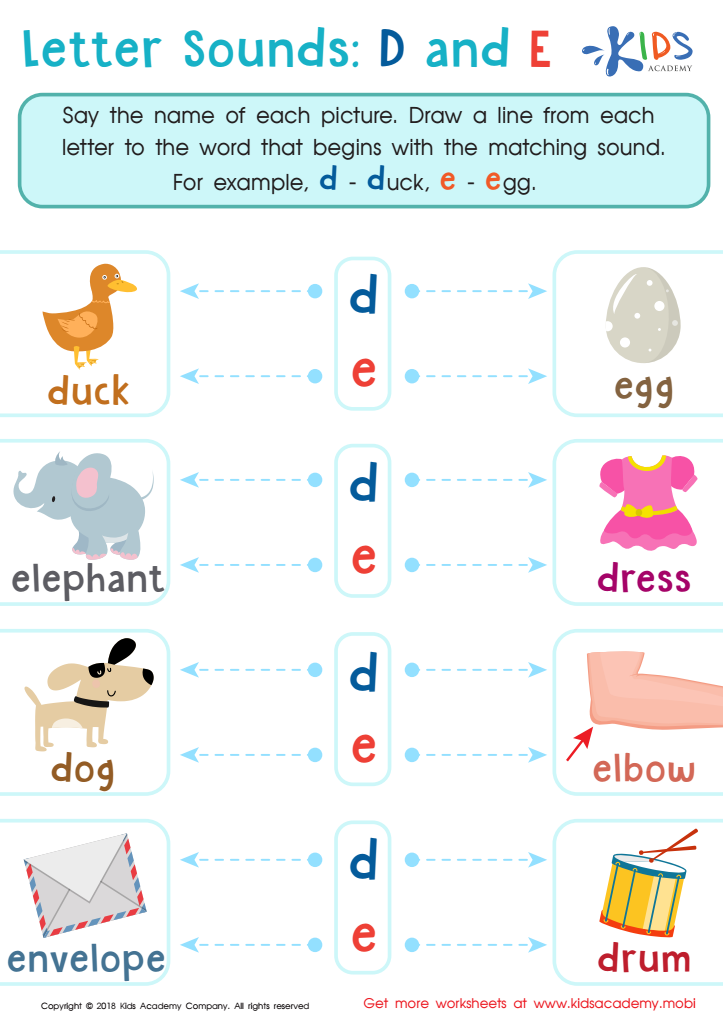
Letter D and E Sounds Worksheet








Understanding letter sounds is crucial for children aged 5-9 as it forms the foundation of reading and writing skills. At this stage, children learn to associate letters with their corresponding sounds, enabling them to decode words. Mastering letter sounds enhances phonemic awareness, which is essential for recognizing and manipulating sounds in spoken language. This skill directly correlates with reading proficiency, allowing children to read independently and comprehend texts.
Parents and teachers should care about letter sounds because they play a significant role in early literacy development. When children grasp the sounds of letters, they become more confident readers and writers. This proficiency supports better academic performance across subjects, not just in language arts. Furthermore, strong literacy skills promote overall communication abilities, aiding in social interactions and self-expression.
Engaging with children in activities centered around letter sounds—such as phonics games, singing songs, and reading together—fosters a supportive learning environment. This collaboration enhances children’s eagerness to learn and helps parents and teachers identify areas of support or enrichment. Ultimately, nurturing letter sounds in early learners sets them on a path to lifelong learning and enhances their overall educational journey.







