Tracing Letters Worksheets for Ages 5-9 - Page 2
58 filtered results
-
From - To

Lowercase Letters j k l Worksheet
 Assign to My Students
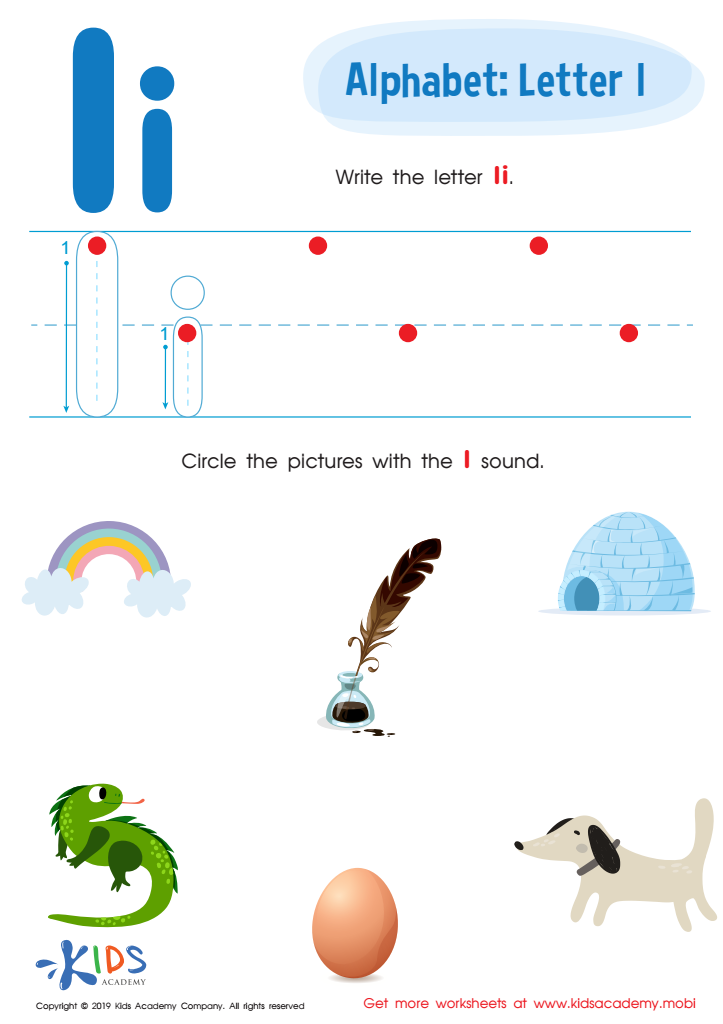
Letter I Tracing Worksheet
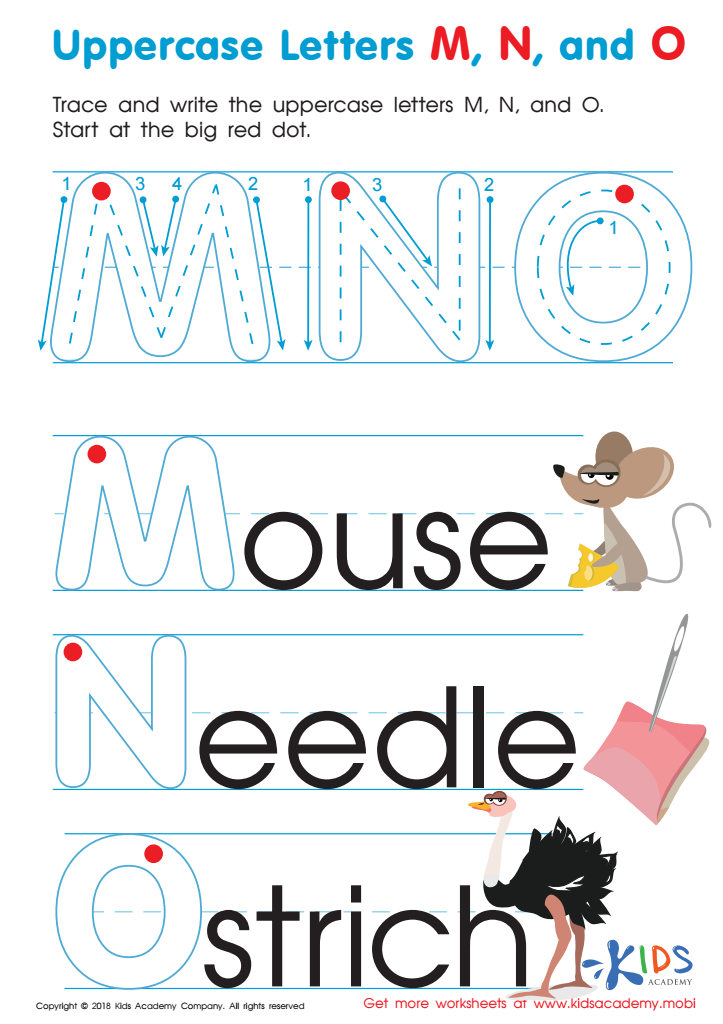
Uppercase Letters M, N, and O Worksheet
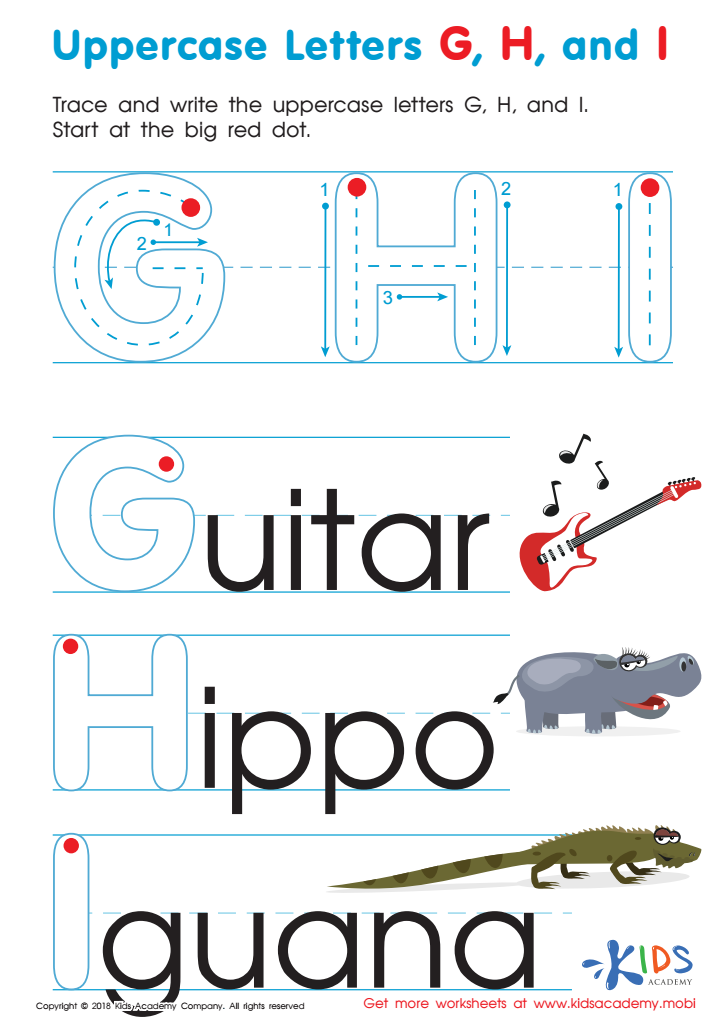
Uppercase Letters G, H, and I Worksheet
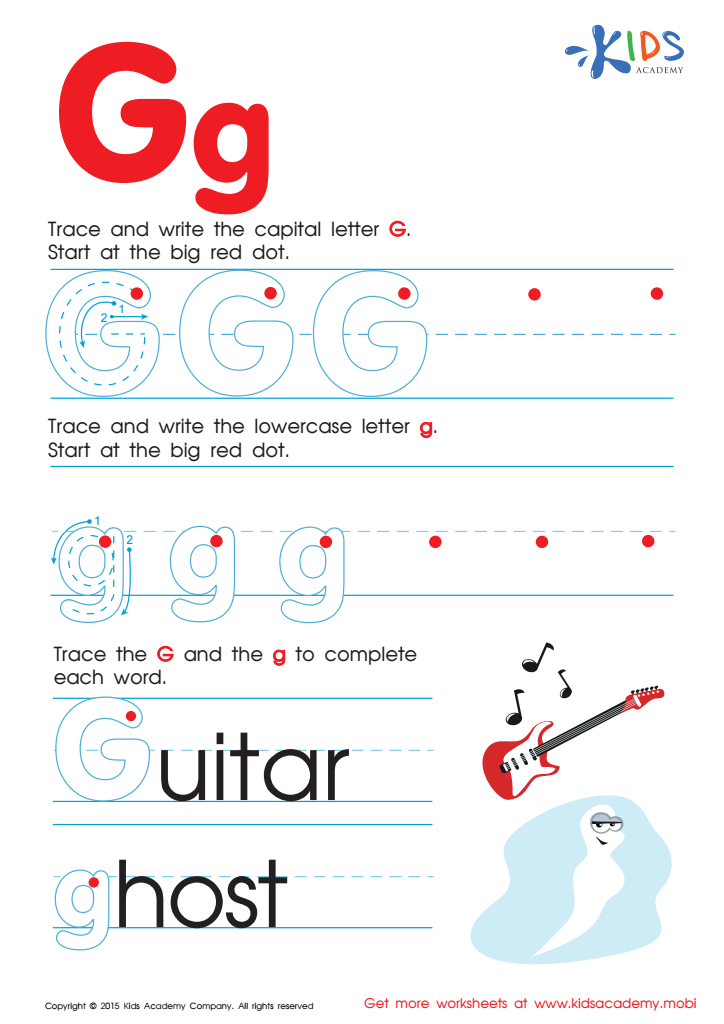
Letter G Tracing Page
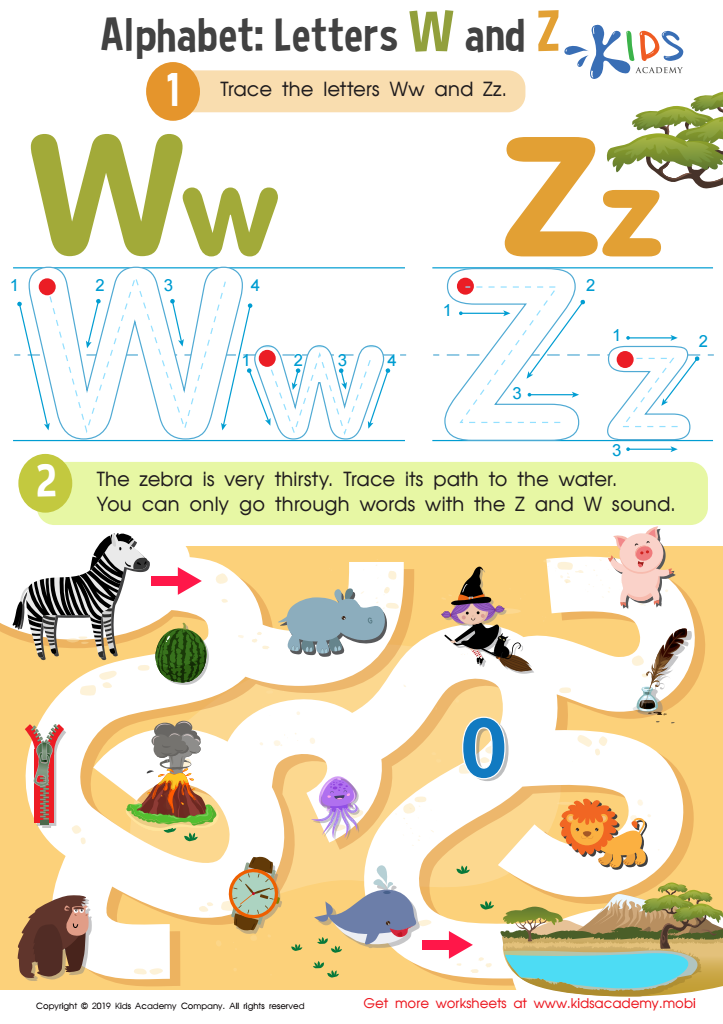
Letters W and Z Tracing Worksheet
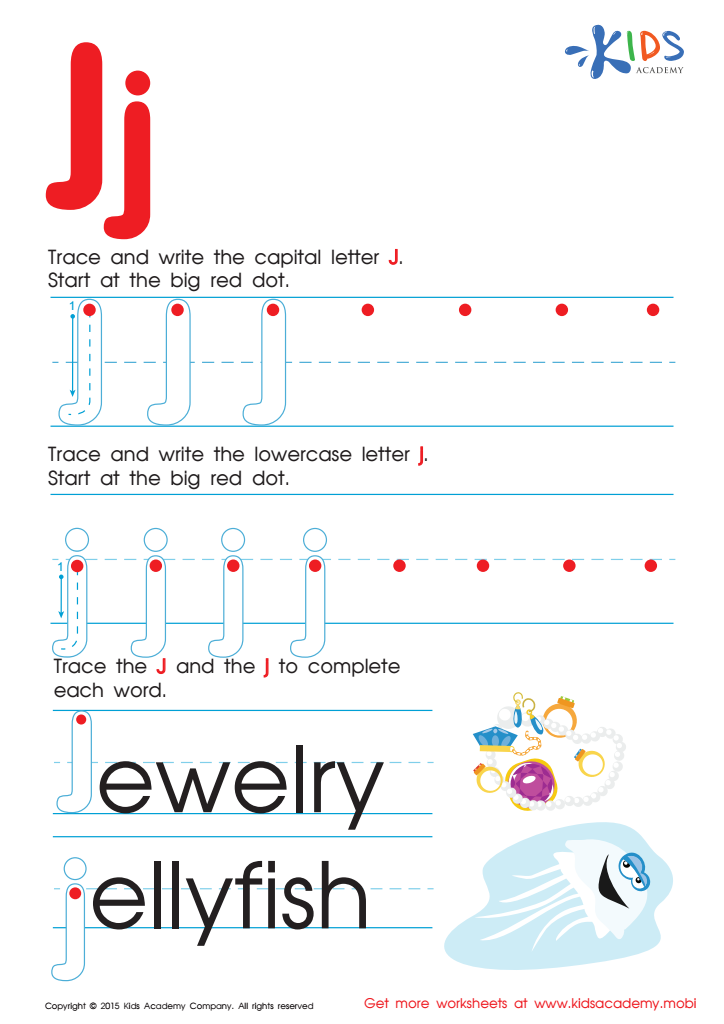
Letter J Tracing Page
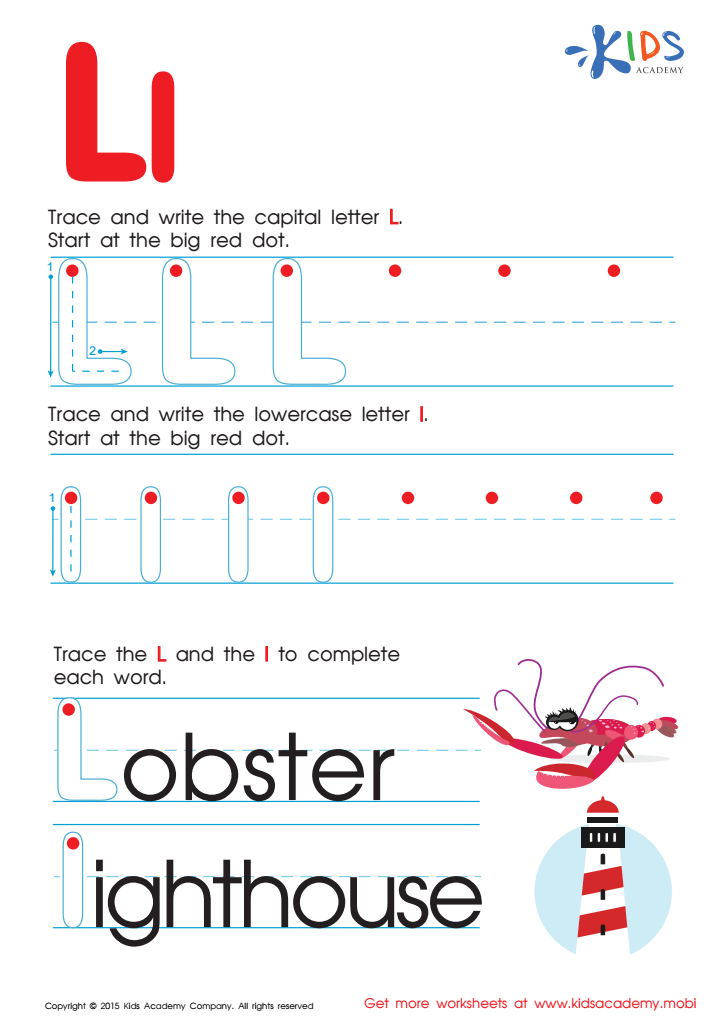
Letter L Tracing Page
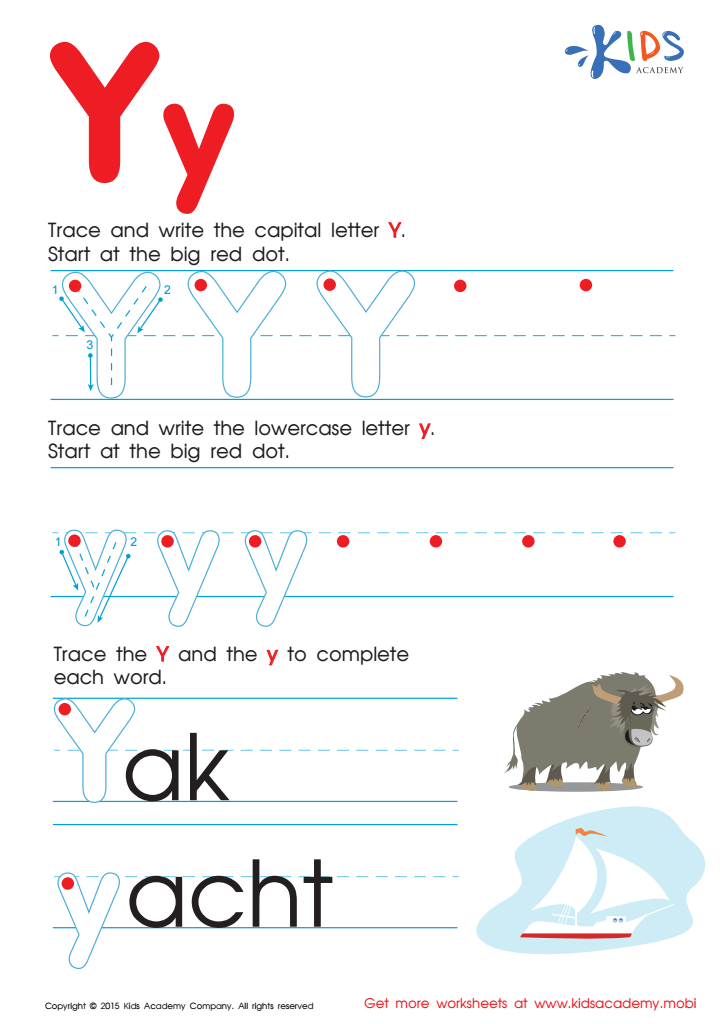
Letter Y Tracing Page
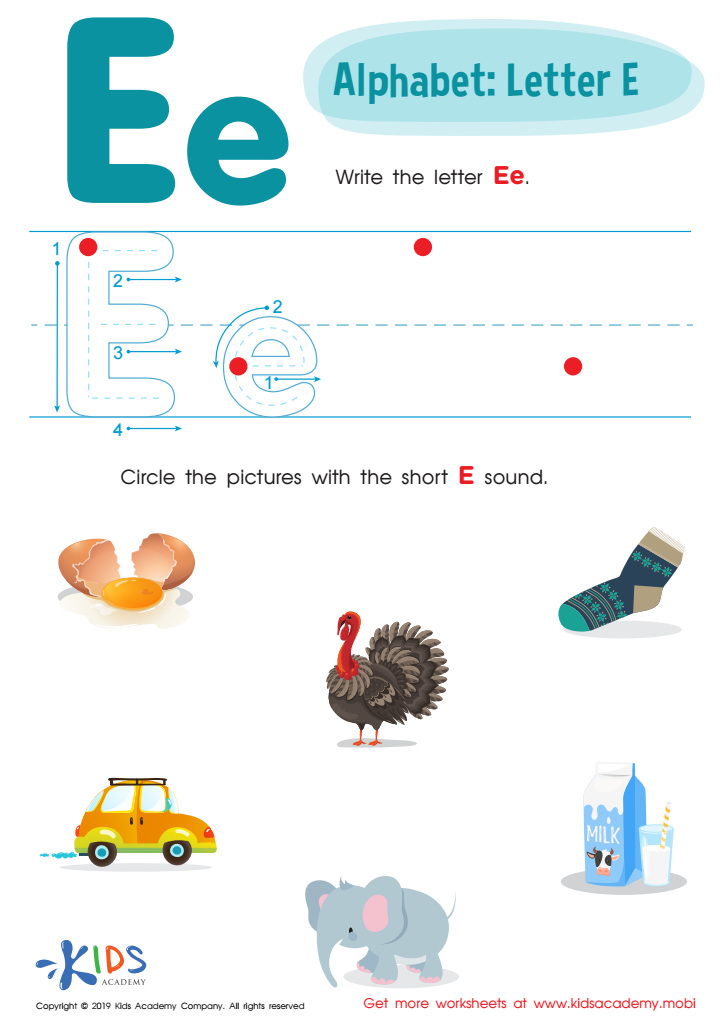
Letter E Tracing Worksheet
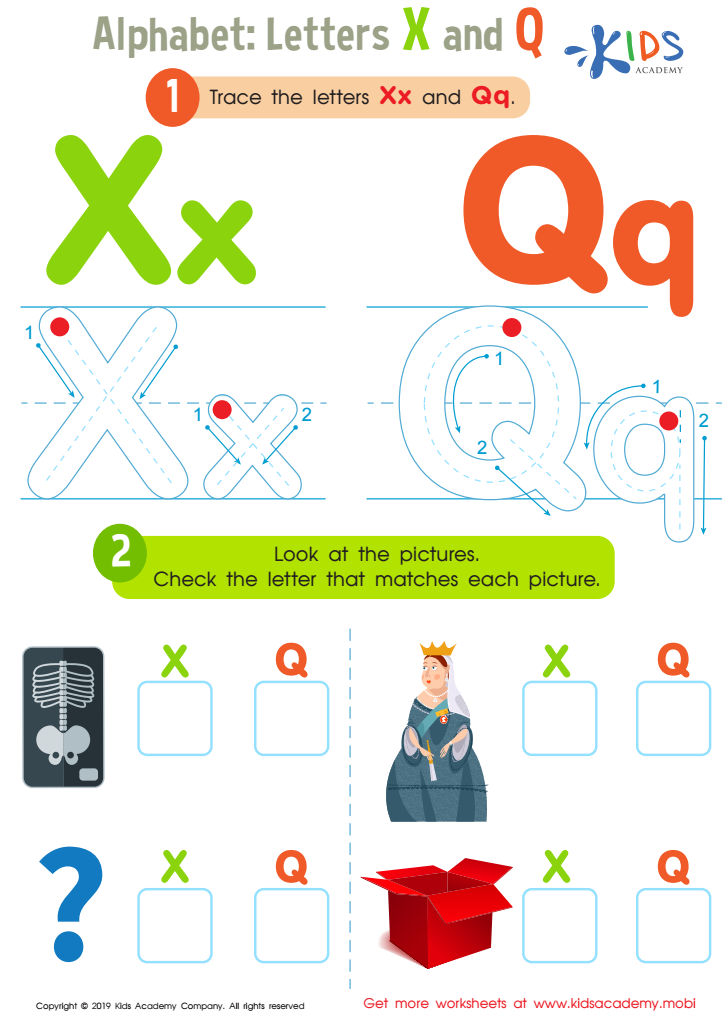
Letters X and Q Tracing Worksheet
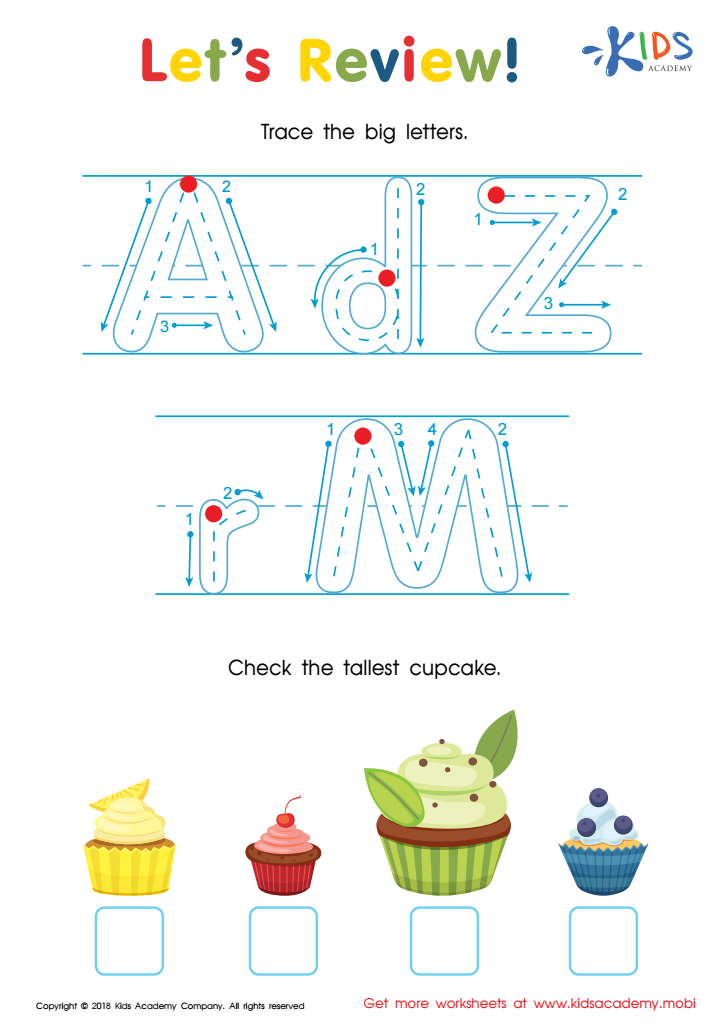
Let's Review! Big Letters Worksheet
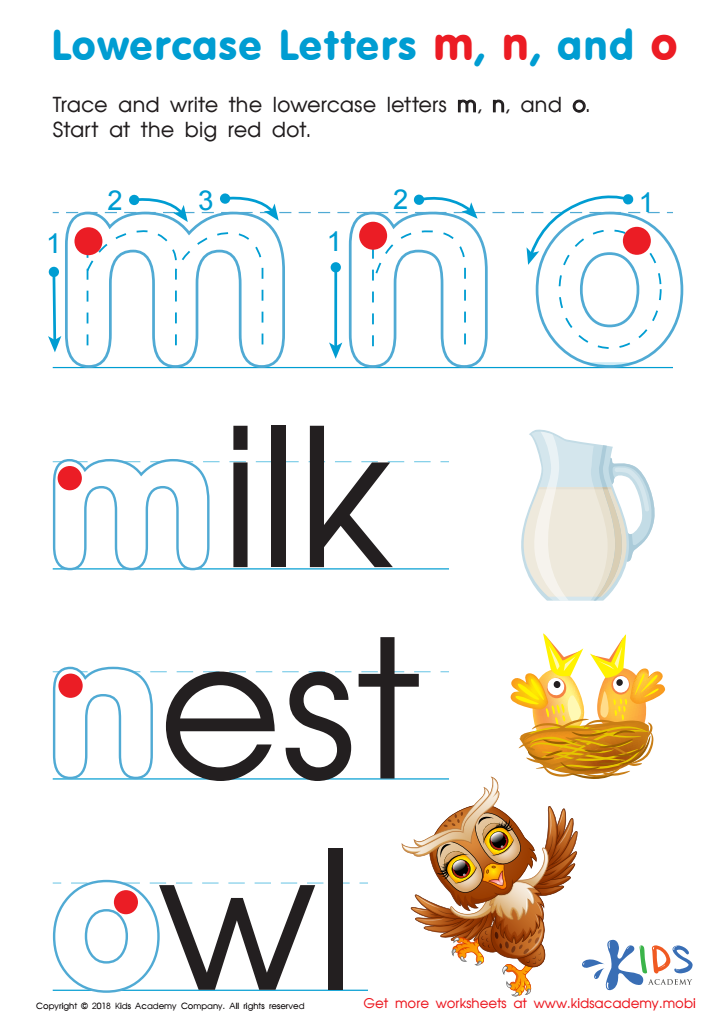
Lowercase Letters m n o Worksheet
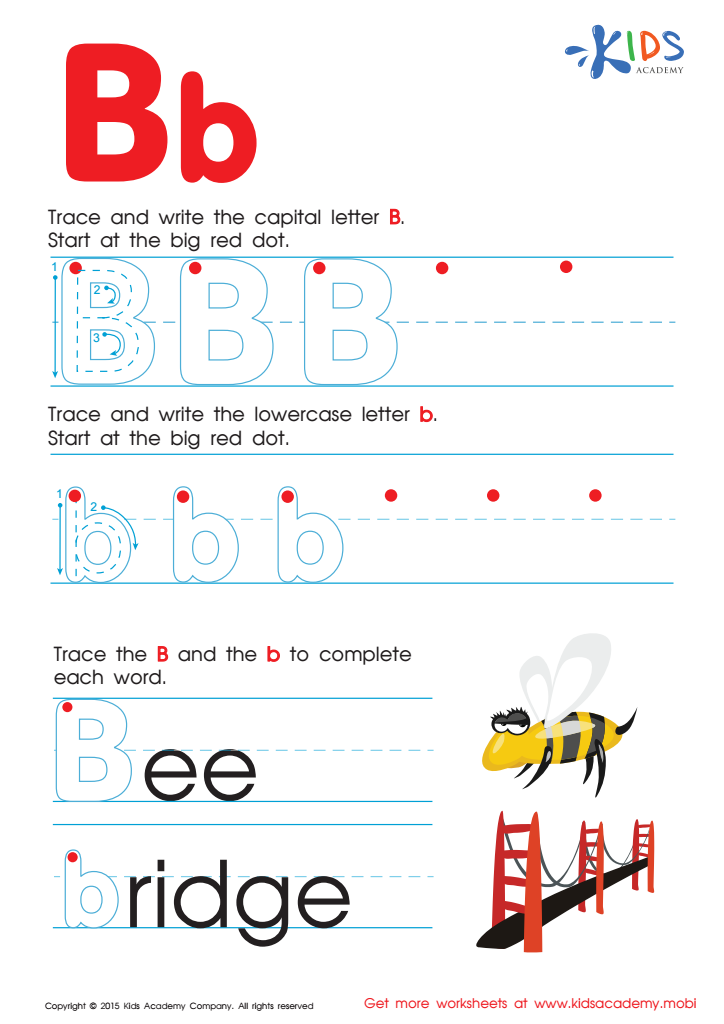
Letter B Tracing Page
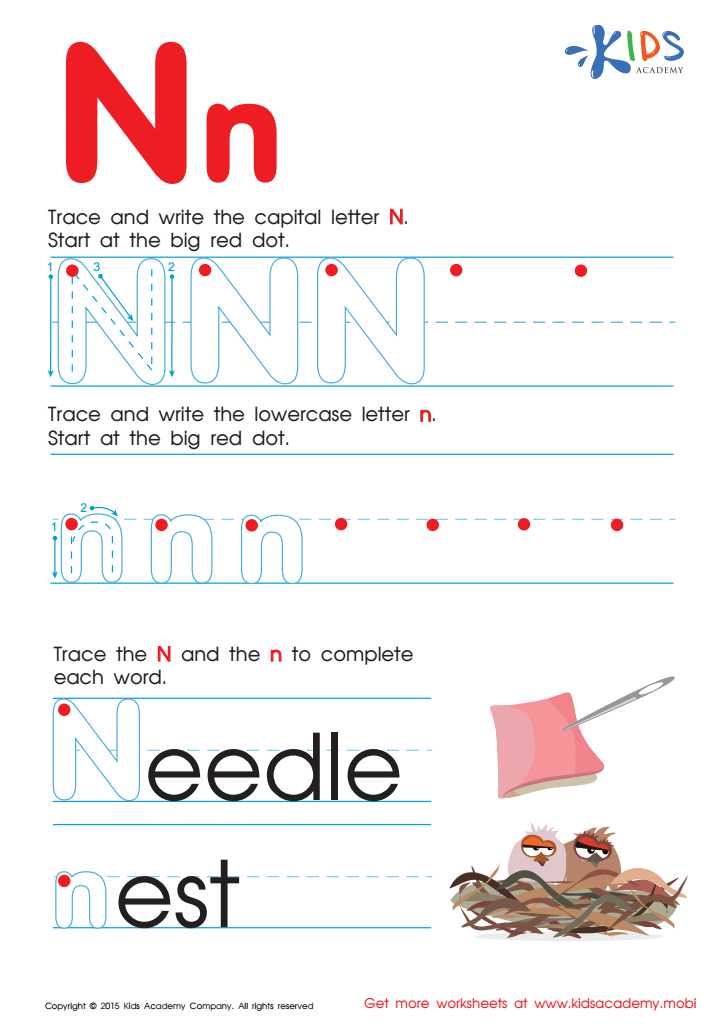
Letter N Tracing Page
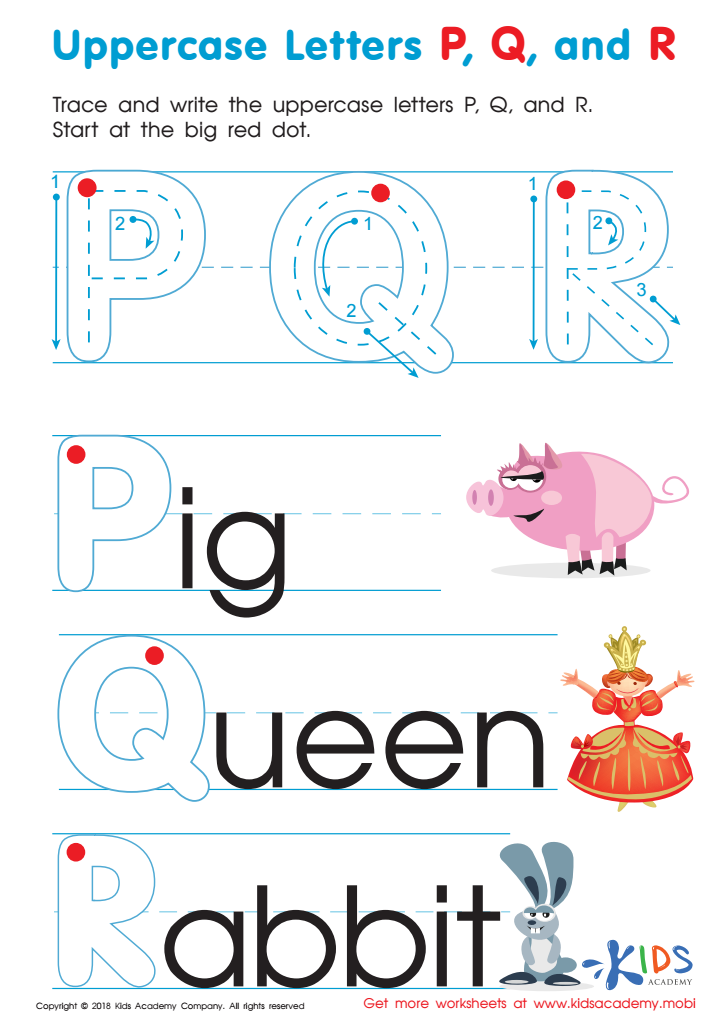
Uppercase Letters P, Q, and R Worksheet
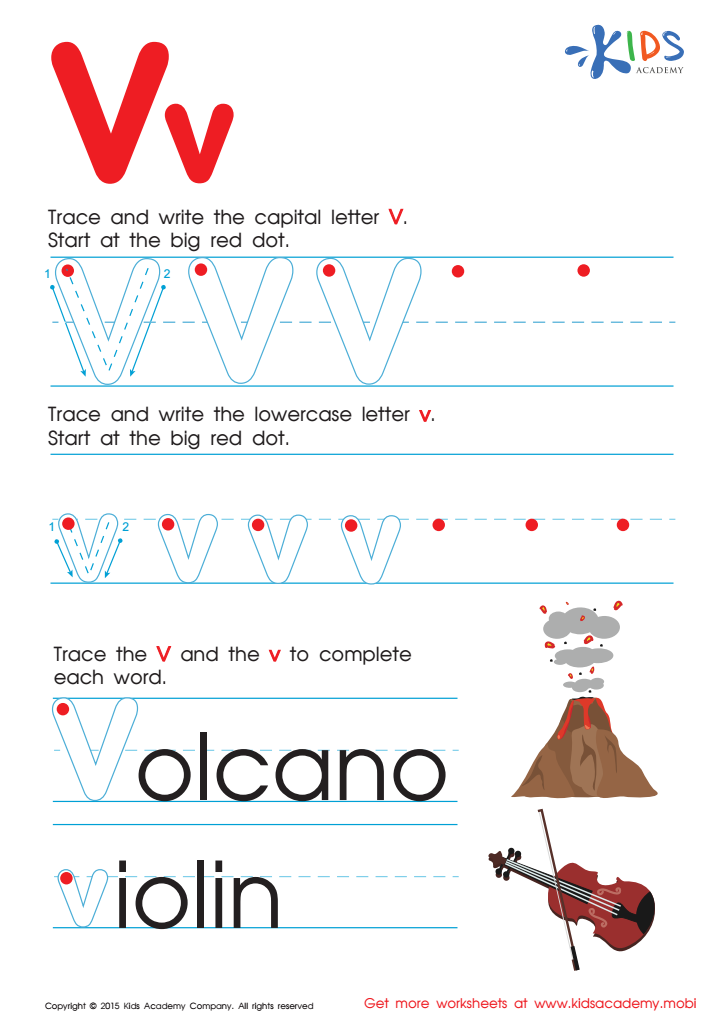
Letter V Tracing Page
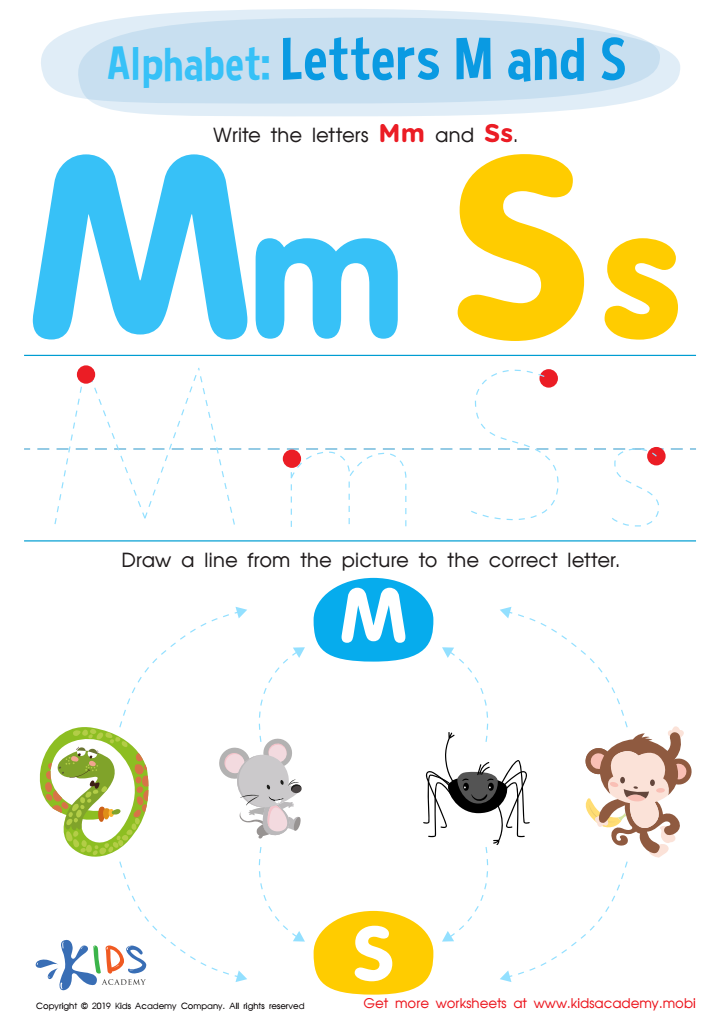
Letters M and S Tracing Worksheet
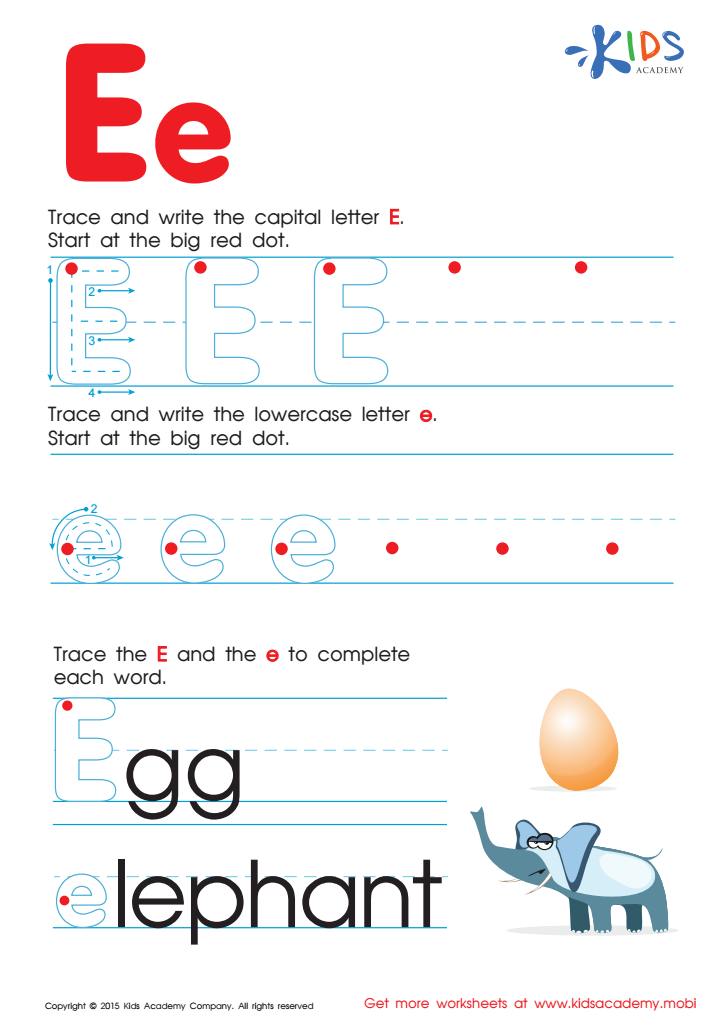
Letter E Tracing Page
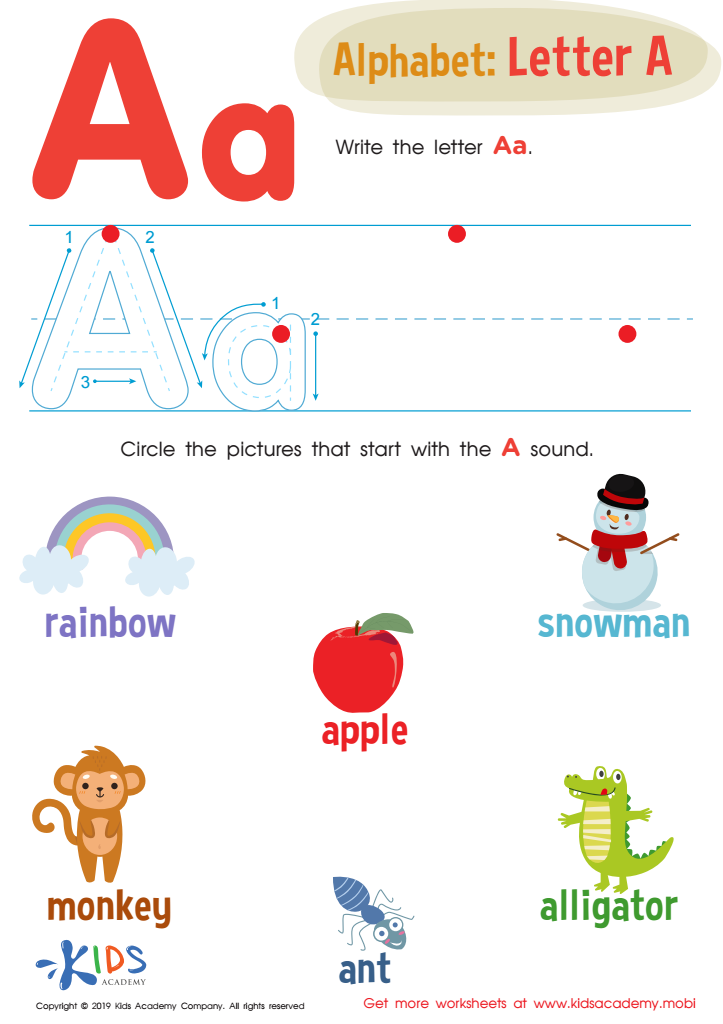
Letter A Tracing Worksheet
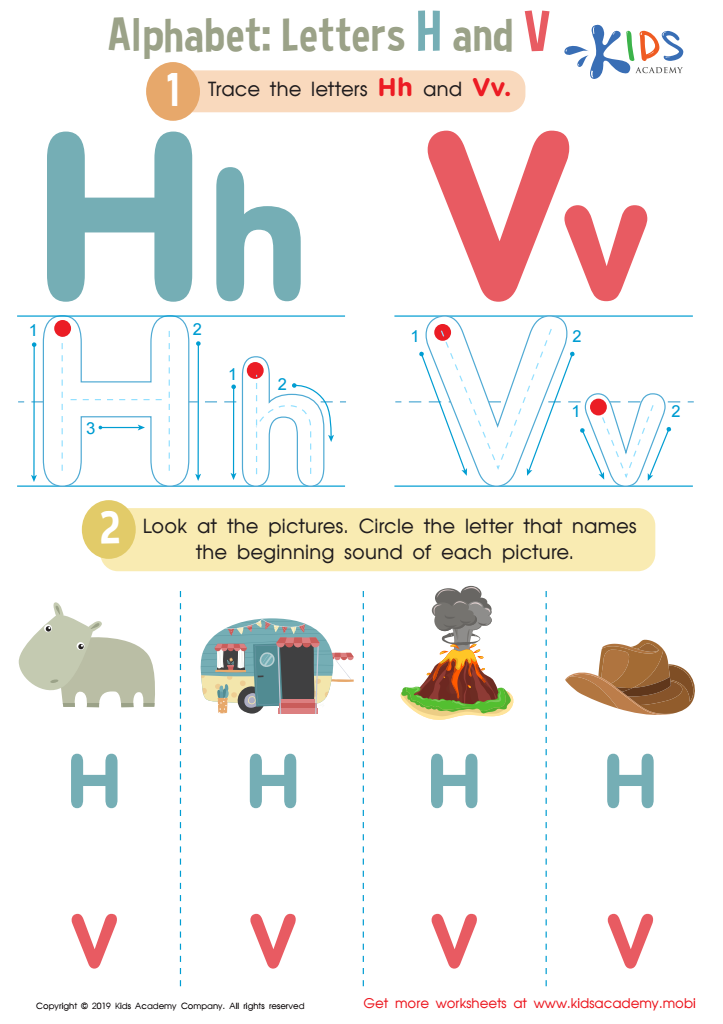
Letters H and V Tracing Worksheet
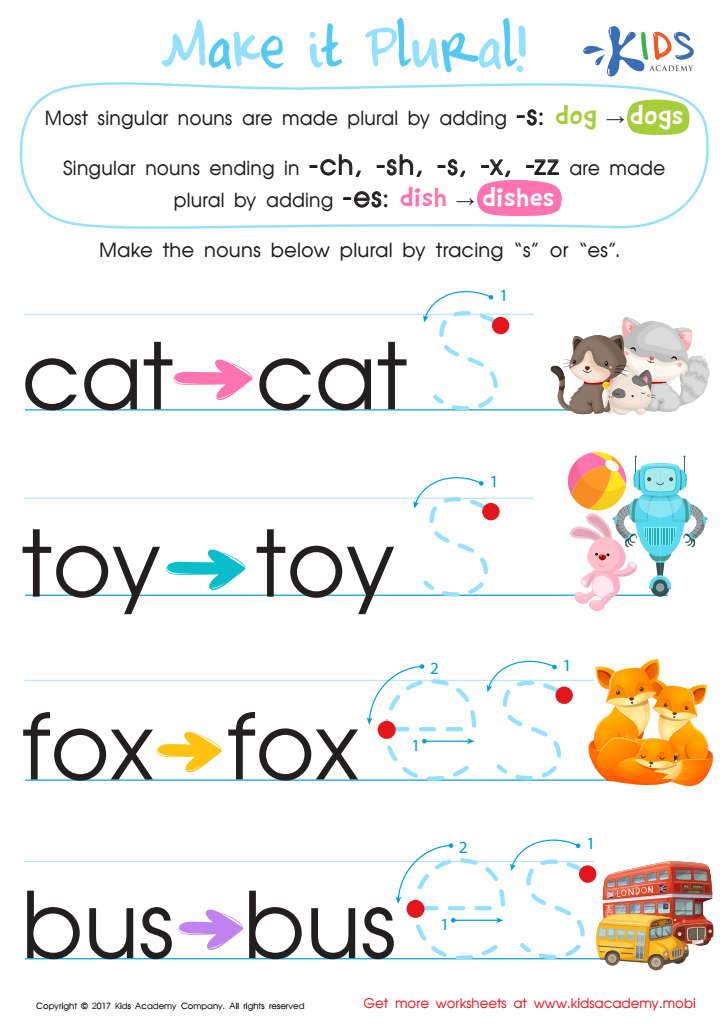
Make it Plural Worksheet
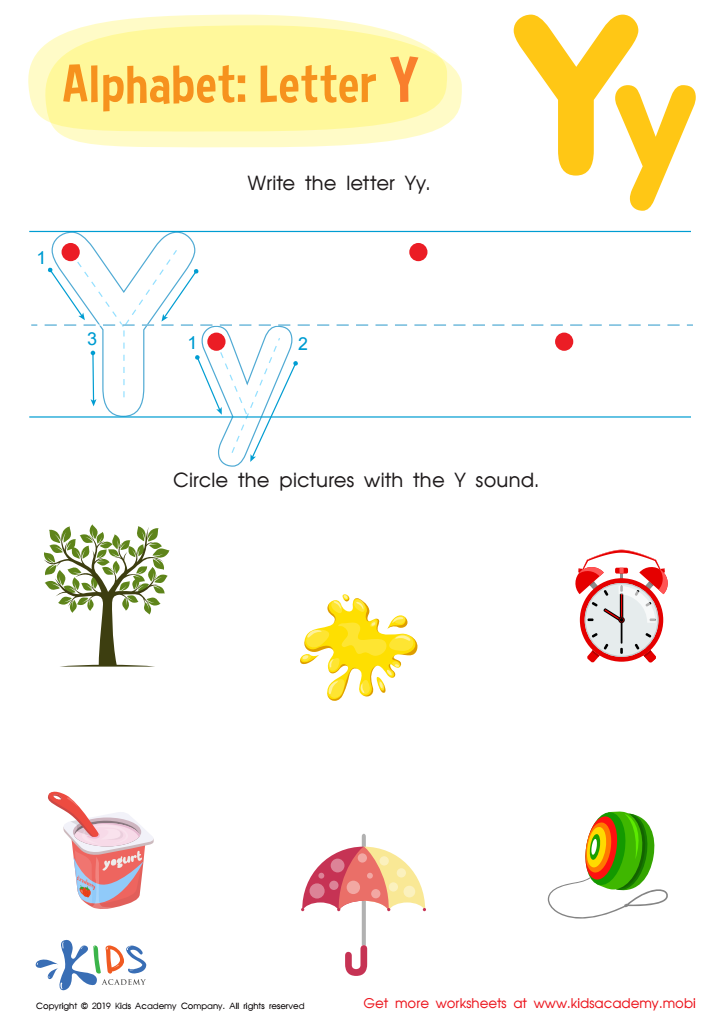
Letter Y Tracing Worksheet
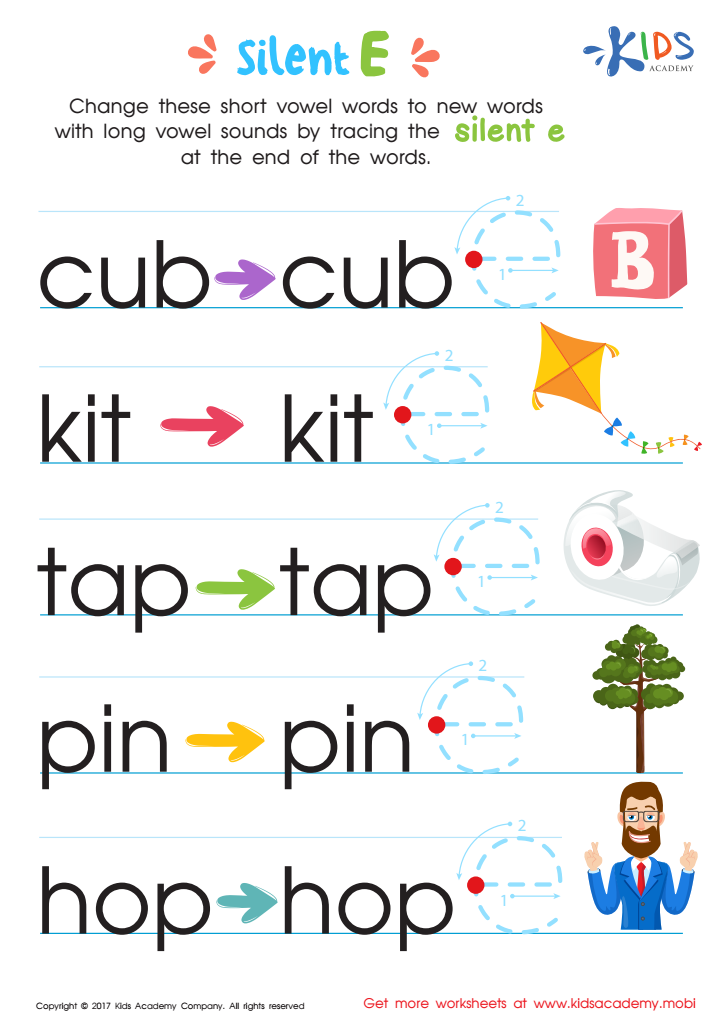
Silent E Words Worksheet








Tracing letters is a crucial developmental activity for children aged 5-9, serving multiple educational purposes that parents and teachers should prioritize. First and foremost, it enhances fine motor skills, essential for overall coordination and future handwriting proficiency. As children trace letters, they develop the necessary control to form letters, which lays a foundation for more complex writing tasks later on.
Additionally, tracing letters aids in letter recognition and phonemic awareness. By engaging in this activity, kids reinforce their understanding of the alphabet and its sounds, which is vital for reading development. It provides an opportunity for children to visually and physically connect with each letter, thereby improving memory retention.
Furthermore, tracing letters can enhance cognitive skills such as focus and concentration. This early engagement helps children develop discipline and patience, critical traits for academic success.
Finally, by incorporating tracing into learning, parents and teachers can create a fun, interactive environment that promotes literacy in an enjoyable manner. This activity not only fosters learning but also builds a positive association with education, encouraging lifelong learning habits. Overall, recognizing the significance of tracing letters is essential for supporting children's early literacy and motor development effectively.








