Basic geometry understanding Worksheets for Ages 5-9
13 filtered results
-
From - To
Our Basic Geometry Understanding Worksheets for Ages 5-9 are designed to spark curiosity and build foundational math skills in young learners. Tailored to capture children's interest, each worksheet creatively teaches shapes, spatial relationships, and patterns through engaging activities. These printables are perfect for both classroom and home use, fostering a love for learning geometry with colorful visuals and interactive exercises. Ideal for kids needing a fun mathematical challenge, these worksheets support cognitive development and problem-solving skills, making geometry accessible and enjoyable. Equip your child with the essential building blocks of mathematics with our comprehensive and enjoyable worksheets.
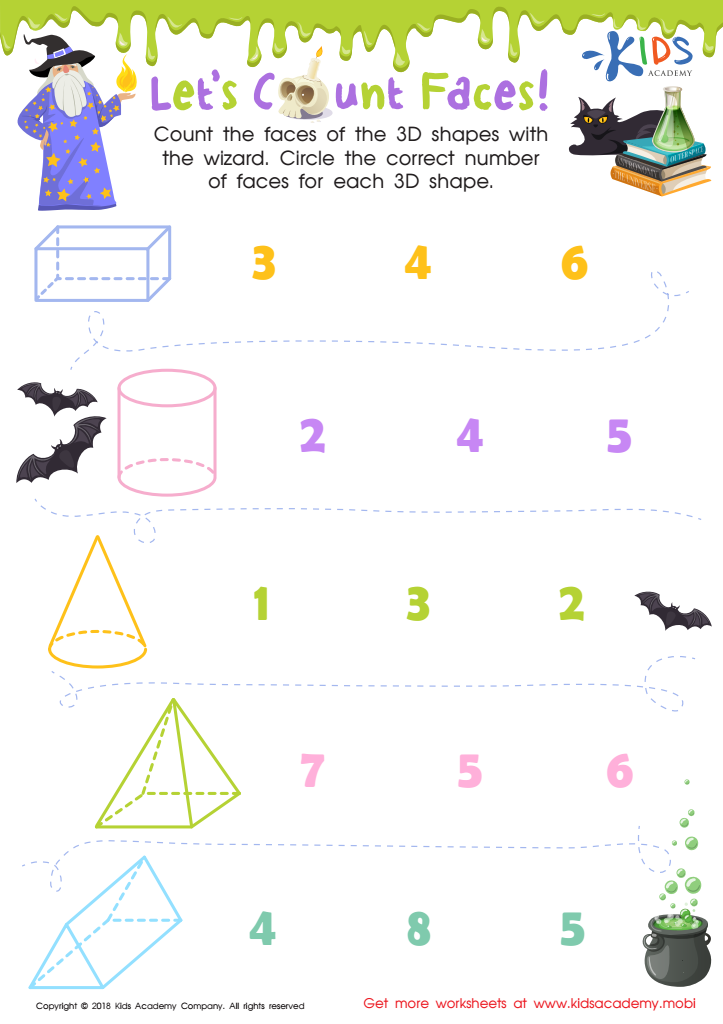
Let's Count Faces! Worksheet
 Assign to My Students
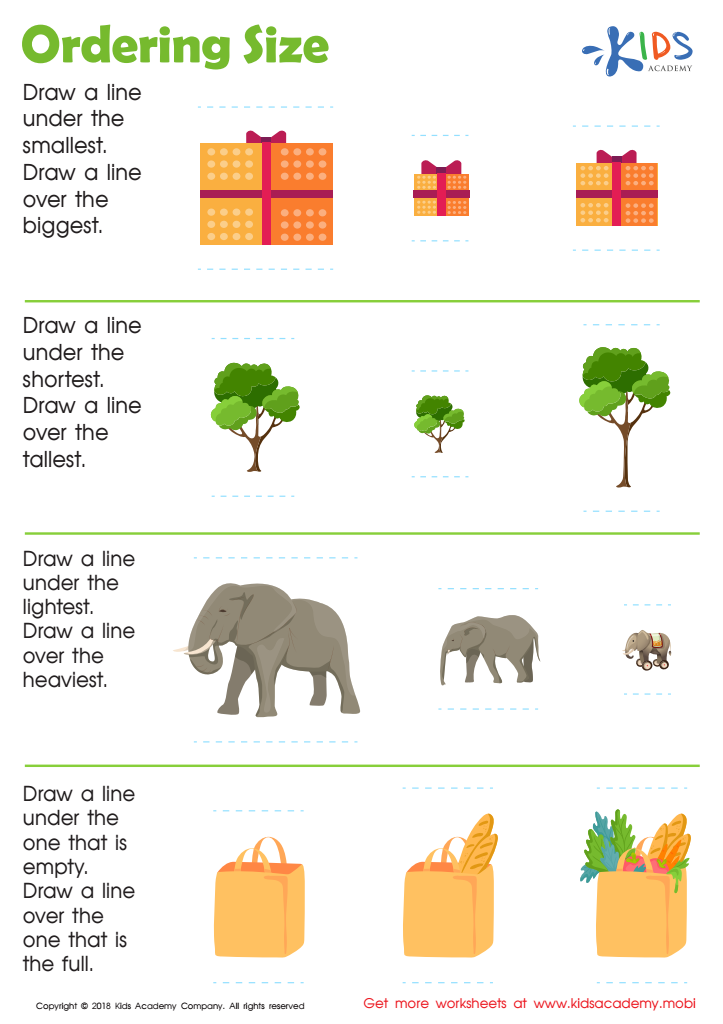
Ordering Size Worksheet
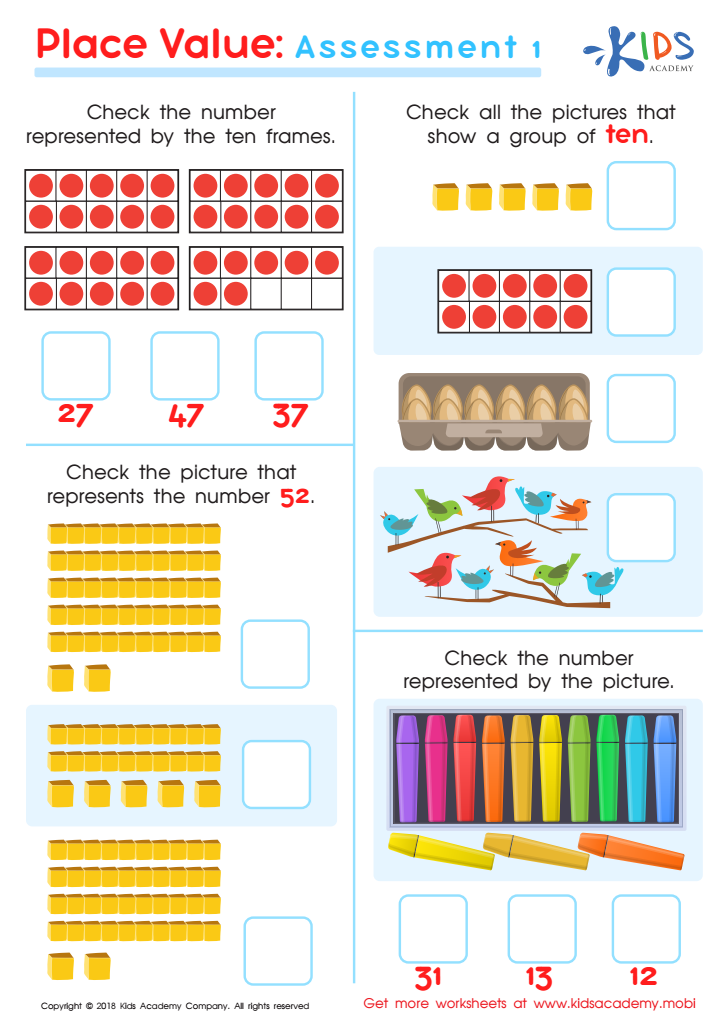
Place Value: Assessment 1 Worksheet
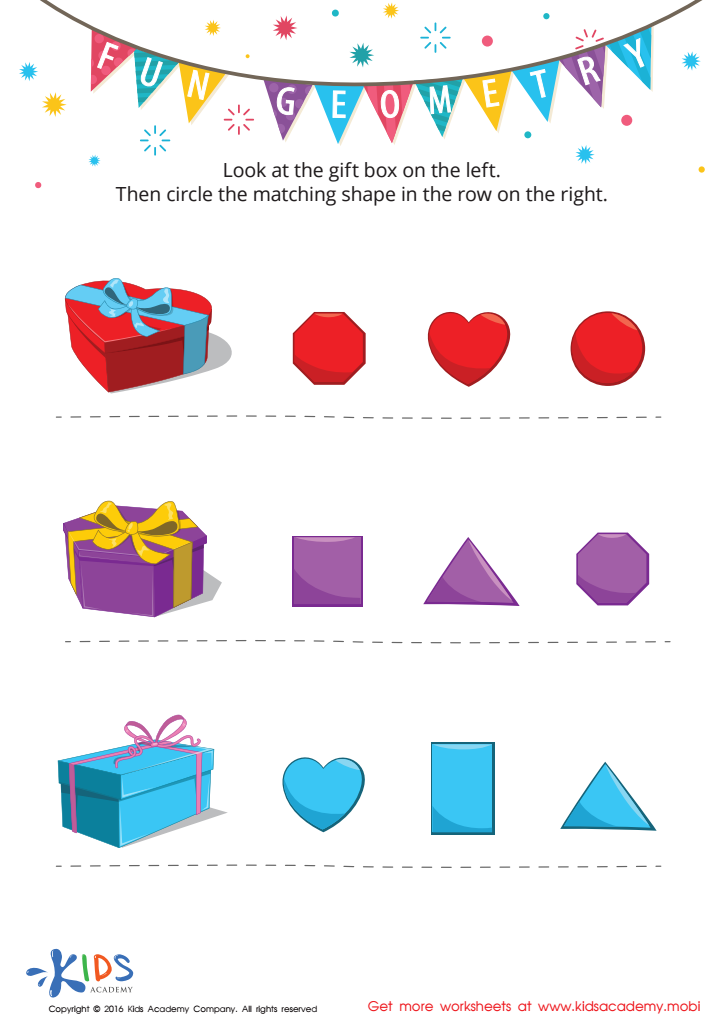
Fun Geometry Worksheet
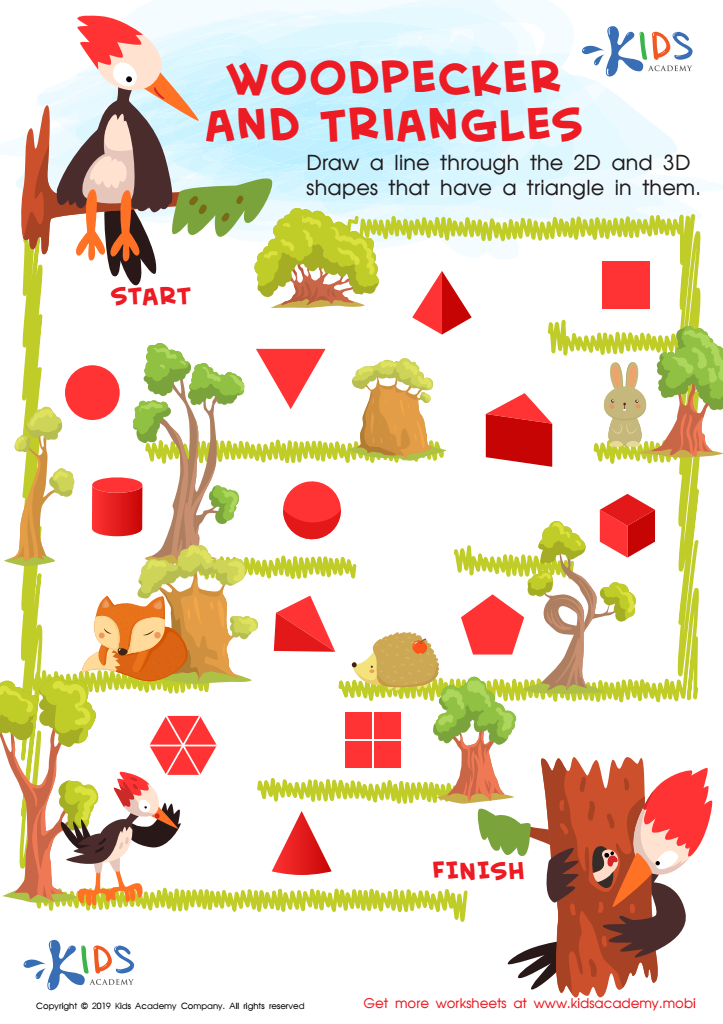
Woodpecker and Triangles Worksheet
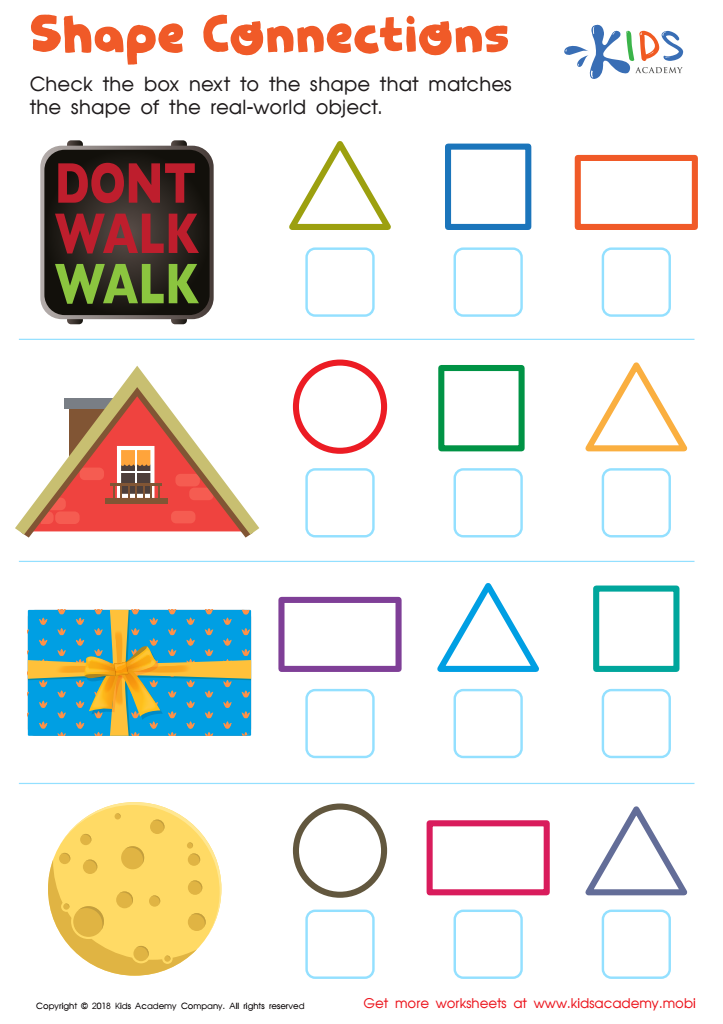
Shape Connections Worksheet
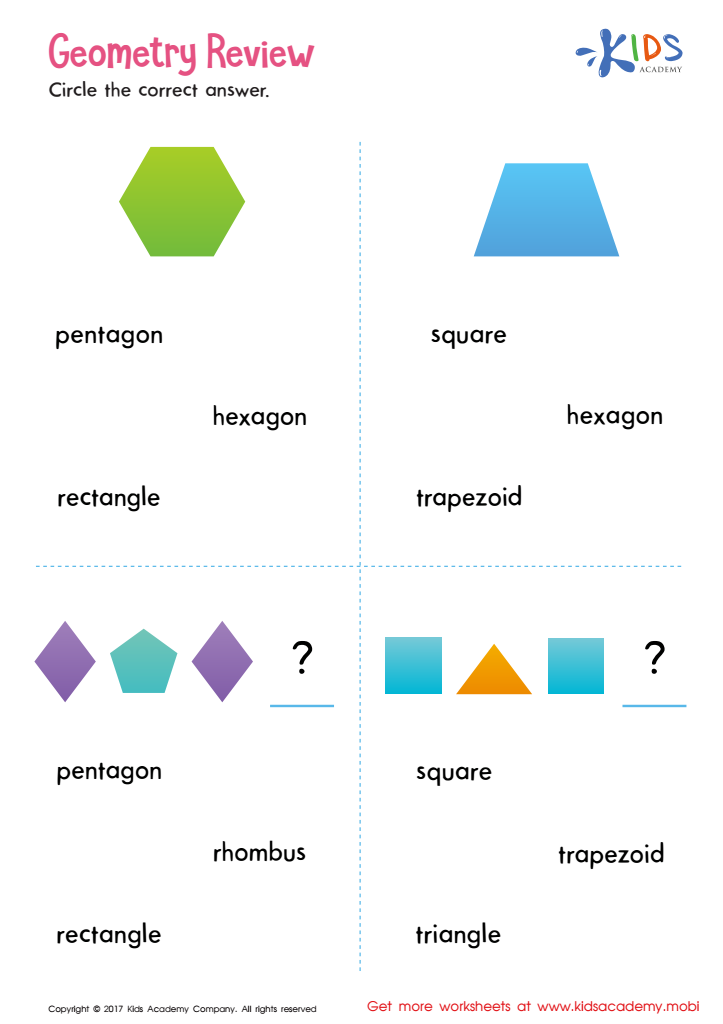
Geometry Review Printable
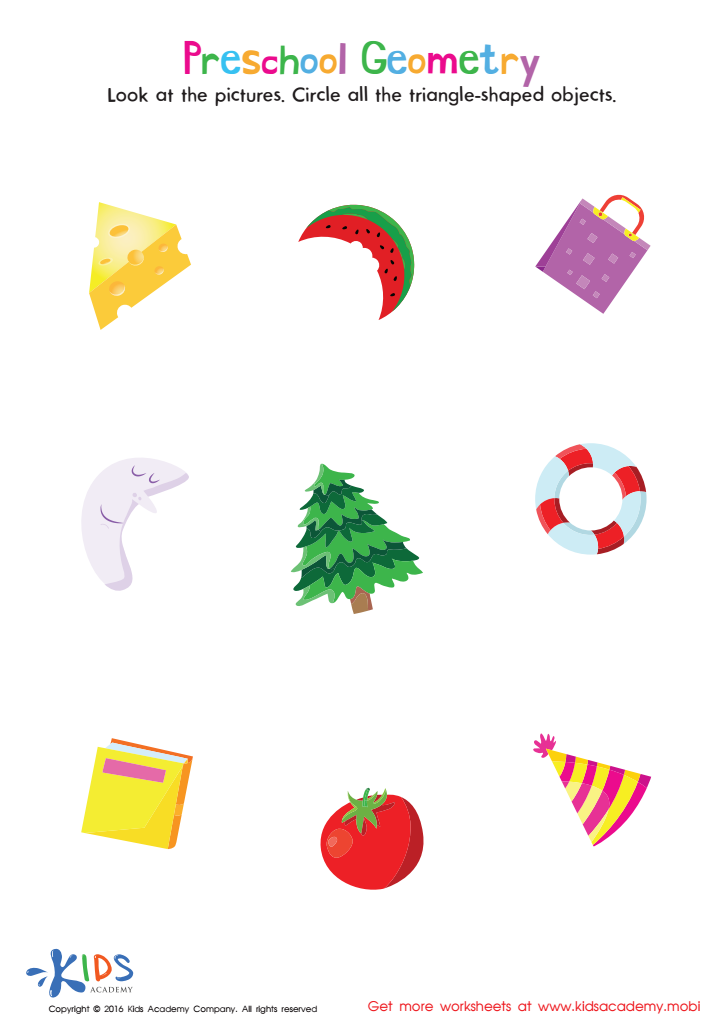
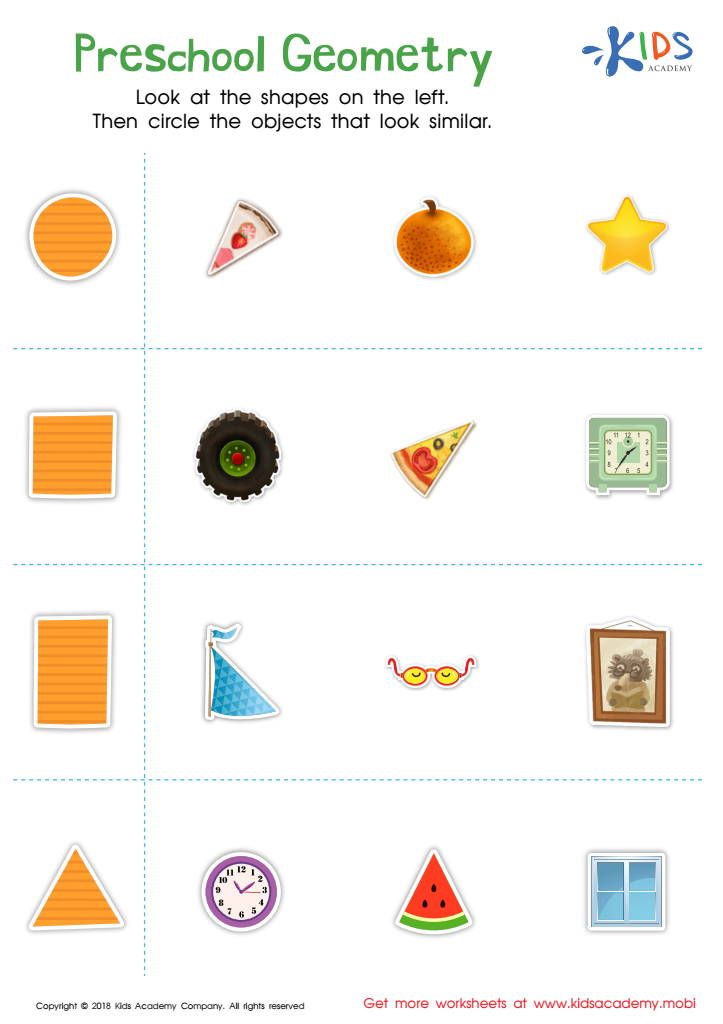
Preschool Geometry Worksheet
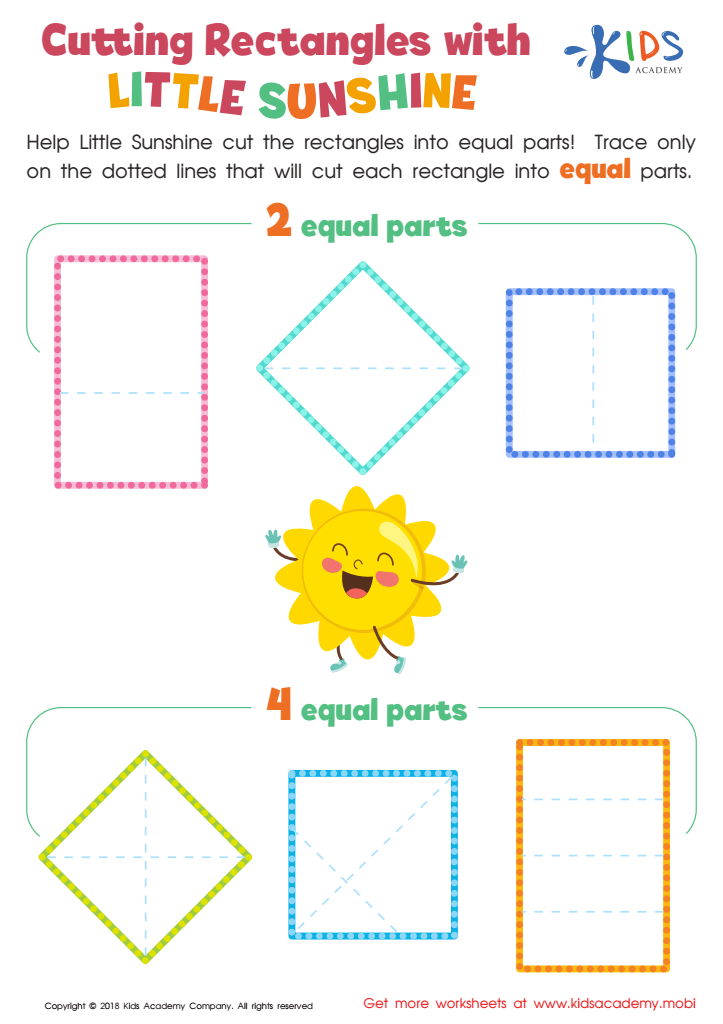
Cutting Rectangles with Little Sunshine Worksheet
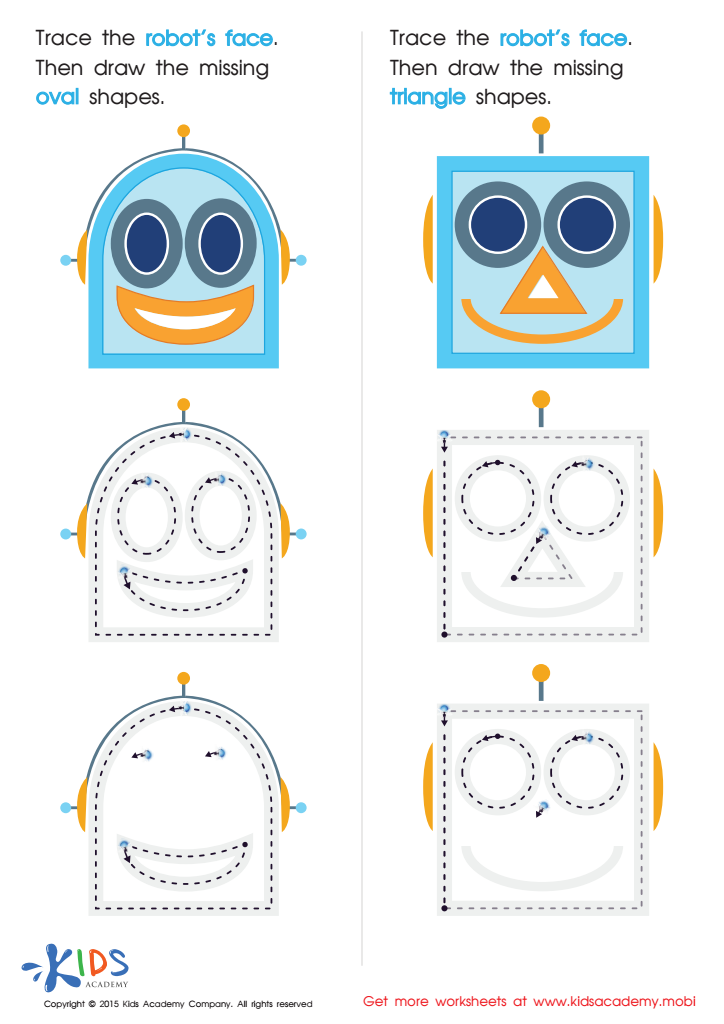
Drawing Ovals And Triangles with Fun Printable
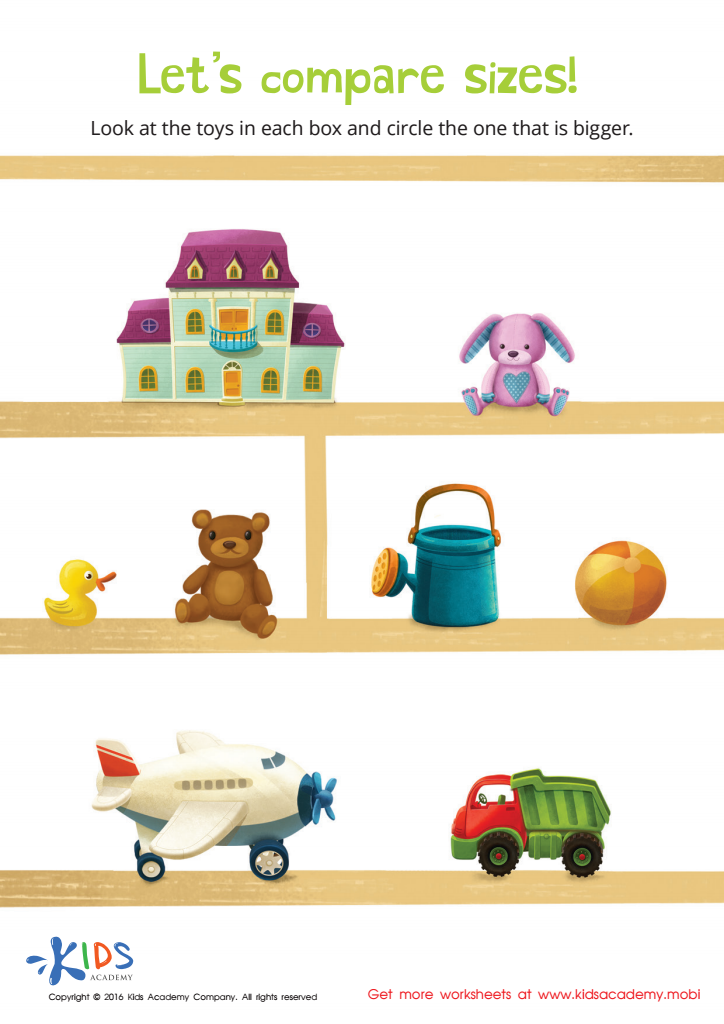
Classifying by Size Sorting Worksheet








Understanding basic geometry is crucial for young children, ages 5-9, as it forms the foundation for later math and cognitive skills. Parents and teachers play a pivotal role in introducing and reinforcing geometric concepts such as shapes, sizes, patterns, and spatial relationships.
First, early exposure to geometry helps children develop their spatial awareness, which is essential for understanding the world around them. Geometry concepts are integral to many everyday tasks, such as reading maps, organizing space, and solving puzzles. By learning about shapes and patterns, children also enhance their ability to recognize, classify, and describe objects, boosting their observational skills and attention to detail.
Second, geometry is closely connected to other areas of math. A solid grounding in basic geometric ideas fuels curiosity and encourages a positive attitude toward more complex math subjects they will encounter later in school, such as algebra and calculus. Understanding geometry can make these future subjects less intimidating and more accessible.
Finally, engaging young learners in geometry strengthens their problem-solving and critical-thinking abilities. Hands-on activities like building blocks and drawing shapes encourage creativity and help develop fine motor skills. Thus, basic geometry not only supports academic success but also contributes to well-rounded cognitive and social development.
In sum, ensuring that children understand basic geometry concepts benefits their overall learning and equips them with important skills for the future.








