Recognizing shapes Worksheets for Ages 5-9 - Page 2
50 filtered results
-
From - To
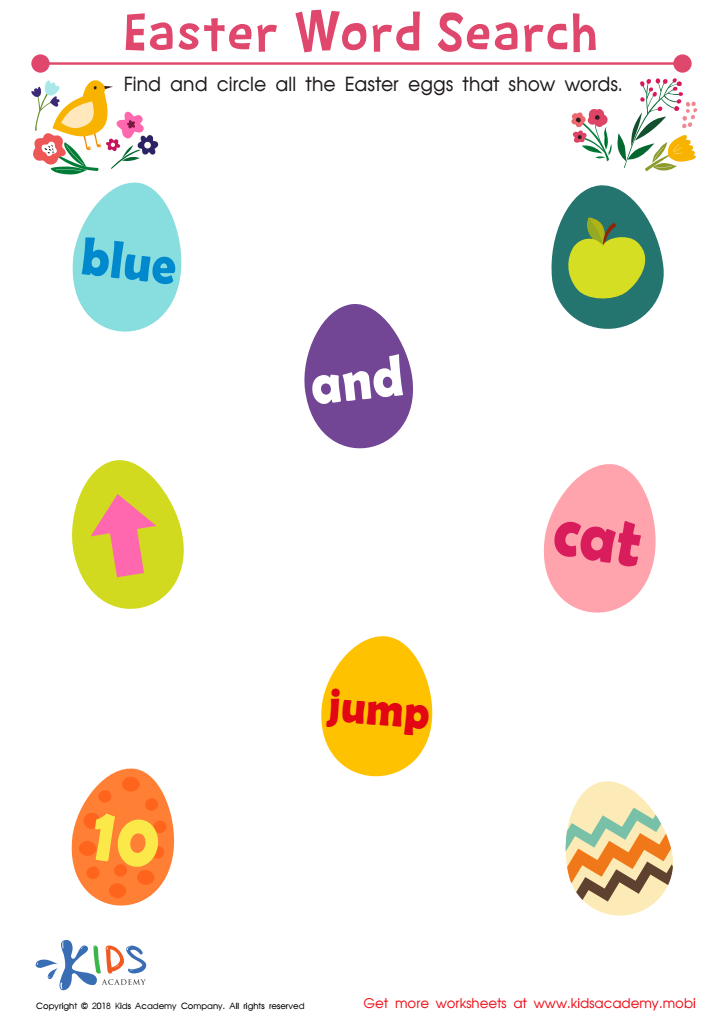
Easter Word Search Worksheet
 Assign to My Students
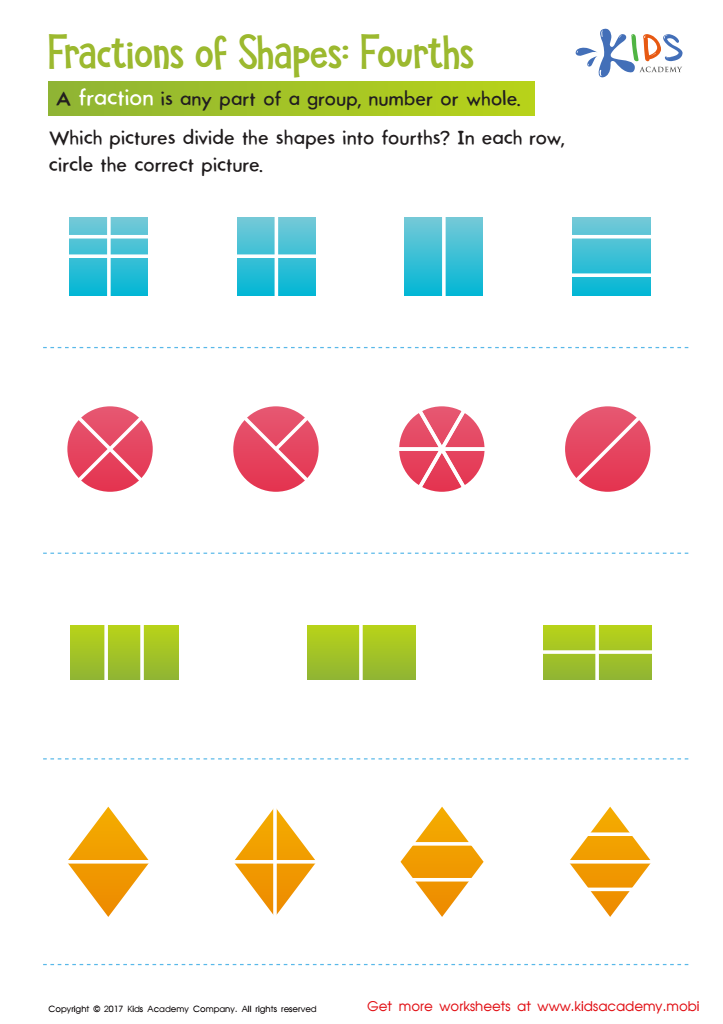
Fractions of Shapes Worksheet
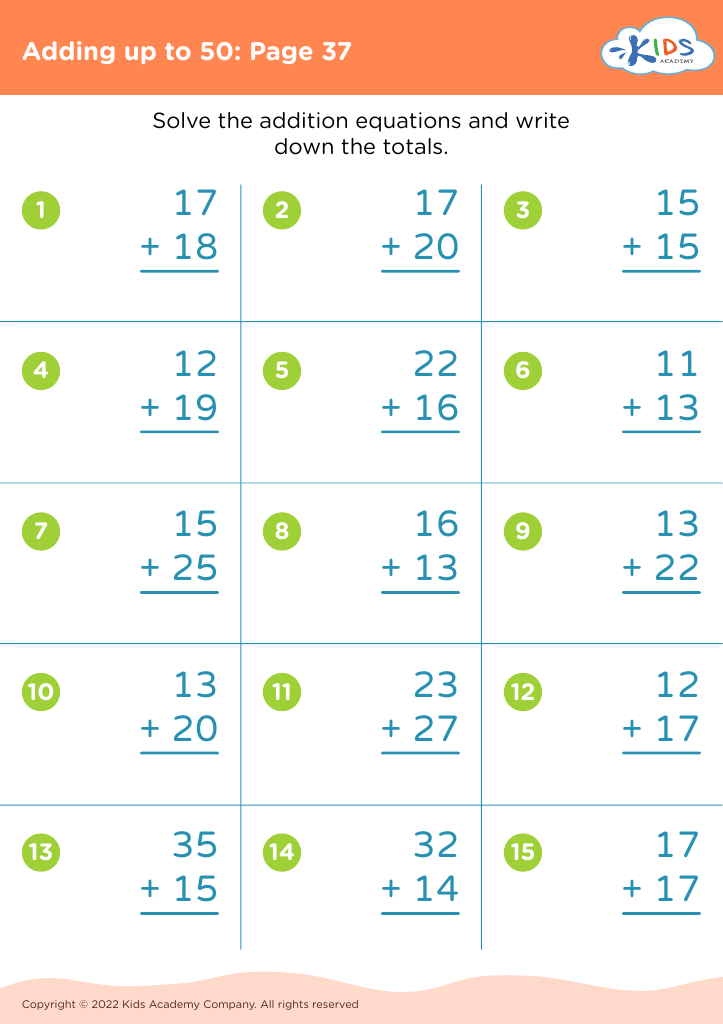
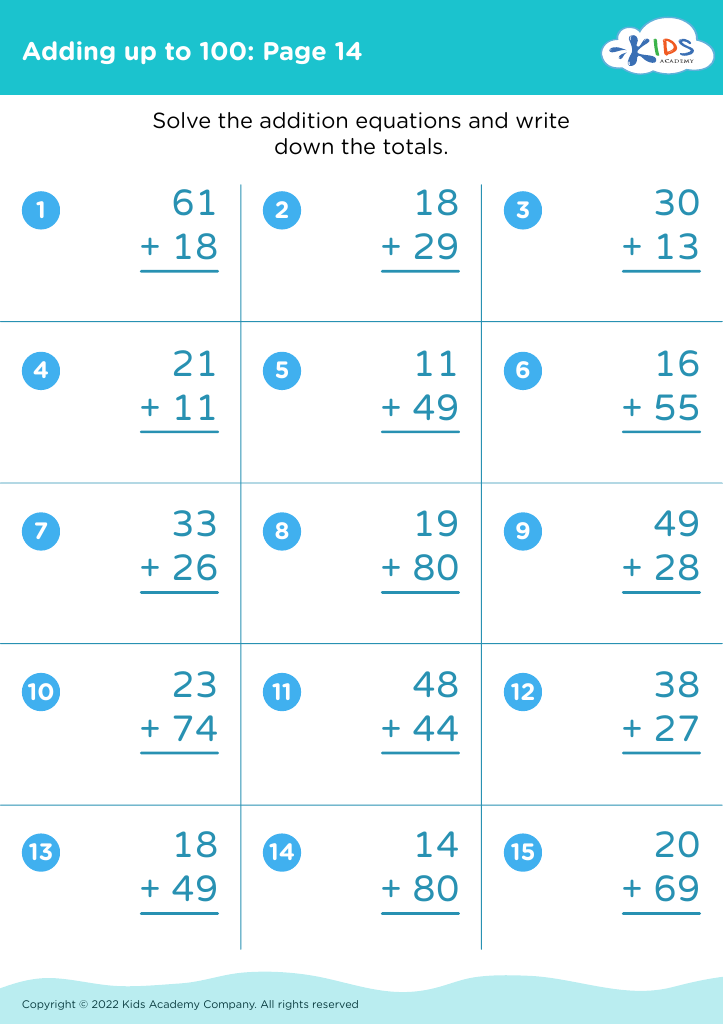
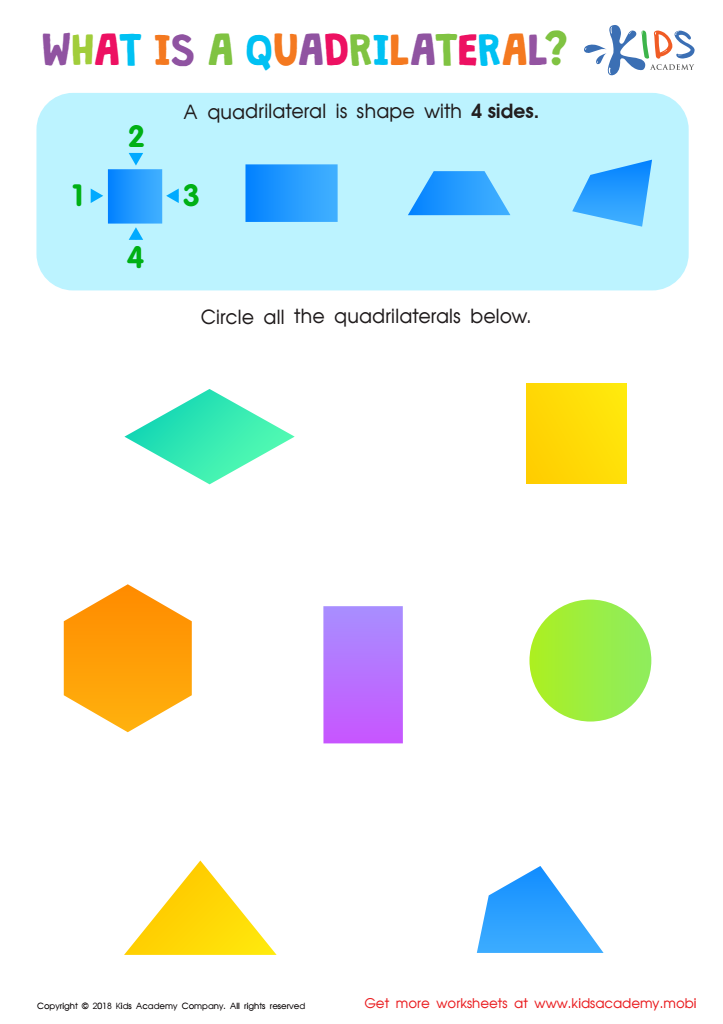
What Is a Quadrilateral? Worksheet








Recognizing shapes is a foundational skill for young children, playing a critical role in their cognitive and academic development. For ages 5-9, this skill extends beyond rote identification and into core areas such as problem-solving, geometry, and everyday practicalities.
Firstly, an understanding of shapes helps children develop spatial awareness and reasoning skills. These are essential for grasping more complex math concepts they will encounter later, like algebra and calculus. Shape recognition aids in visualizing and manipulating objects mentally, laying the groundwork for logical thought processes and spatial relation skills crucial in fields such as engineering and architecture.
Secondly, shapes are integral to a child’s daily life—seen in household items, books, games, and the environment. Recognizing shapes helps children categorize and structure their world, making sense of new information more efficiently. It supports language development by expanding their vocabulary with shape names and descriptive terms like "round" or "pointy."
Lastly, engaging with shapes fosters critical fine motor skills through drawing and building activities, enhancing hand-eye coordination. It also encourages creativity and artistic expression by allowing children to experiment with patterns and designs.
In summary, focusing on shape recognition from an early age equips children with valuable cognitive, academic, and daily living skills, forming a well-rounded foundation for continuous learning and development.








