Counting practice Numbers Worksheets for Ages 5-9 - Page 2
44 filtered results
-
From - To
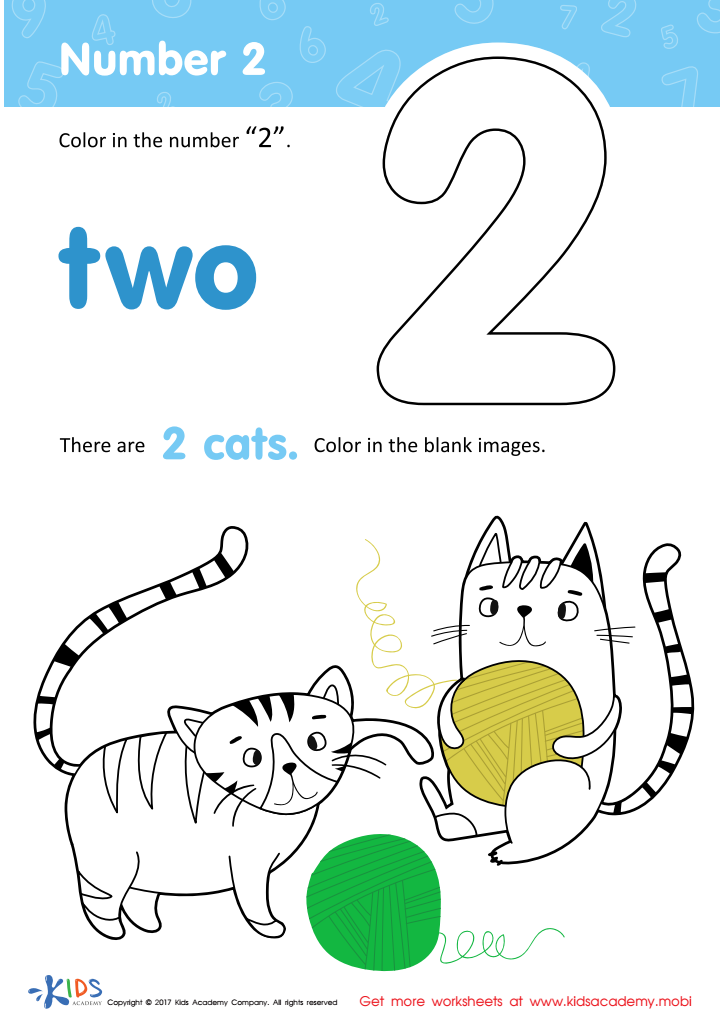
Number 2 Printable
 Assign to My Students
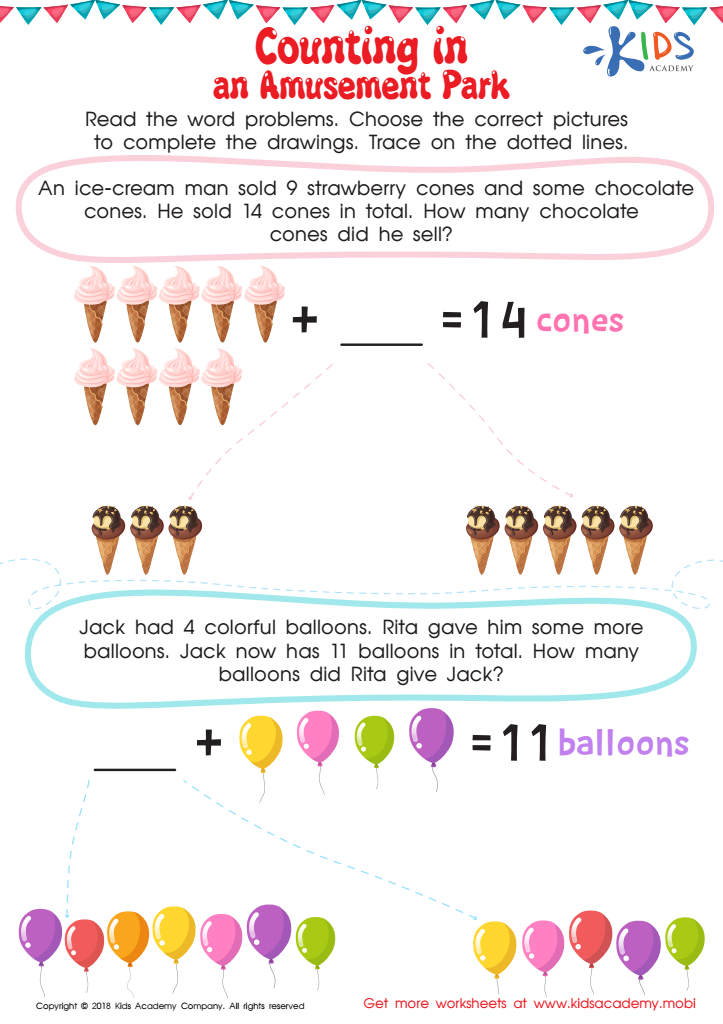
Counting in an Amusement Park Worksheet
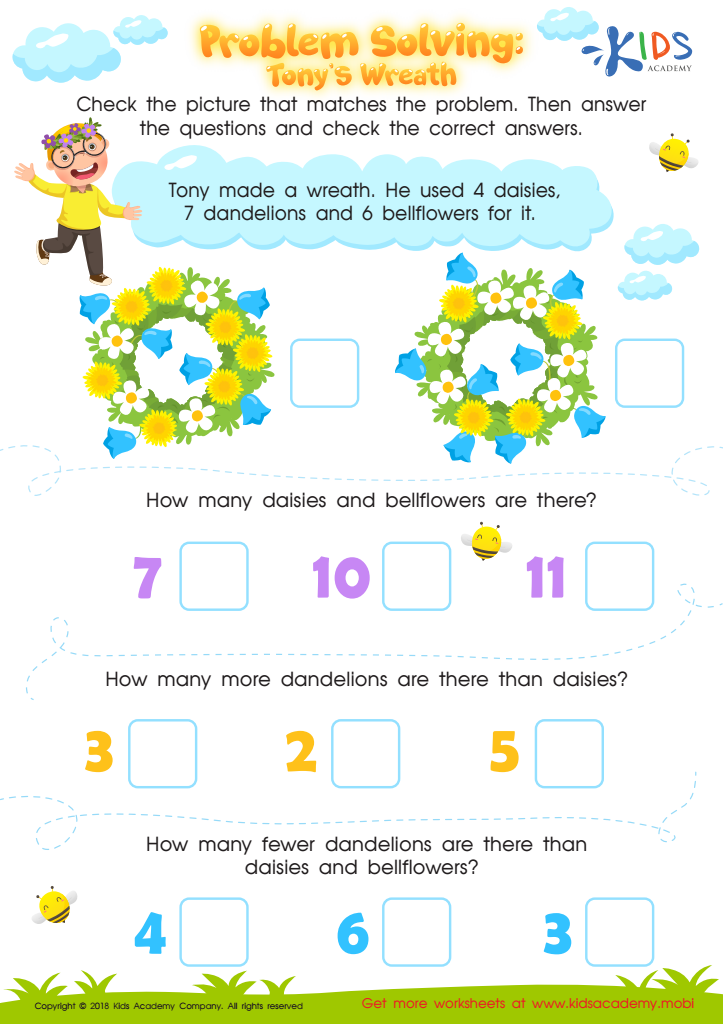
Problem Solving: Tony's Wreath Worksheet
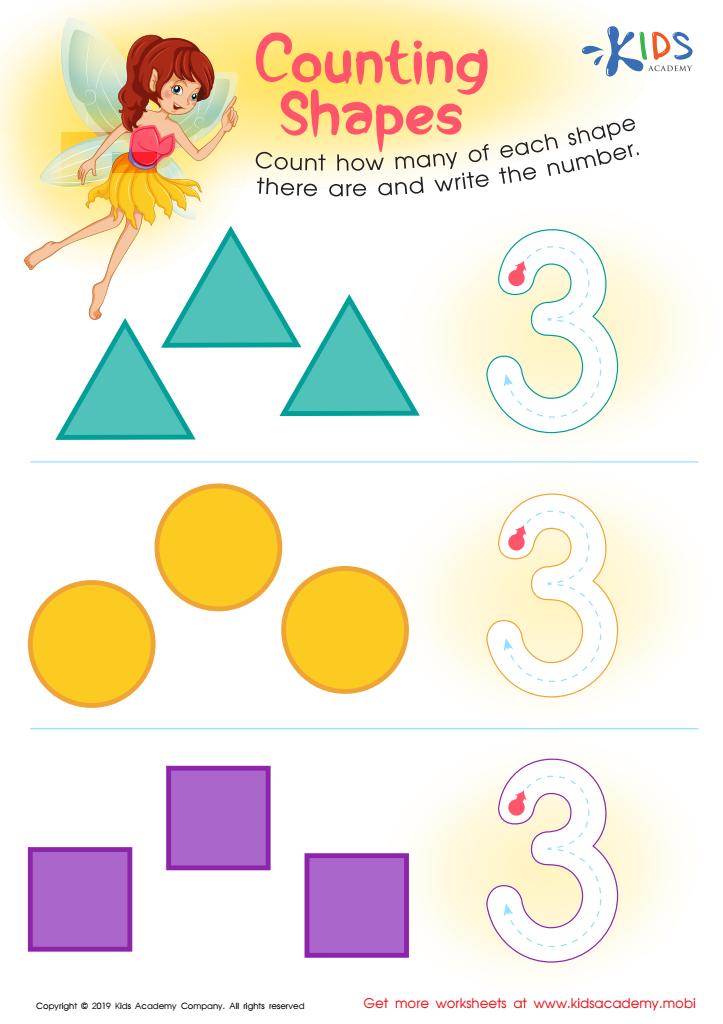
Counting Shapes Worksheet
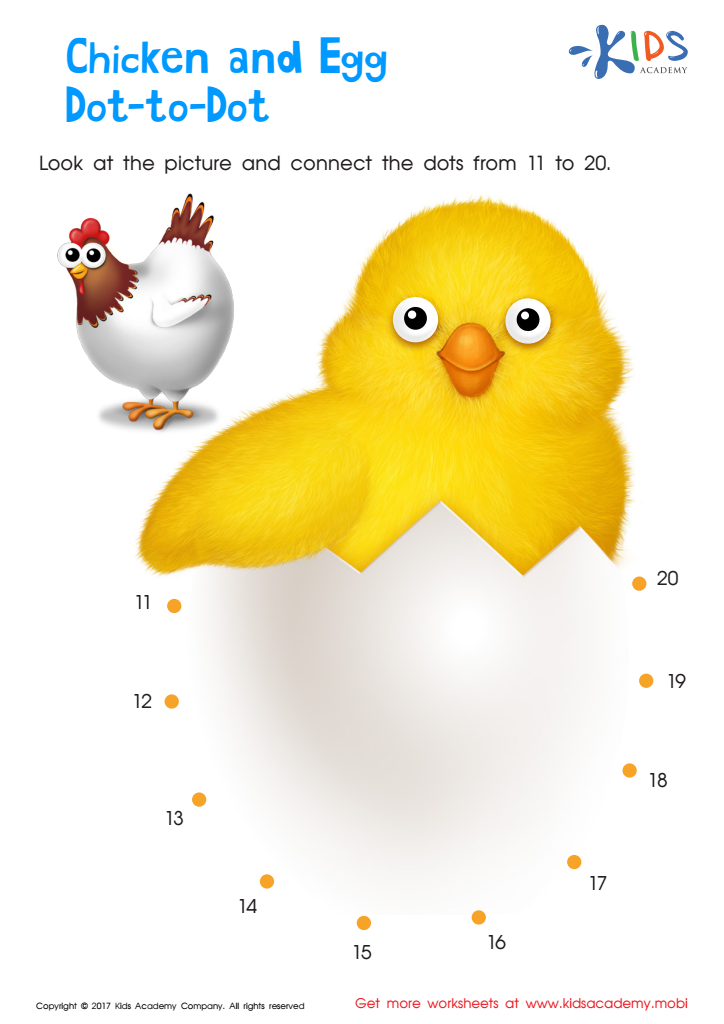
Ordering 11–20: Chicken & Egg Dot–to–dot Worksheet
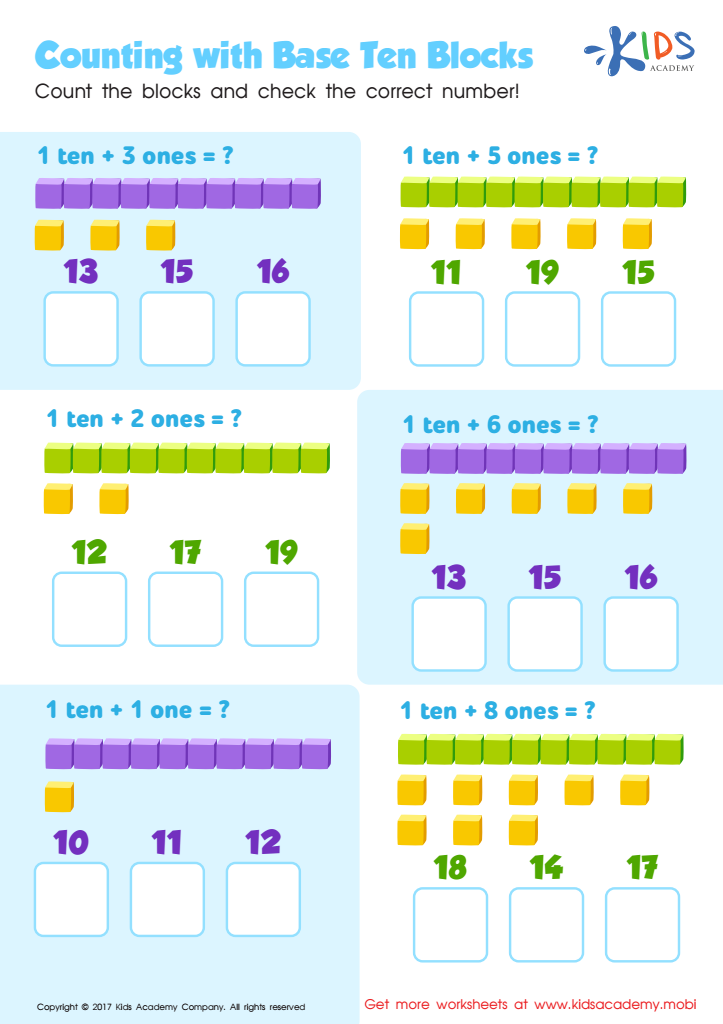
Counting with Base Ten Blocks Worksheet
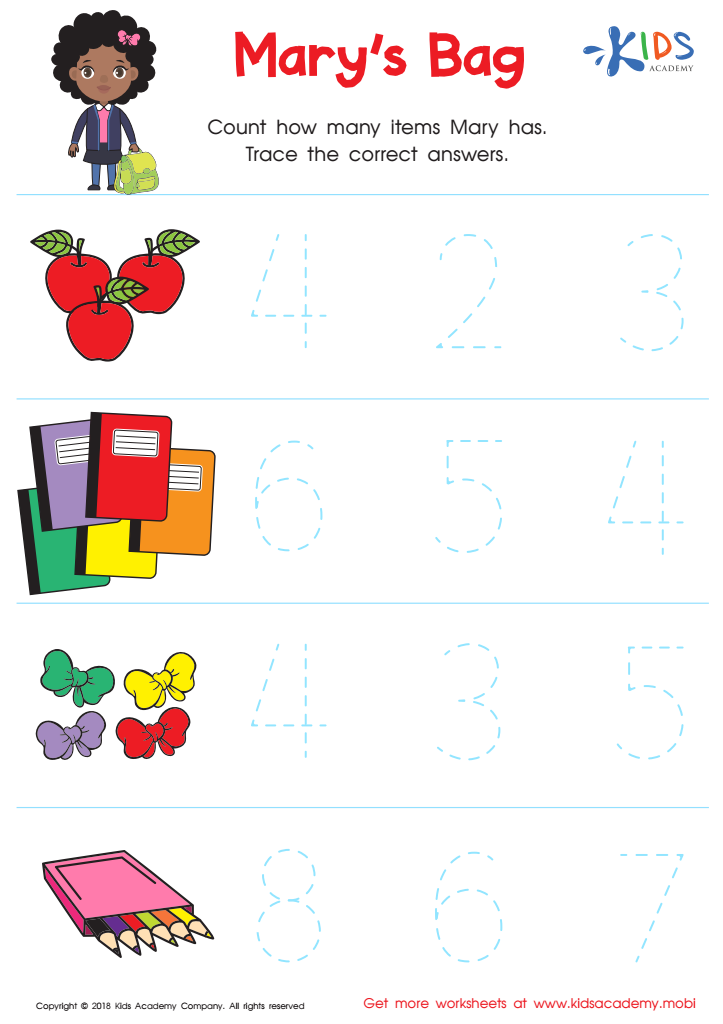
Kindergarten Number Tracing: Mary's Bag Worksheet
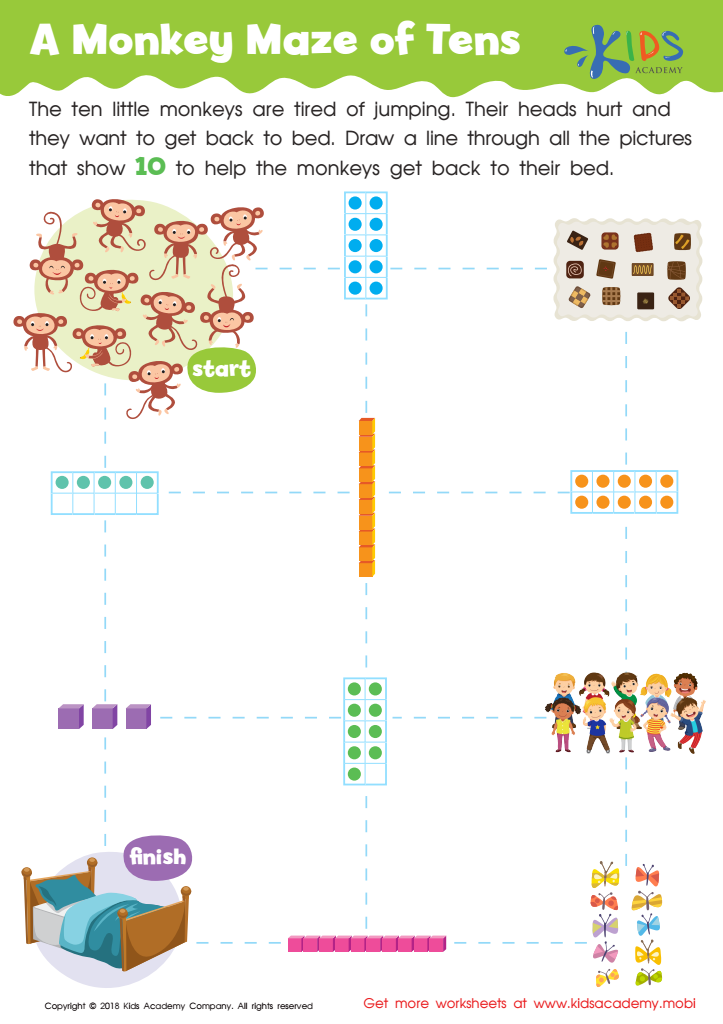
A Monkey Maze of Tens Worksheet

Eight Geese Worksheet
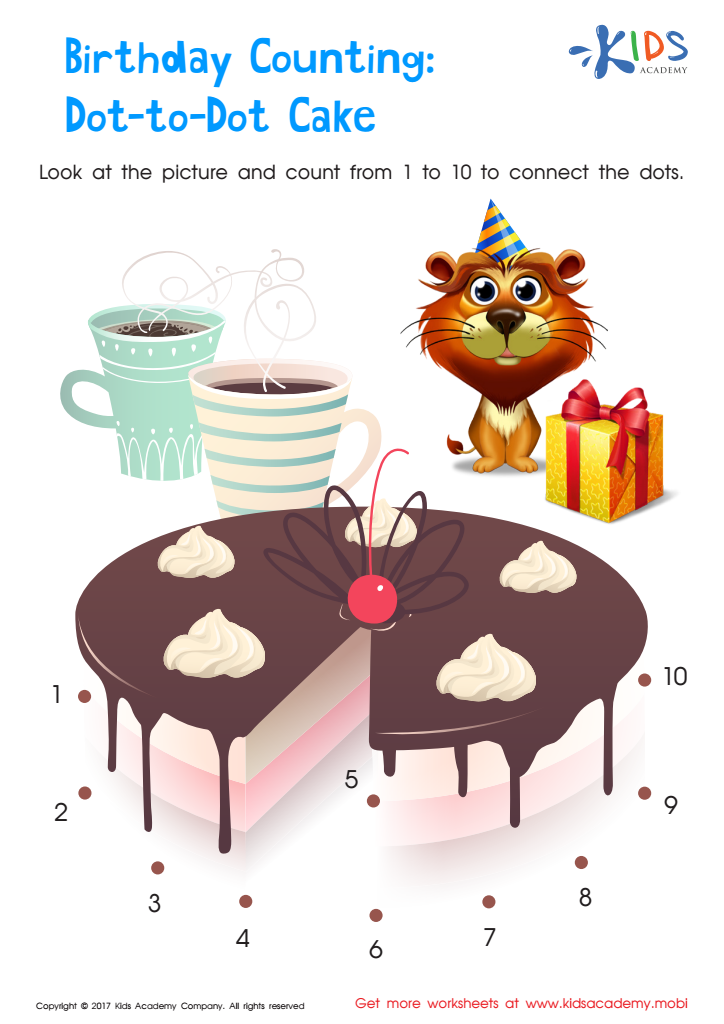
Birthday Counting Connect Dots Worksheet
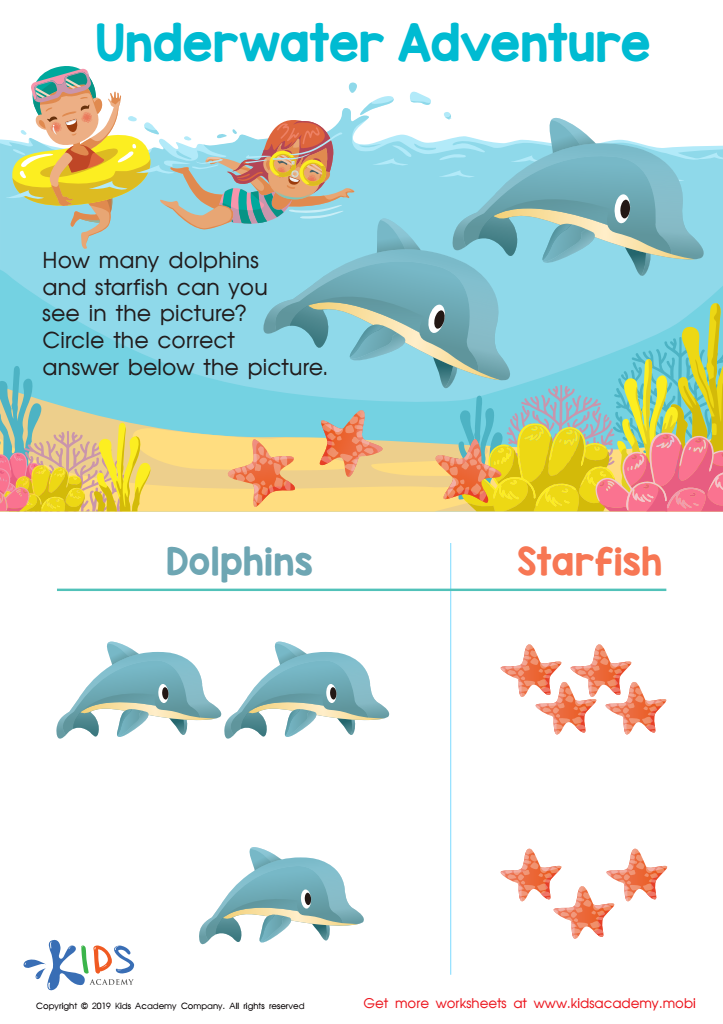
Underwater Adventure Worksheet
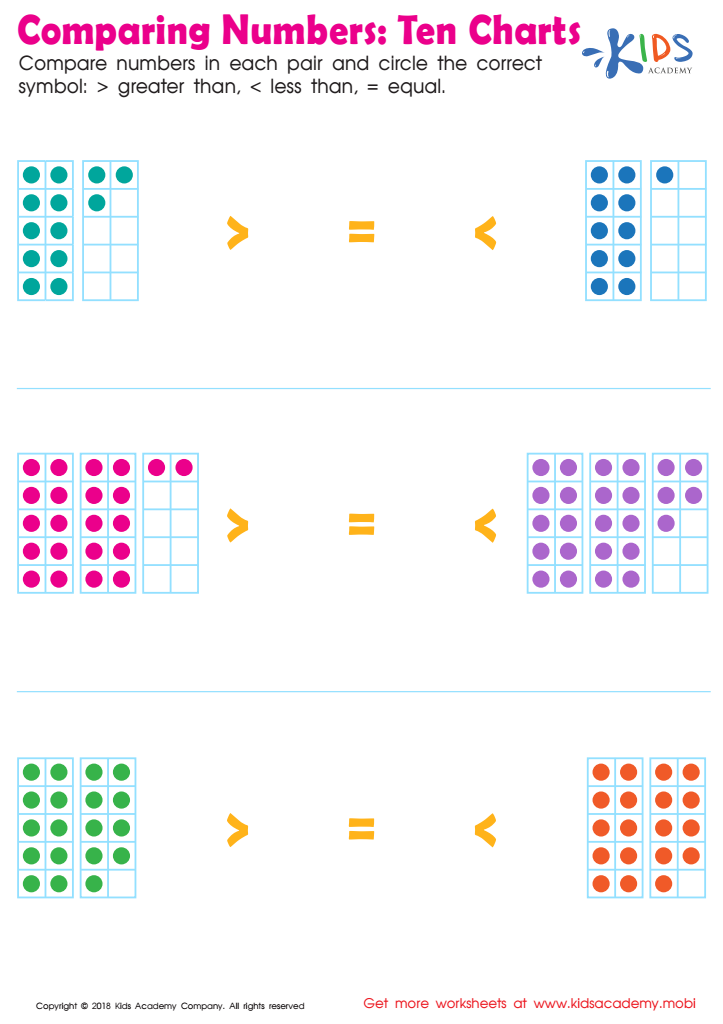
Ten Charts Worksheet

Make 6 Worksheet
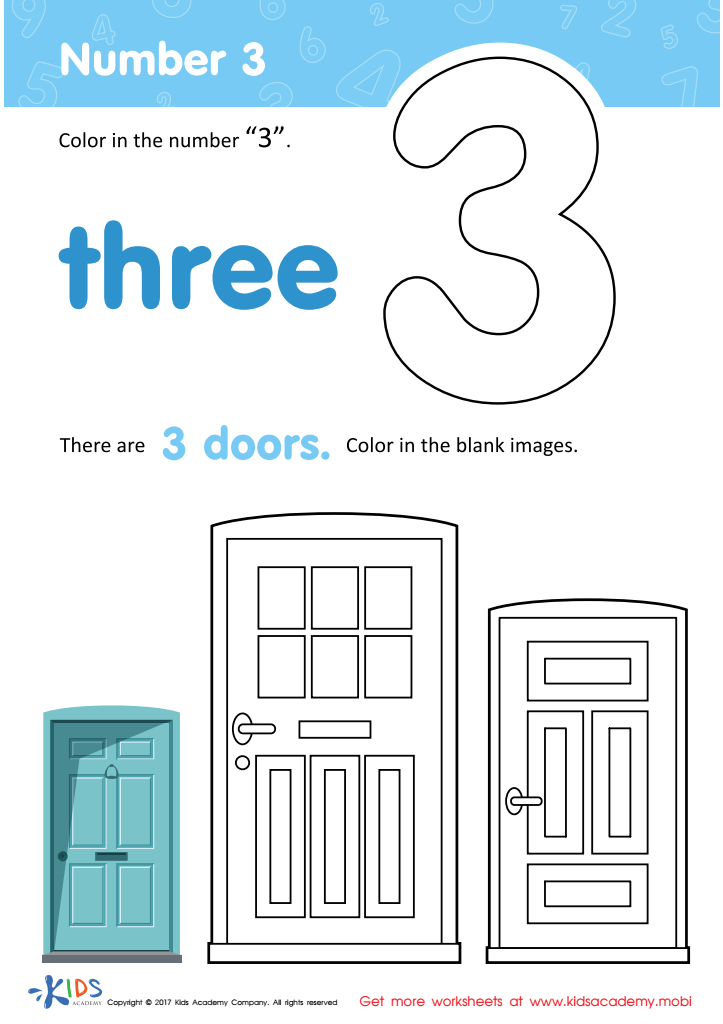
Number 3 Worksheet
Assign to My Students
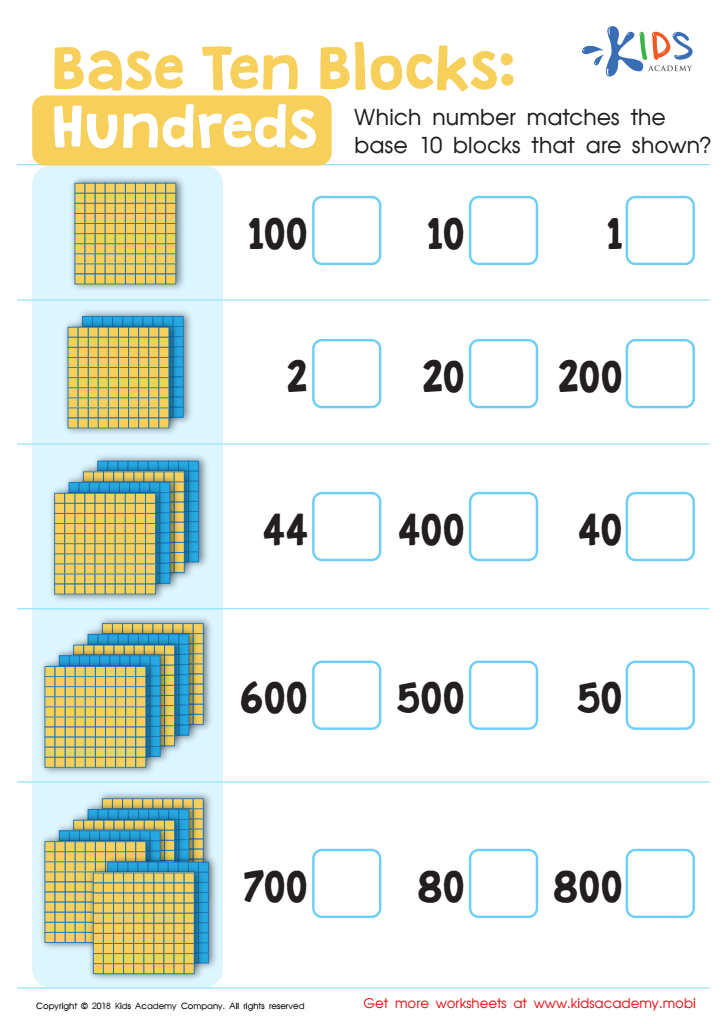
Base Ten Blocks: Hundreds Worksheet
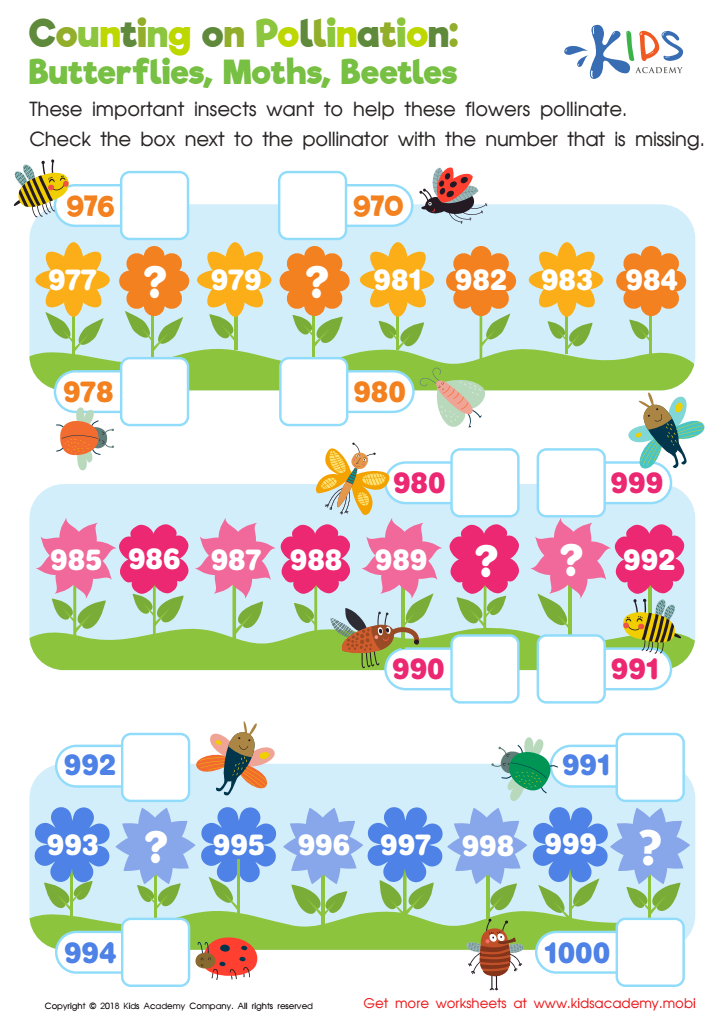
Counting on Pollination: Butterflies, Moths, Beetles Worksheet
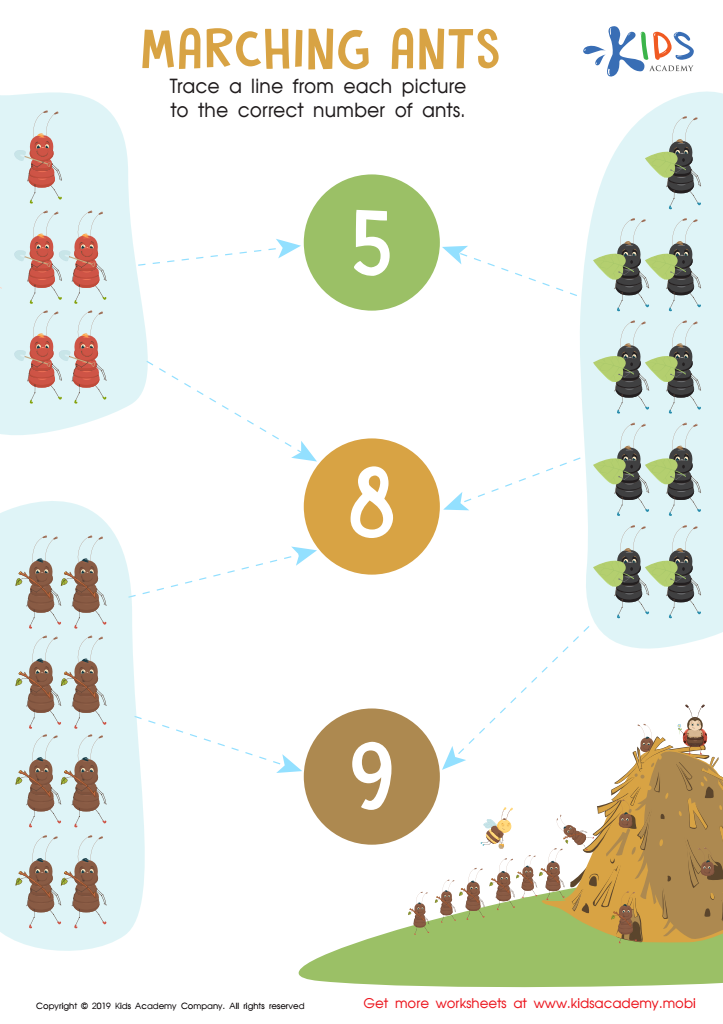
Marching Ants Worksheet

Counting on the City Skyline: Dot-to-Dot Worksheet
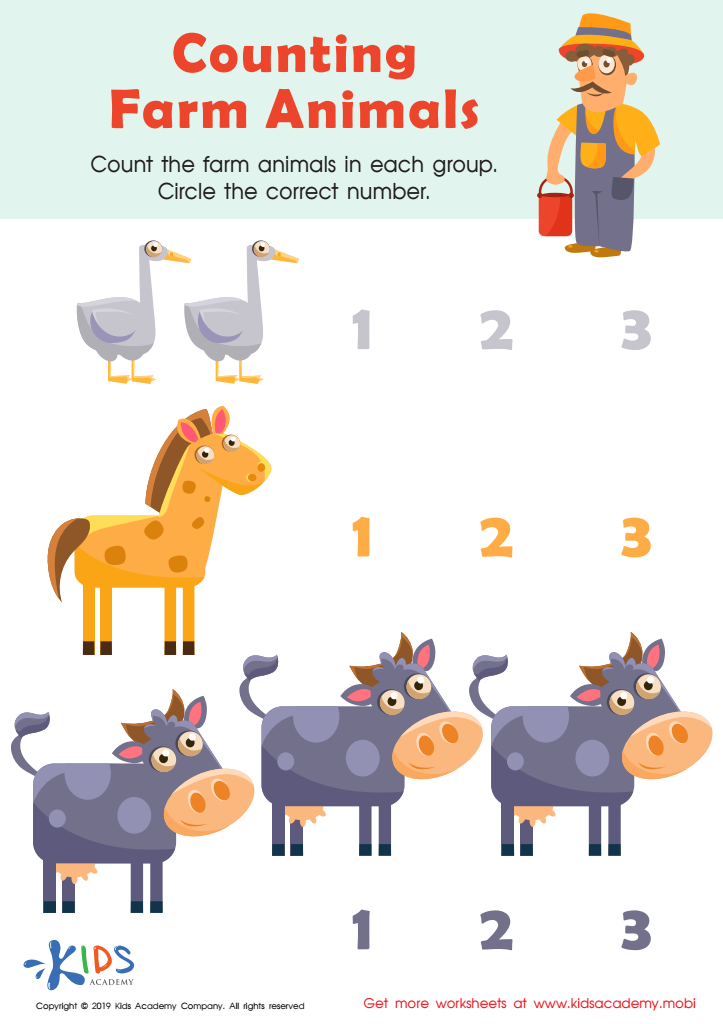
Counting Farm Animals Worksheet
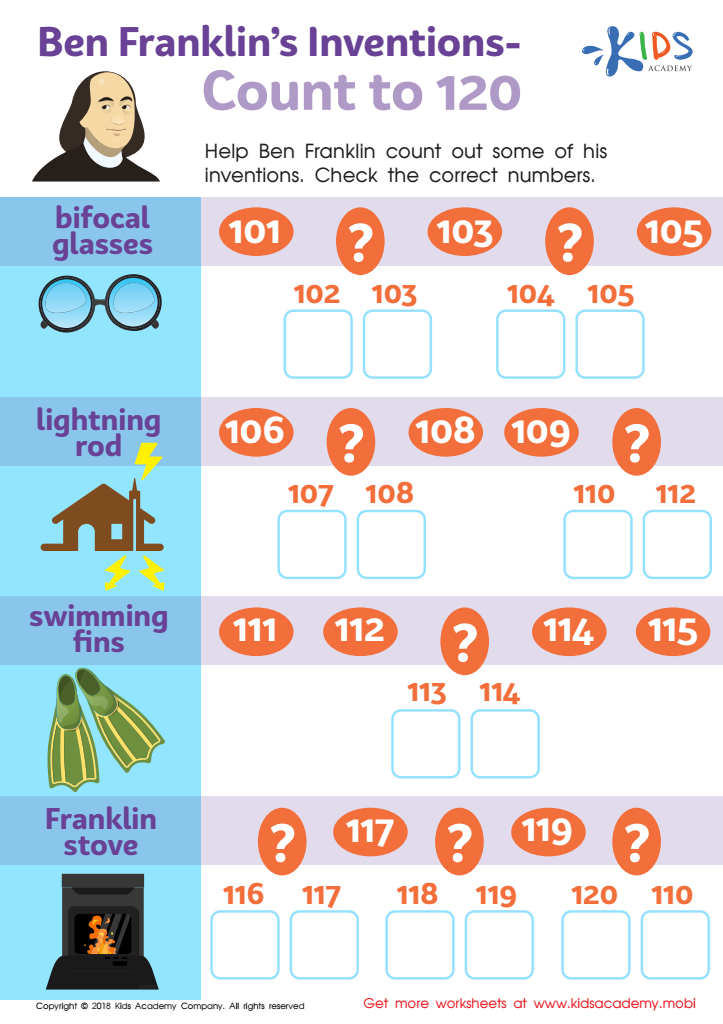
Ben Franklin’s Inventions – Count to 120 Worksheet








Counting practice is fundamental for children aged 5-9 because it establishes a strong foundation for their mathematical development. For parents and teachers, this practice is essential for several reasons. Firstly, counting helps in developing number sense, which is an intuitive understanding of numbers, their magnitude, relationships, and how they are affected by operations. This foundational skill is critical for tackling more complex mathematical concepts later on, such as addition, subtraction, multiplication, and division.
Furthermore, regular counting practice enhances children’s memory and cognitive abilities. It supports the development of logical thinking and problem-solving skills, which are useful not only in math but across all academic areas and real life. Counting objects also improves children's ability to classify and sort, fostering better organizational skills and pattern recognition, both crucial for academic success.
In the classroom, consistent counting activities can boost children's confidence and enthusiasm for math, making it a positive and enjoyable experience. For parents, engaging with their child in counting games or activities strengthens the parent-child bond and instills a positive attitude toward learning.
Overall, by prioritizing counting practice, parents and teachers can ensure children build a critical skillset that supports their overall intellectual growth and readiness for future academic challenges.








