Hand-eye Coordination Math Worksheets for Ages 5-9 - Page 3
66 filtered results
-
From - To
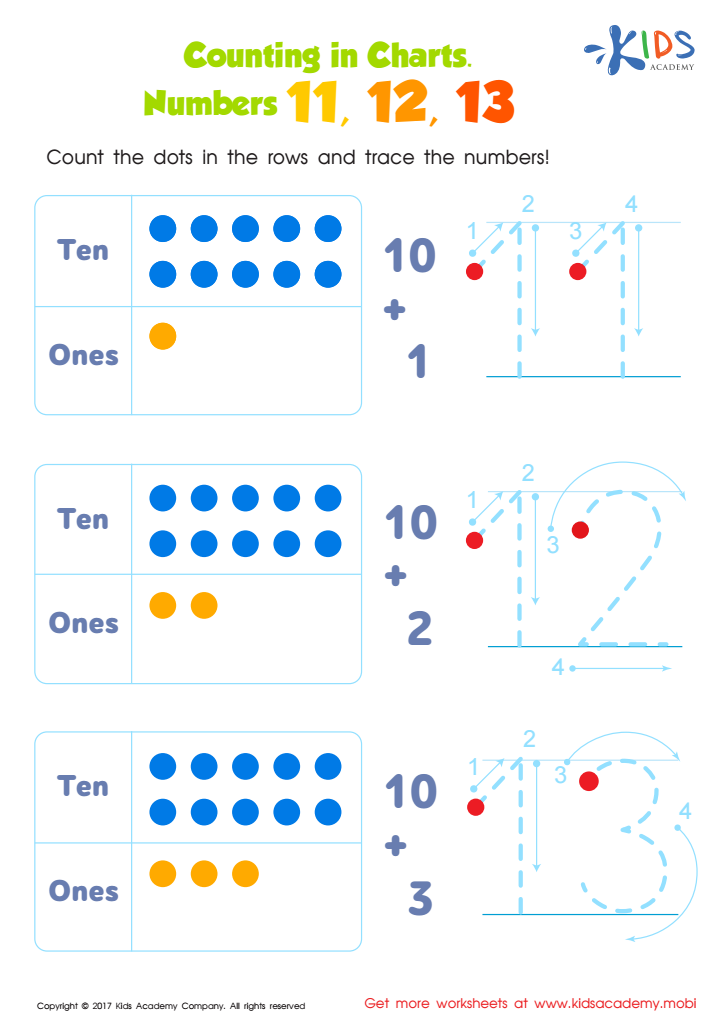
Number Tracing Worksheet For Kindergarten
 Assign to My Students
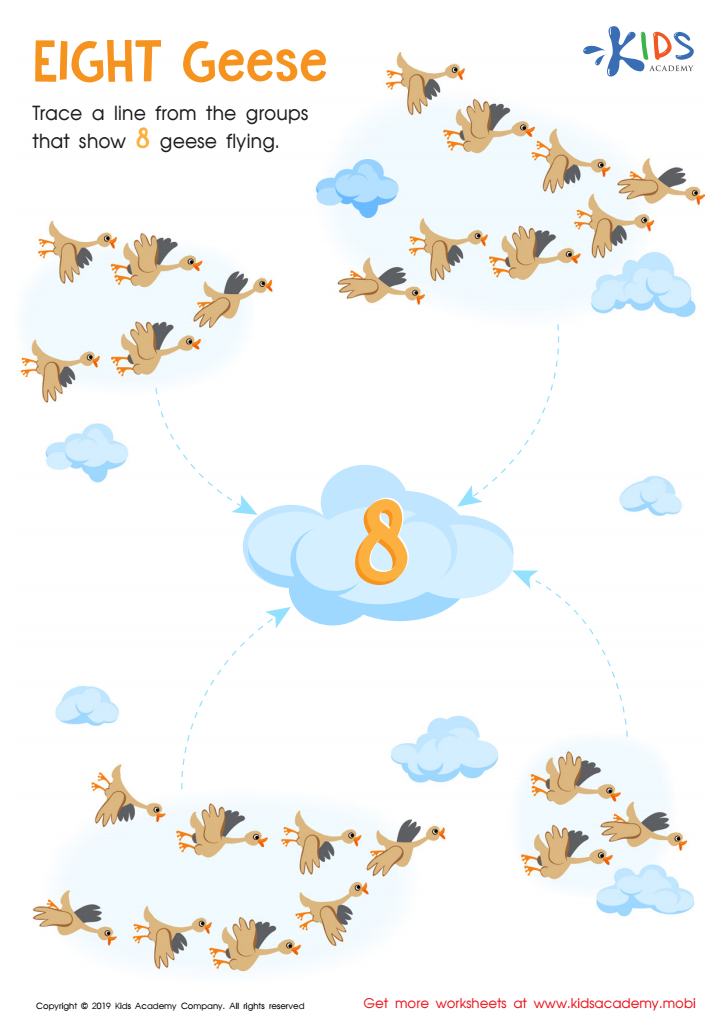
Eight Geese Worksheet
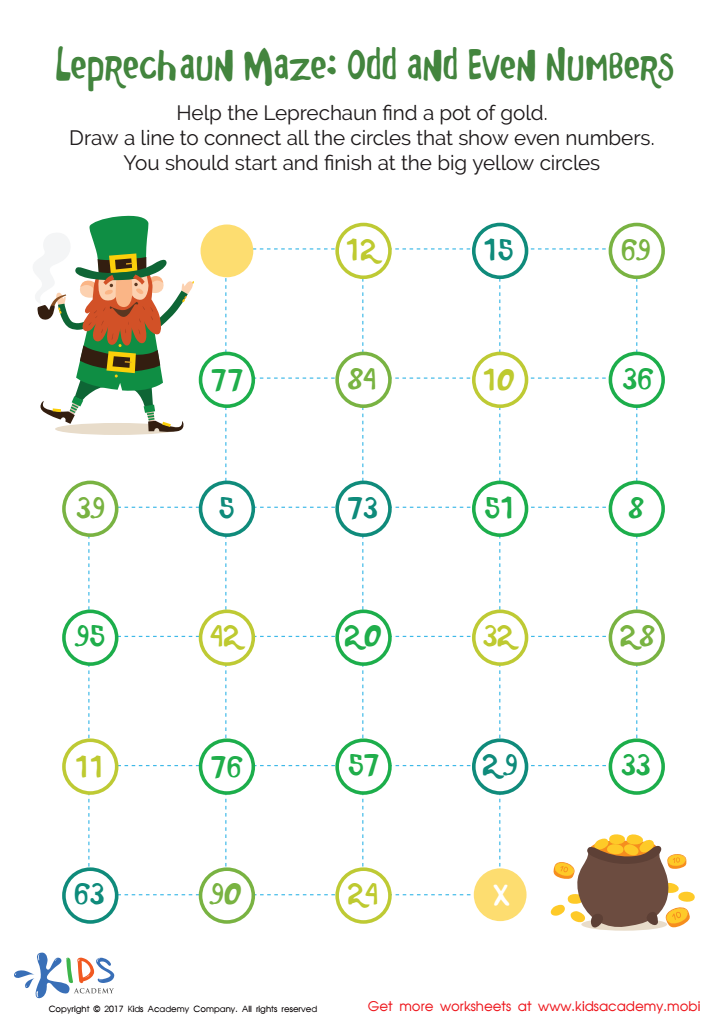
Leprechaun Maze Printable
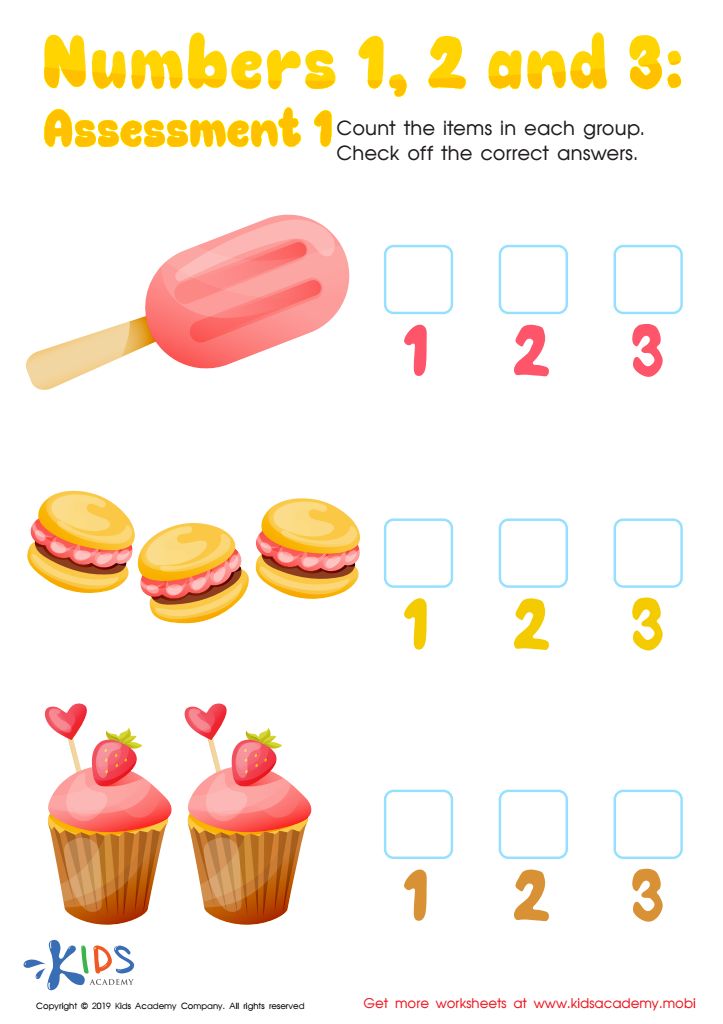
Numbers 1, 2 and 3: Assessment 1 Worksheet
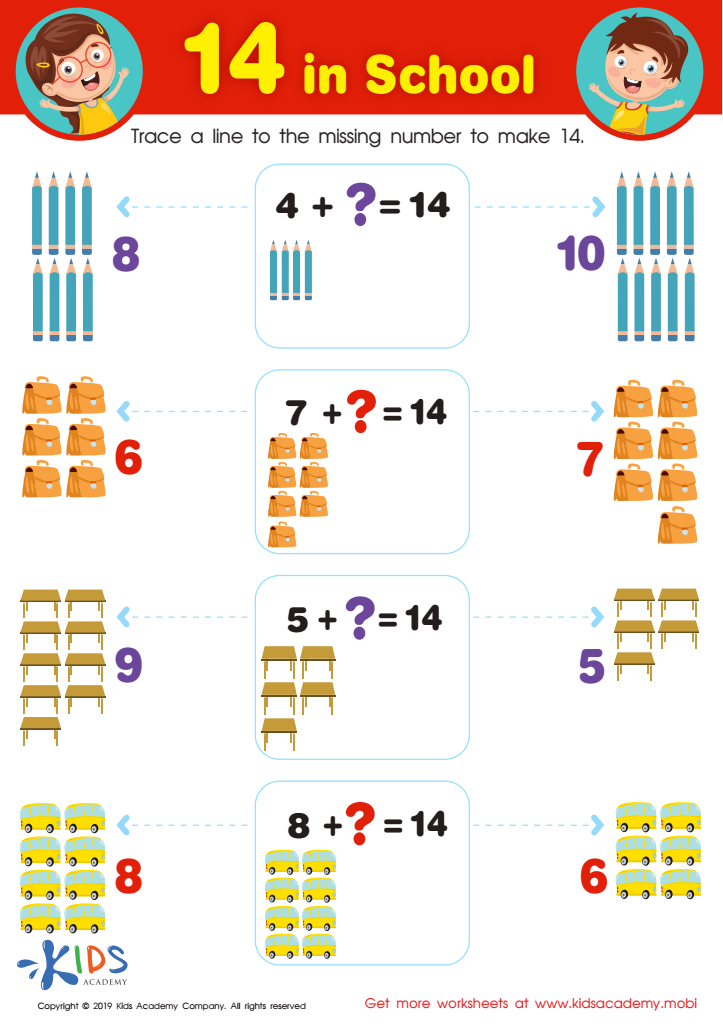
14 in School Worksheet
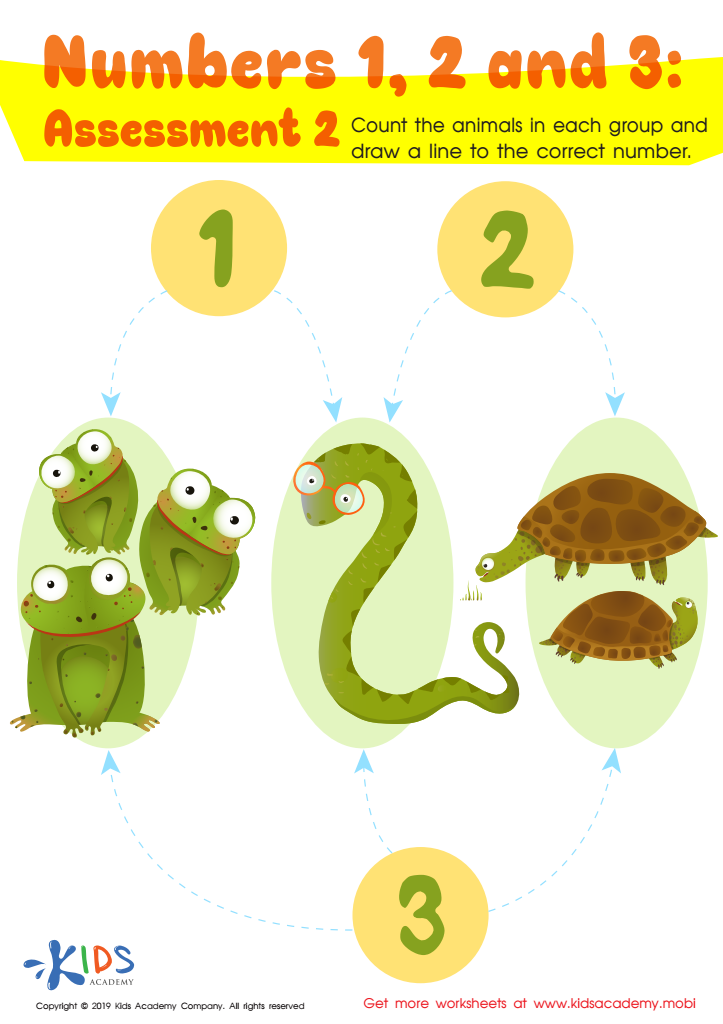
Numbers 1, 2 and 3: Assessment 2 Worksheet
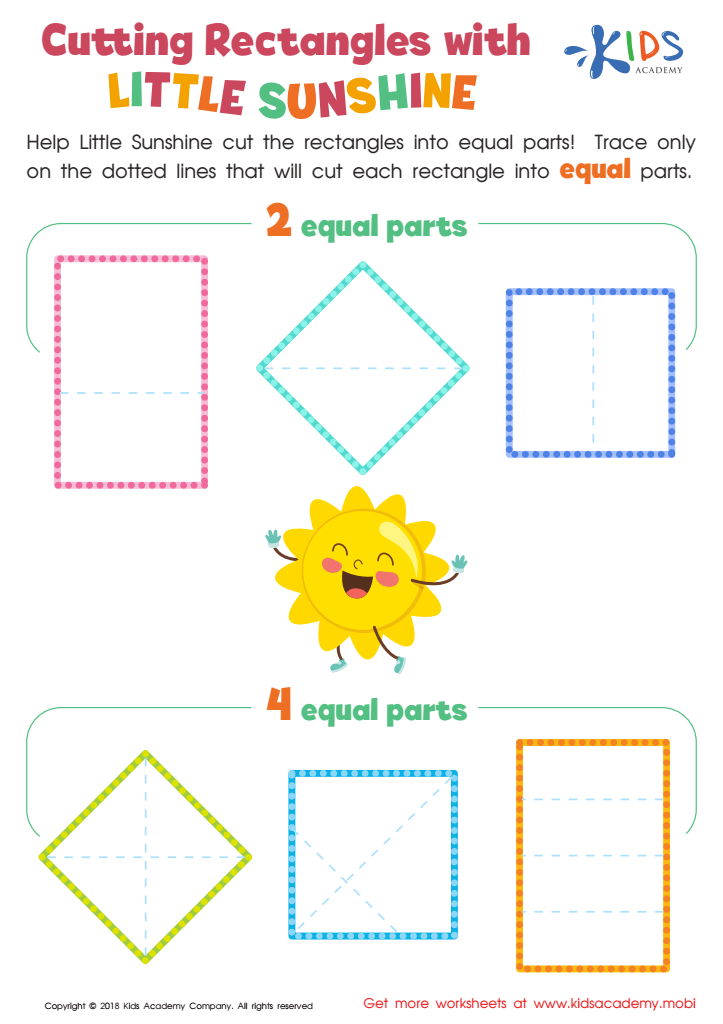
Cutting Rectangles with Little Sunshine Worksheet
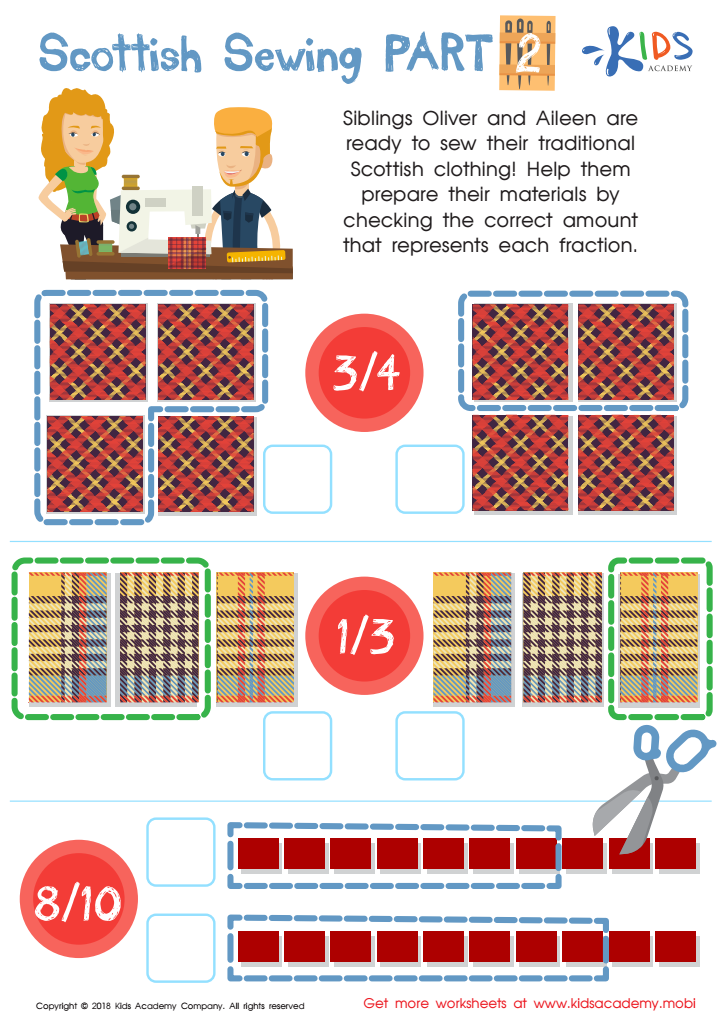
Scottish Sewing Part 2 Worksheet
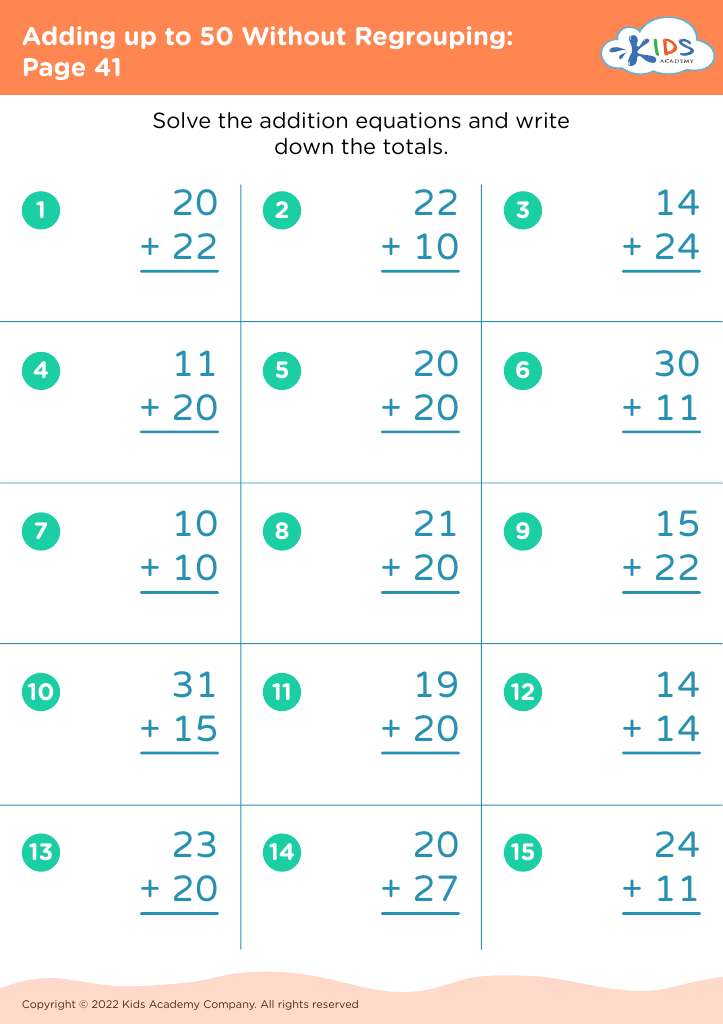
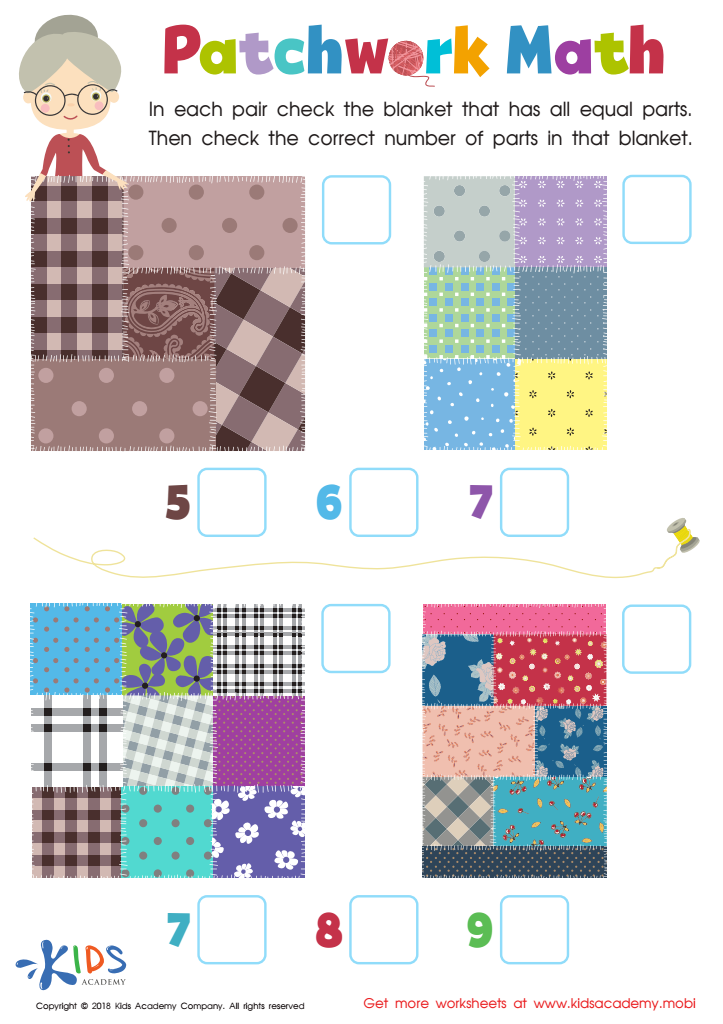
Patchwork Math Worksheet
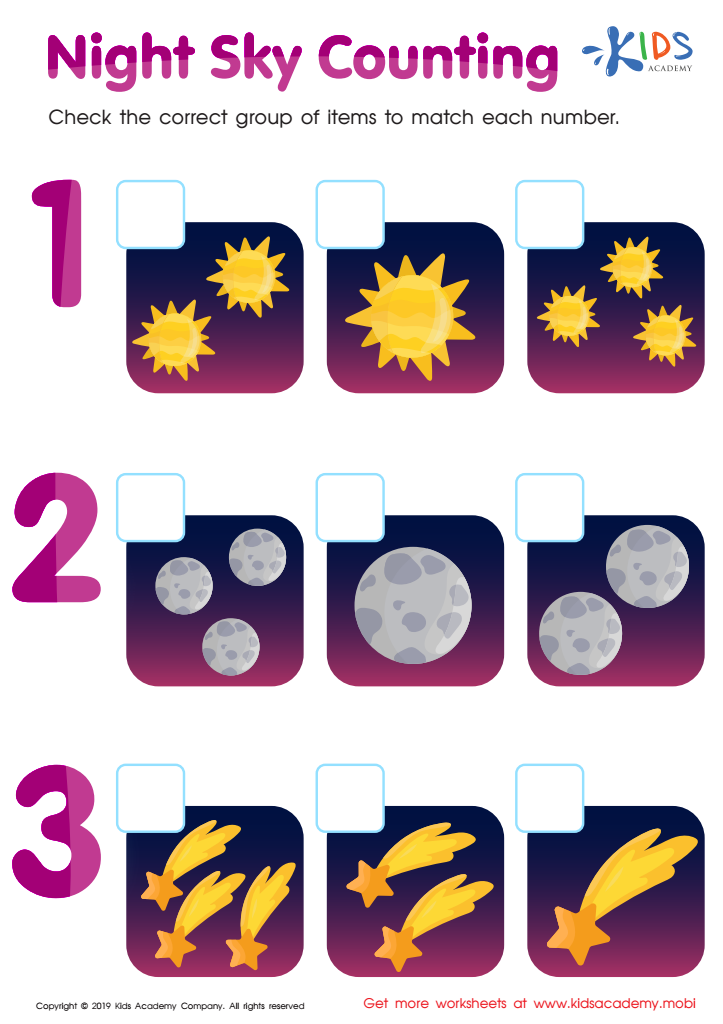
Night Sky Counting Worksheet
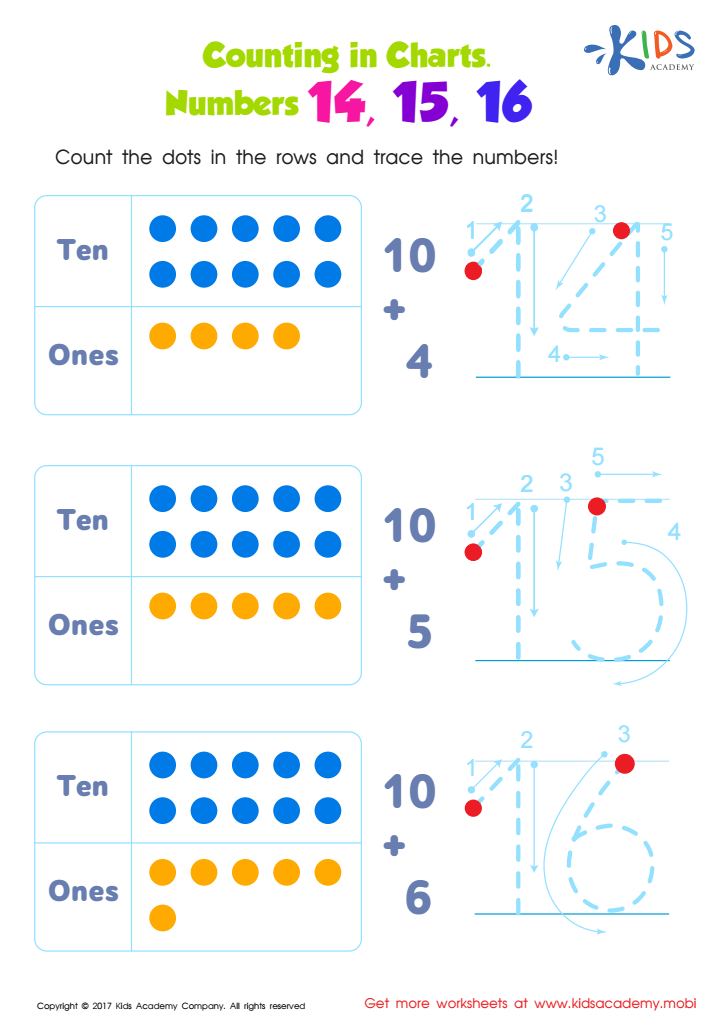
Number Tracing Worksheet
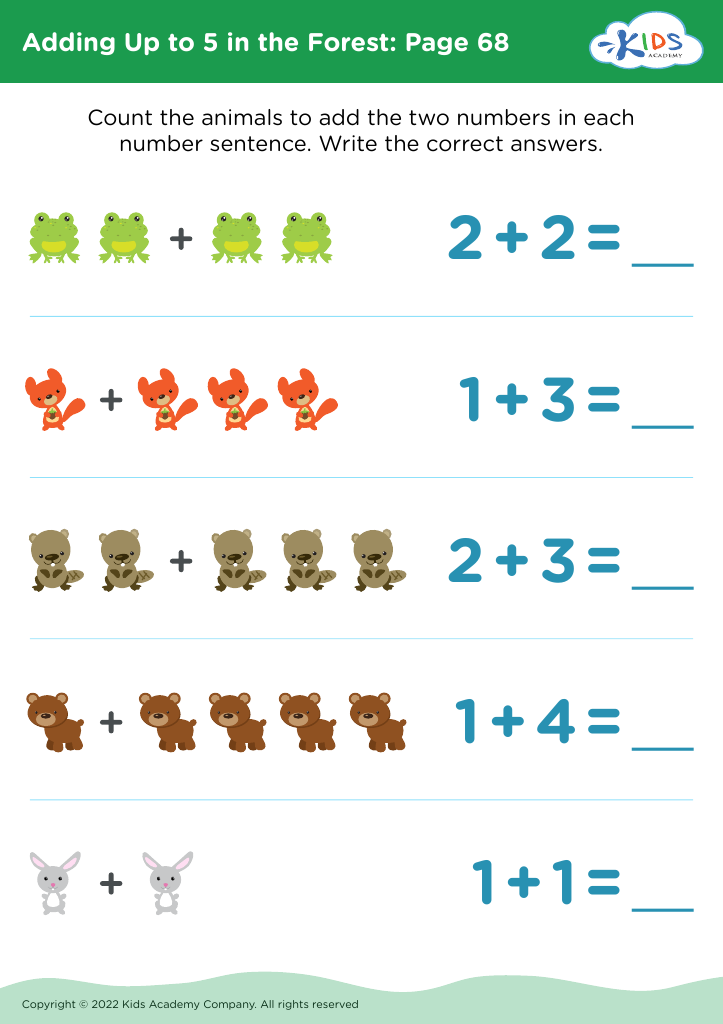
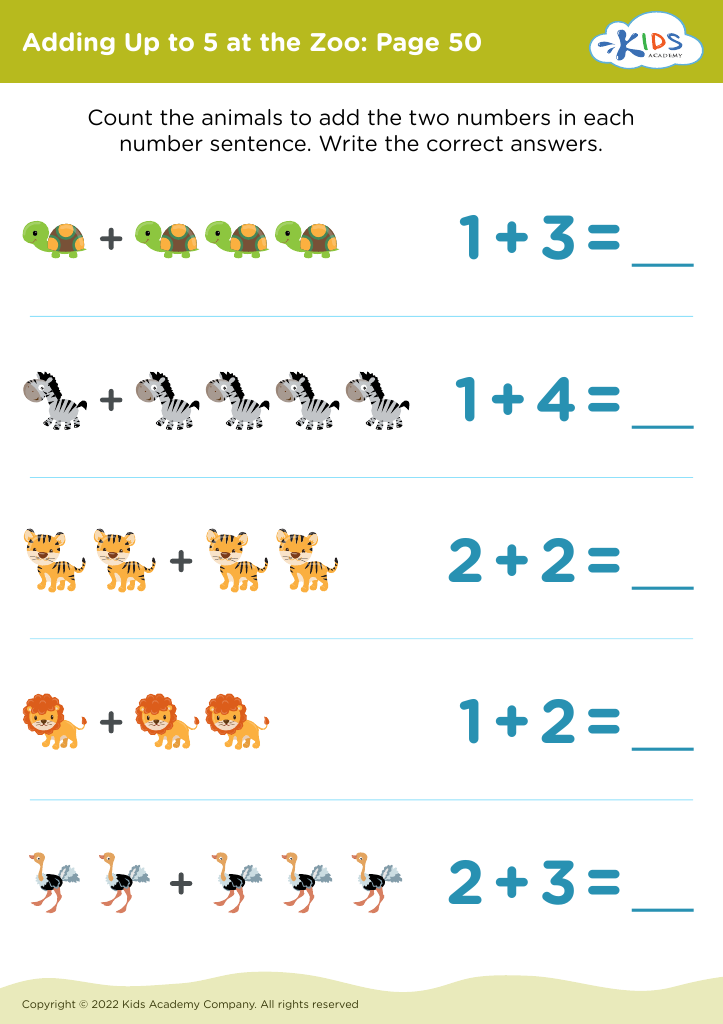








Hand-eye coordination math activities for children ages 5-9 are incredibly beneficial and should be a focal point for both parents and teachers. This early stage in development is crucial, as children are refining their motor skills and cognitive abilities. Hand-eye coordination math exercises, blending physical movement with problem-solving, foster numerous critical developmental aspects.
For one, these activities enhance fine motor skills, essential for everyday tasks like writing, drawing, and buttoning clothes. Fine motor skills, in turn, improve a child's ability to hold a pencil correctly and form letters and numbers, impacting their writing legibility and speed.
Additionally, hand-eye coordination math exercises boost cognitive skills. When children use manipulatives or engage in games that require them to track objects while thinking mathematically, they simultaneously build their counting, sequencing, and spatial awareness abilities. These skills form a strong foundation for more complex math concepts in later years.
Moreover, blending physical activity with math creates a more engaging and enjoyable learning experience, maintaining a child's interest. Active learning is particularly significant for young children, as it aligns with their natural energy levels and need for movement.
Incorporating hand-eye coordination math activities supports a child's overall physical health and academic readiness, forming a solid groundwork for future academic and personal success.








