Shape Recognition Math Worksheets for Ages 5-9 - Page 2
113 filtered results
-
From - To
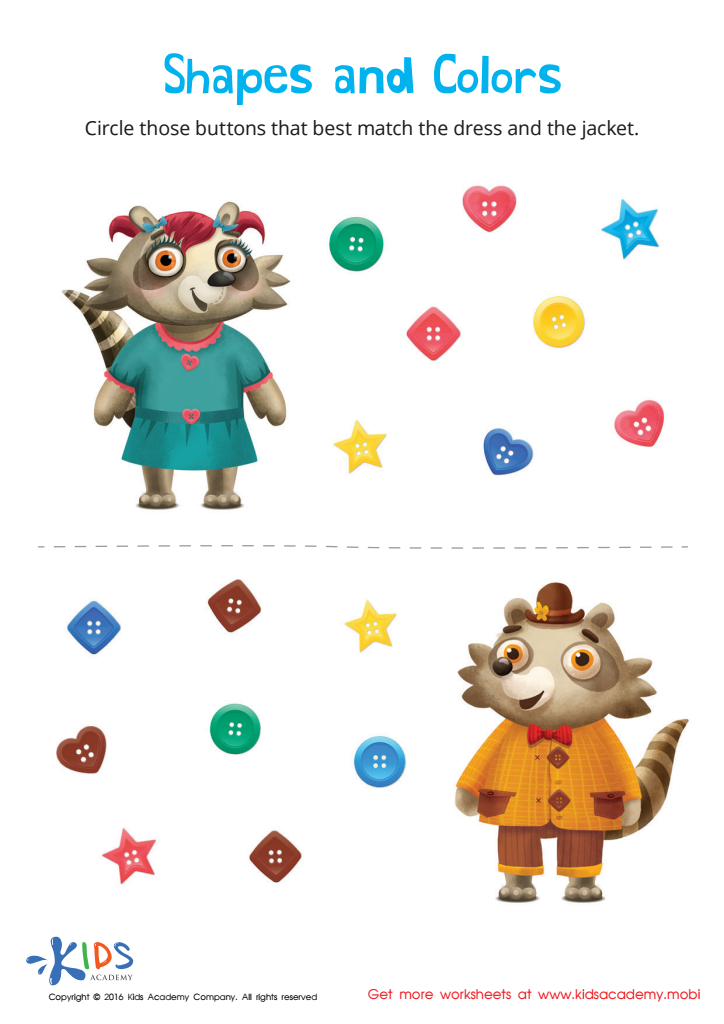
Matching: Shapes and Colors Worksheet
 Assign to My Students
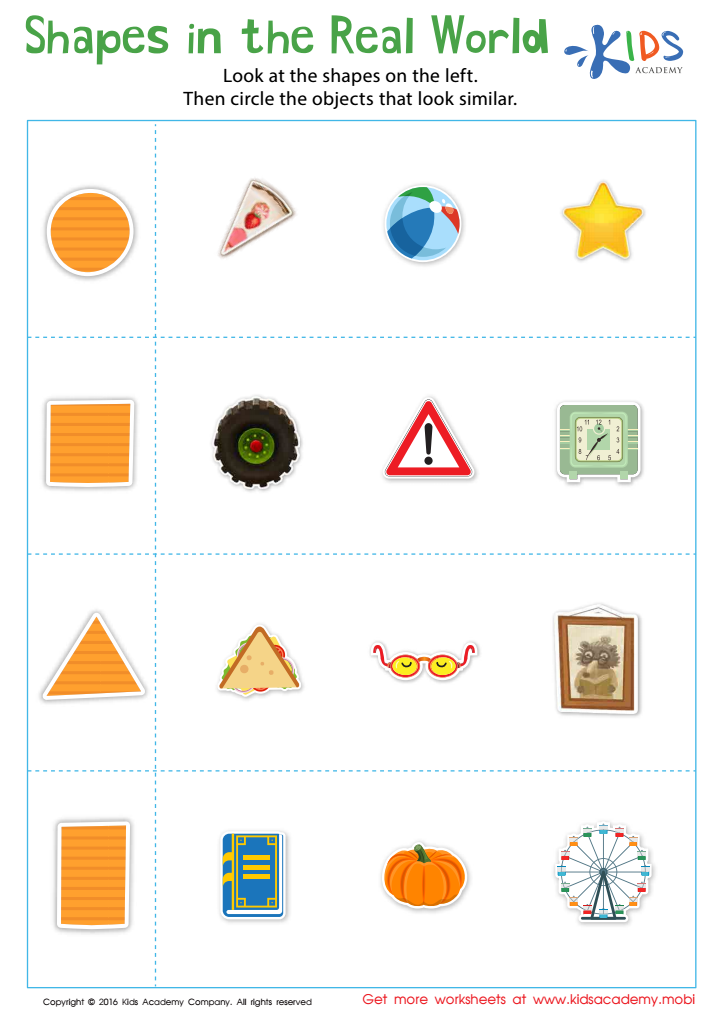
Shapes in the Real World Worksheet
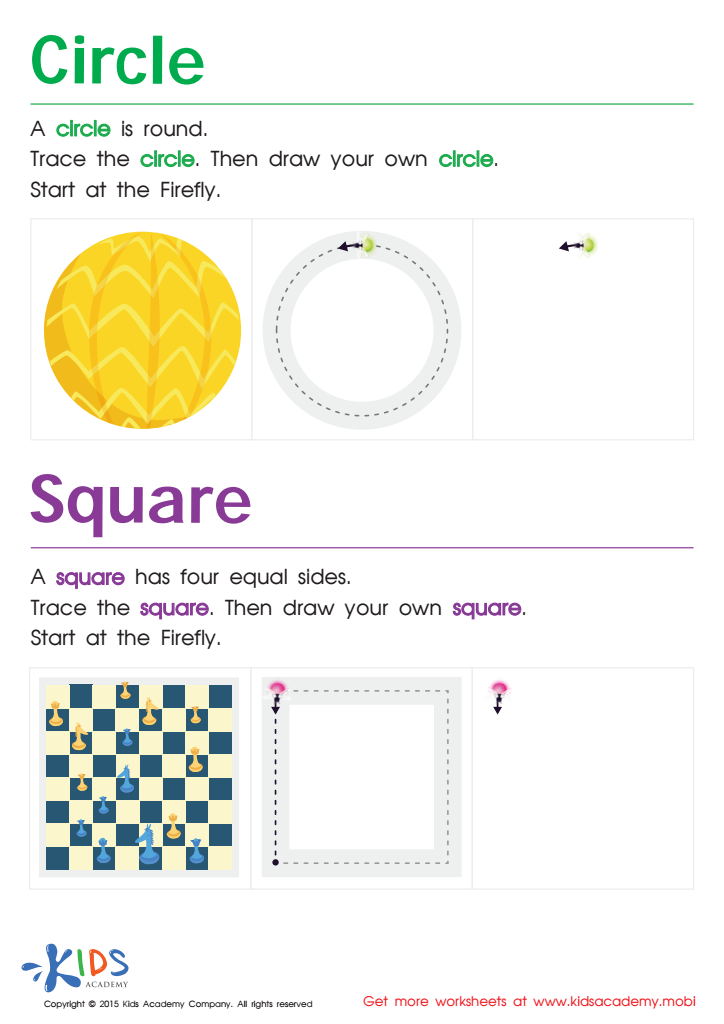
Trace And Draw a Circle And a Square Worksheet
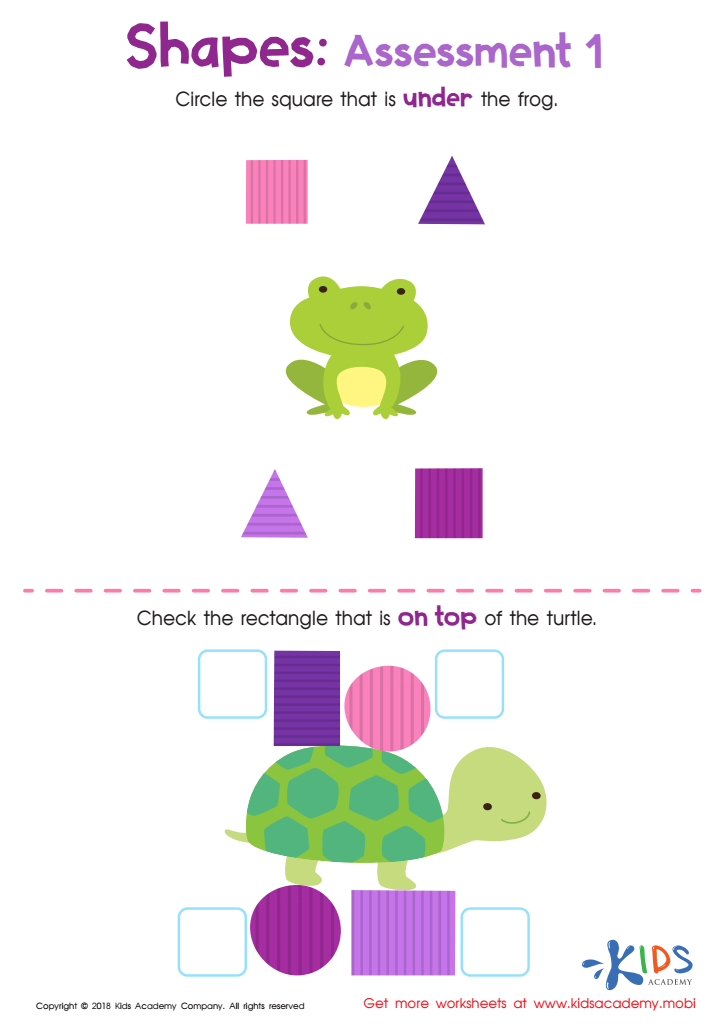
Geometry – Assessment 1 Worksheet
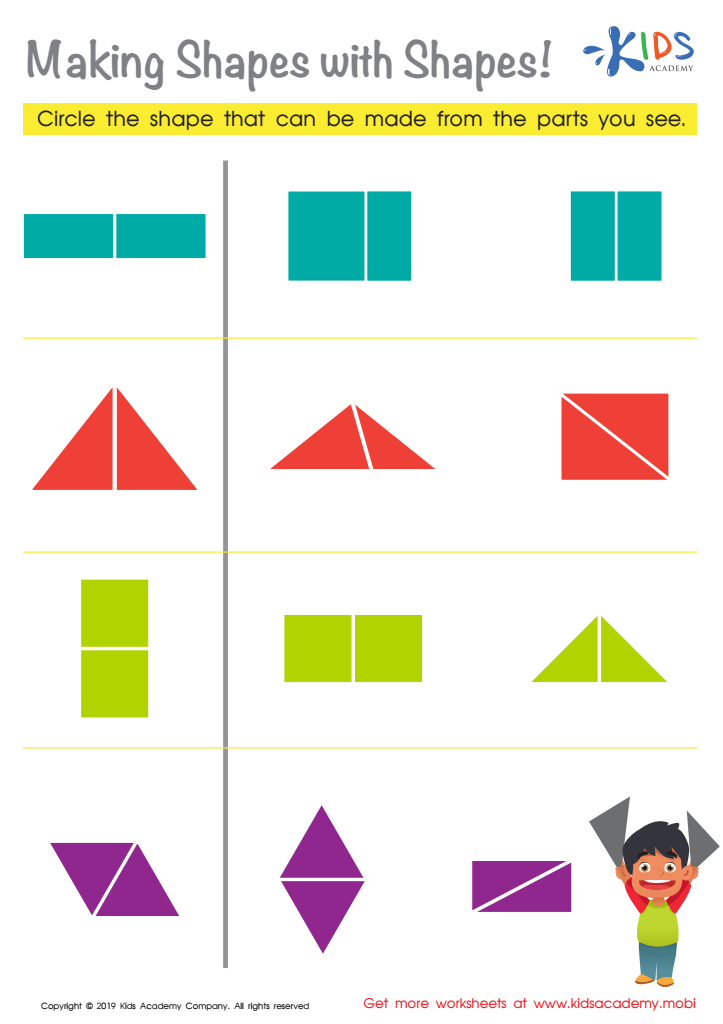
Making Shapes with Shapes Worksheet
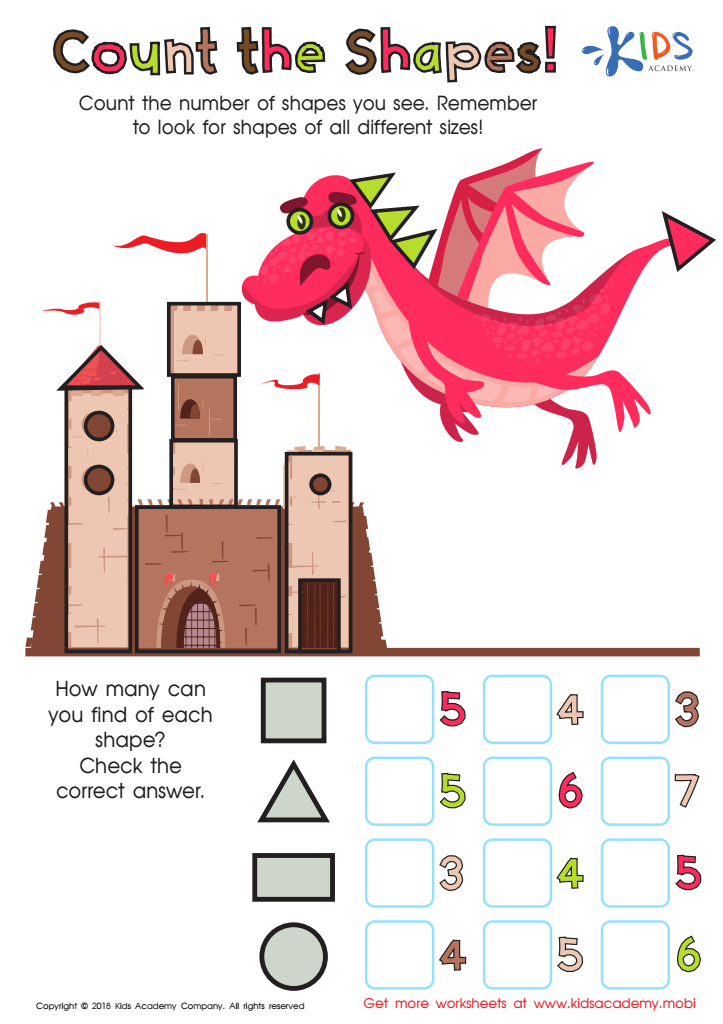
Count the Shapes Worksheet
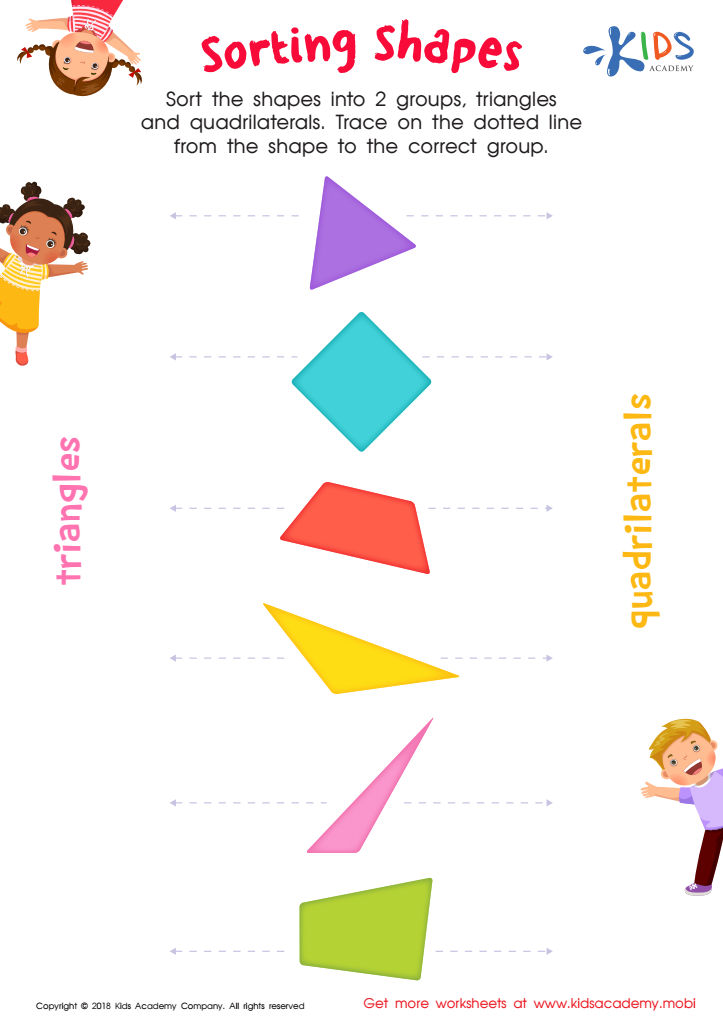
Sorting Shapes Worksheet
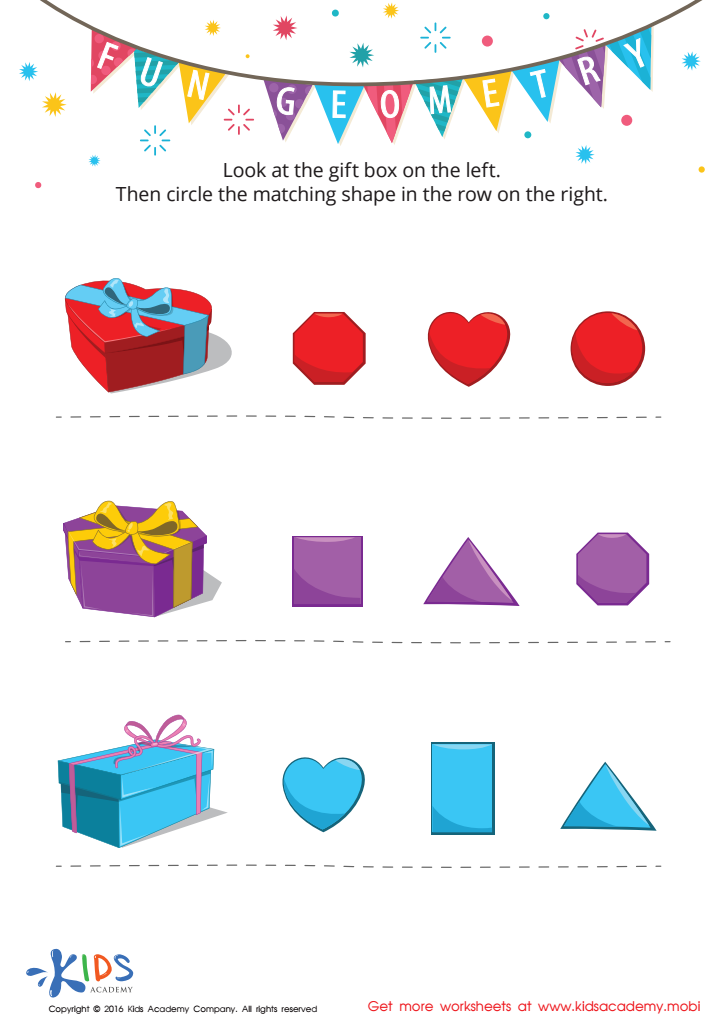
Fun Geometry Worksheet
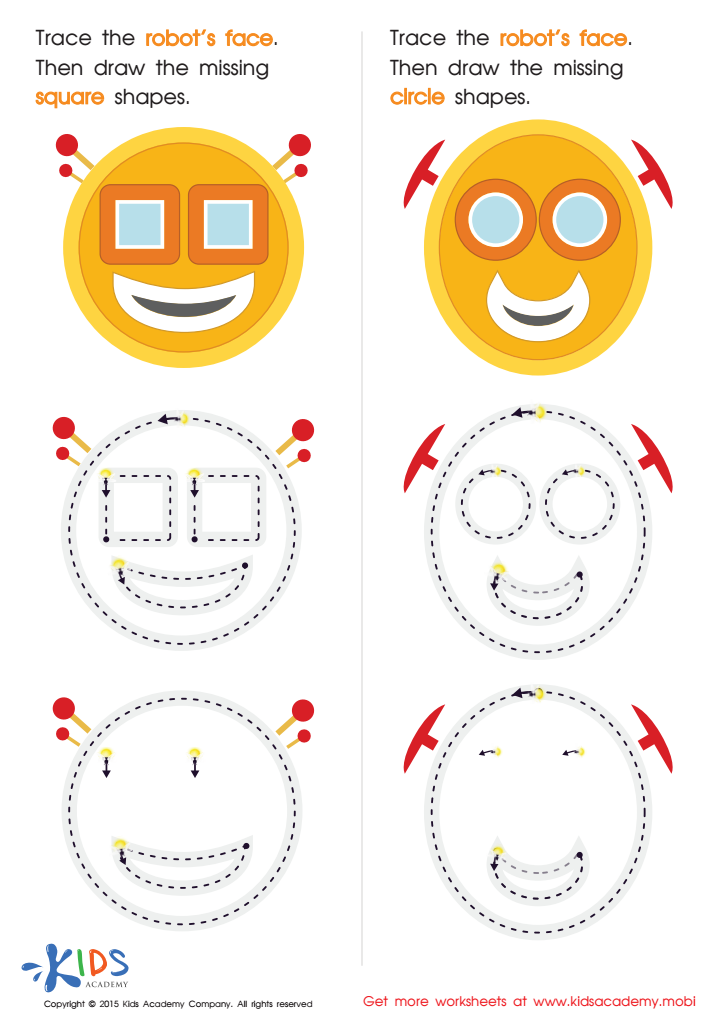
Practicing to Draw Circles And Squares Printable
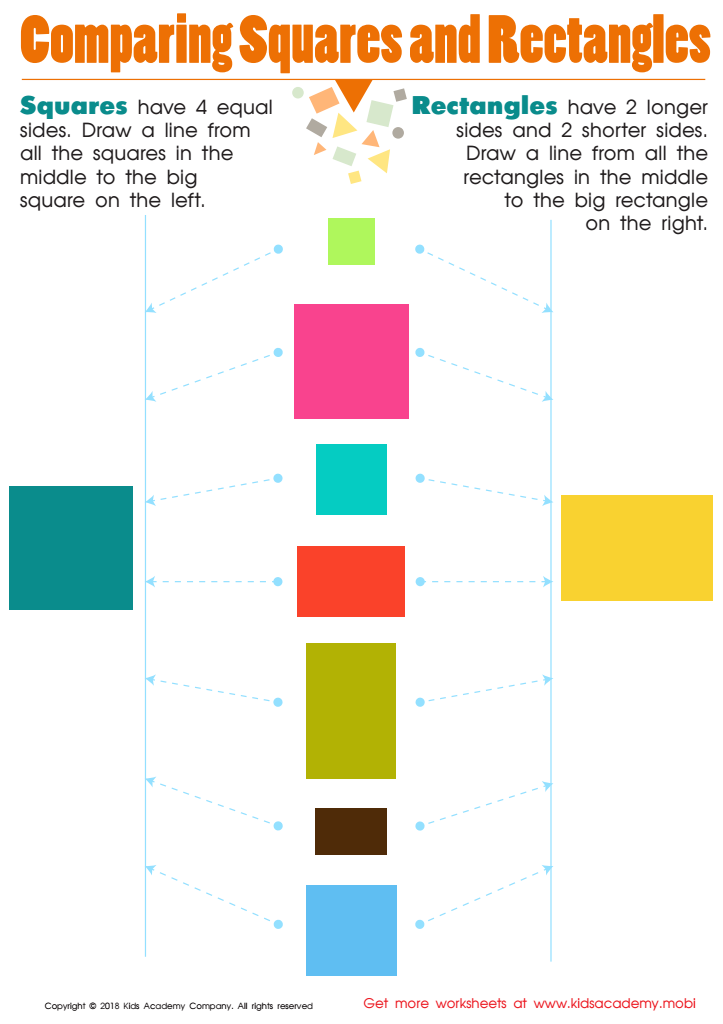
Comparing Squares Rectangles Worksheet
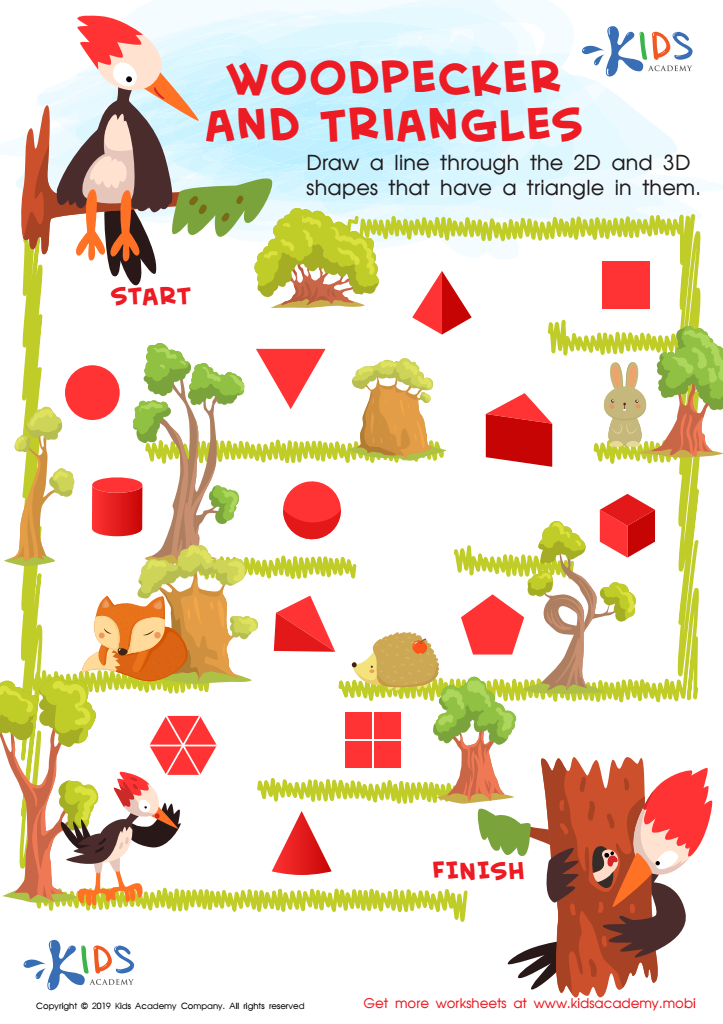
Woodpecker and Triangles Worksheet
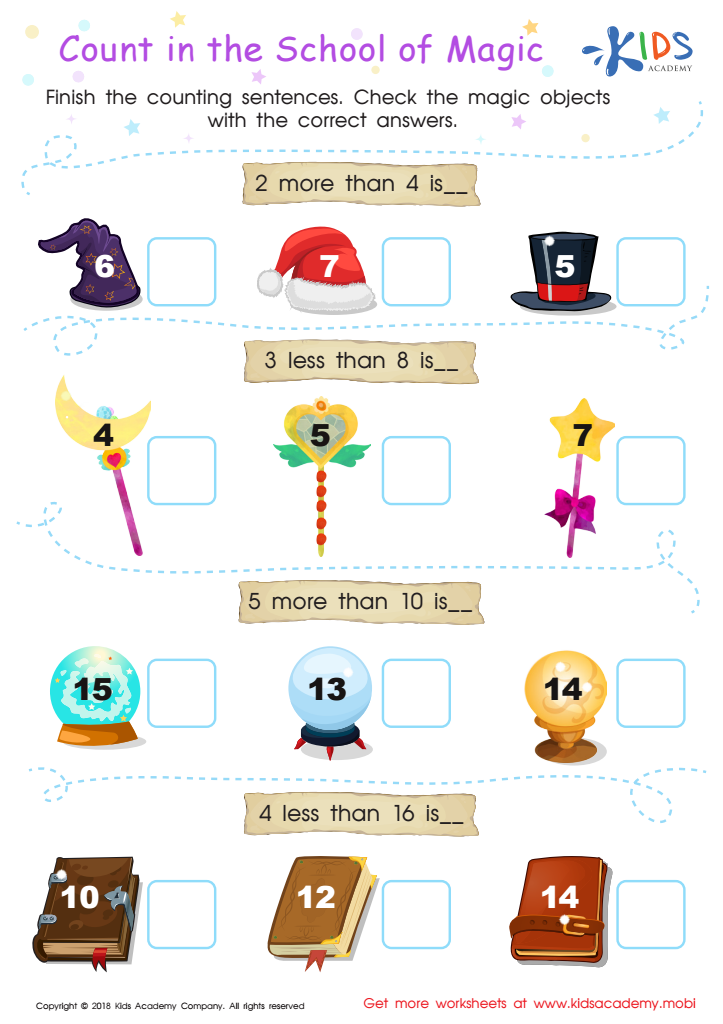
Count in the School of Magic Worksheet
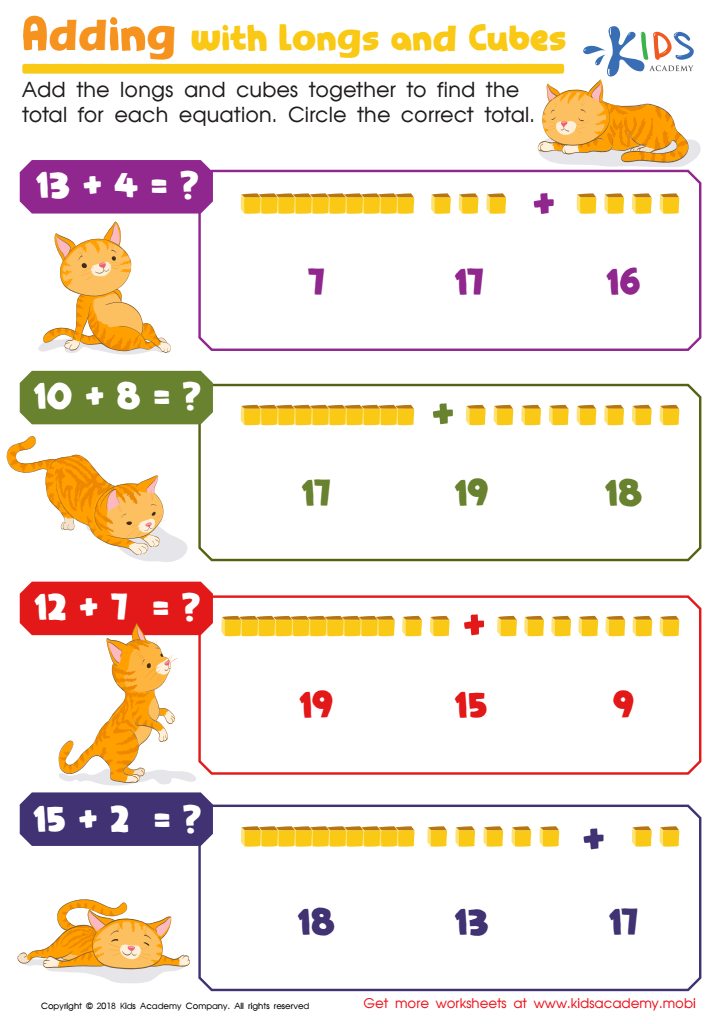
Adding With Longs and Cubes Worksheet
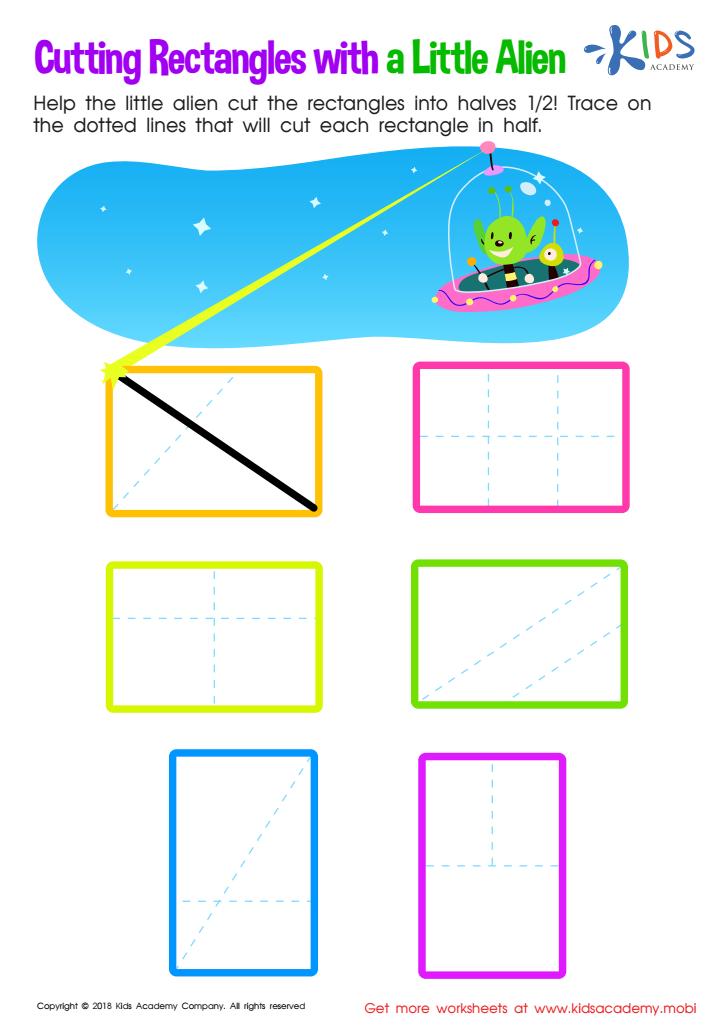
Cutting Rectangles with Alien Worksheet
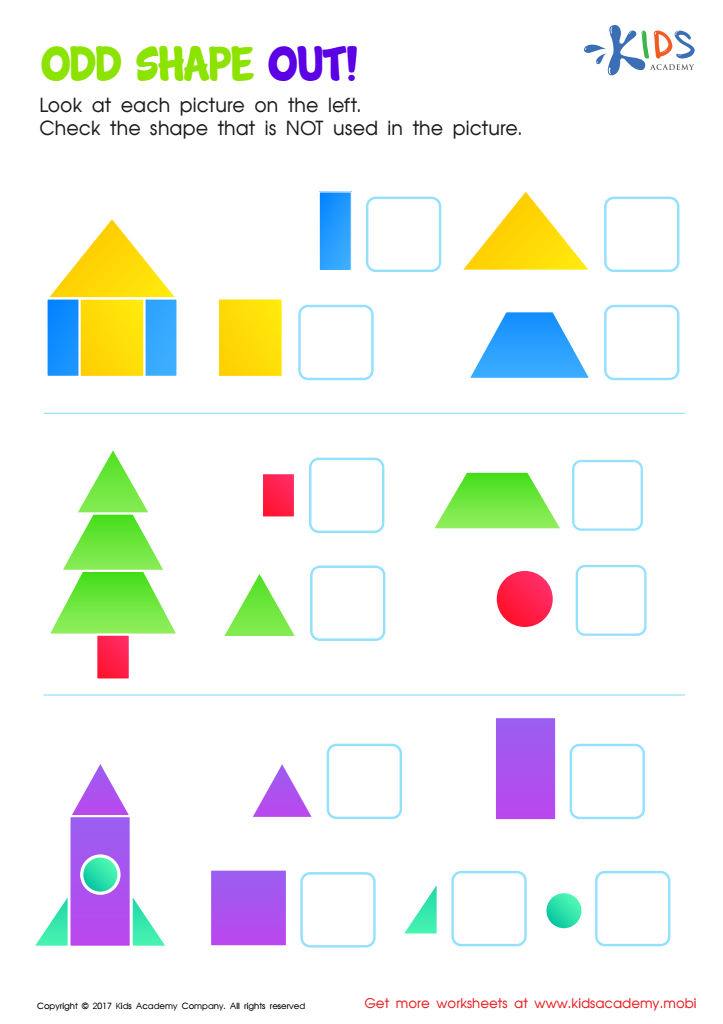
Odd Shape Out Worksheet for Grade 1
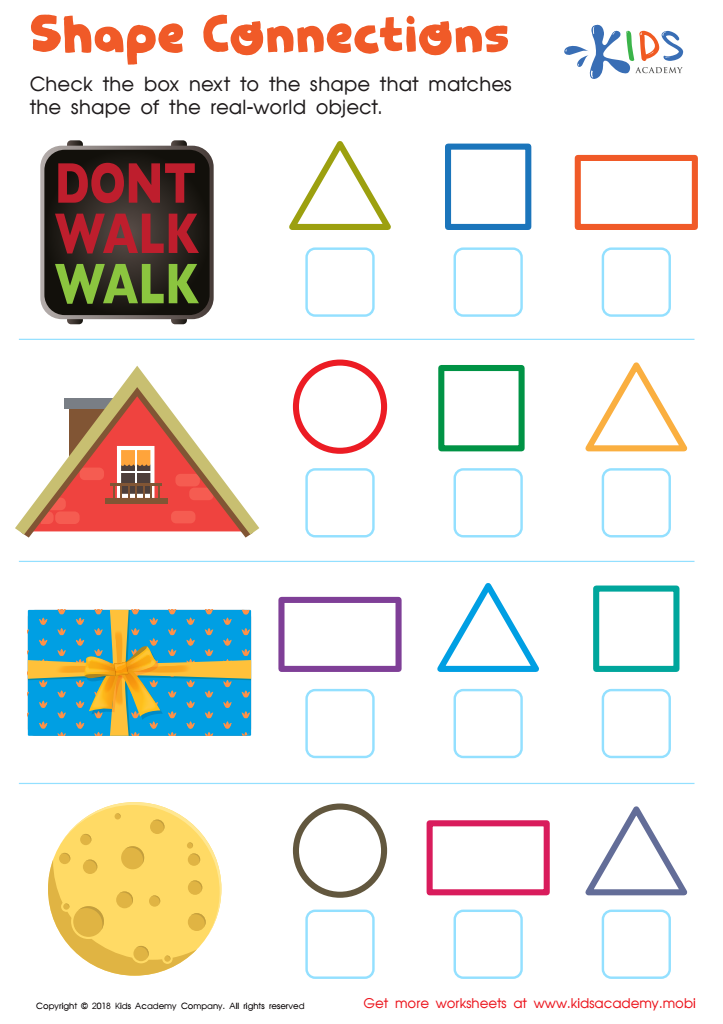
Shape Connections Worksheet
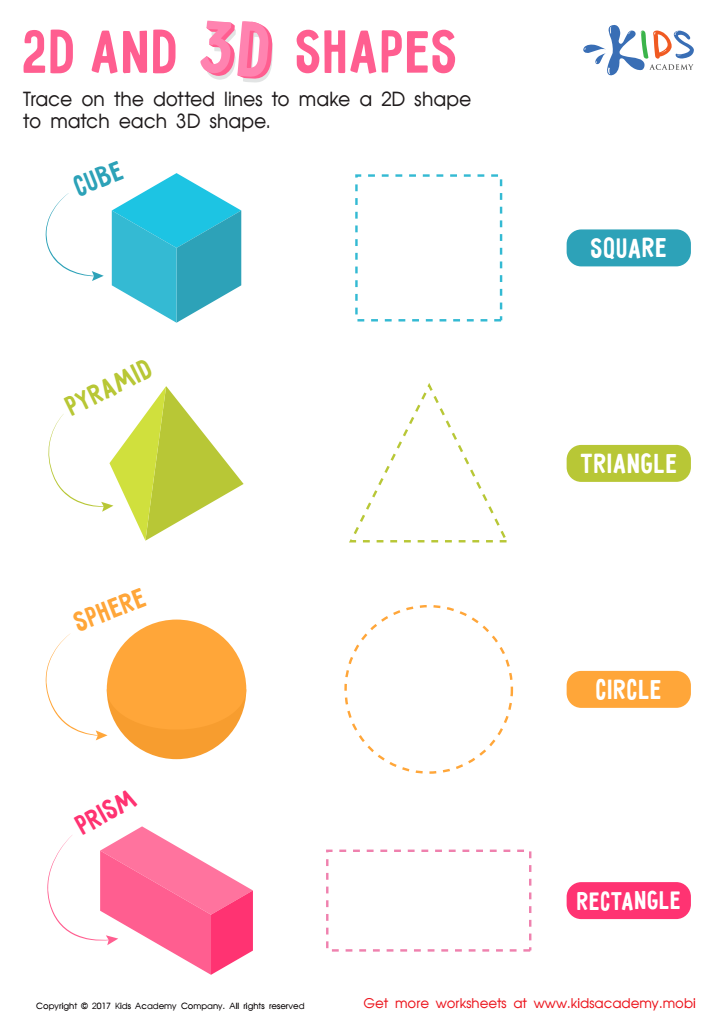
2D and 3D Shapes Worksheet
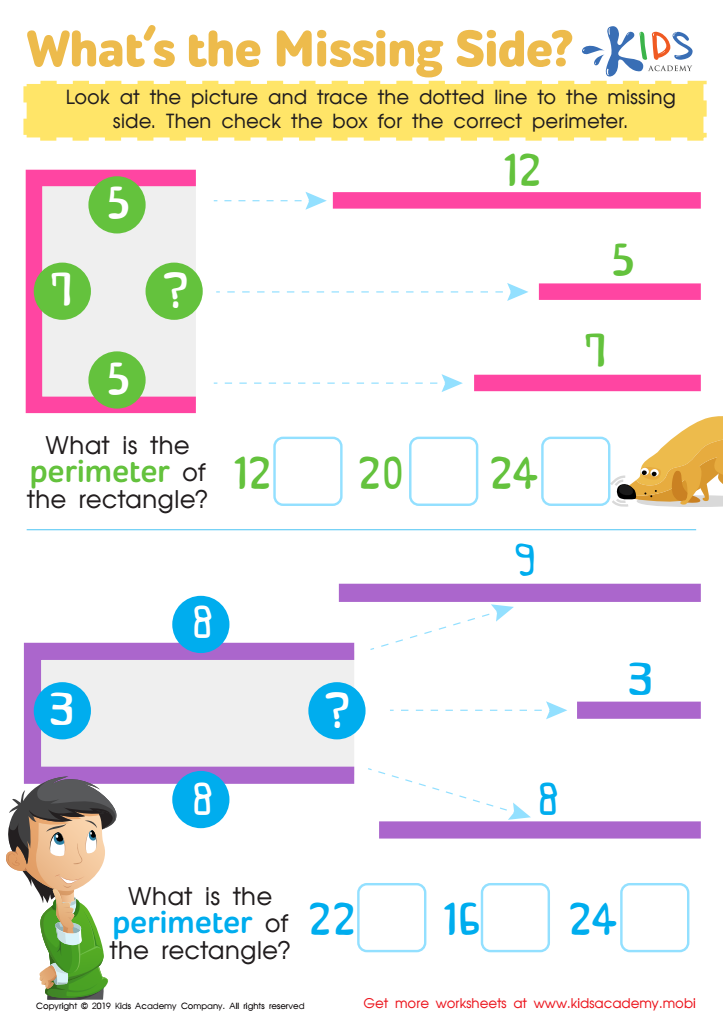
What's the Missing Side Worksheet






Shape recognition is a crucial skill for early learners, especially for children aged 5-9. Understanding shapes forms the foundation for more complex mathematical concepts, such as geometry, spatial reasoning, and problem-solving. Parents and teachers should care about shape recognition because it aids in cognitive development and enhances critical thinking skills.
When children recognize and categorize shapes, they practice observational skills and improve their ability to identify patterns, which are essential for future mathematics learning. This skill also promotes vocabulary development, as children learn shape names and associated attributes, expanding their language skills.
Moreover, shape recognition lays the groundwork for real-world applications, helping children relate math to everyday experiences. From recognizing the shapes in their environment to understanding how to assemble objects like blocks or puzzles, shape knowledge fosters creativity and imagination.
Incorporating shape recognition activities into early education helps nurture a positive attitude toward math. Engaging lessons involving games, art, and hands-on experiences will make learning enjoyable and memorable. Parents and teachers play a pivotal role in encouraging this skill, as mastery at this stage can significantly influence a child's academic journey and confidence in their capabilities. Prioritizing shape recognition not only supports math readiness but also promotes overall intellectual growth.








