Visual discrimination Math Worksheets for Ages 5-9
21 filtered results
-
From - To
Enhance your child’s mathematical skills with our Visual Discrimination Math Worksheets for ages 5-9. Designed to develop essential learning skills, these printable worksheets help young learners improve their ability to recognize differences and similarities in visual features, crucial for problem-solving and logical thinking. By blending engaging activities with math concepts, our worksheets will boost your child's attention to detail and visual perception, setting a strong foundation for future learning. From comparing shapes to identifying patterns, Kids Academy offers a comprehensive collection that makes learning fun and effective! Unlock your child's potential with our expertly crafted resources.
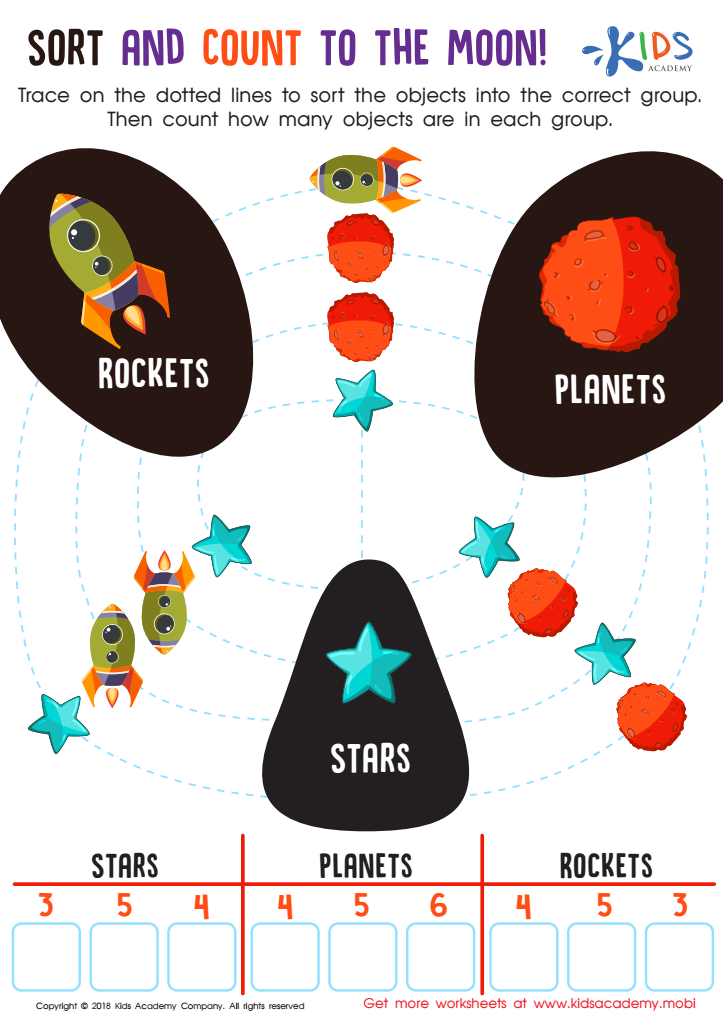
Sort and Count to the Moon Worksheet
 Assign to My Students
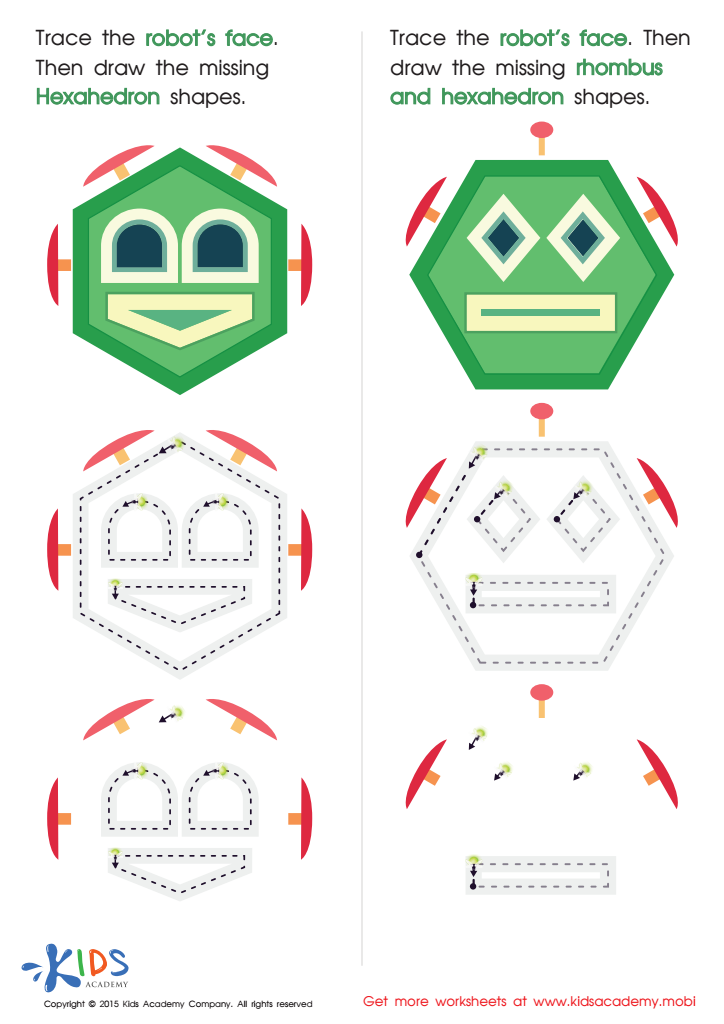
Practice Drawing Hexahedrons And a Rhombus Worksheet
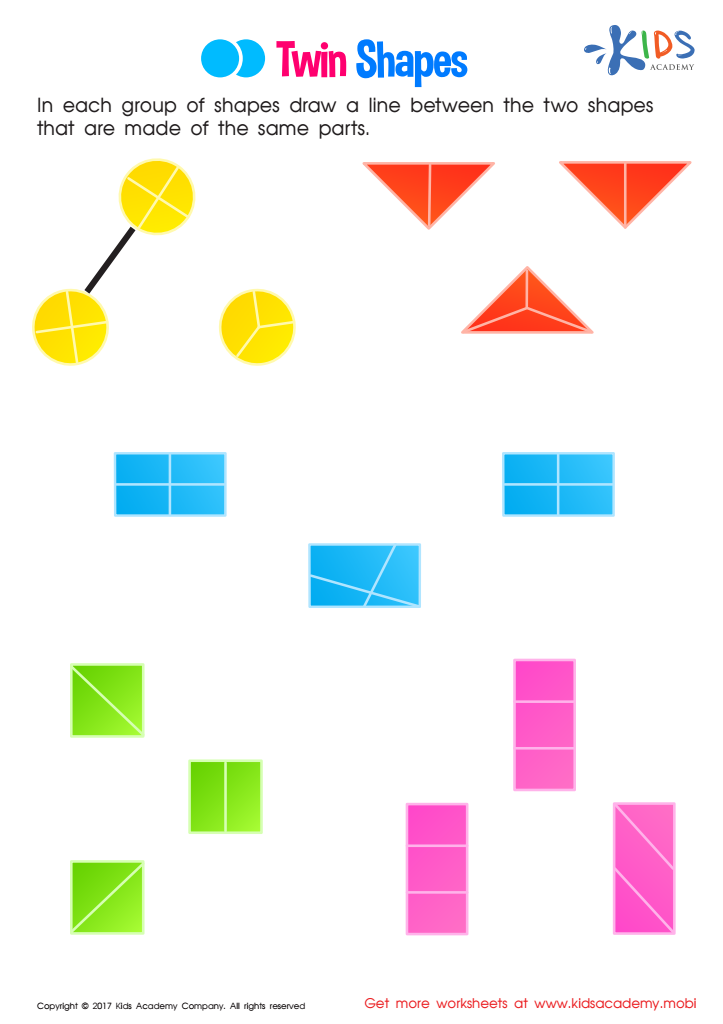
Twin Shapes Worksheet
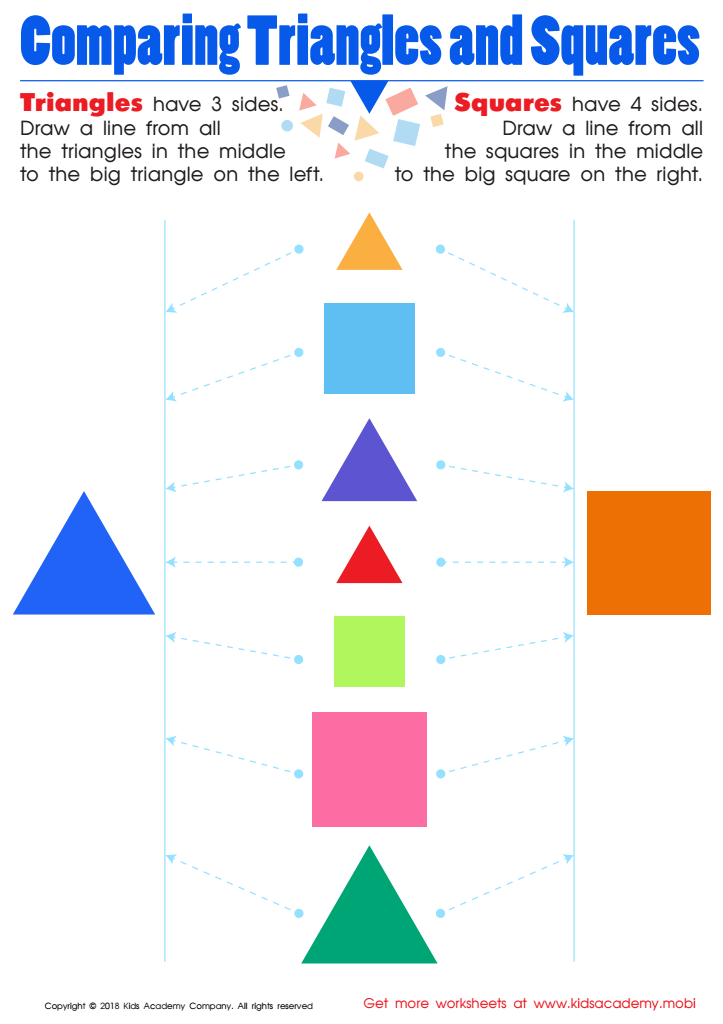
Comparing Triangles Squares Worksheet
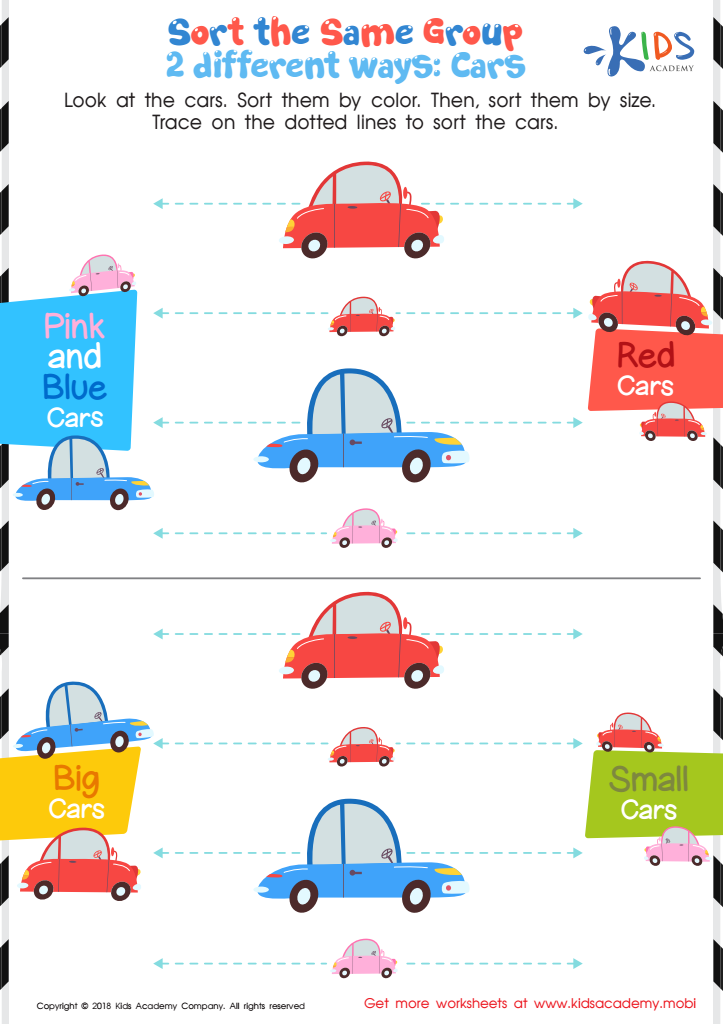
Sort the Same Group 2 Different Ways: Cars Worksheet
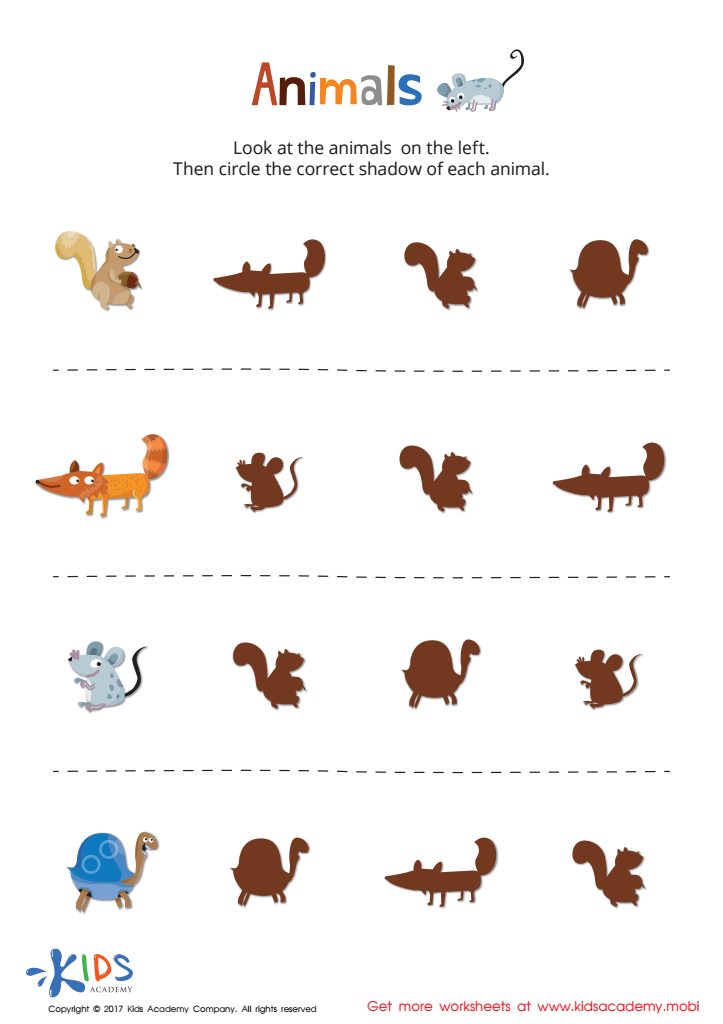
Animal Shadows Sorting Worksheet
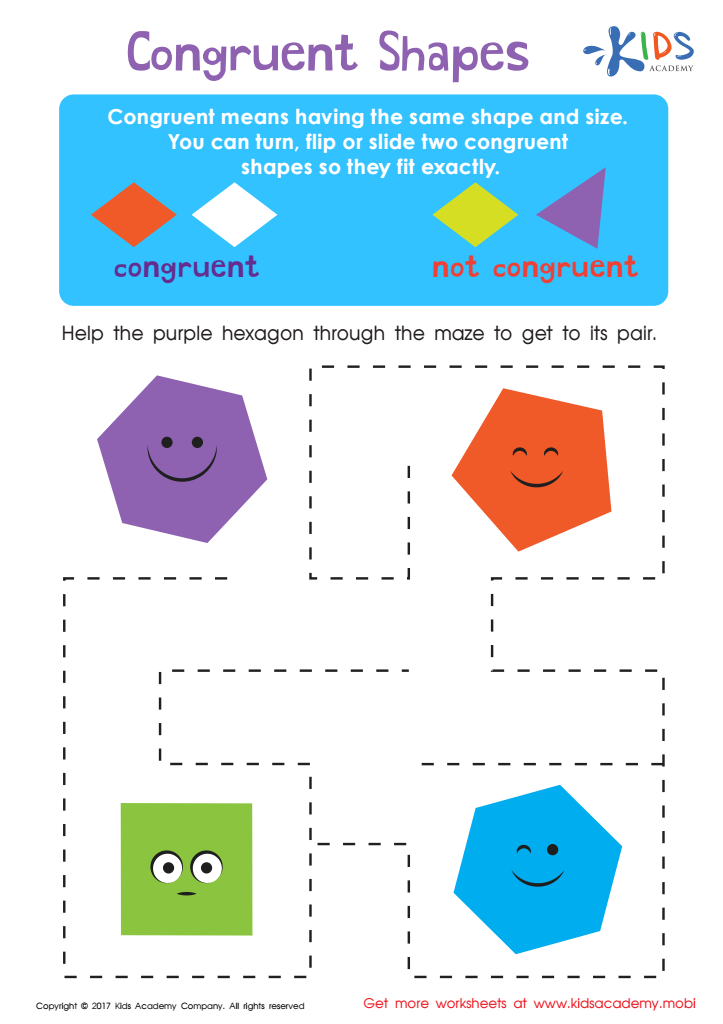
Congruent Shapes Worksheet
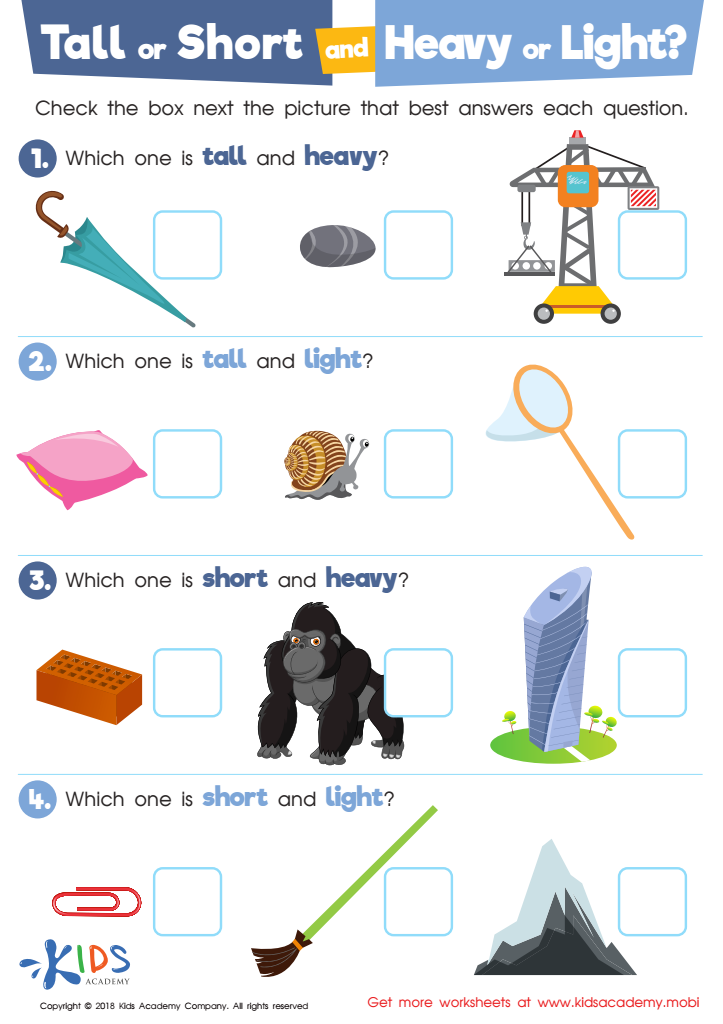
Tall or Short and Heavy or Light? Worksheet
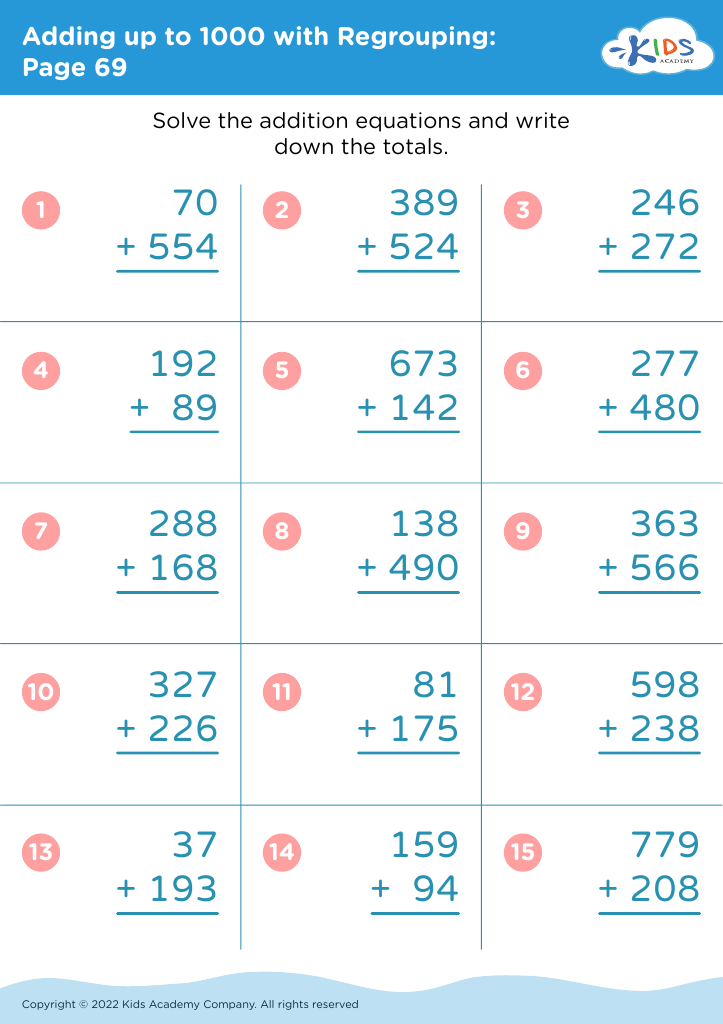
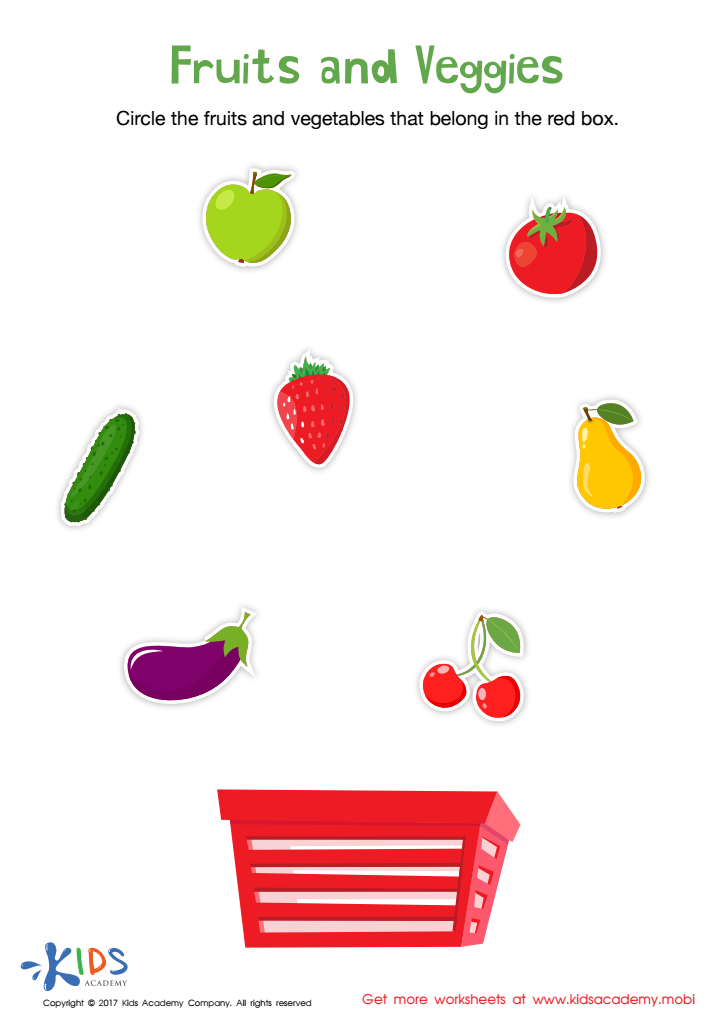
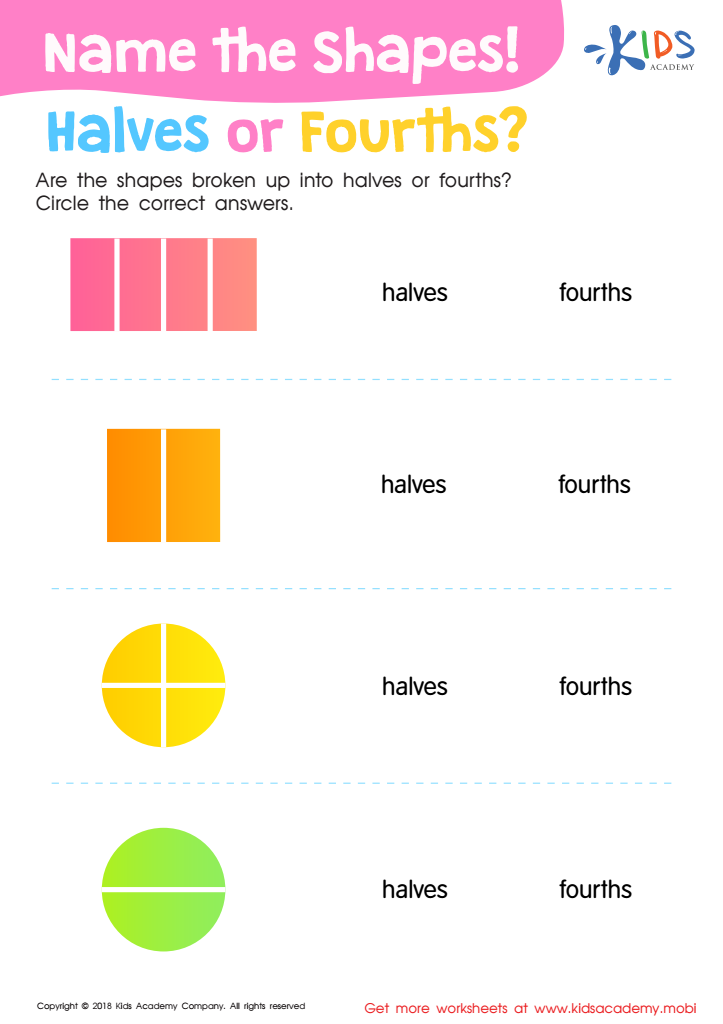
Name the Shapes Halves or Fourths? Worksheet
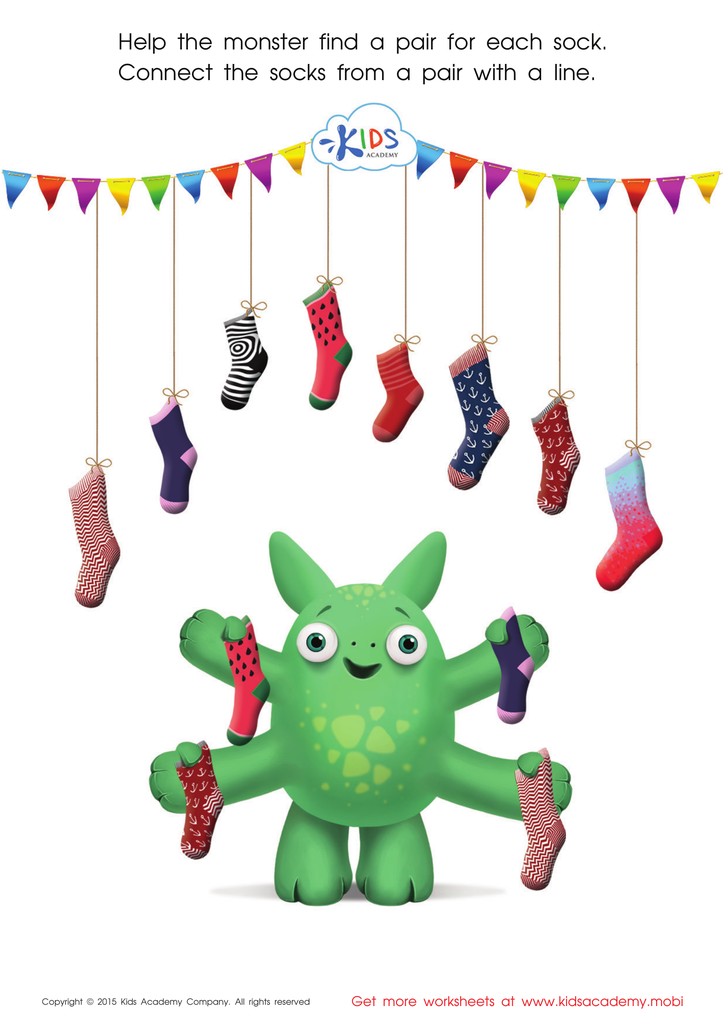
Math Matching Game: Monsterв's Socks Worksheet
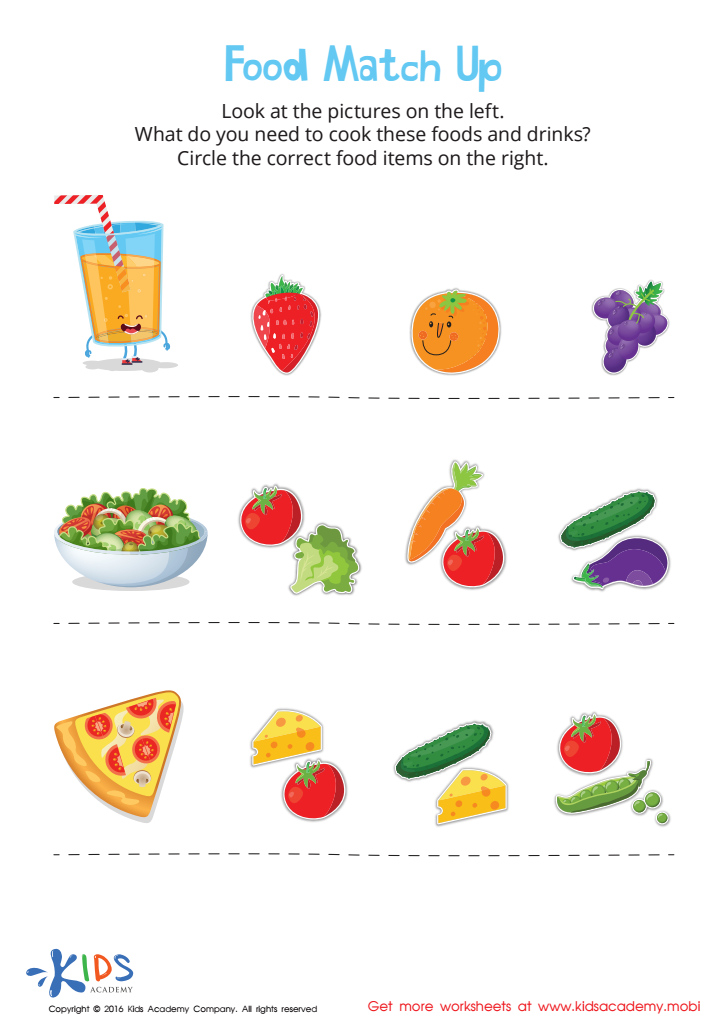
Food Match Up Worksheet
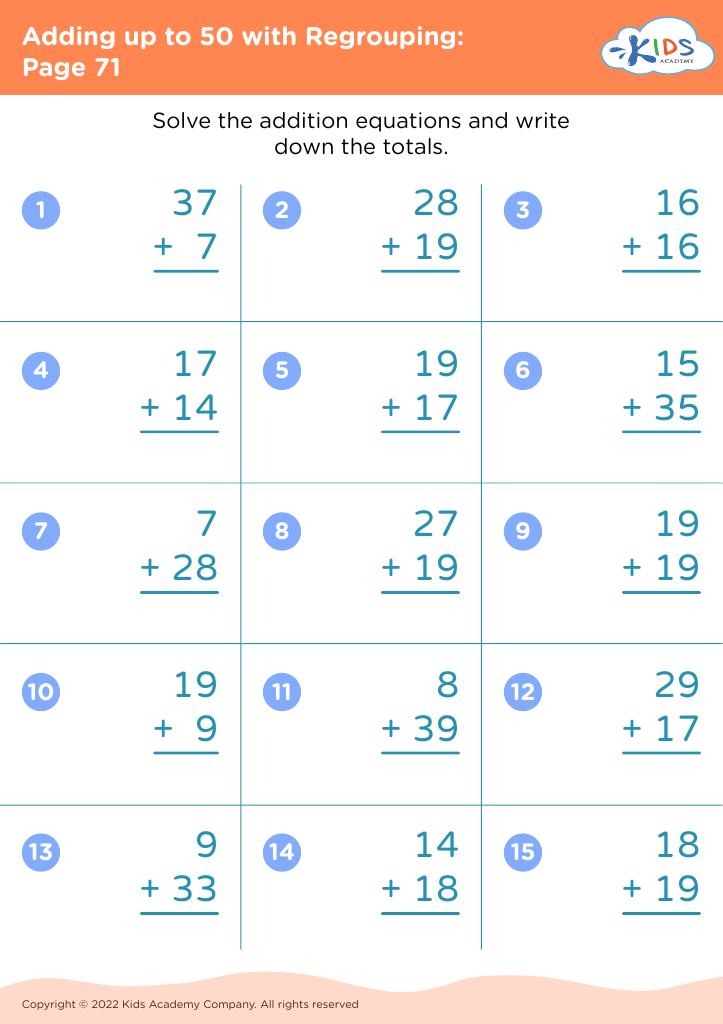
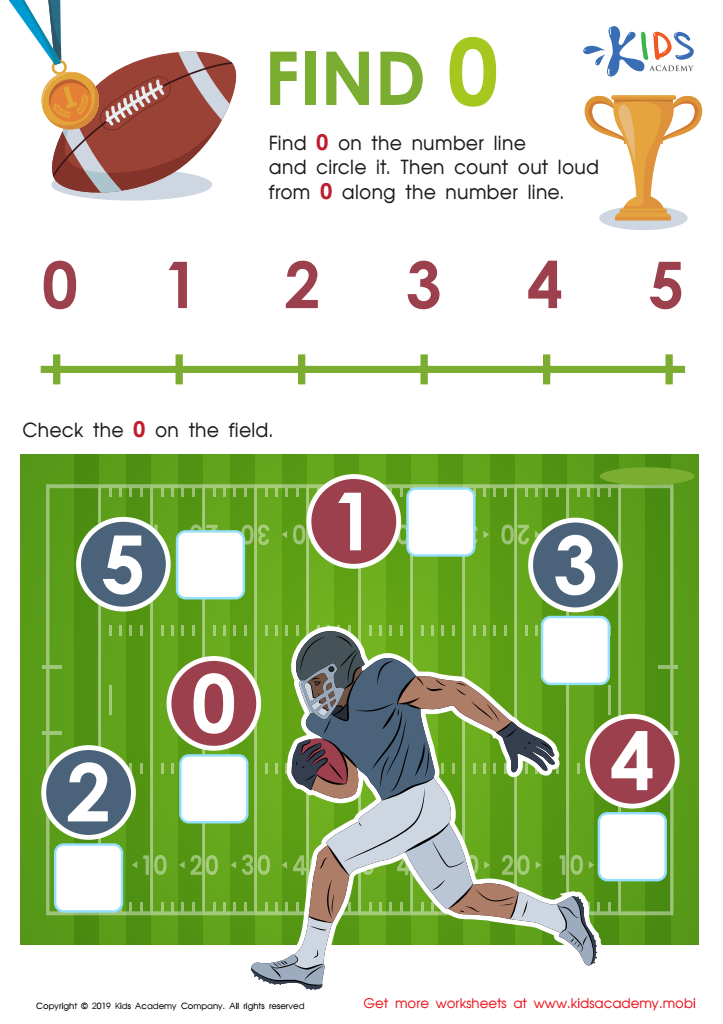
Find 0 Worksheet
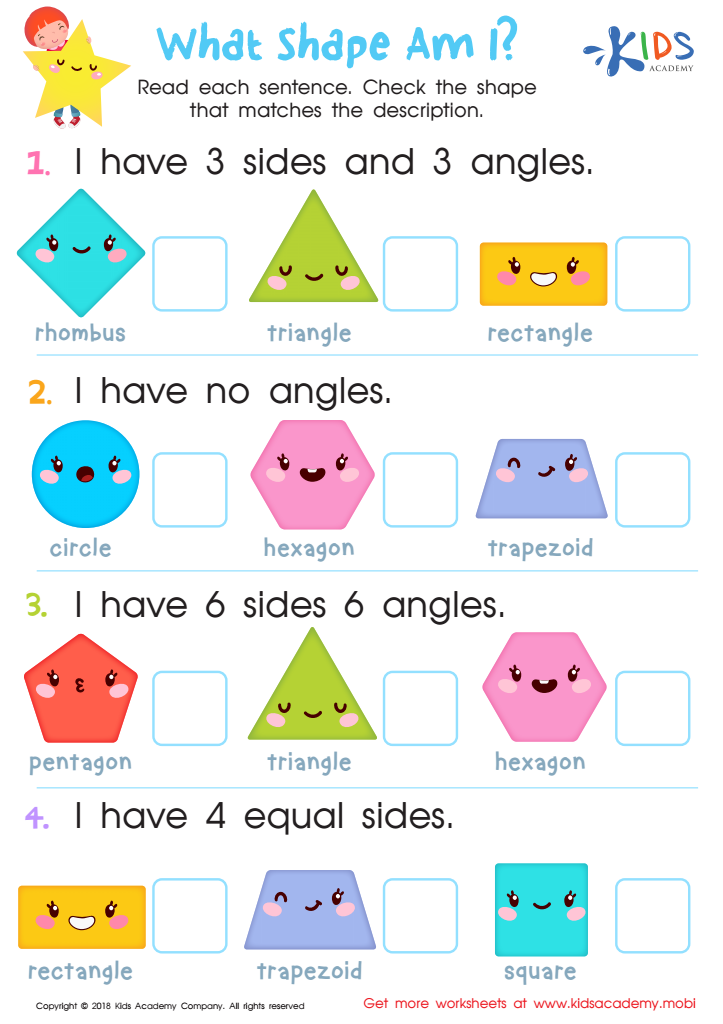
What Shape Am I? Worksheet
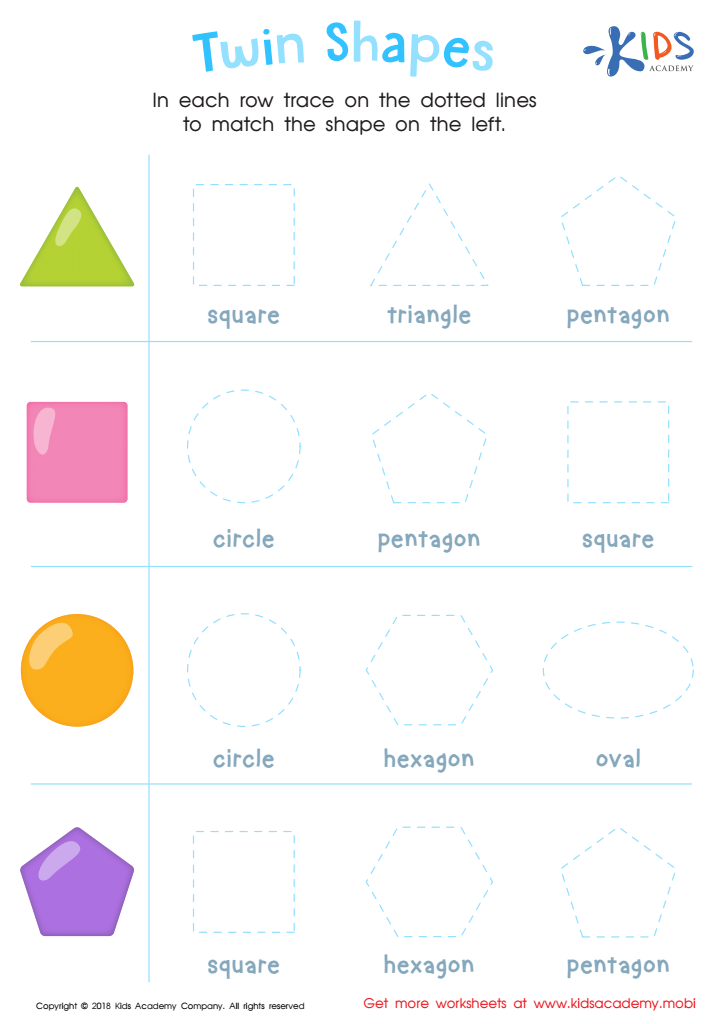
Twin Shapes Dot-to-Dot Worksheet
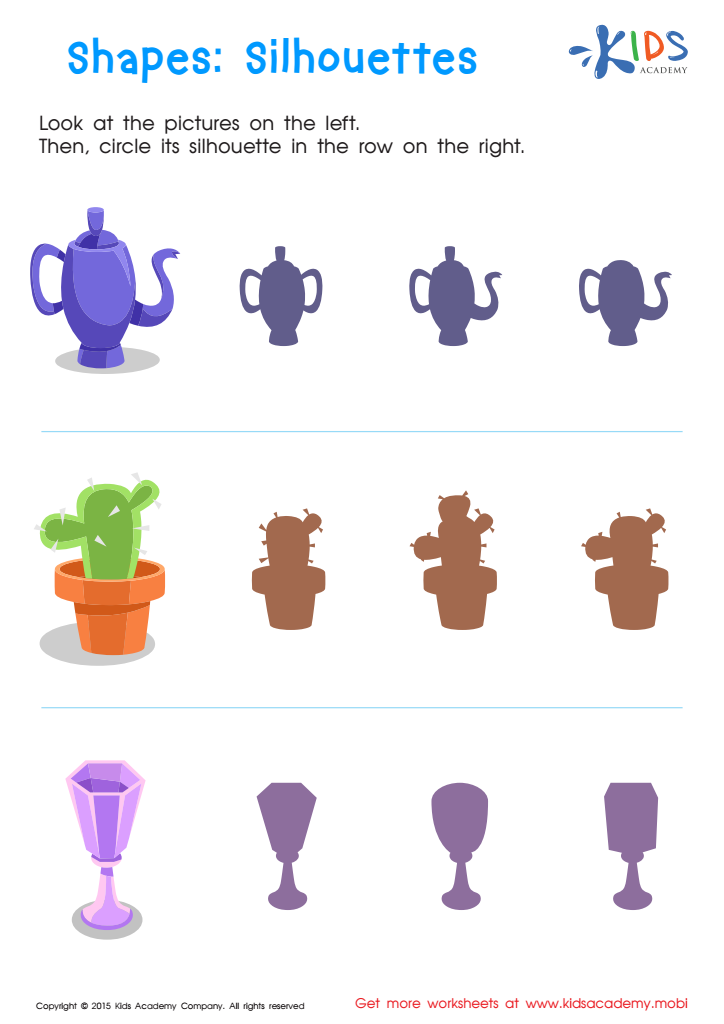
Silhouettes – Shapes Worksheet



.jpg)



.jpg)
Visual discrimination in math is crucial for children aged 5-9 as it forms the foundation for many essential skills. This ability helps kids recognize differences and similarities between shapes, numbers, patterns, and objects, which is indispensable for early math learning. For example, being able to differentiate between numbers like 6 and 9 or recognizing patterns in sequences enables children to perform basic arithmetic operations efficiently.
Parents and teachers should care about visual discrimination because it directly impacts a child's ability to grasp more complex math concepts later on. Without strong visual discrimination skills, a child may struggle with number recognition, place value understanding, and the ability to interpret graphs and charts.
Furthermore, visual discrimination aids in non-math-related areas such as reading and writing. Recognizing letters and words requires the same skill set used in identifying numerical differences. Therefore, enhancing visual discrimination can lead to overall academic improvement.
Incorporating activities that boost visual discrimination, such as sorting, matching games, or shape recognition exercises, helps build a solid math foundation. Early intervention and consistent practice can make a significant difference in a child's academic journey, making visual discrimination a critical area of focus for parents and teachers alike.








