Vocabulary Building Matching Worksheets for Ages 5-9
6 filtered results
-
From - To
Enhance your child's language skills with our Vocabulary Building Matching Worksheets, designed specifically for ages 5-9. These engaging worksheets help young learners recognize and connect words with their meanings in a fun, interactive way. By matching words to corresponding images or definitions, children not only expand their vocabulary but also improve critical thinking and comprehension skills. Our vibrant and age-appropriate designs keep kids motivated and focused, making learning a delightful experience. Perfect for home, classroom use, or supplementary educational activities, these worksheets are an essential tool for fostering a lifelong love for language. Start building your child’s vocabulary today!
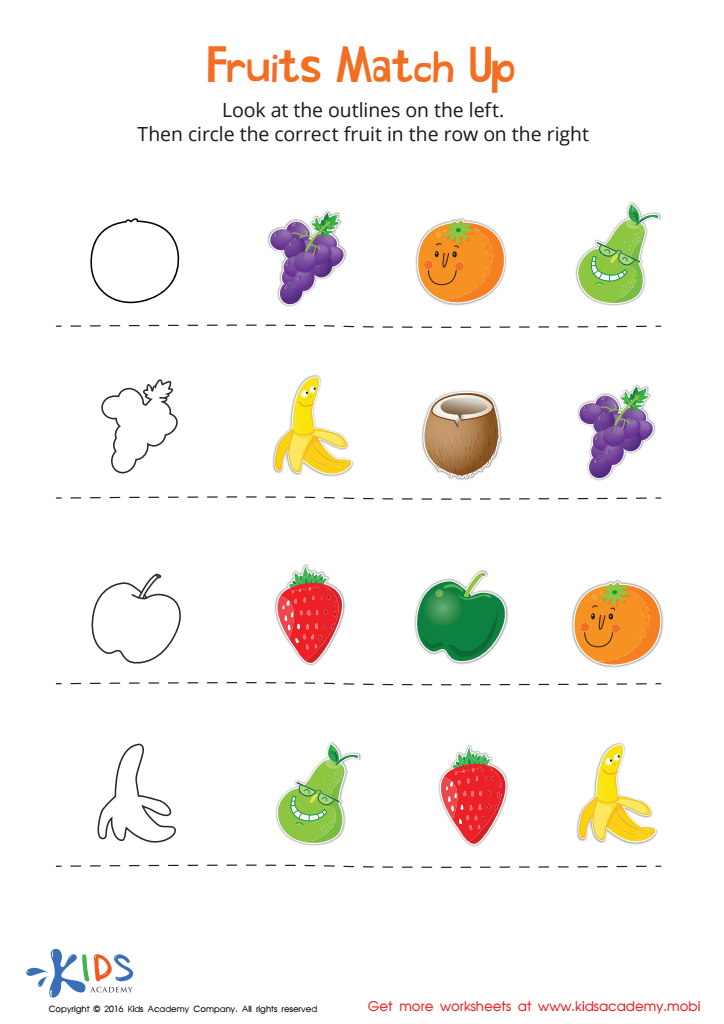
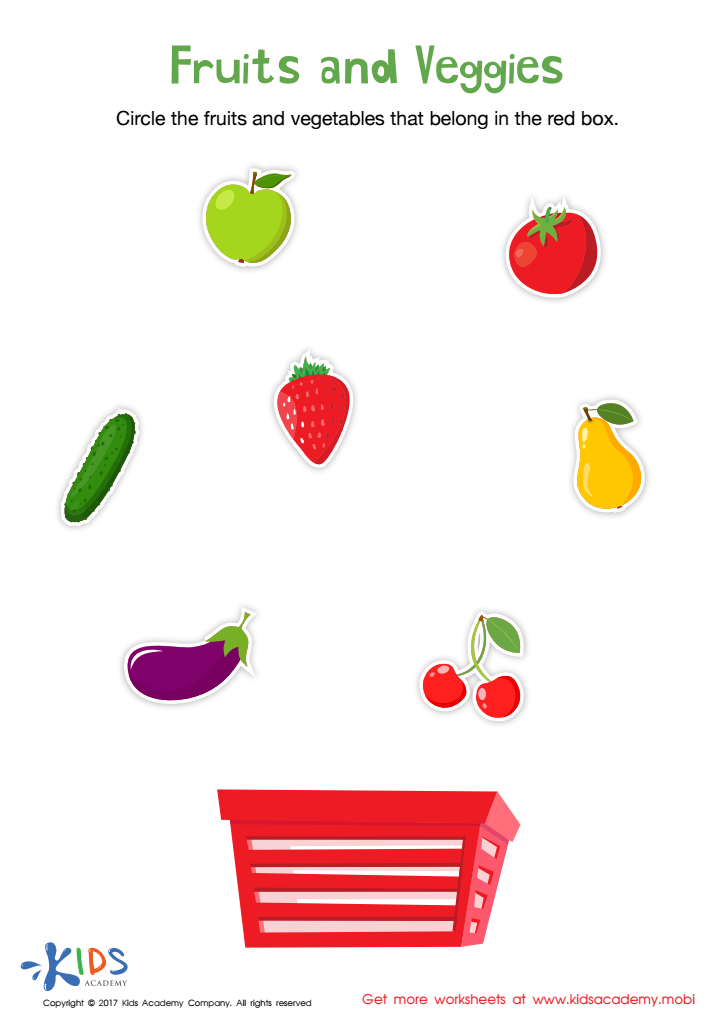
Fruits Match Up Worksheet
 Assign to My Students
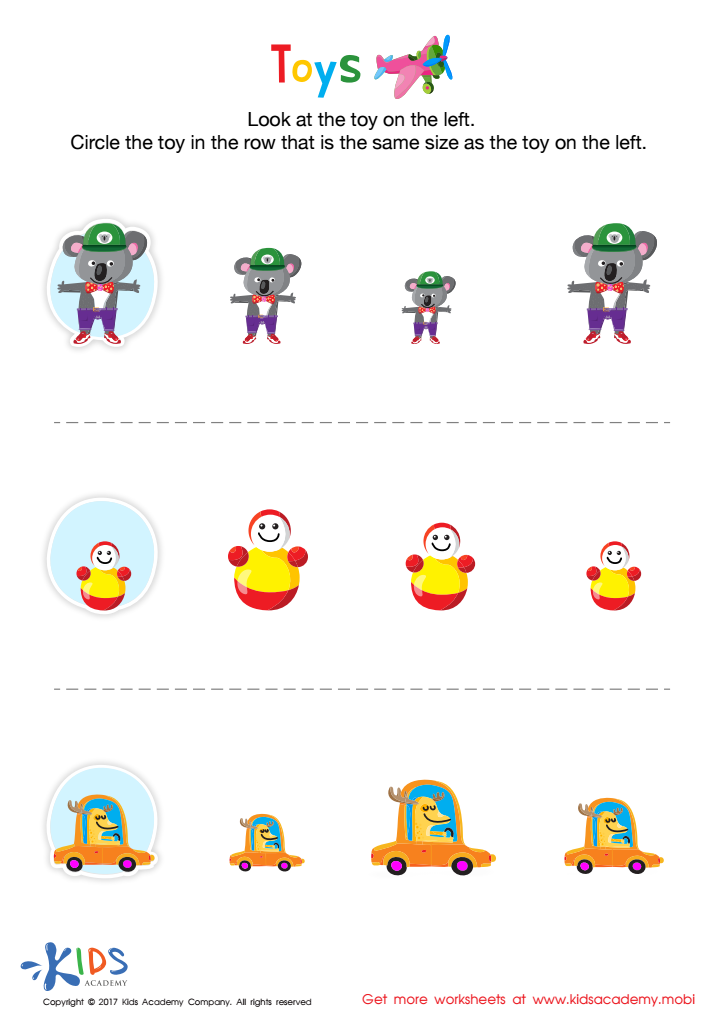
Matching: Classifying Toys by Size Worksheet
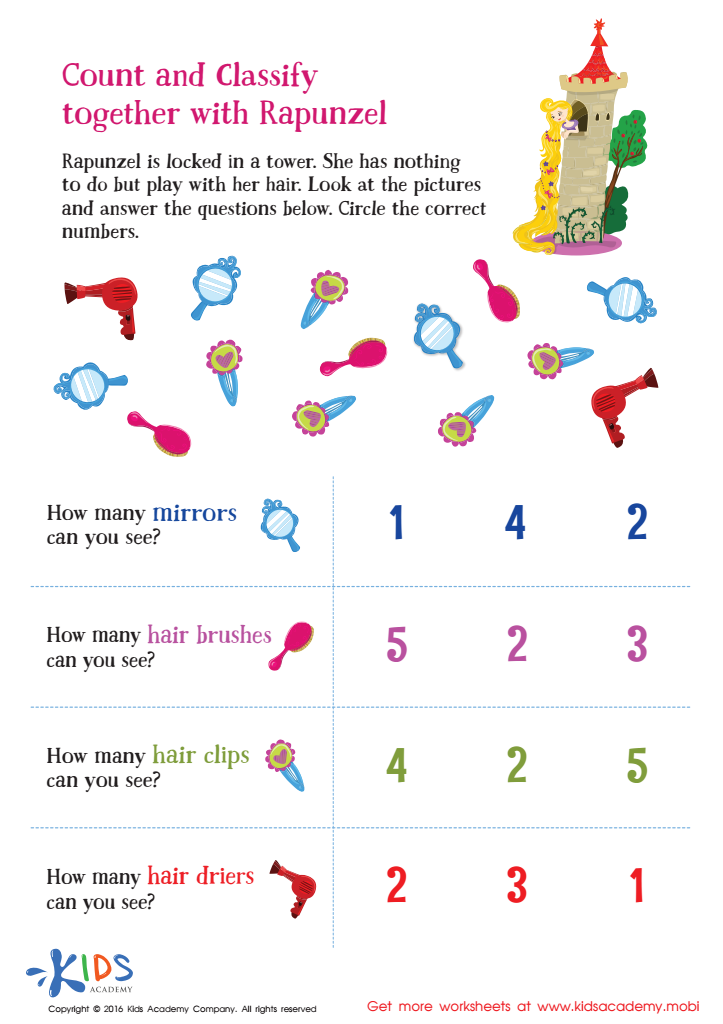
Fairy Tale Worksheet: Count and Classify with Rapunzel
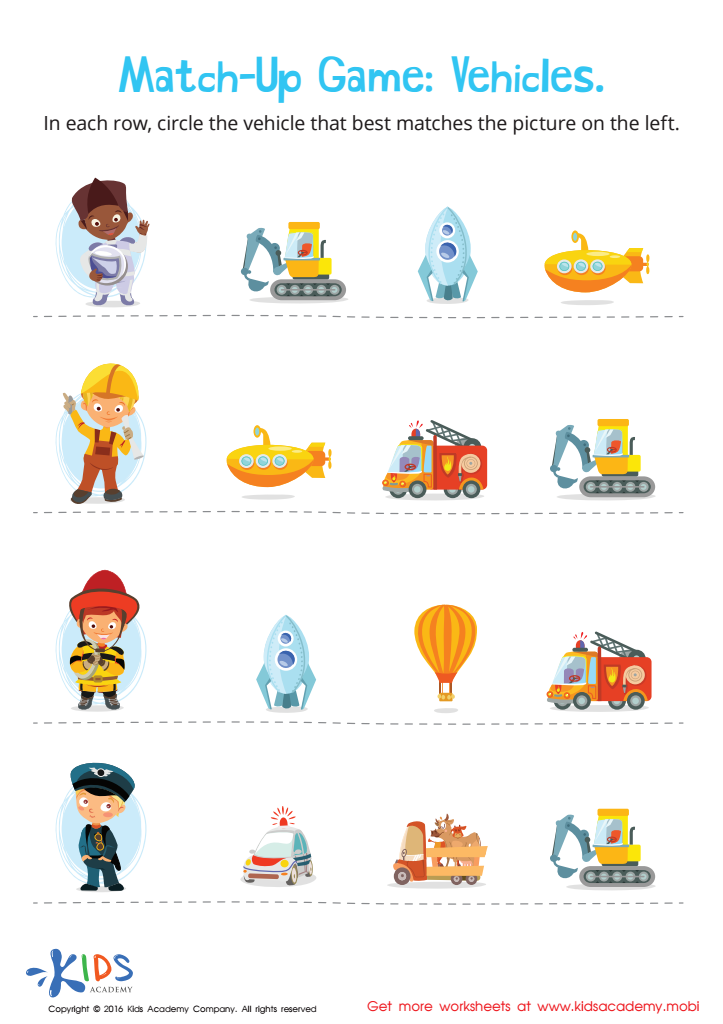
Vehicles Worksheet
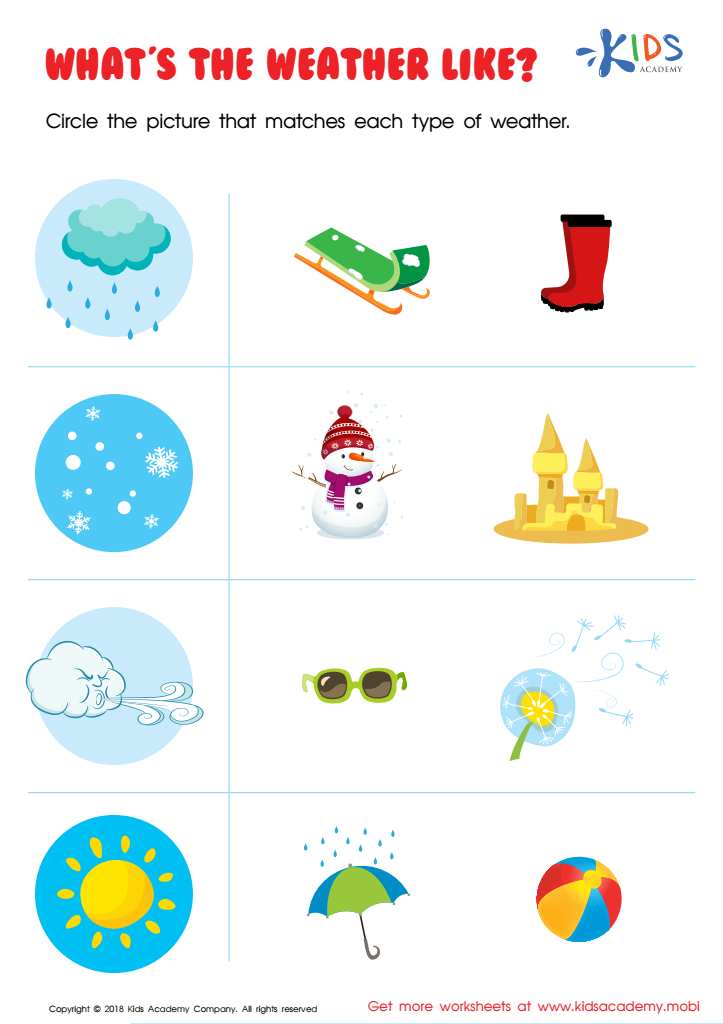
What's the Weather Like? Worksheet








Vocabulary building is essential for children aged 5-9, as it plays a crucial role in their overall development and academic success. At this formative stage, kids are actively learning and processing language, making it the perfect opportunity to enrich their vocabulary. A strong vocabulary foundation enhances reading comprehension, enabling children to better understand stories, instructions, and discussions in the classroom. This, in turn, fosters a love for reading and learning.
Teachers and parents should care about activities like Vocabulary Building Matching because they encourage interactive and engaging methods of learning. These activities not only improve word recognition but also allow children to connect new words with their meanings, fostering retention and application.
Additionally, a rich vocabulary boosts communication skills, helping children express their ideas and emotions clearly and confidently. This is vital for social interactions, easing their ability to make friends and engage in discussions. Moreover, children with robust vocabulary skills are better equipped to face the challenges of more advanced curriculum levels in the future. By investing time and energy into vocabulary-building exercises, parents and teachers can ensure that children are set on a path to academic and social success.








