Story sequencing Reading Worksheets for Ages 5-9
24 filtered results
-
From - To
Enhance your child's reading comprehension and storytelling abilities with our engaging Story Sequencing Reading Worksheets for ages 5-9. Perfectly designed to support young readers, these worksheets help kids understand the order of events in a story. By arranging events chronologically, children develop critical thinking and analytical skills, improving both their reading and writing capabilities. Each worksheet offers a variety of entertaining stories that encourage kids to actively participate in learning. Boost your child's confidence and academic success with our fun and educational story sequencing activities. Download today and start exploring the joy of reading and sequencing!
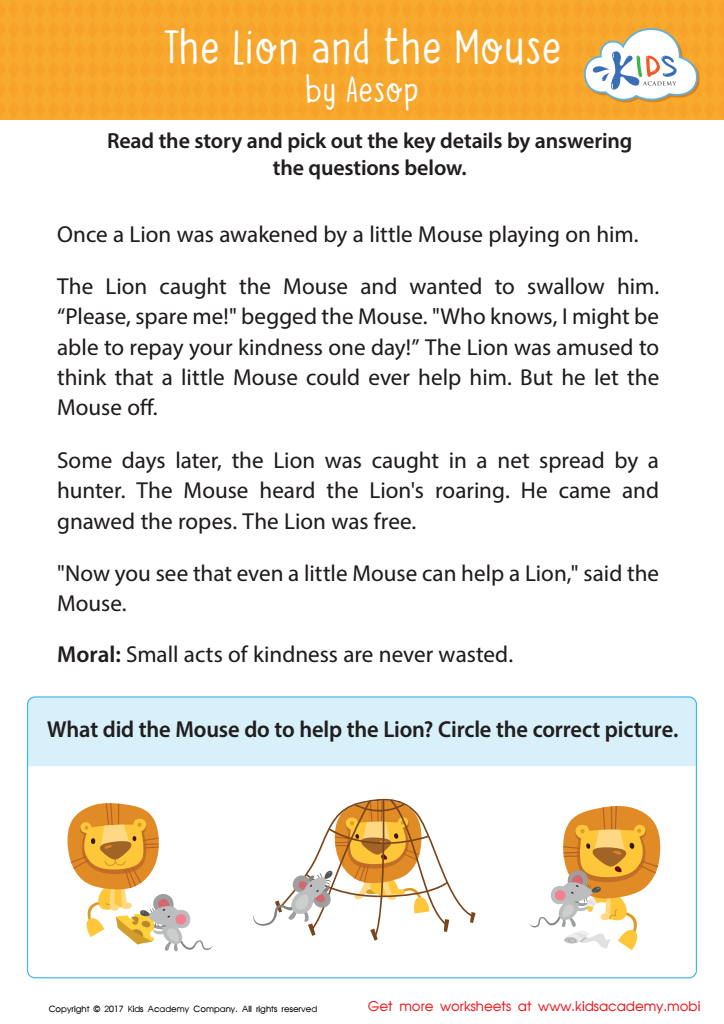
The Lion and The Mouse Sequencing Worksheet
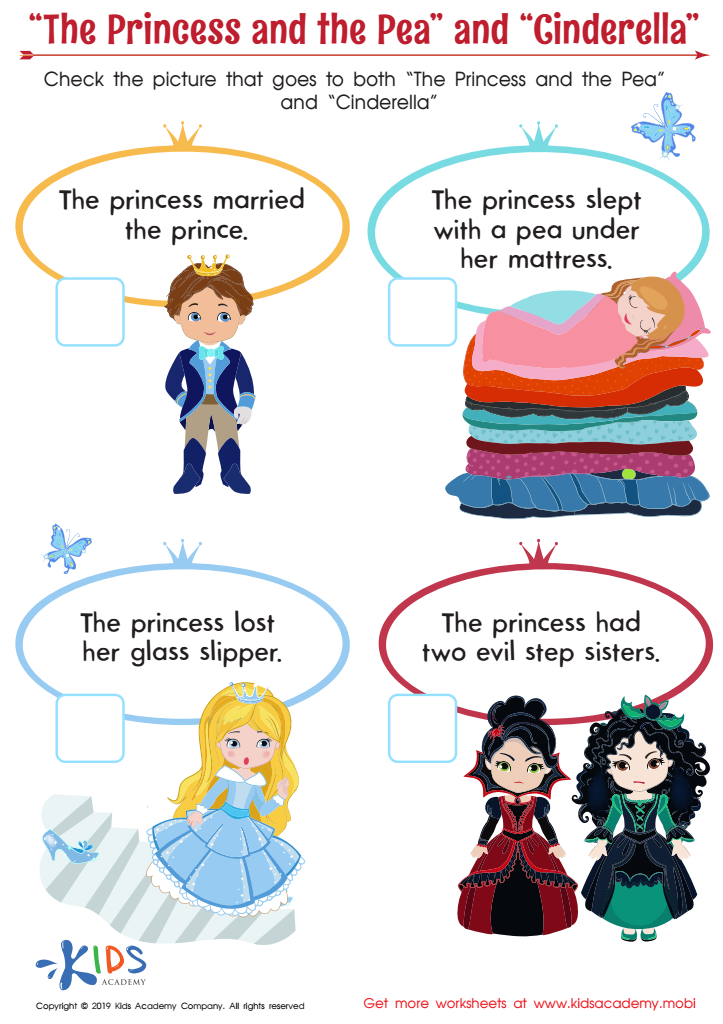
“The Princess and the Pea” and “Cinderella” Worksheet
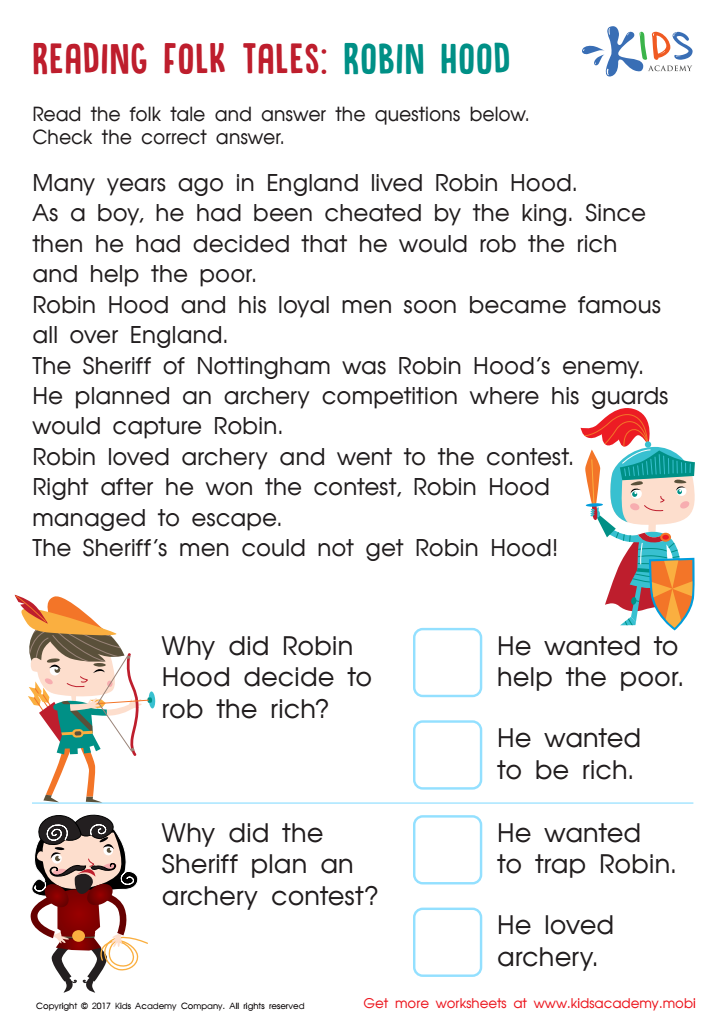
Robin Hood Folktale Worksheet
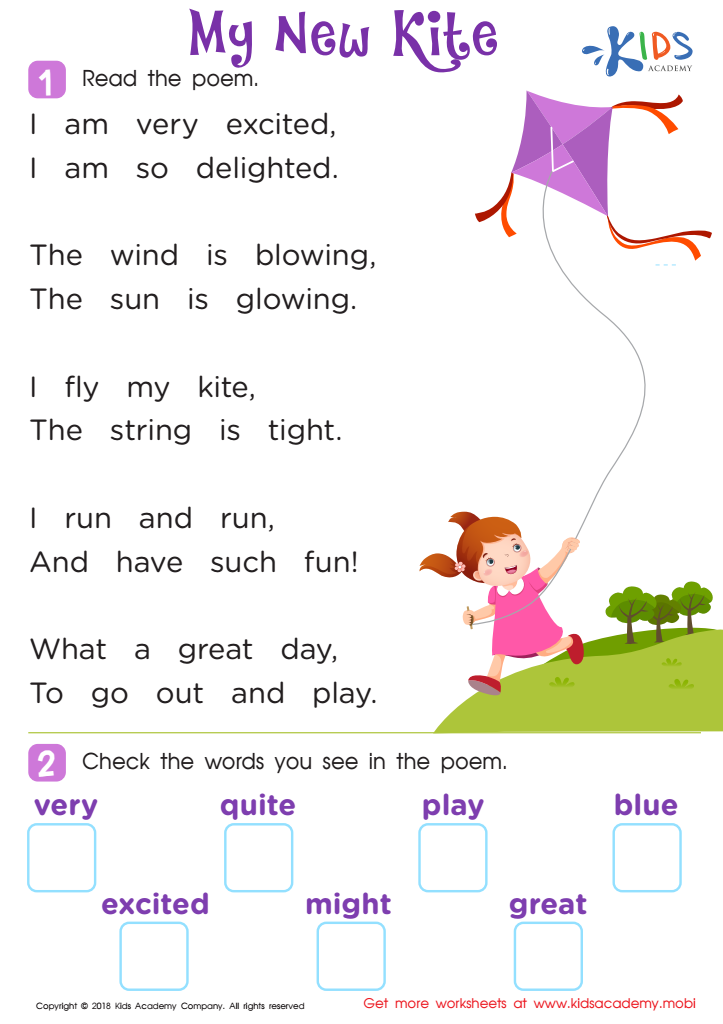
Poem: My New Kite Worksheet
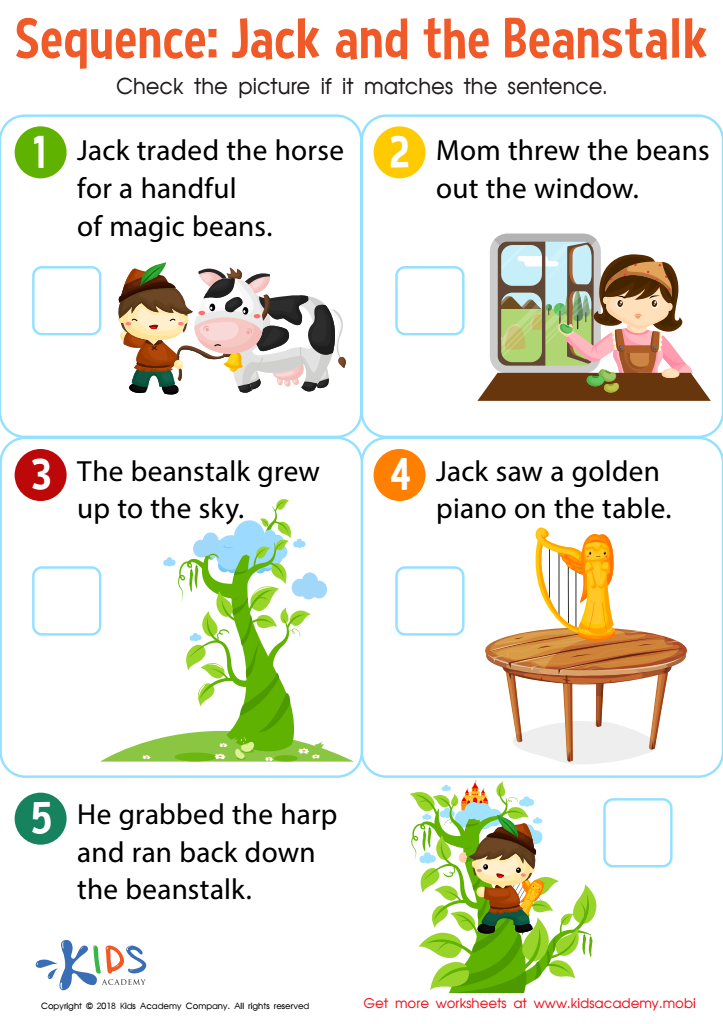
Sequence: Jack and The Beanstalk Worksheet
Folktales Printable PDF Worksheet: The 3 Little Pigs
 Assign to My Students
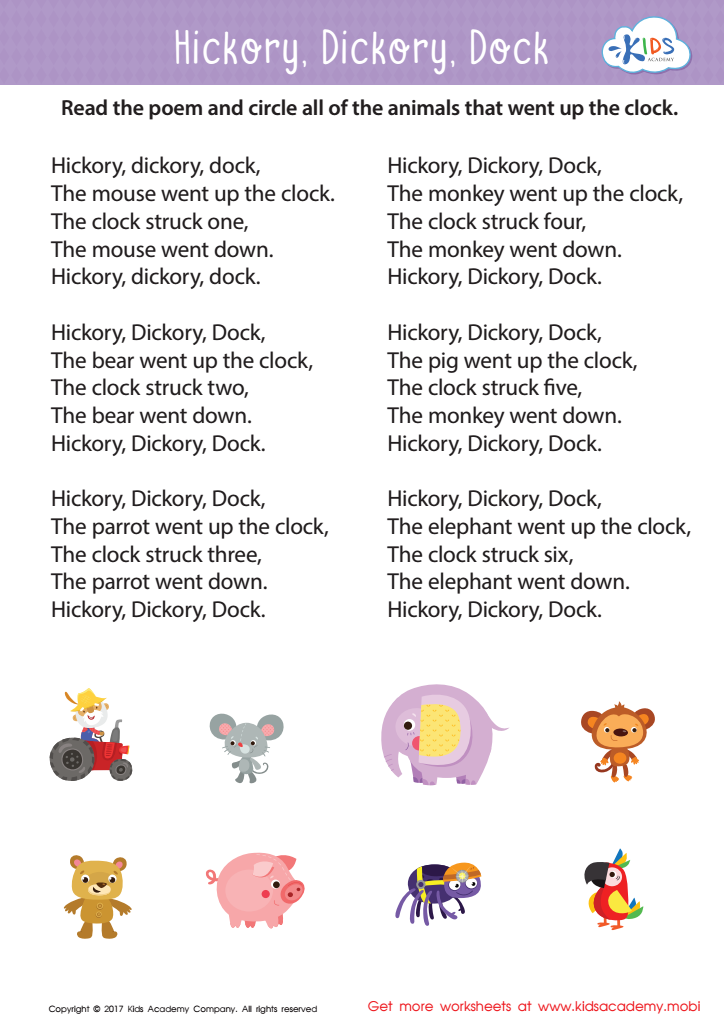
Hickory Dickory Dock Sequencing Worksheet
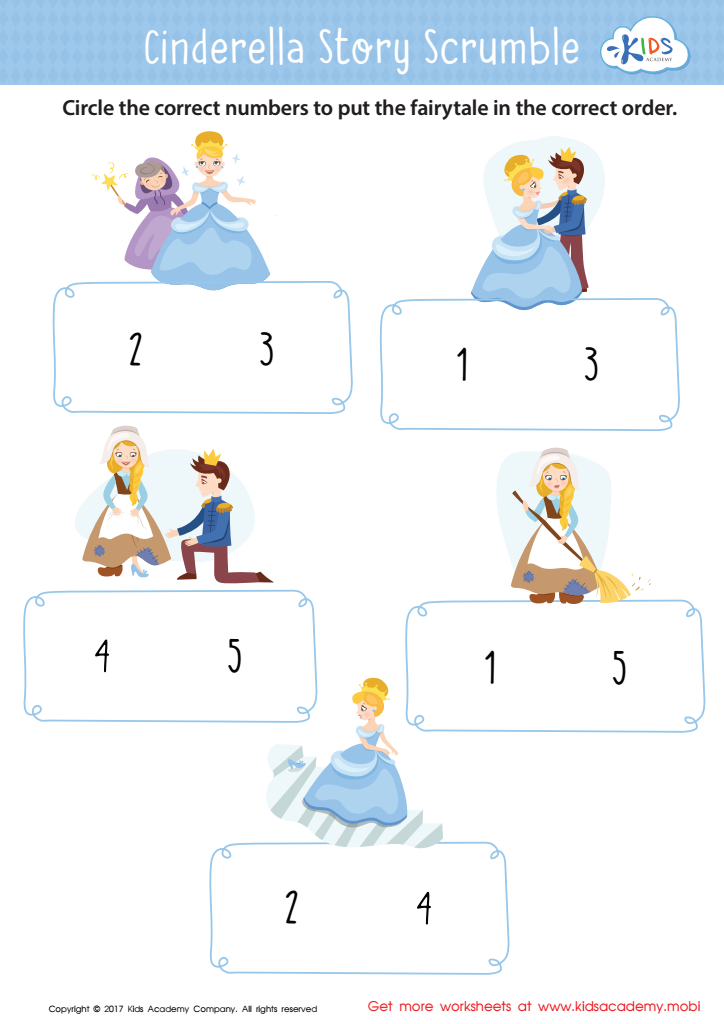
Cinderella Story Sequencing Worksheet
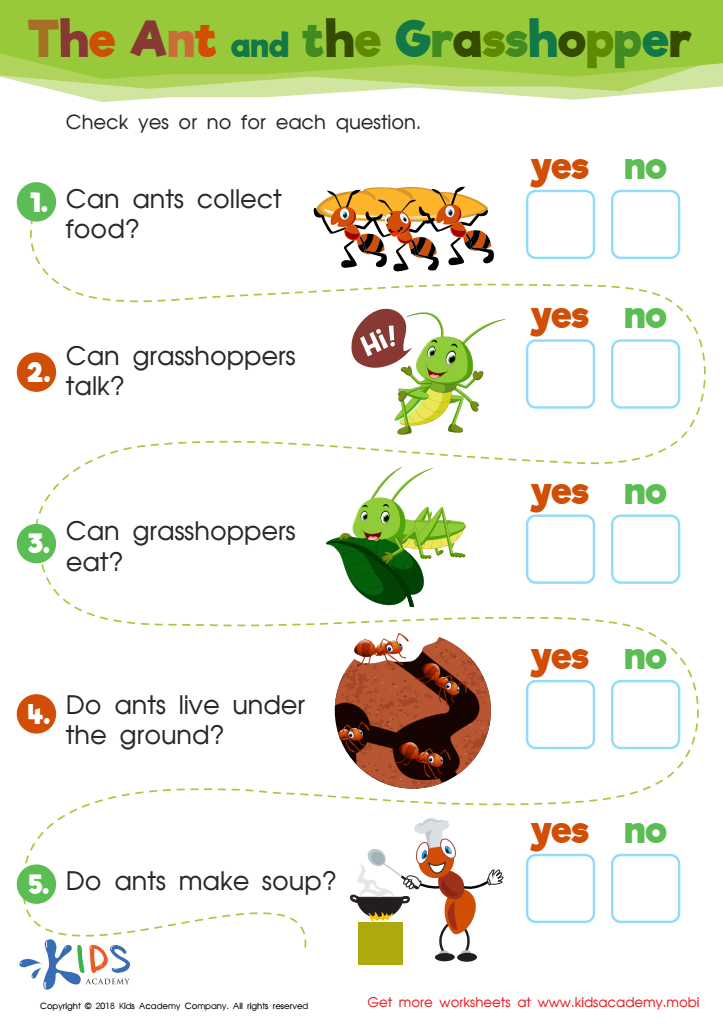
The Ant and The Grasshopper Worksheet
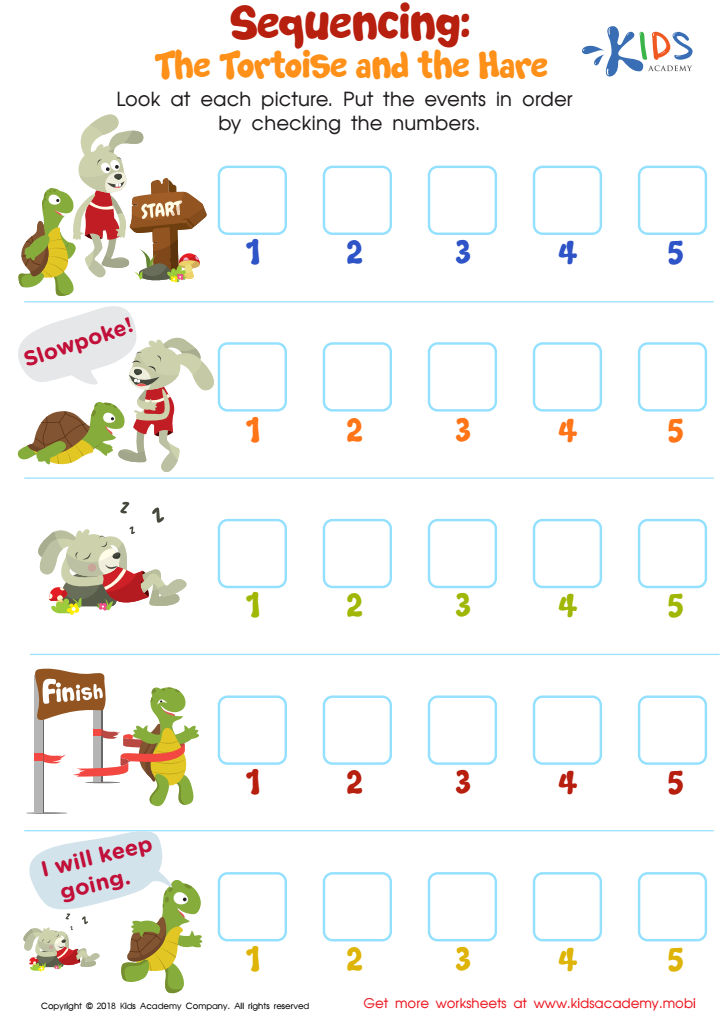
Sequencing: The Tortoise and the Hare Worksheet
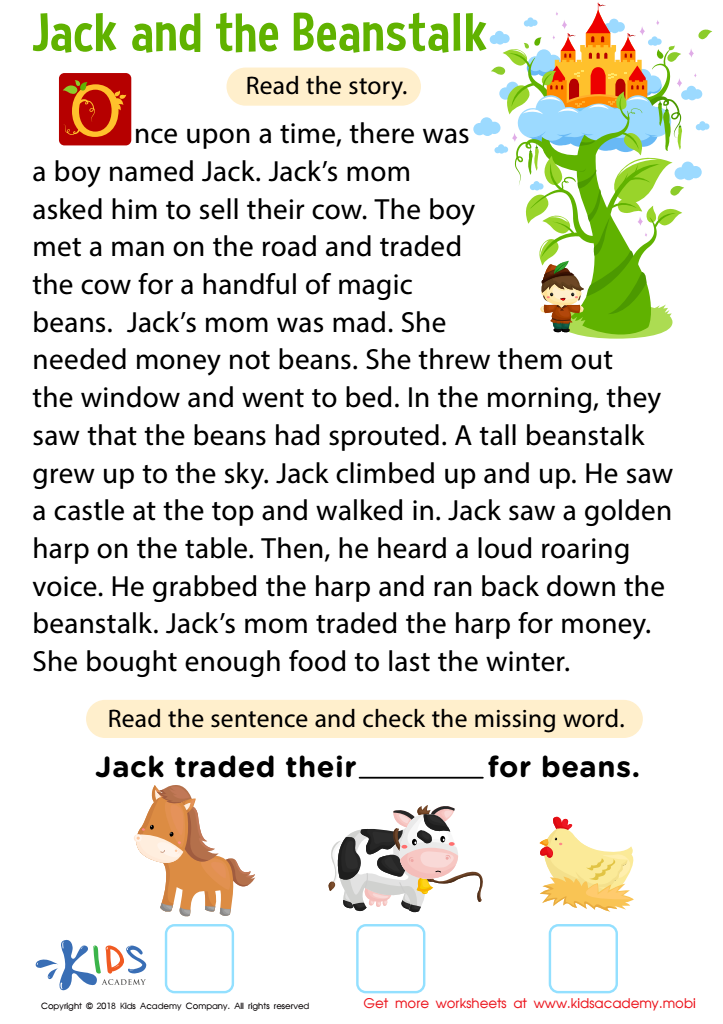
Jack and Beanstalk Worksheet
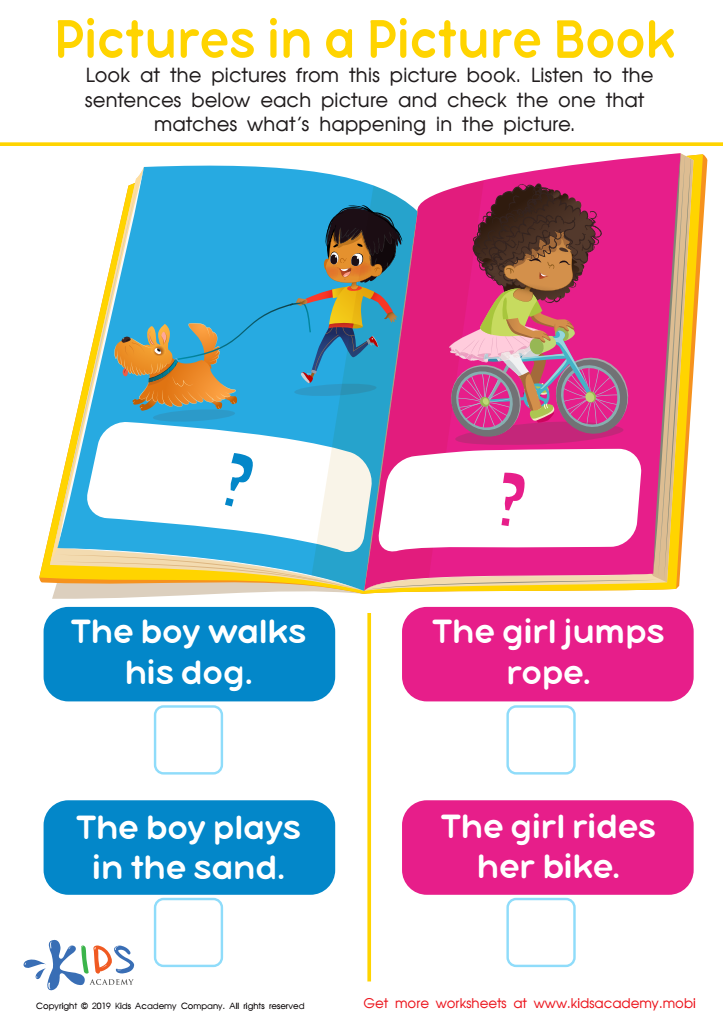
Picture in Books Worksheet
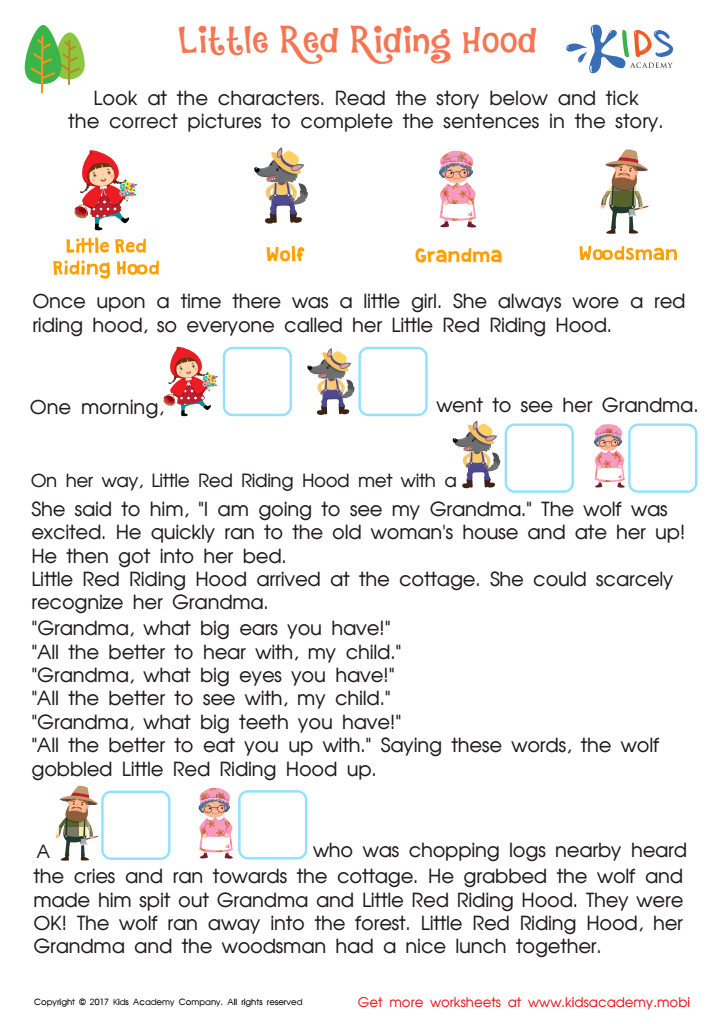
Little Red Riding Hood Printable
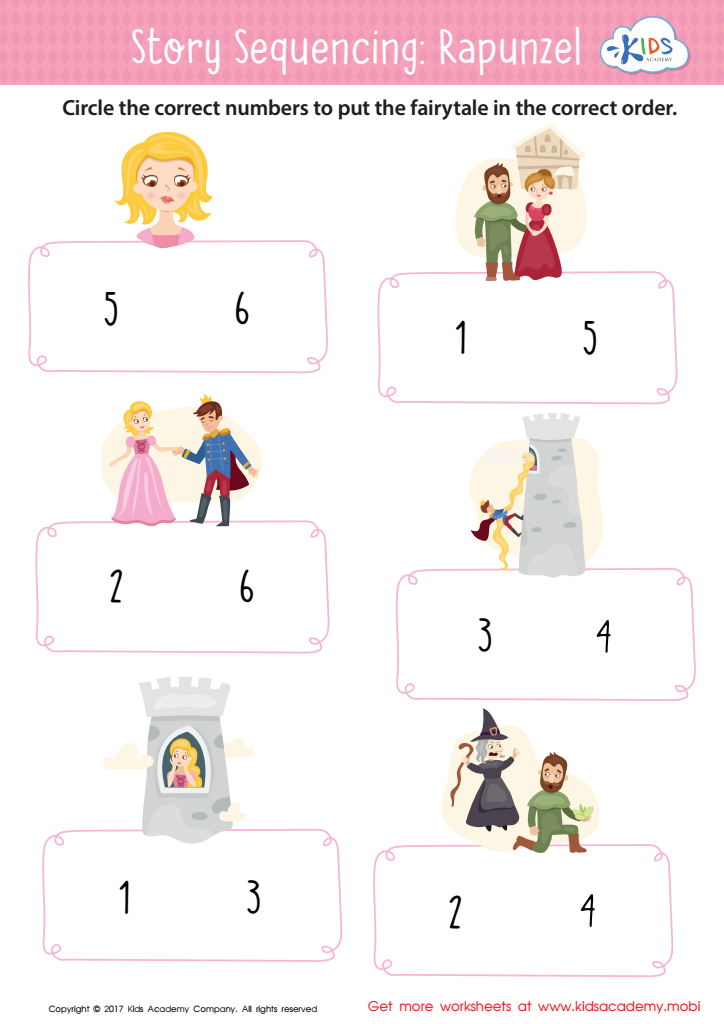
Rapunzel Story Sequencing Worksheet
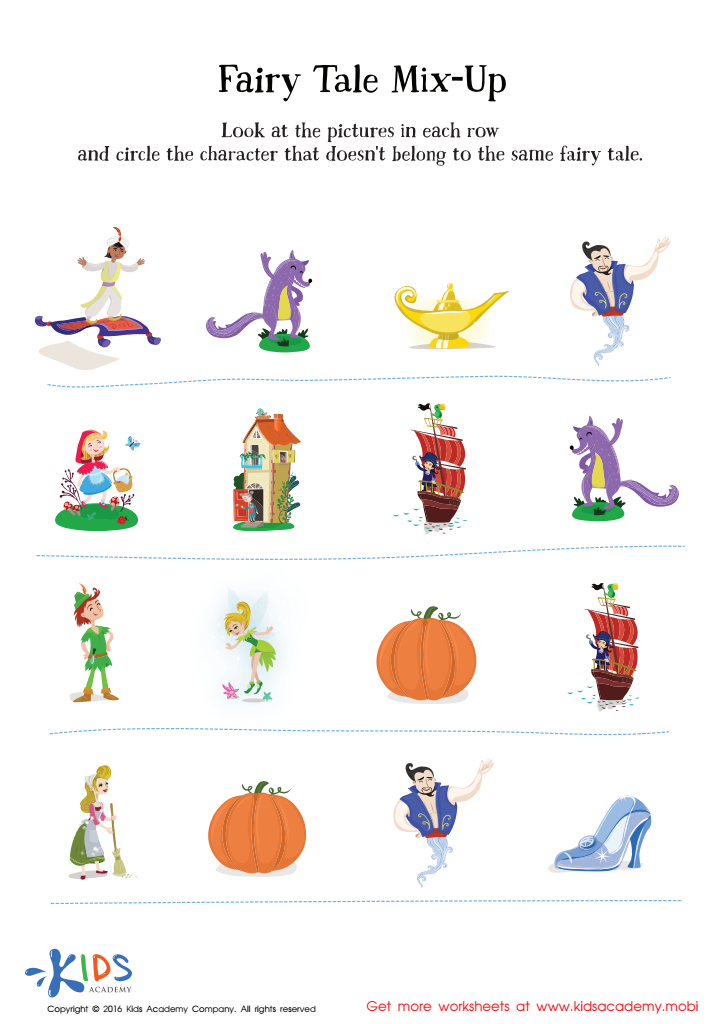
Fairy Tale Worksheet: Story Mix Up
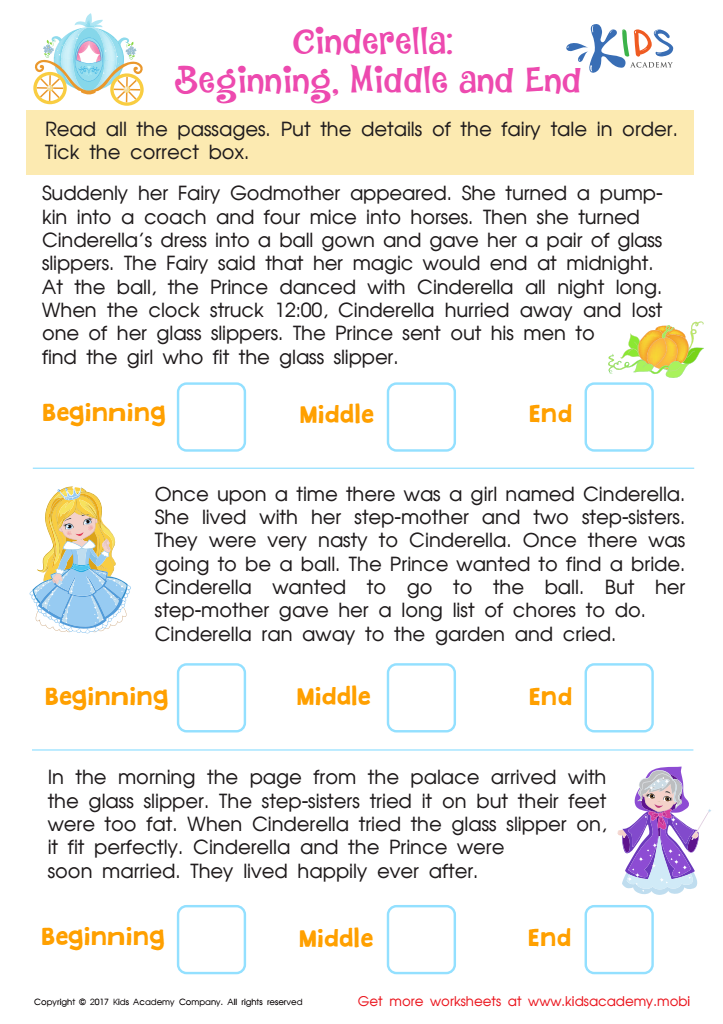
Cinderella: Beginning, Middle and End Worksheet
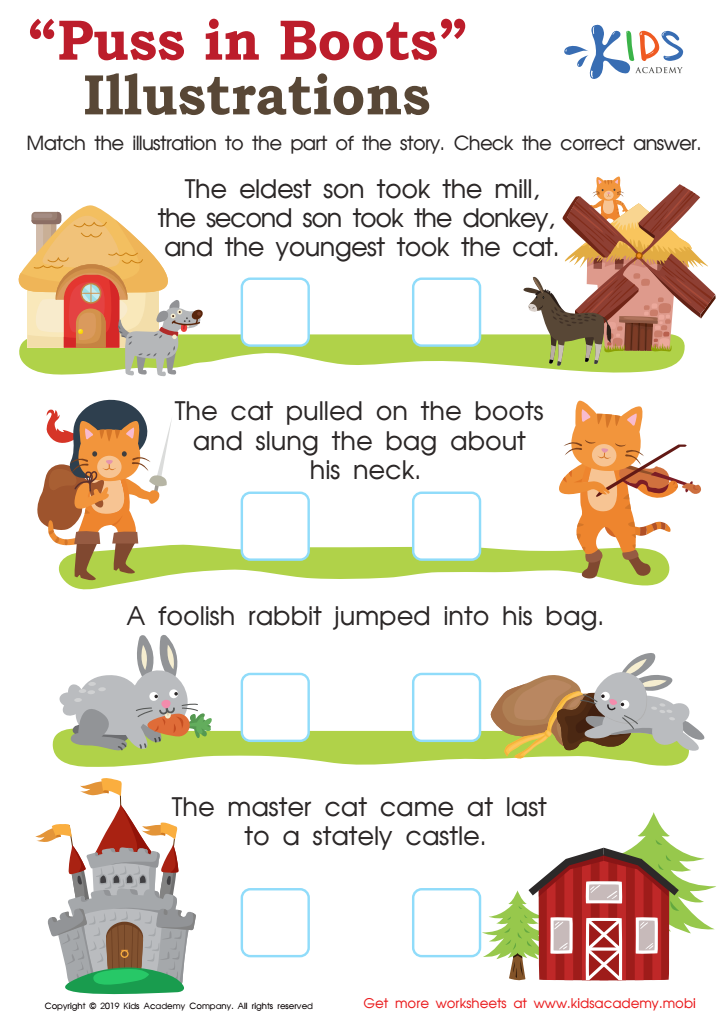
Puss in Boots Illustrations Worksheet
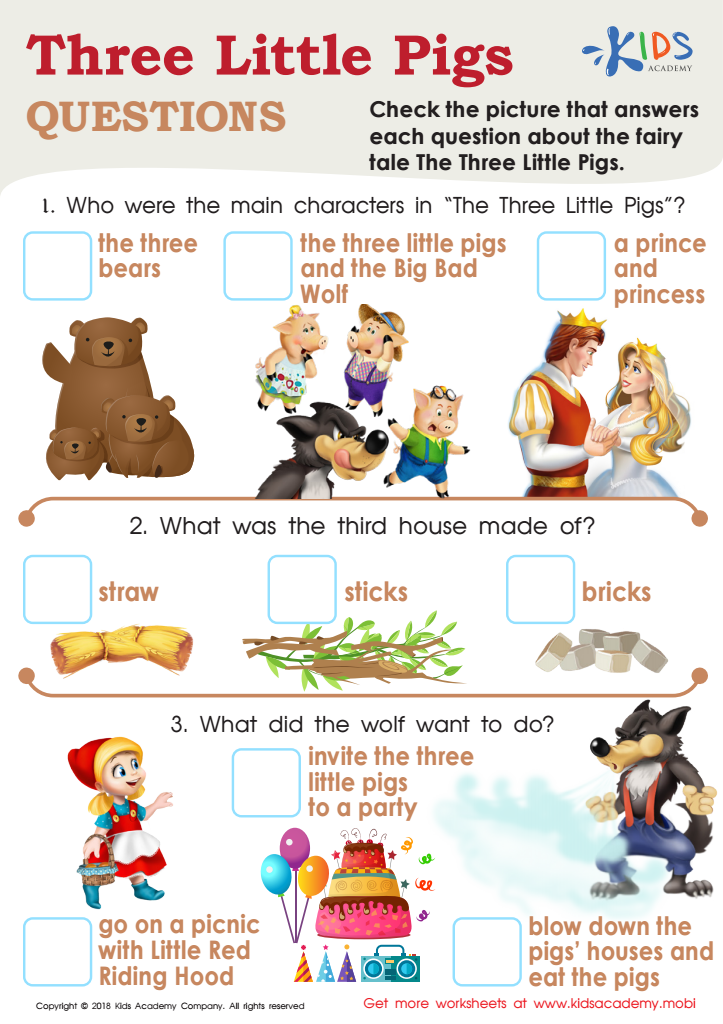
Three Little Pigs Questions Worksheet
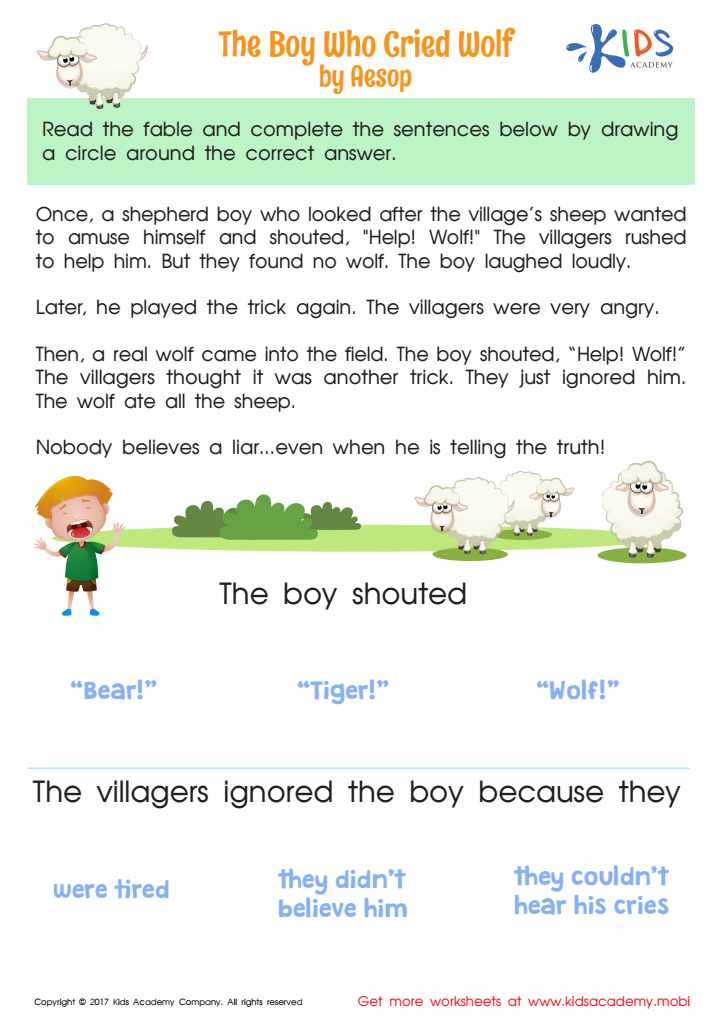
The Boy Who Cried Wolf Worksheet
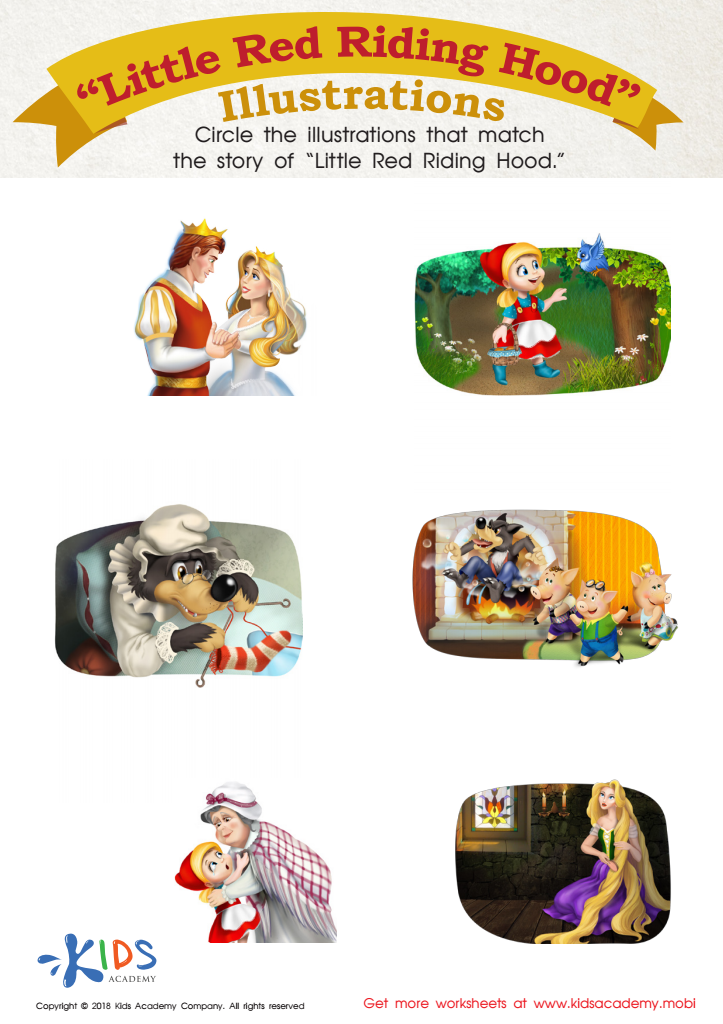
Little Red Riding Hood: Illustrations Worksheet
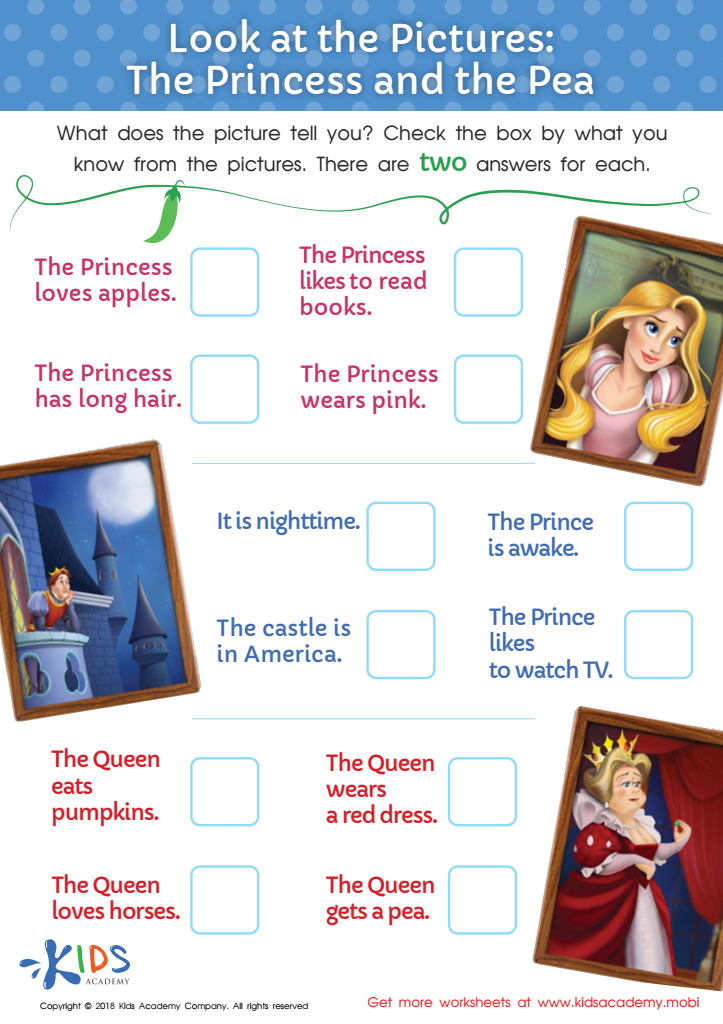
Look at the Pictures: The Princess and the Pea Worksheet
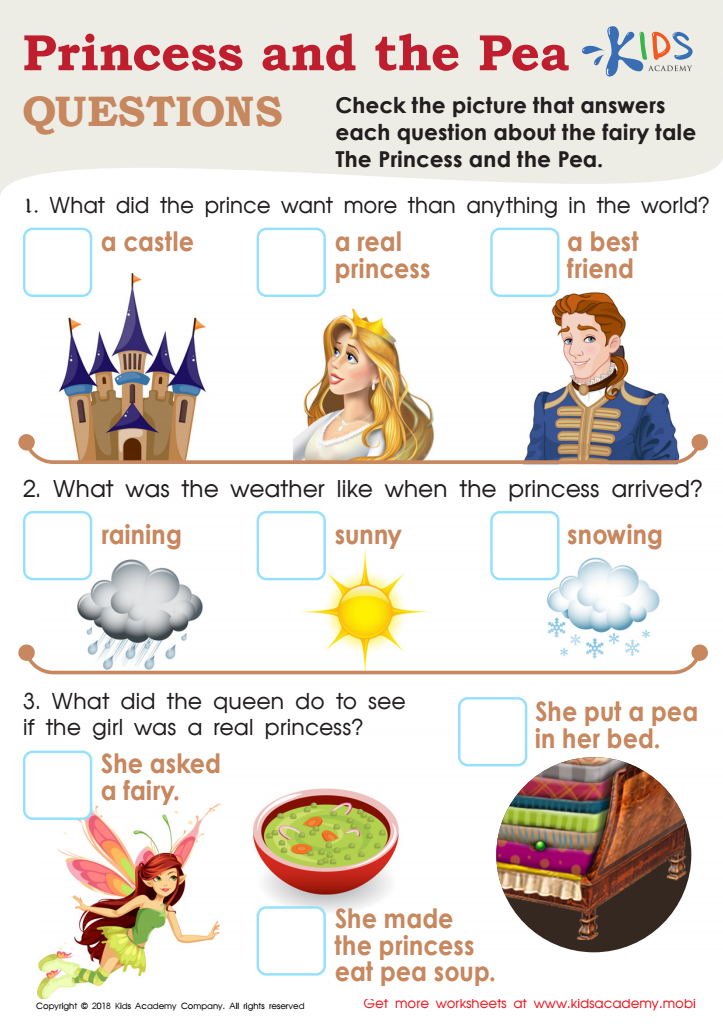
Princess and the Pea Questions Worksheet
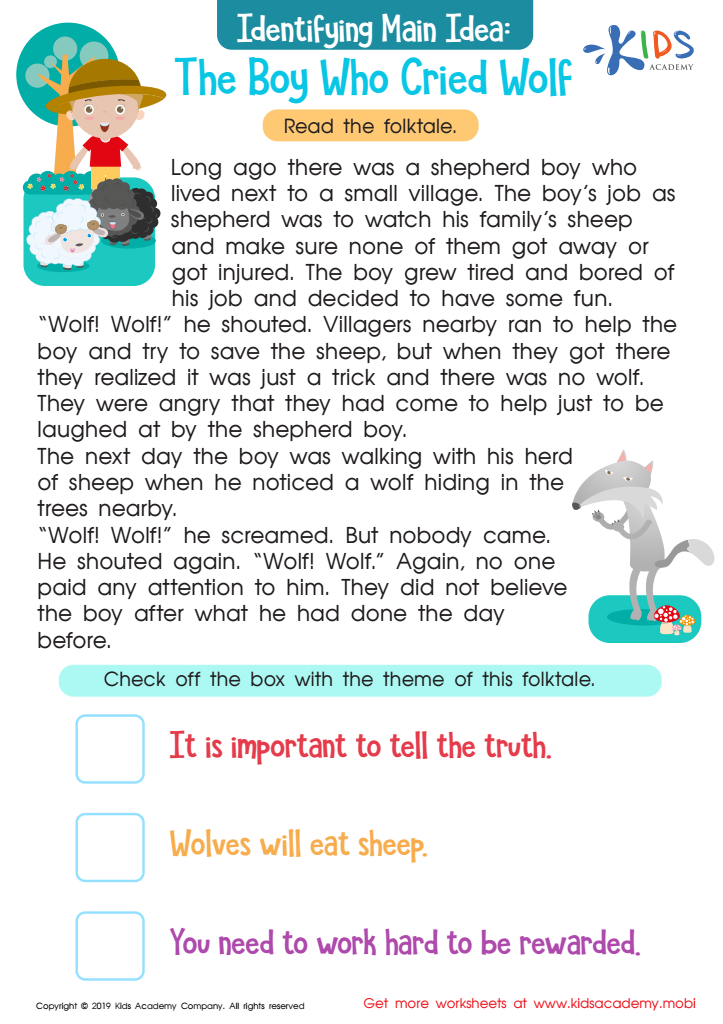
The Boy Who Cried Wolf Part 2 Worksheet
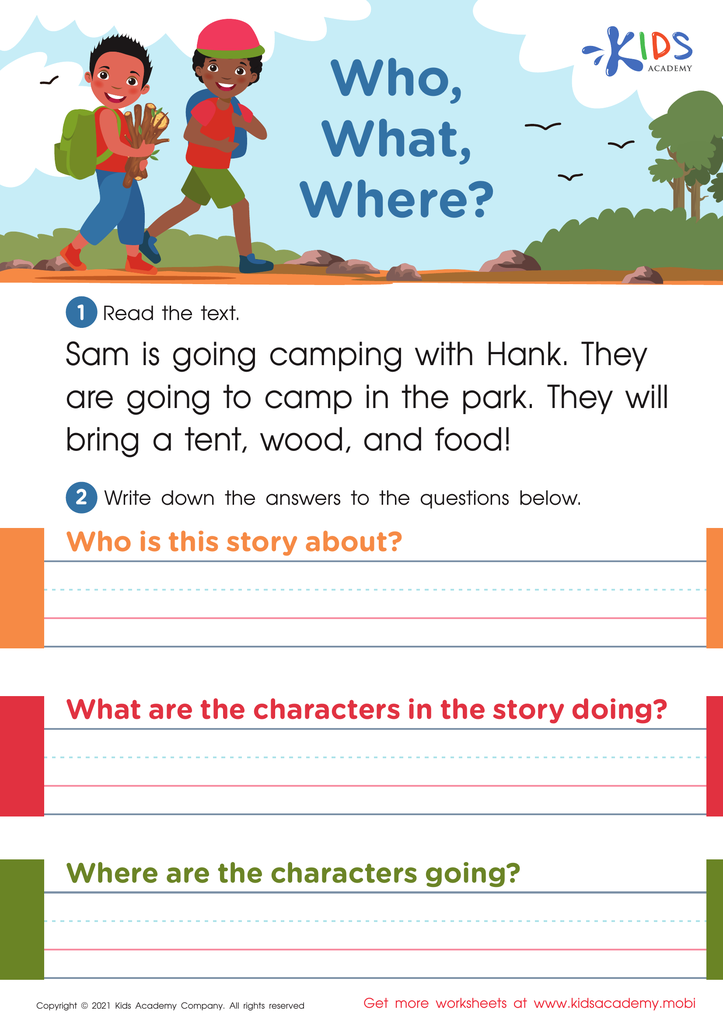
Who, What, Where? Worksheet







Story sequencing is incredibly important for children aged 5-9 because it aids in the development of critical literacy skills and cognitive abilities. Parents and teachers should care about it for several key reasons.
Firstly, sequencing helps children understand the logical order of events in a narrative. This comprehension enhances their reading skills and allows them to follow stories more effectively. By identifying what happens first, next, and last, young readers can better grasp the plot and meaning of a story.
Secondly, practicing sequencing supports the development of communication skills. As children learn to recount stories in the correct order, they become more articulate and confident in expressing their thoughts and retelling events clearly. This skill is essential not only for academic success but also for effective interpersonal communication.
Furthermore, sequencing activities promote critical thinking and problem-solving abilities. When children predict what might happen next or identify sequencing errors, they engage their analytical thinking, which is invaluable across all subjects.
Lastly, mastering story sequencing builds a strong foundation for writing skills. Understanding how stories are structured helps children when they start to create their own narratives, promoting creativity and coherence in their writing.
In summary, parents and teachers should prioritize story sequencing activities to support comprehensive literacy development and cognitive growth during the formative years of 5-9.








