Classification skills Science Worksheets for Ages 5-9
5 filtered results
-
From - To
Discover our engaging Classification Skills Science Worksheets, designed for ages 5-9, at Kids Academy! These worksheets help young learners sort and categorize a variety of objects, improving critical thinking and observation skills. Kids will explore different characteristics, learn to make connections, and develop foundational science knowledge. Each activity is crafted to be fun and educational, fostering a love for science from an early age. Ideal for both classroom and home use, our worksheets support your child's curiosity while aligning with educational standards. Give your child the tools to succeed in science with Kids Academy!
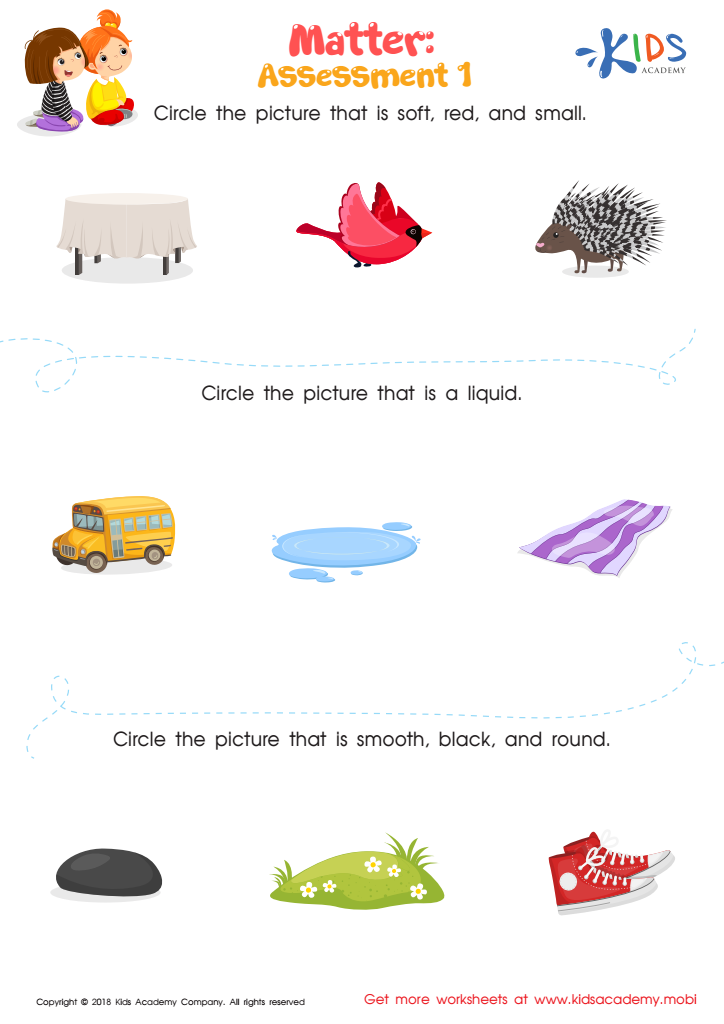
Matter: Assessment 1 Worksheet
 Assign to My Students
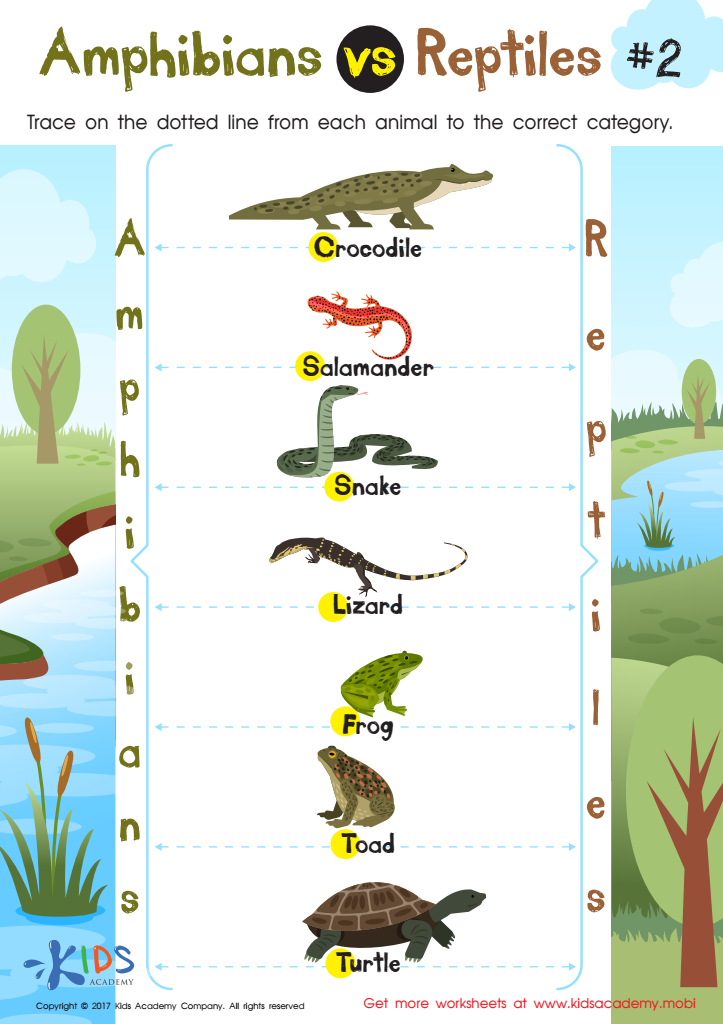
Amphibians vs Reptiles Worksheet for 3rd Grade
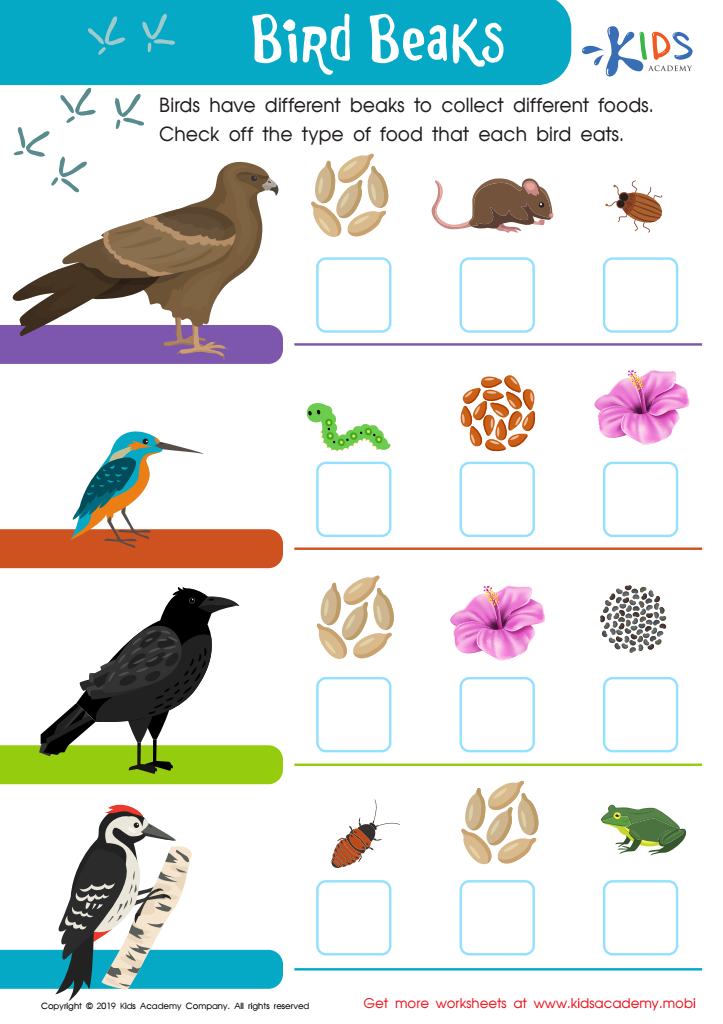
Bird Beaks Worksheet
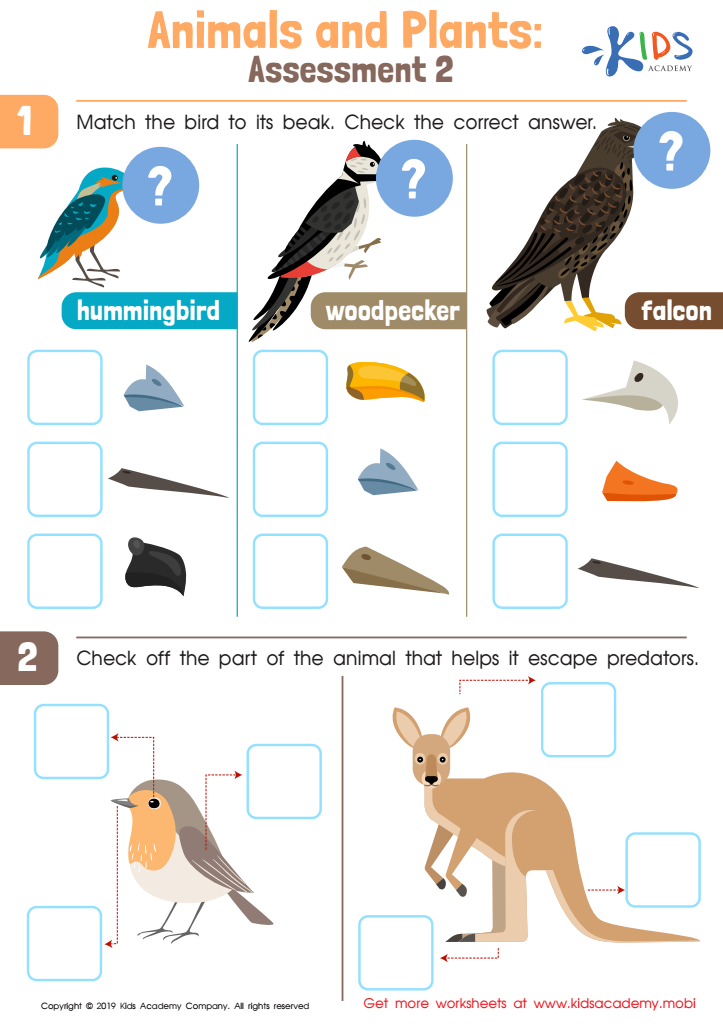
Animals and Plants: Assessment 2 Worksheet
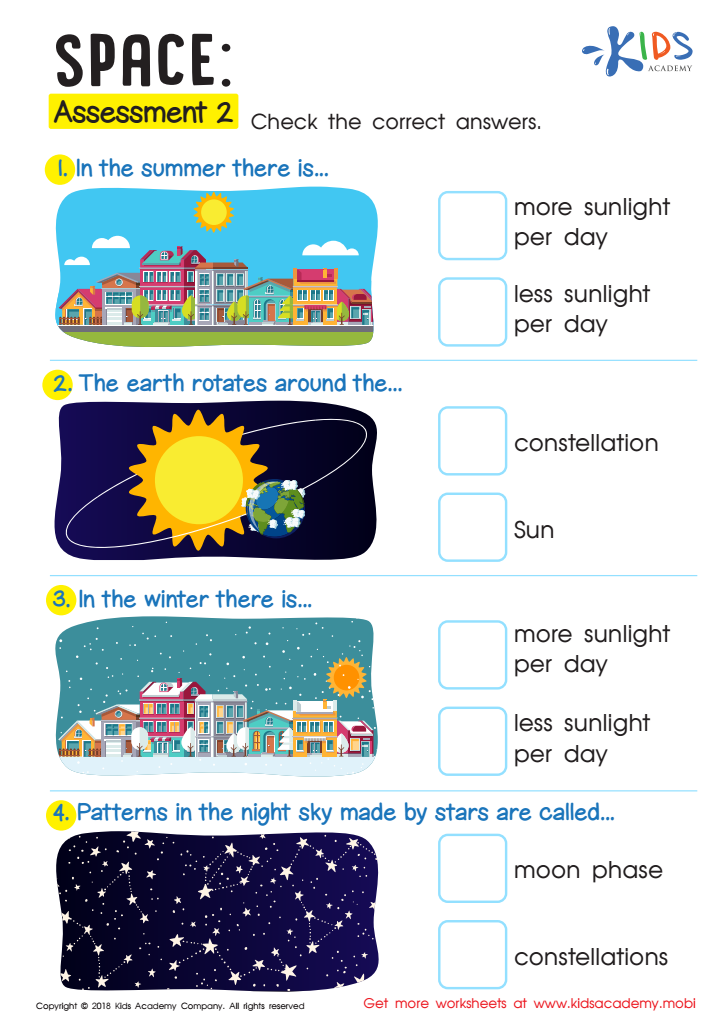
Space: Assessment 2 Worksheet



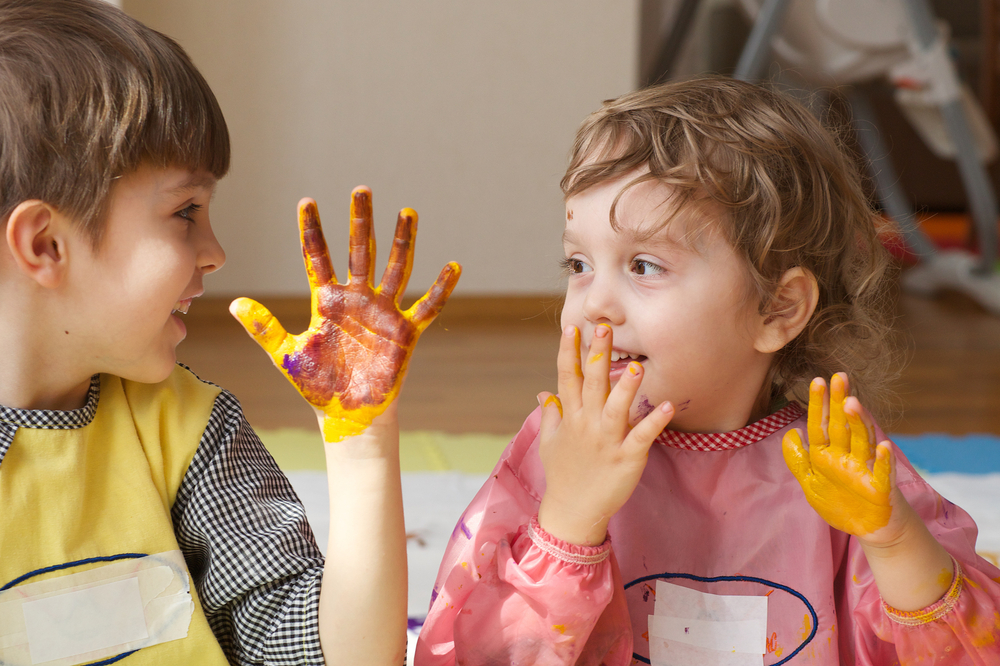


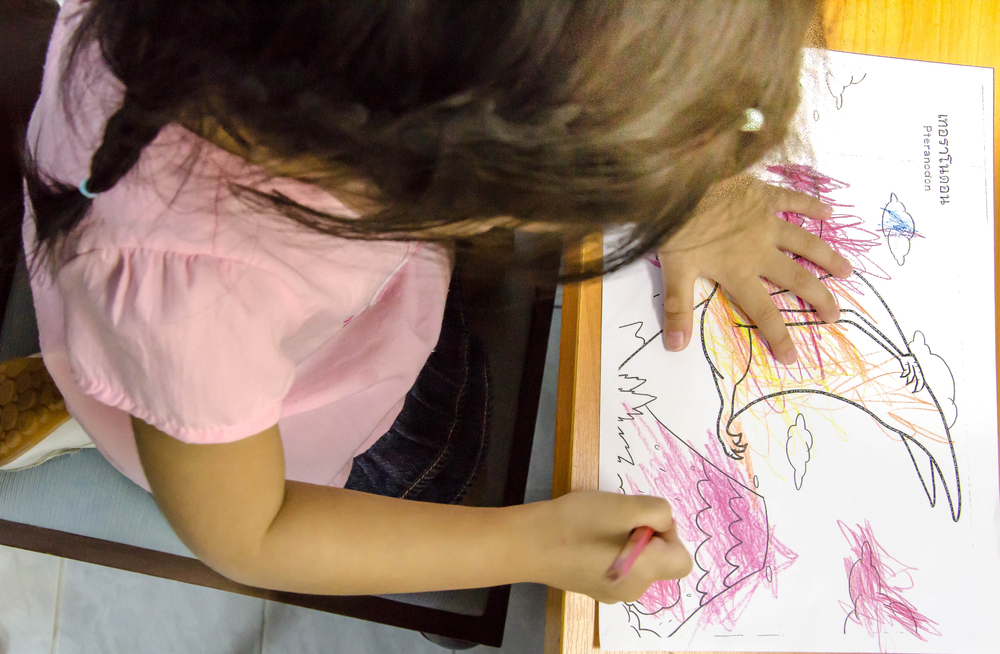
Classification skills in science are foundational for young learners, as they help children ages 5-9 develop critical thinking, organization, and analytical abilities. These skills enable kids to systematically group and categorize objects, enhancing their understanding of the world around them. When children classify, they learn to recognize patterns and relationships, which is crucial for comprehending more complex scientific concepts as they grow older.
Caring about classification skills also supports cognitive development. Sorting and grouping objects by similarities and differences strengthens memory and supports logical reasoning. This directly benefits other subjects, including math and reading, where pattern recognition and categorization are important.
Moreover, engaging children in classification activities fosters curiosity and encourages interactive, hands-on learning experiences. It prompts them to ask questions and explore answers, which builds a love for science and learning in general. This early engagement sets a foundation for lifelong inquiry and problem-solving skills.
For teachers and parents, prioritizing classification helps identify areas where a child may need more support or extension. Incorporating these skills into everyday activities makes learning relevant and meaningful, laying the groundwork for kids to become proficient learners and thinkers across varied disciplines. Therefore, cultivating classification skills from an early age is crucial for comprehensive developmental gains.







