Social Studies Worksheets for Ages 5-9 - Page 14
314 filtered results
-
From - To
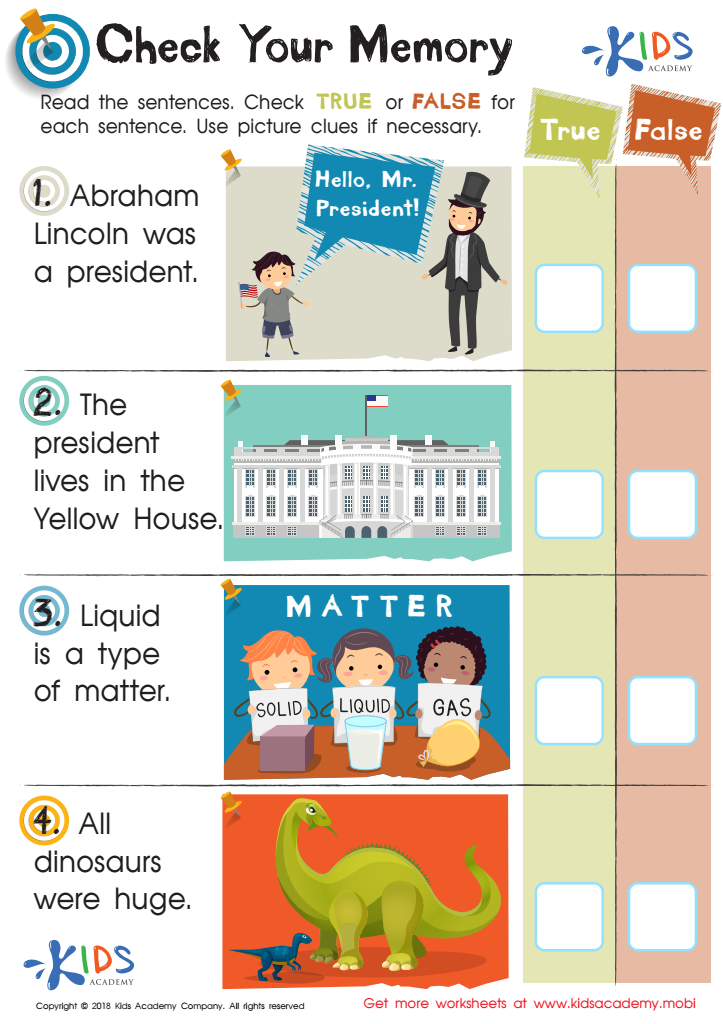
Check Memory Worksheet
 Assign to My Students
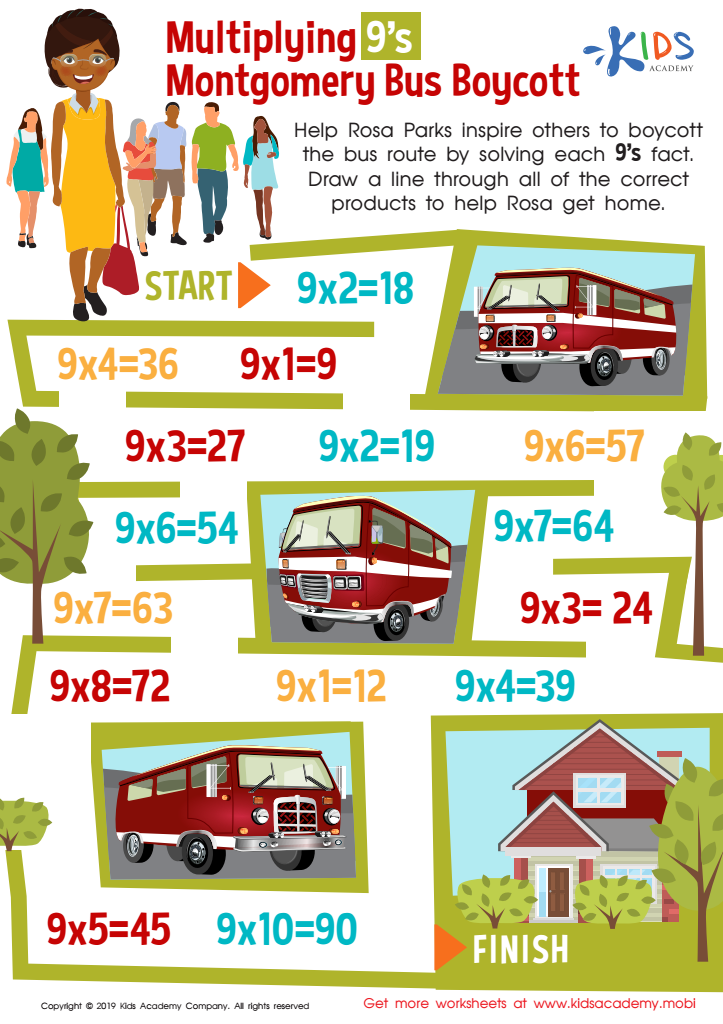
Multiplying 9’s Montgomery Bus Boycott Worksheet




.jpg)



Social Studies for ages 5-9 is crucial as it lays the groundwork for young learners to understand the world and their place in it. At this young age, children are naturally curious about their surroundings, communities, and how different people live and interact. By engaging in Social Studies, they gain essential knowledge about history, geography, cultures, and societal norms, fostering an early sense of global awareness.
For parents and teachers, prioritizing Social Studies in early education helps children develop critical thinking and problem-solving skills. When kids learn about different communities and historical events, they start to see patterns and understand cause-and-effect relationships, which is fundamental for all future learning. Furthermore, Social Studies teaches them the importance of civic responsibility and citizenship, equipping them with the understanding of their roles in society and encouraging responsible behavior.
Additionally, Social Studies promotes cultural sensitivity and empathy by introducing children to diverse perspectives and experiences. In multicultural societies, it's important for children to appreciate diversity and understand different lifestyles, which helps in building mutual respect and tolerance from an early age.
By nurturing these skills and values early on, parents and teachers can help children grow into informed, responsible, and empathetic adults. This foundation in Social Studies ultimately contributes to a more knowledgeable, thoughtful, and harmonious society.








