
Shape Recognition Social Studies Worksheets for Ages 5-9
4 filtered results
Difficulty Level
Grade
Age
-
From - To
Subject
Activity
Standards
Explore our engaging "Shape Recognition Social Studies Worksheets" designed for children ages 5-9! These colorful, interactive worksheets help young learners identify and understand various shapes while being introduced to important social studies concepts. By connecting shape recognition with real-world contexts, students enhance their critical thinking and observational skills. Each worksheet features fun activities that promote creativity and collaboration among peers. Parents and educators can easily integrate these resources into lesson plans to foster a well-rounded education. Dive into shape recognition through our specially crafted worksheets that make learning fun and effective for early grade students!
Favorites
With answer key
Interactive
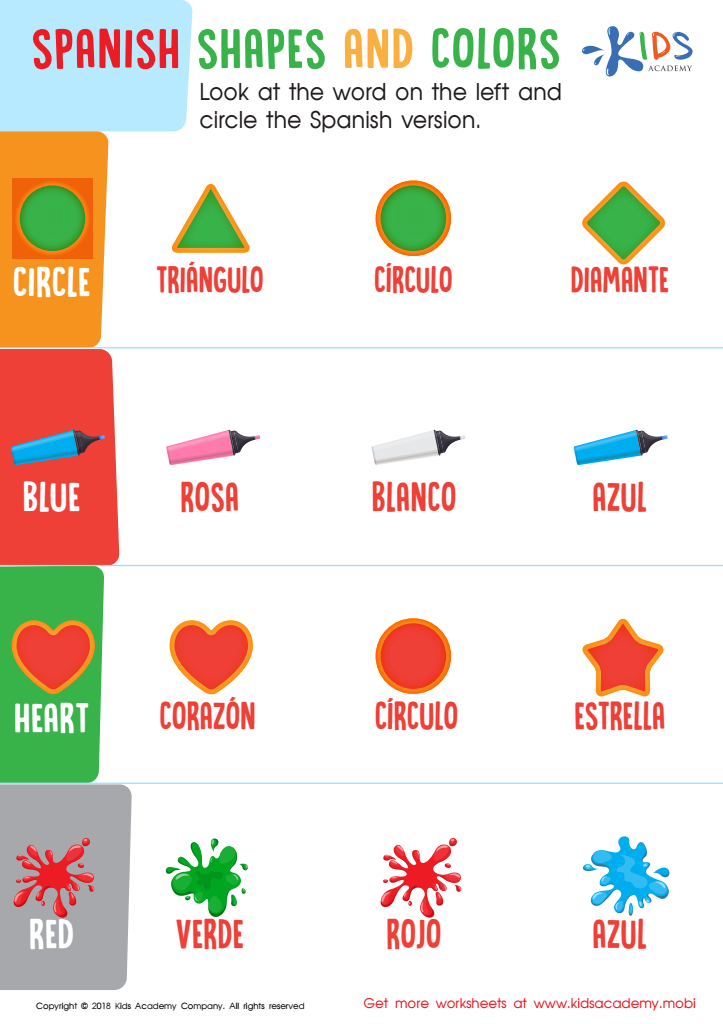
Spanish Shapes and Colors Worksheet
Encourage your children to learn another language from an early age. For example, Spanish - use a worksheet to help with the basics. Point to the English word and ask them to identify and circle the corresponding Spanish word on the right. This way, your kids will grow up with familiarity of the language.
 Assign to My Students
Spanish Shapes and Colors Worksheet
Worksheet
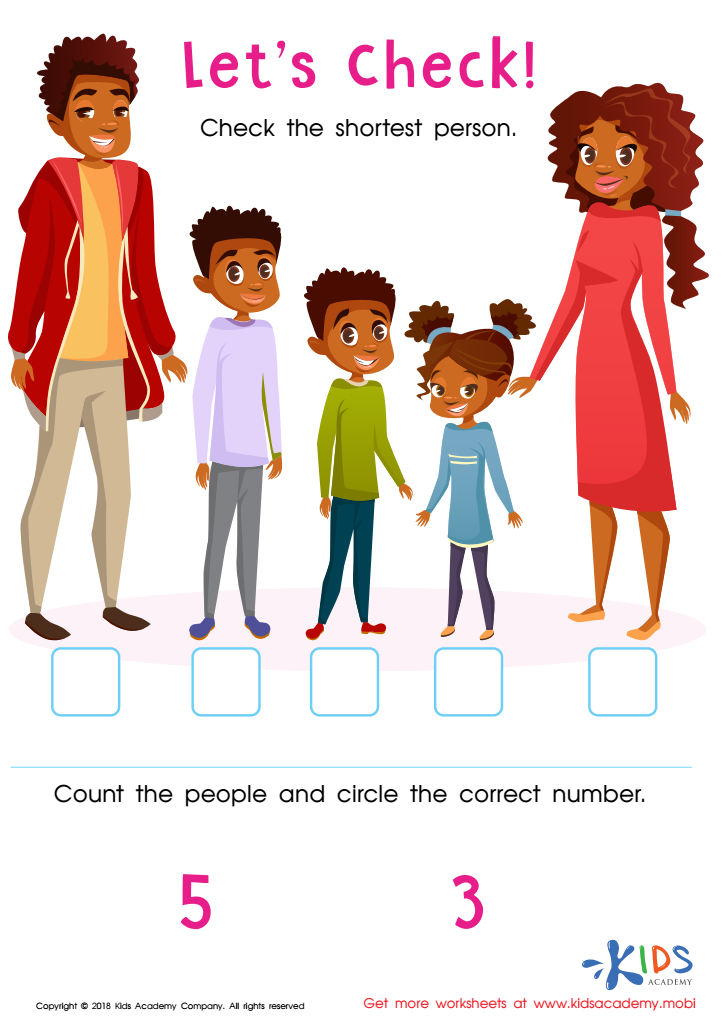
Let's Check! Assessment Worksheet
Check your child's understanding of height with this worksheet. Ask them to sort the objects in order of size and identify the tallest and shortest member of the family in the picture. See if they can correctly arrange the items from tallest to shortest.
Let's Check! Assessment Worksheet
Worksheet
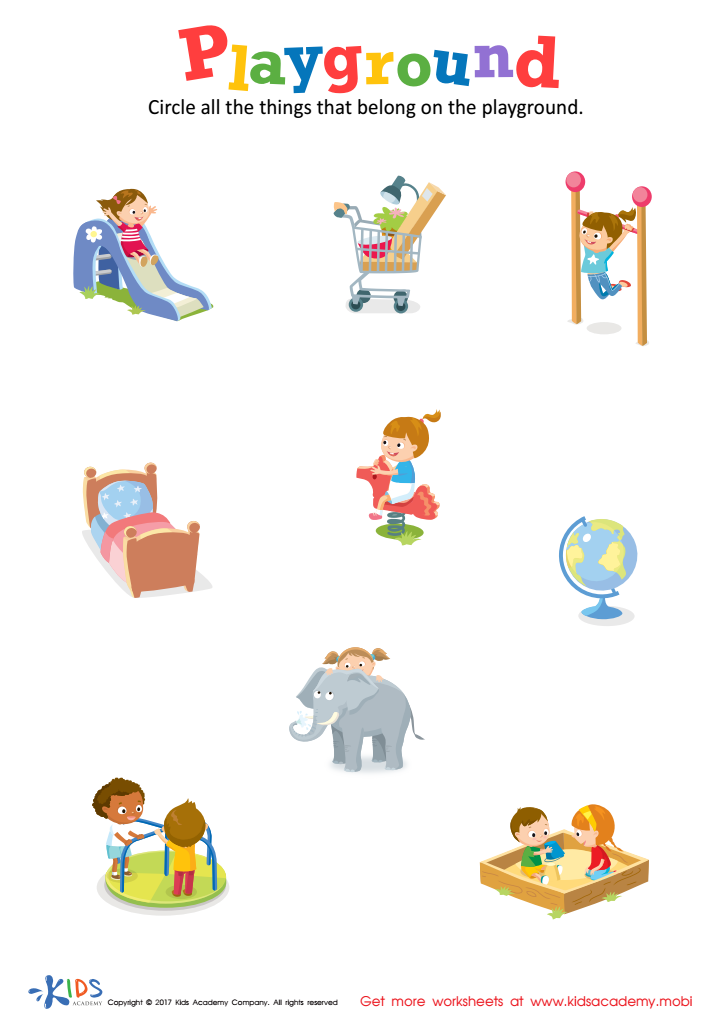
Playground Worksheet
Head to the park with this playground worksheet! It strengthens sorting and cognitive skills while encouraging problem solving. Plus, it's fun-filled and engaging! When finished, head out to the park to see what items your child finds in the playground!
Playground Worksheet
Worksheet
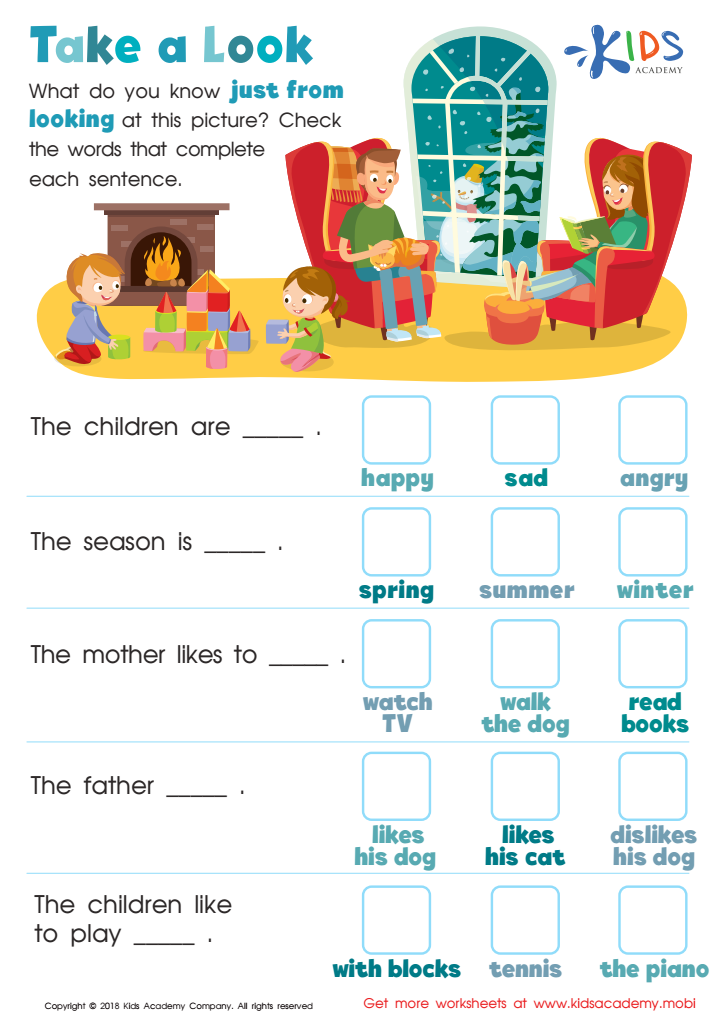
Take a Look - Part 1 Worksheet
Young learners gain understanding when using picture clues when reading. Looking at illustrations can help students learn the meaning of key vocabulary when reading fiction or informational text. Ask your students to look at the worksheet and observe what they can learn from the picture. It's a great comprehension strategy for early readers.
Take a Look - Part 1 Worksheet
Worksheet
Join Kids Academy for Free
Who is primarily going to use this learning content?








Shape recognition is an essential building block in early childhood education, particularly in Social Studies for ages 5-9. Understanding shapes not only aids in developing mathematical skills but also enhances spatial awareness, which is vital as children navigate their surroundings. In Social Studies, recognizing shapes helps children relate to the world around them, fostering logical thinking as they learn about maps, buildings, and community layouts.
For parents and teachers, incorporating shape recognition into Social Studies encourages cross-disciplinary learning, allowing children to see connections between different subjects. It equips students with the ability to identify everyday objects and understand their purpose within the community. This knowledge forms the foundation for skills such as problem-solving, critical thinking, and observation, essential traits for navigating a diverse society.
Furthermore, engaging children with shapes equips them with language development opportunities as they learn to communicate their understanding and experiences effectively. Ultimately, fostering interest in shape recognition within the context of Social Studies creates more well-rounded, capable learners who can participate actively in their communities. By prioritizing these learning experiences, parents and teachers help mold informed, confident young citizens adept at observing and interacting with the world they will continue to inhabit.








