Logical thinking Worksheets for 5-Year-Olds
18 filtered results
-
From - To
Looking to boost your child's cognitive development? Our Logical Thinking Worksheets for 5-Year-Olds offer engaging and educational activities specially designed to foster critical thinking and problem-solving skills. Ideal for ages 4-6, these worksheets cover a variety of tasks including pattern recognition, sequencing, and matching exercises. They make learning fun and interactive, ensuring your child stays motivated and eager to learn. Perfect for home or classroom use, these printable worksheets are an excellent tool for preparing your little one for future academic success. Download today and watch their logical thinking skills flourish!
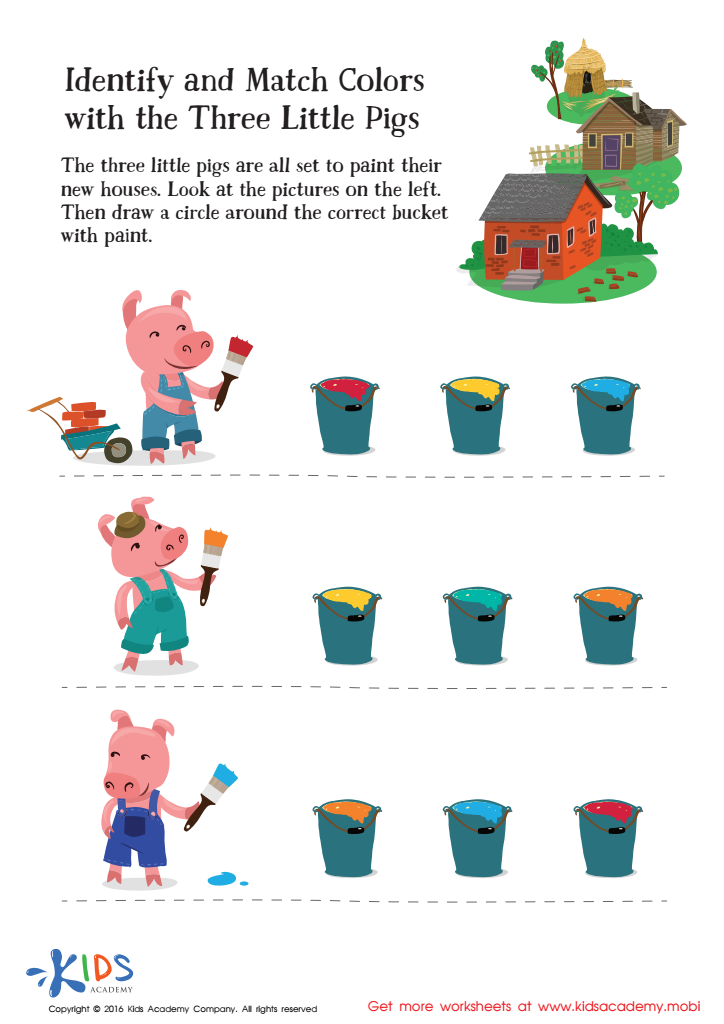
Fairy Tale Worksheet: Identify and Match Colors with Three Little Pigs
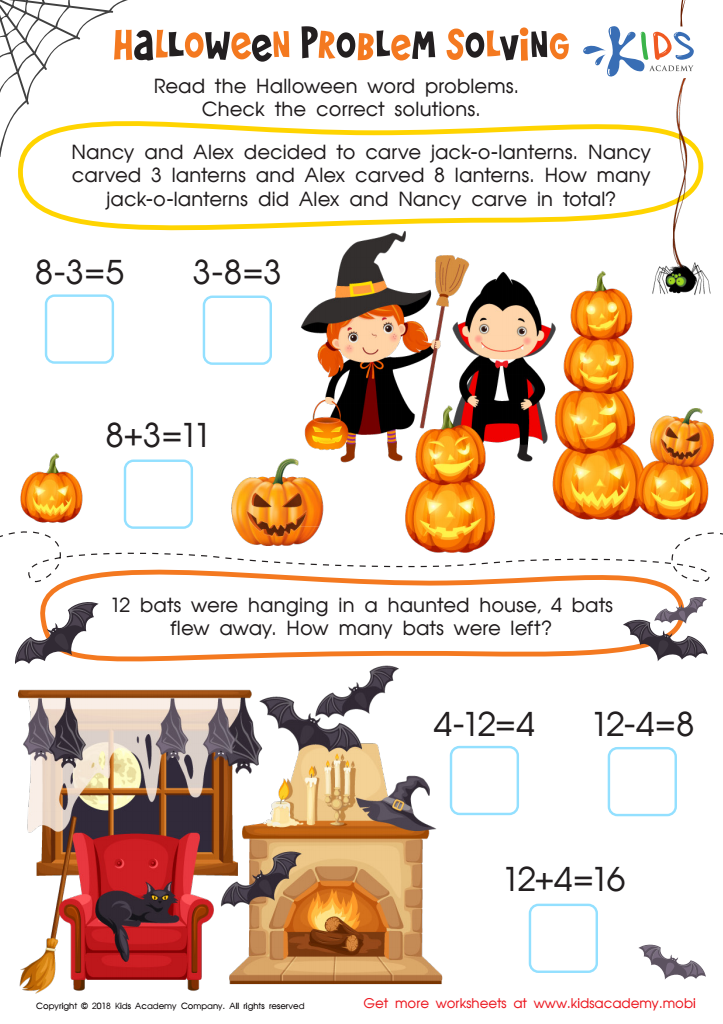
Halloween Problem Solving Worksheet
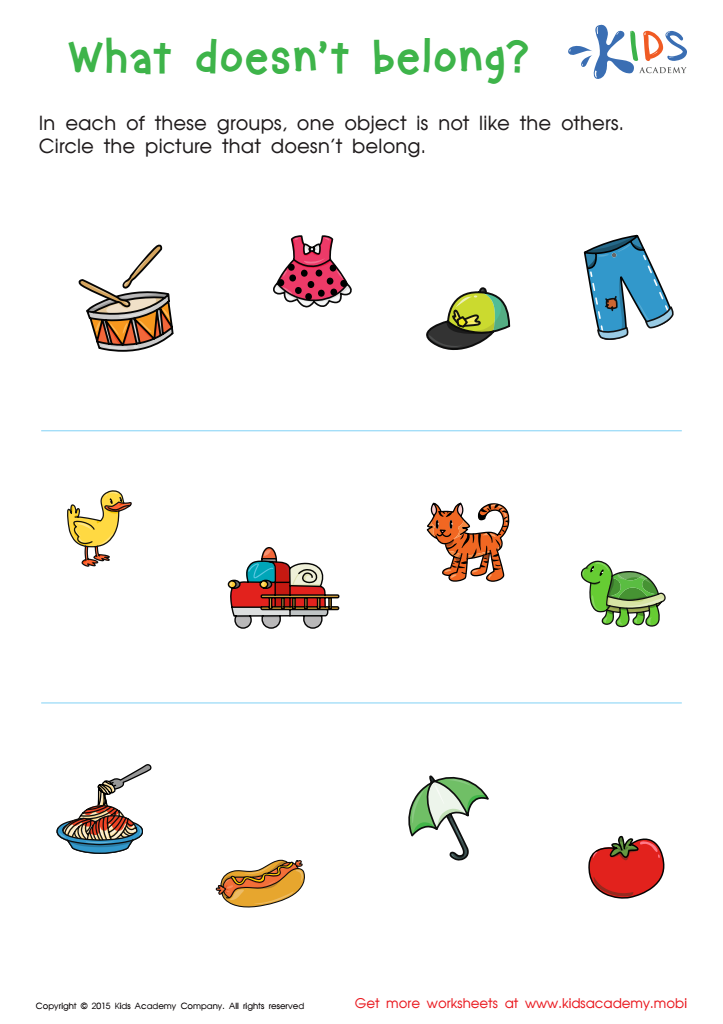
First Words: What Doesn't Belong Worksheet

Cinderella Geometry Maze Worksheet
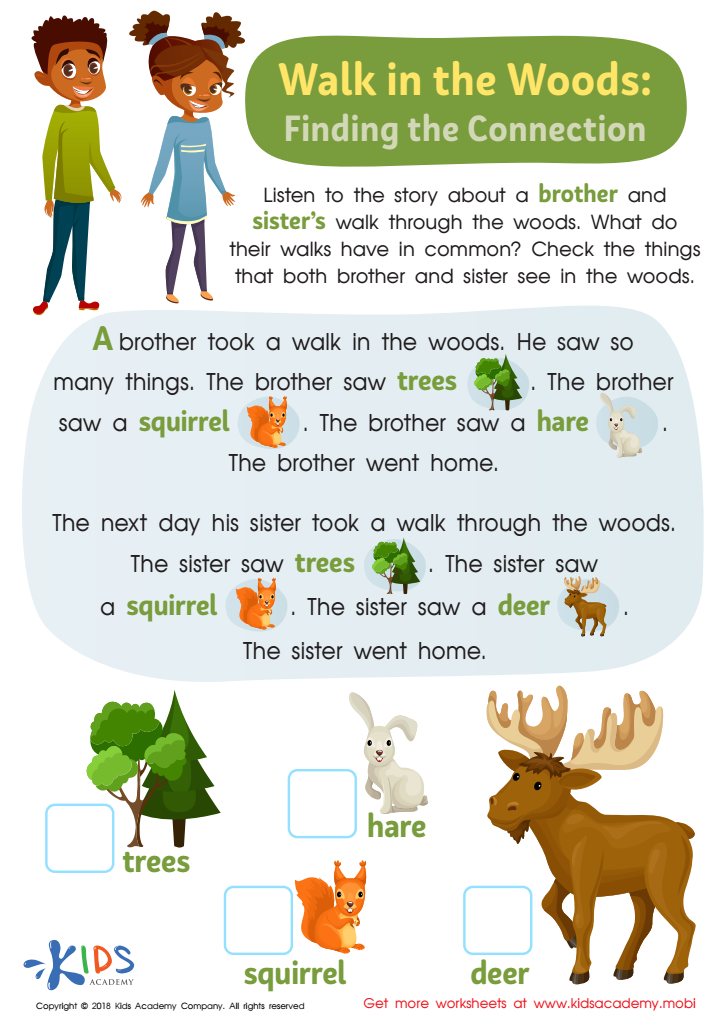
Walk In the Woods: Finding Connections Worksheet
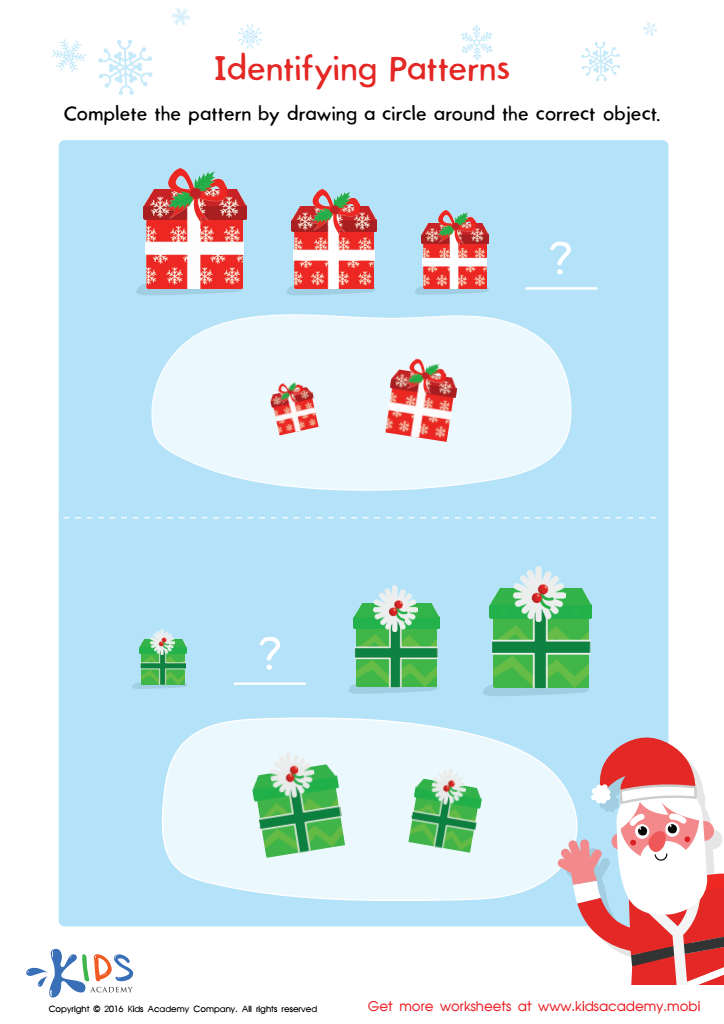
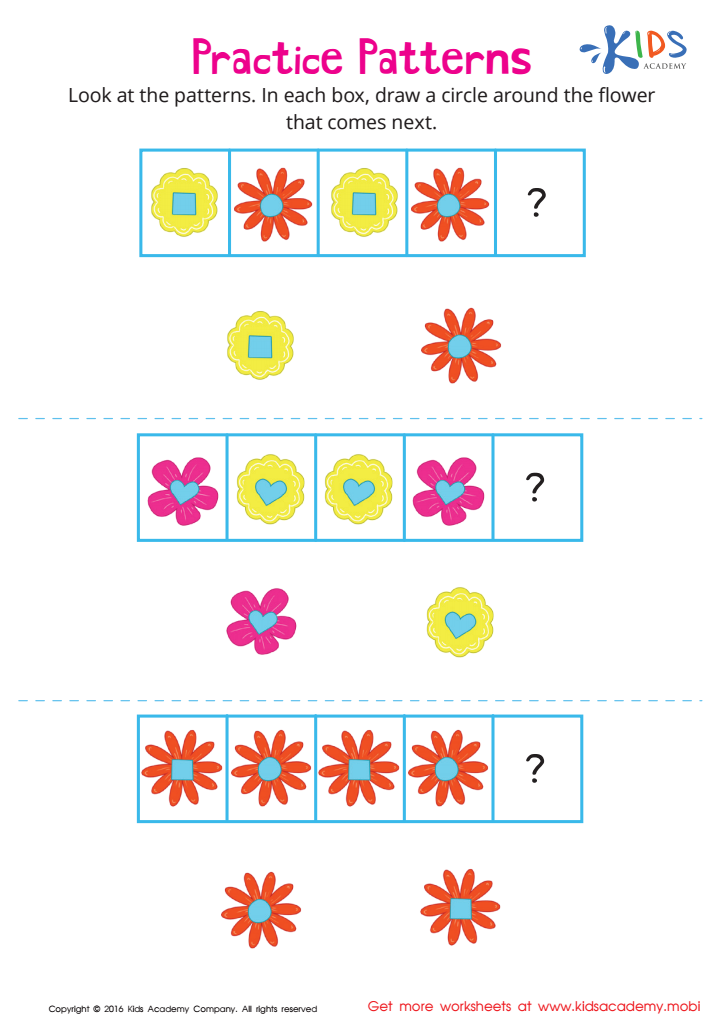
Identifying Patterns Worksheet
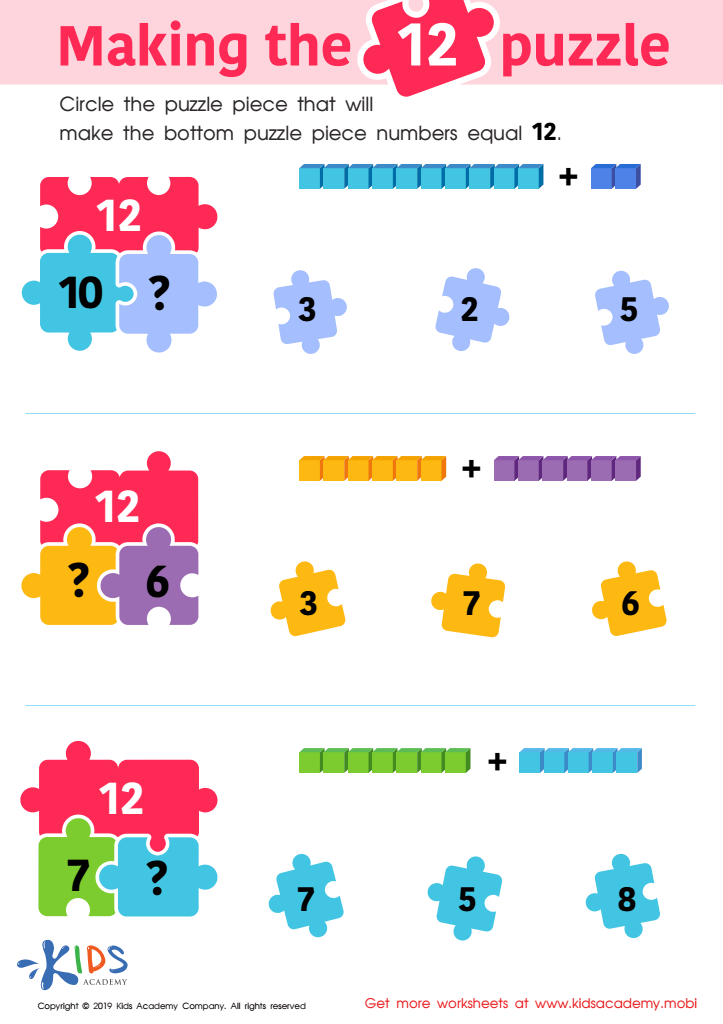
Making the 12 Puzzle Worksheet
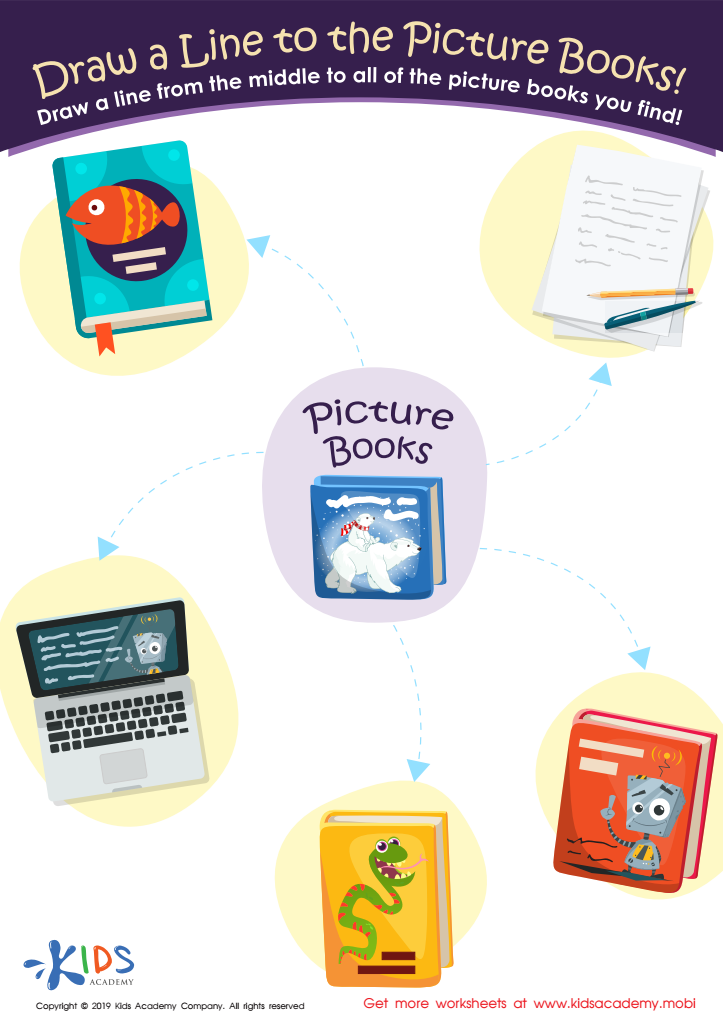
Draw a Line to the Picture Books Worksheet
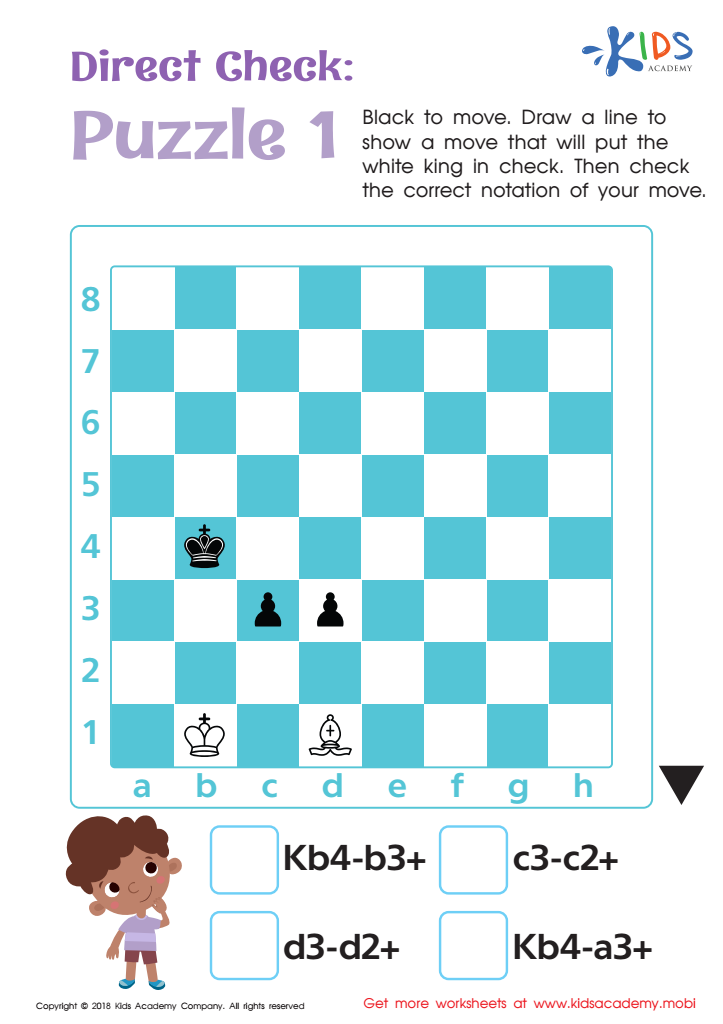
Direct Check: Puzzle 1 Worksheet
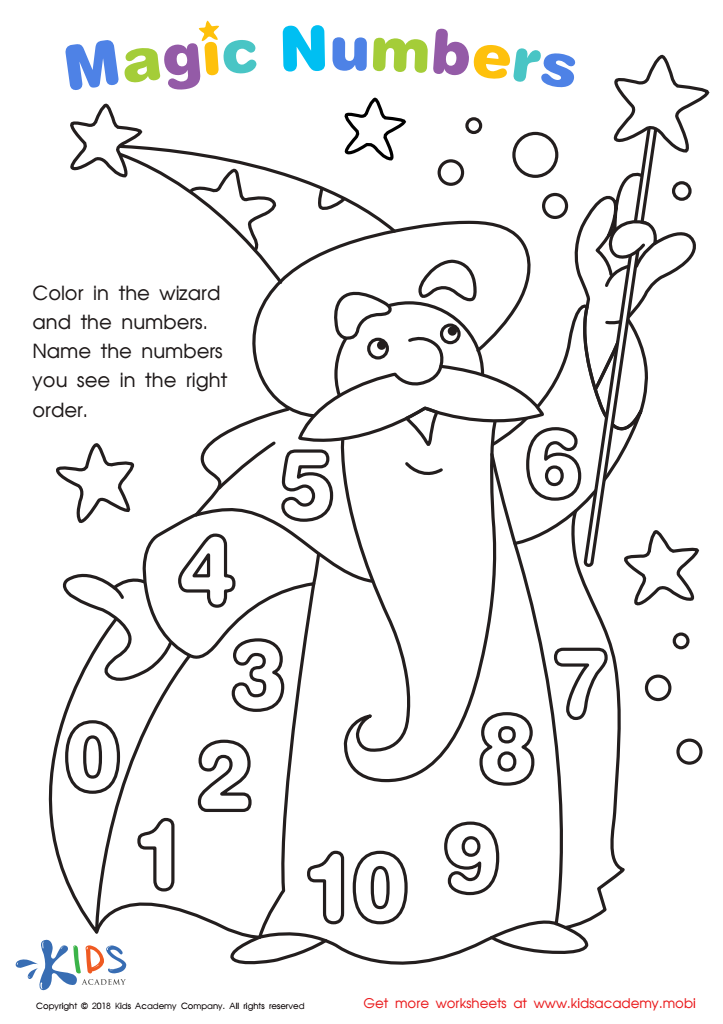
Magic Numbers Worksheet
 Assign to My Students
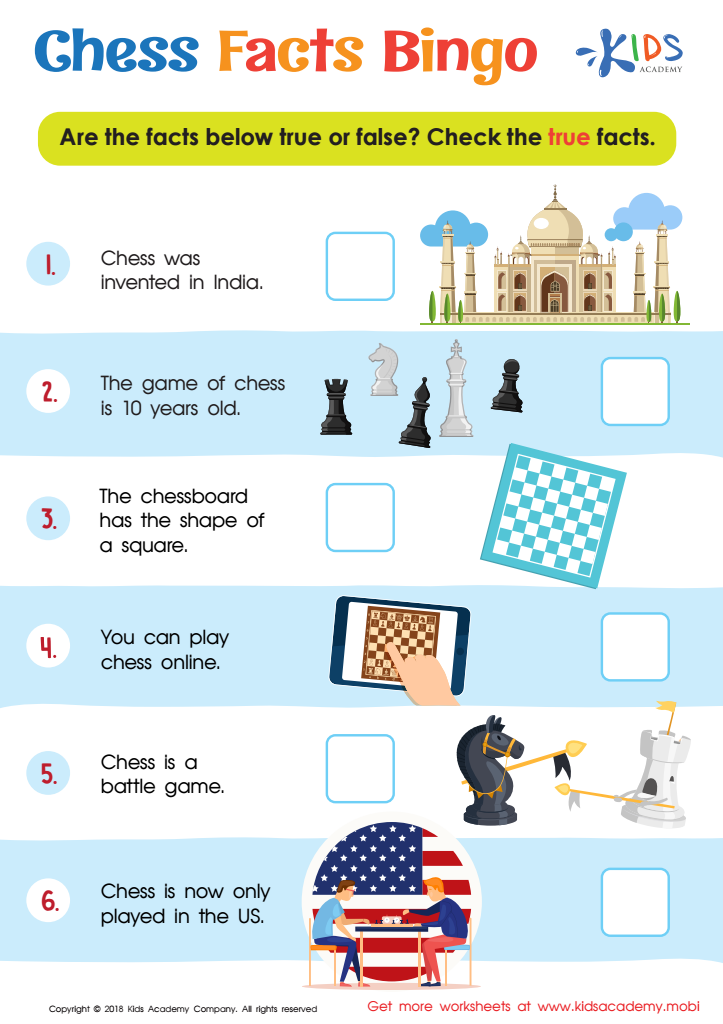
Chess Facts Bingo Worksheet
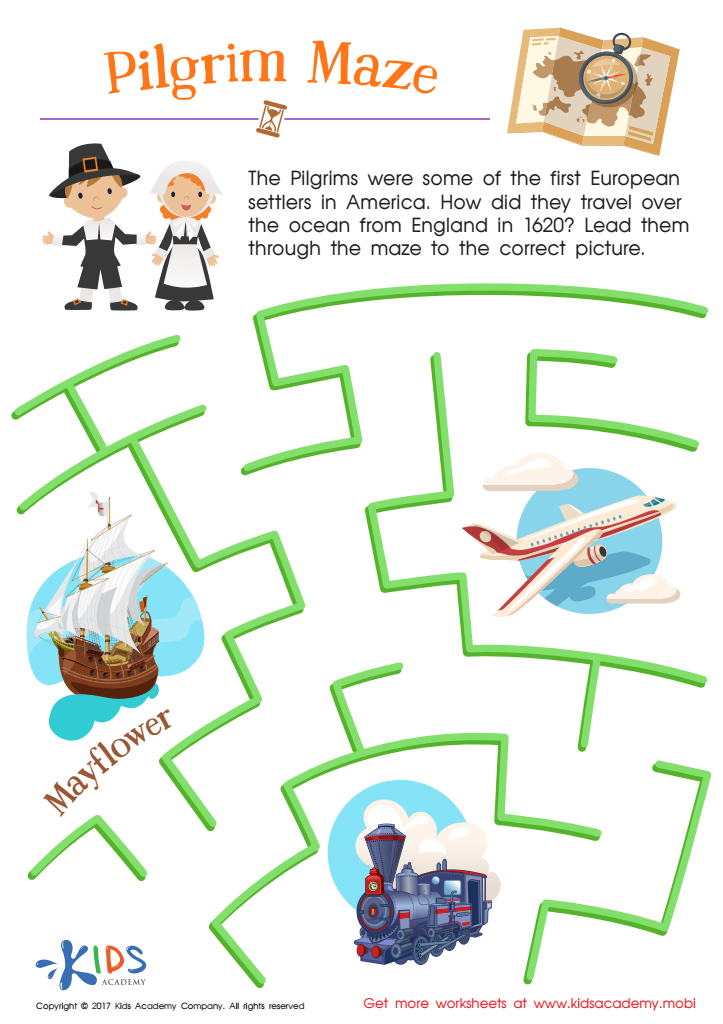
Pilgrim Maze Worksheet
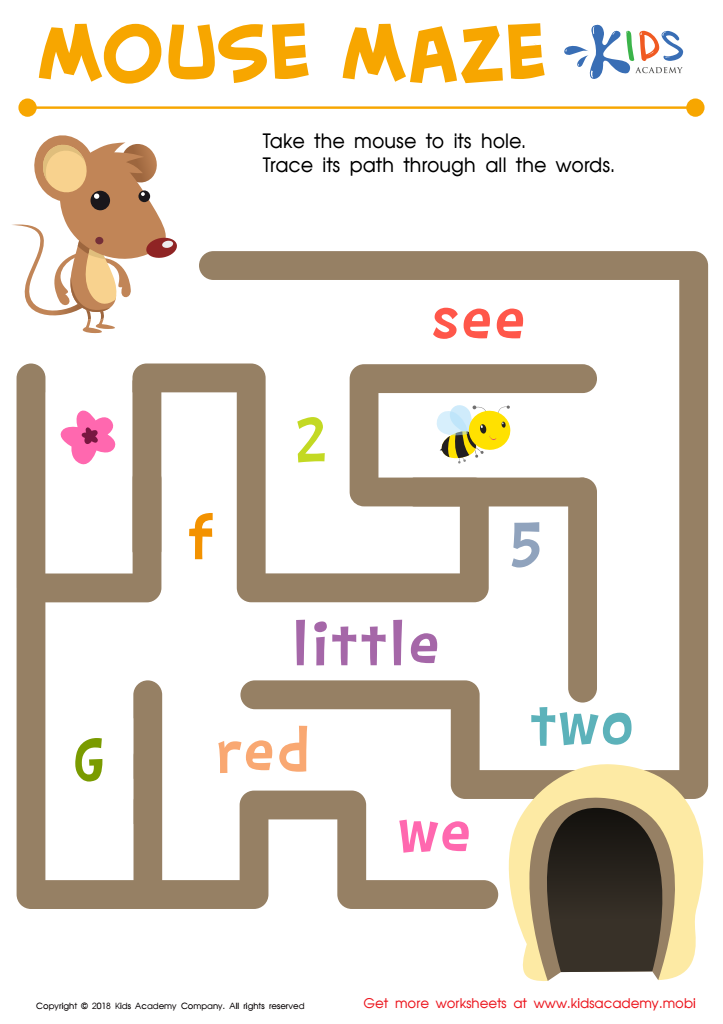
Find Words Mouse Maze Worksheet

Transportation: Steps Worksheet
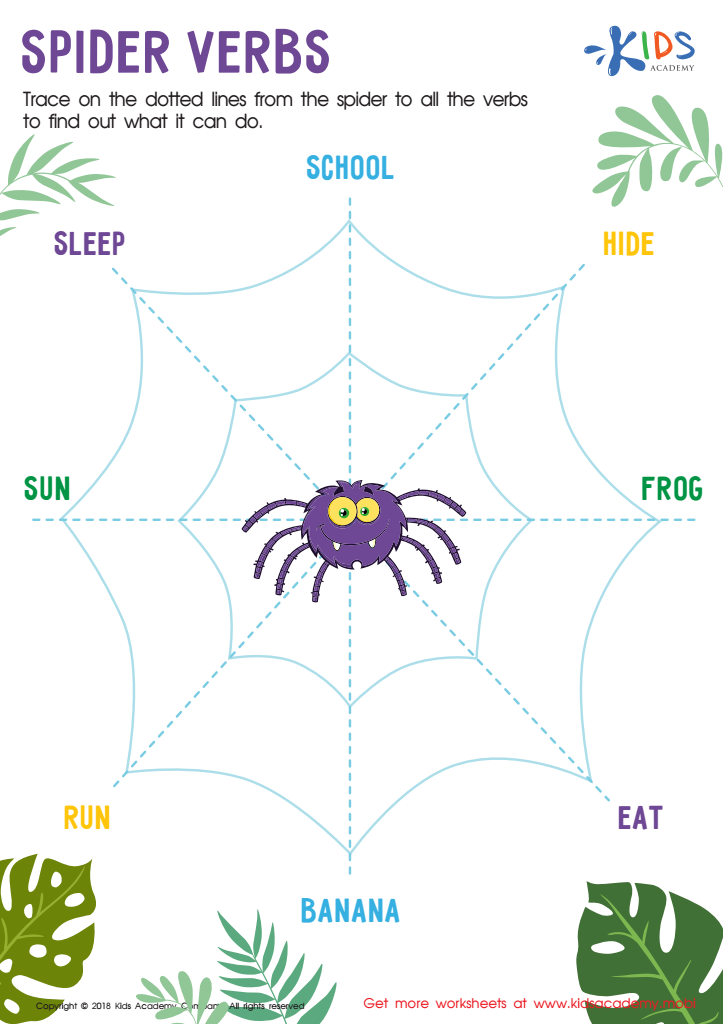
Spider Verbs Worksheet
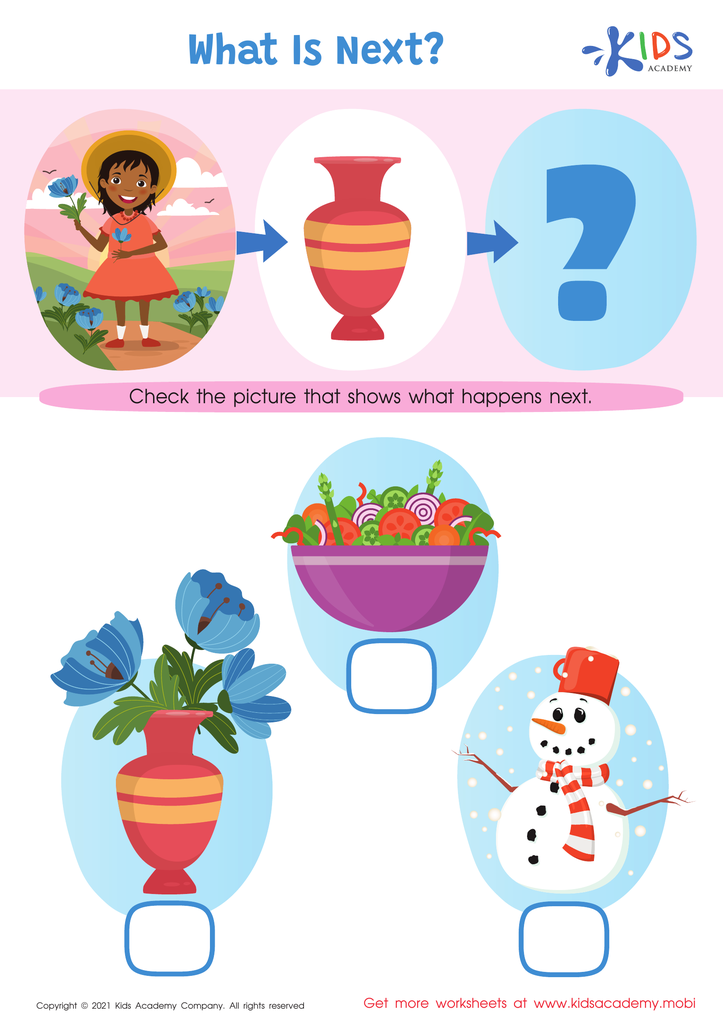
What is Next? Worksheet








Parents and teachers should highly value the development of logical thinking in 5-year-olds because it lays a critical foundation for future academic and life success. At this formative age, children are naturally curious and open to learning new concepts, making it the perfect time to introduce logical thinking skills.
Logical thinking encourages problem-solving abilities and critical thinking, which are essential in both academic settings and everyday life. By fostering these skills early on, we help children learn how to approach challenges systematically, think independently, and make informed decisions. This type of cognitive development is crucial for understanding math, science, and reading comprehension, subjects that require the ability to reason, analyze information, and draw conclusions.
Furthermore, teaching logical thinking can improve a child's social skills. It helps them to understand cause and effect, recognize patterns, and predict outcomes. This understanding enhances their ability to navigate social interactions and develop empathy, as they begin to anticipate how their actions affect others.
Encouraging logical thinking also boosts a child's confidence as they learn to solve problems on their own. This self-assurance can lead to a positive attitude toward learning and a lifelong passion for exploration and discovery.
In summary, nurturing logical thinking in young children equips them with essential cognitive tools, promotes academic readiness, enhances social skills, and builds confidence, making it a fundamental element of early childhood education.








