Phonics Skills Vowels Worksheets for Ages 6-7 - Page 2
37 filtered results
-
From - To
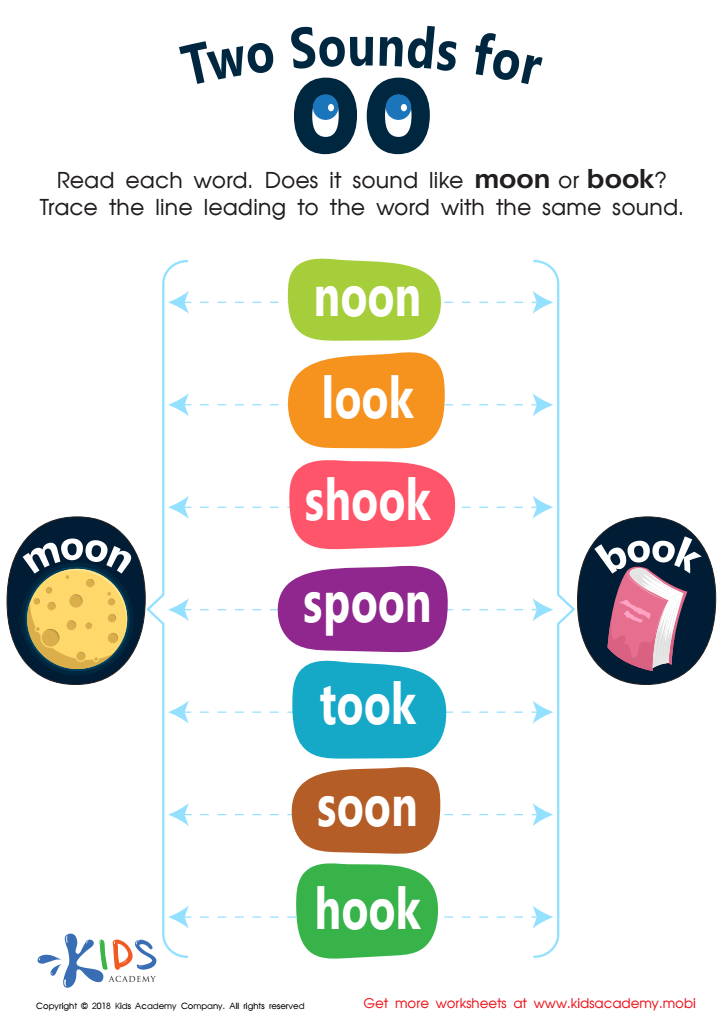
Two Sounds for OO Worksheet
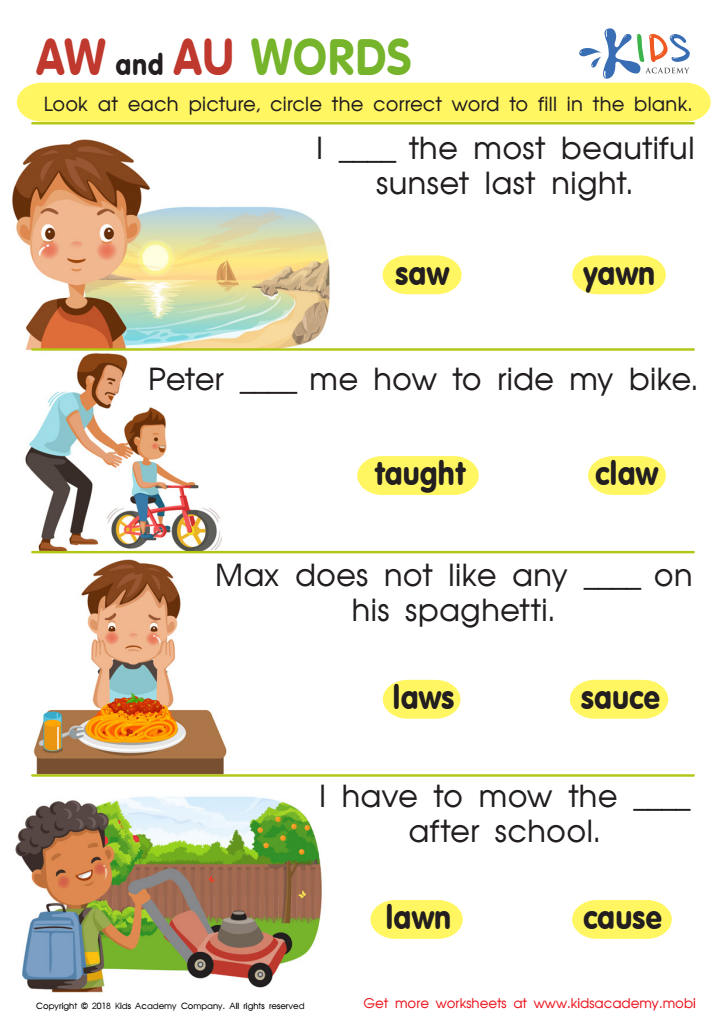
Reading: AW and AU Words Worksheet
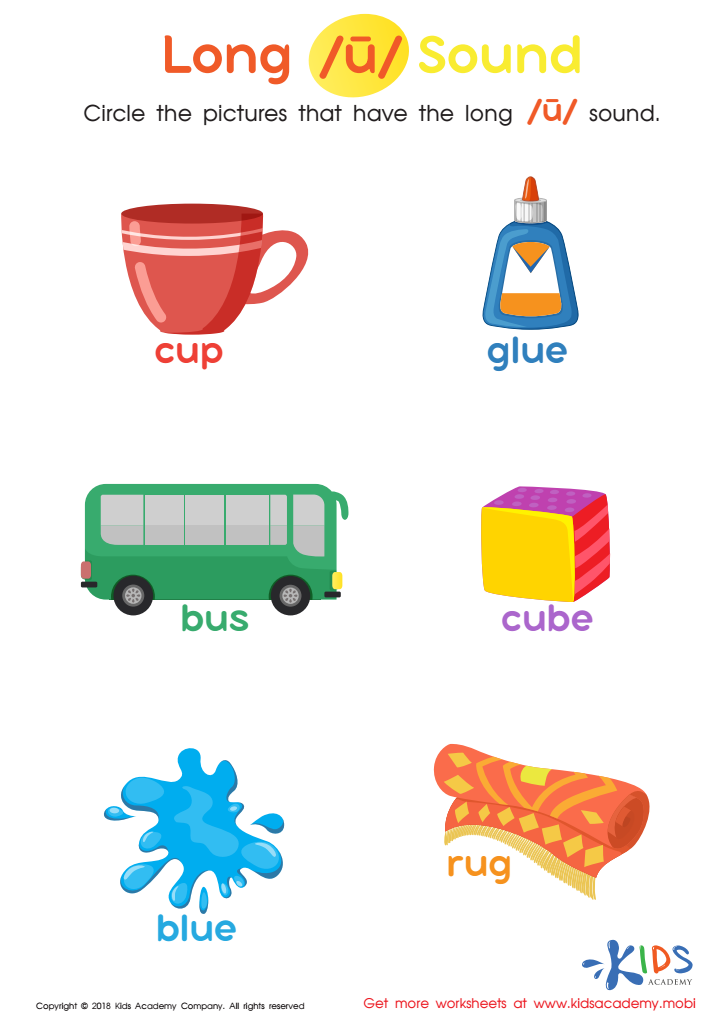
Long «u» Sound Worksheet
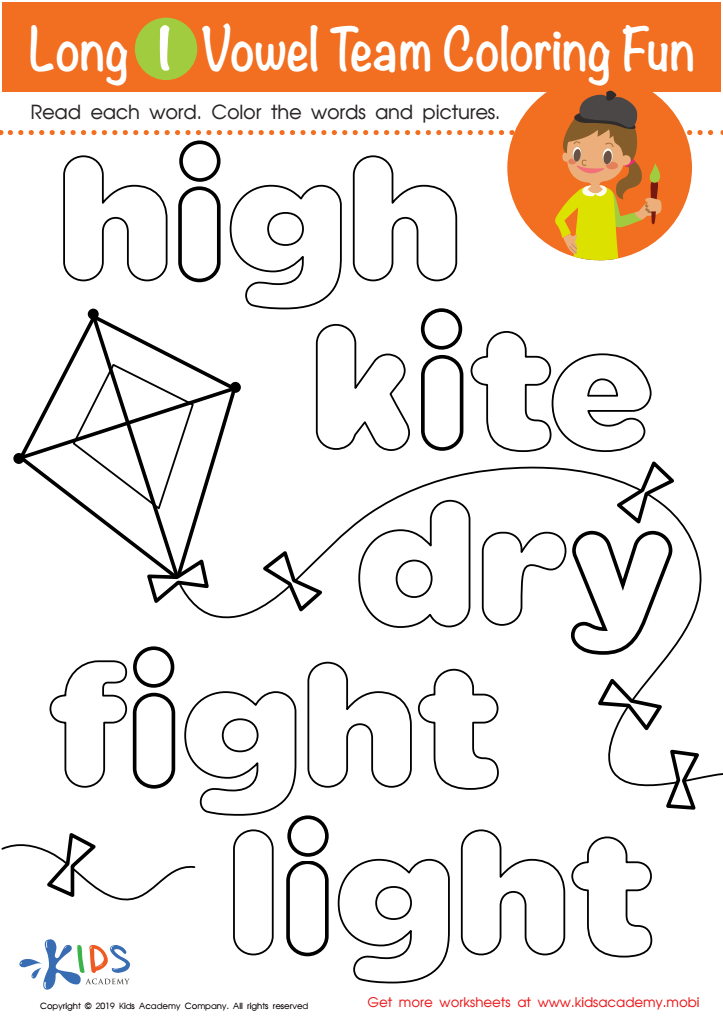
Long I Vowel Team Coloring Worksheet
 Assign to My Students
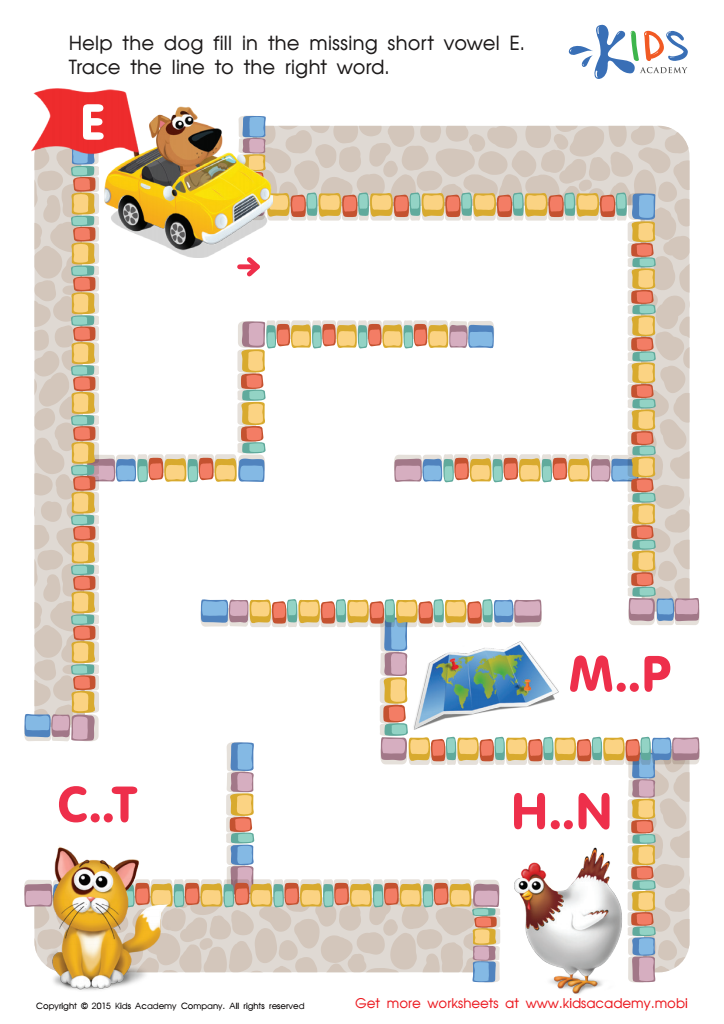
Short Vowel Sound E Worksheet
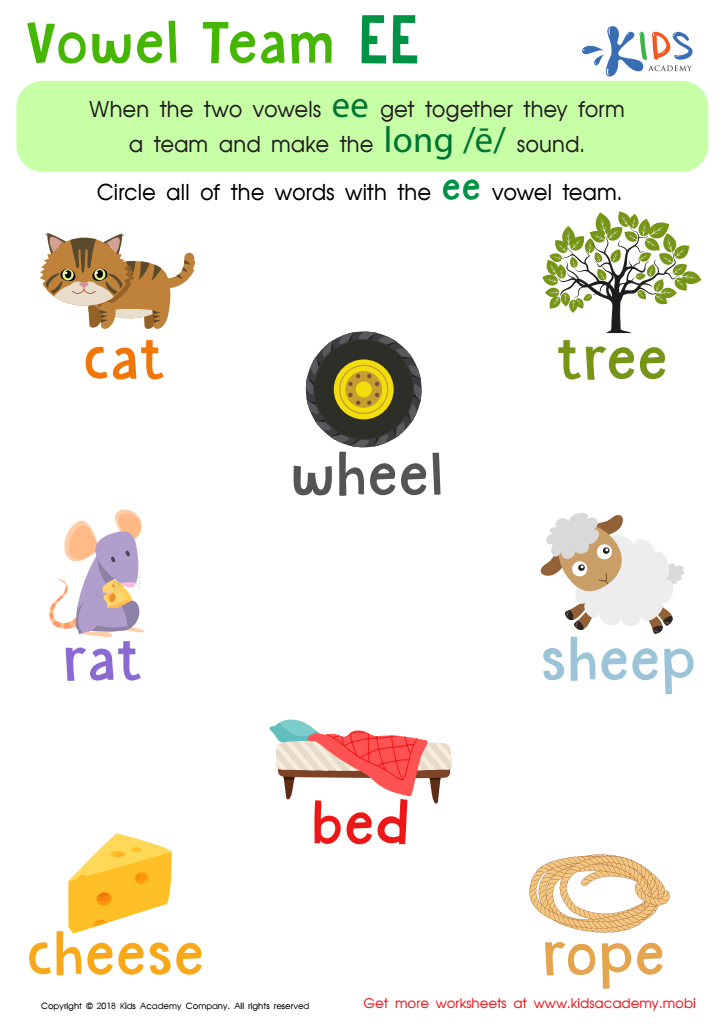
Reading: Vowel Team EE Worksheet
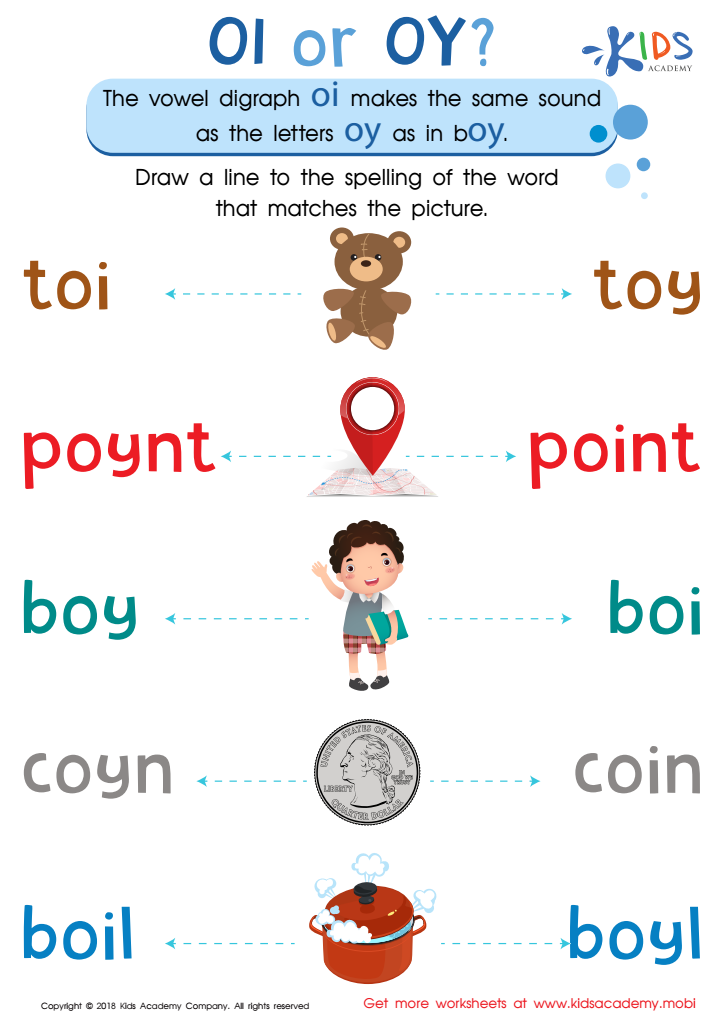
Reading: OI and OY Worksheet
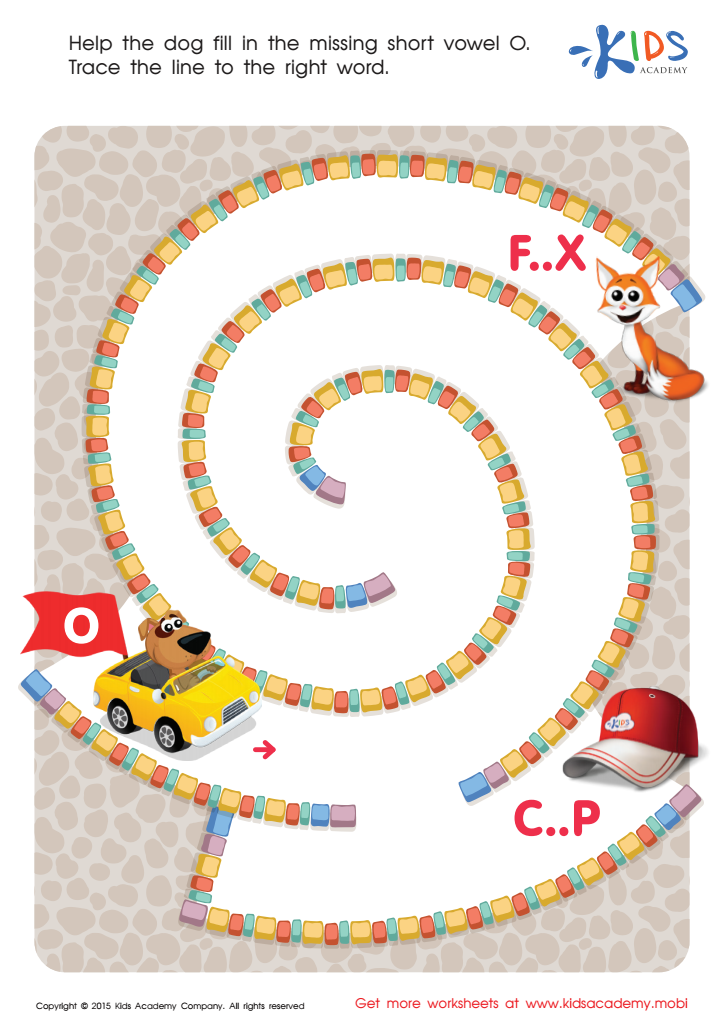
Short Vowel Sound O Worksheet
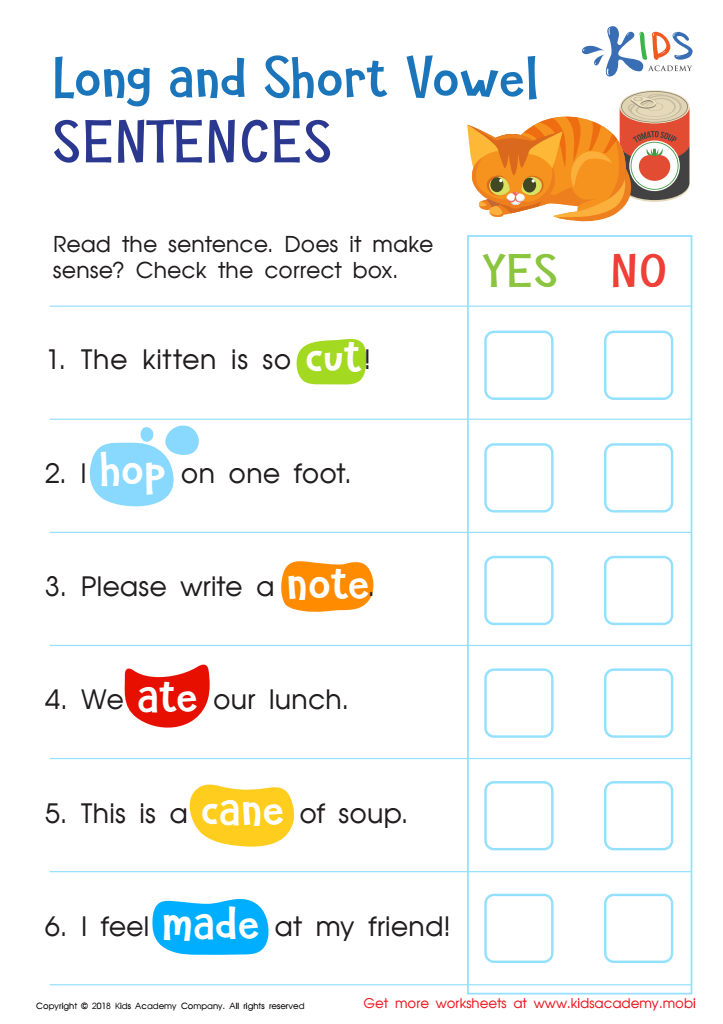
Long and Short Vowel Sentences: Assessment Worksheet
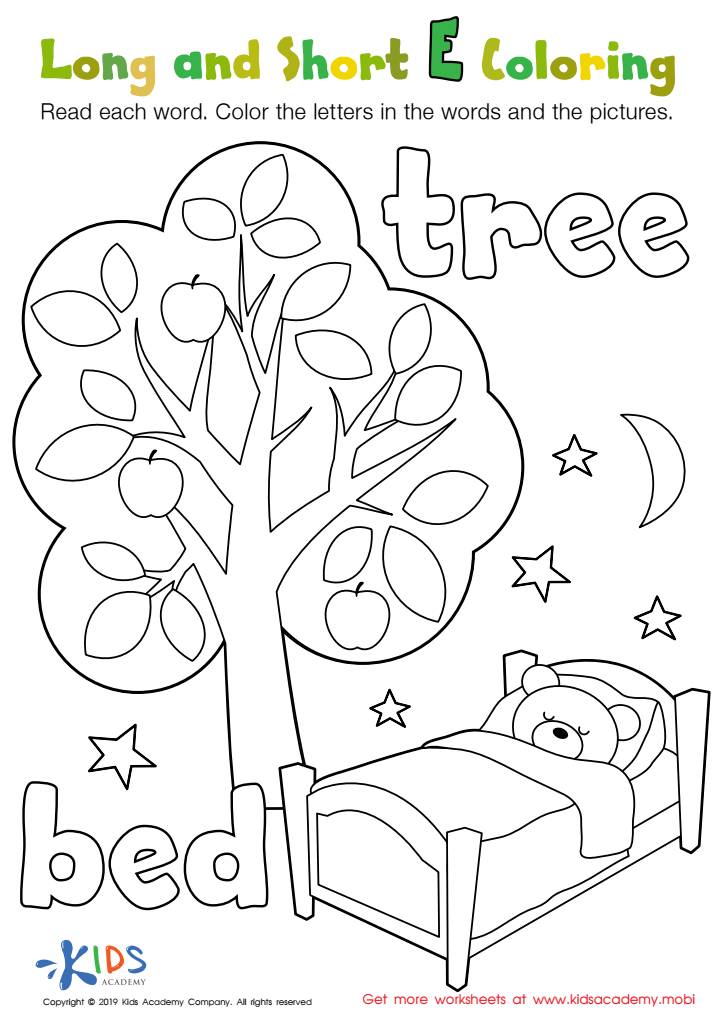
Long and Short E Worksheet
Assign to My Students
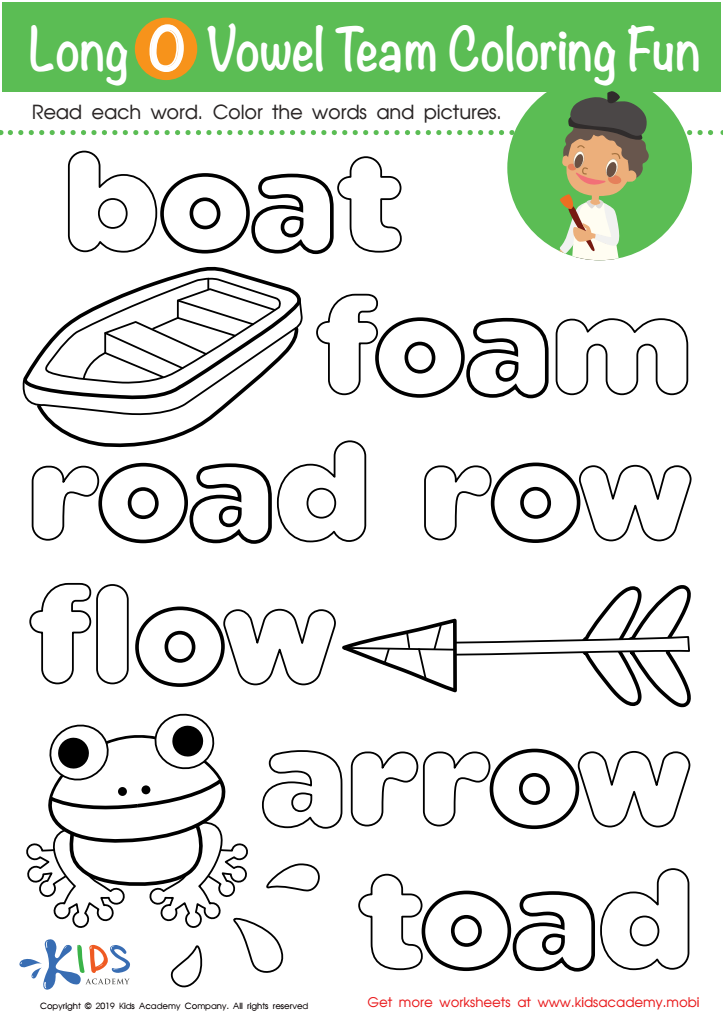
Long O Vowel Team Coloring Worksheet
Assign to My Students
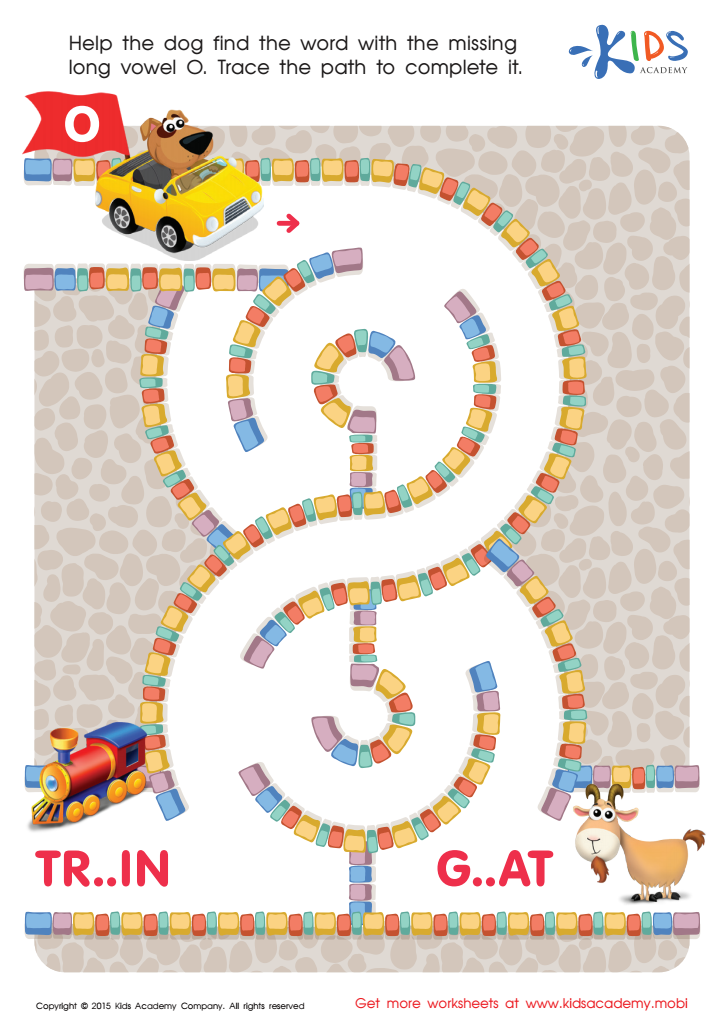
Long Vowel Sound O Worksheet
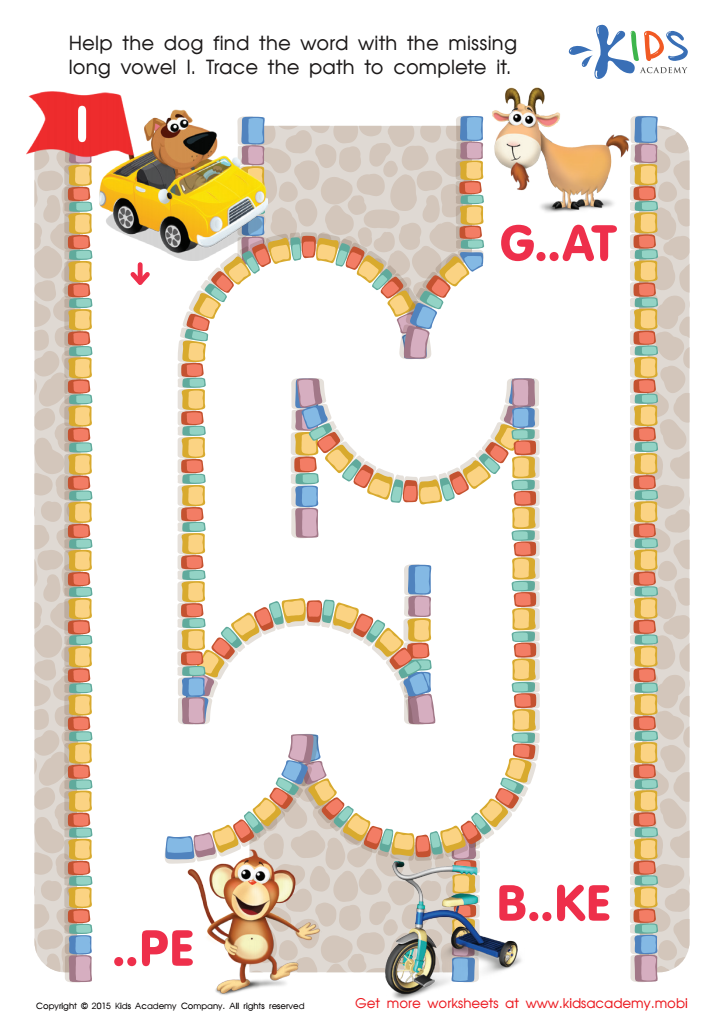
Long Vowel Sound I Worksheet





Parents and teachers should prioritize phonics skills, particularly vowels, for children aged 6-7 because this foundational knowledge plays a crucial role in literacy development. At this age, children are transitioning from learning to read to reading to learn. Mastery of vowel sounds, including both short and long vowels, enables them to decode words accurately, paving the way for fluent reading.
Understanding vowels enhances children's ability to recognize word patterns, which is vital for spelling and vocabulary expansion. For instance, differentiating between 'bat' and 'bait' hinges on vowel sound recognition. As children encounter more complex texts, strong phonics skills enable them to tackle unfamiliar words independently, fostering confidence and encouraging a love for reading.
Moreover, solid phonics foundations support overall academic achievement. Reading proficiency impacts performance across subjects, and when children are skilled in recognizing and utilizing vowel sounds, they can better engage with the curriculum. Struggling with this facet of reading can lead to frustration, impacting motivation and self-esteem.
In essence, fostering vowel phonics skills for young learners not only enhances their immediate reading abilities but also sets them up for long-term success in school and beyond.







