Letter recognition Worksheets for Ages 6-7
89 filtered results
-
From - To
Unlock the world of literacy for your child with our expertly crafted Letter Recognition Worksheets for ages 6-7. Designed to make learning fun and engaging, these worksheets introduce young learners to the letters of the alphabet through interactive and colorful activities. Each worksheet is tailored to reinforce letter recognition, enhance reading readiness, and build a strong phonics foundation. Perfect for classroom use or at-home practice, our worksheets help develop essential skills in a playful environment. Let your child’s literacy journey begin with resources that nurture curiosity, confidence, and a love for reading.
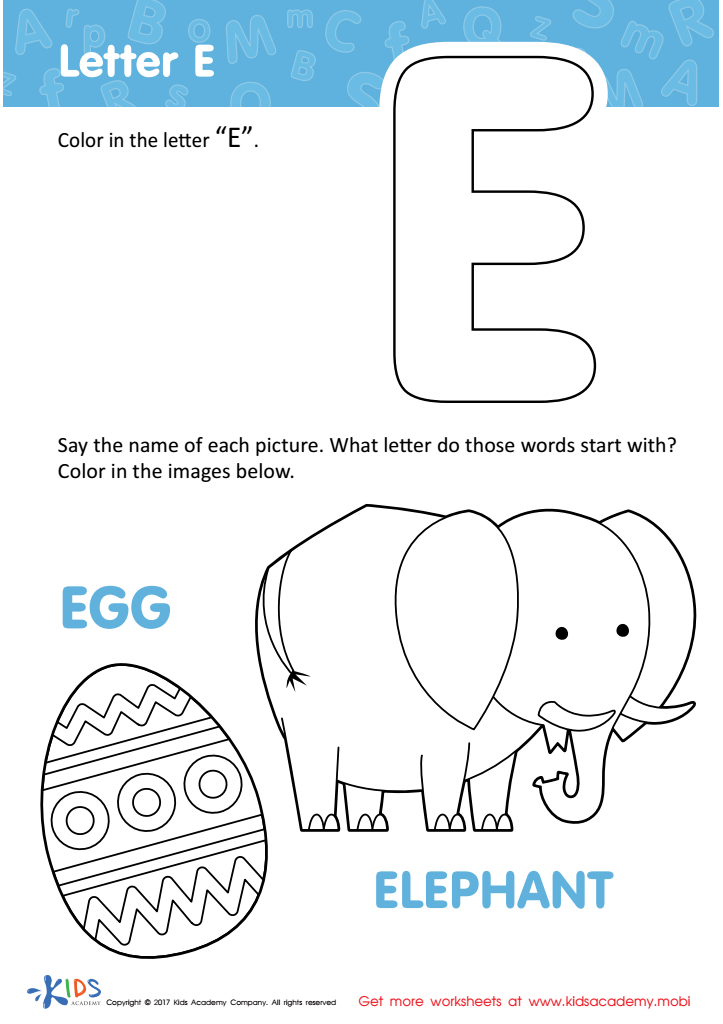
Letter E Coloring Sheet
 Assign to My Students
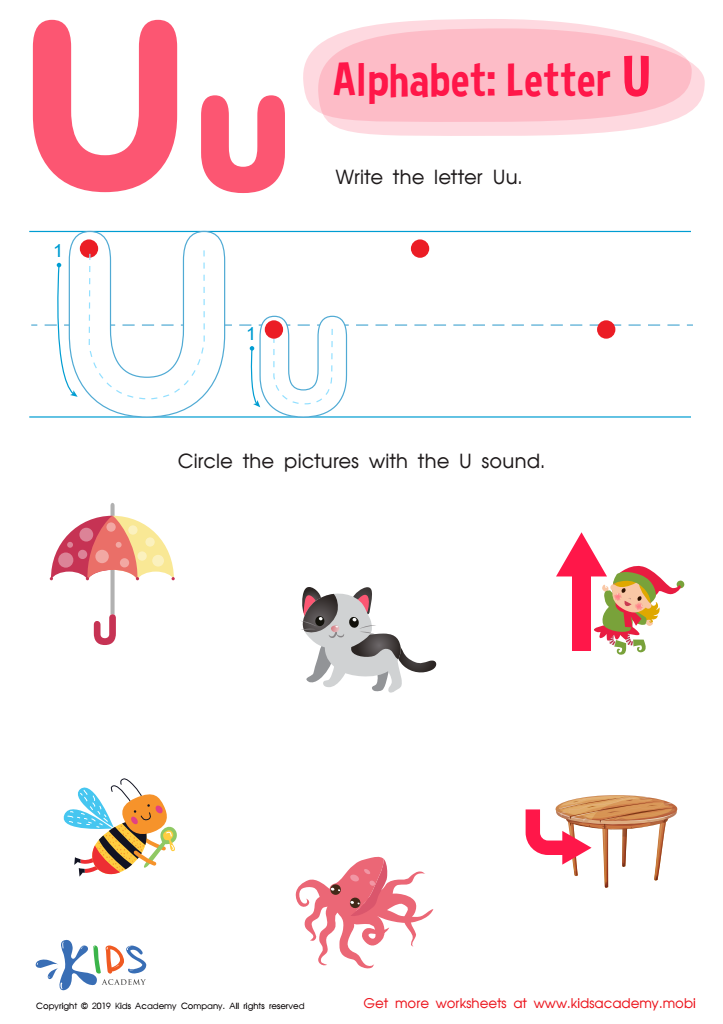
Letter U Tracing Worksheet
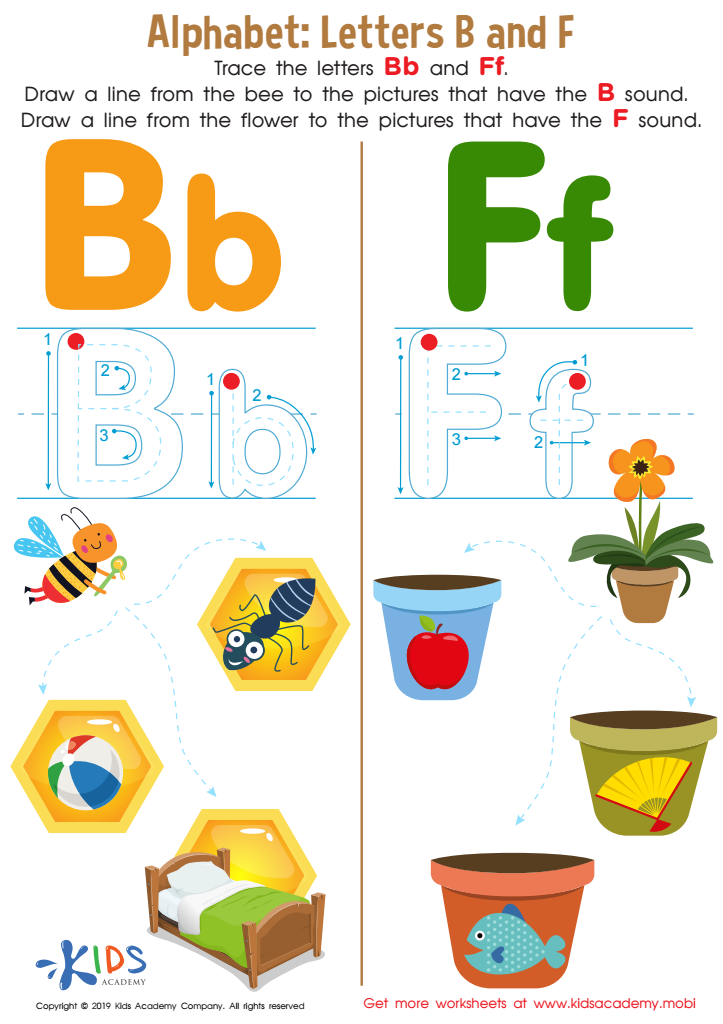
Letters B and F Tracing Worksheet
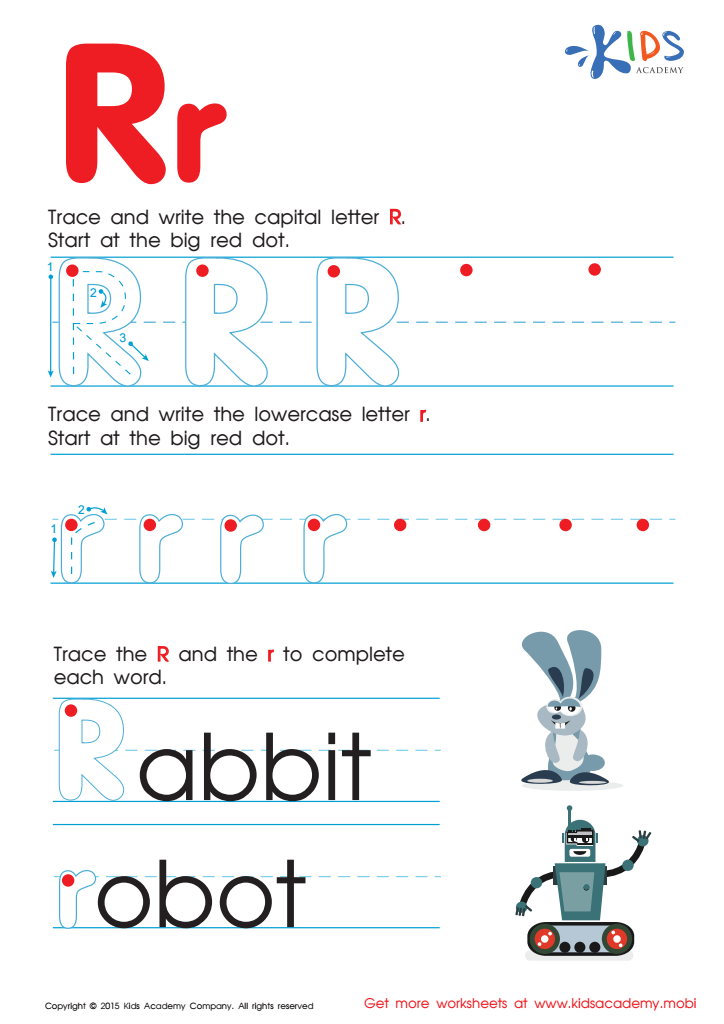
Letter R Tracing Page
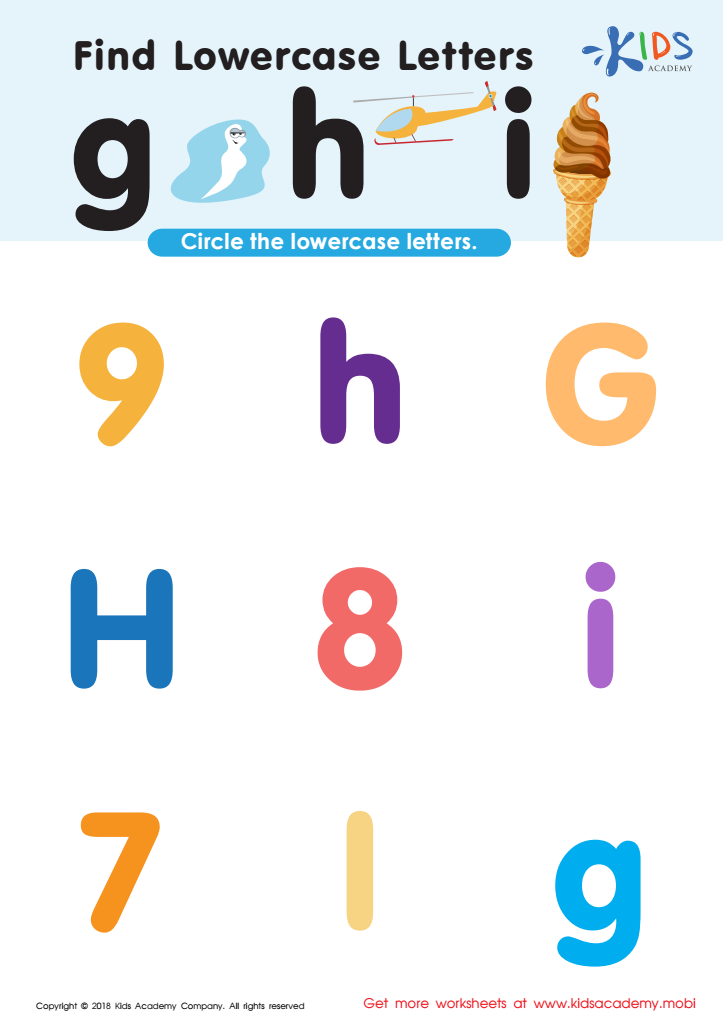
Find Lowercase Letters g h i Worksheet
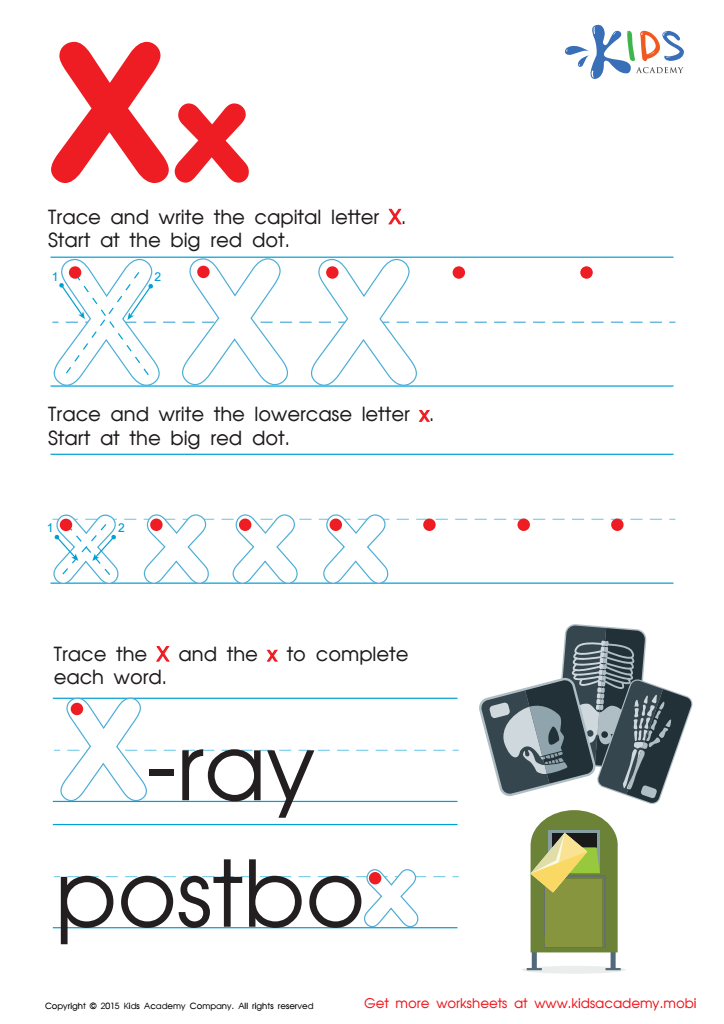
Letter X Tracing Page
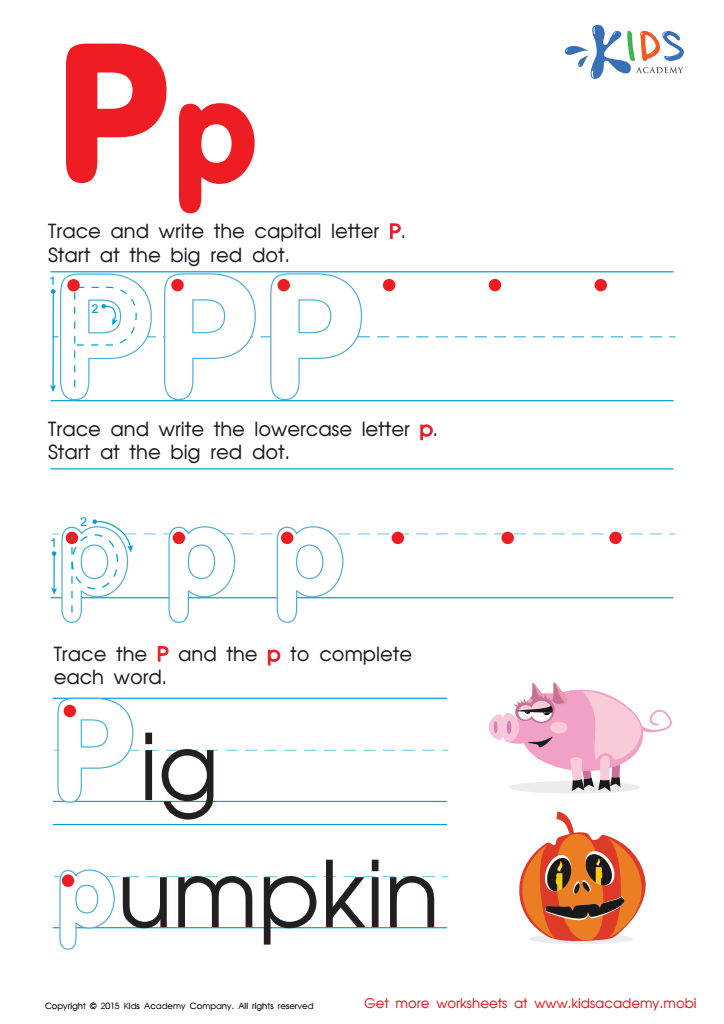
Letter P Tracing Page
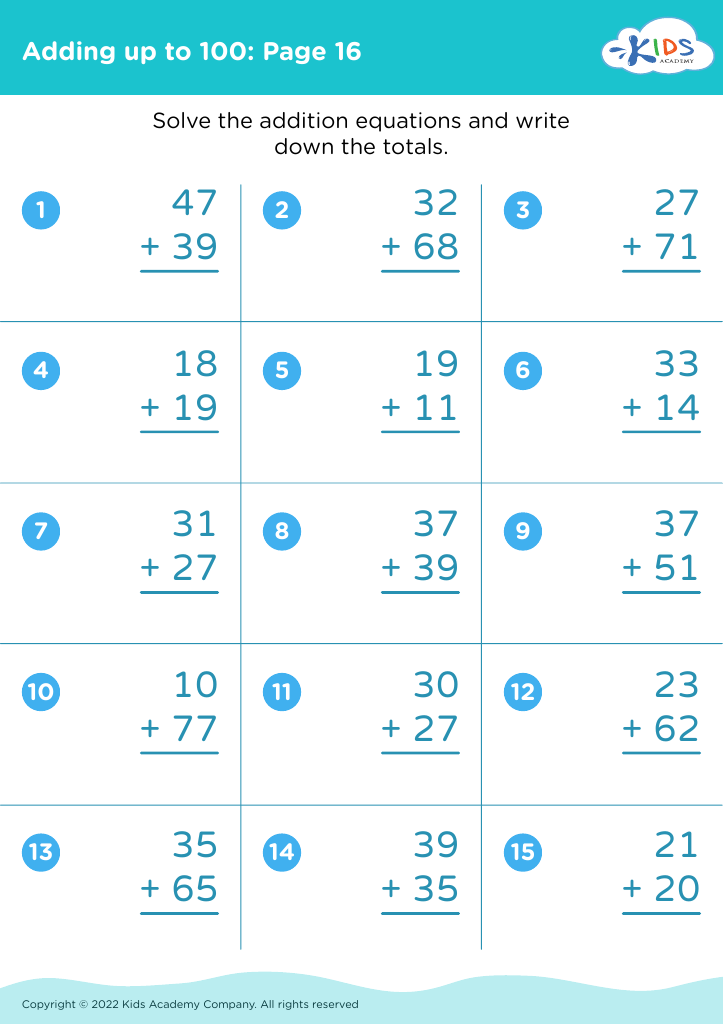
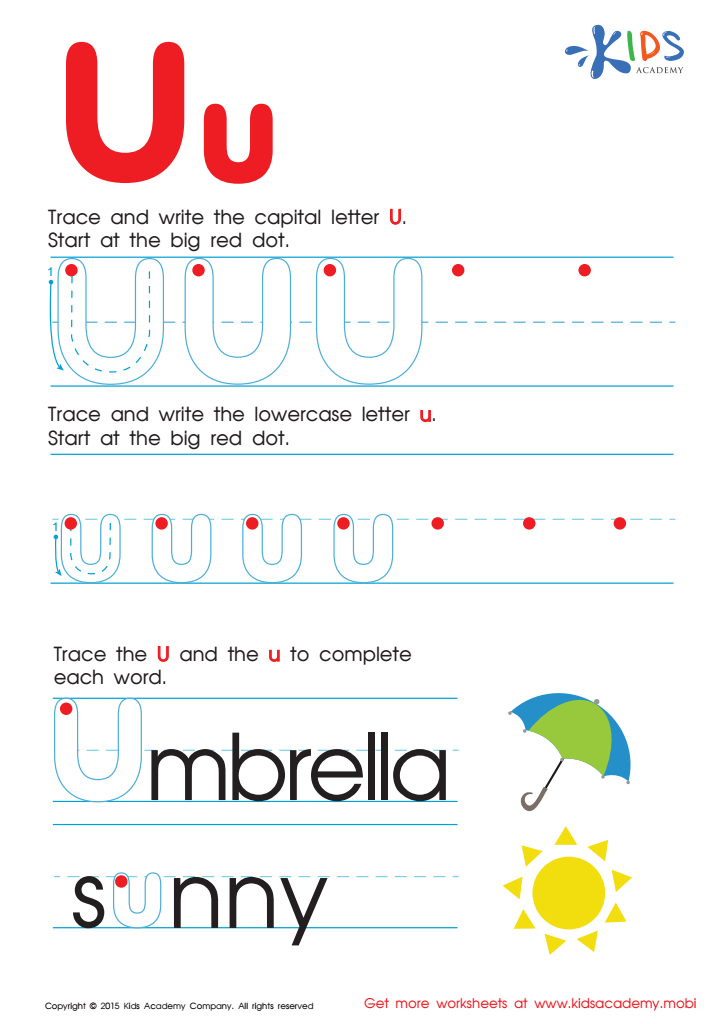
Letter U Tracing Page
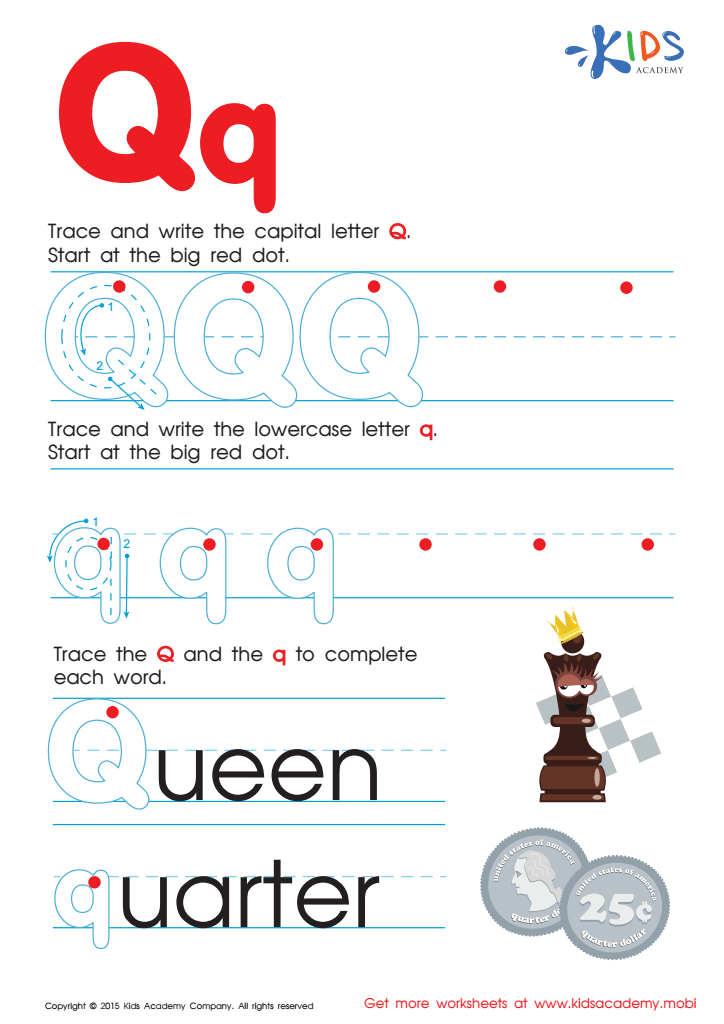
Letter Q Tracing Page
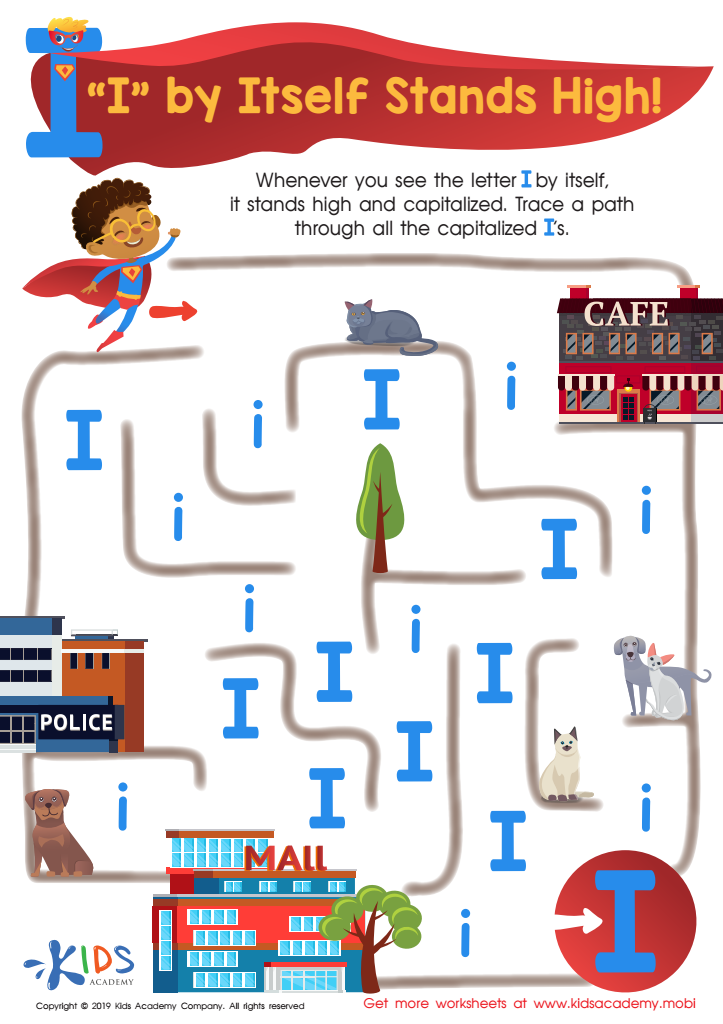
I Stands High Worksheet
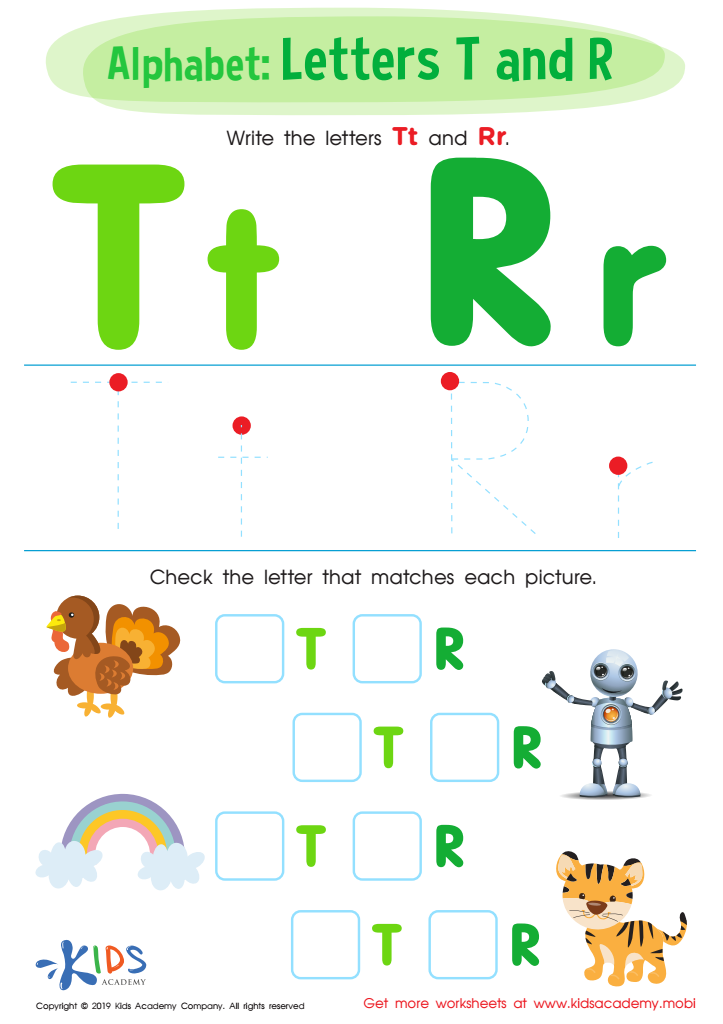
Letters T and R Worksheet
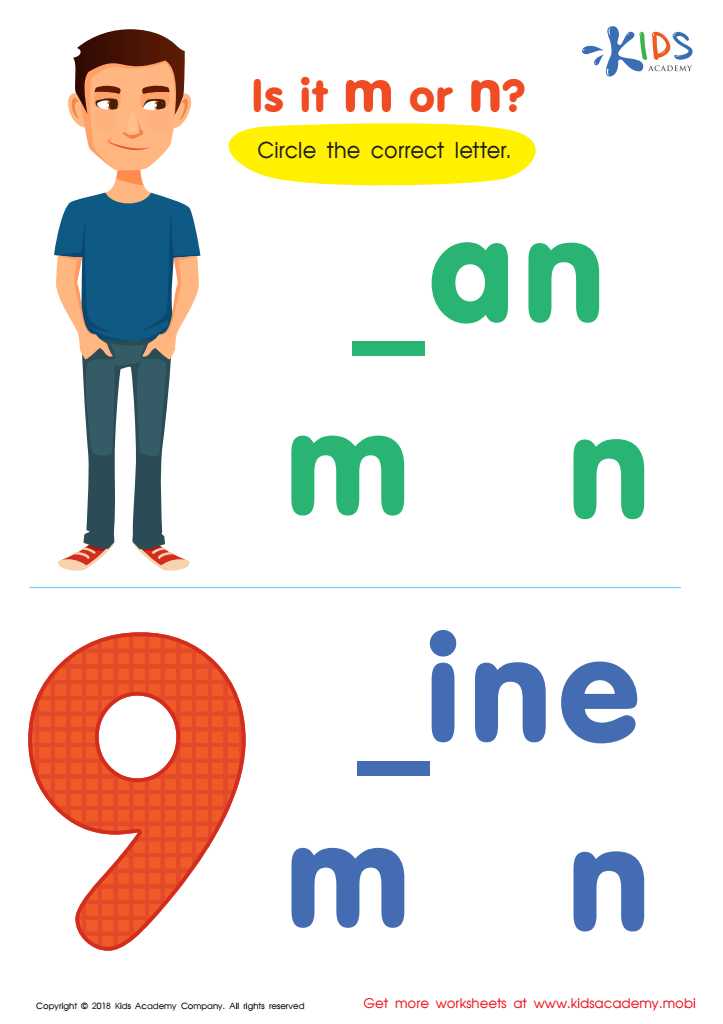
Is It m or n? Worksheet
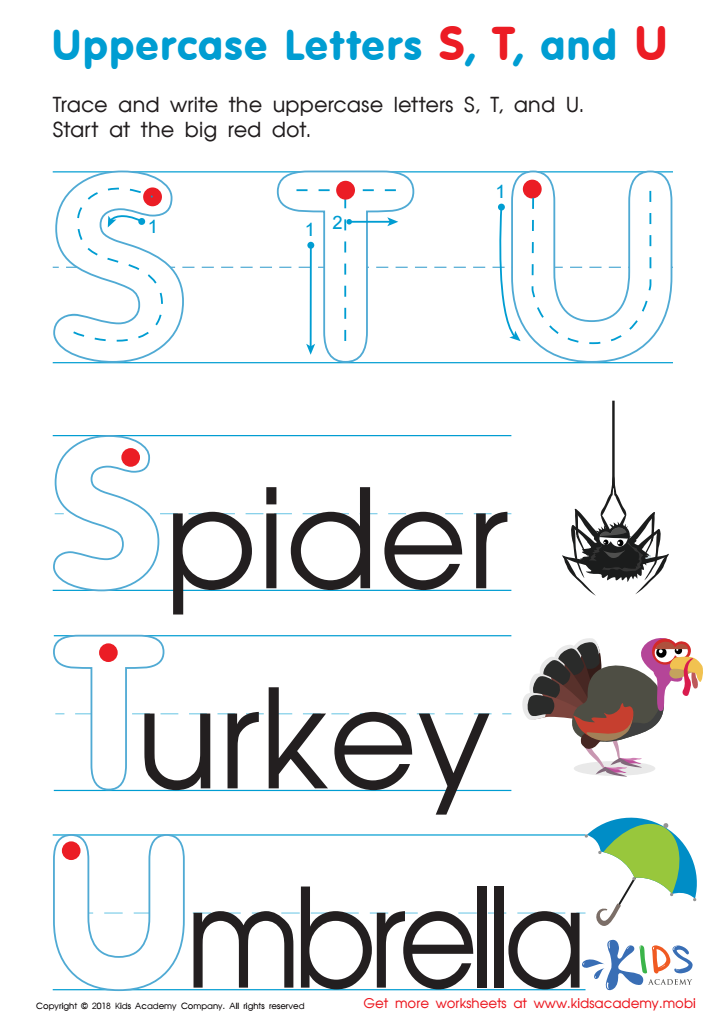
Uppercase Letters S, T, and U Worksheet
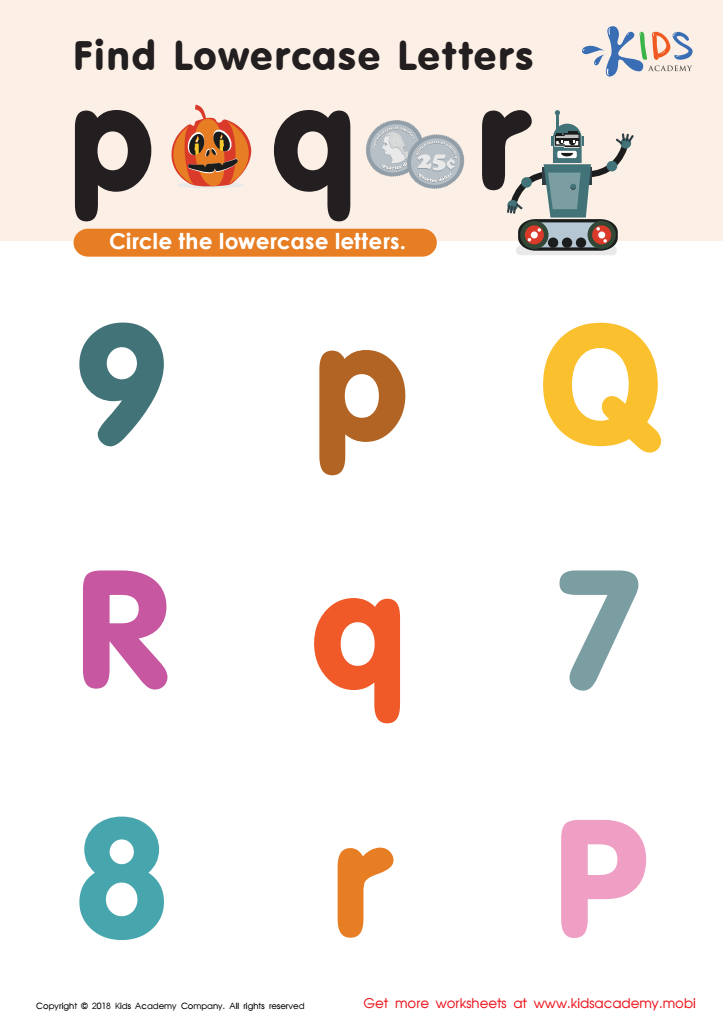
Find lowercase Letters p q r Worksheet
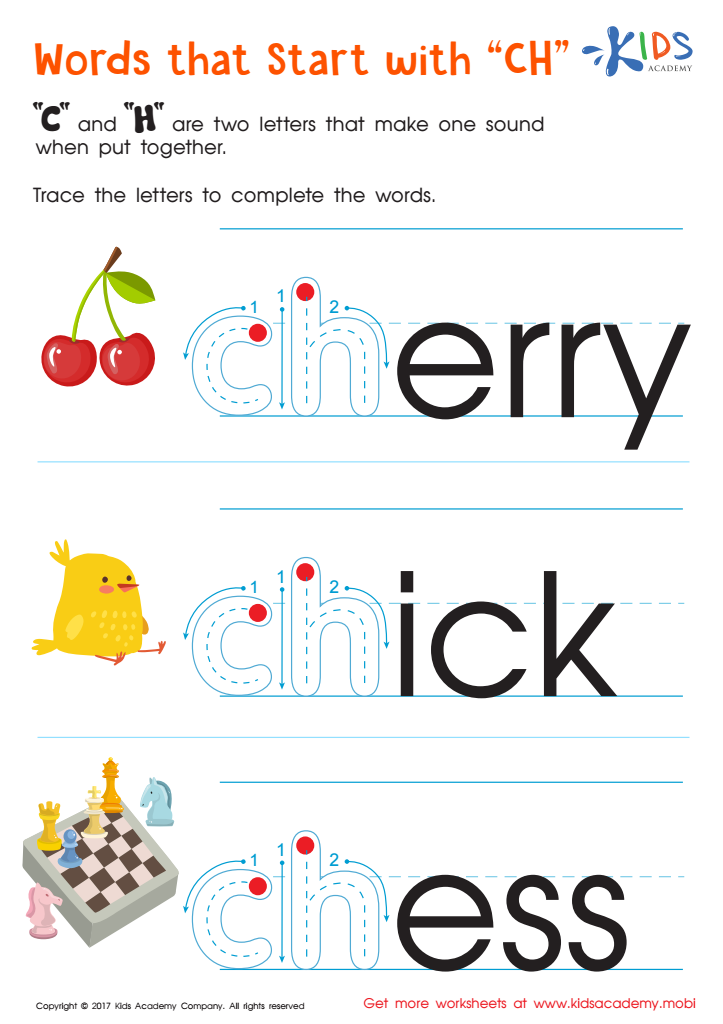
Words That Start with "ch" Spelling Worksheet
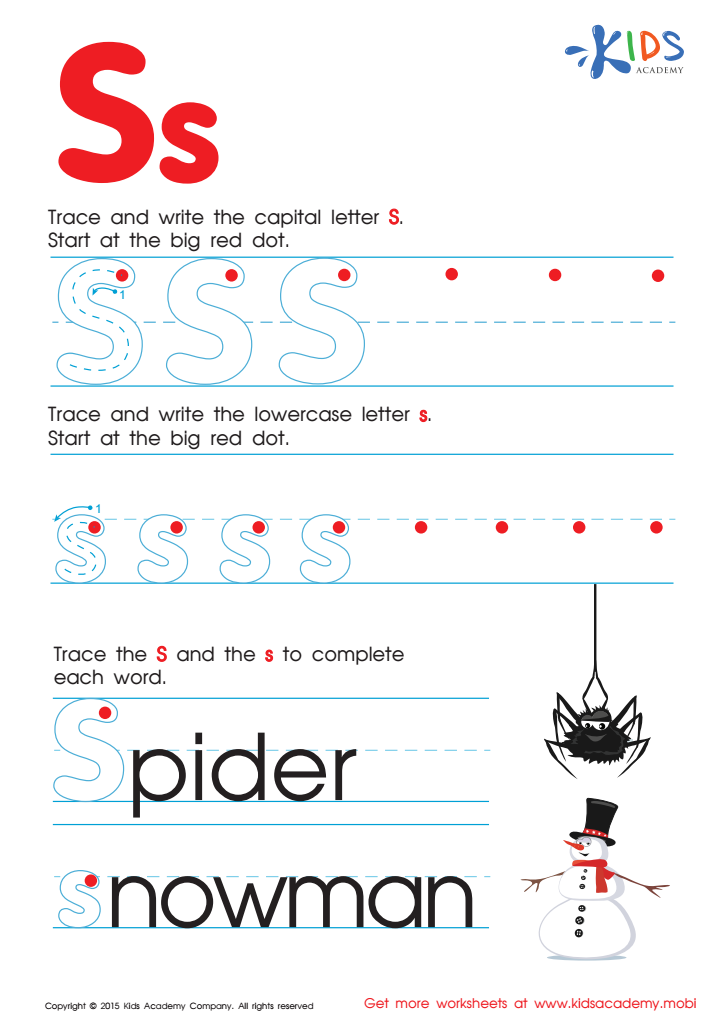
Letter S Tracing Page
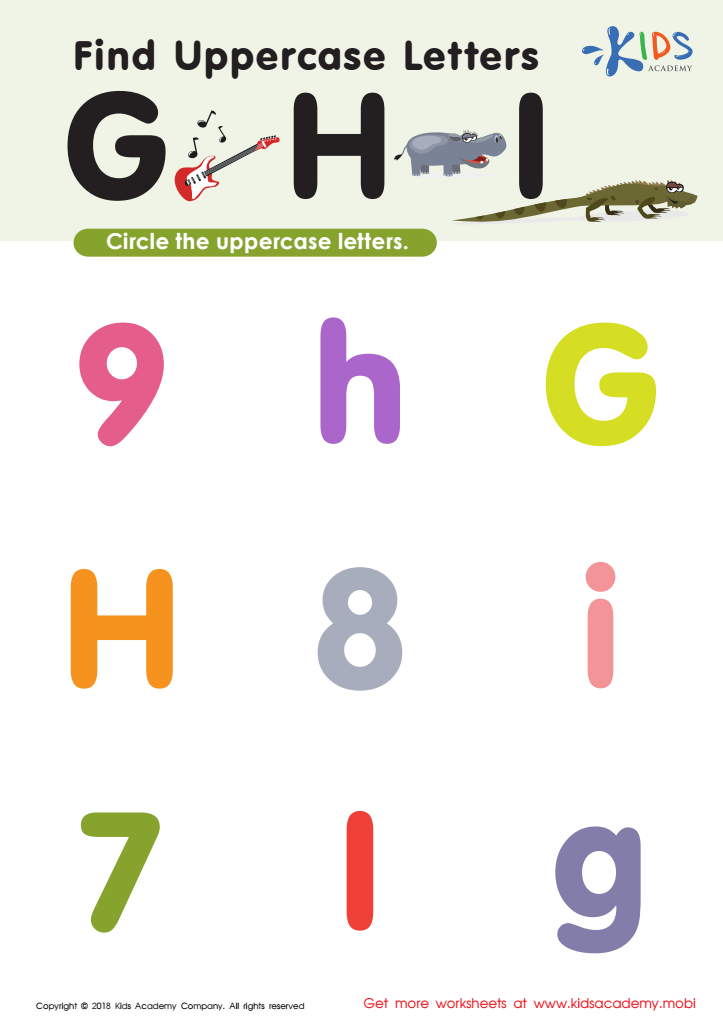
Find Uppercase Letters G, H, and I Worksheet
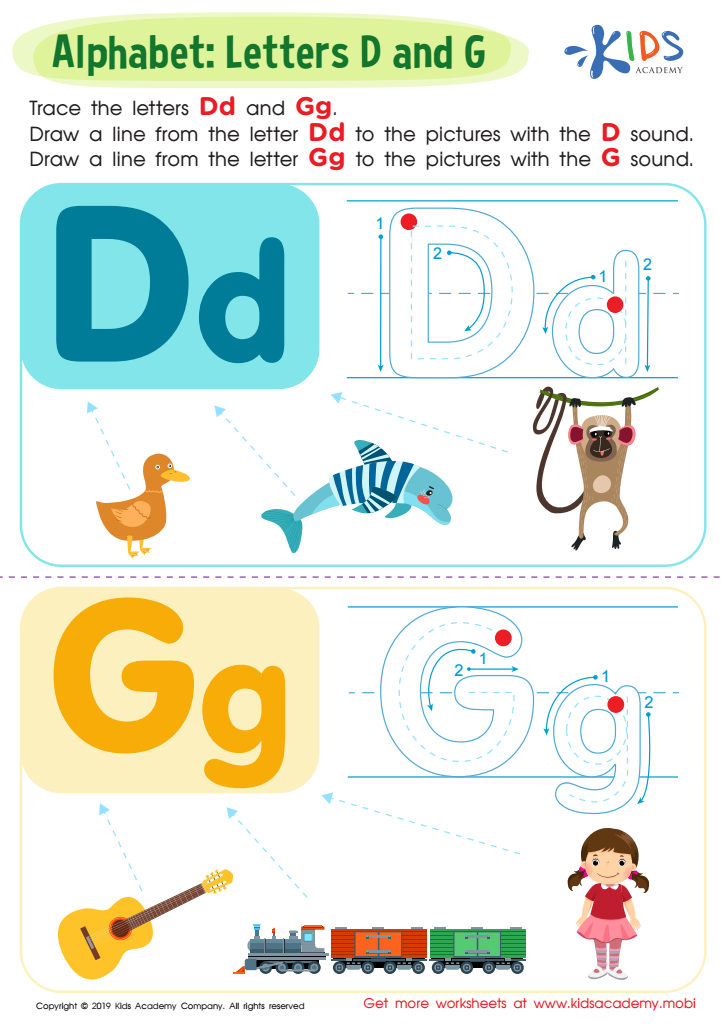
Letter D and G Tracing Worksheet
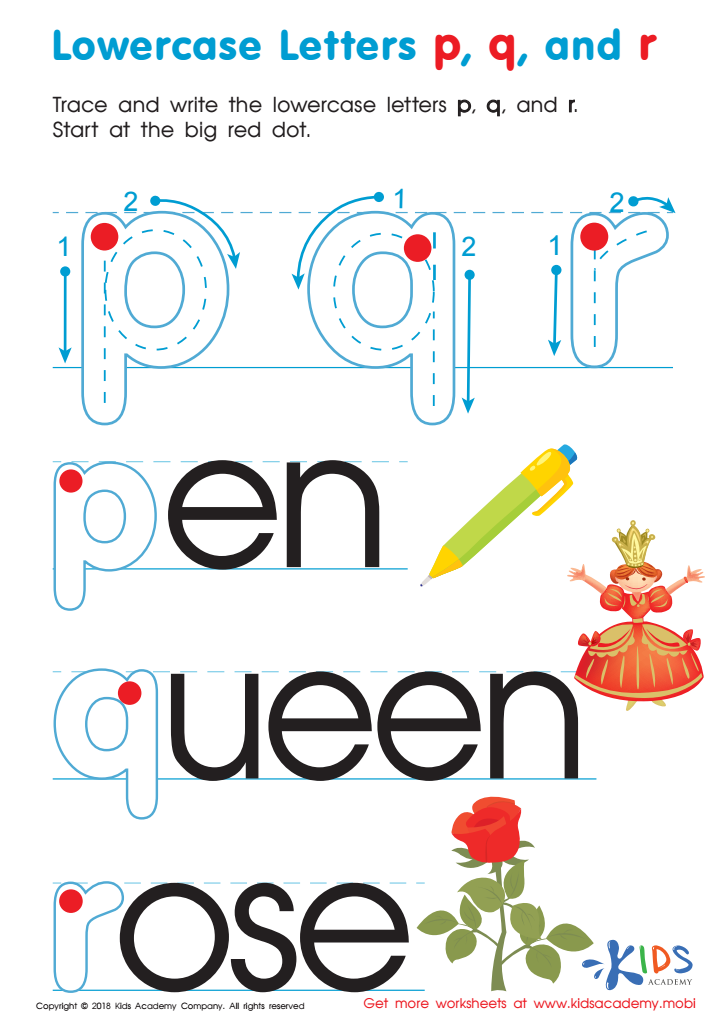
Lowercase Letters p q r Worksheet
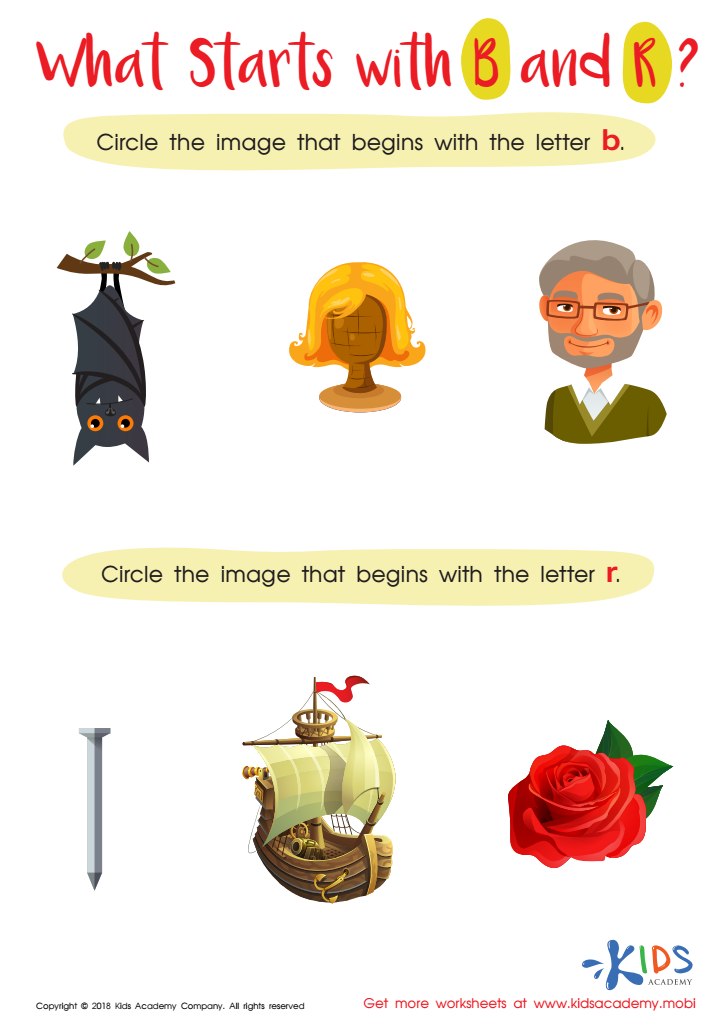
What Starts with B and R? Worksheet
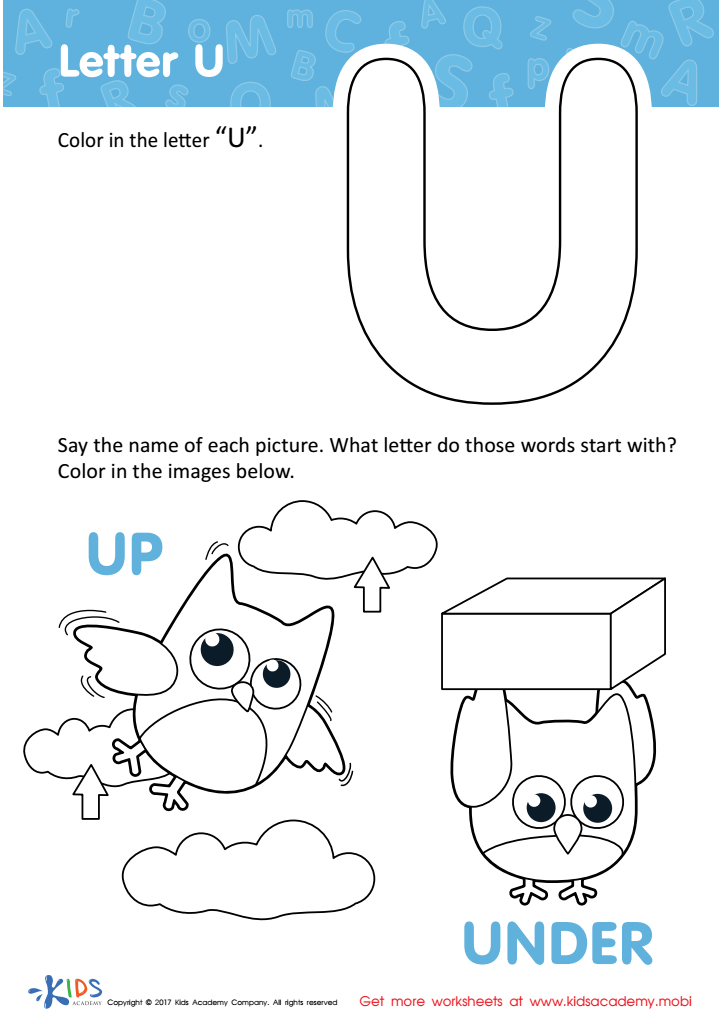
Letter U Coloring Sheet
Assign to My Students
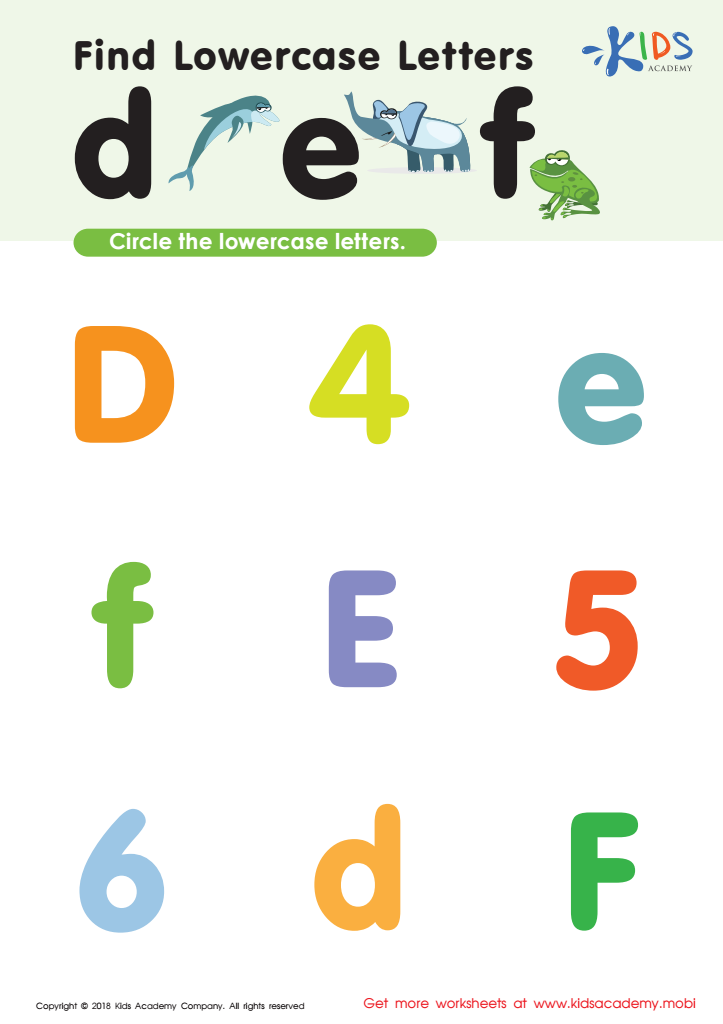
Find Lowercase Letters d e f Worksheet








Parents and teachers should prioritize letter recognition for children ages 6-7 because it is the keystone for early literacy development. At this age, children transition from recognizing and naming letters to understanding their sounds and initiating reading skills. Proficiency in letter recognition directly influences a child's ability to decode words, read fluidly, and comprehend text.
A strong foundation in letter recognition aids in the development of phonemic awareness—a crucial skill that links spoken language to written language. Children learn to distinguish unique sounds and associate them with specific letters or letter combinations, which is essential for spelling and reading unfamiliar words.
Moreover, early success in literacy fosters a child's self-confidence and enthusiasm for learning. Children who effectively recognize and understand letters are more likely to participate actively in educational activities, promoting a positive attitude toward school and learning in general. This enthusiasm can lay the groundwork for lifelong learning and academic success.
In essence, emphasizing letter recognition during these formative years equips children with the tools needed to navigate more complex reading and writing tasks, setting a strong, enduring foundation for all future literacy endeavors. Given its critical role in literacy and overall academic performance, teachers and parents should give purposeful attention to nurturing this skill.








