Pattern recognition Matching Worksheets for Ages 6-7
5 filtered results
-
From - To
Discover our engaging Pattern Recognition Matching Worksheets designed specifically for children ages 6-7! These interactive worksheets help young learners develop essential cognitive skills while having fun. By recognizing and matching patterns, kids enhance their problem-solving abilities and critical thinking skills. Each worksheet promotes creativity and cognitive development through colorful visuals and exciting exercises. Ideal for homeschoolers and classroom use, these worksheets foster a love for learning and build a strong foundation in math concepts. Explore a variety of patterns and challenge your child’s abilities with our curated selection of worksheets. Perfect for enhancing focus and boosting confidence in young learners!
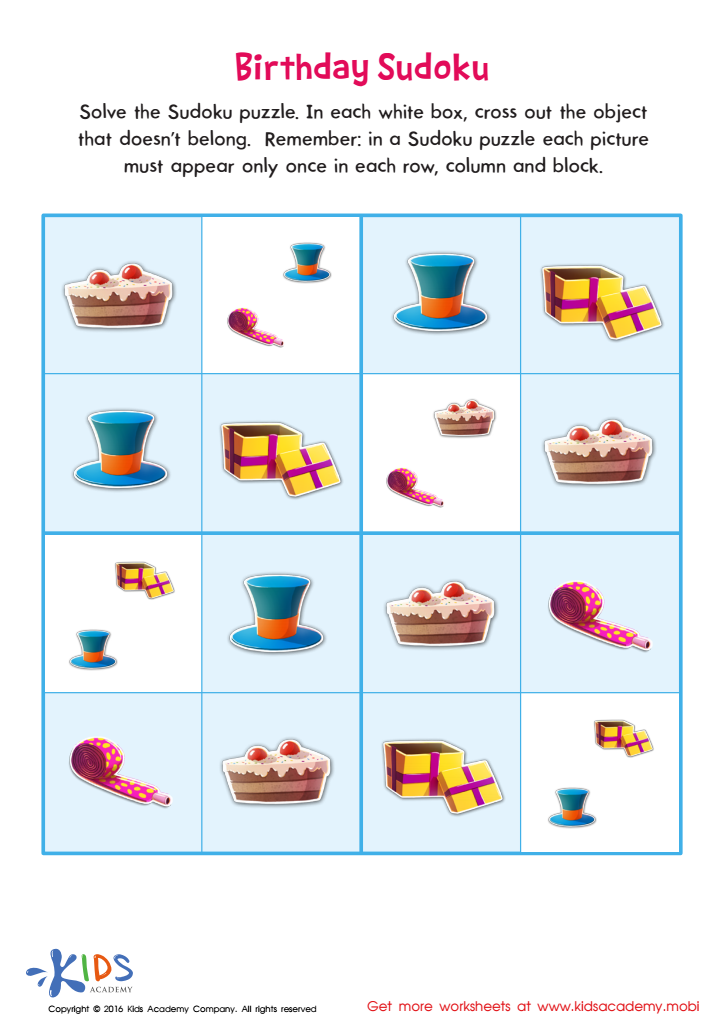
Birthday Sudoku Sorting Worksheet
 Assign to My Students
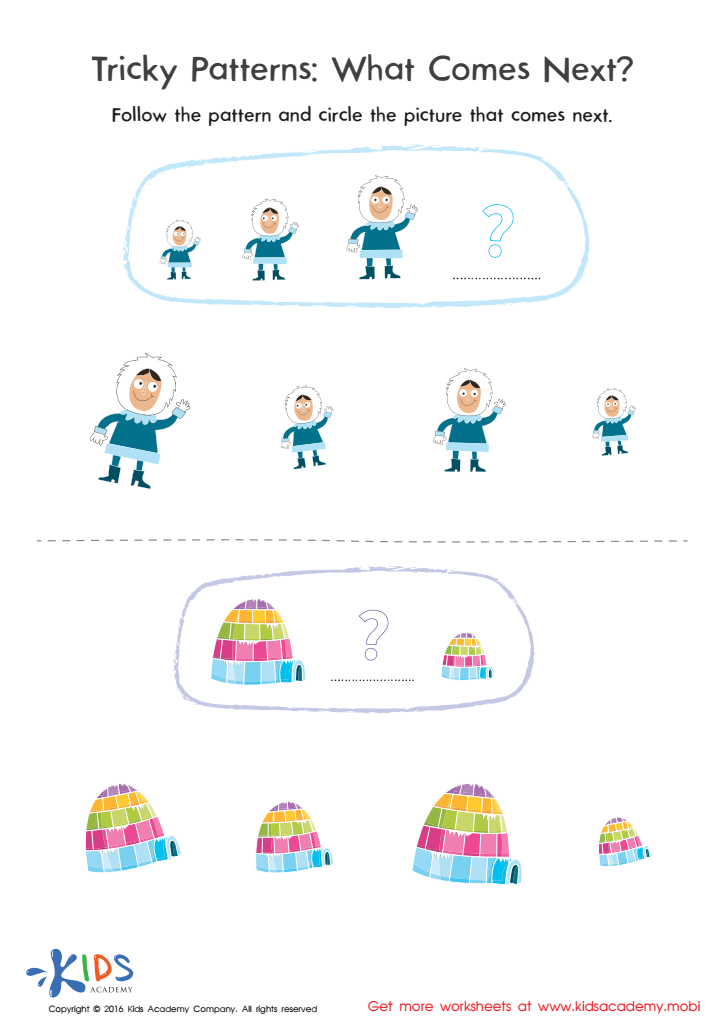
Tricky Patterns Size Worksheet
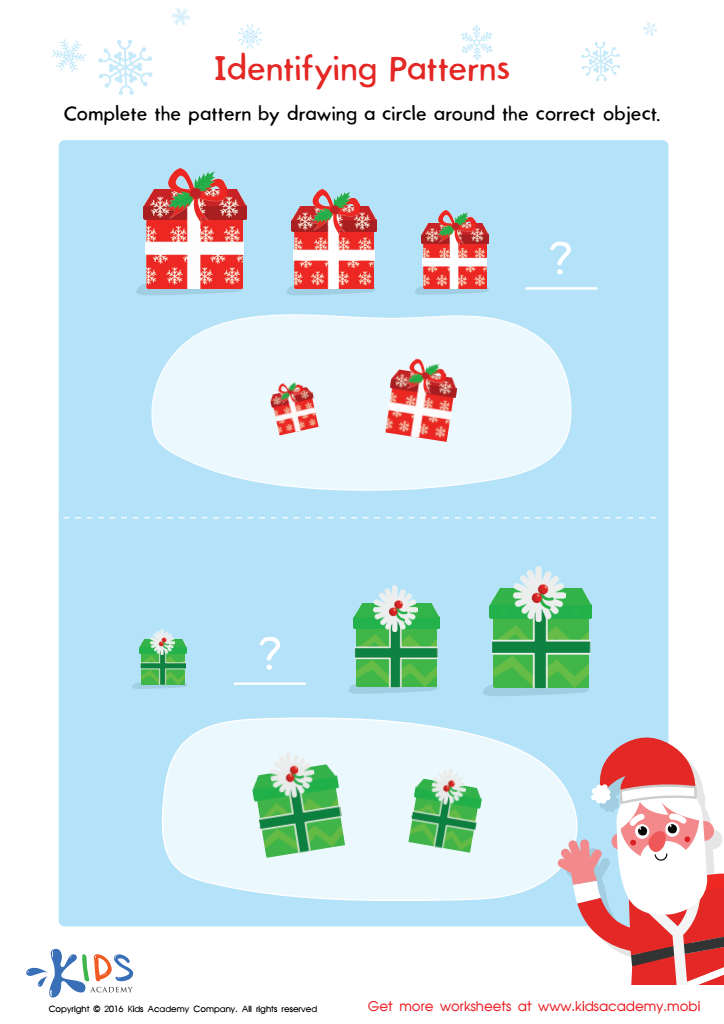
Identifying Patterns Worksheet
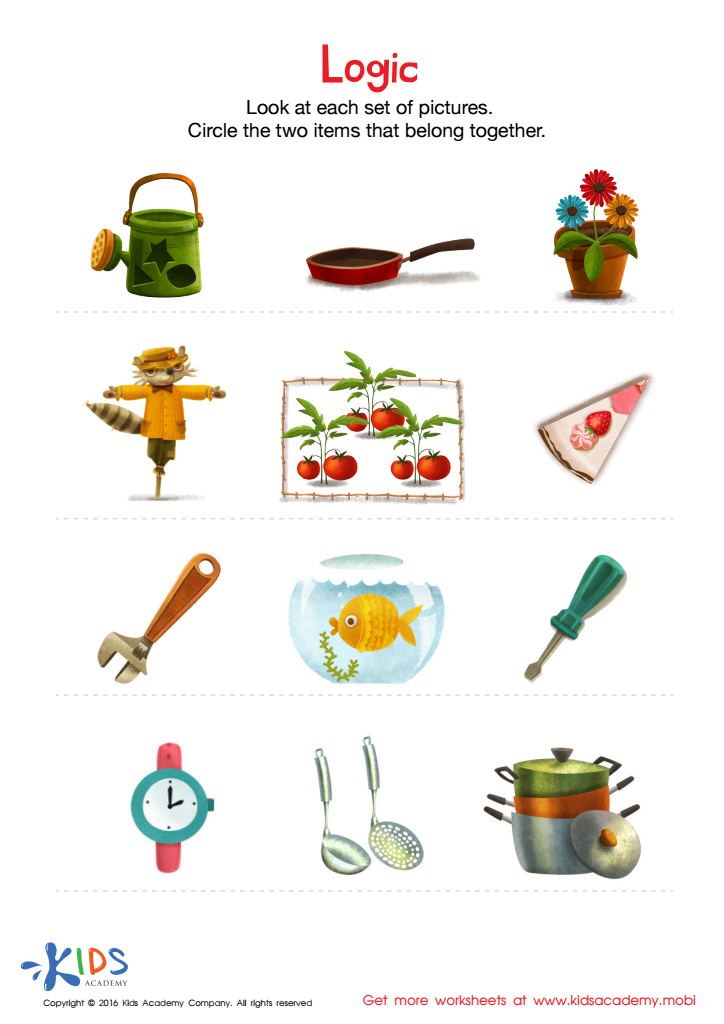
Logic Game Sorting Worksheet
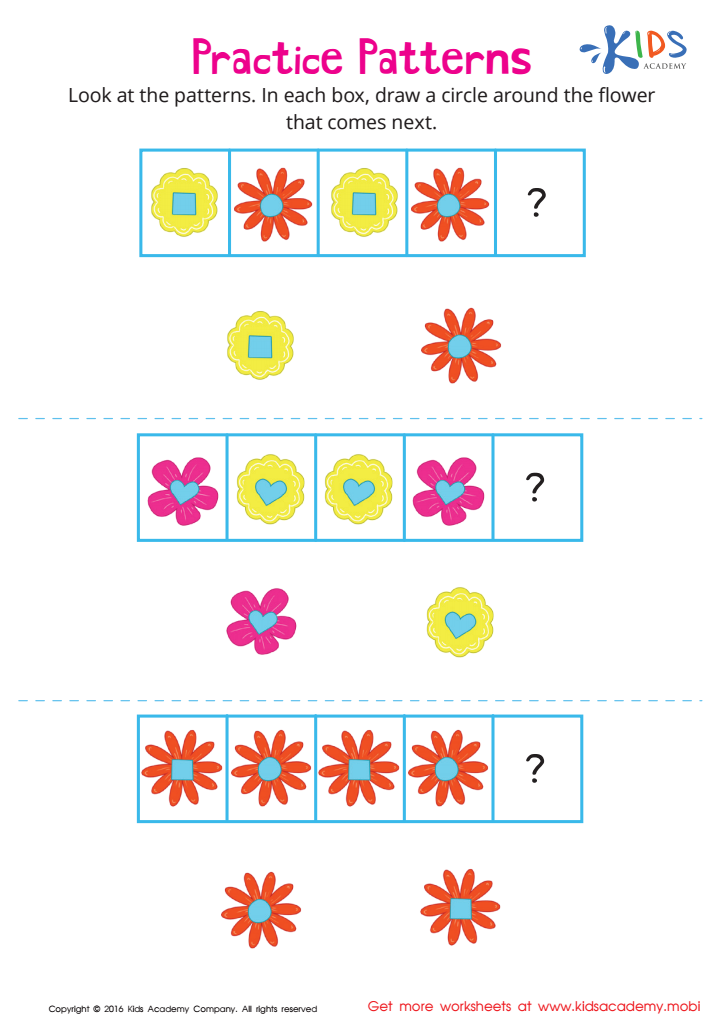








Pattern recognition is a crucial skill for children aged 6-7 as it forms the foundation for complex cognitive processes. During this developmental stage, children are naturally curious and eager to explore the world around them. Teaching pattern recognition not only enhances their analytical abilities but also boosts creativity and problem-solving skills.
Parents and teachers should care about this skill because it supports early mathematics learning. Recognizing patterns helps children understand numbers, sequences, and relationships, paving the way for future success in math. Additionally, pattern recognition is integral to literacy development, aiding in phonics and reading comprehension. Children learn to predict outcomes and make connections in stories, improving their overall cognitive flexibility.
Moreover, incorporating pattern-based activities fosters engagement and enjoyment in learning, making educational experiences more memorable. Socially, recognizing patterns can enhance children's ability to make connections with peers, facilitating teamwork and communication skills.
Encouraging pattern recognition through games, music, and art also aligns with diverse learning styles, ensuring that each child’s unique strengths are nurtured. Ultimately, supporting this skill at an early age equips kids with essential tools for lifelong learning and adaptability, which are invaluable in today’s rapidly changing world.








