Fine Motor Skills Reading Worksheets for Ages 6-7 - Page 2
42 filtered results
-
From - To
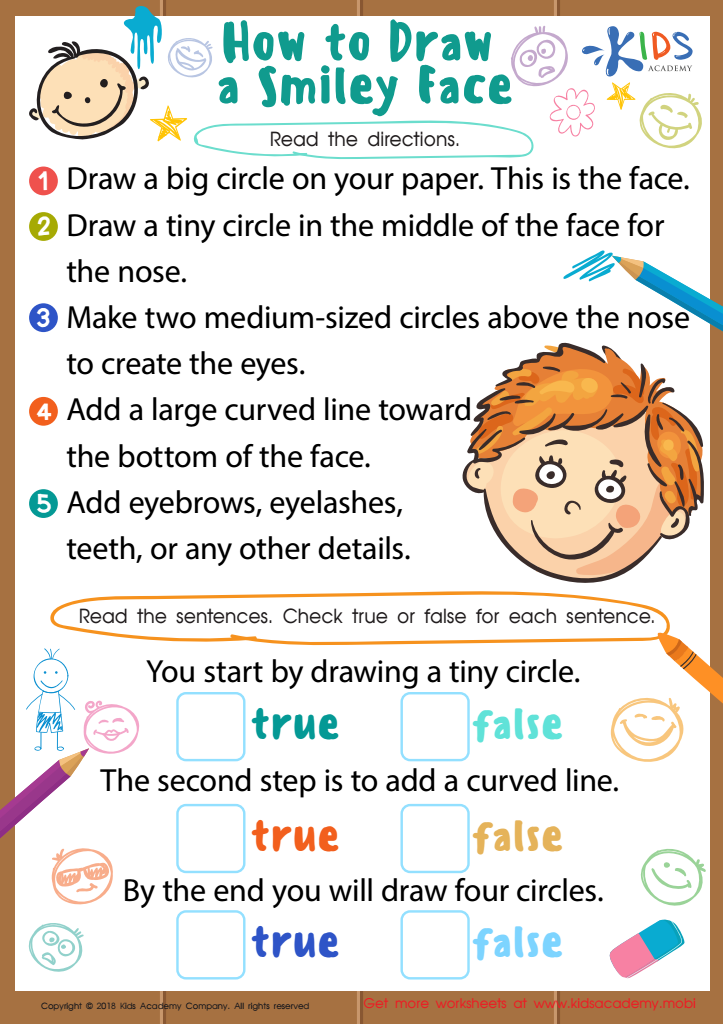
How to Draw a Smiley Face Worksheet
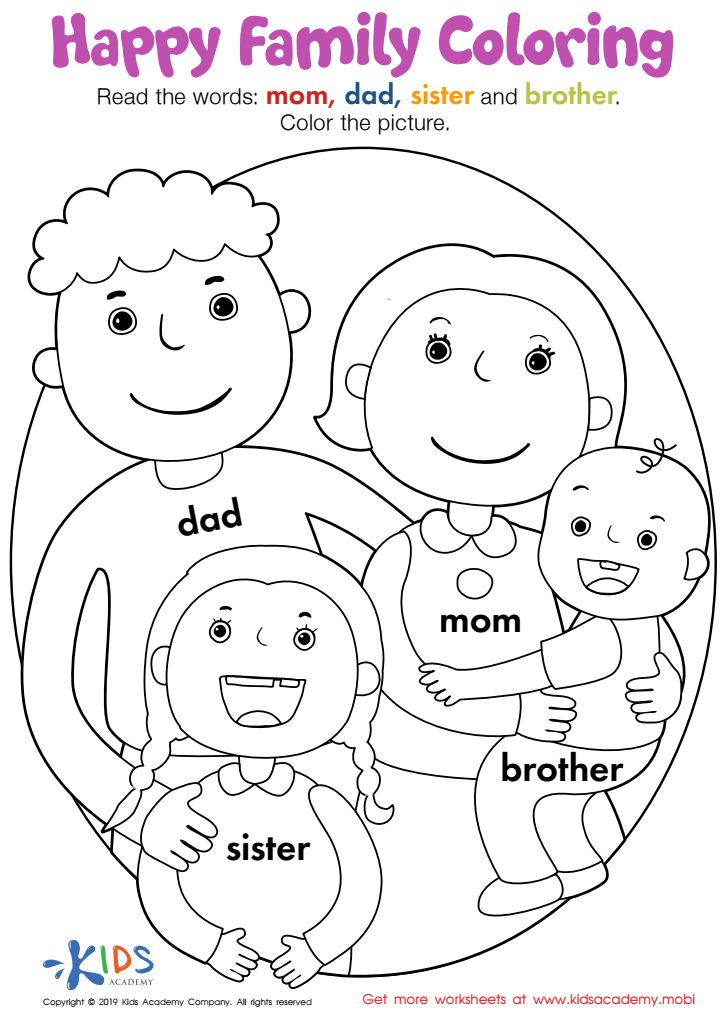
Happy Family Coloring Worksheet
 Assign to My Students
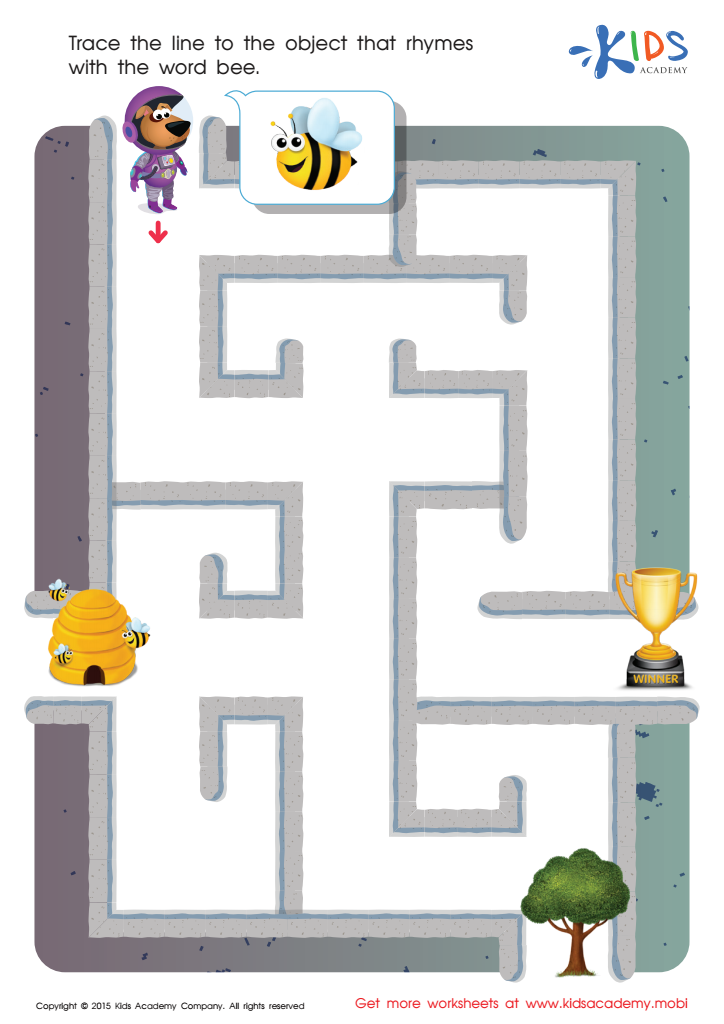
Bee Rhyming Words Worksheet
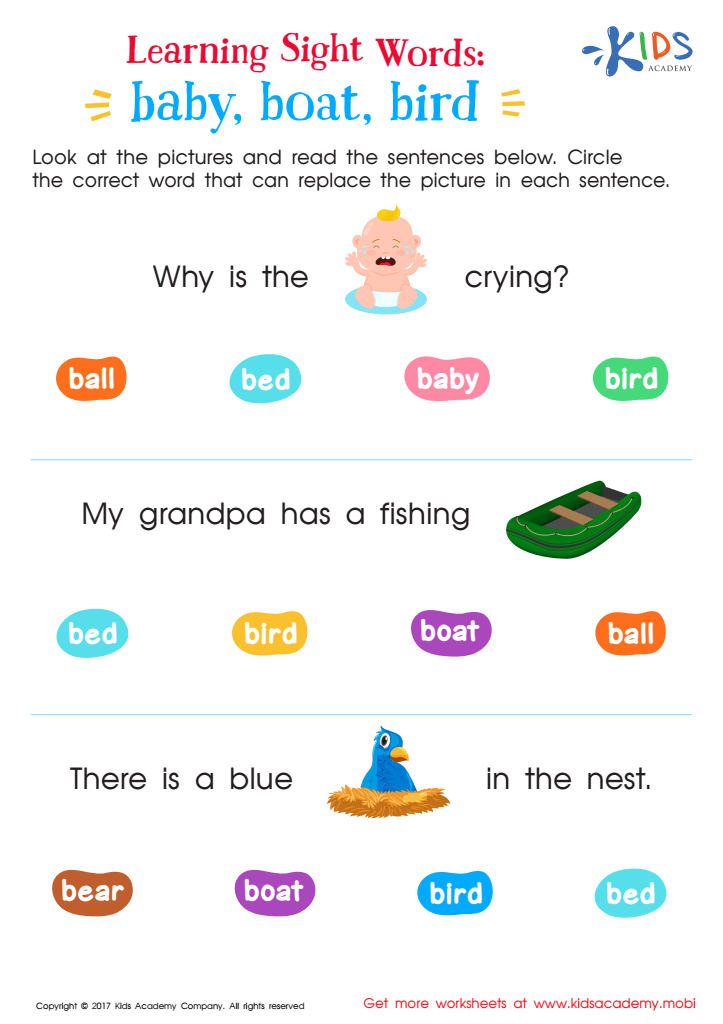
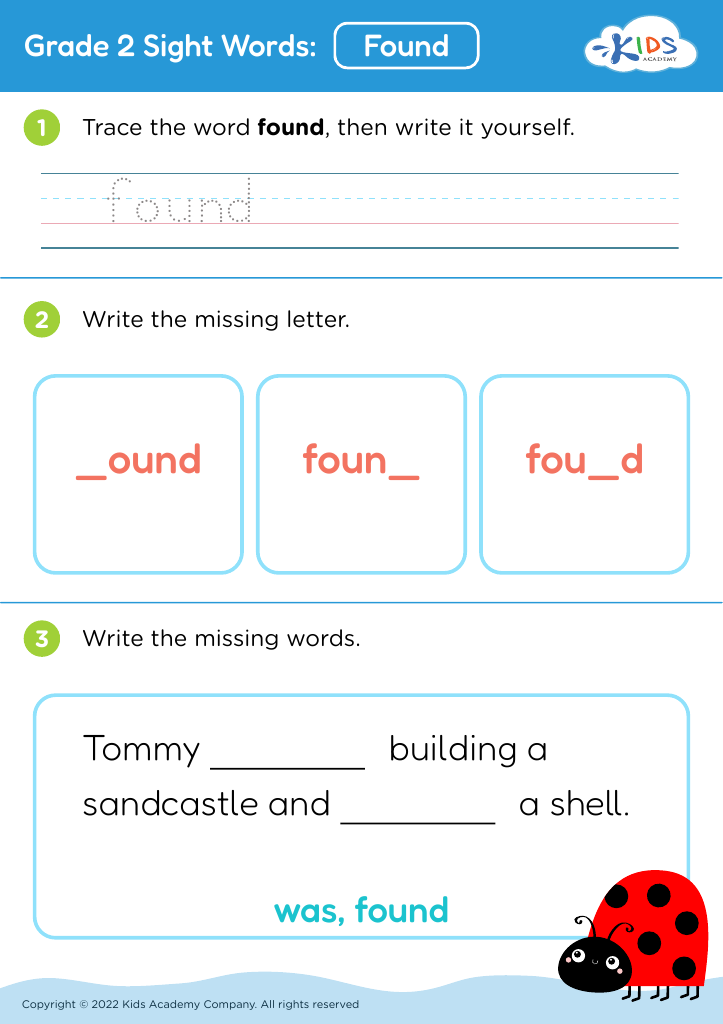
Baby, Boat, Bird Worksheet Sight Words Worksheet
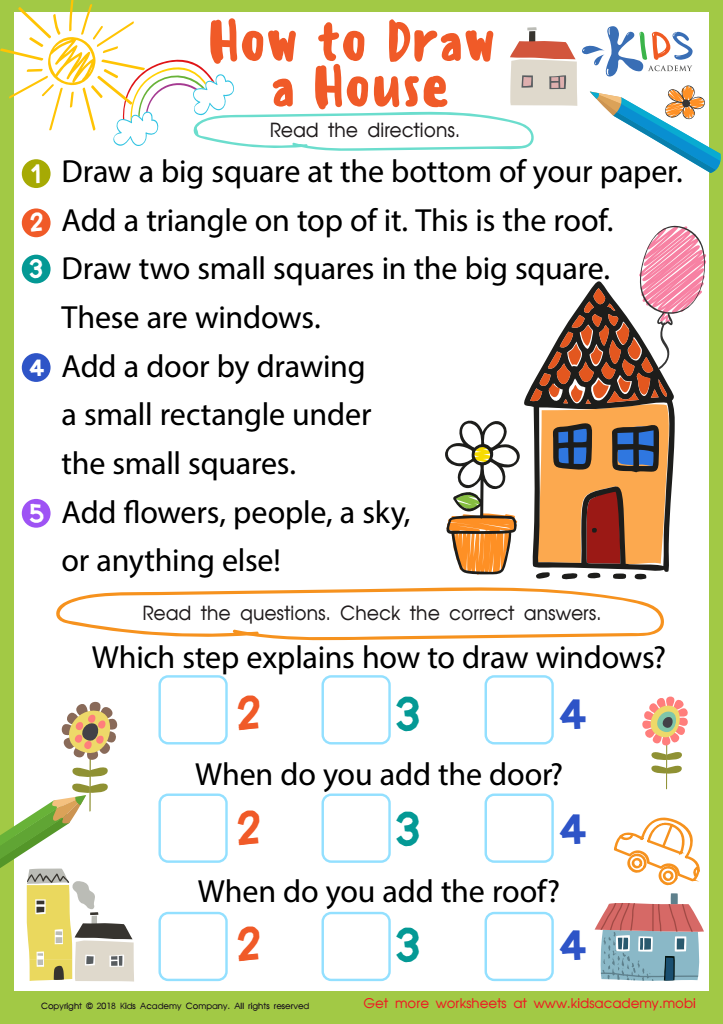
How to Draw House Worksheet

White and Pink Coloring Fun Worksheet
Assign to My Students
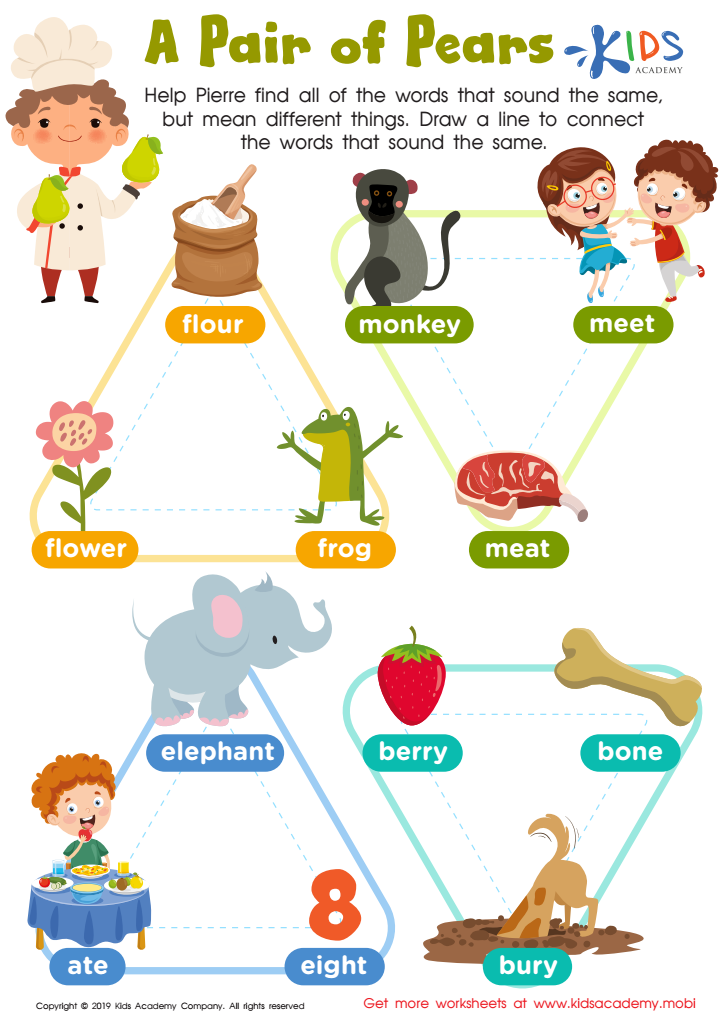
Pair Pears Worksheet
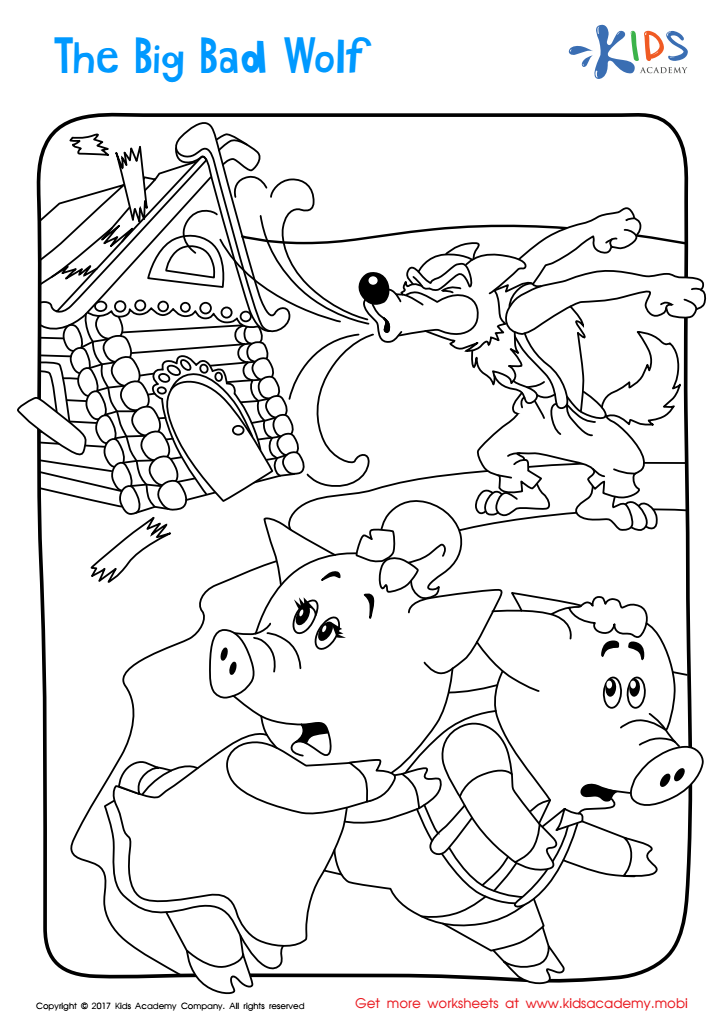
Big Bad Wolf Printable Coloring Page
Assign to My Students

The Bingo Song: Coloring The Dog Worksheet
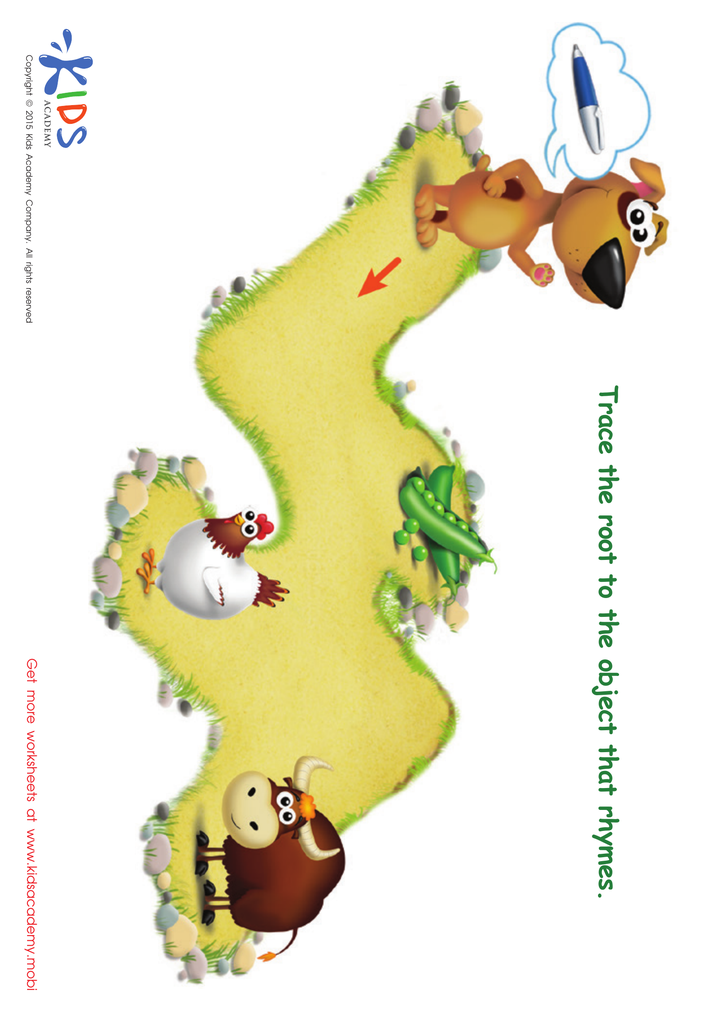
Pen Rhyming Words Worksheet
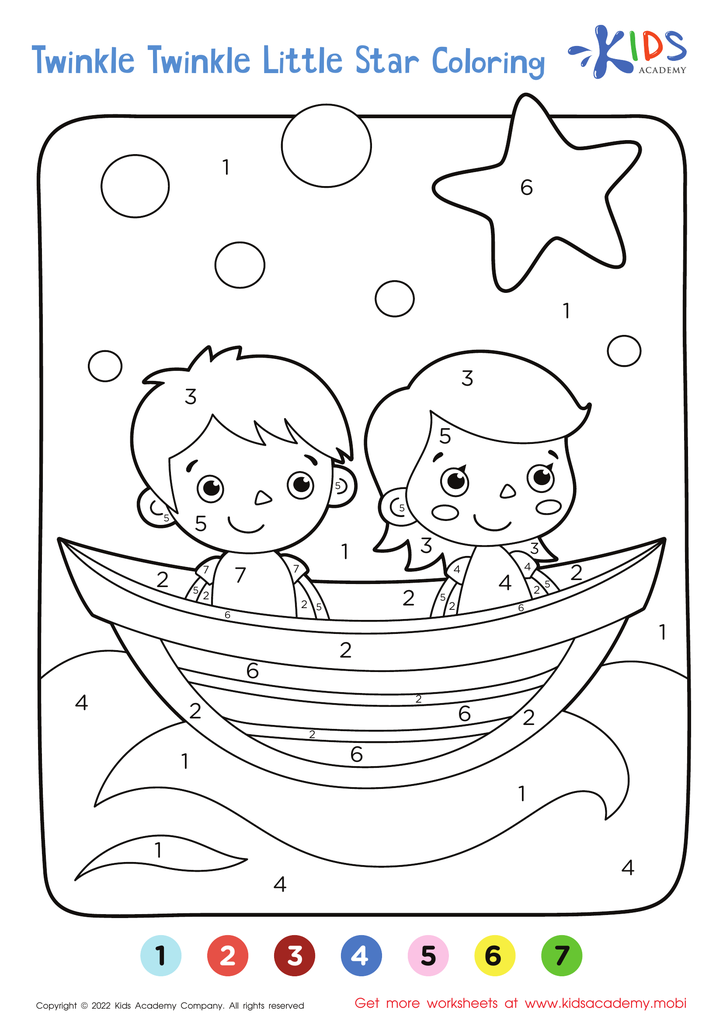
Twinkle, Twinkle, Little Star – Coloring by Numbers
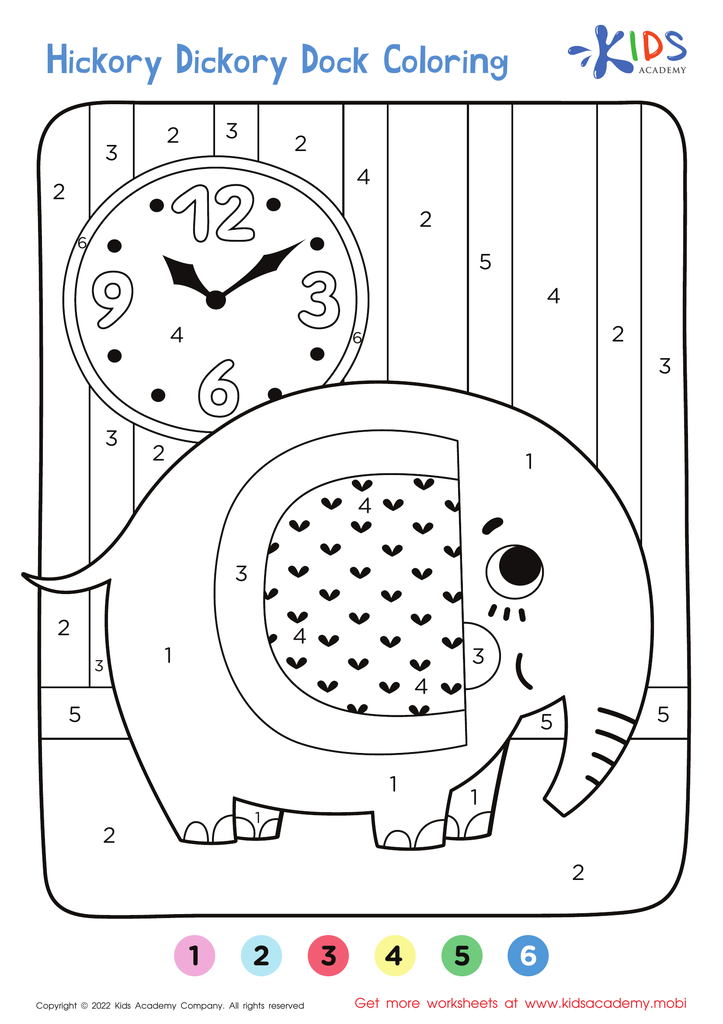
Hickory Dickory Dock – Coloring by Numbers
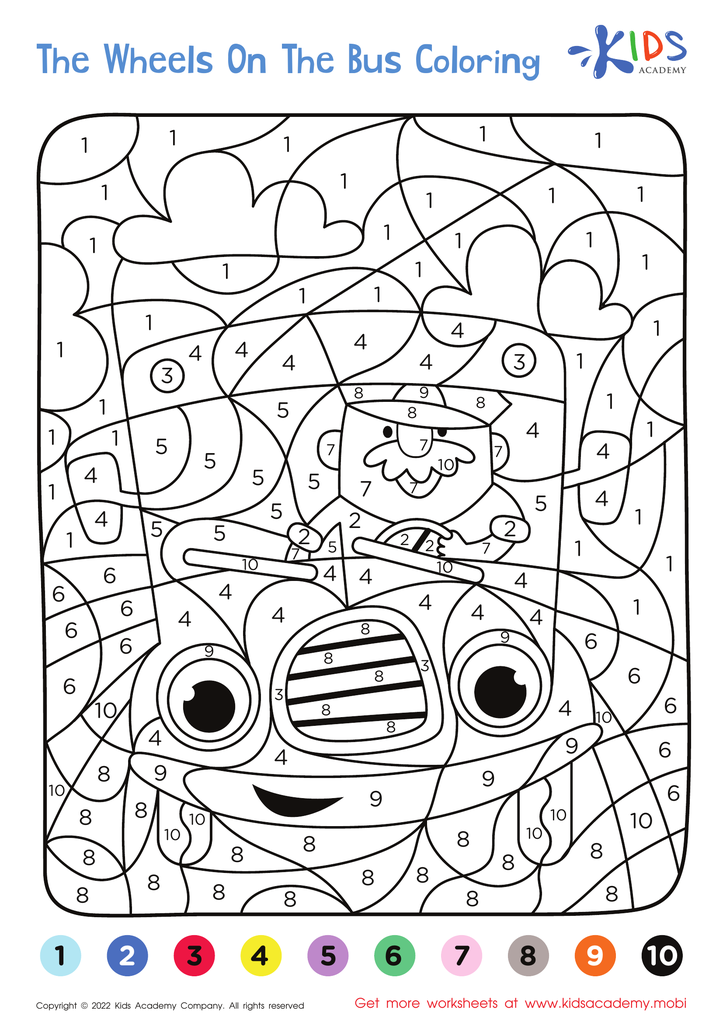
Wheels on the Bus – Coloring by Numbers






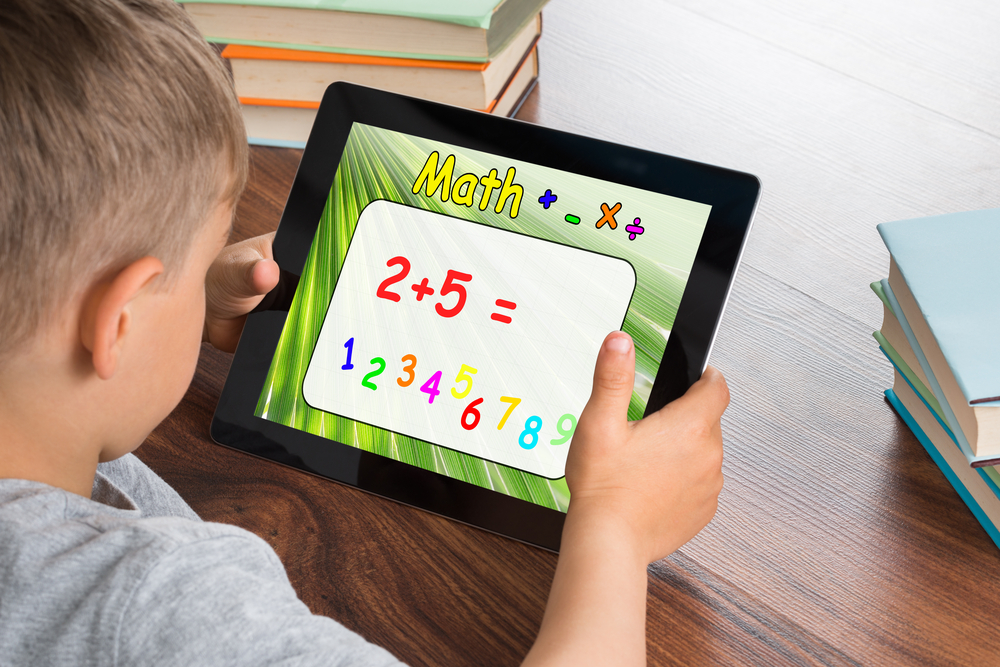

Fine motor skills are critical for children aged 6-7 because they directly impact their ability to perform essential daily tasks, including reading and writing. At this developmental stage, children are honing their hand-eye coordination, hand strength, and dexterity, all of which are foundational for handling writing tools, turning book pages, and tracking text lines efficiently.
Parents and teachers should care about fine motor skill development because these abilities support academic success and foster independence. Efficient penmanship, which emanates from well-developed fine motor skills, allows children to take notes, complete homework, and express their thoughts clearly. Moreover, these skills reduce frustration and build self-confidence, encouraging a love for learning and reading.
Engaging activities like cutting with scissors, stringing beads, folding paper, or assembling puzzles should be integrated into daily routines to enhance fine motor skills. Strengthening these skills also plays a crucial role in reading comprehension. A child who can comfortably control a pencil is more likely to focus on understanding and enjoying the text rather than struggling with the mechanics of writing.
In essence, focusing on fine motor skills equips children with the physical tools needed for academic tasks, thereby enhancing their learning experience and laying a strong foundation for future educational success.








