Sound recognition Reading Worksheets for Ages 6-7
4 filtered results
-
From - To
Discover our engaging Sound Recognition Reading Worksheets designed for children ages 6-7! These worksheets enhance essential phonemic awareness by helping young learners identify and distinguish different sounds in words. With interactive activities, children will practice letter sounds and improve their reading fluency in a fun and supportive environment. Our carefully crafted worksheets feature colorful illustrations and captivating exercises to keep kids motivated and excited about learning. Perfect for both classroom settings and at-home practice, these resources will empower your child to become a confident reader. Explore our collection today and watch your child's reading skills soar!
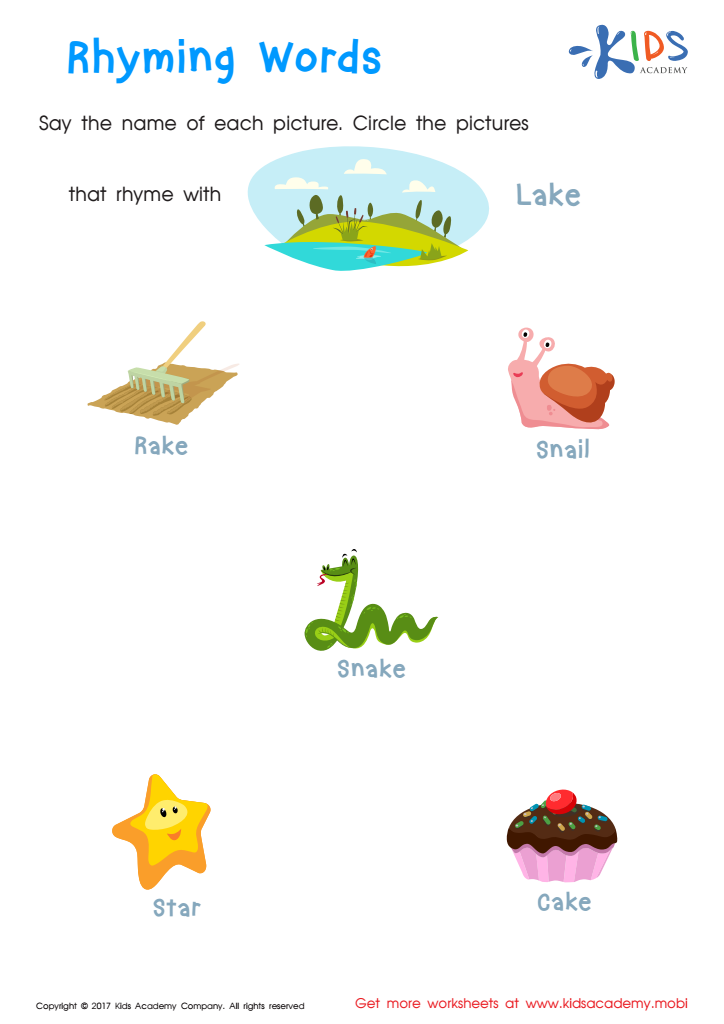
Rhyming Words Rhyming Worksheet

Long and Short U Worksheet
 Assign to My Students
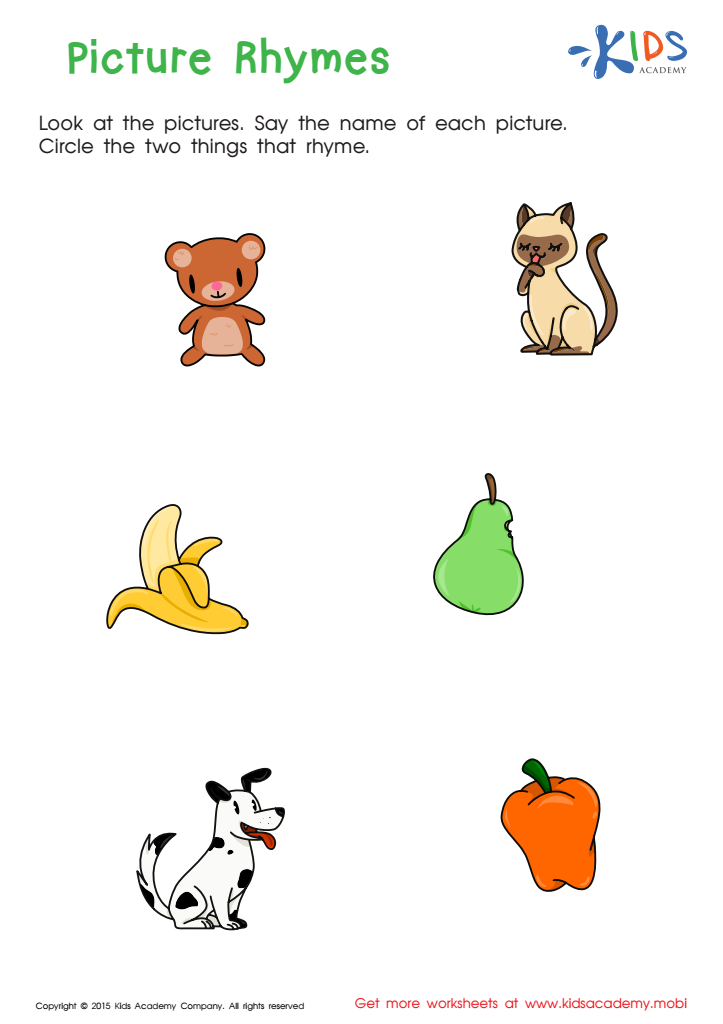
First Words: Picture Rhymes Worksheet
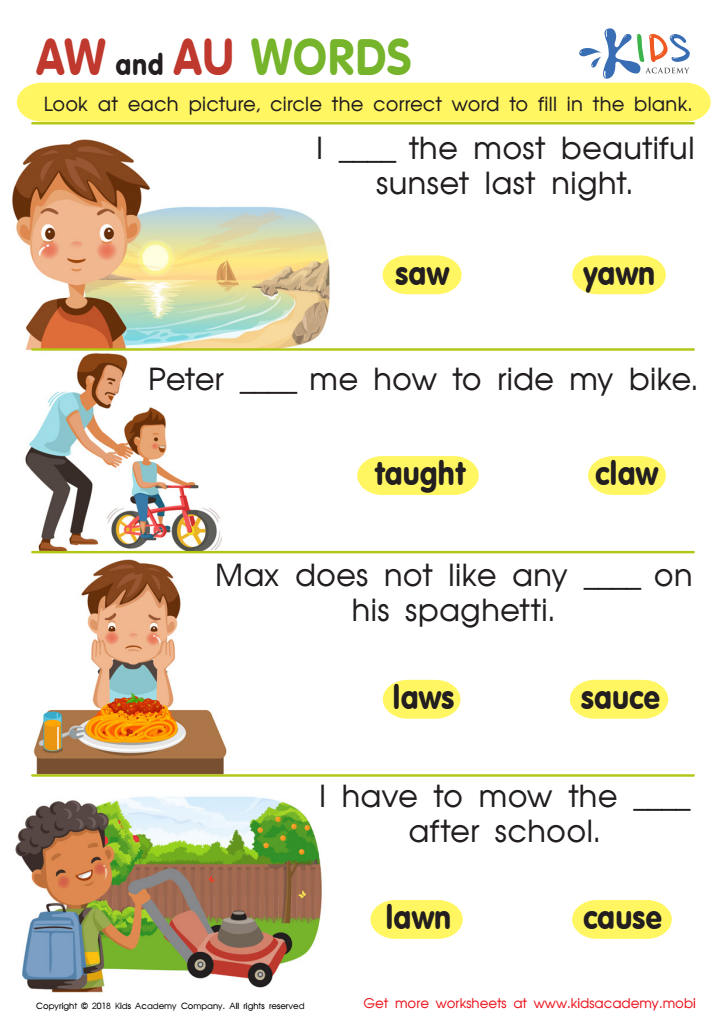
Reading: AW and AU Words Worksheet




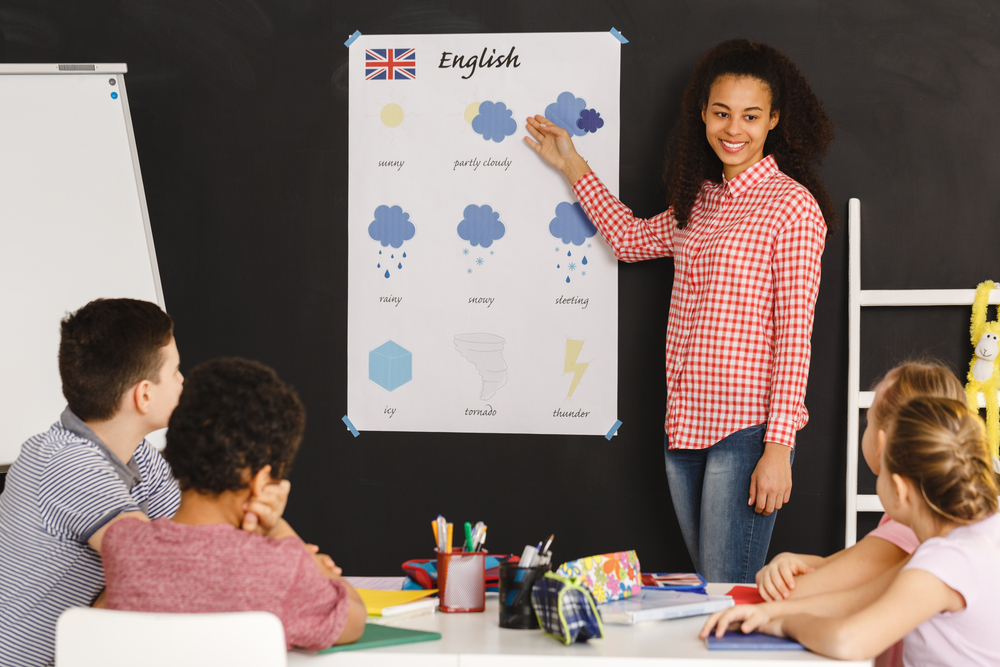



Sound recognition reading is a fundamental aspect of early literacy, particularly for children aged 6-7, as it lays the groundwork for crucial reading and writing skills. At this age, children are developing their phonemic awareness— the ability to hear, identify, and manipulate sounds in spoken language. When parents and teachers prioritize sound recognition, they help children connect sounds to letters (phonics) and words, enhancing their reading fluency and vocabulary.
This skill encourages not only reading proficiency but also boosts confidence. Children who excel in sound recognition are more likely to engage positively with reading, leading to a lifelong love of literature. Moreover, strong literacy skills correlate with academic success across all subjects, as reading is foundational for learning in science, social studies, and beyond.
Additionally, being attuned to sound patterns supports spelling and writing development, ensuring that children can express their thoughts clearly. Supporting sound recognition through games, songs, and interactive reading activities allows parents and teachers to create a stimulating and enjoyable learning environment. Thus, by caring about sound recognition reading, adults can significantly enhance children's academic trajectories while fostering a positive perception of learning and literacy in their formative years.








