Animal identification Science Worksheets for Ages 6-7
7 filtered results
-
From - To
Discover an engaging way to introduce your 6-7-year-olds to the fascinating world of animals with our Animal Identification Science Worksheets. These thoughtfully crafted, interactive worksheets are designed to enhance young learners' scientific skills through fun activities and vivid images. From matching animals to their habitats to identifying various species, our worksheets provide immersive learning experiences that capture children's imagination. Ideal for use at home or in the classroom, they promote critical thinking and observational skills, making science exciting and accessible. Download today and let your child embark on an educational adventure with creatures big and small!
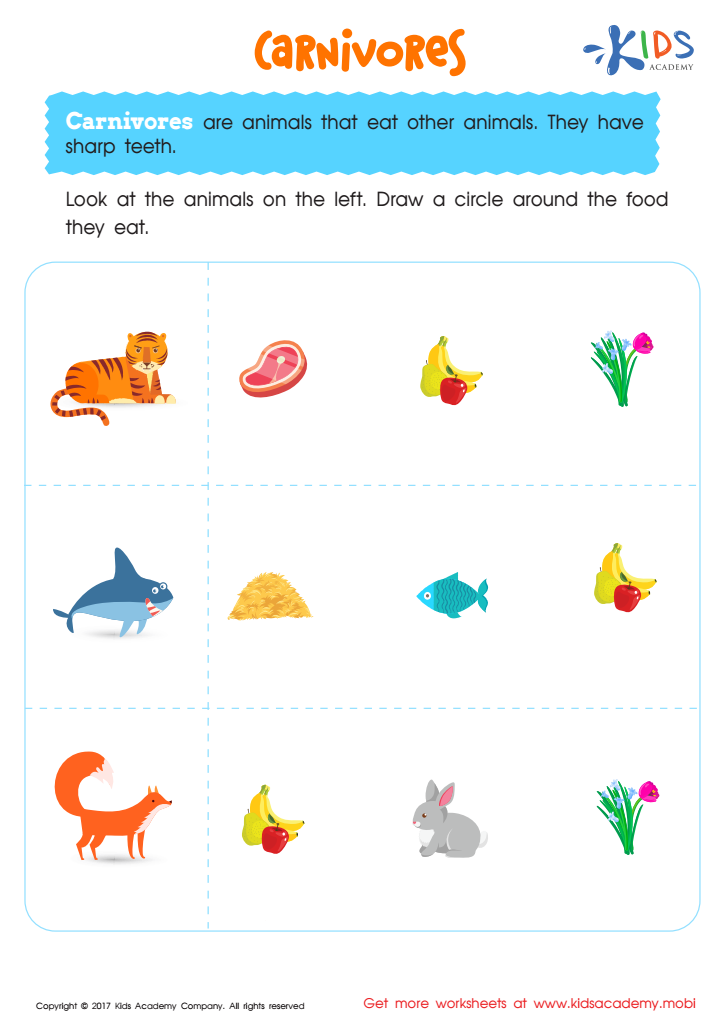
Carnivores Worksheet
 Assign to My Students
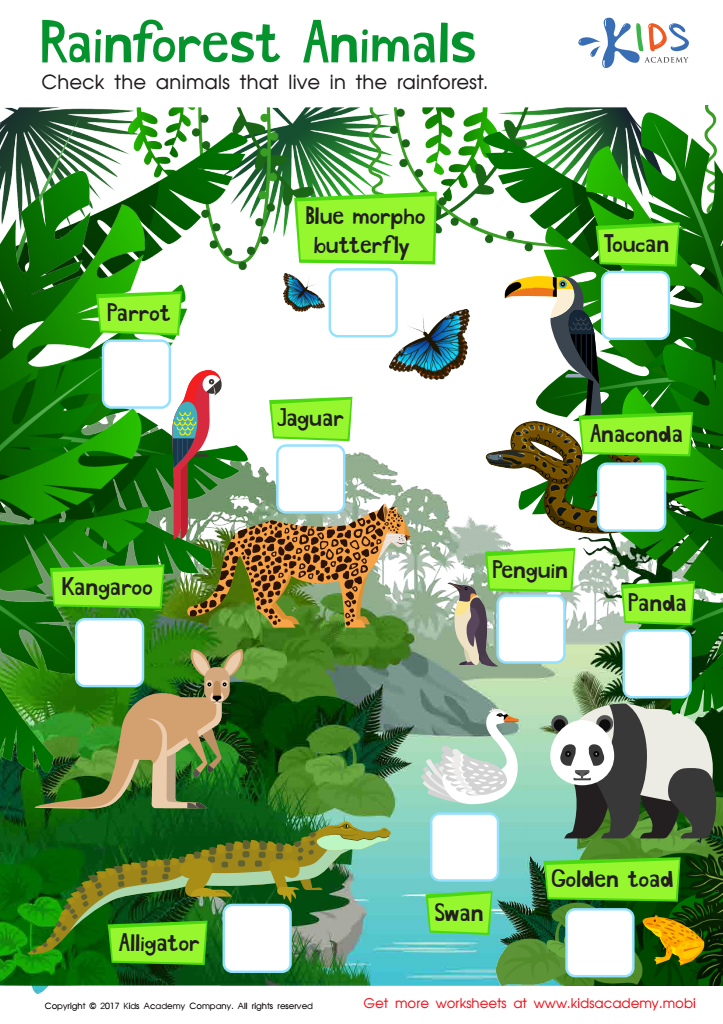
Rainforest Animals Worksheet
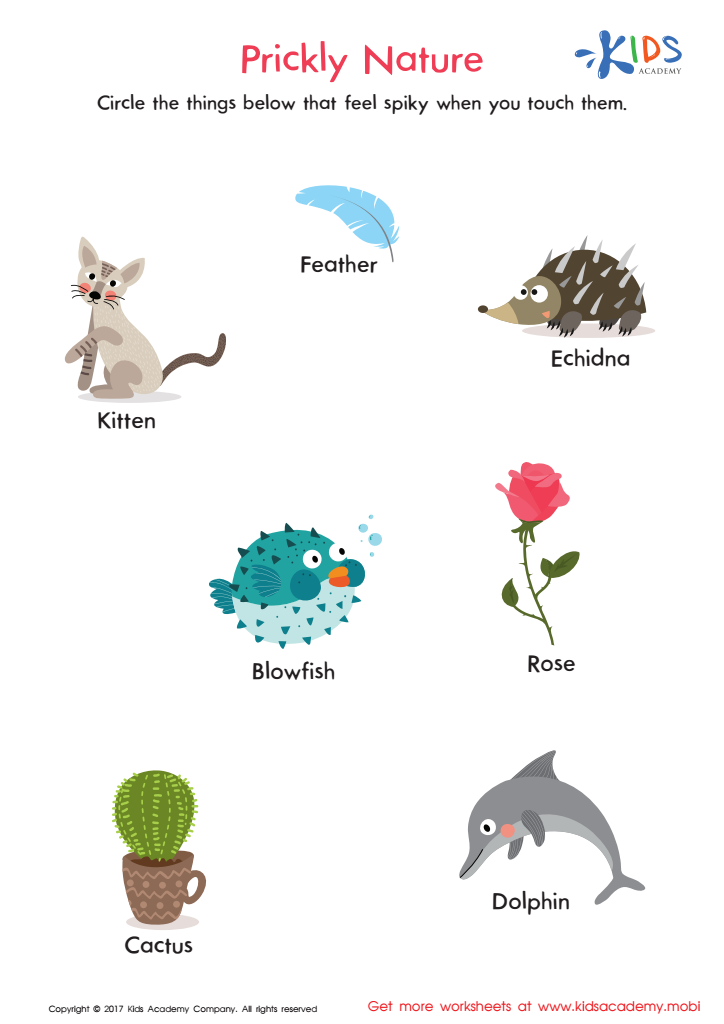
Prickly Nature Worksheet
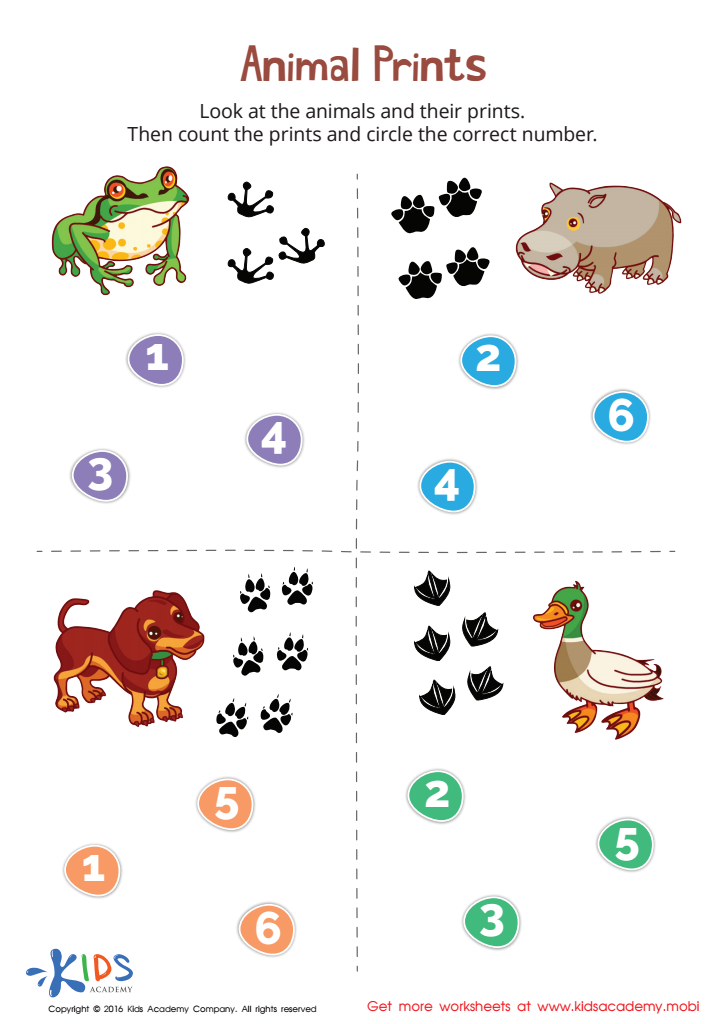
Animal Prints Match-Up Worksheet
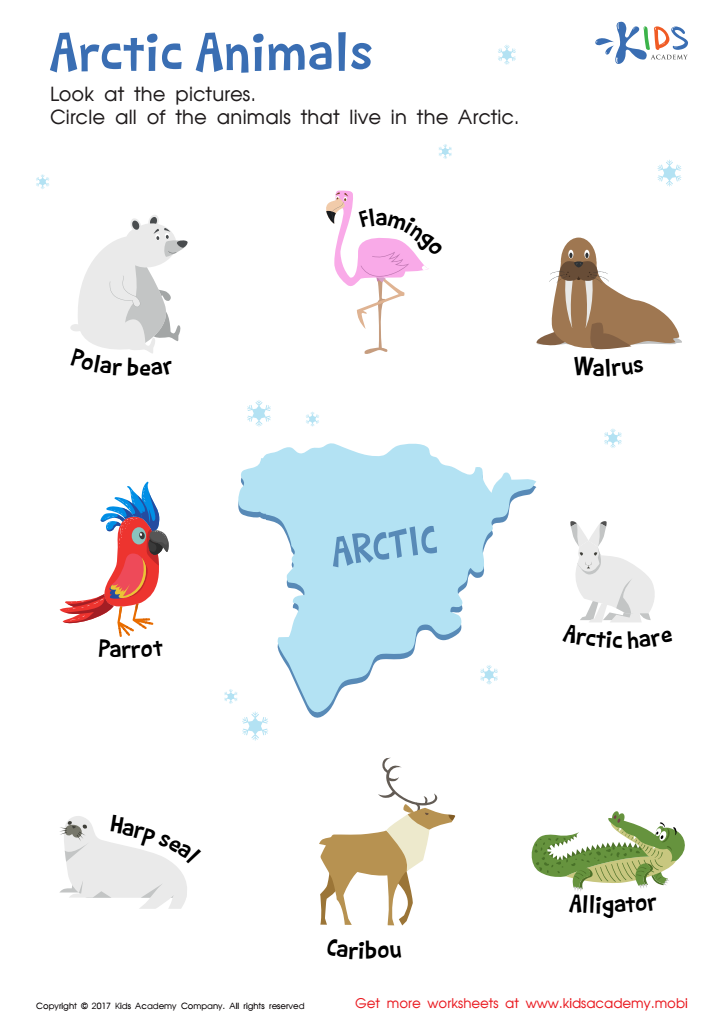
Arctic Animals Worksheet
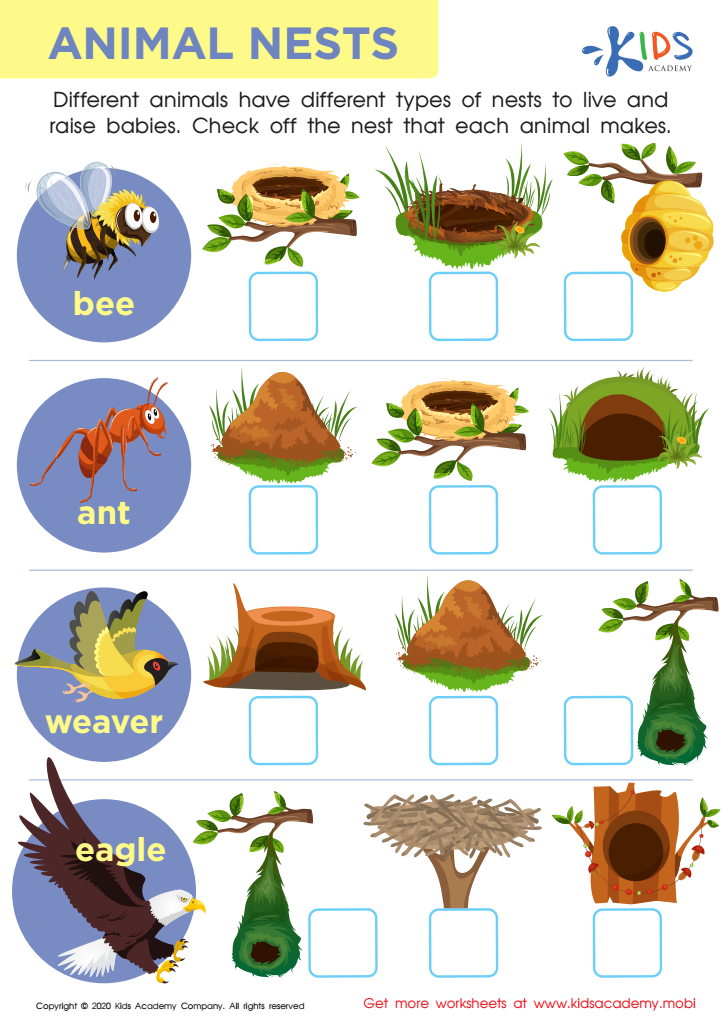
Animal Nests Worksheet
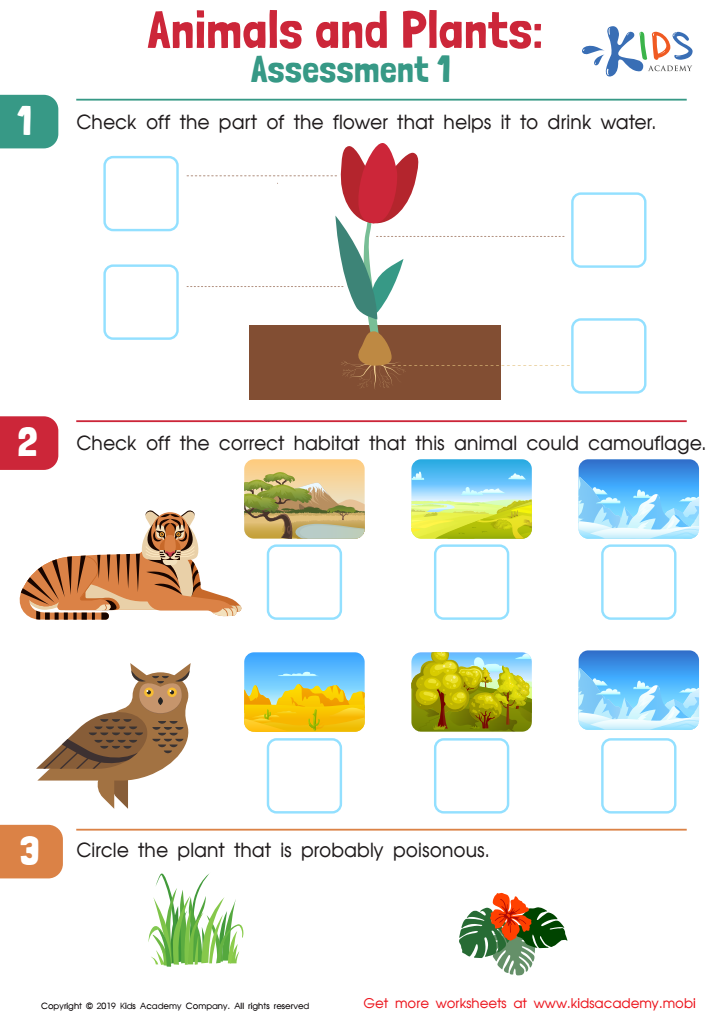
Animals and Plants: Assessment 1 Worksheet







Animal identification science for children aged 6-7 is essential as it fosters a sense of curiosity and respect for the natural world early on. At this developmental stage, children are naturally inquisitive and eager to learn about their surroundings, making it an ideal time to introduce them to the wonders of animal life. Understanding animal identification enables children to make sense of the diverse ecosystems and the roles that different species play, nurturing environmental awareness and stewardship.
From a cognitive perspective, identifying animals helps young children to develop critical thinking and observational skills. It encourages them to notice unique characteristics, similarities, and differences among species, which enhances their classification and comparative analysis abilities—key components of early scientific thinking.
Additionally, animal identification integrates seamlessly into multidisciplinary learning. It encompasses aspects of science, geography, language, and art. When children learn the names and features of different animals, they expand their vocabulary and improve their descriptive language skills. Drawing or craft projects related to these animals also boost creativity and fine motor skills.
Socially, group activities around animal identification promote teamwork and communication among peers. Children share their findings and learn to appreciate the contributions of others. Therefore, focusing on animal identification for young children lays a foundational understanding of biology, enhances essential life skills, and instills a lifelong love and respect for nature.







