Color Identification Science Worksheets for Ages 6-7
3 filtered results
-
From - To
Unlock the vibrant world of colors with our engaging "Color Identification Science Worksheets for Ages 6-7." Designed specifically for young learners, these interactive worksheets combine fun and creativity while enhancing essential cognitive skills. Through playful activities, children will explore a variety of colors, learn to identify them, and develop critical thinking abilities. Each worksheet encourages hands-on experimentation and observation, fostering a love for science and nature. Perfect for home or classroom use, our resources ensure a delightful learning experience, paving the way for future academic success. Spark curiosity and inspire imagination – dive into the colorful journey today!
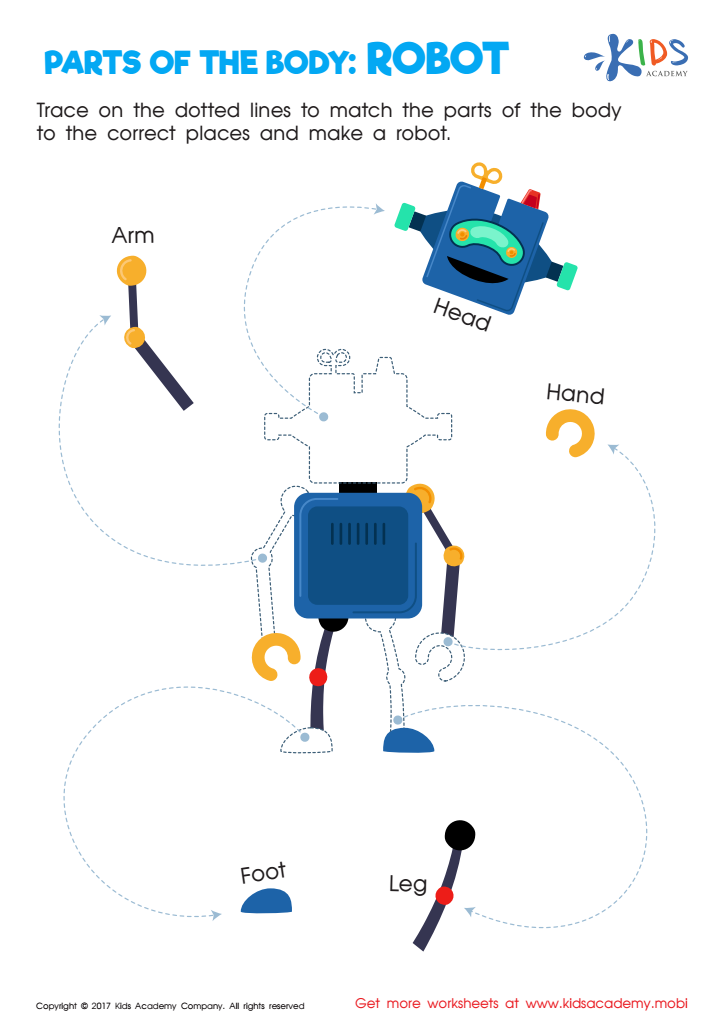
Robot Printable
 Assign to My Students
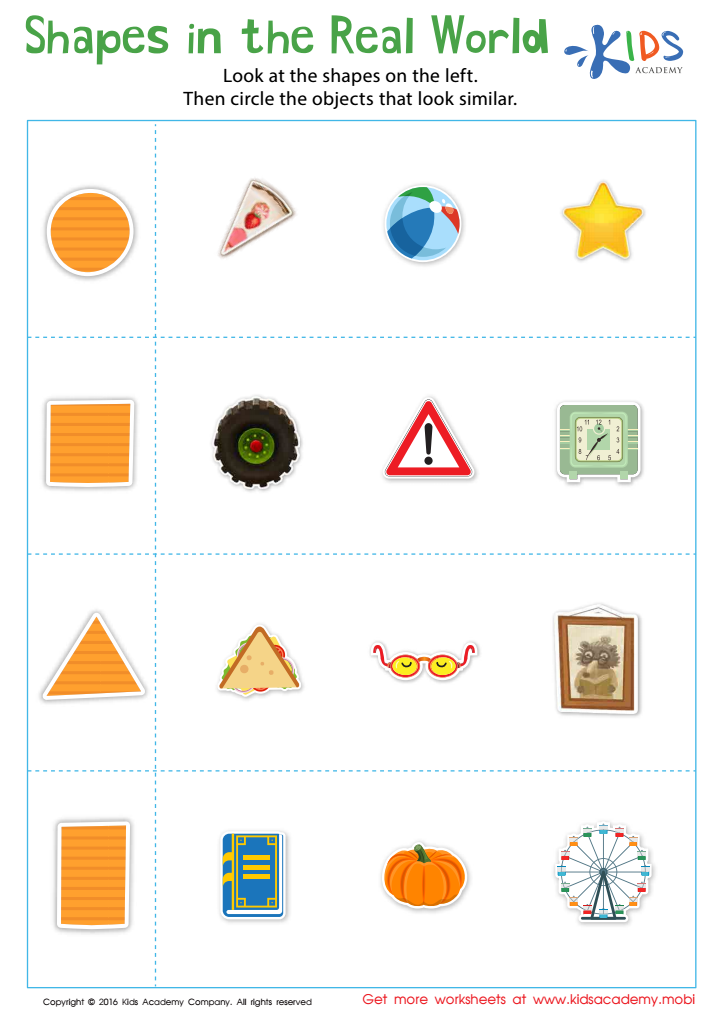
Shapes in the Real World Worksheet
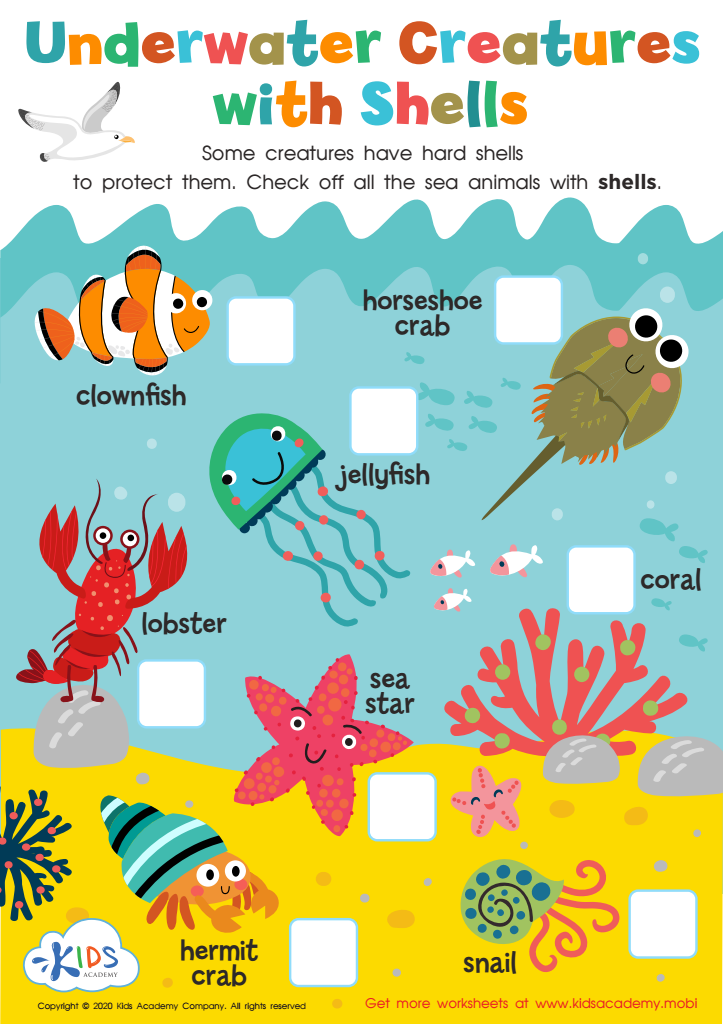
Underwater Creatures with Shells Worksheet








Color identification is a crucial aspect of early childhood education, particularly for children aged 6 to 7. Understanding colors enhances children's cognitive development, promoting their ability to categorize and differentiate objects in their environment. This foundational skill lays the groundwork for more complex learning in subjects such as science, art, and mathematics.
Parents and teachers should prioritize color identification, as it also cultivates language skills. By learning to name and talk about colors, children expand their vocabulary and improve their communication abilities. Engaging with colors can help enhance their artistic expression, creativity, and imagination, allowing them to appreciate and interact with their world in a more vibrant way.
Furthermore, color identification fosters emotional well-being. Children often associate colors with feelings, and recognizing these associations can aid in their social development and enhance emotional intelligence. As educators and caregivers introduce activities that involve colors—like arts and crafts or nature exploration—they provide opportunities for children to experiment and discover.
Ultimately, emphasizing color identification benefits children’s overall development, supporting their academic success and personal growth, making it an essential focus in early education.







