
Critical thinking development Science Worksheets for Ages 6-7
4 filtered results
Difficulty Level
Grade
Age
-
From - To
Subject
Activity
Standards
Boost your child's critical thinking skills with our engaging science worksheets designed specifically for ages 6-7. These comprehensive resources not only enrich their understanding of scientific concepts but also promote analytical thinking and problem-solving abilities. Each worksheet features fun activities that encourage exploration, observation, and reasoning. Your young learners will enjoy various challenges, from sorting and categorizing to simple experiments that spark curiosity. Ideal for homeschooling or classroom use, our critical thinking development worksheets foster a love for learning through interactive and hands-on experiences. Equip your child with the essential skills they need for future academic success while having fun!
Favorites
With answer key
Interactive
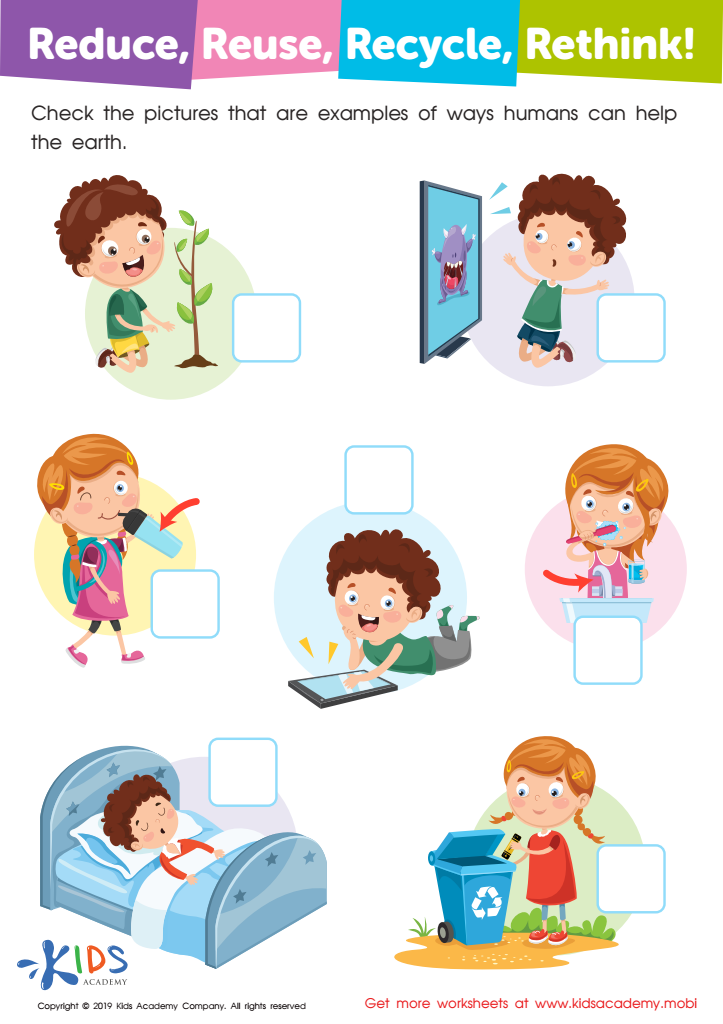
Reduce, Reuse, Recycle, Rethink Worksheet
Recycling is a great way to reduce waste and help our planet — instead of throwing away a can of soda, recycle it! Look at the pictures in the worksheet — what are the kids doing? They're learning about ways to help the environment. Check the pictures for examples of how to help the earth.
 Assign to My Students
Reduce, Reuse, Recycle, Rethink Worksheet
Worksheet
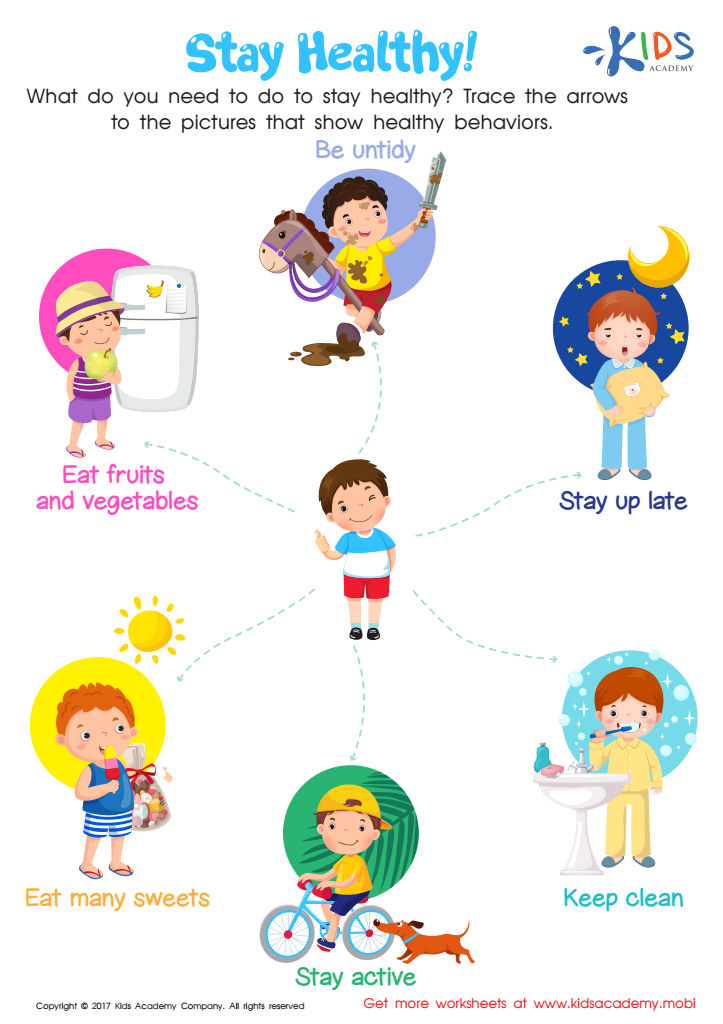
Healthy and Unhealthy Behaviors Worksheet
Assist your youngster to recognize beneficial habits for a joyful, healthy life with this healthy/unhealthy behaviors worksheet! After they finish, motivate them to follow the tips on the worksheet to show healthy habits.
Healthy and Unhealthy Behaviors Worksheet
Worksheet
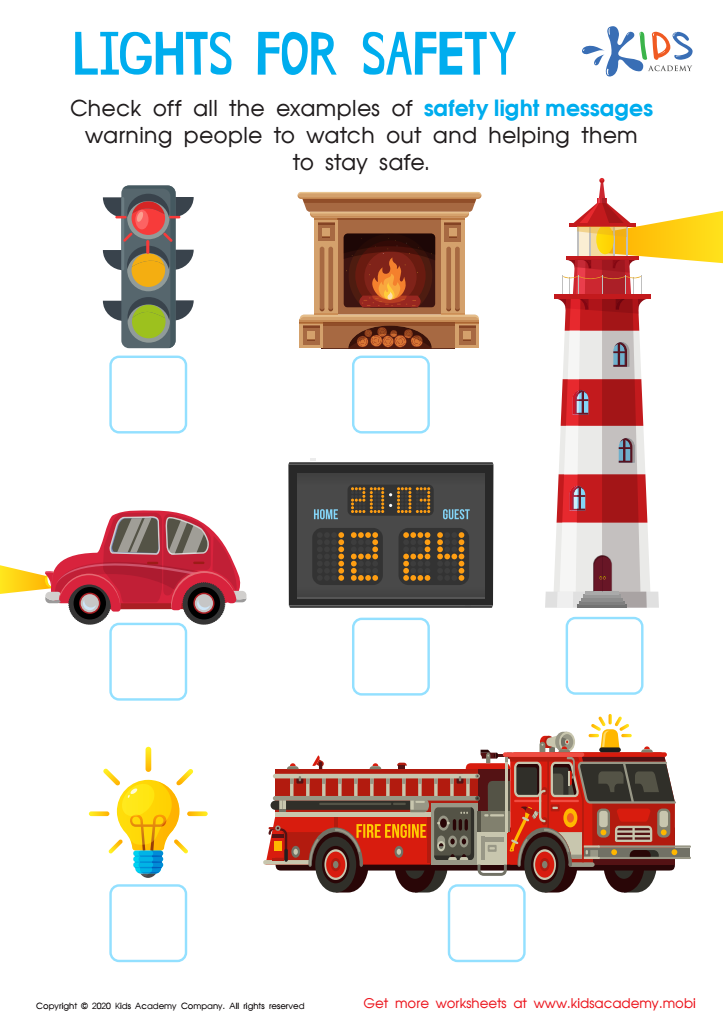
Lights for Safety Worksheet
Teach kids safety light messages to stay safe. Print this worksheet and ask students to identify the objects in the pictures. Then, ask them to check off the safety light messages which warn people to watch out. This helps keep kids safe at all times.
Lights for Safety Worksheet
Worksheet
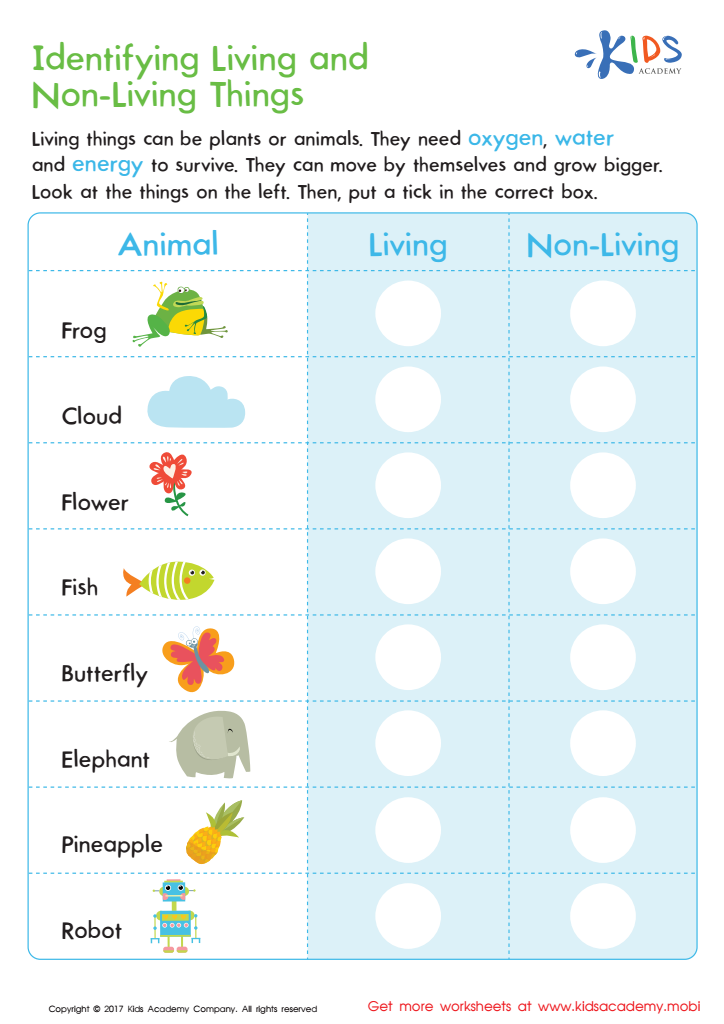
Identifying Living or Non–living Worksheet
Help your child learn to sort and categorize in a new way! Teach them to classify things as living or non-living using this worksheet. It's the perfect way to build their scientific understanding, and to have some learning fun! Print this worksheet and watch them discover the world of science!
Identifying Living or Non–living Worksheet
Worksheet
Join Kids Academy for Free
Who is primarily going to use this learning content?








Parents and teachers should prioritize critical thinking development in science for children ages 6-7 because this foundational skill fosters inquiry, creativity, and problem-solving abilities essential for lifelong learning. At this age, children are naturally curious, and engaging them in scientific exploration enhances their ability to ask questions, make predictions, and draw conclusions based on evidence.
Critical thinking in science encourages young learners to explore their environment, distinguish between opinions and facts, and evaluate information critically. This approach not only supports mastery of scientific concepts but also enhances literacy and numeracy skills. Furthermore, as our society faces complex challenges related to technology, health, and the environment, children's ability to think critically about scientific issues will empower them to make informed decisions in the future.
Moreover, critical thinking helps promote collaboration and communication among peers. When children engage in group scientific projects, they learn to listen, respect differing viewpoints, and build on each other's ideas. By nurturing critical thinking in science, parents and teachers equip children with the necessary skills to navigate an increasingly complex world, fostering independent thinkers who are prepared to face future challenges and contribute positively to society.







