Understanding habitats Science Worksheets for Ages 6-7
5 filtered results
-
From - To
Explore the fascinating world of habitats with our "Understanding Habitats" science worksheets designed specifically for ages 6-7. These engaging and interactive worksheets help young learners discover different types of habitats, such as forests, oceans, and deserts, while enhancing their observation, critical thinking, and classification skills. Tailored to ignite curiosity, our worksheets include fun activities like matching animals to their habitats and interactive quizzes that summarize learning effectively. Perfect for home or classroom use, these resources encourage hands-on experience with nature, promoting a deeper understanding of ecosystems while making learning enjoyable. Download now and embark on an exciting educational adventure!
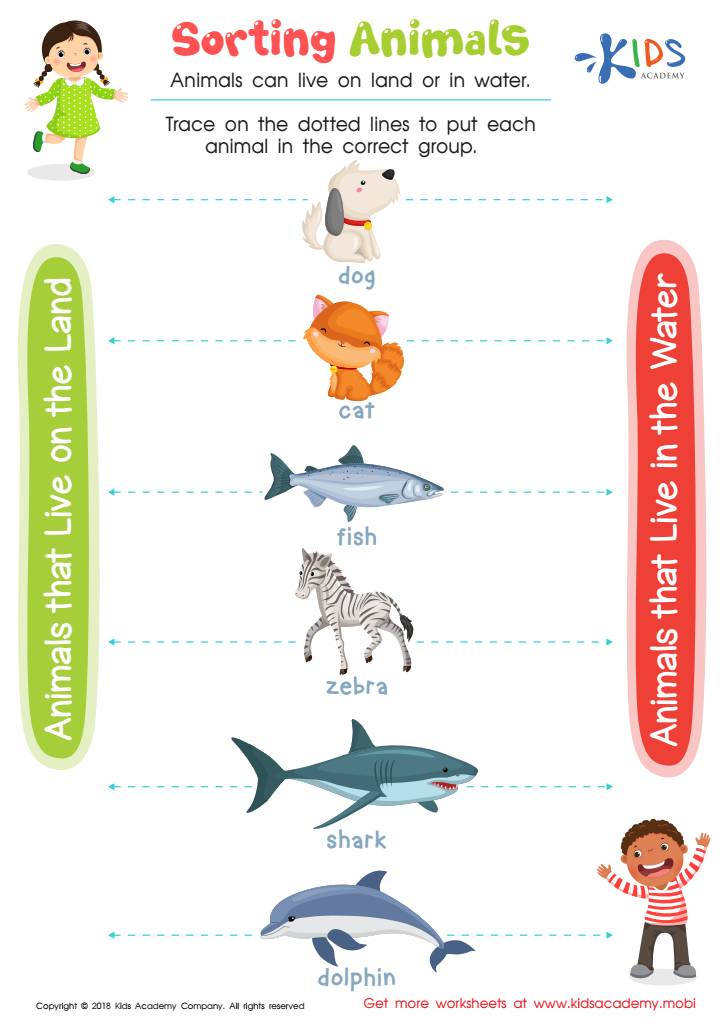
Sorting Animals Worksheet
 Assign to My Students
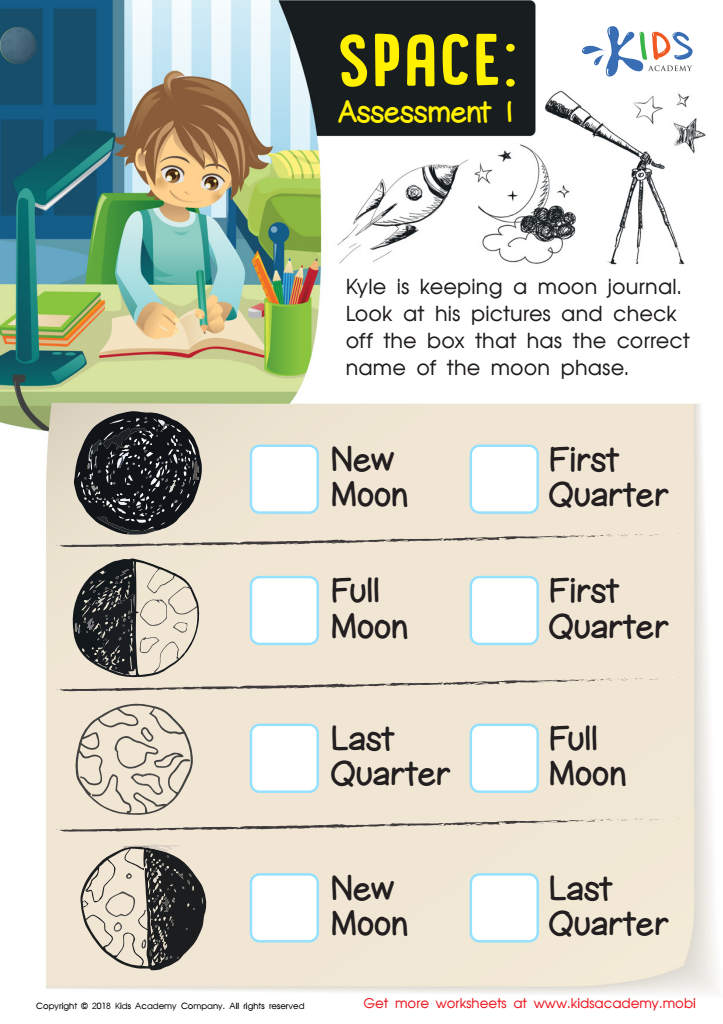
Space: Assessment 1 Worksheet
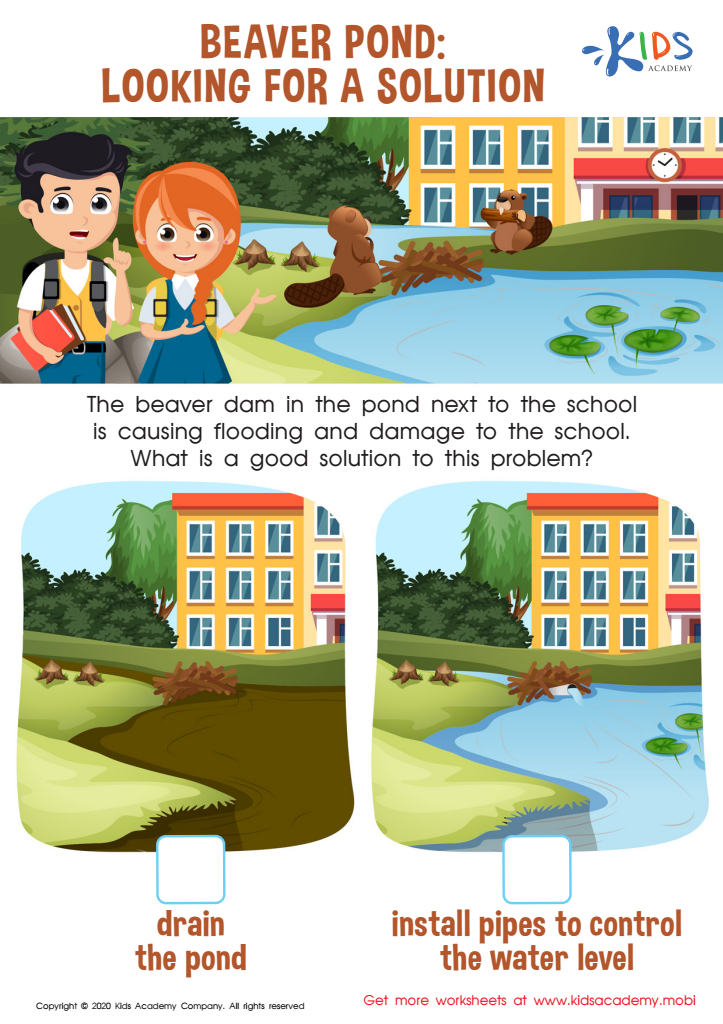
Beaver Pond: Looking for a Solution Worksheet
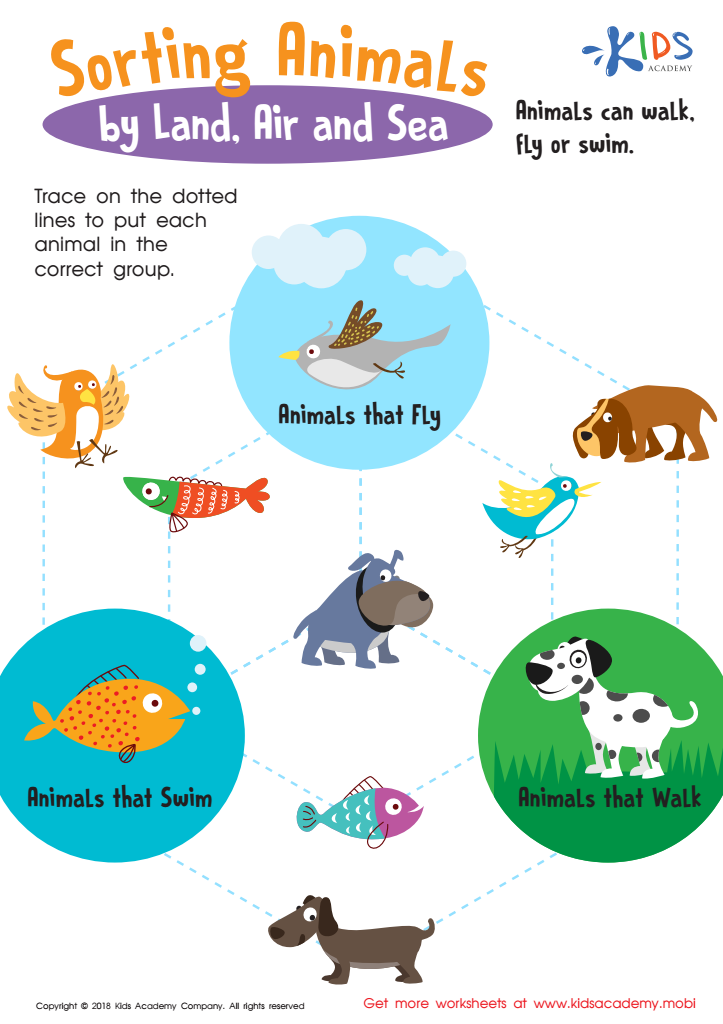
Sorting Animals by Land, Air and Sea Worksheet
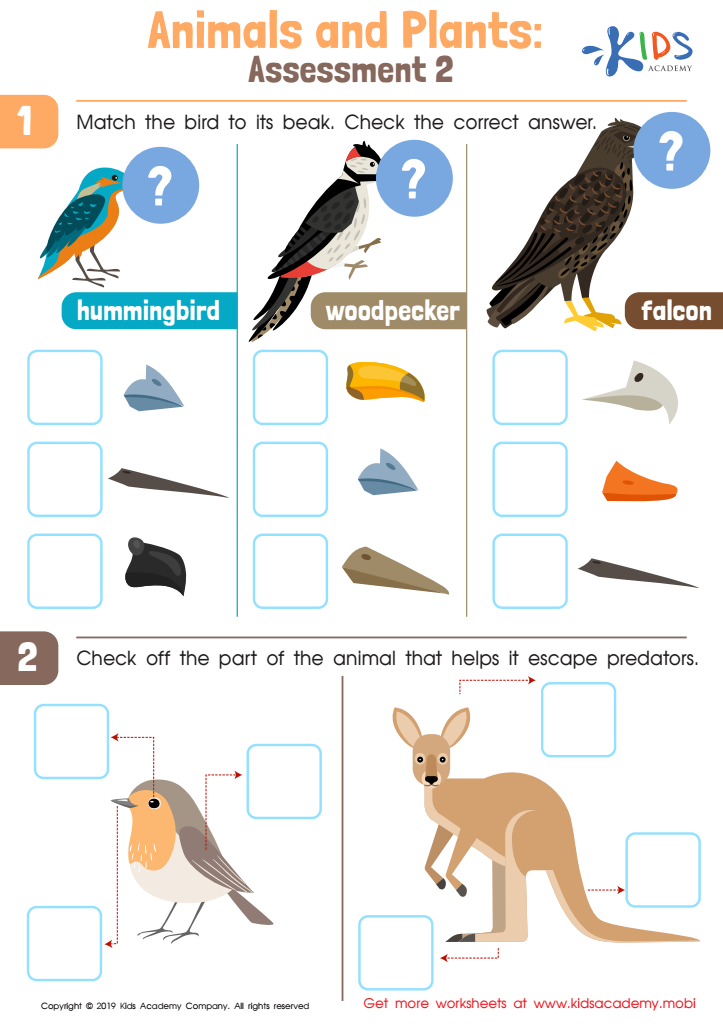
Animals and Plants: Assessment 2 Worksheet








Understanding habitats is essential for children aged 6-7, as it lays the foundation for environmental awareness and responsibility. At this age, children are naturally curious about their surroundings, making it an ideal time to introduce them to the concept of habitats—where animals and plants live and how they interact with their environments. This science topic fosters critical thinking, as students explore different ecosystems like forests, wetlands, and deserts, and learn about the plants and animals that inhabit them.
When parents and teachers focus on understanding habitats, they help children develop a deeper appreciation for biodiversity and the intricacies of ecosystems. Such knowledge leads to bigger conversations about the importance of conservation and our role in protecting the planet. Furthermore, engaging in hands-on activities—such as nature walks, habitat dioramas, or interactive games—can make learning about habitats enjoyable and memorable.
Additionally, understanding habitats complements other subjects like geography and environmental science, enriching the child’s educational experience. Involving parents in this process helps reinforce learning at home and encourages families to explore nature together. Ultimately, fostering a love for habitats can inspire a lifelong commitment to stewardship and a healthier, more sustainable future for our planet.







