Understanding life cycles Plants and Animals Worksheets for Ages 6-7
6 filtered results
-
From - To
Discover our engaging "Understanding Life Cycles: Plants and Animals Worksheets" for ages 6-7! Designed to ignite curiosity about nature, these worksheets provide young learners with essential skills to explore plant and animal life cycles. Each activity encourages critical thinking and creativity while reinforcing science concepts in a fun and interactive way. From identifying stages of growth to understanding habitats, our worksheets promote hands-on learning, perfect for at-home or classroom use. Help your child cultivate a deeper appreciation for the environment as they develop their observation and analytical skills. Start their journey into the fascinating world of life cycles today!
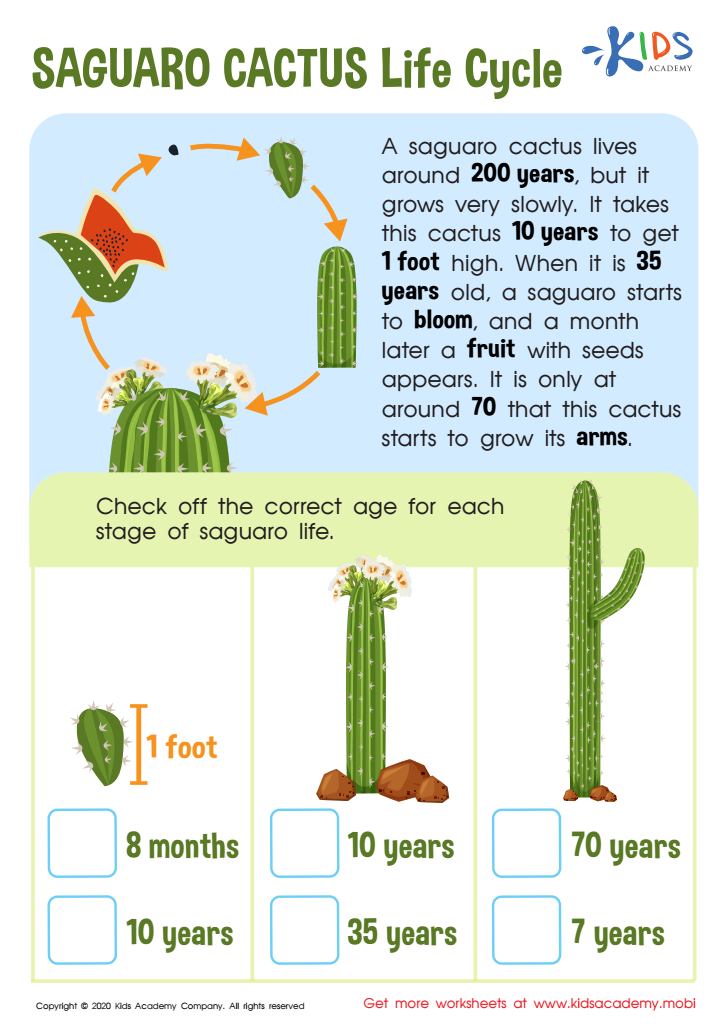
Saguaro Cactus Life Cycle Worksheet
 Assign to My Students

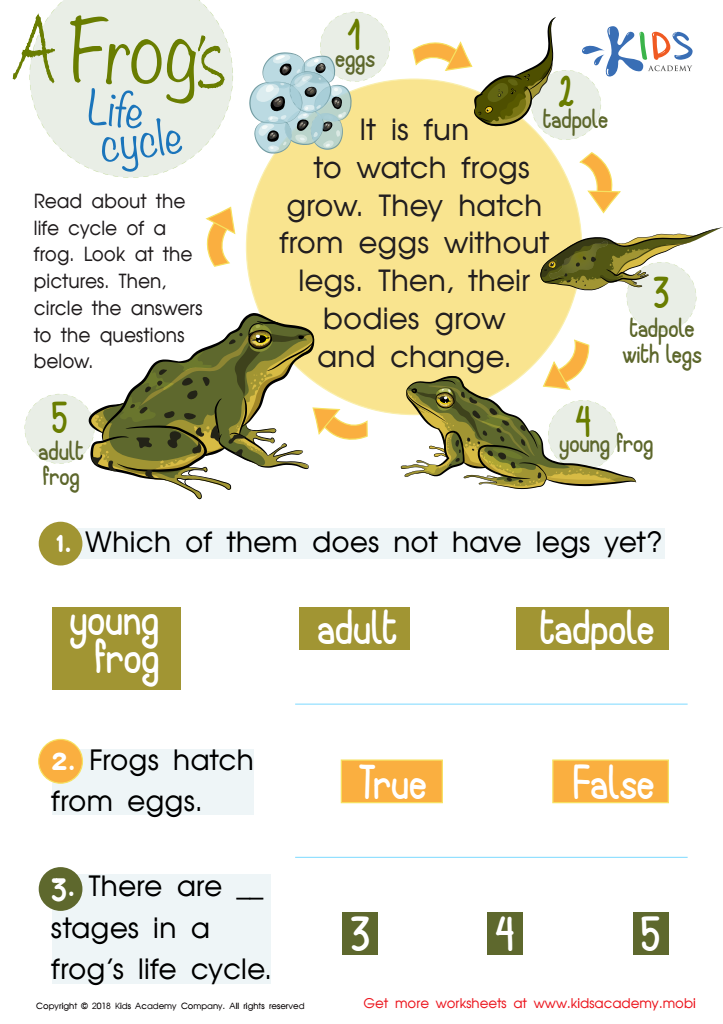
A Frog’s Life Cycle Worksheet
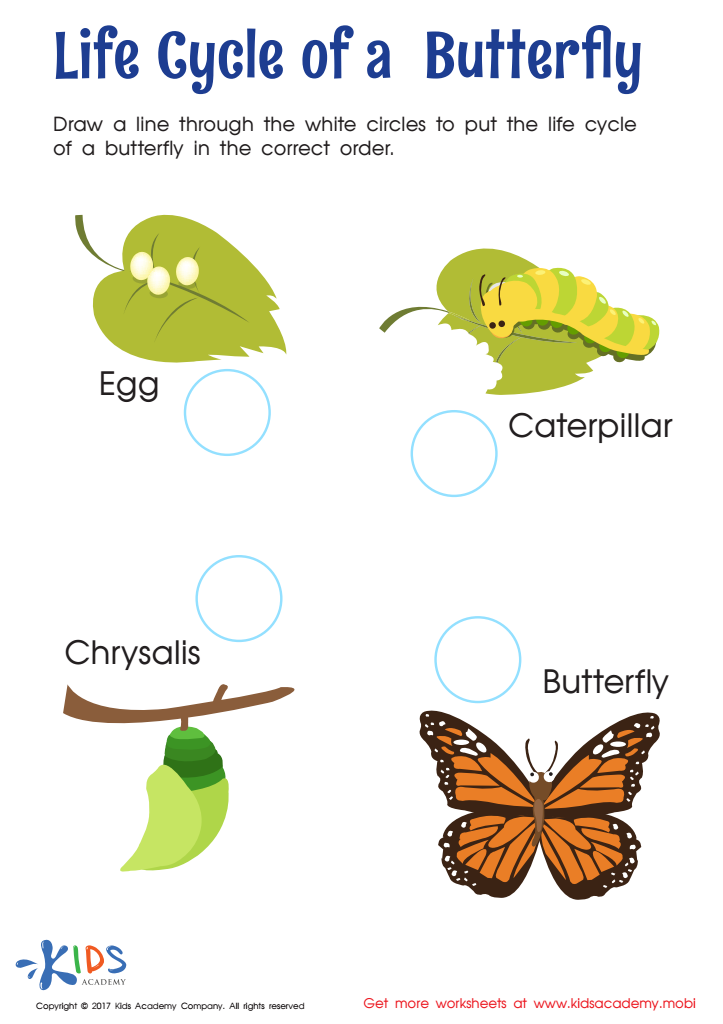
Life Cycle of Butterfly Worksheet
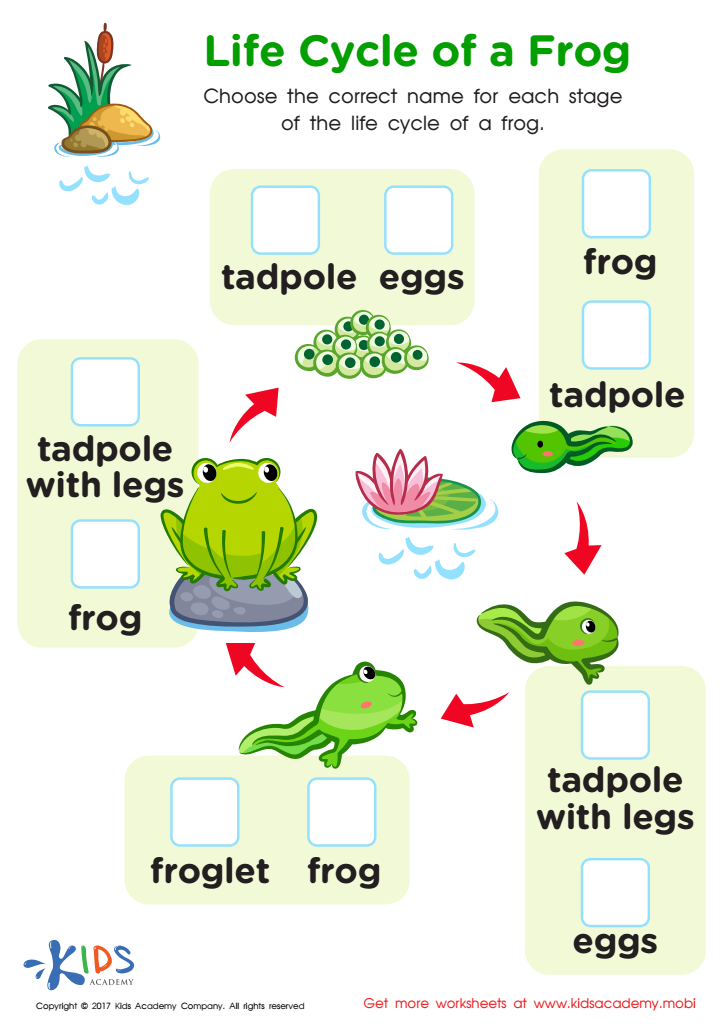
Life Cycle Frog Printable
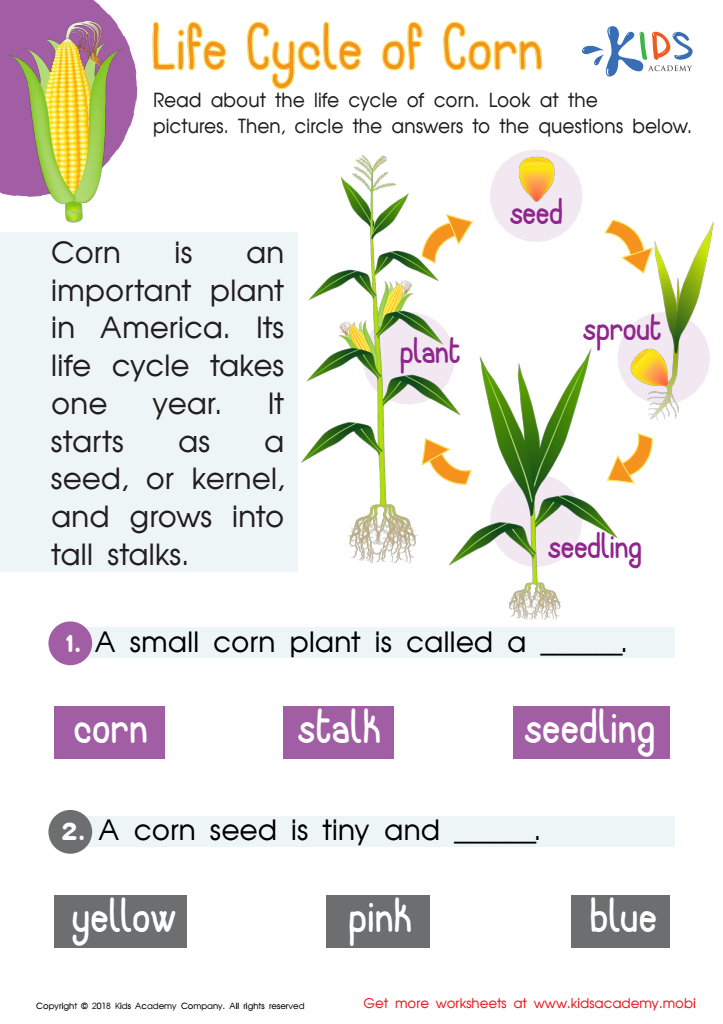
Life Cycle of Corn Worksheet
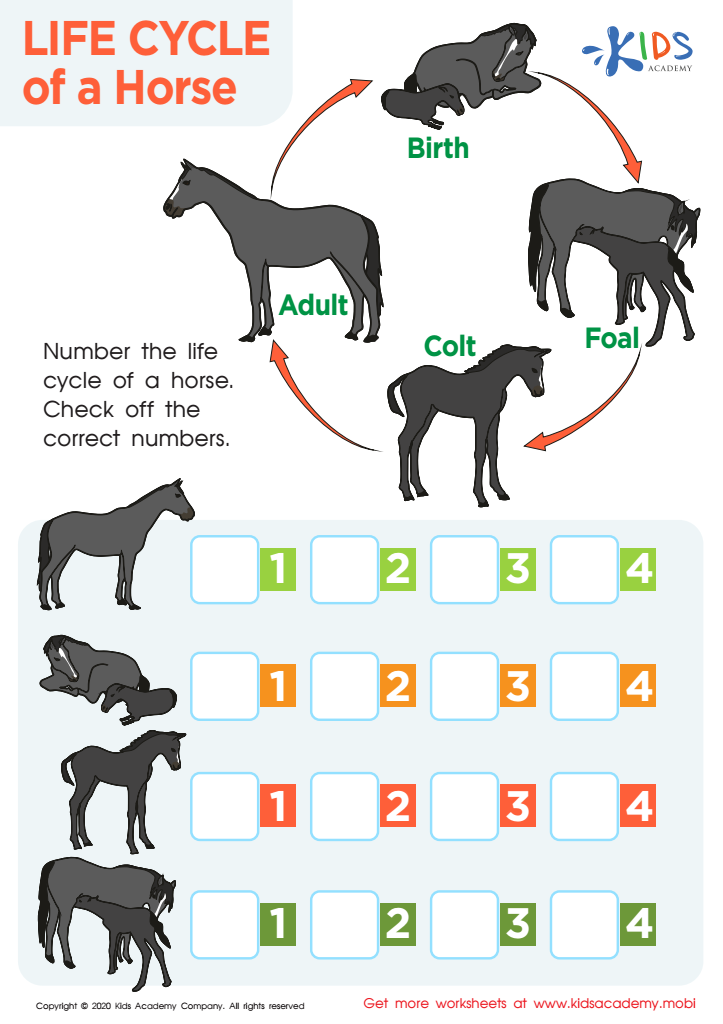
Life Cycle of a Horse Worksheet



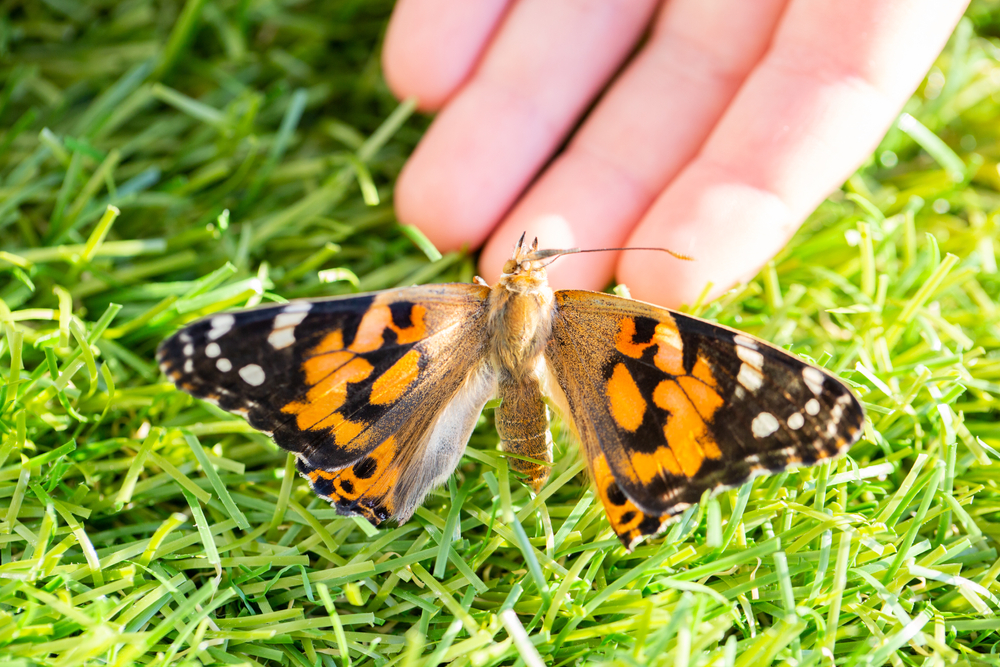




Understanding life cycles of plants and animals is essential for children aged 6-7, and there are numerous reasons why parents and teachers should prioritize this learning. Firstly, life cycles provide young learners with a fundamental concept of biology, teaching them how living organisms grow, reproduce, and eventually die, thus fostering a sense of order and continuity in nature.
Additionally, exploring life cycles enhances children's observation skills and critical thinking. By watching the growth processes of plants and animals, they learn to make predictions, record observations, and draw conclusions—skills valued not just in science but in everyday life.
Incorporating life cycle studies also supports ecological literacy, helping children understand their role in the environment. It encourages respect for living things and awareness of biodiversity, which is crucial as stewardship of the planet begins at a young age.
Moreover, discussing life cycles can stimulate curiosity and creativity, as children engage with themes of change and transformation. Such discussions and activities can promote emotional development by teaching empathy and responsibility for creatures they study.
Ultimately, grasping the cycles of life nurtures a deeper understanding of the world and prompts young learners to ask questions, explore, and appreciate the interconnectedness of all living things.








