Consonants Worksheets for Ages 6-8 - Page 2
34 filtered results
-
From - To
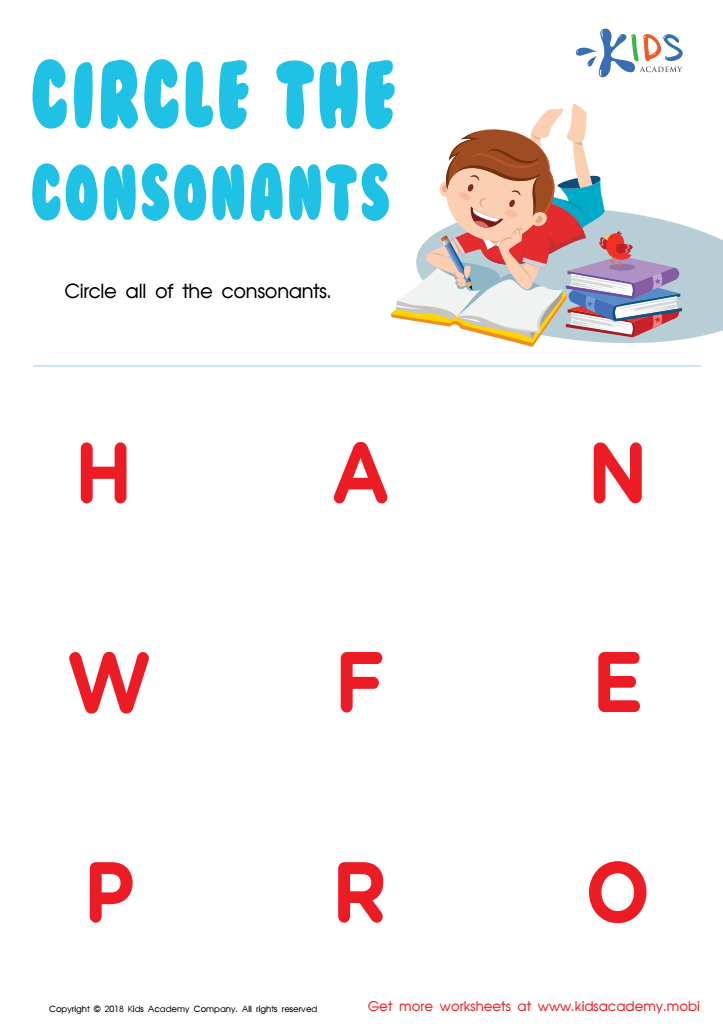
Circle the Consonants Worksheet
 Assign to My Students
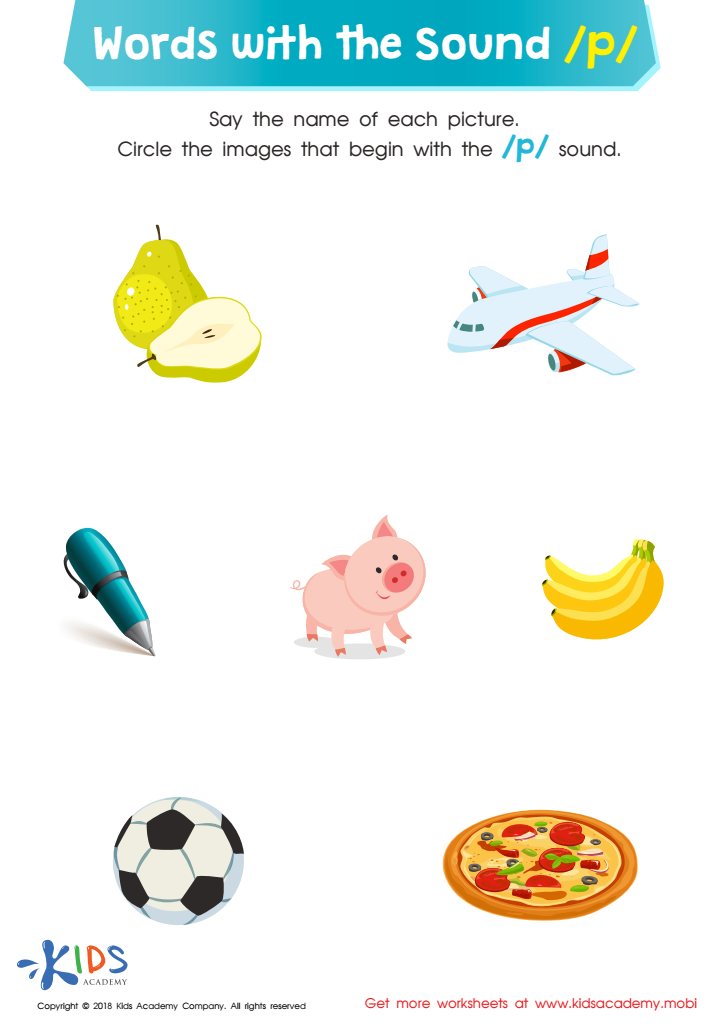
Words with sound p Reading Worksheet
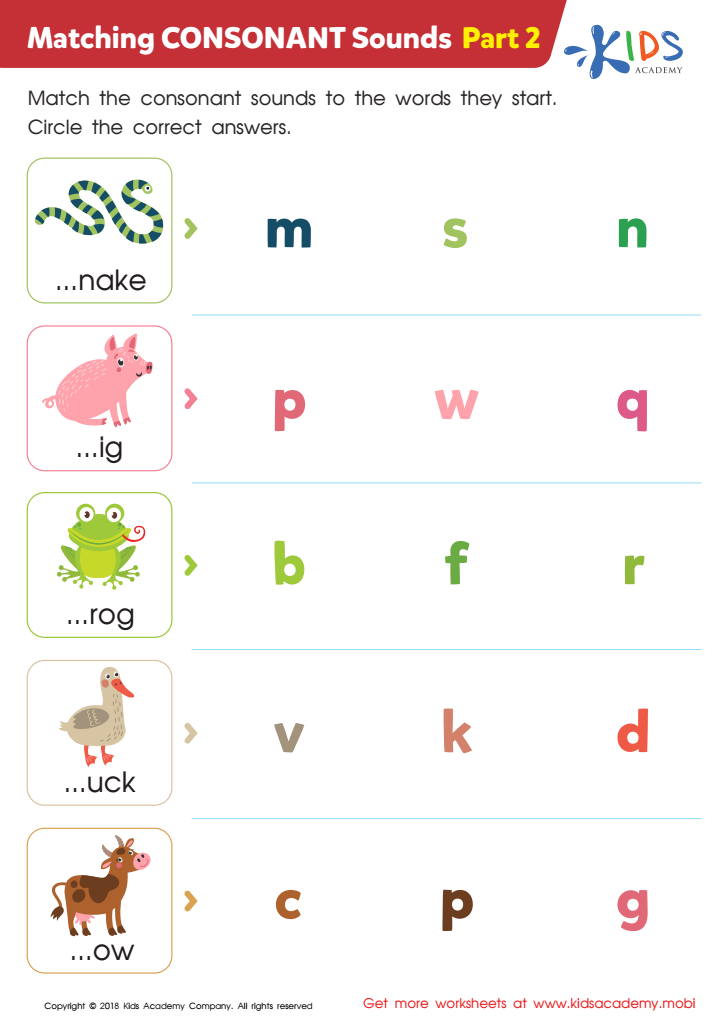
Matching Consonant Sounds: Part 2 Worksheet
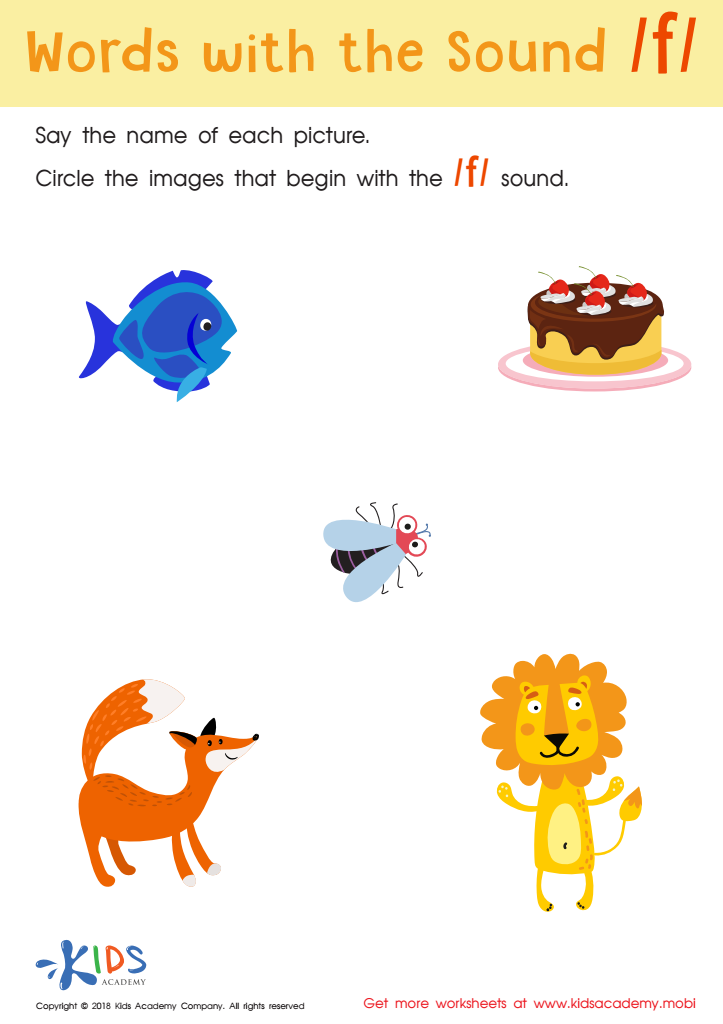
Words with sound f Reading Worksheet
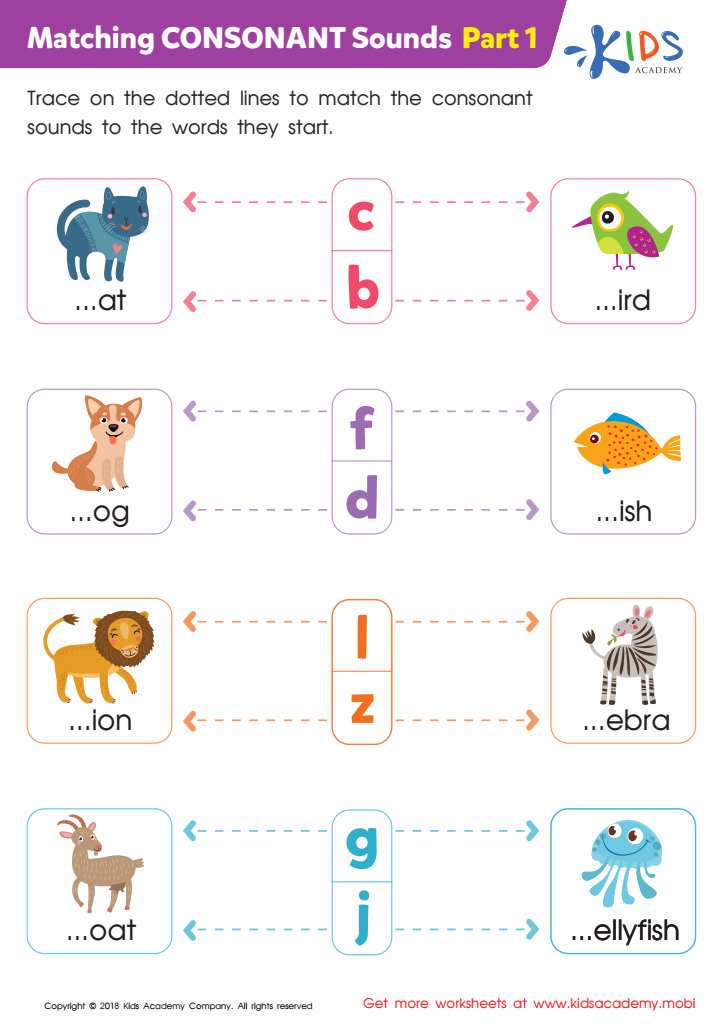
Matching Consonant Sounds: Part 1 Worksheet
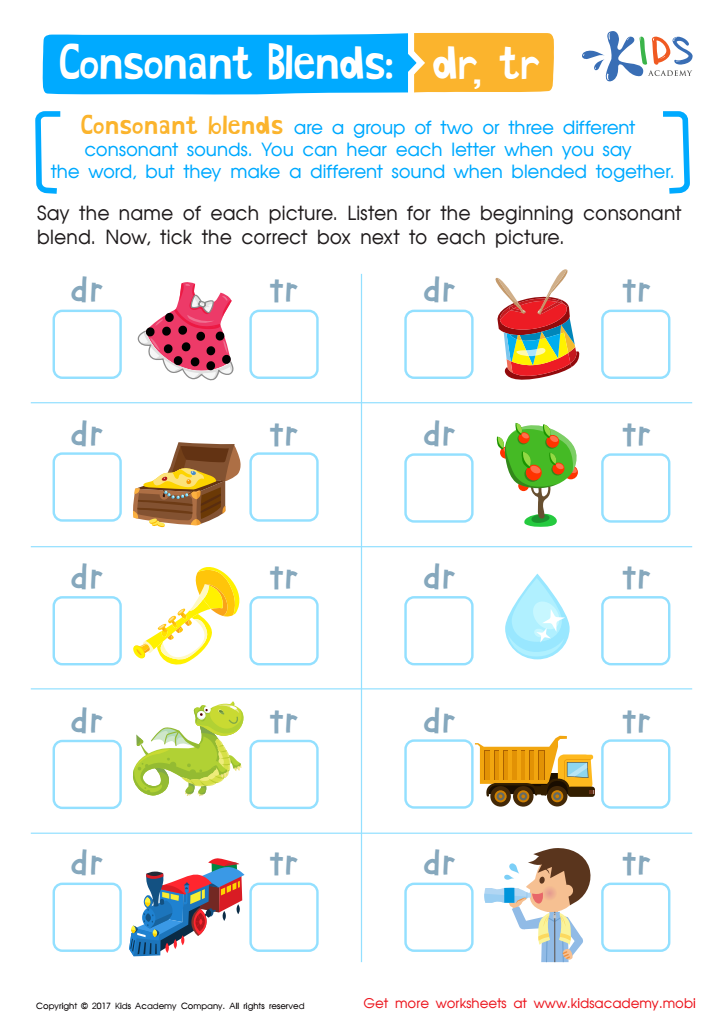
Consonant Blends: "Dr" and "Tr" Printable
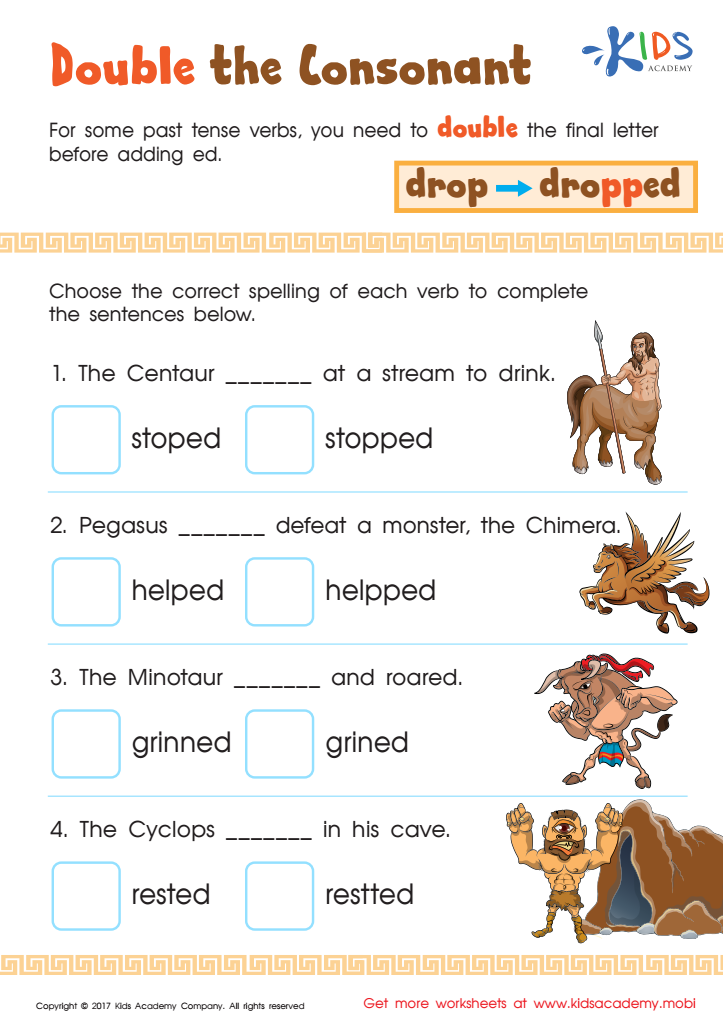
Double Consonant Spelling Worksheet
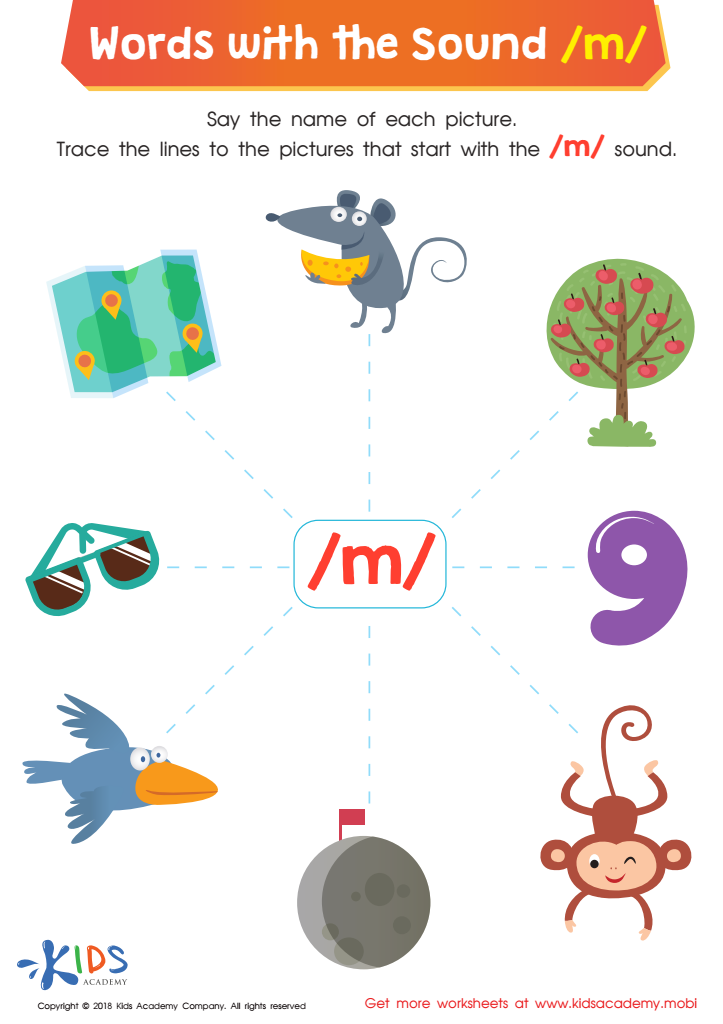
Words with Sound M Reading Worksheet
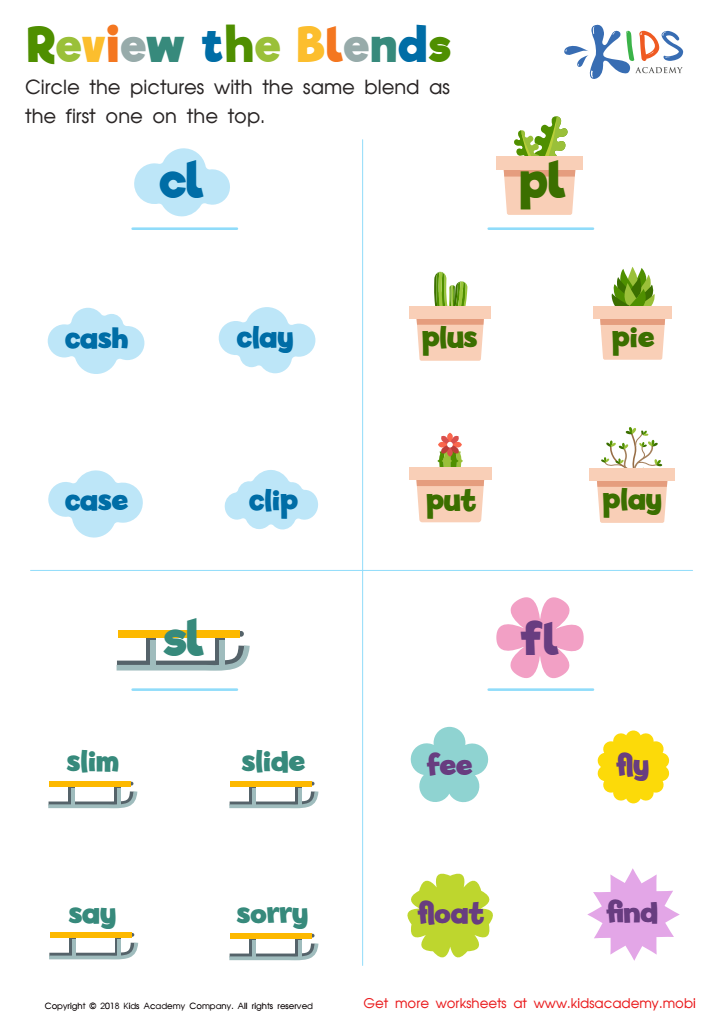
Review the Blends Worksheet
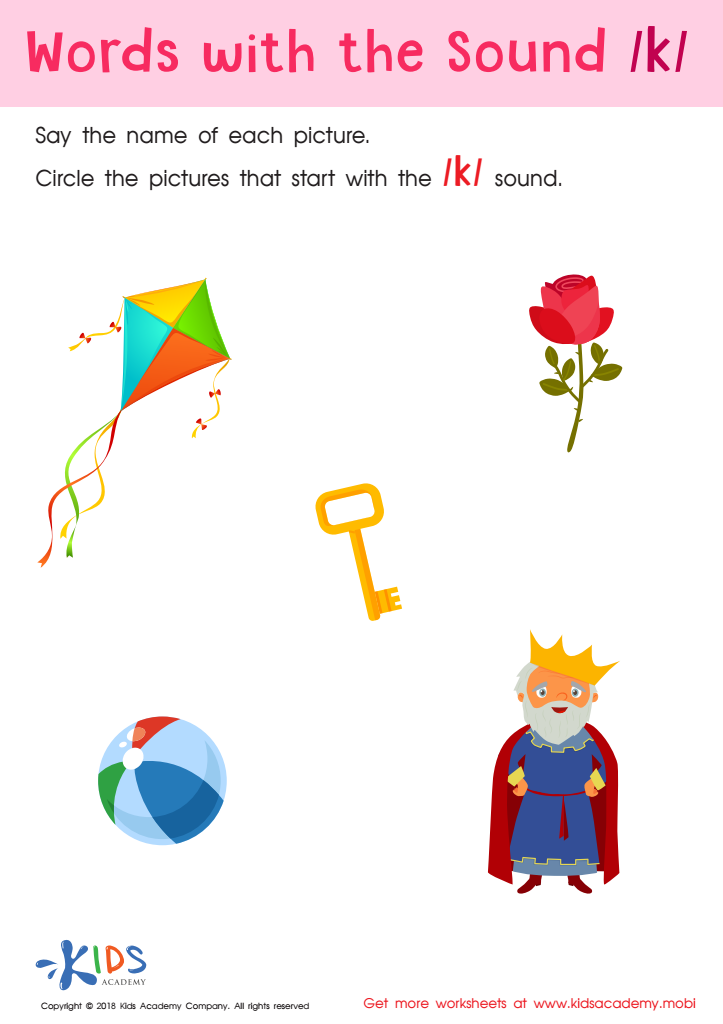
Words with sound k Reading Worksheet



Understanding consonants is crucial for ages 6-8, as this is a foundational period for reading and writing development. At this stage, children transition from recognizing letters to decoding words, central to which are consonants. Mastering consonants helps in pronouncing words correctly, aiding in better reading fluency. Engaging with the sounds of consonants enables kids to spell words more accurately, fostering confidence in writing.
Furthermore, consonants form the backbone of basic phonics—the method used to teach reading. When children learn consonant sounds and their combinations, they develop vital phonemic awareness. This ability to hear, identify, and manipulate sounds is directly linked to later reading success. Consonants also differentiate words' meaning in both spoken and written language. For example, confusing 'bat' with 'pat’ alters the word entirely.
Caring about this aspect ensures children do not face future literacy challenges. Parents and teachers should incorporate playful, engaging activities involving consonants, like reading aloud, interactive phonics games, and practice activities. This makes learning consonants enjoyable, reinforcing their importance and laying down a solid foundation for a child’s linguistic journey. Supporting children during this critical learning phase can significantly impact their academic success and love for reading.