Reading comprehension Alphabet Worksheets for Ages 6-8 - Page 3
91 filtered results
-
From - To
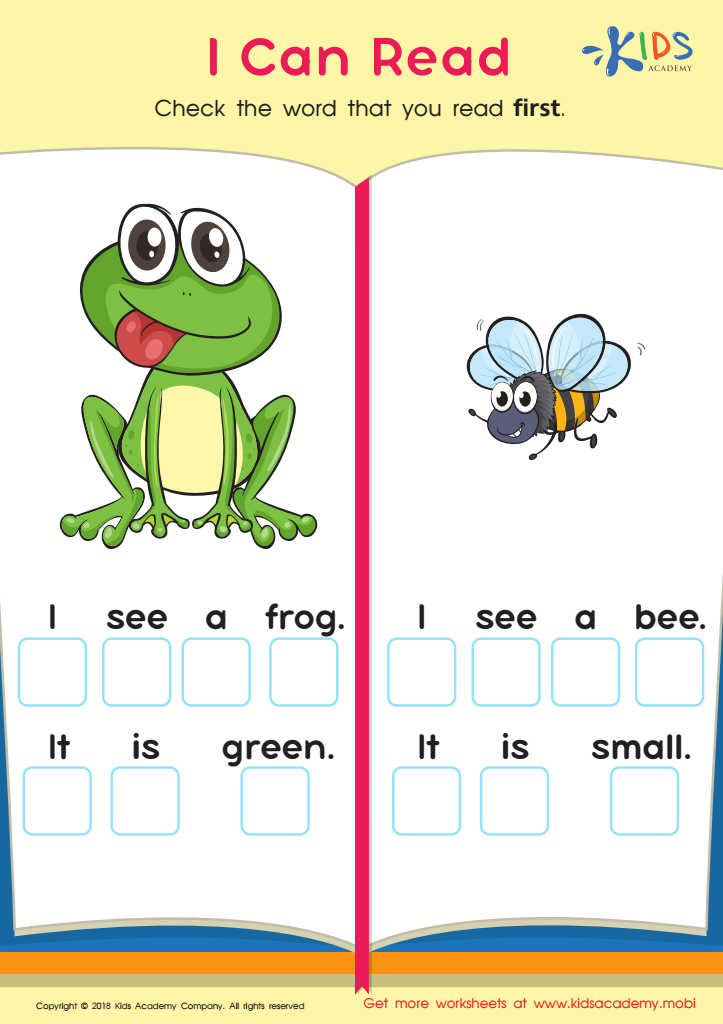
I Can Read Worksheet
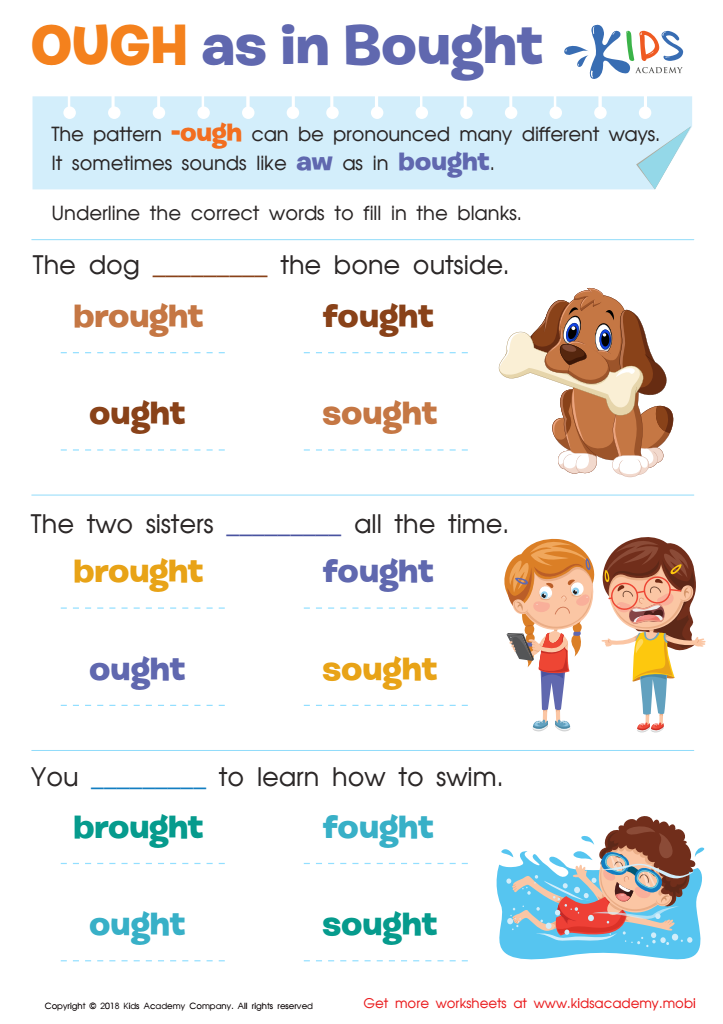
OUGH as in Bought Worksheet
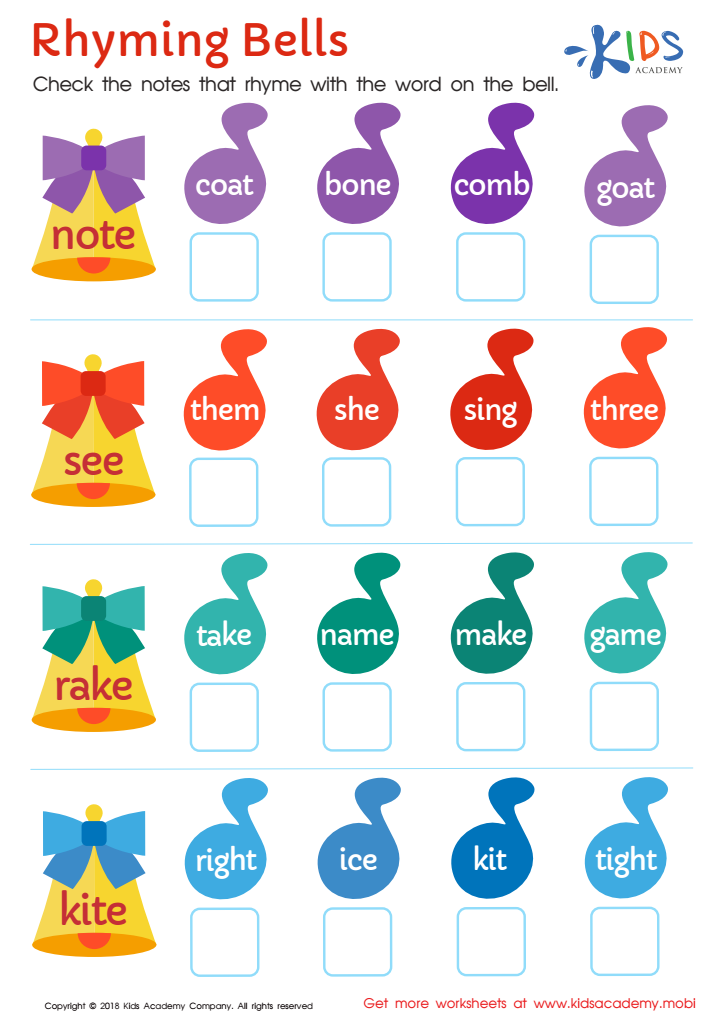
Rhyming Bells Worksheet
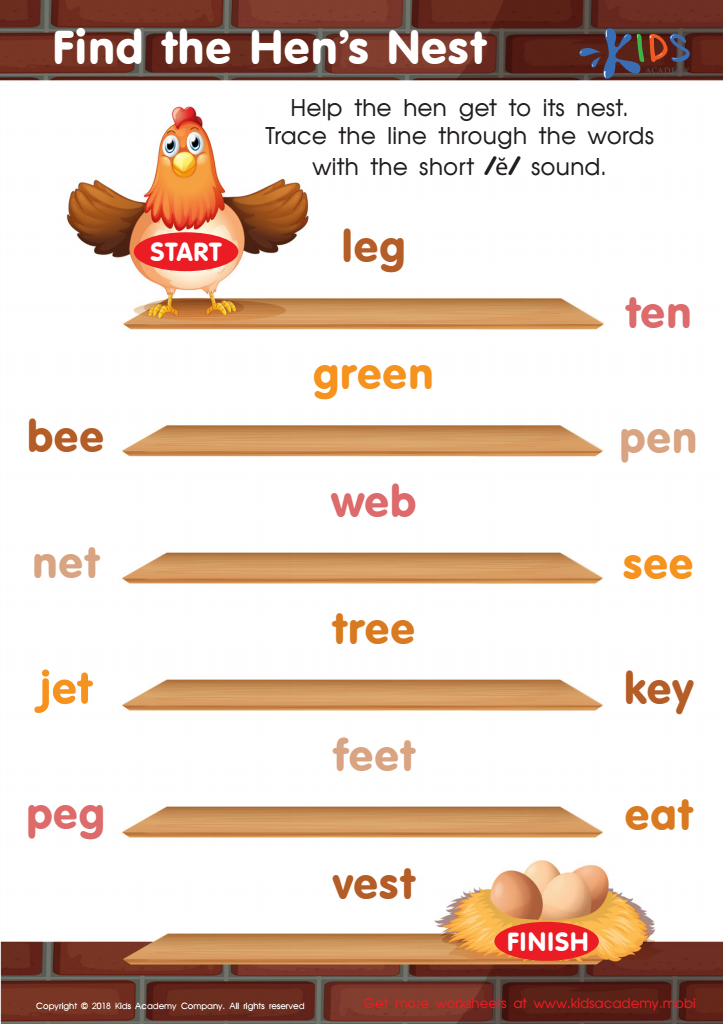
Find Hens Nest Reading Worksheet
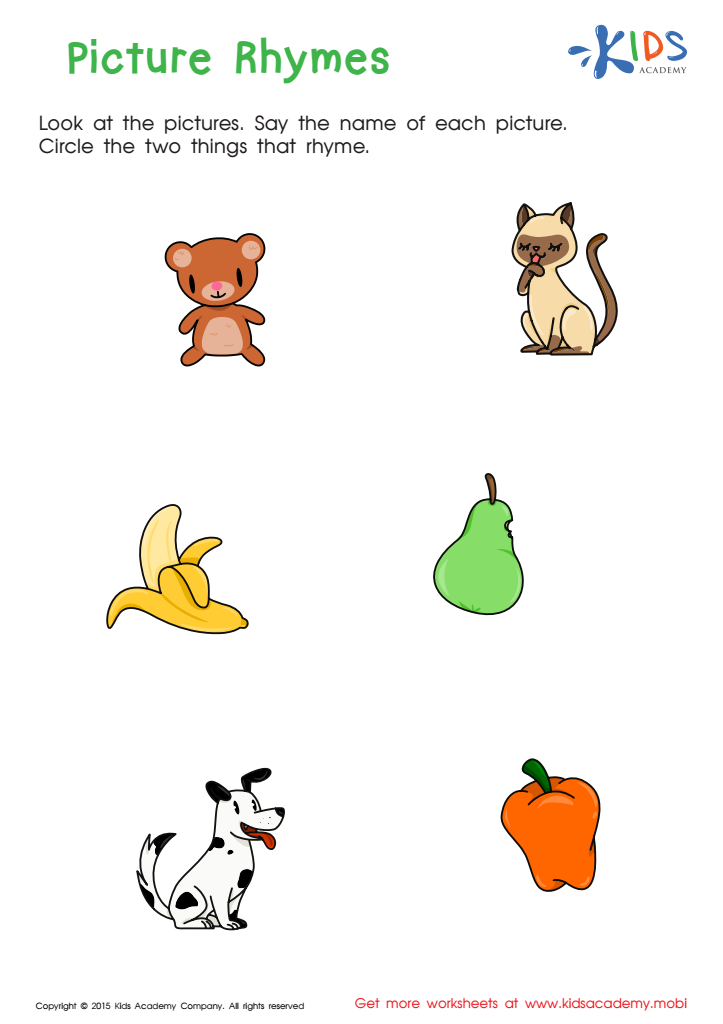
First Words: Picture Rhymes Worksheet
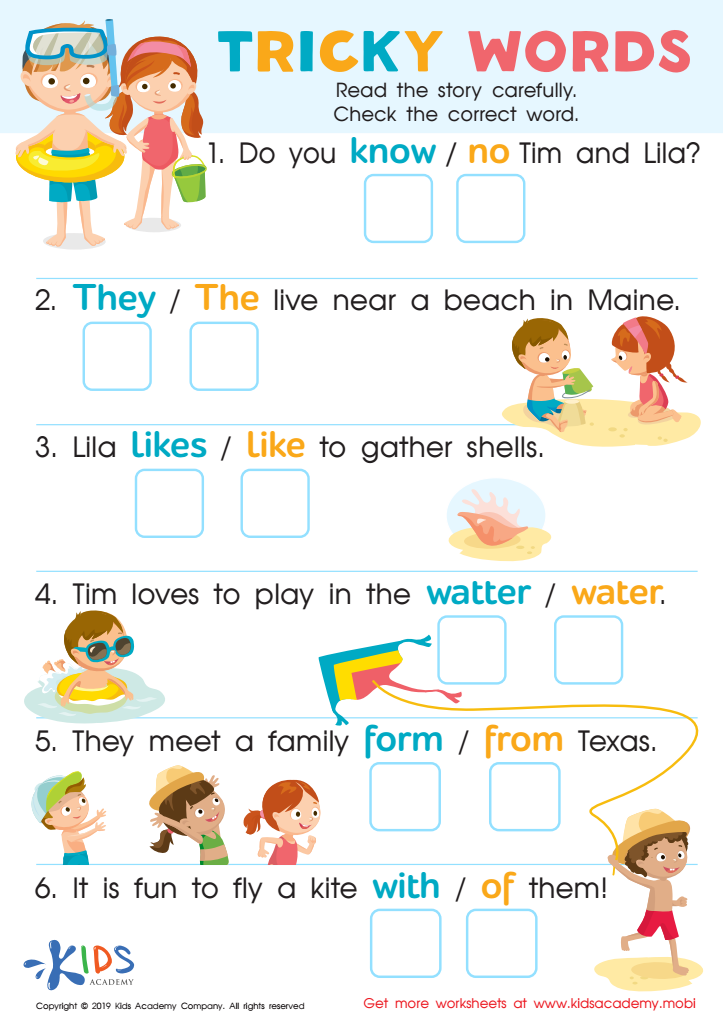
Tricky Words Worksheet
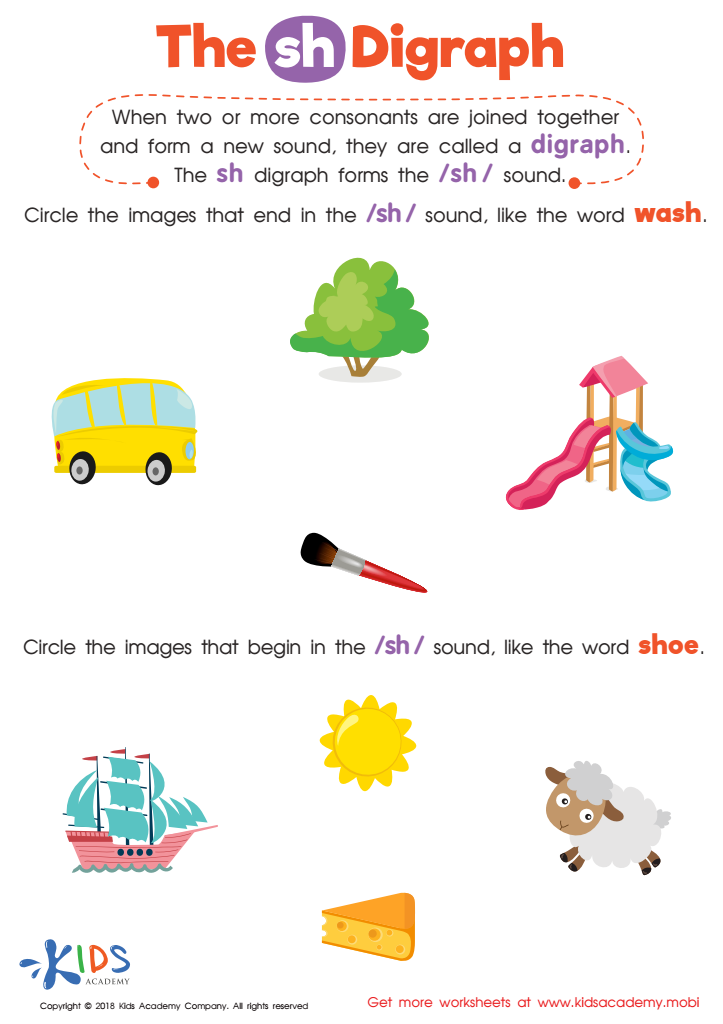
The SH Digraph Worksheet
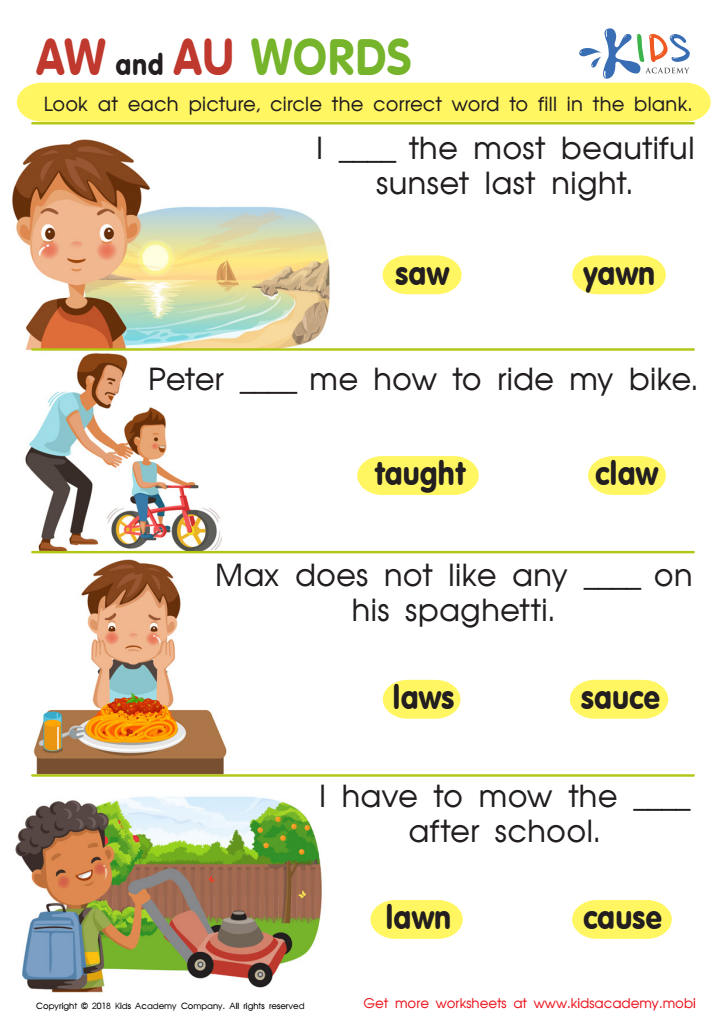
Reading: AW and AU Words Worksheet
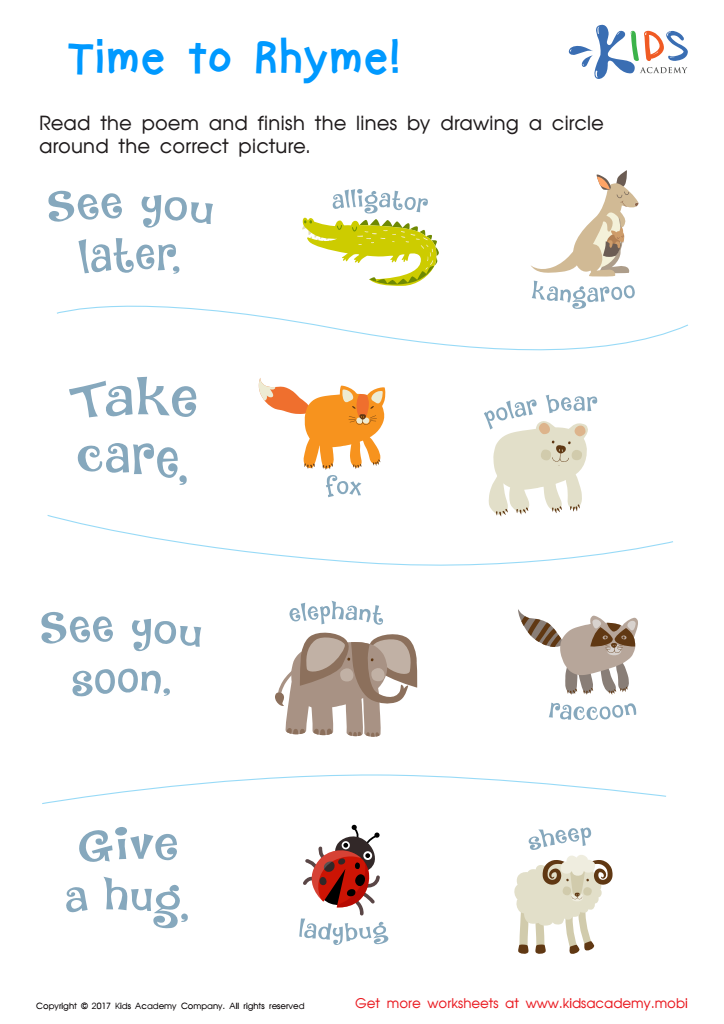
Time to Rhyme Rhyming Worksheet
Funny Worksheet Sight Words Worksheet
 Assign to My Students
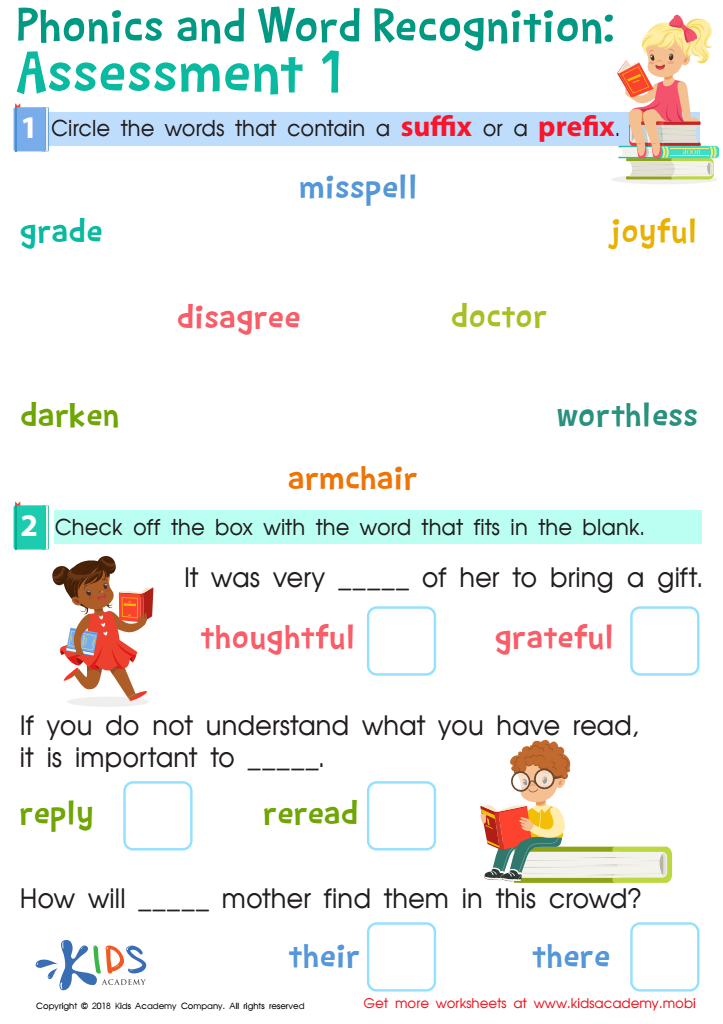
Phonics and Word Recognition: Assessment 1 Worksheet
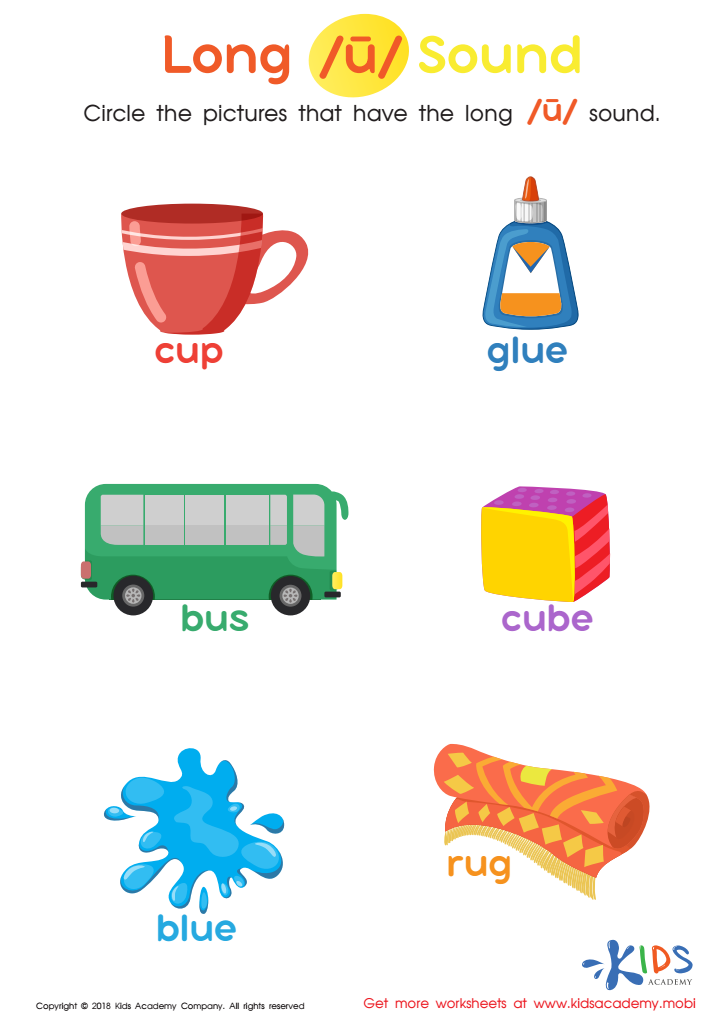
Long «u» Sound Worksheet
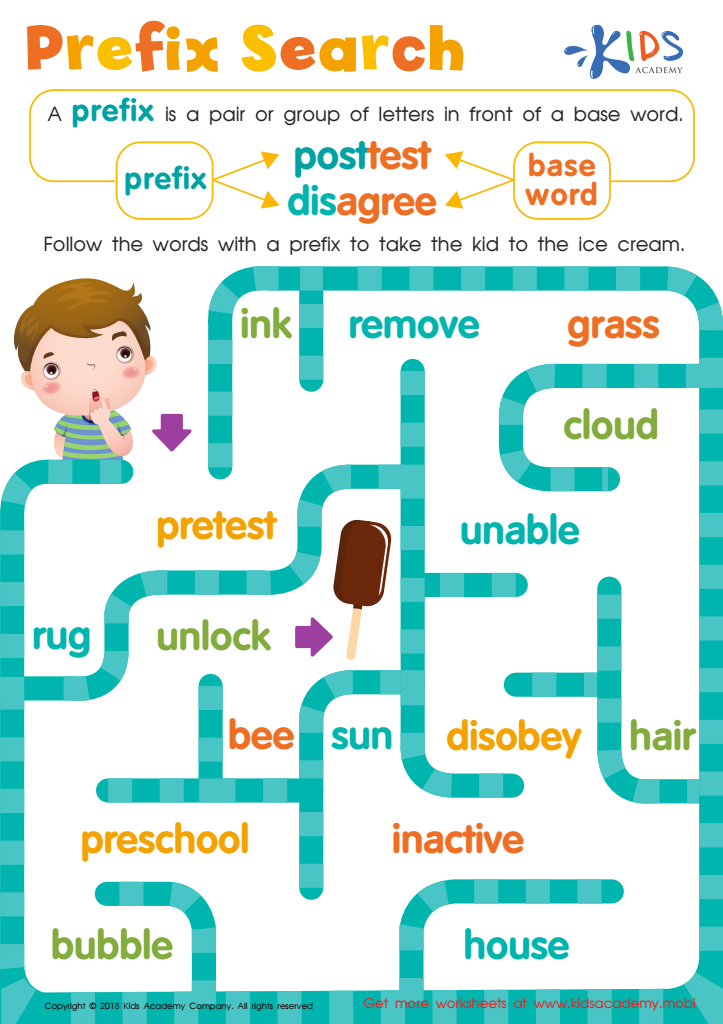
Reading: Prefix Search Worksheet
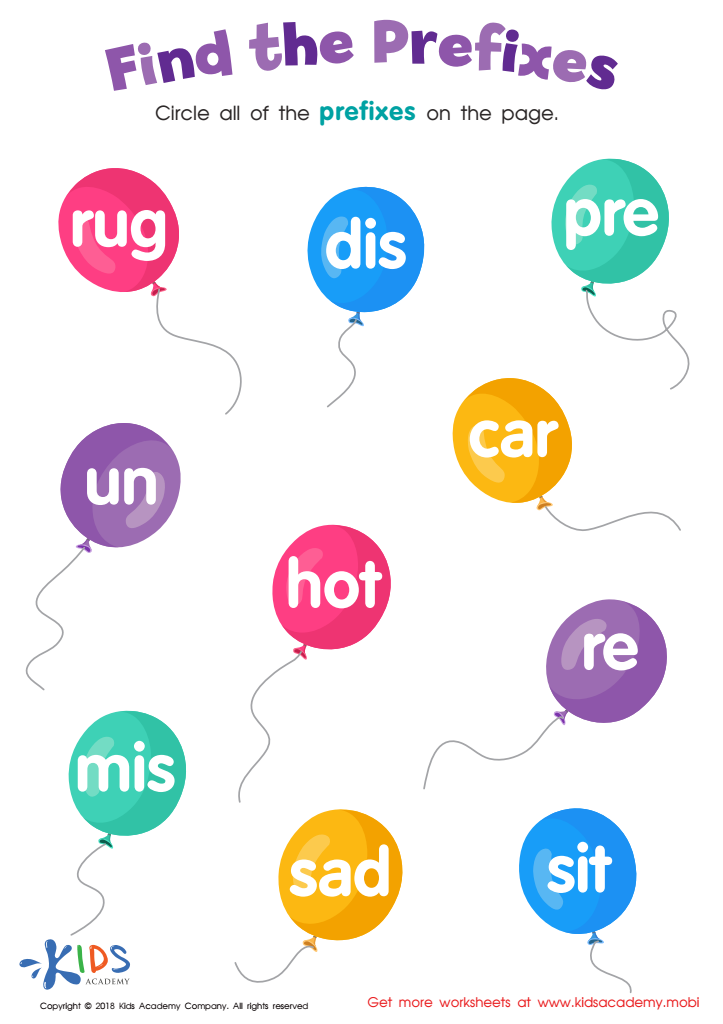
Reading: Find the Prefixes Worksheet
Long Vowel Sound A Worksheet Worksheet
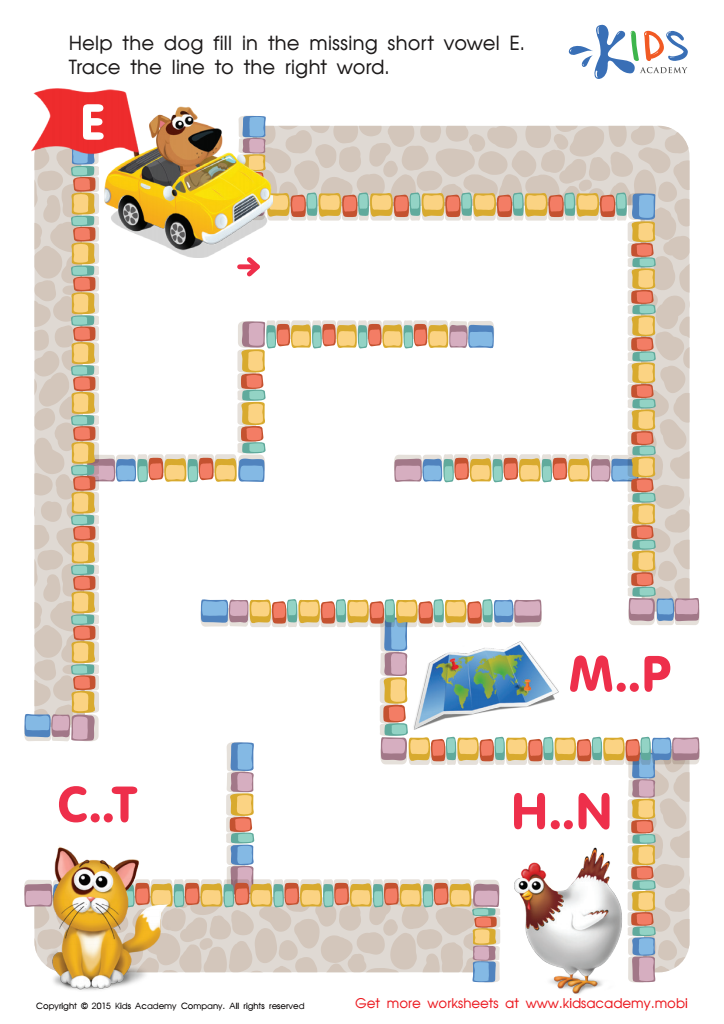
Short Vowel Sound E Worksheet
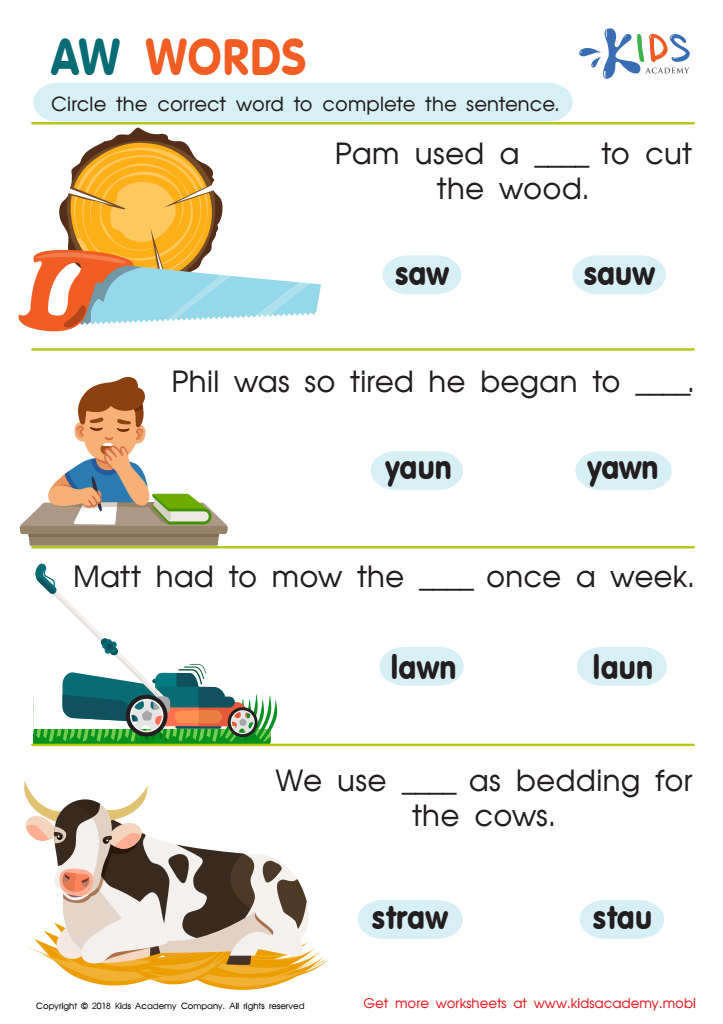
Reading: AW Words Worksheet
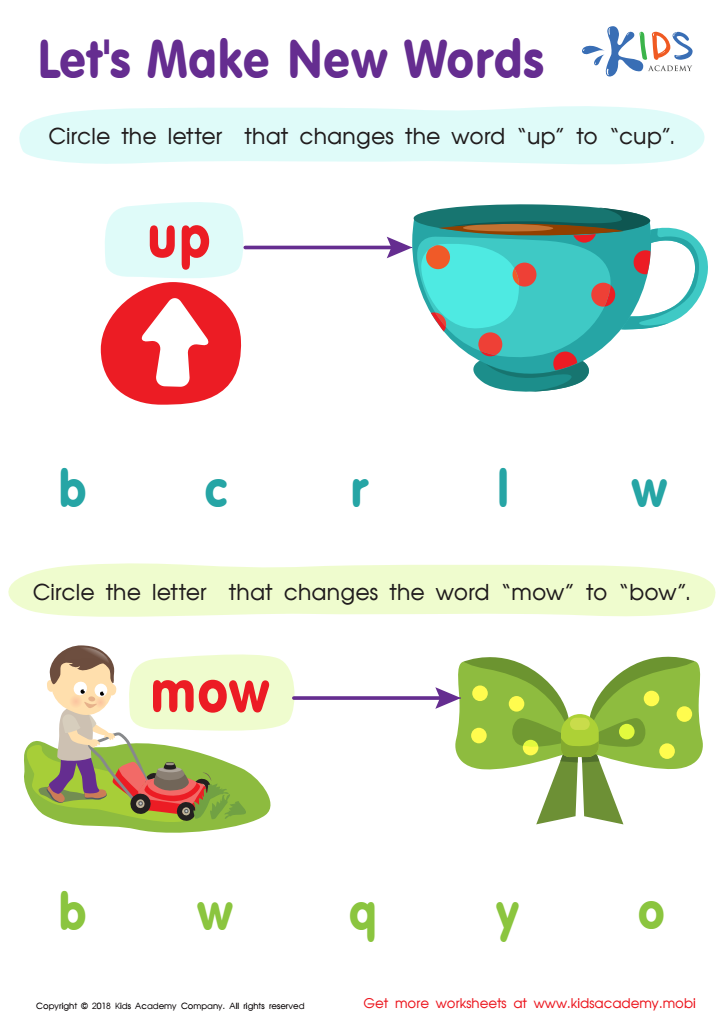
Let's Make New Words Worksheet
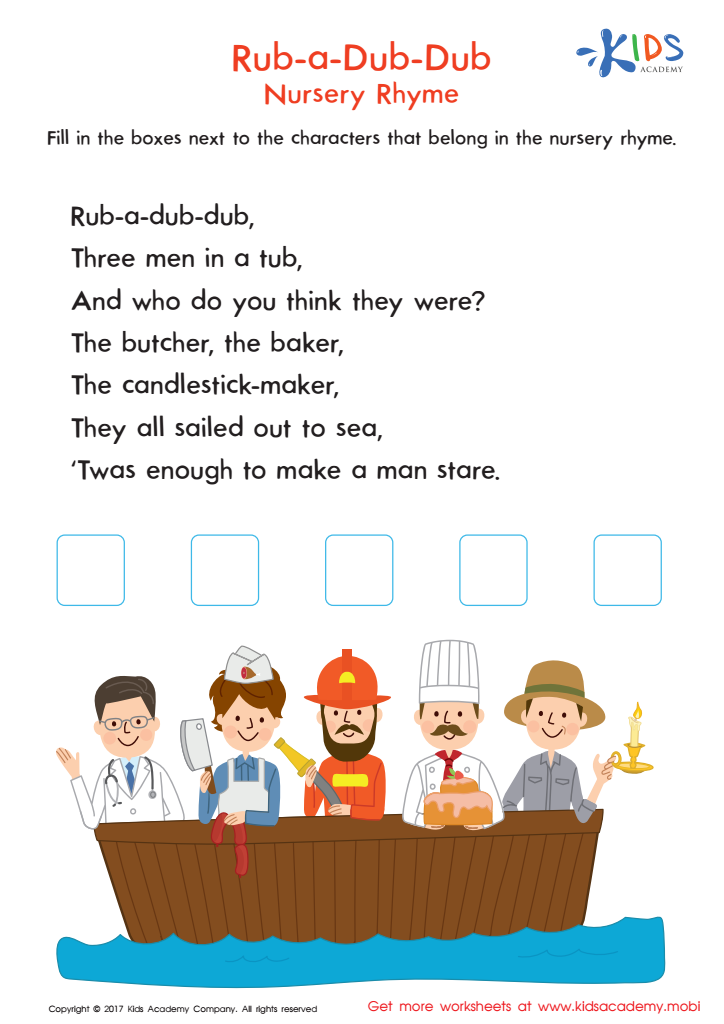
Rub a Dub Dub Printable
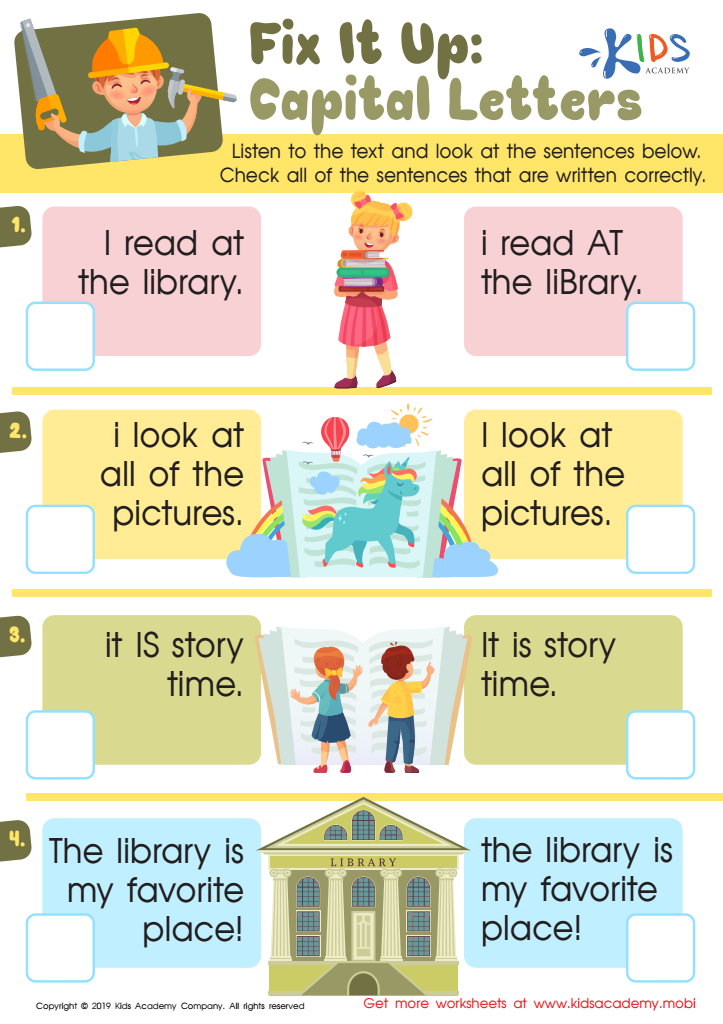
Fix Capital Letters Worksheet
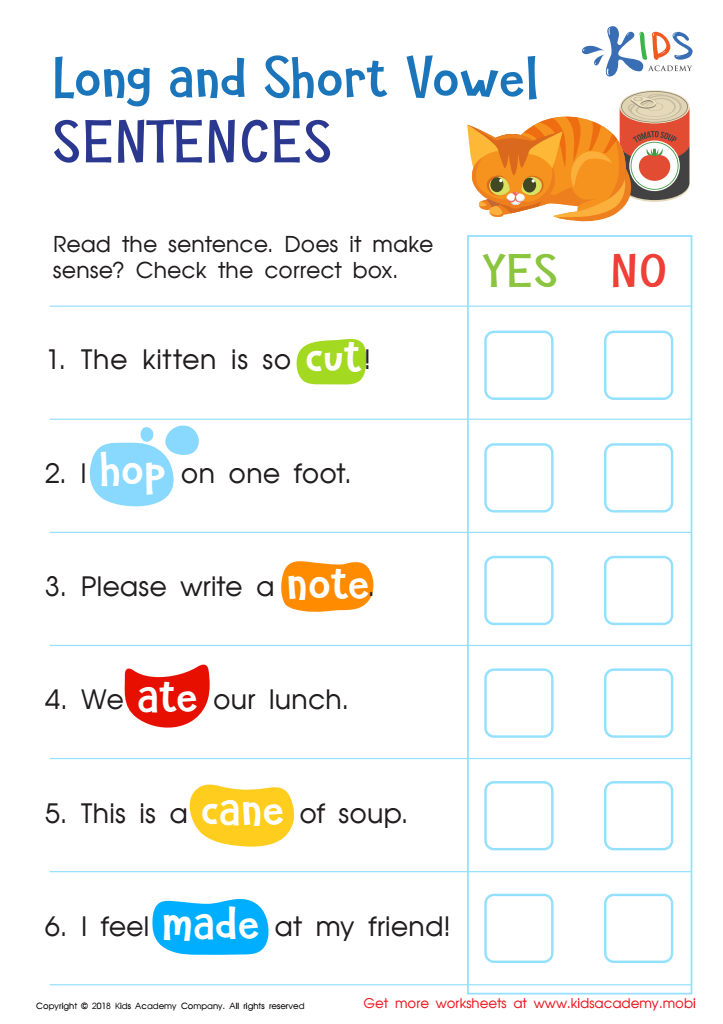
Long and Short Vowel Sentences: Assessment Worksheet
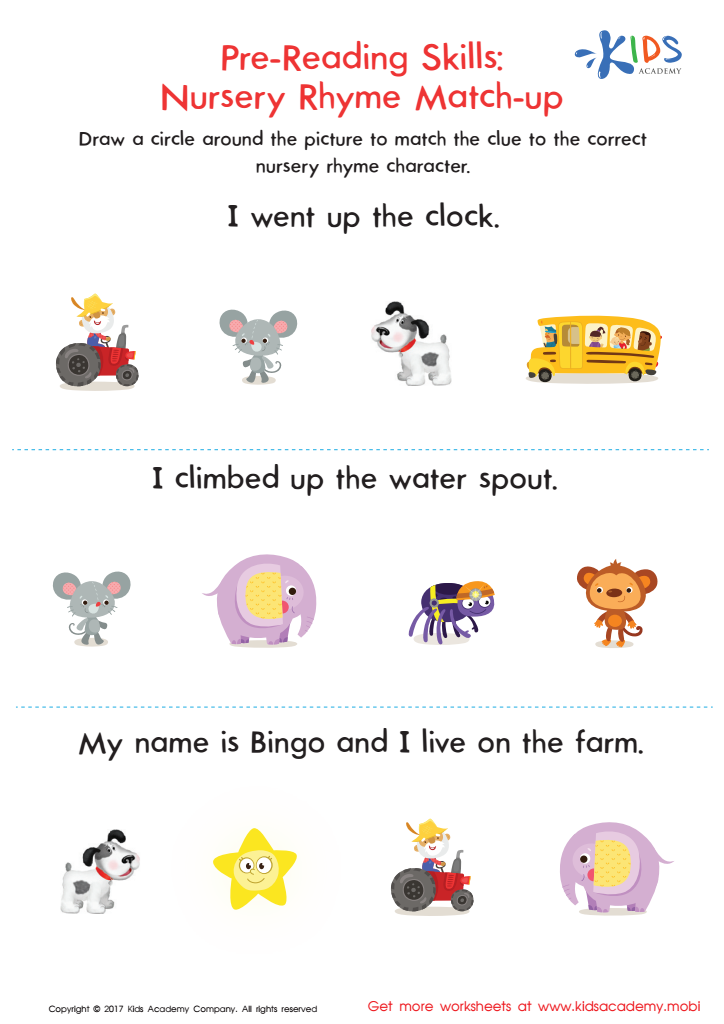
Nursery Rhyme Match–Up Worksheet
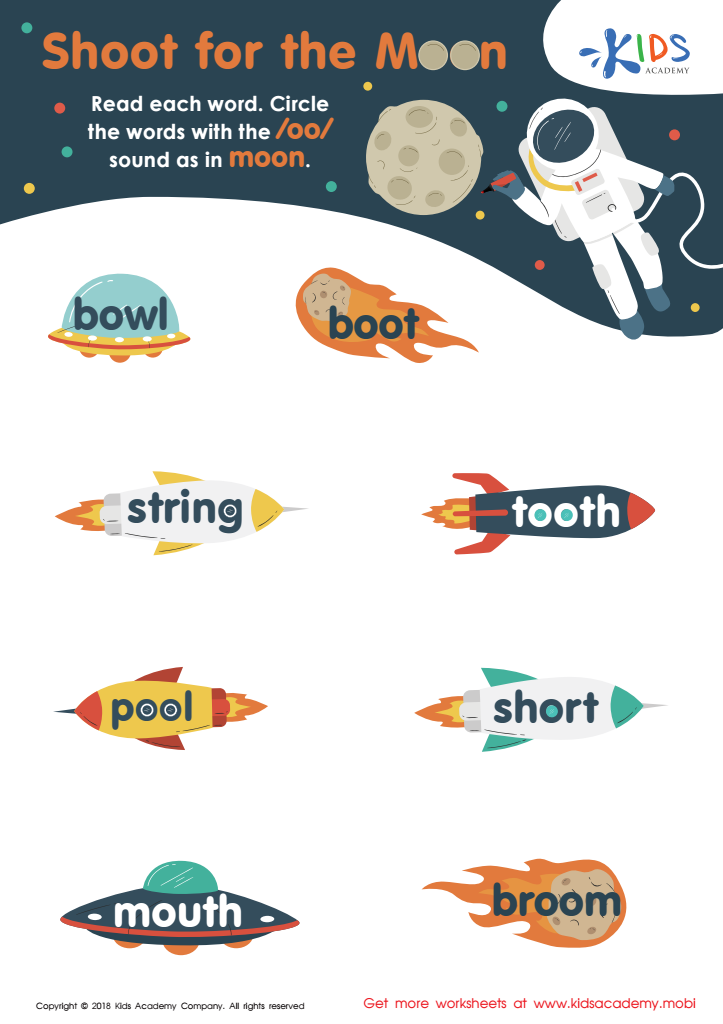
Reading: Shoot for the Moon Worksheet
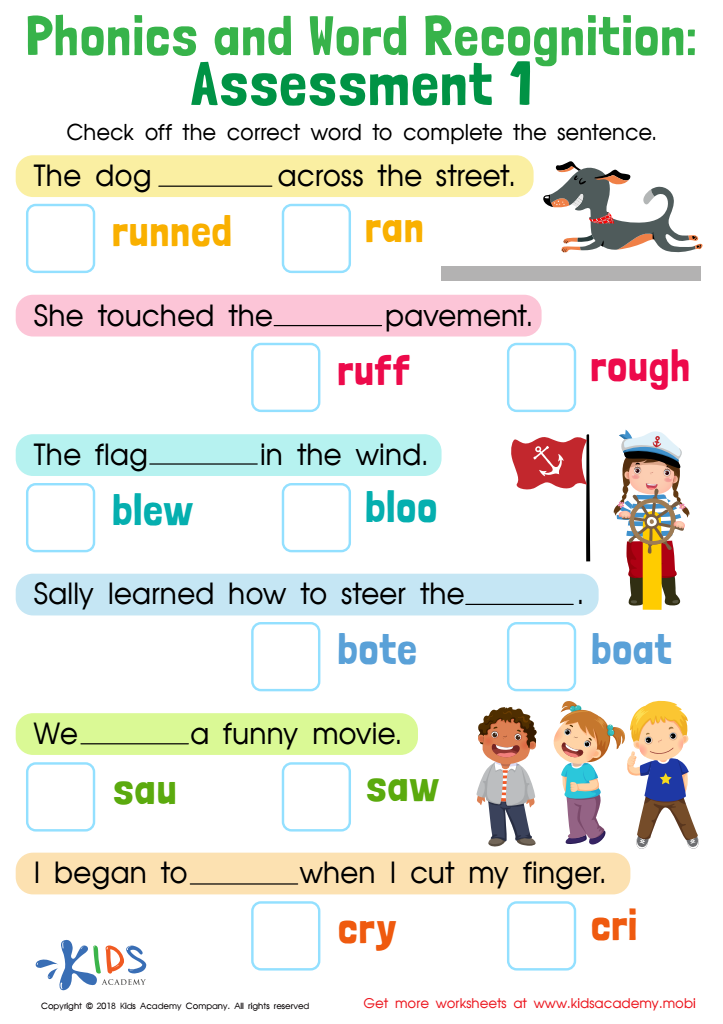
Phonics and Word Recognition: Assessment 1 Worksheet







.jpg)
Reading comprehension is a critical skill for children aged 6-8, serving as the foundation for academic success and lifelong learning. For parents and teachers, understanding comprehension at this stage involves focusing on reading comprehension alphabet, which includes essential strategies and concepts that help children decode and interpret text effectively.
First, strong reading comprehension directly impacts children's ability to grasp subject matter across disciplines. As students advance in school, the complexity of texts increases. If they struggle to understand what they're reading, they may fall behind in subjects like math or science, which often require reading textbooks and instructions.
Moreover, reading comprehension builds critical thinking skills. Engaging with texts encourages children to analyze, infer, and evaluate information. This not only enhances their literacy but also equips them with tools to navigate real-world situations and make informed decisions.
Additionally, supporting reading comprehension promotes a love of reading. Children who enjoy reading are more likely to explore various genres and topics, fueling their curiosity and imagination. This intrinsic motivation fosters lifelong learners.
Overall, prioritizing reading comprehension during these formative years is essential for nurturing confident, competent readers who can thrive academically and socially.







