Letter recognition Upper & Lowercase Letters Worksheets for Ages 6-8
23 filtered results
-
From - To
Enhance your child's literacy skills with our engaging Upper & Lowercase Letters Worksheets for ages 6-8! These carefully designed activities promote letter recognition through fun exercises that capture young learners' attention. Students will explore the differences between uppercase and lowercase letters, strengthening their understanding through tracing, matching, and coloring tasks. Perfect for homeschooling or supplementary classroom activities, our worksheets cater to diverse learning styles, ensuring every child can excel. Empower your child’s reading and writing foundations with these interactive tools, making learning an enjoyable adventure. Start building essential skills today and watch your child thrive in literacy! Download now for hours of learning fun!
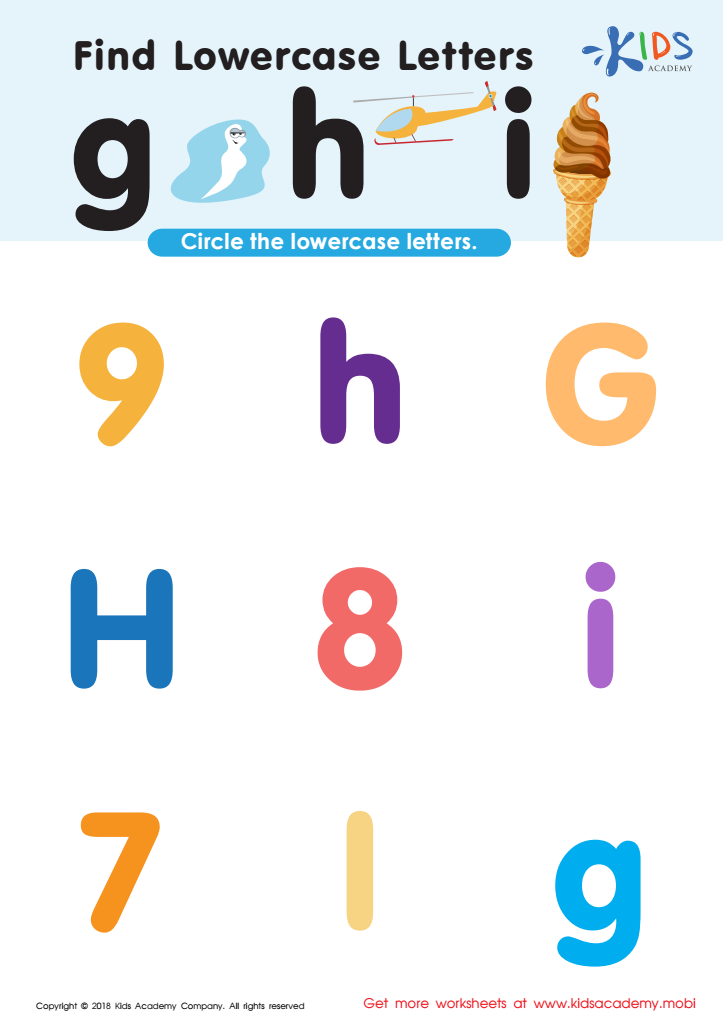
Find Lowercase Letters g h i Worksheet
 Assign to My Students
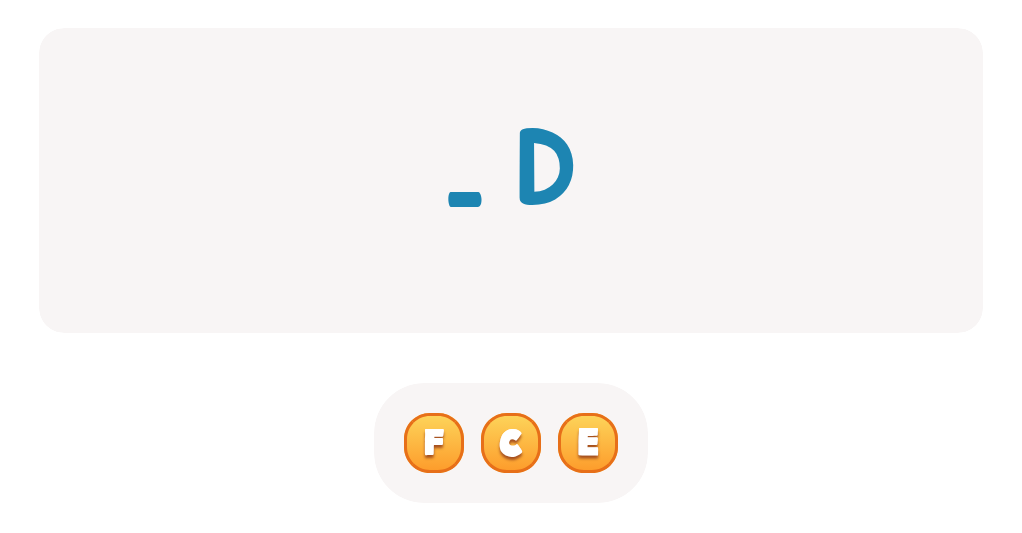

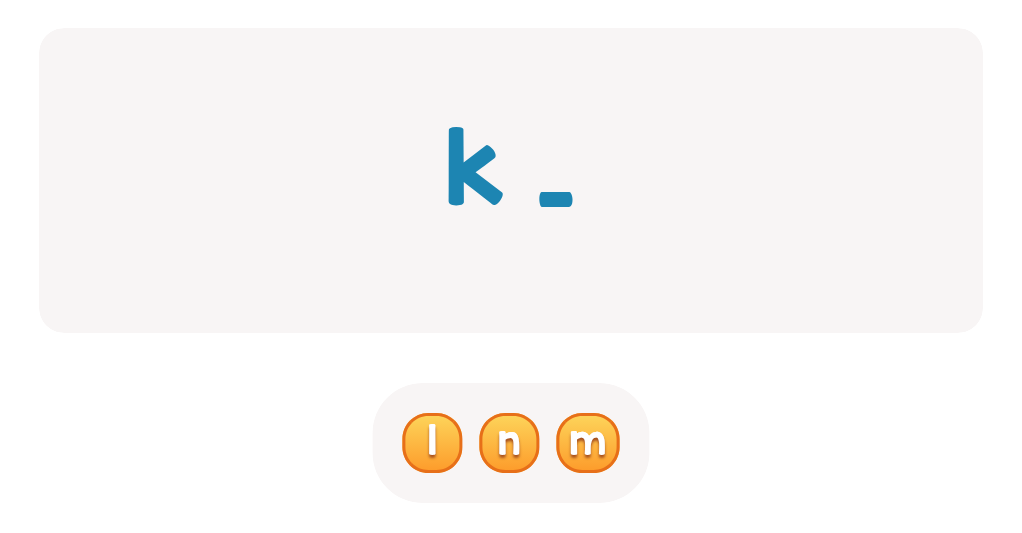
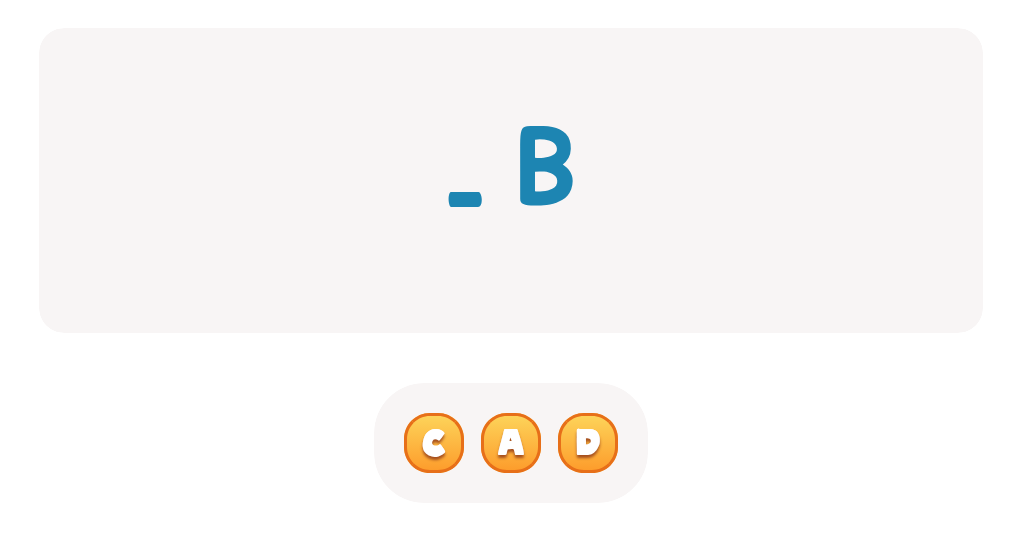
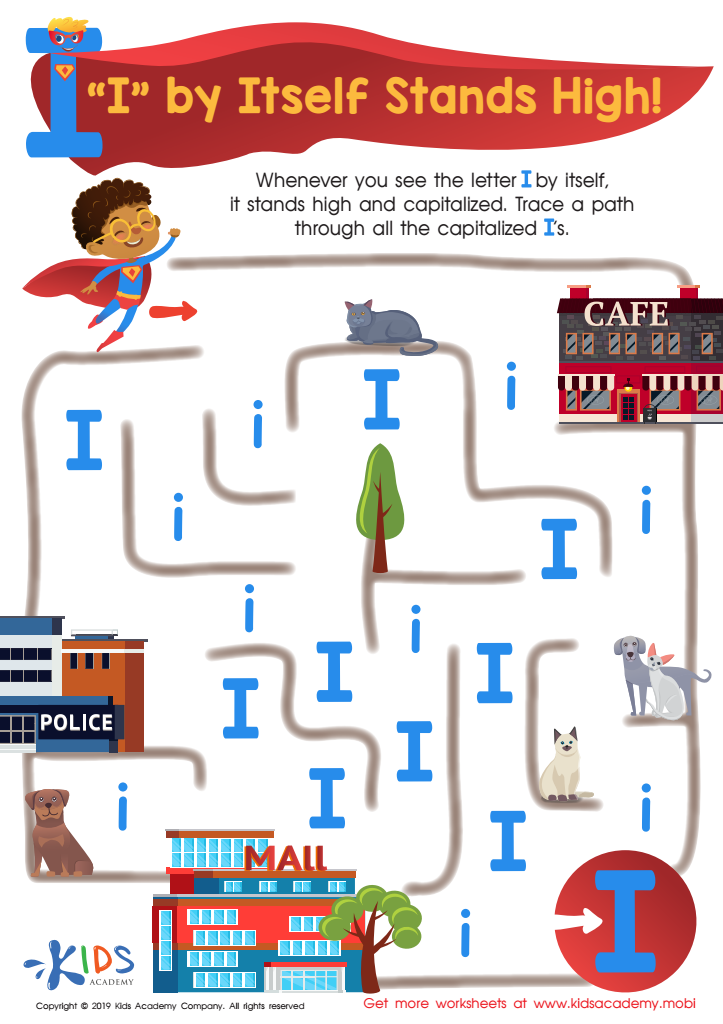
I Stands High Worksheet
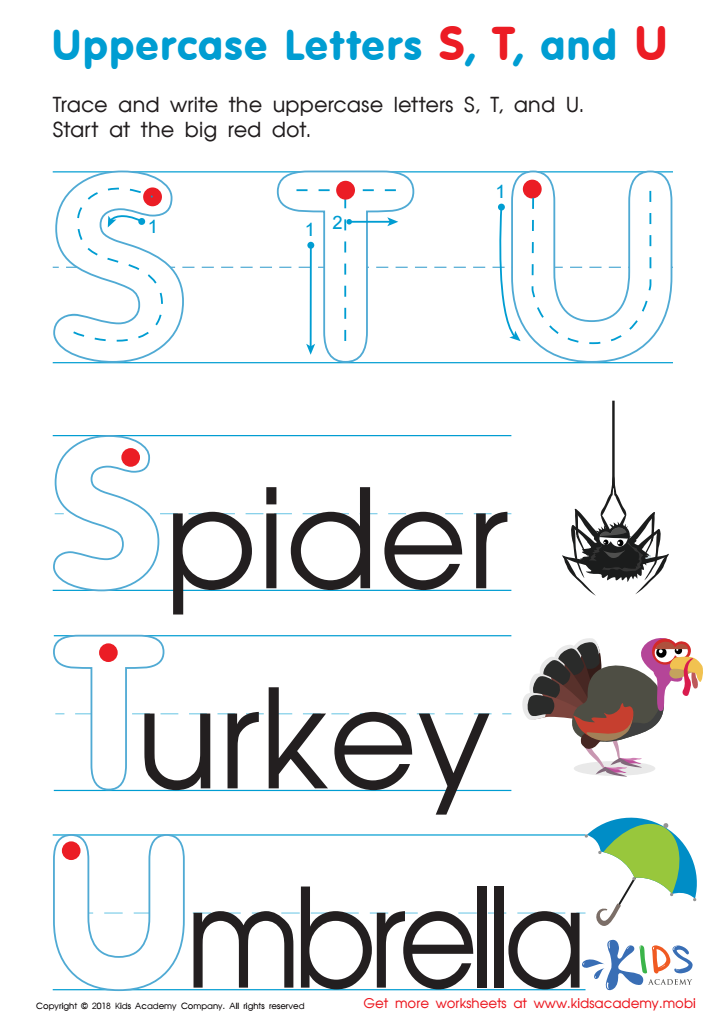
Uppercase Letters S, T, and U Worksheet
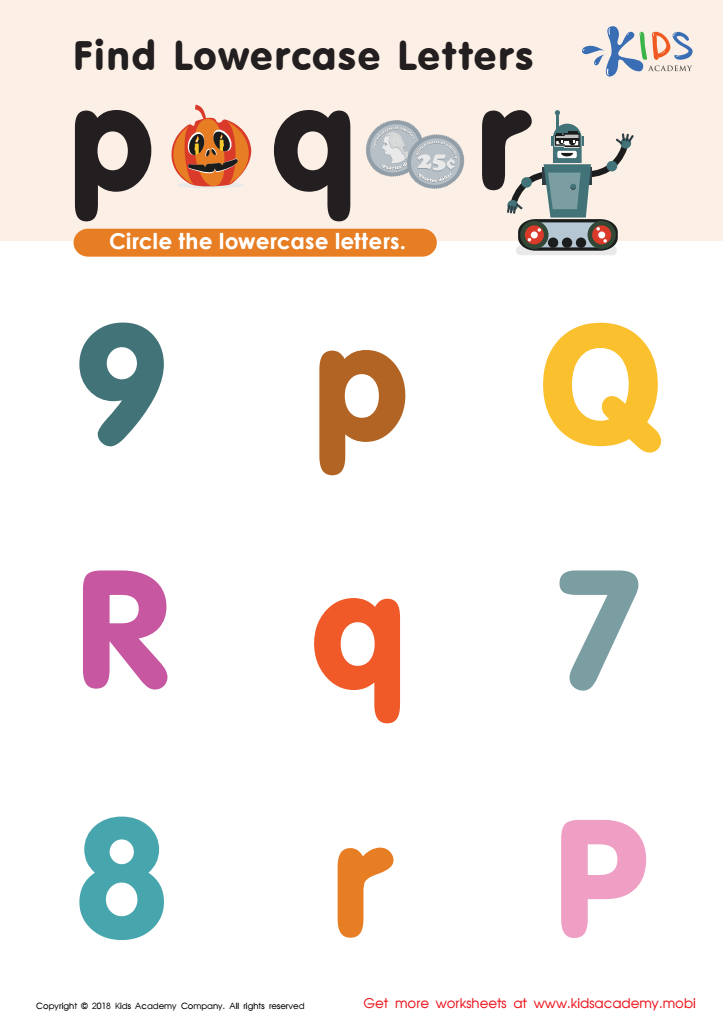
Find lowercase Letters p q r Worksheet
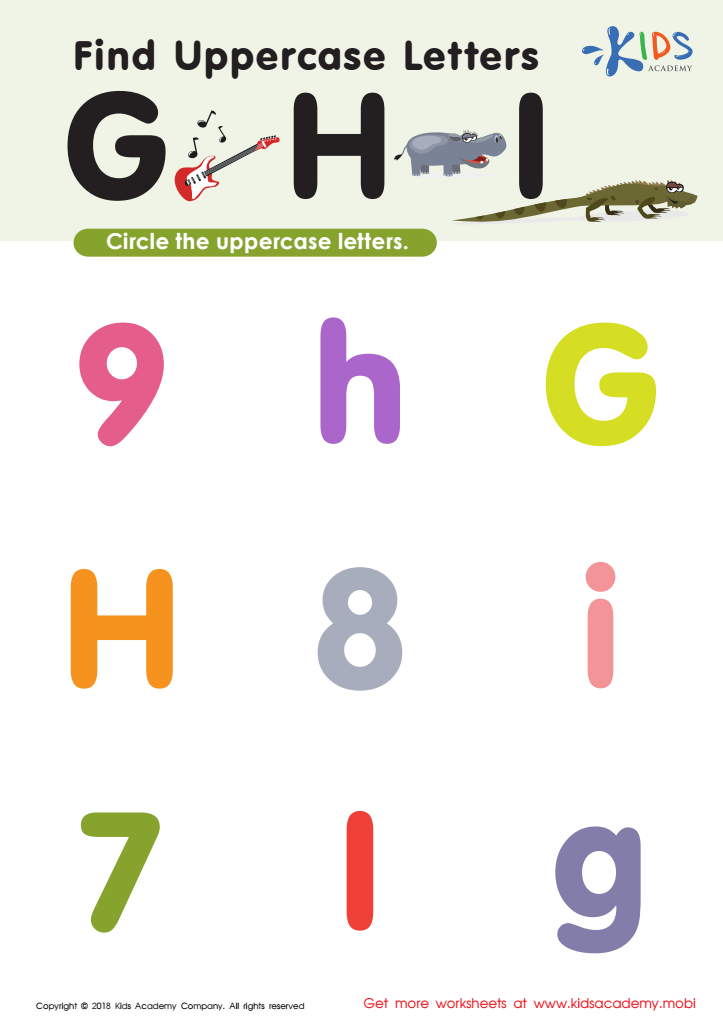
Find Uppercase Letters G, H, and I Worksheet
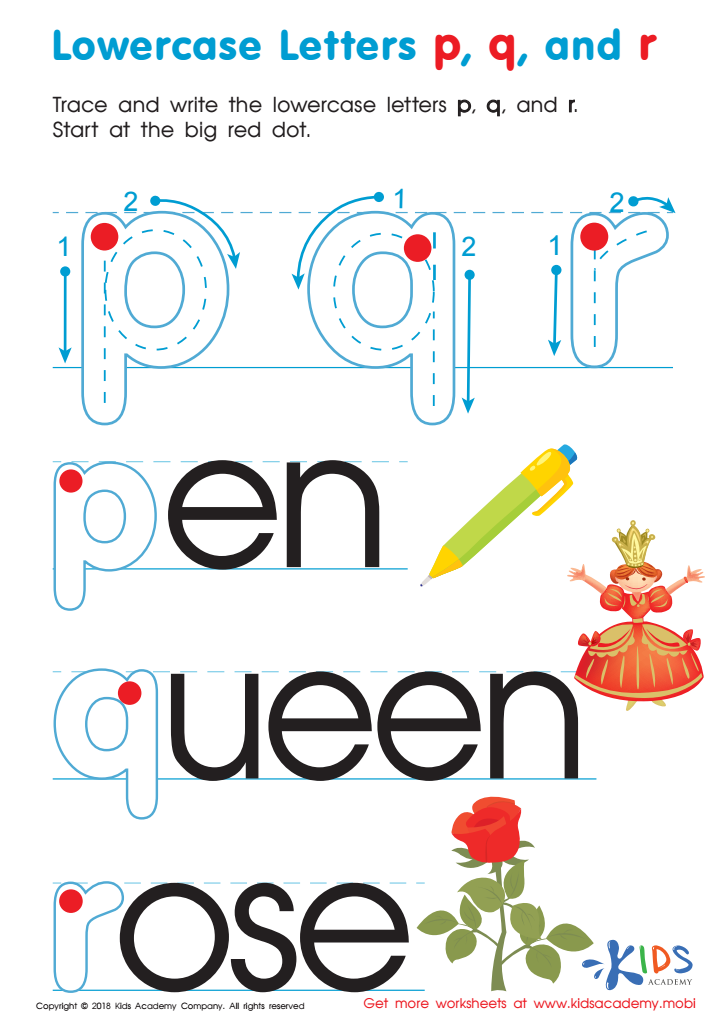
Lowercase Letters p q r Worksheet
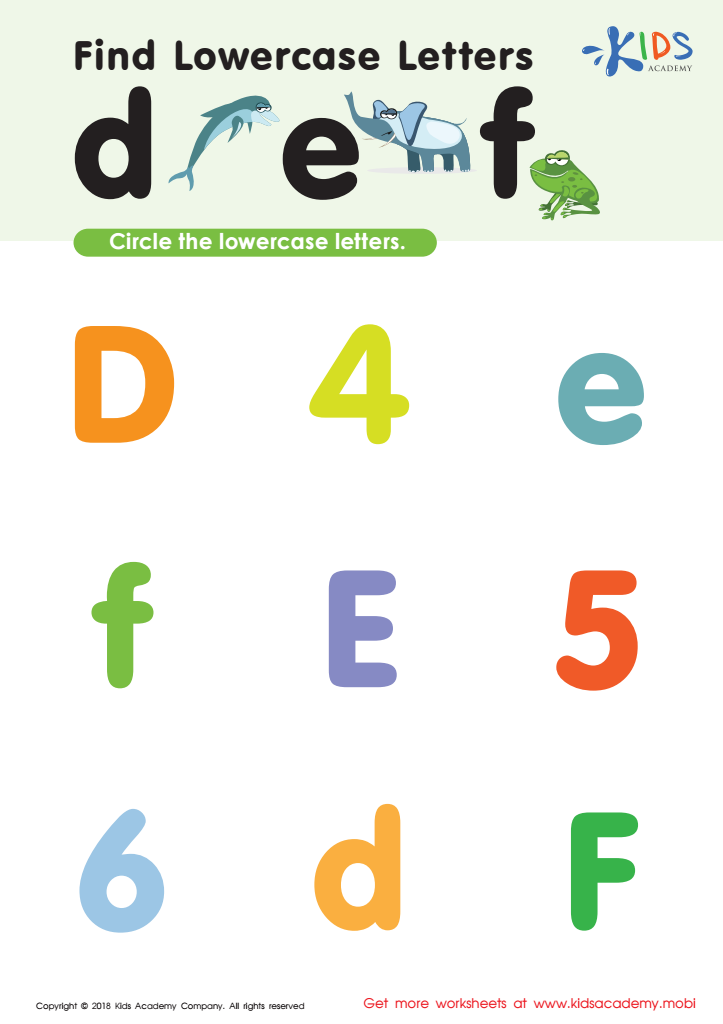
Find Lowercase Letters d e f Worksheet
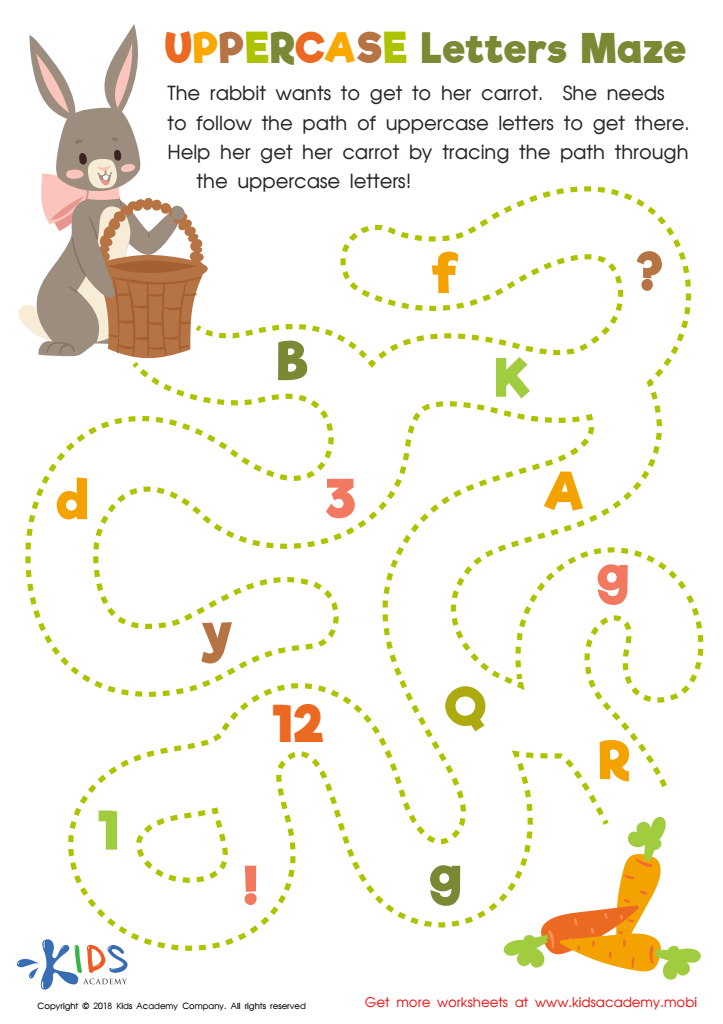
Uppercase Letters Maze Worksheet
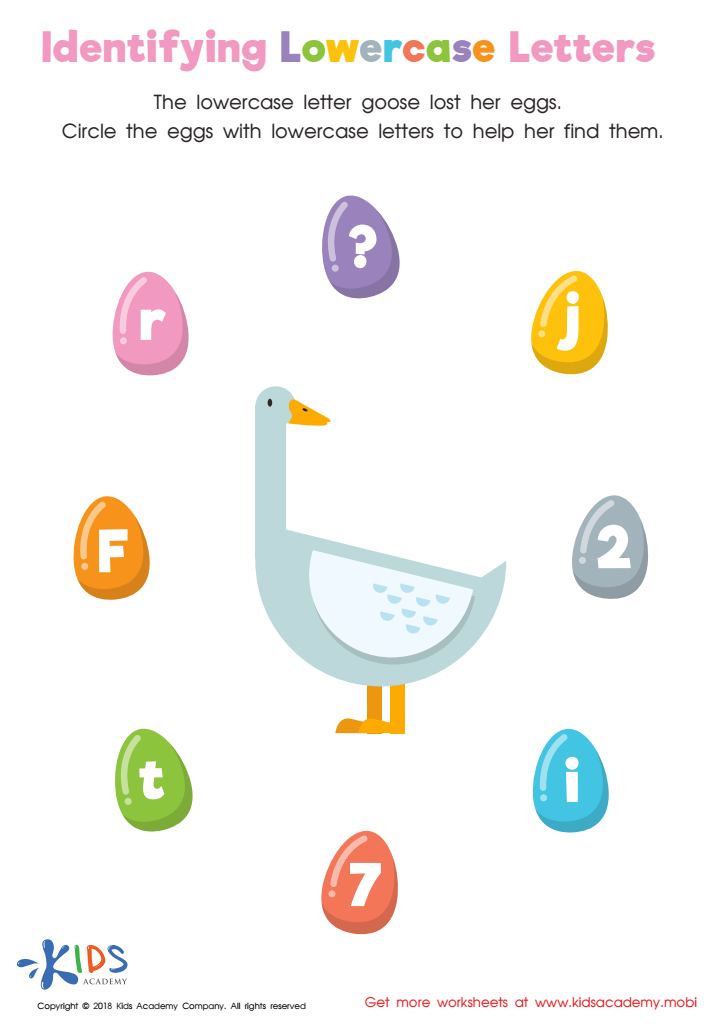
Identifying Lowercase Letters Worksheet
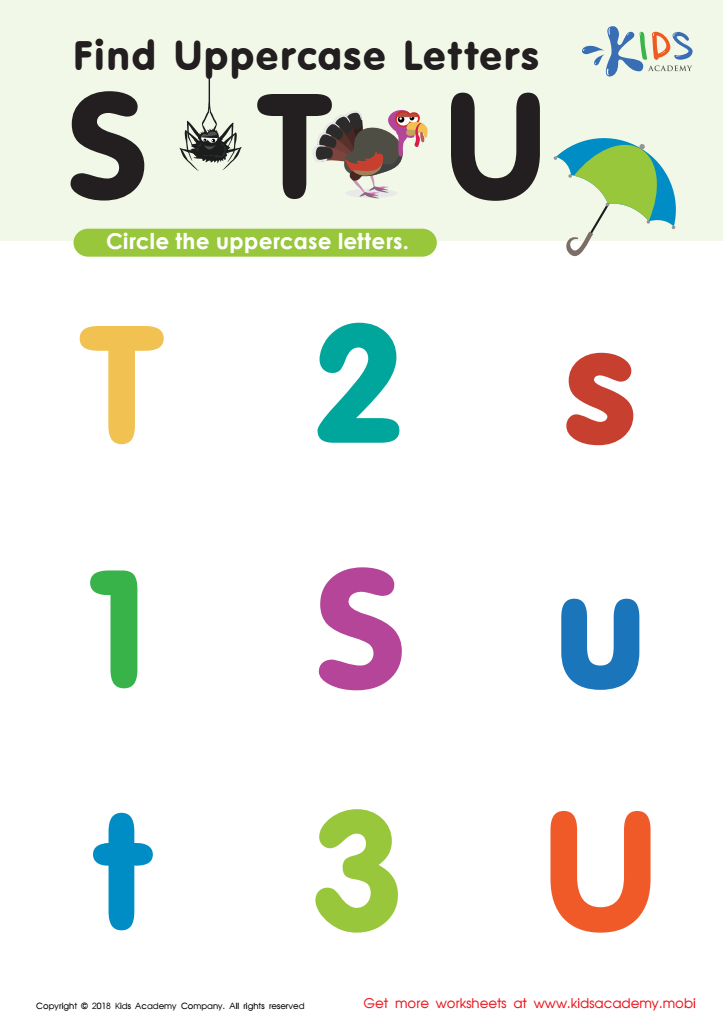
Find Uppercase Letters Worksheet
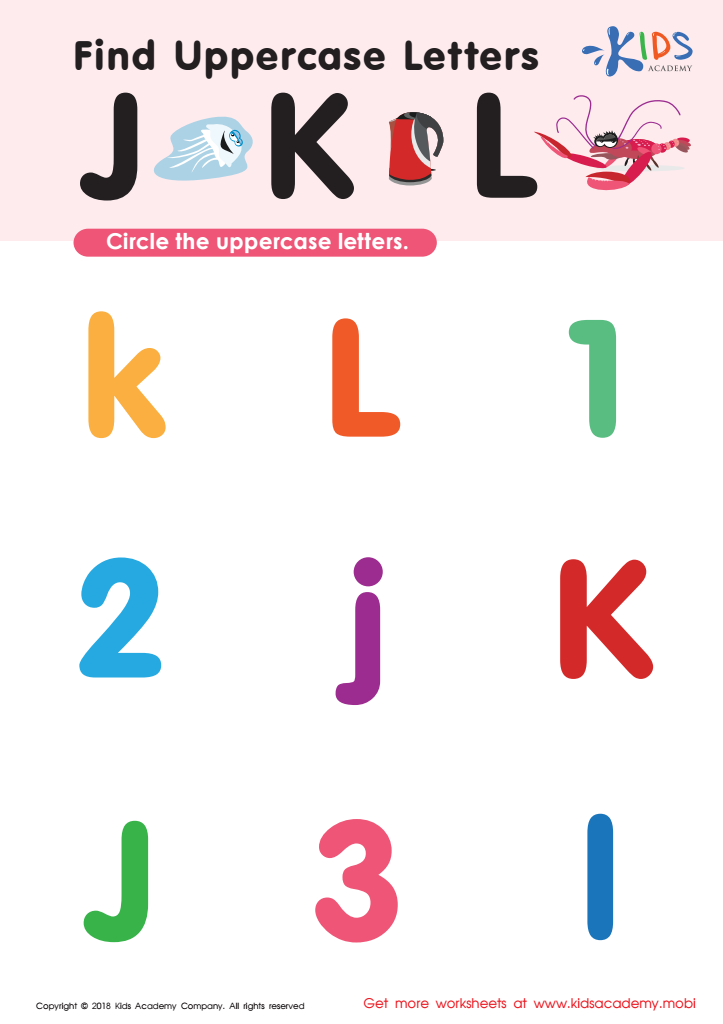
Find Uppercase Letters J, K, and L Worksheet
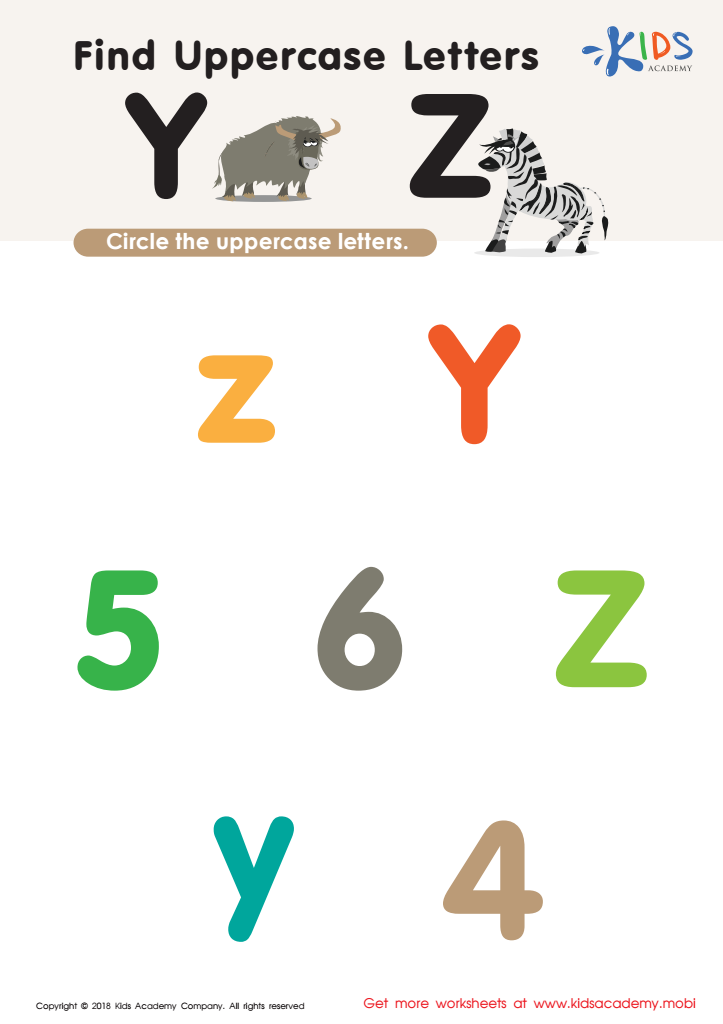
Find Uppercase Letters Y Z Worksheet
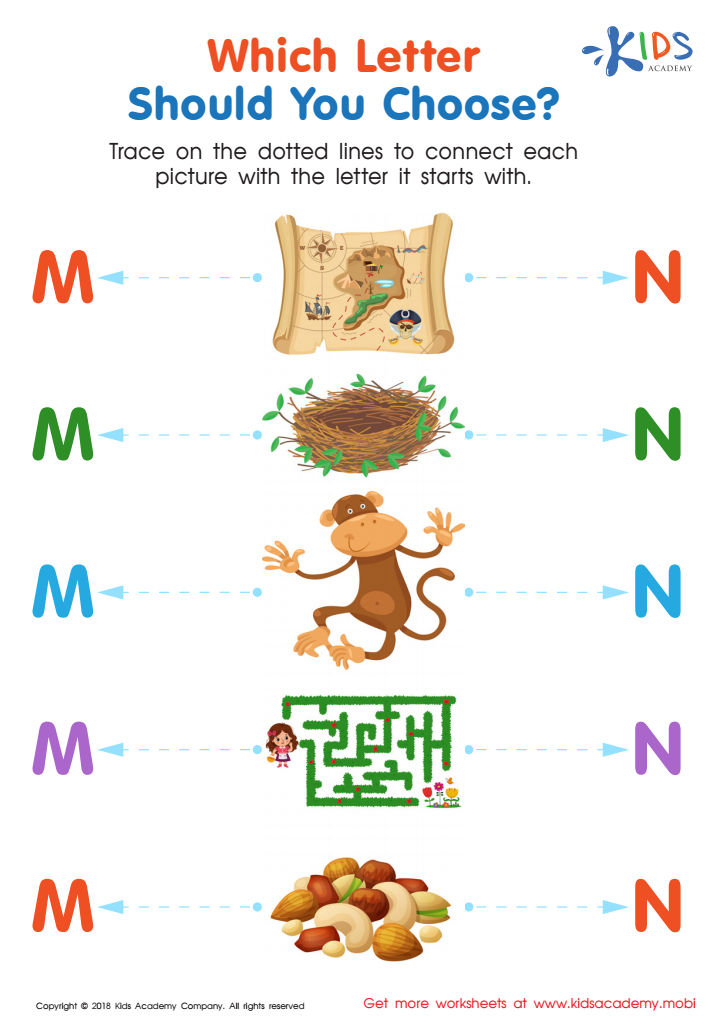
Which Letter Should you Choose? Worksheet
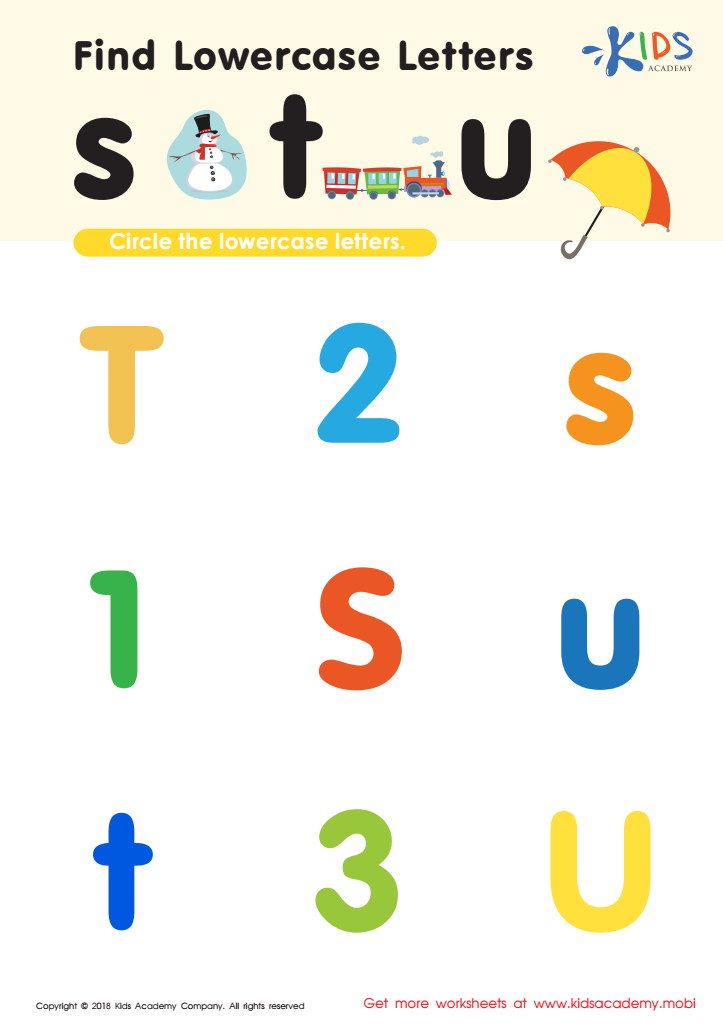
Find lowercase Letters s t u Worksheet
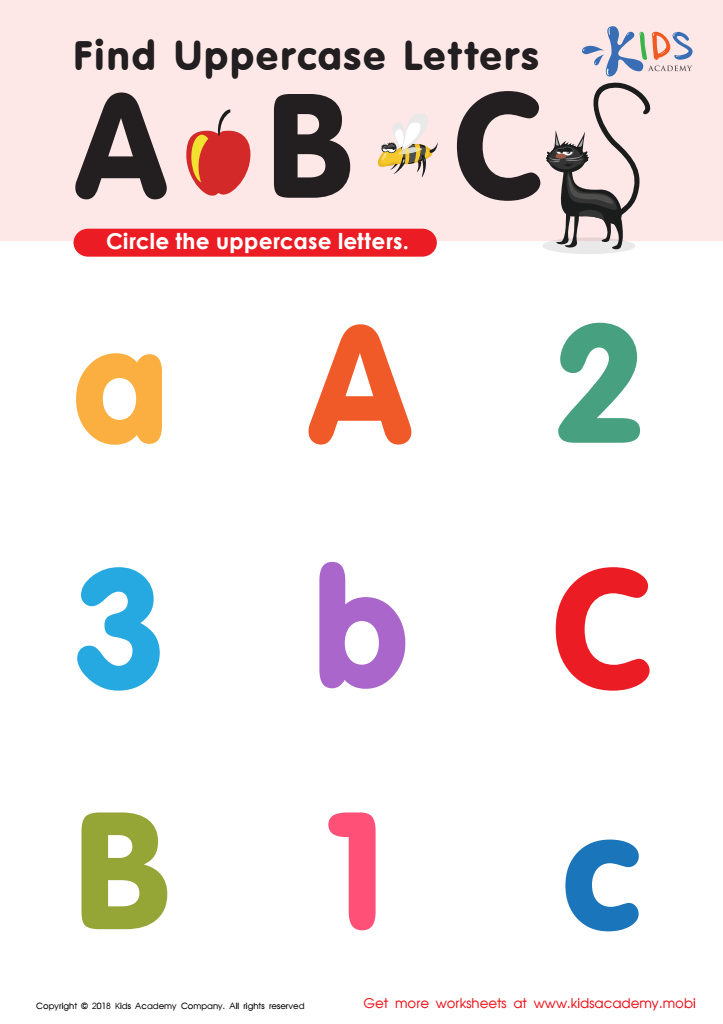
Find Uppercase Letters A, B, and C Worksheet
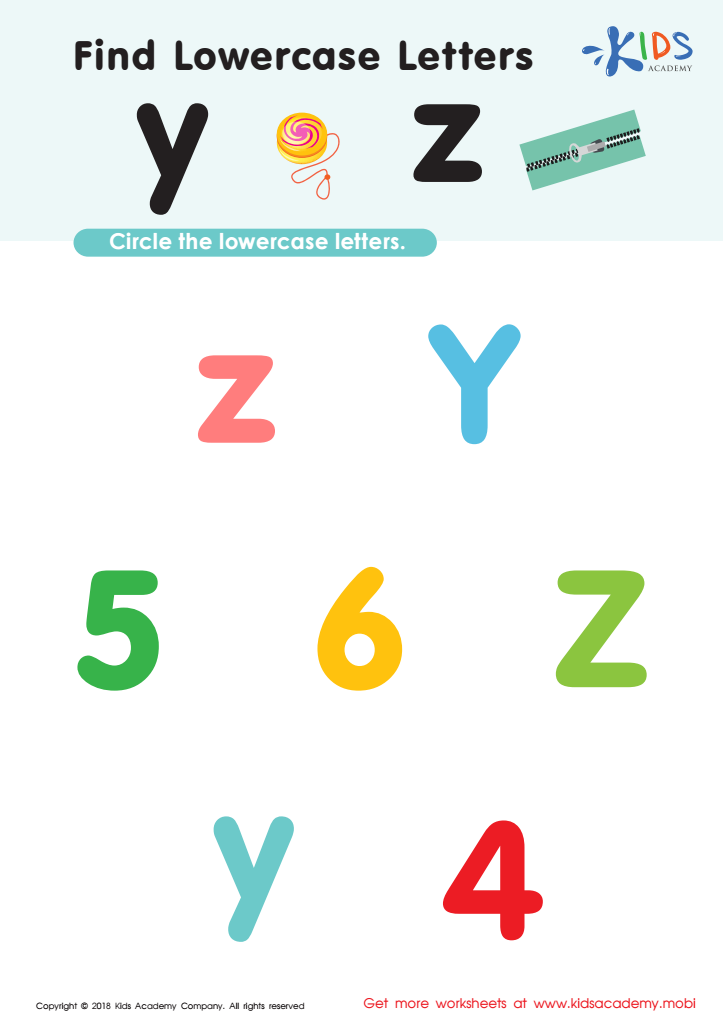
Find Lowercase Letters y z Worksheet
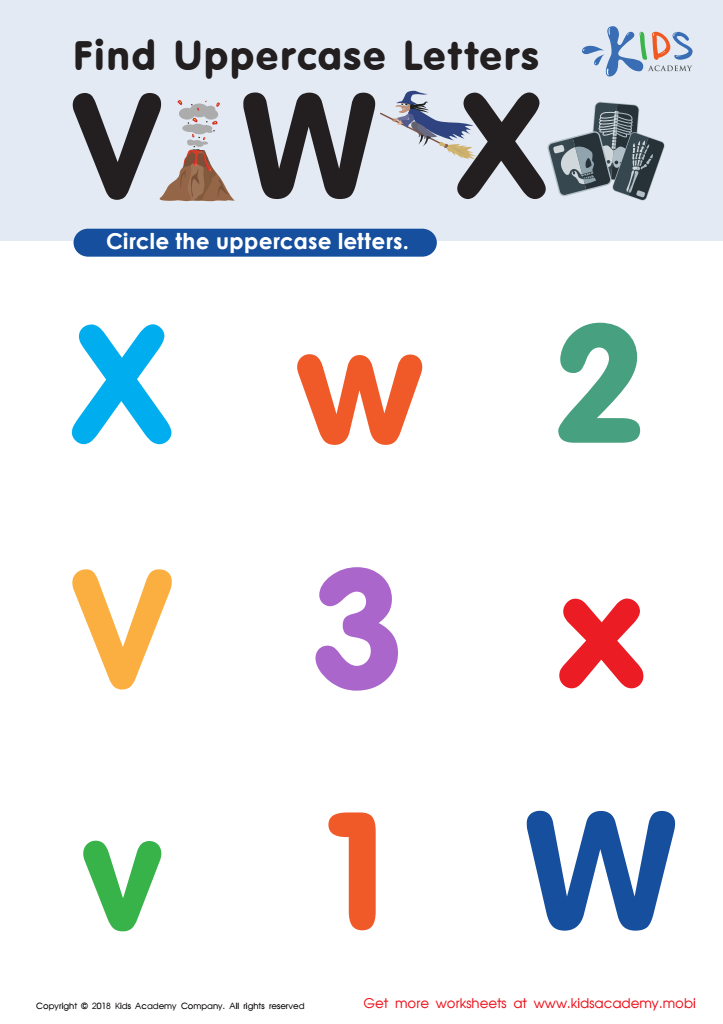
Find Uppercase Letters V, W, X Worksheet
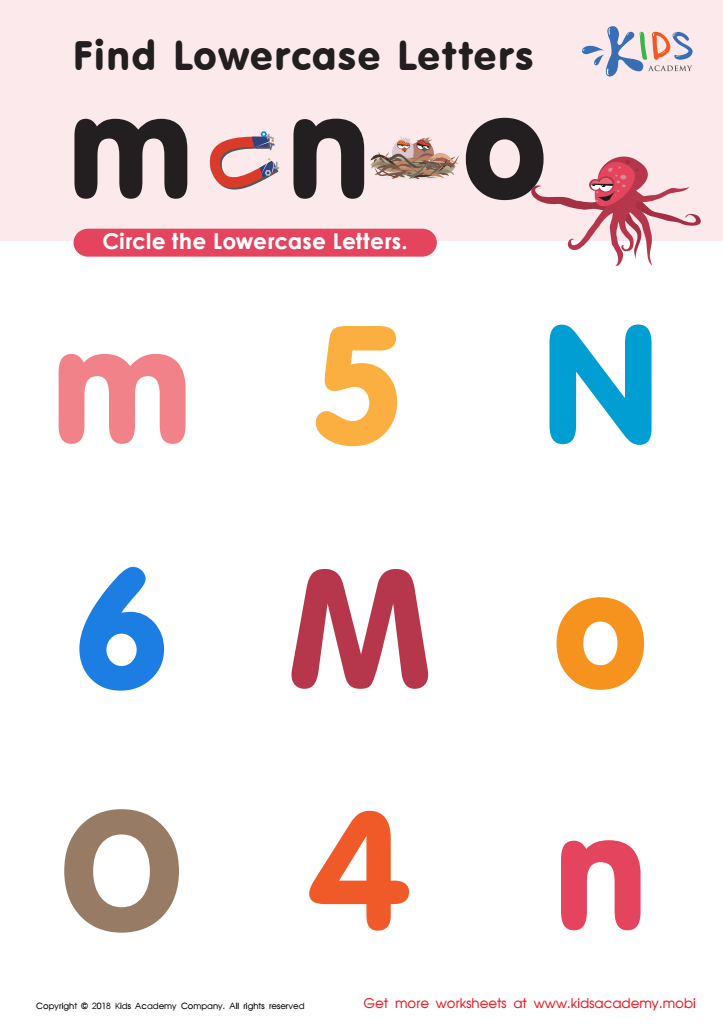
Find Lowercase Letters m n o Worksheet
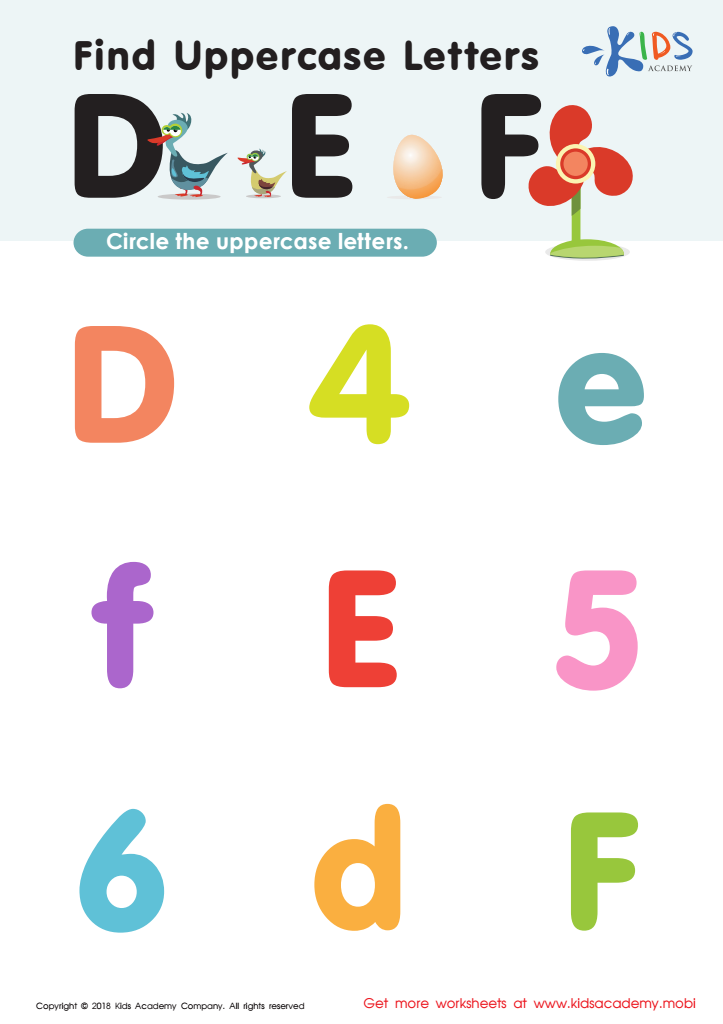
Find Uppercase Letters D, E, and F Worksheet
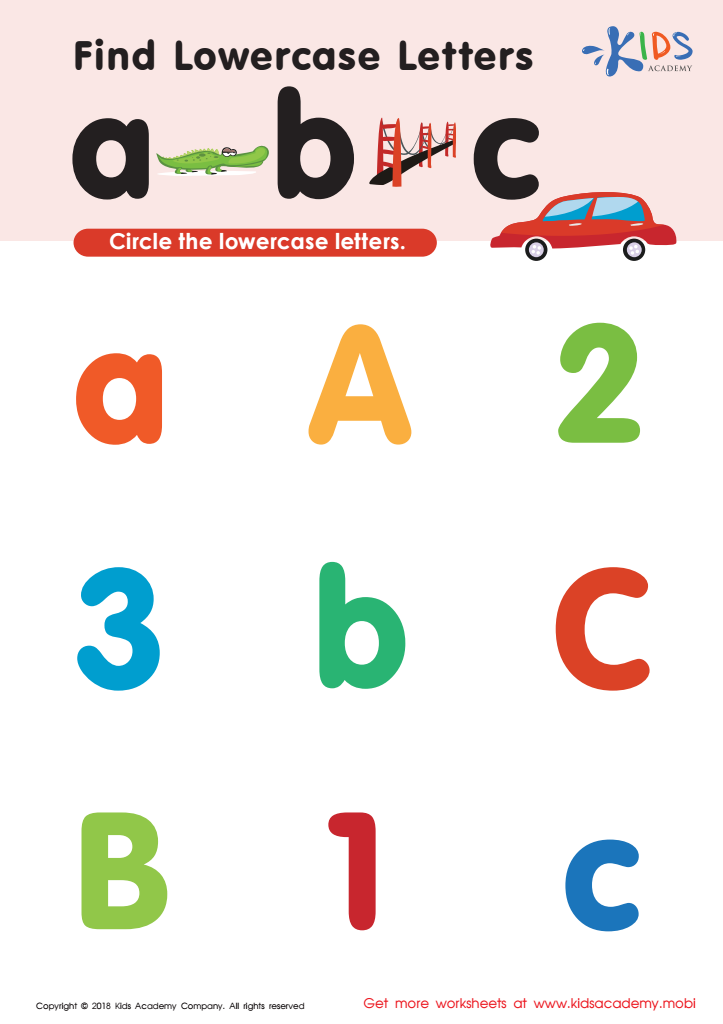
Find lowercase letters a b c Worksheet
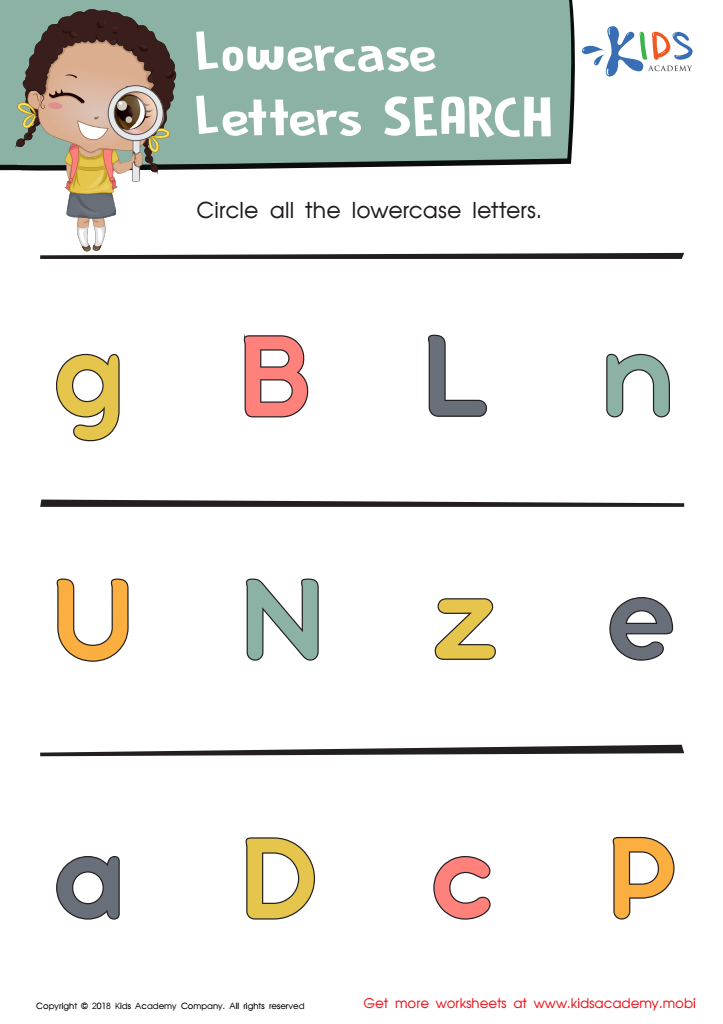
Lowercase Letters Search: Assessment Worksheet
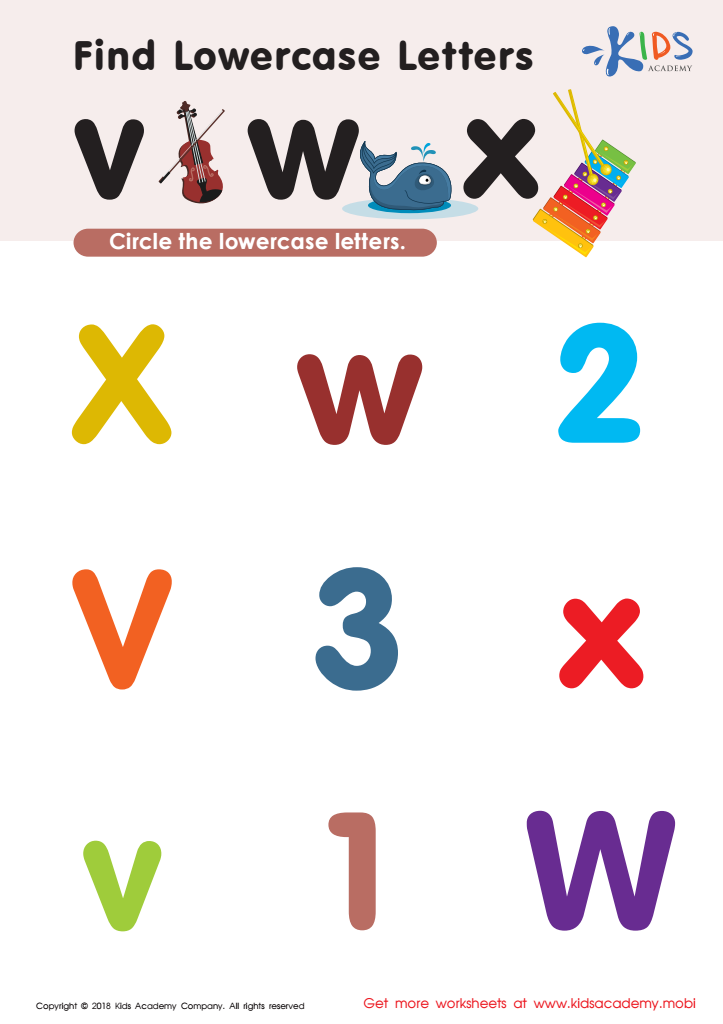
Find Lowercase Letters v w x Worksheet
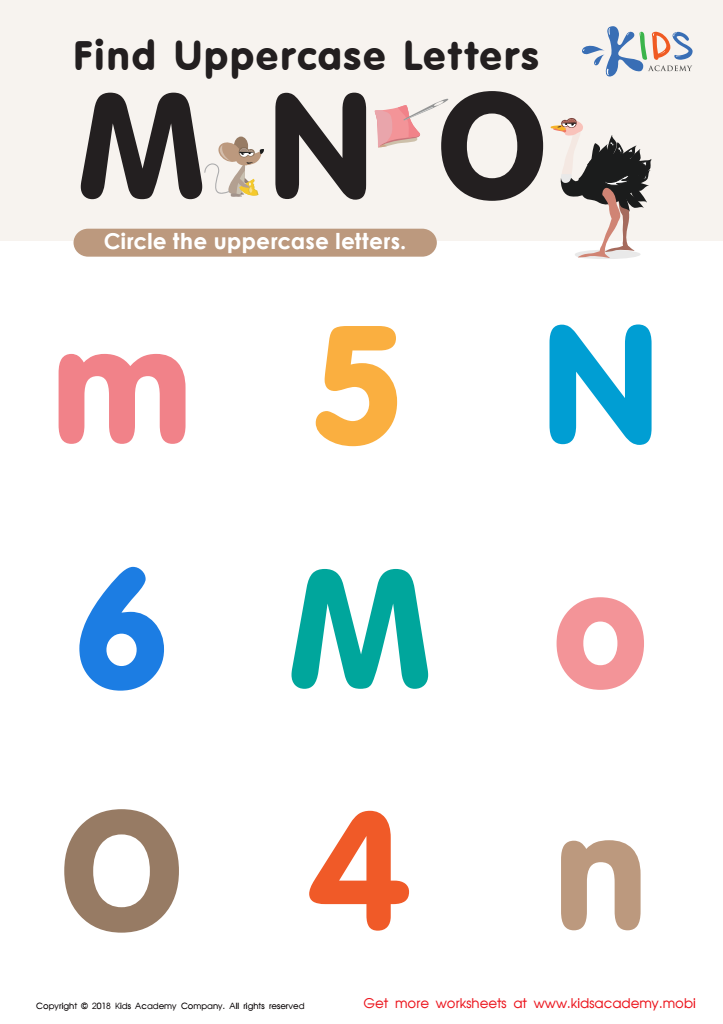
Find Uppercase Letters M, N, and O Worksheet






Letter recognition, both uppercase and lowercase, is a fundamental skill for children aged 6-8 as it lays the groundwork for reading and writing proficiency. At this age, children are typically transitioning from learning to read to reading to learn. Recognizing letters, including their different forms, plays a critical role in developing phonemic awareness, which is essential for decoding words.
Parents and teachers should care about letter recognition because it directly influences a child's confidence and motivation in literacy. When children can easily identify letters, they are more inclined to engage with texts, which fosters a love for reading. Furthermore, understanding the relationship between uppercase and lowercase letters helps children read more fluently, as they encounter both forms in everyday texts.
Additionally, during this stage of cognitive development, children begin to understand that letters connect to sounds and meanings; effective recognition skills enhance their ability to spell and write their thoughts clearly. This foundational skill not only supports progress in language arts but also impacts overall academic success. By nurturing letter recognition, parents and educators contribute significantly to a child's educational journey, ensuring they've built strong literacy skills that will serve them throughout their lifelong learning.







