Handwriting practice English for Beginners Worksheets for Ages 6-8 - Page 2
43 filtered results
-
From - To
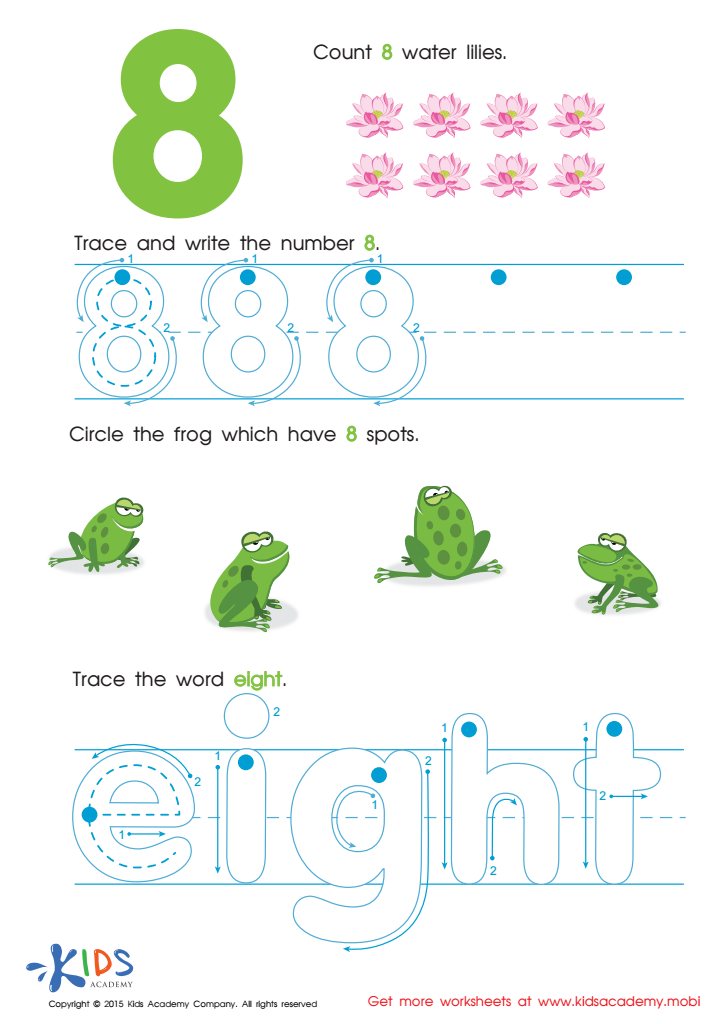
Learn Number 8 Easily Worksheet
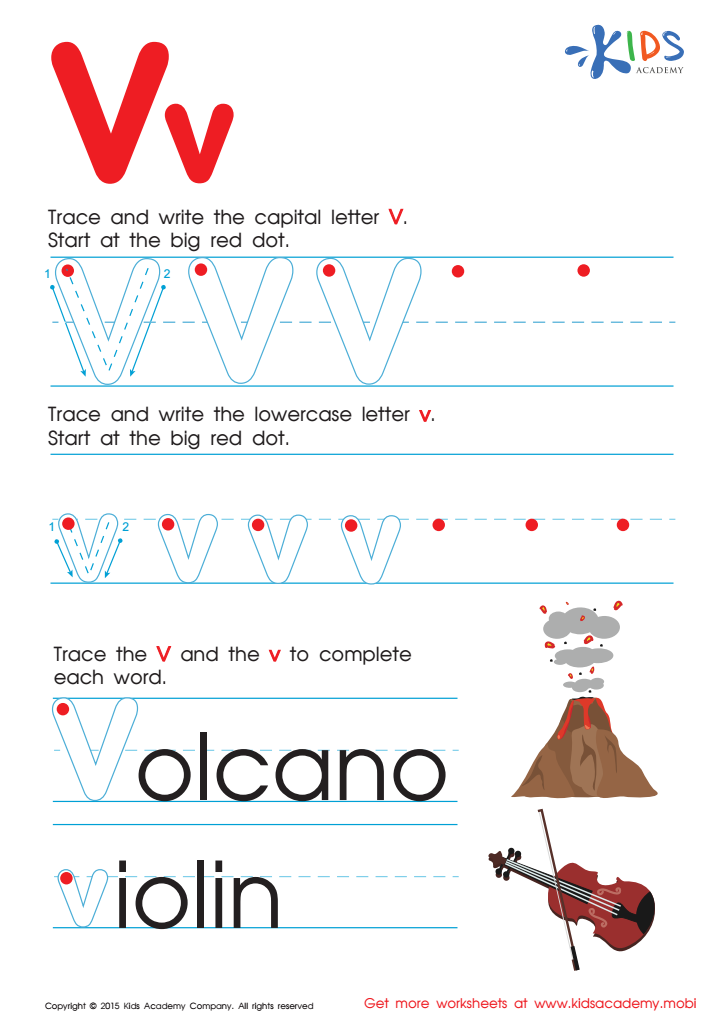
Letter V Tracing Page
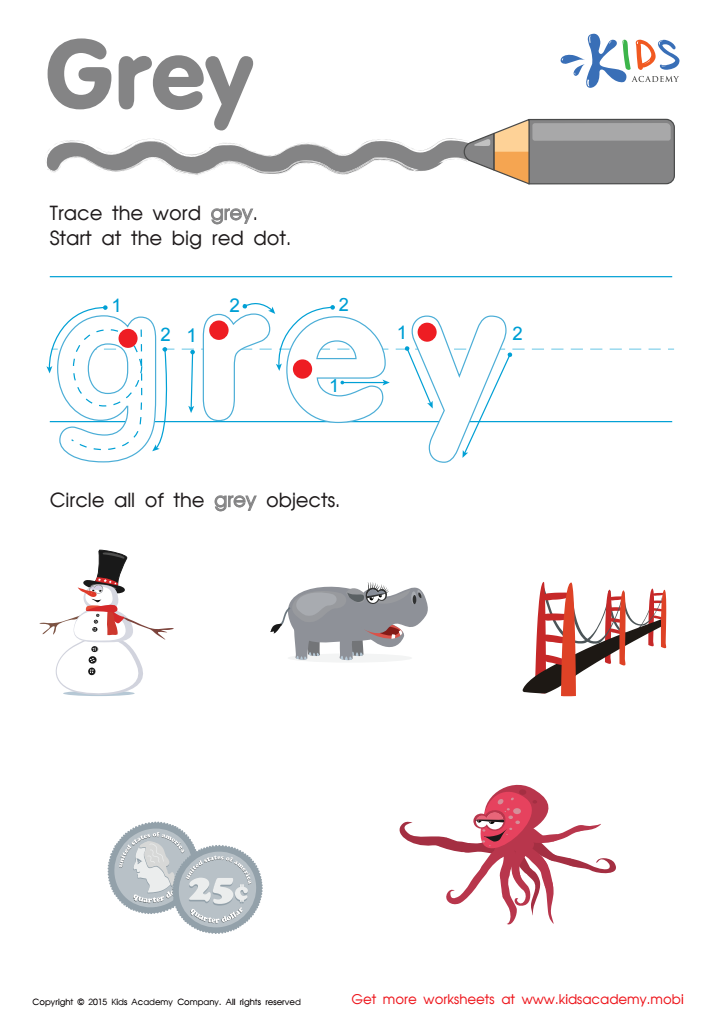
Grey Tracing Color Words Worksheet
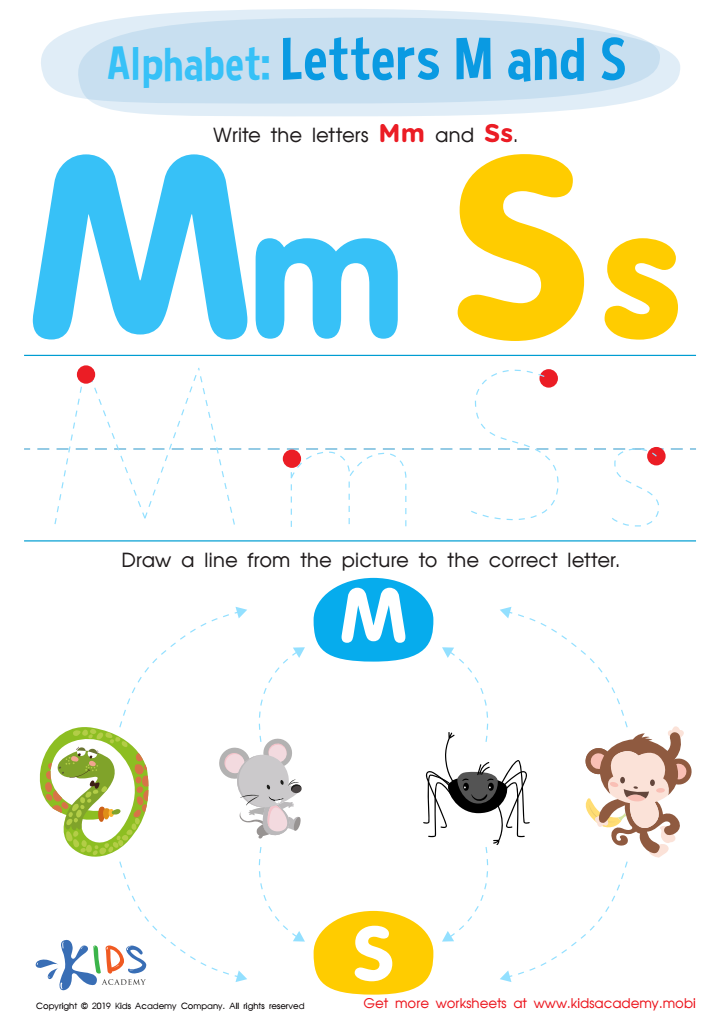
Letters M and S Tracing Worksheet

Letter A Tracing Worksheet
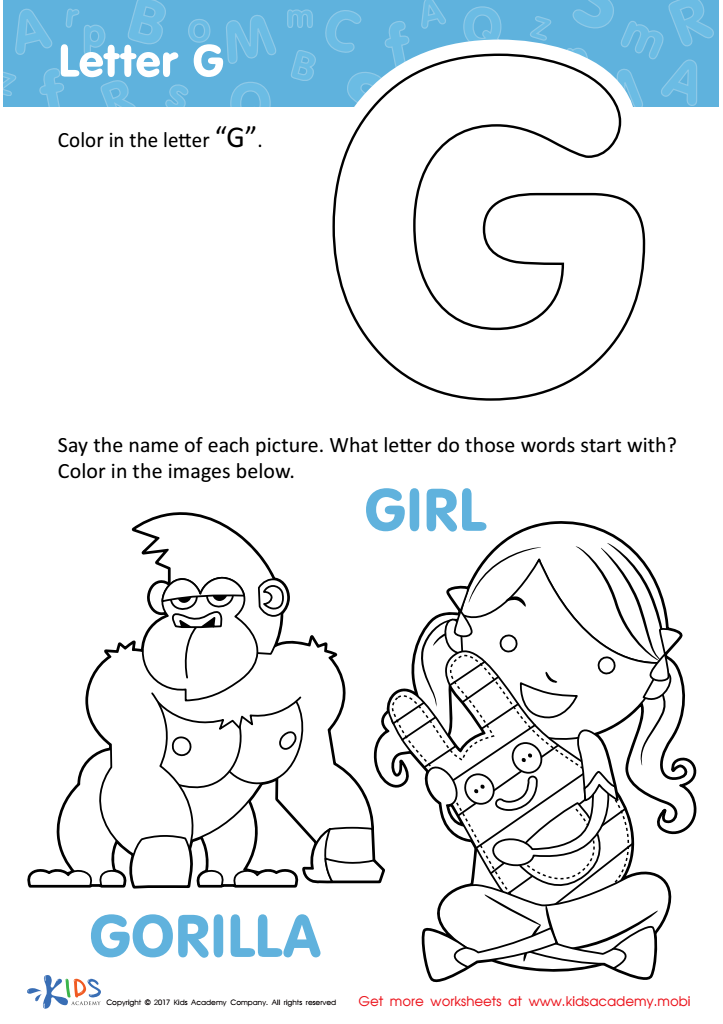
Letter G Coloring Sheet
 Assign to My Students
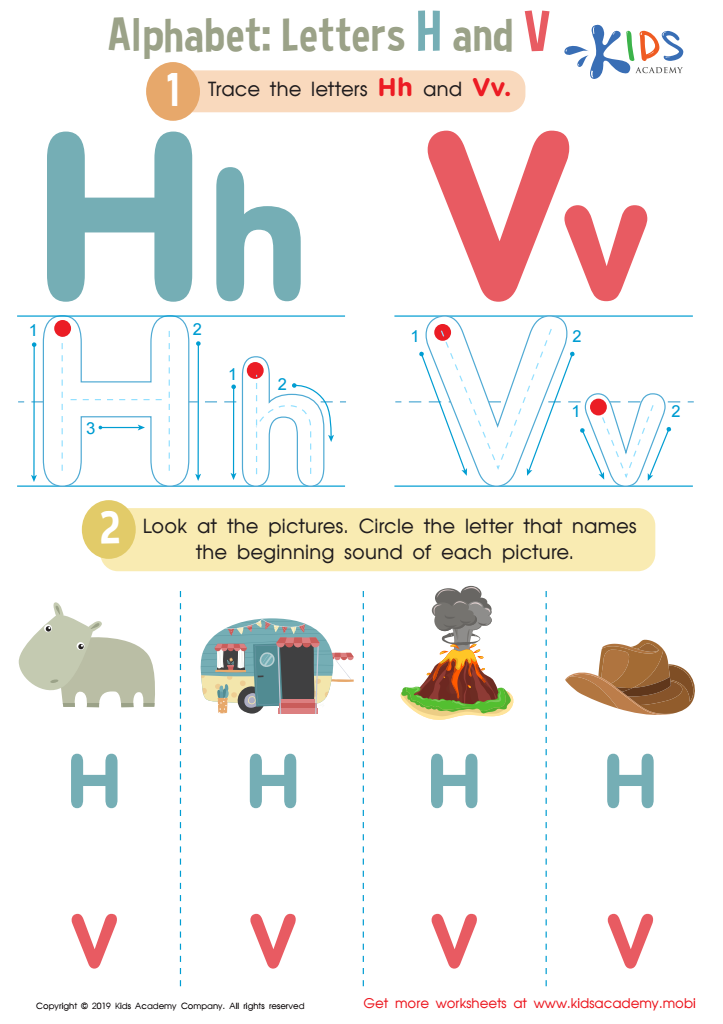
Letters H and V Tracing Worksheet
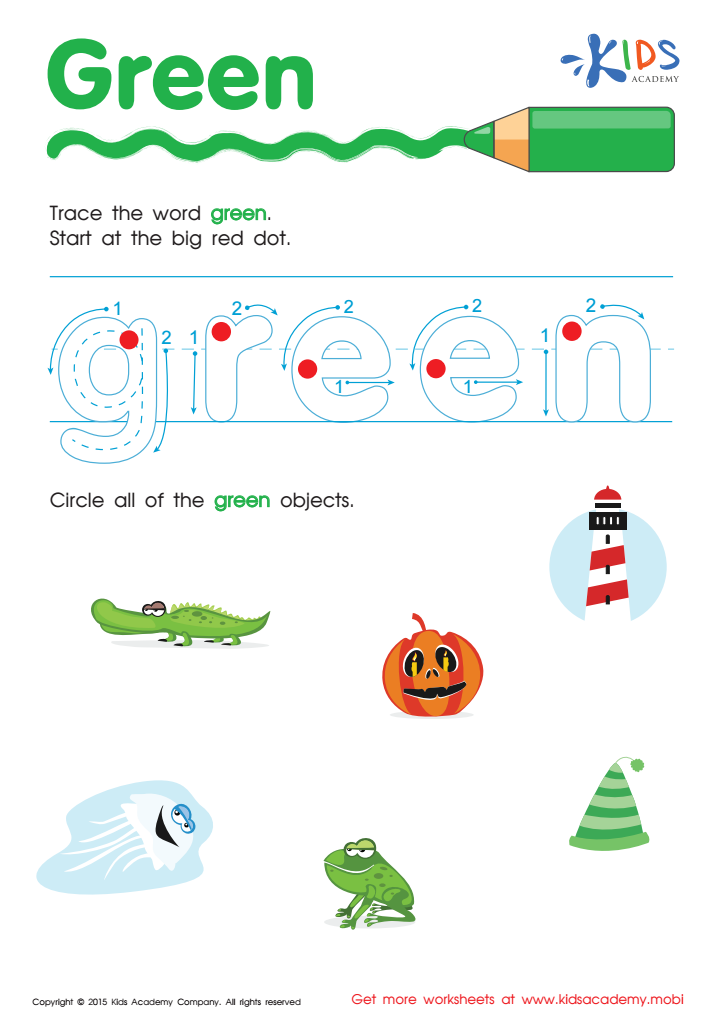
Green Tracing Color Words Worksheet
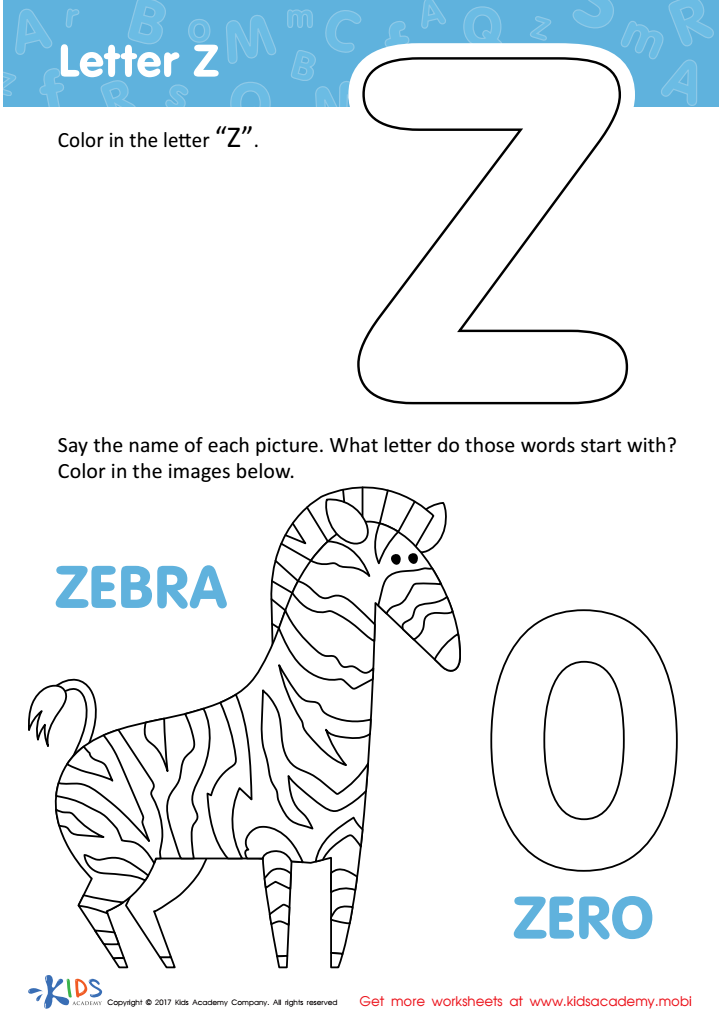
Letter Z Coloring Sheet
Assign to My Students
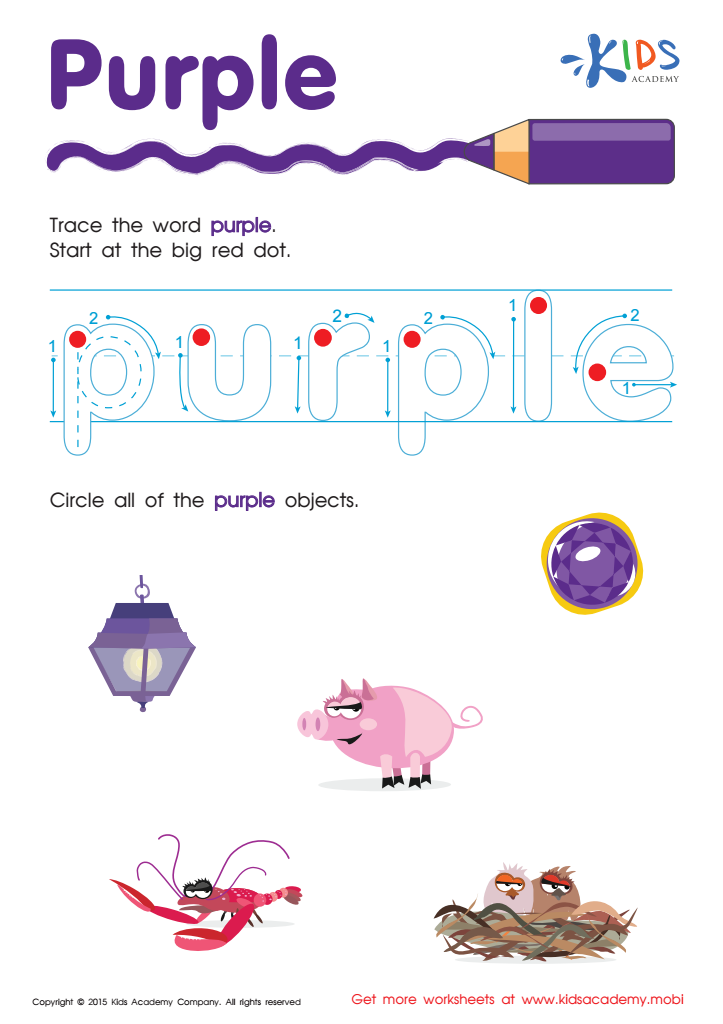
Purple Tracing Color Words Worksheet
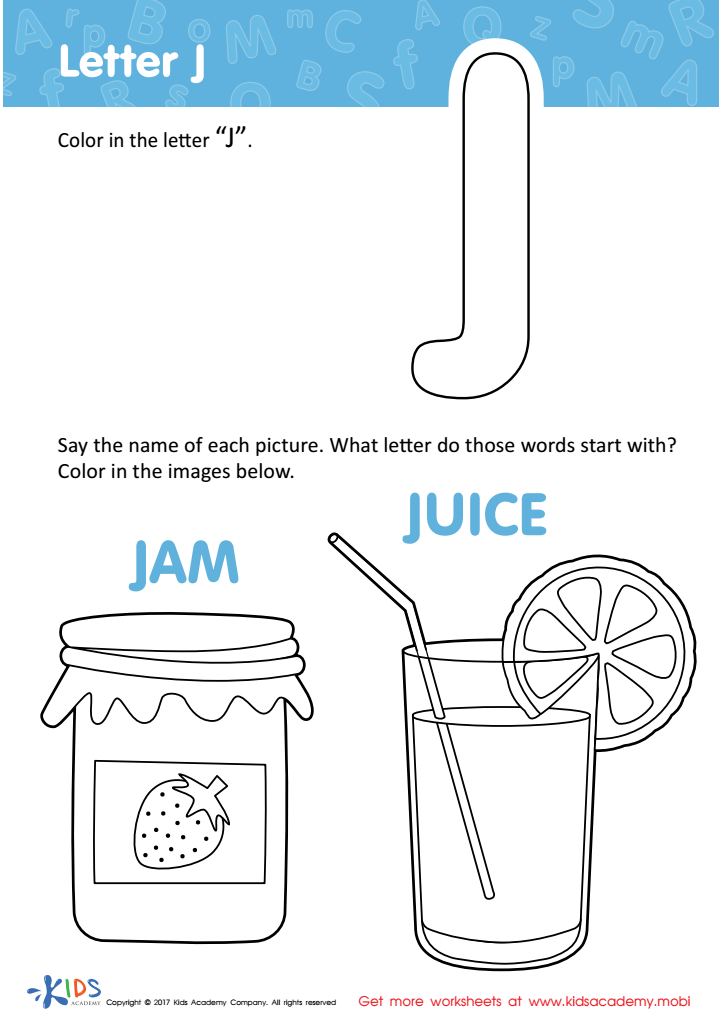
Letter J Coloring Sheet
Assign to My Students
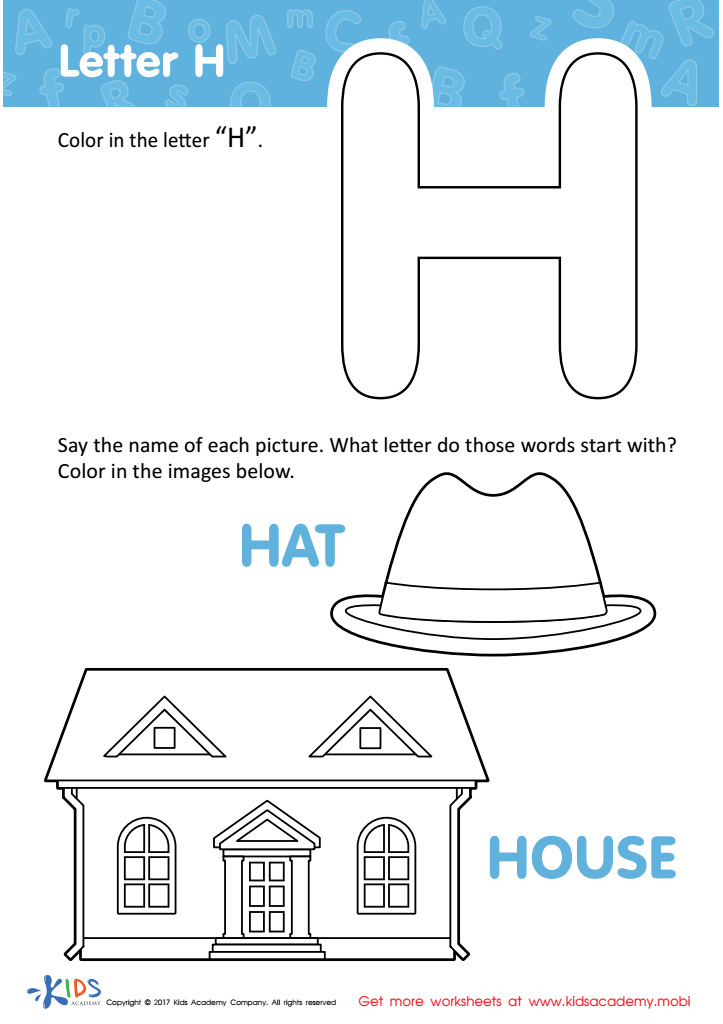
Letter H Coloring Sheet
Assign to My Students
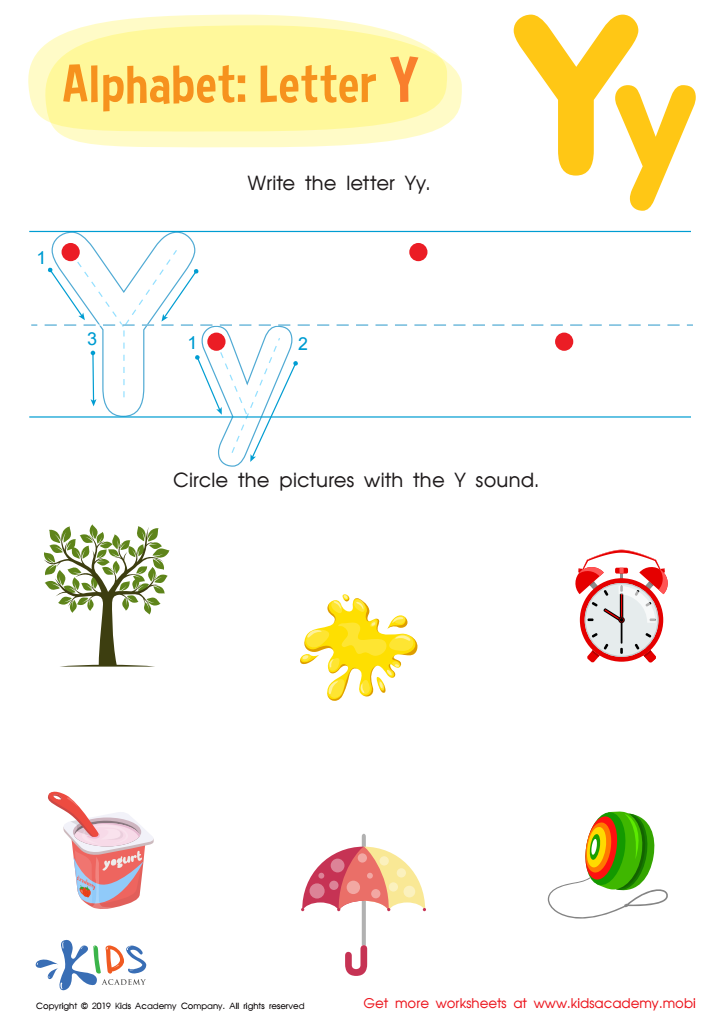
Letter Y Tracing Worksheet
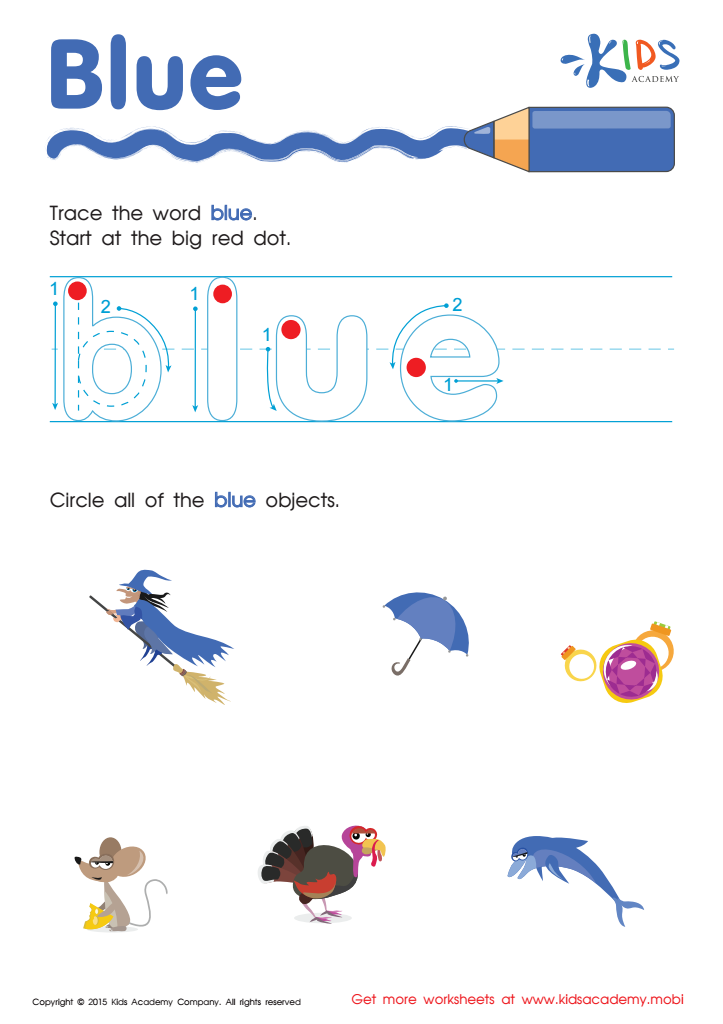
Blue Tracing Color Words Printable
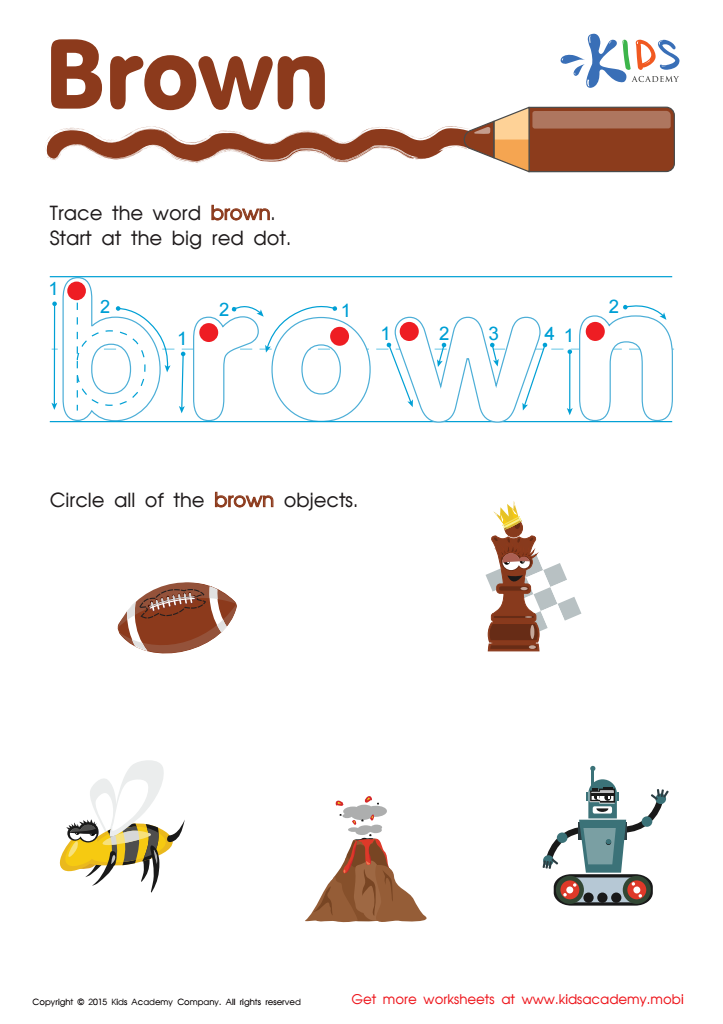
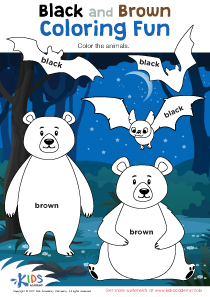
Brown Tracing Color Words Worksheet
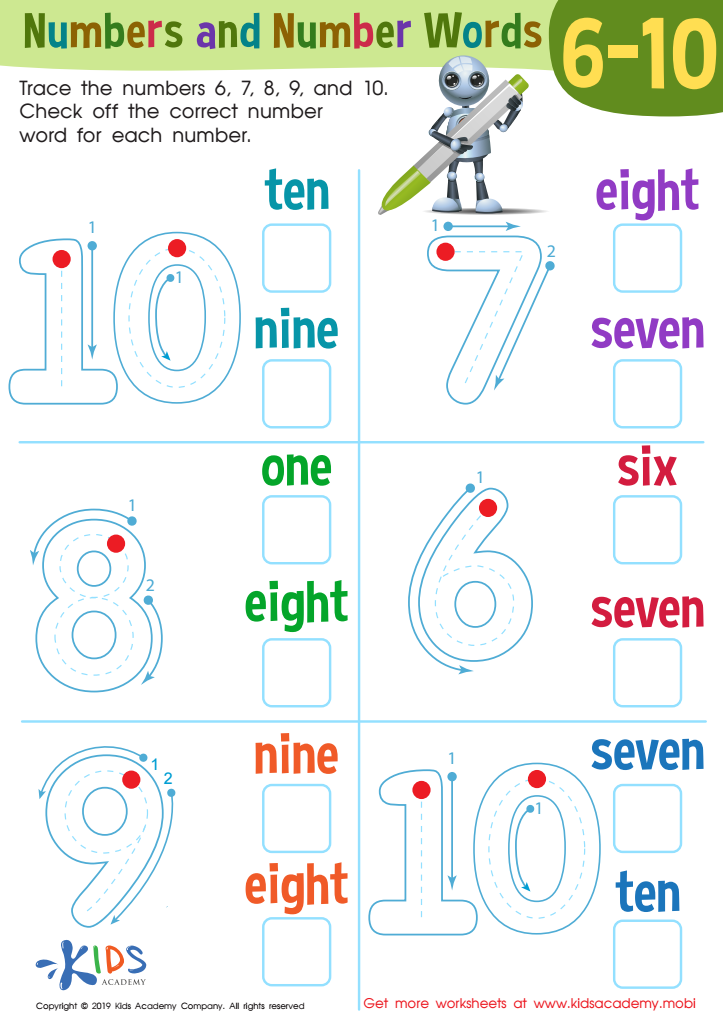
Numbers and Number Words 6–1 Worksheet
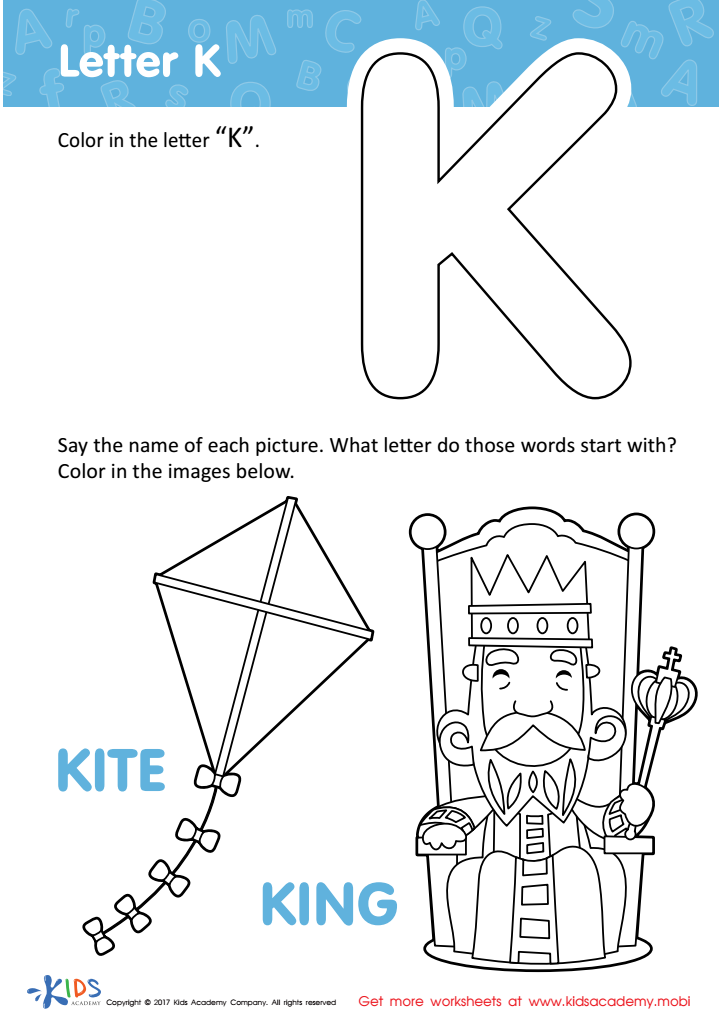
Letter K Coloring Sheet
Assign to My Students
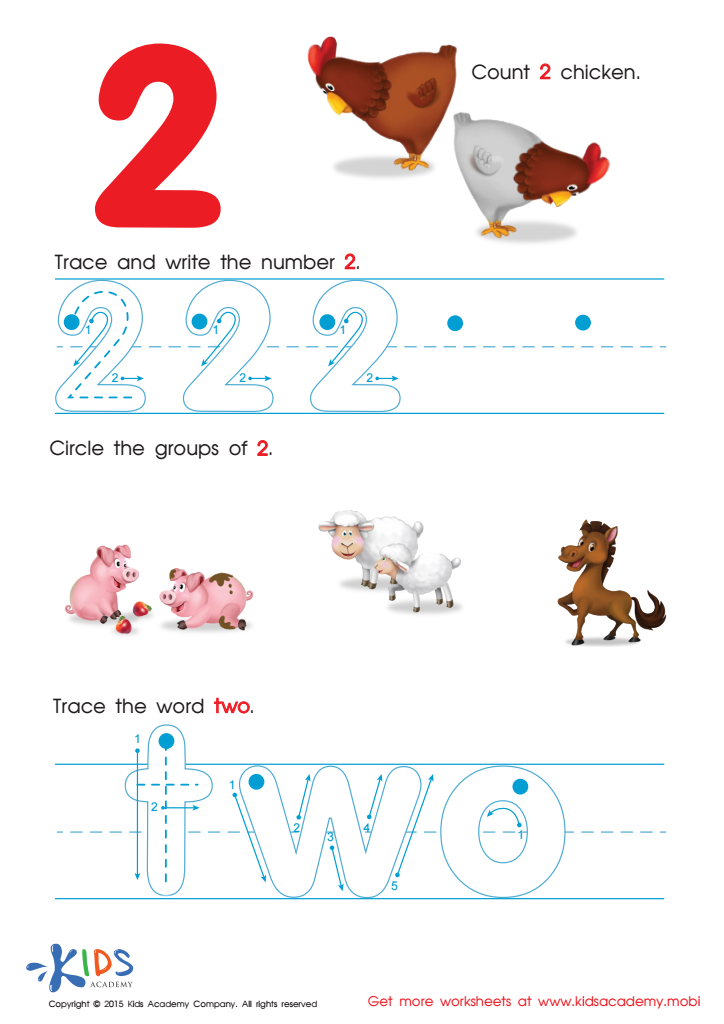
Learn to Write the Number 2 Worksheet

Letter N Coloring Sheet
Assign to My Students





Handwriting practice is essential for children aged 6-8, as it lays the foundation for effective communication and cognitive development. At this stage, kids are fine-tuning their motor skills, and practicing writing helps enhance their hand-eye coordination and type of muscle memory necessary for various tasks beyond writing, such as drawing and playing sports.
Moreover, handwriting fosters literacy development, which is crucial for educational success. Learning the proper formation of letters and the spacing between words contributes to reading fluency and comprehension. Consistent practice helps children develop a writing style that boosts their confidence and engages them in expression through written language.
Additionally, handwriting has cognitive benefits. Writing by hand encourages better memory retention, as studies show that students who take notes by hand grasp concepts better than those who type. This sensory engagement adds another layer to learning; as kids physically create letters, they internalize their shapes and sounds.
Finally, for parents and teachers, investing time in handwriting practice nurtures a child's self-esteem and perseverance. As children gain proficiency, they experience a sense of accomplishment, which can motivate them to tackle new challenges. Ensuring regular handwriting practice ultimately sets children on a path toward successful communication skills essential for lifelong learning.