Analytical skills Worksheets for Ages 6-8
12 filtered results
-
From - To
Enhance your child's critical thinking and problem-solving abilities with our engaging Analytical Skills Worksheets for Ages 6-8. Designed by educational experts, these printable worksheets offer a variety of fun, age-appropriate challenges that stimulate young minds. Each activity encourages logical reasoning, pattern recognition, and strategic thinking, laying a strong foundation for future academic success. Perfect for both classroom and home use, our resources help children confidently navigate through puzzles, sequences, and more. Unlock your child's full potential – explore our collection today and turn learning into an exciting adventure!
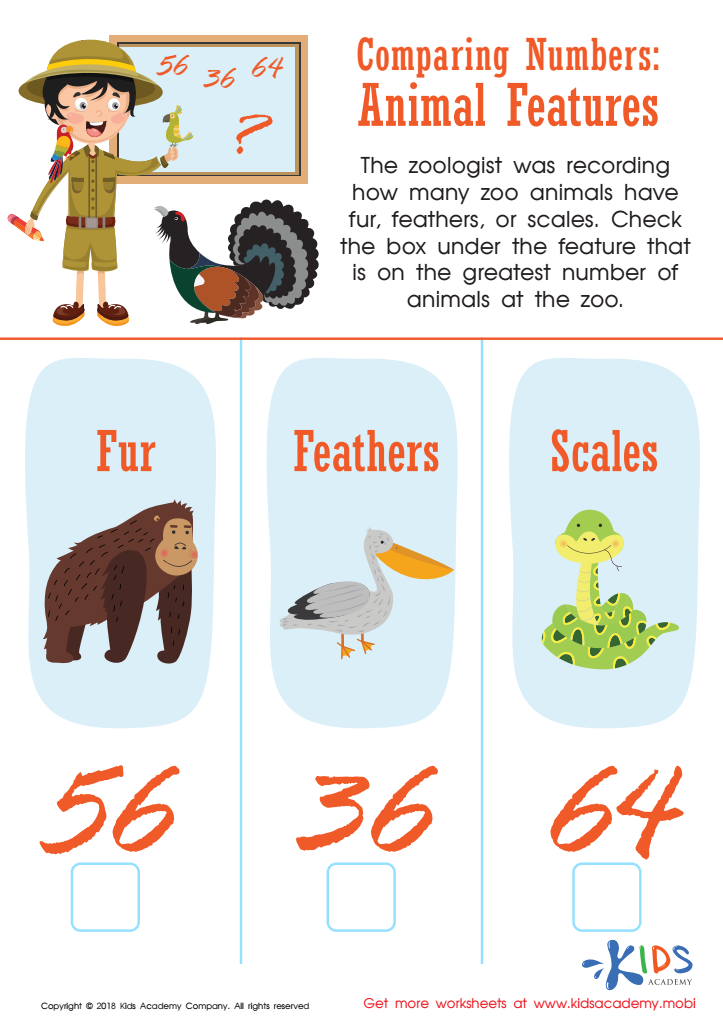
Animal Features Worksheet
 Assign to My Students
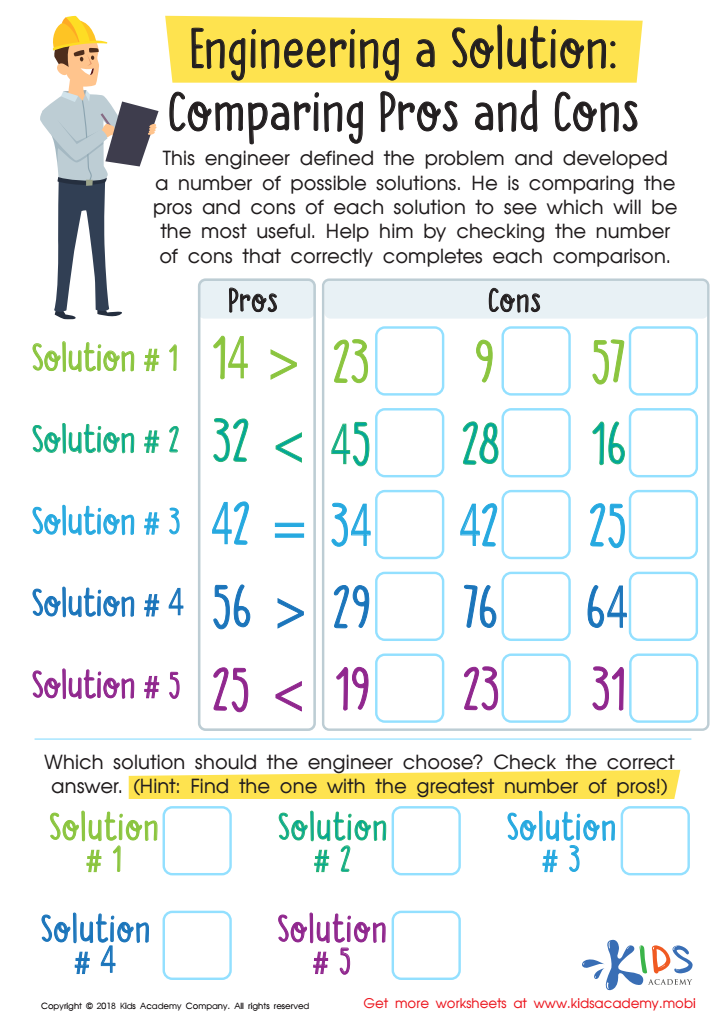
Engineering a Solution: Comparing Pros and Cons Worksheet
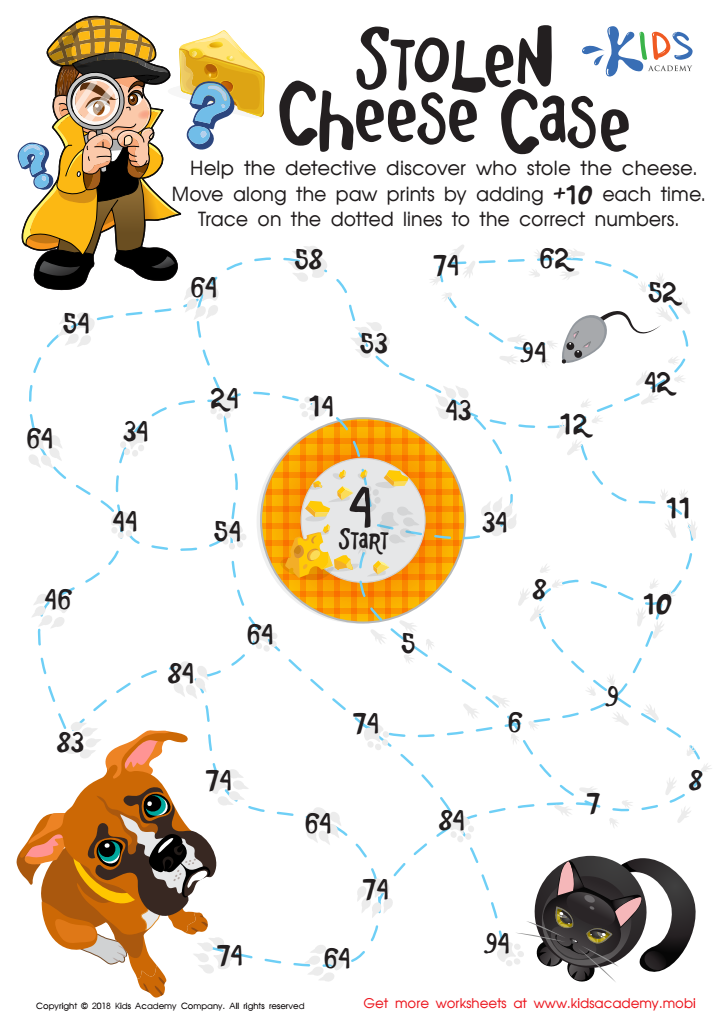
Stolen Cheese Case Maze Worksheet
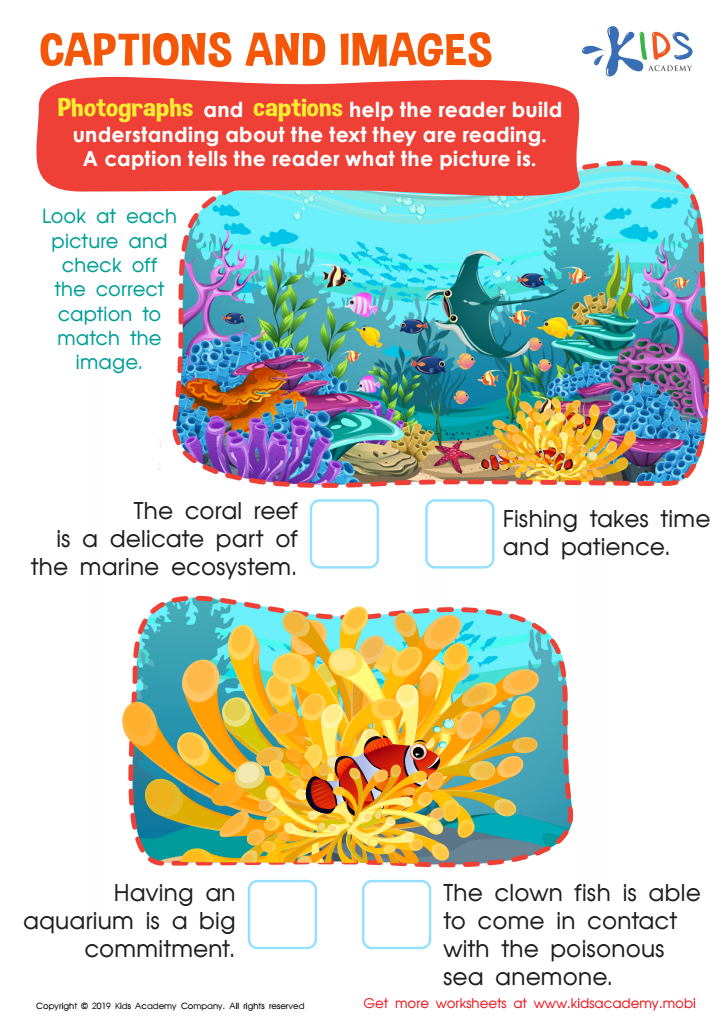
Captions and Images Worksheet

Identifying a Problem Worksheet
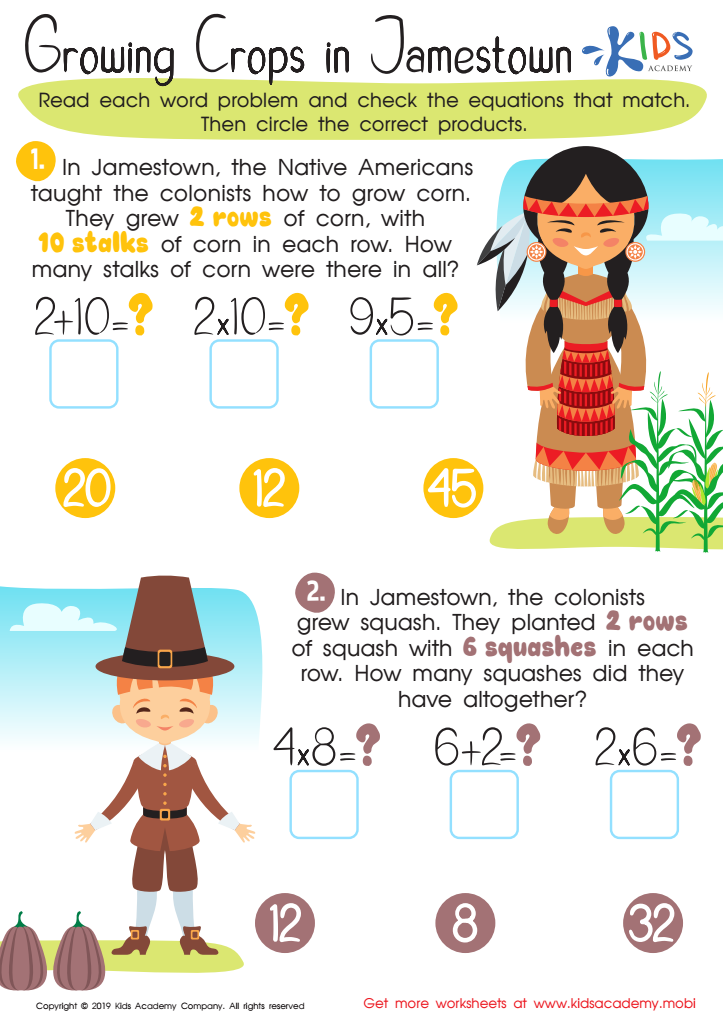
Growing Jamestown Worksheet

Big Cats and Their Cubs Worksheet
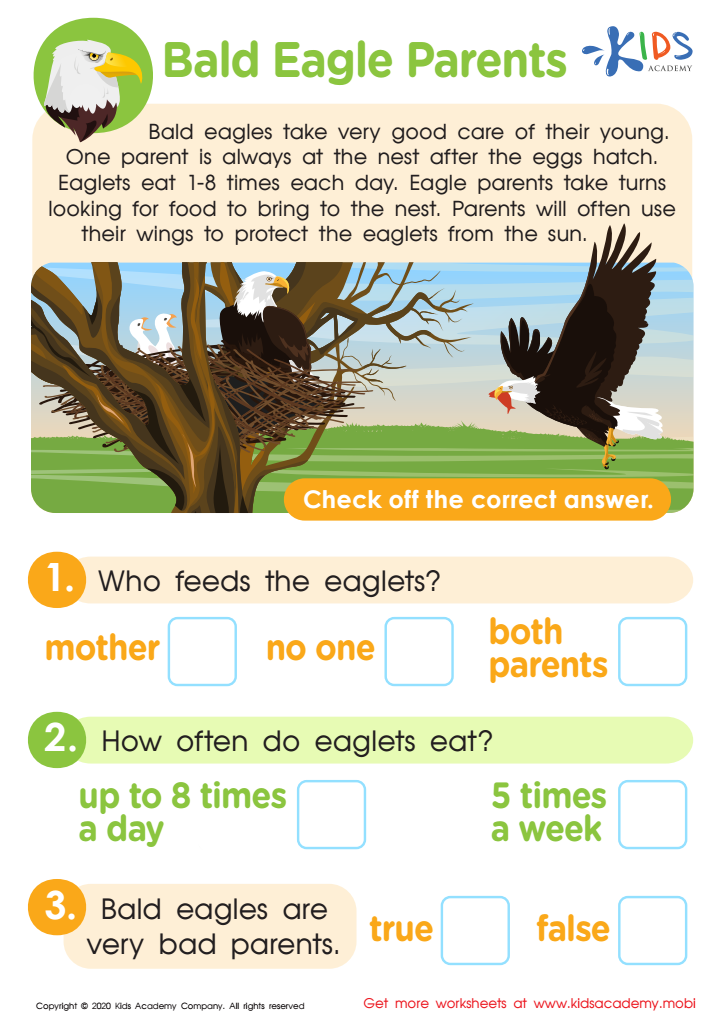
Bald Eagle Parents Worksheet

What Is Culture? Worksheet
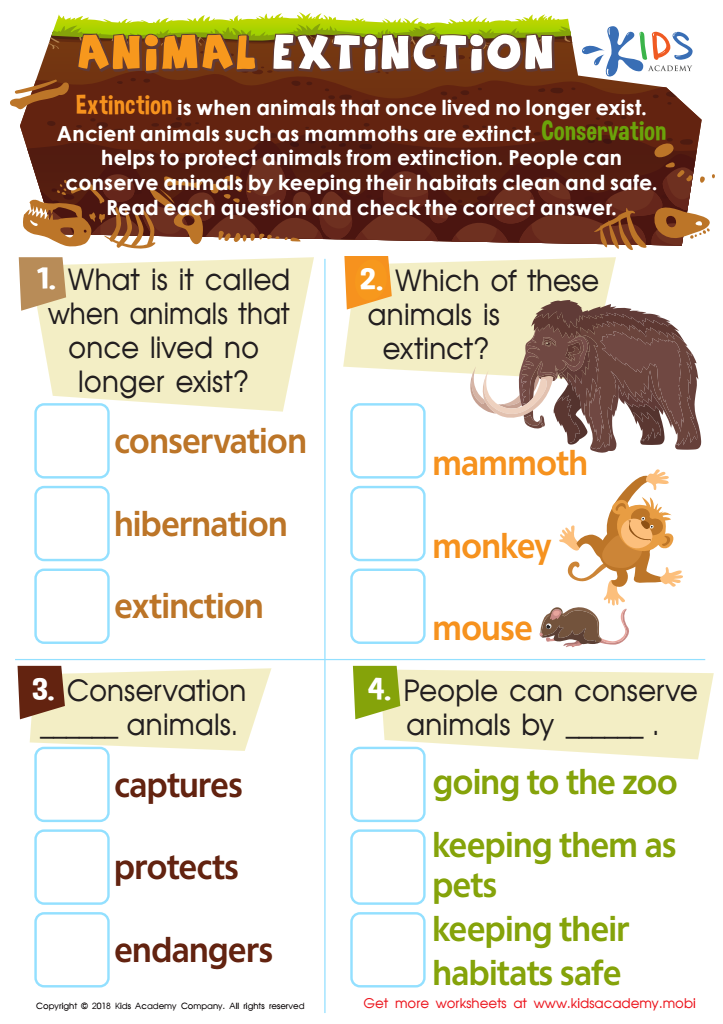
Animal Extinction Worksheet

3D Shapes Quest Worksheet
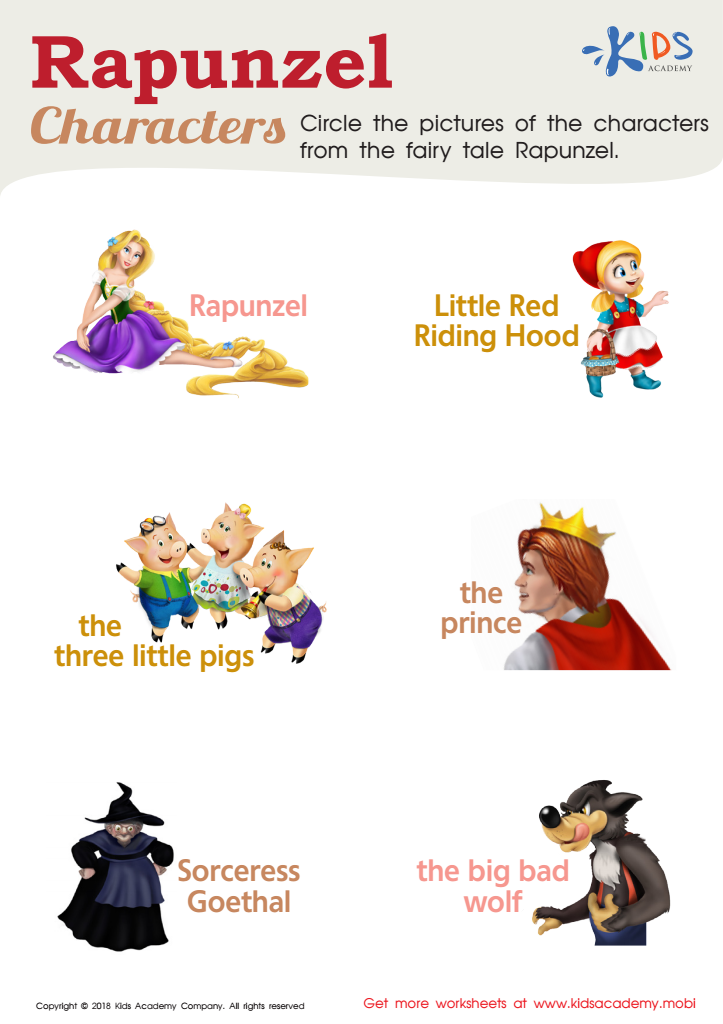
Rapunzel Characters Worksheet


.jpg)



.jpg)

Analytical skills are vital for children aged 6-8 as they form the bedrock of critical thinking and problem-solving abilities essential for future learning and everyday decision-making. At this developmental stage, children are naturally curious and start to ask "why" and "how" about the world around them. Encouraging analytical skills helps them make sense of these questions by breaking down complex ideas into manageable parts, identifying patterns, and drawing conclusions.
For parents and teachers, fostering these skills can significantly impact a child’s academic success and socio-emotional growth. Analytical thinking enhances understanding in subjects like math, science, and reading by training the mind to process information logically and systematically. For example, in mathematics, it encourages children to understand the 'why' behind math operations, not just the 'how'. In reading, analytical skills help children comprehend stories on deeper levels, such as understanding characters' motivations and the plot's structure.
Beyond academics, analytical skills help children in real-life situations, promoting decision-making and problem-solving capabilities. Kids learn to assess situations, weigh pros and cons, and make informed choices—essential life skills. Nurturing these abilities early sets a strong foundation for lifelong learning, adaptability, and success, making it a priority for both parents and educators.








