Critical Thinking Worksheets for Ages 6-8 - Page 6
148 filtered results
-
From - To
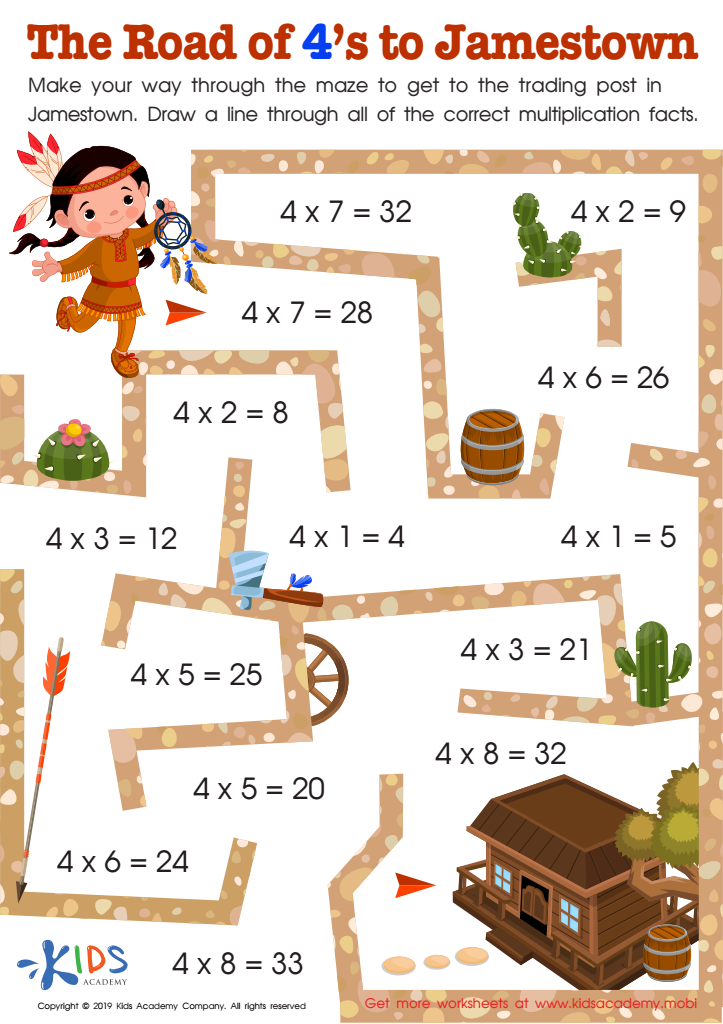
The Road of 4’s to Jamestown Worksheet
 Assign to My Students

Assessment: First Thanksgiving Worksheet
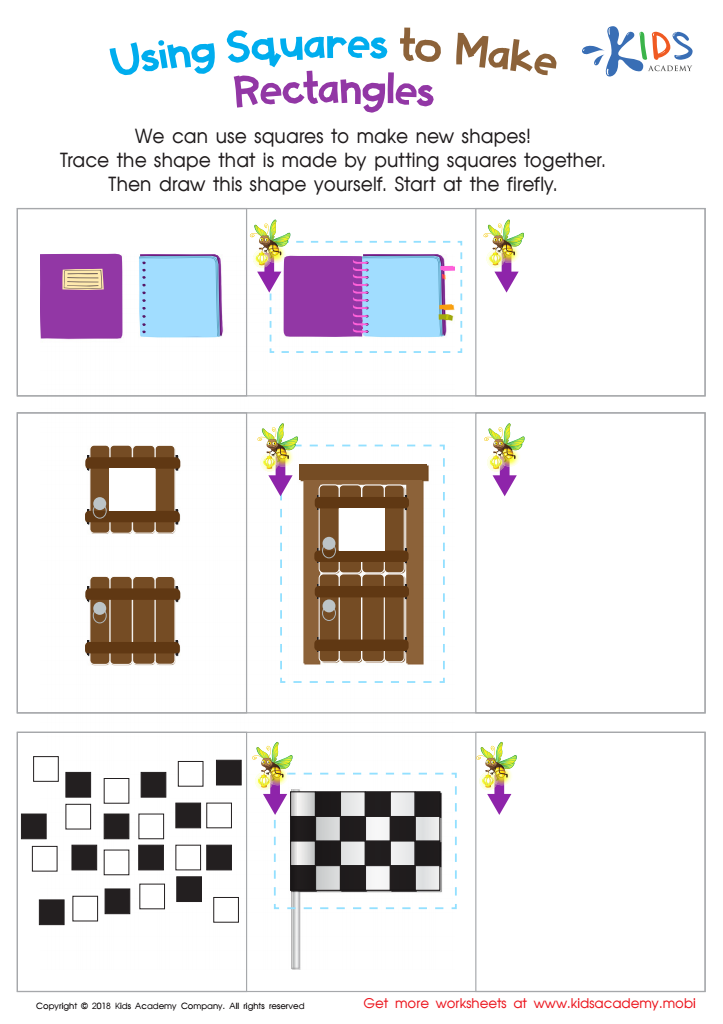
Using Squares to Make Rectangles Worksheet
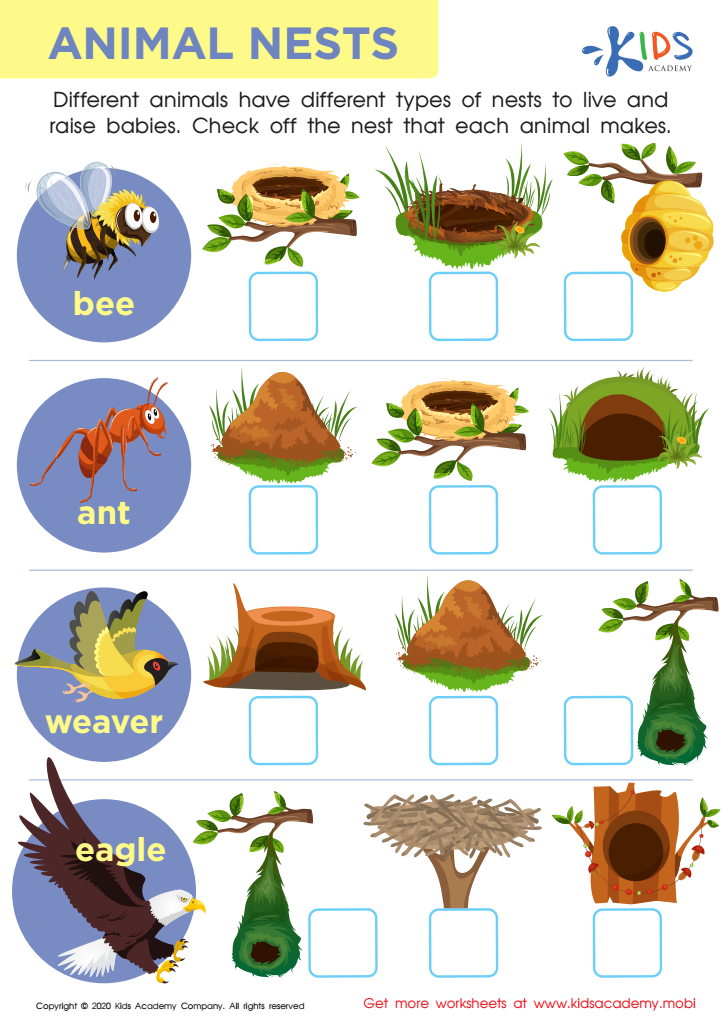
Animal Nests Worksheet
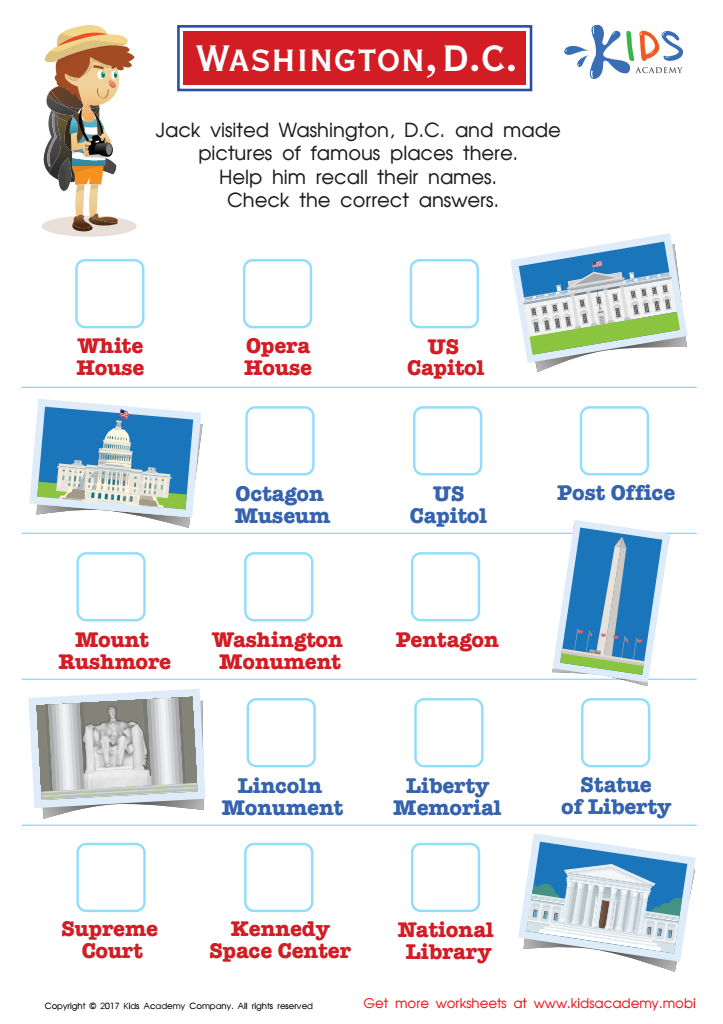
Washington D.C. Printable Worksheet
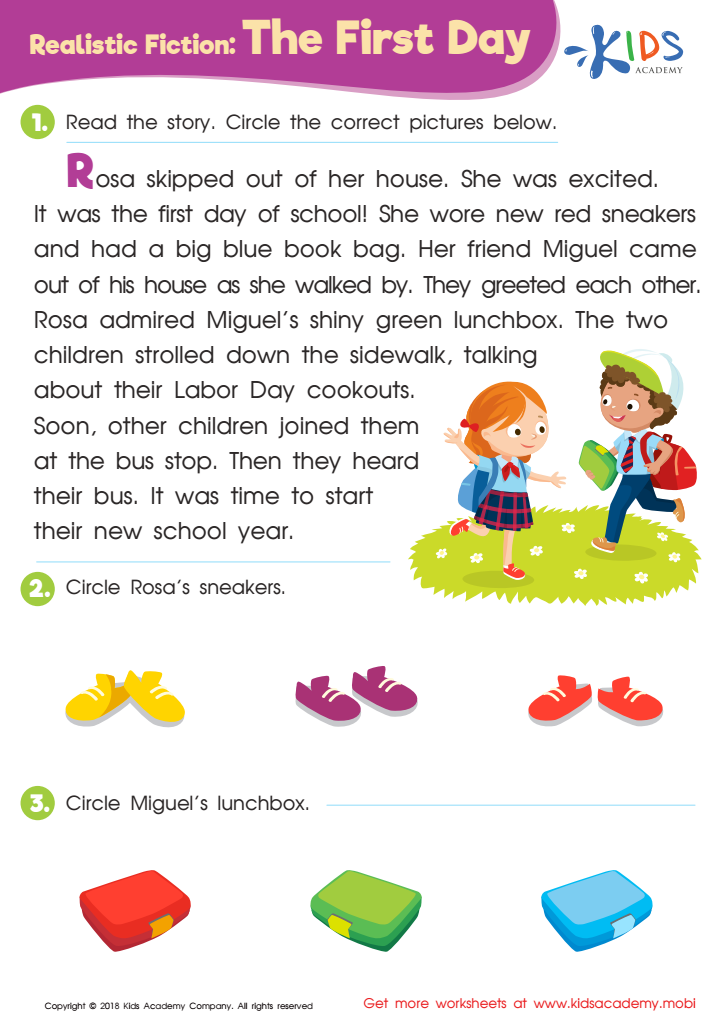
Realistic Fiction: The First Day Worksheet
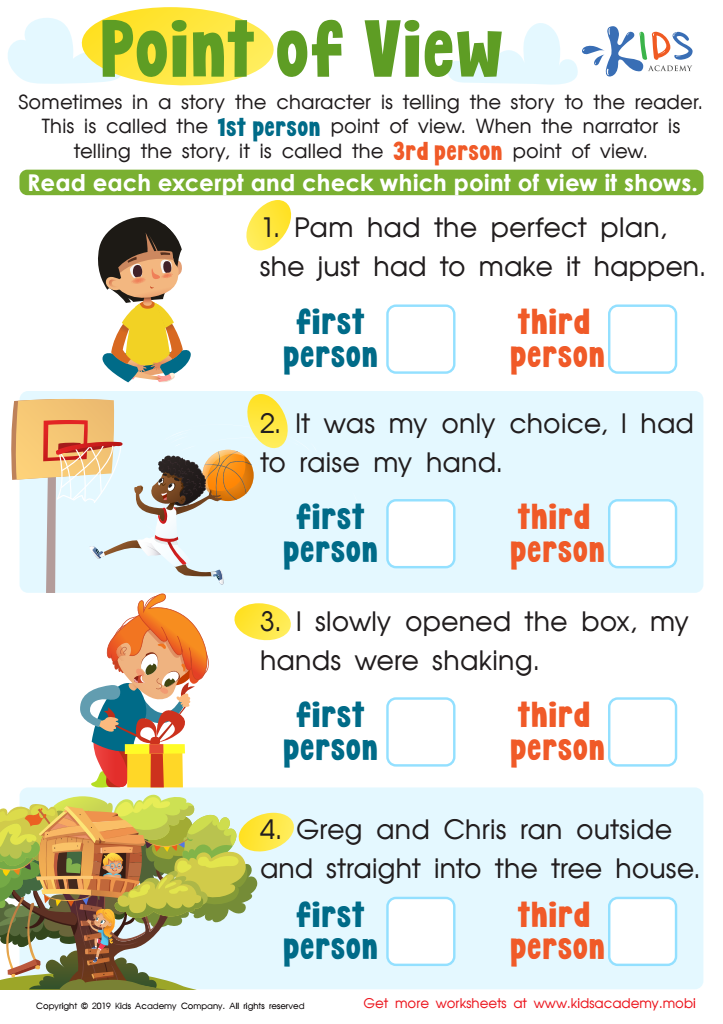
Point of View Printable
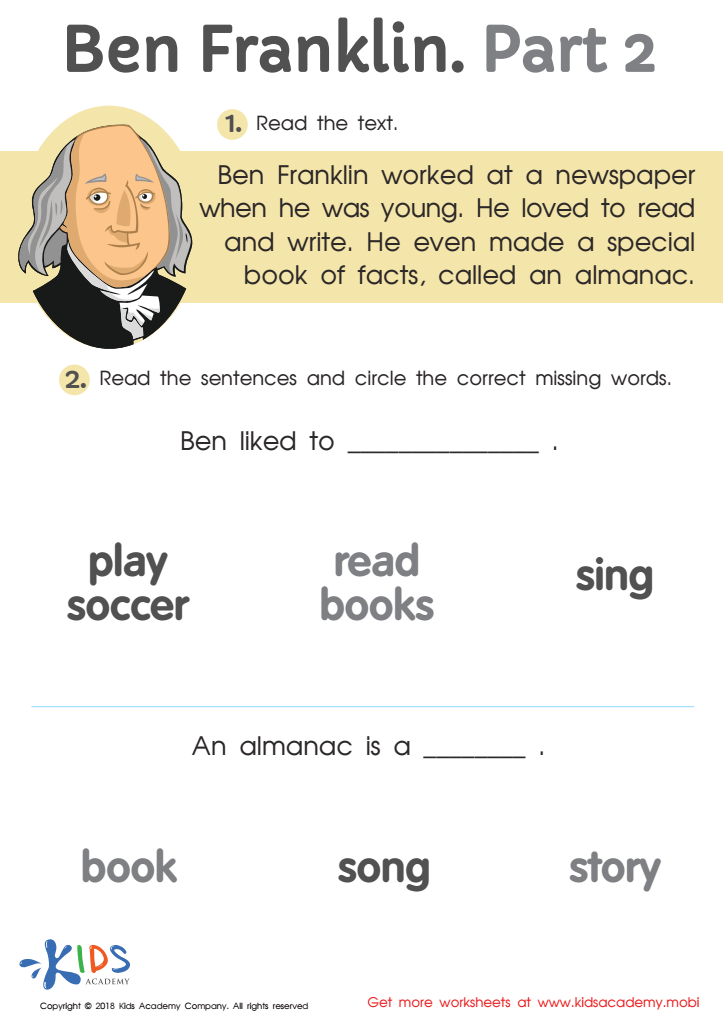
Ben Franklin Part 2 Worksheet
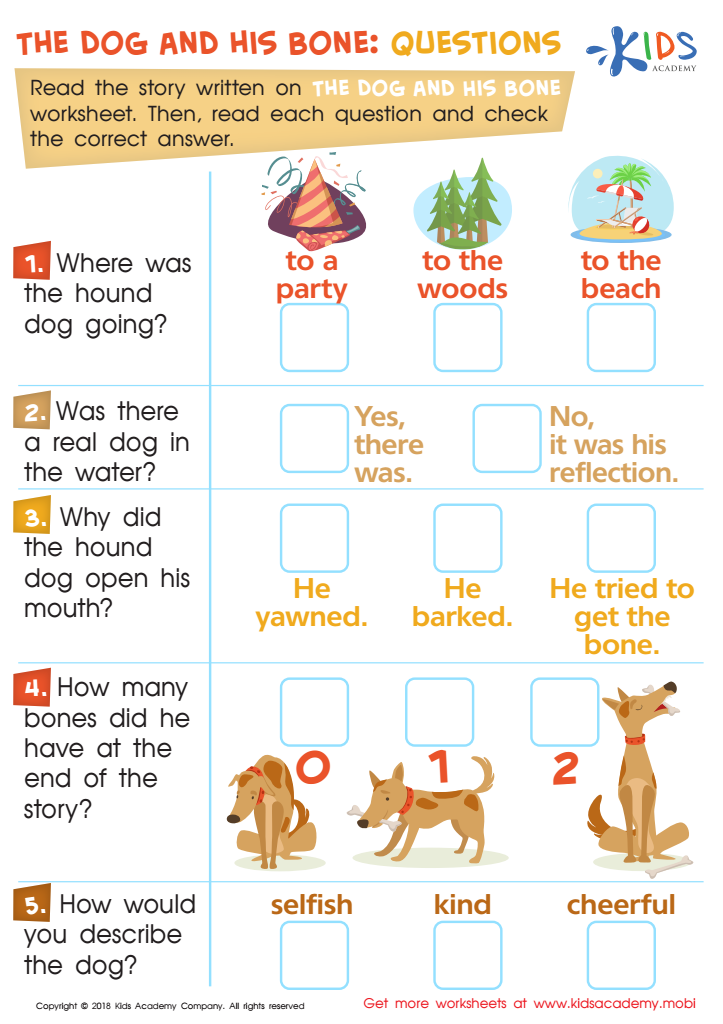
The Dog and His Bone: Questions Worksheet
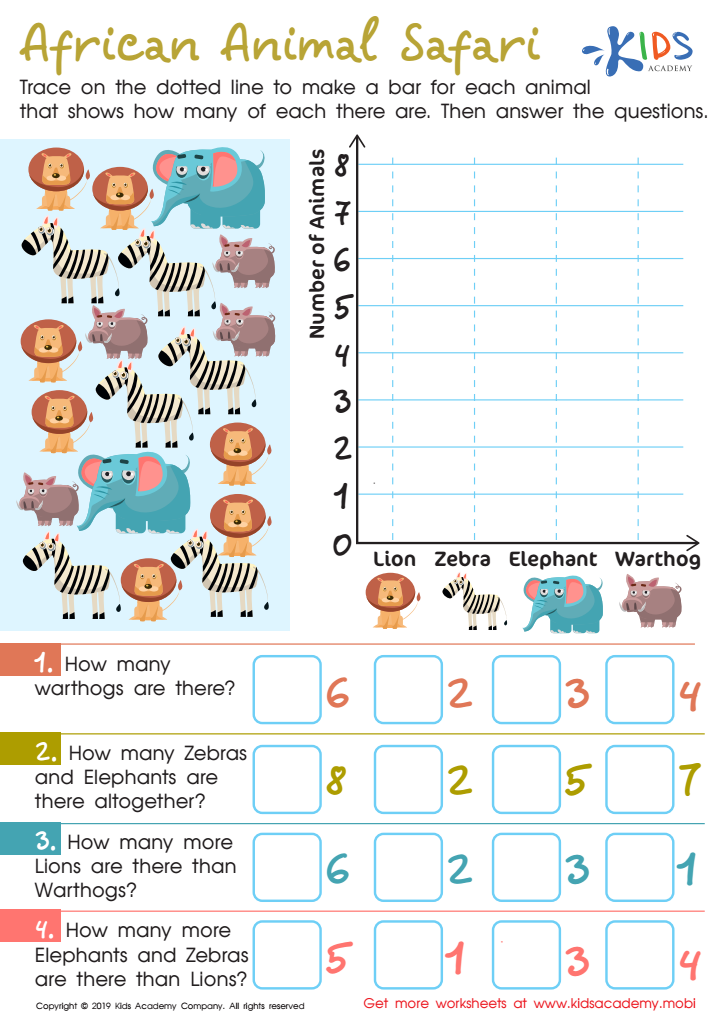
African Animal Safari Worksheet
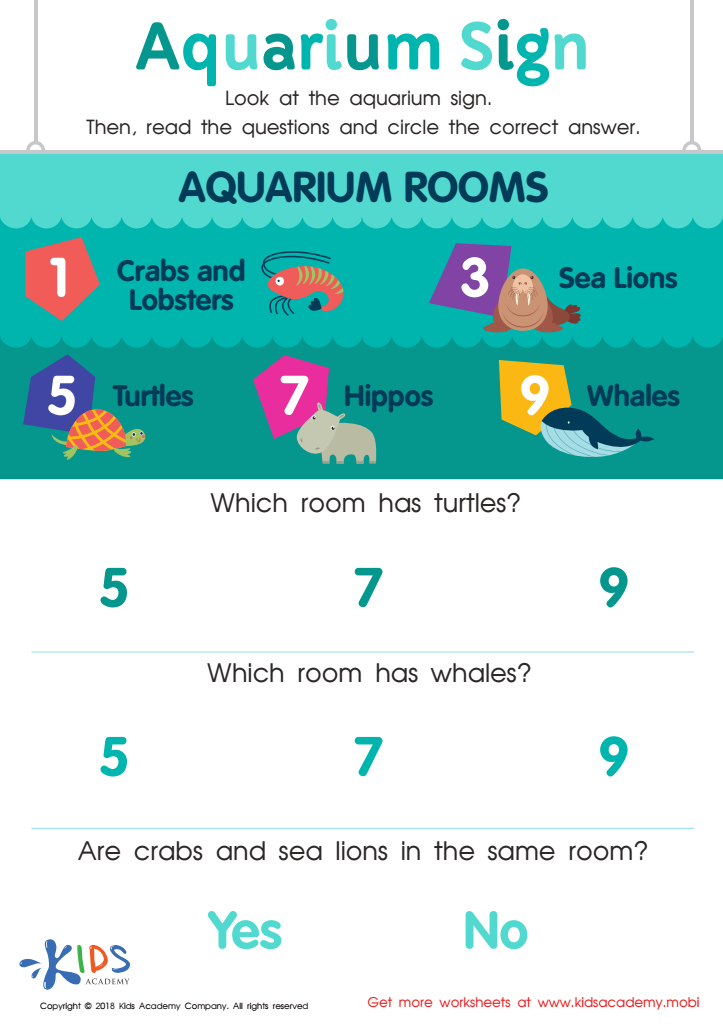
Assessment: Aquarium Sign Worksheet
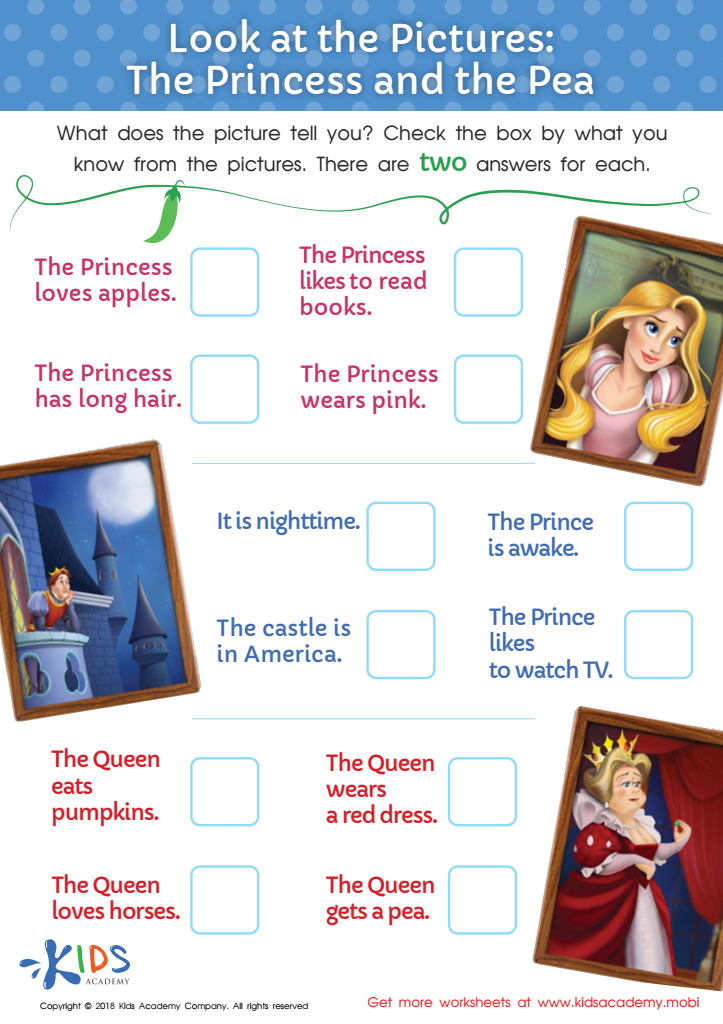
Look at the Pictures: The Princess and the Pea Worksheet
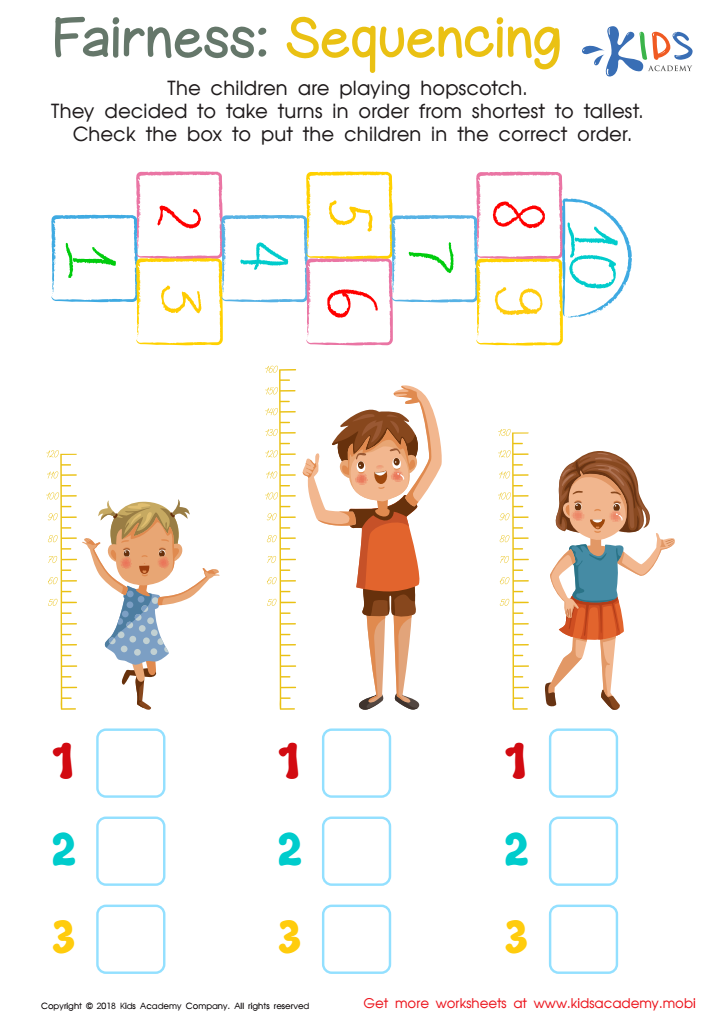
Fairness: Sequencing Worksheet
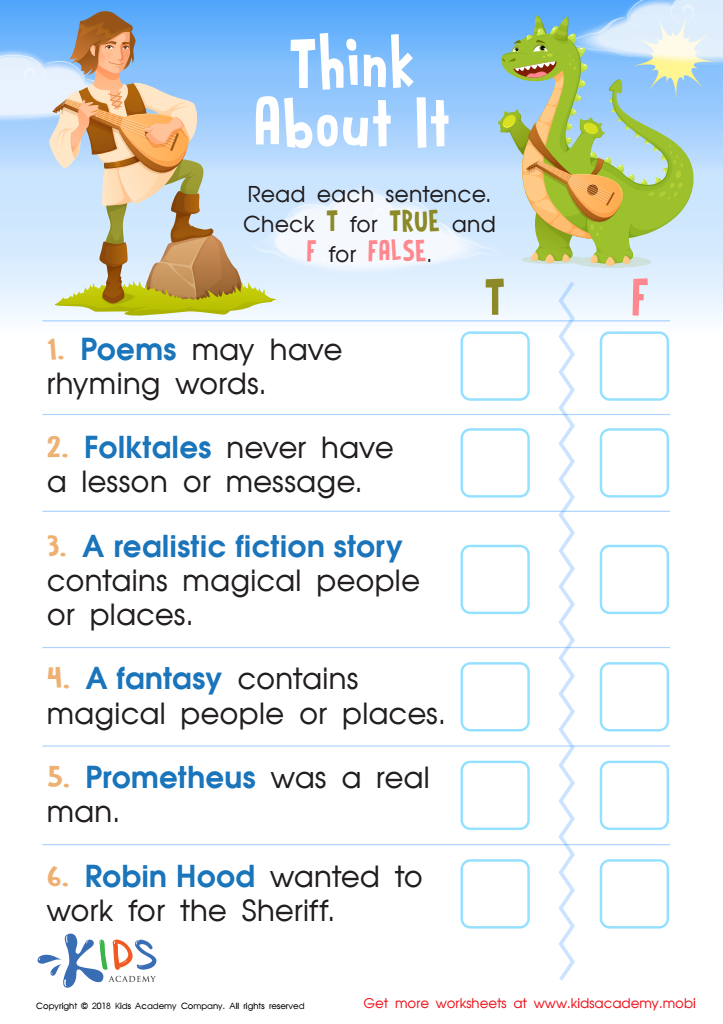
Think About It: Assessment Worksheet
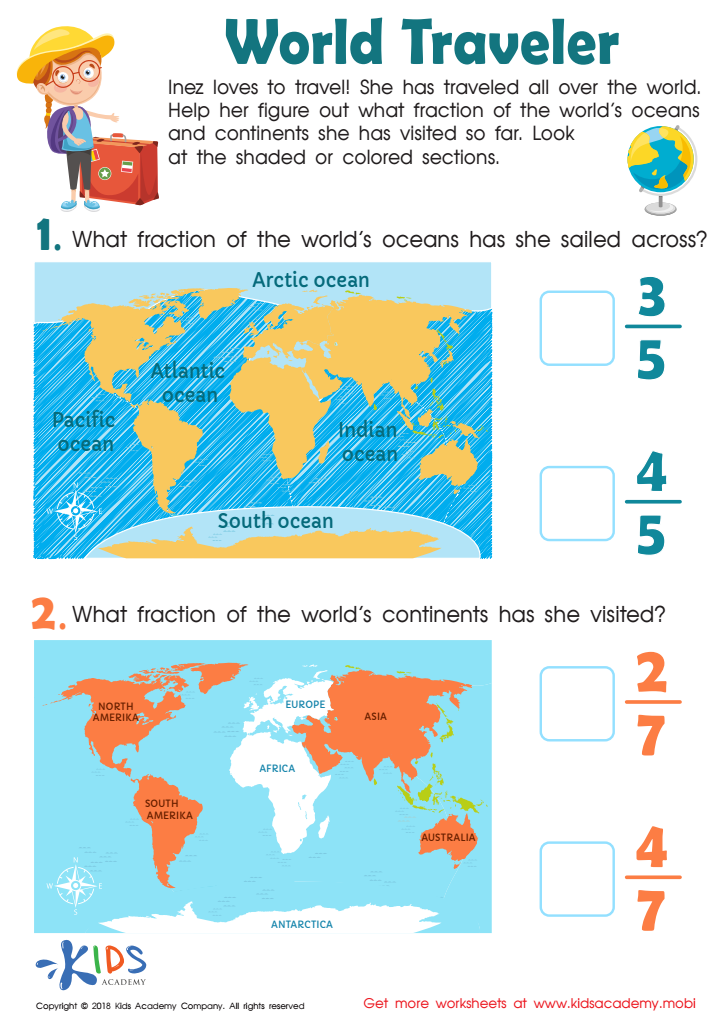
World Traveler Worksheet
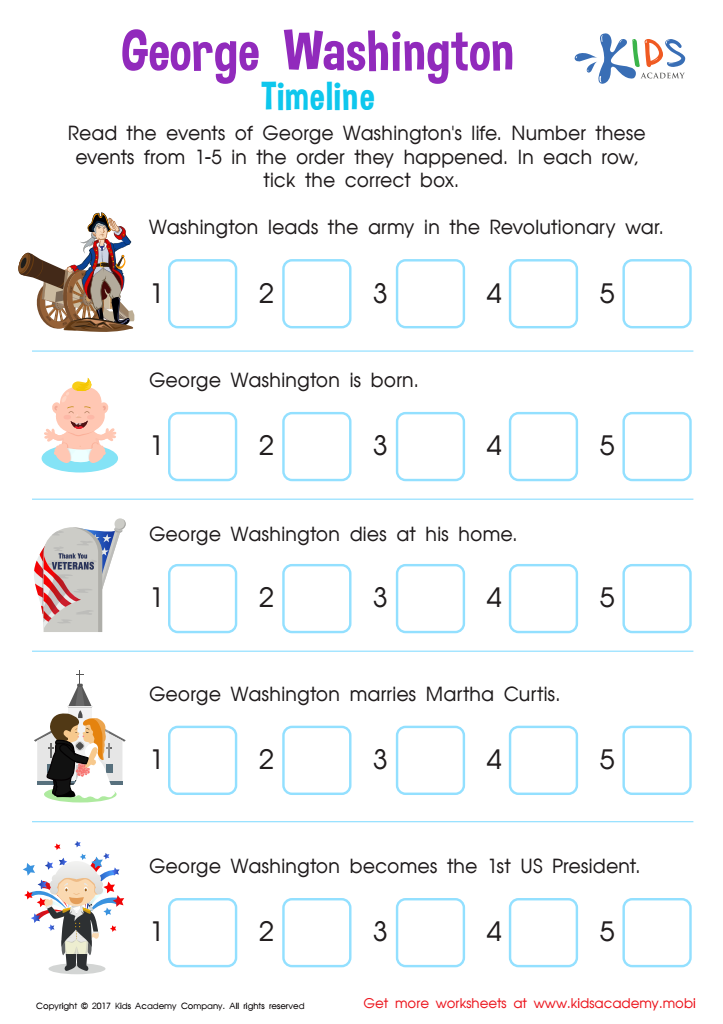
George Washington Timeline Worksheet
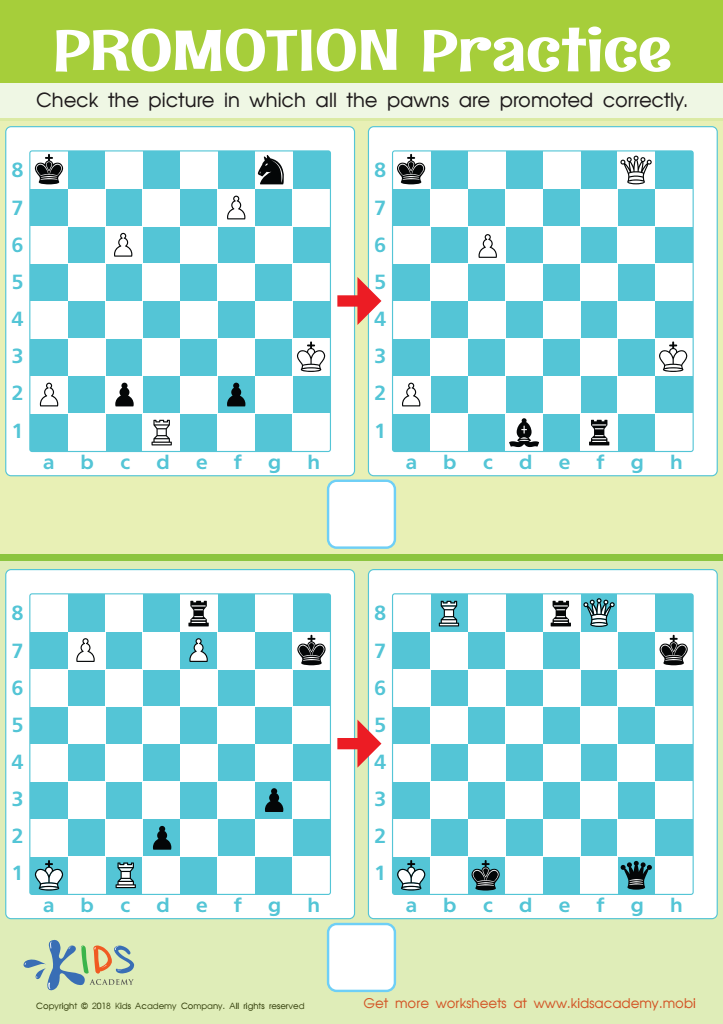
Promotion Practice Worksheet
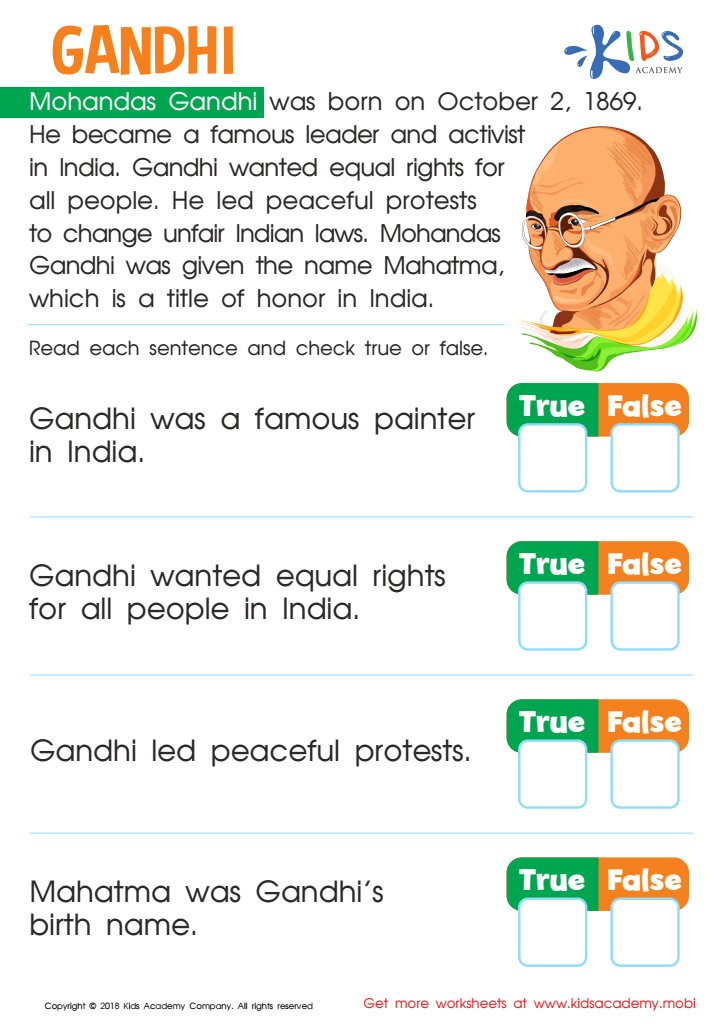
Gandhi Worksheet
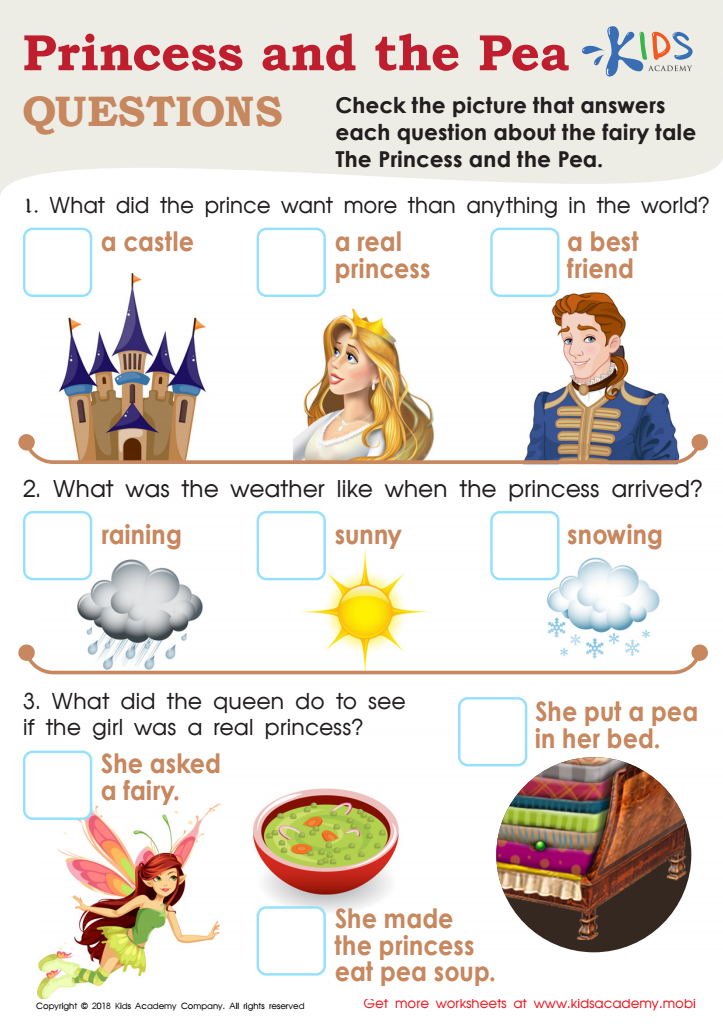
Princess and the Pea Questions Worksheet
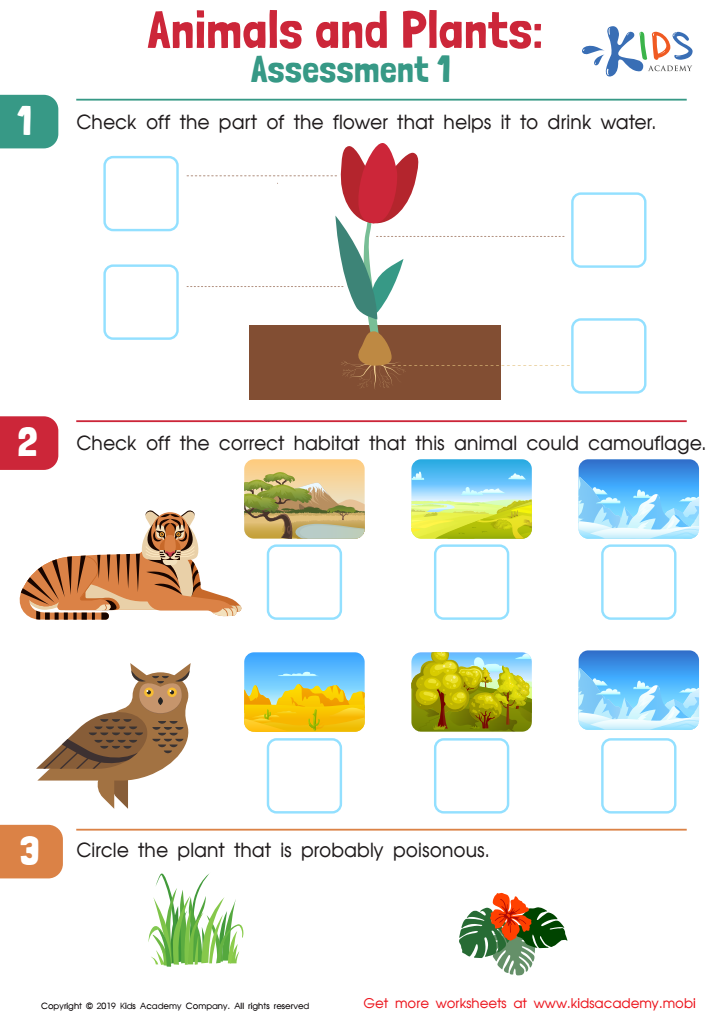
Animals and Plants: Assessment 1 Worksheet








Critical thinking is a crucial skill that parents and teachers should nurture in children aged 6-8. At this formative stage, young minds are incredibly curious and absorb information rapidly, making it an ideal time to instill critical thinking skills. First, fostering critical thinking aids in problem-solving. When children learn to analyze information, ask pertinent questions, and evaluate different solutions, they become proficient at overcoming academic and everyday challenges.
Second, critical thinking encourages independence. Children learn not to take information at face value but to search for evidence and make informed decisions, skills that are invaluable throughout their education and future careers. Moreover, fostering these skills can greatly improve academic performance, as critical thinkers are adept at understanding complex concepts and applying them in different contexts.
Lastly, critical thinking strengthens social relationships. By understanding different perspectives, children develop empathy and improve their ability to communicate and collaborate with peers. In an increasingly information-saturated world, the ability to discern trustworthy from misleading information cannot be overstated.
Parents and teachers who prioritize critical thinking are equipping children with a toolkit for success, laying a solid foundation for lifelong learning and adaptability. This vital skill promotes well-rounded development, preparing children for a world that values innovation, clarity, and informed decision-making.








