
Phonics understanding Worksheets for Ages 6-8
6 filtered results
Difficulty Level
Grade
Age
-
From - To
Subject
Activity
Standards
Introducing our Phonics Understanding Worksheets for Ages 6-8, designed to make learning to read both fun and efficient! These specially curated worksheets focus on enhancing children’s phonemic awareness, a critical skill for early readers. Engaging activities help kids recognize and form letter sounds, blending them into words to strengthen reading fluency and comprehension. Ideal for classroom or home use, these worksheets offer a rich variety of exercises, from matching sounds to spelling challenges. Support your child's reading journey with our expertly crafted phonics resources, tailored to provide a strong foundation in literacy for young learners.
Favorites
With answer key
Interactive
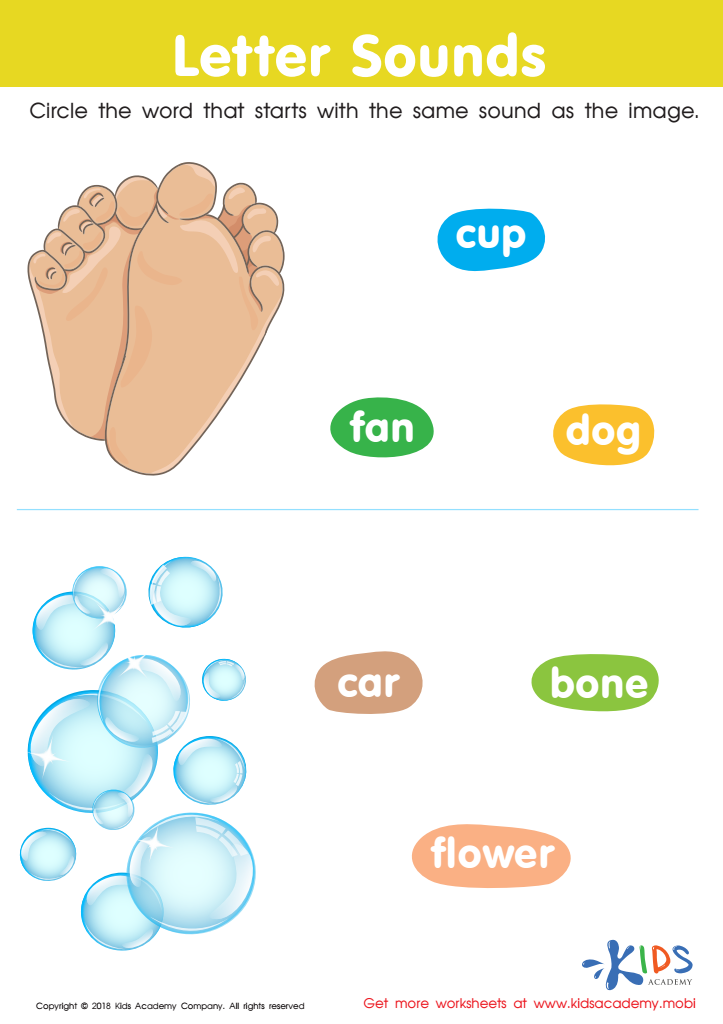
letter sounds Worksheet
Test your child's letter recognition skills with this worksheet. Match words to pictures and challenge them to say each image out loud and sound out the words beside it. Ask: Which word starts with the same letter as the picture? Then let them circle the right answer. Quick and easy!
 Assign to My Students
letter sounds Worksheet
Worksheet
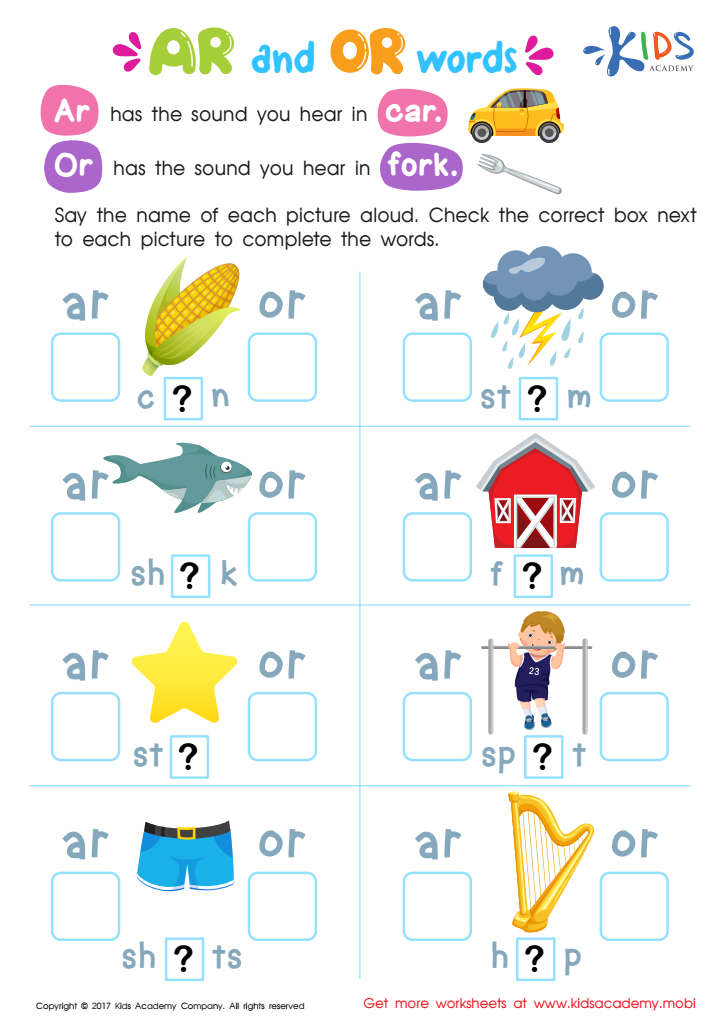
Ar and Or Words Phonics Worksheet
Master the distinct digraphs 'ar' and 'or' with this fun phonics worksheet from Kids Academy! With meaningful illustrations, it'll guide your child to choose the right one. Get ready for the great results!
Ar and Or Words Phonics Worksheet
Worksheet
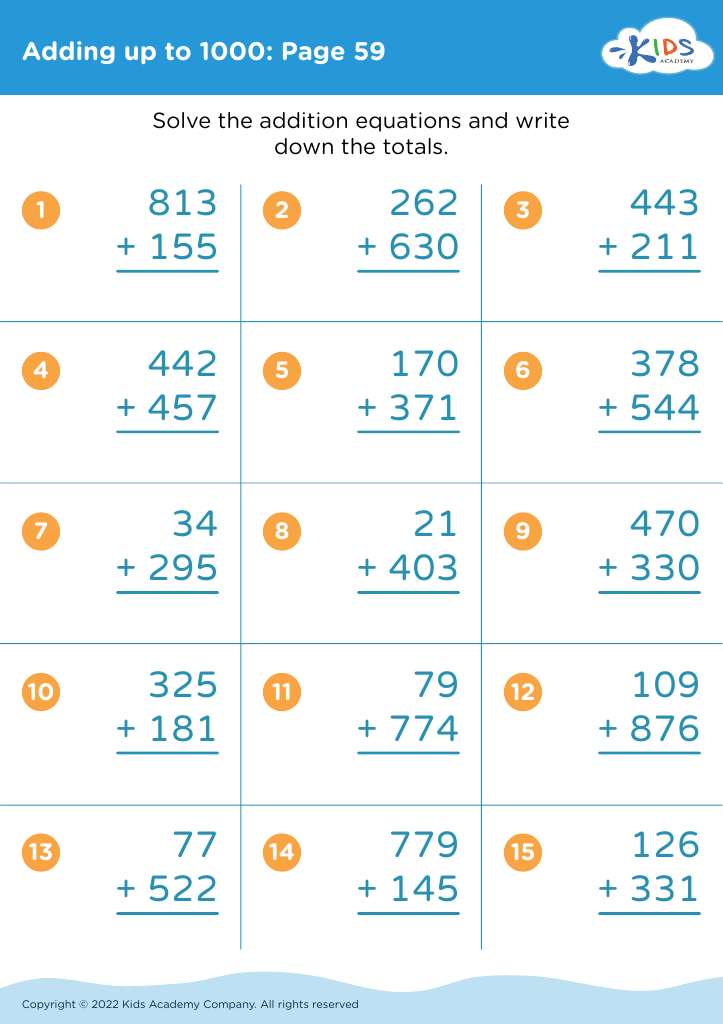
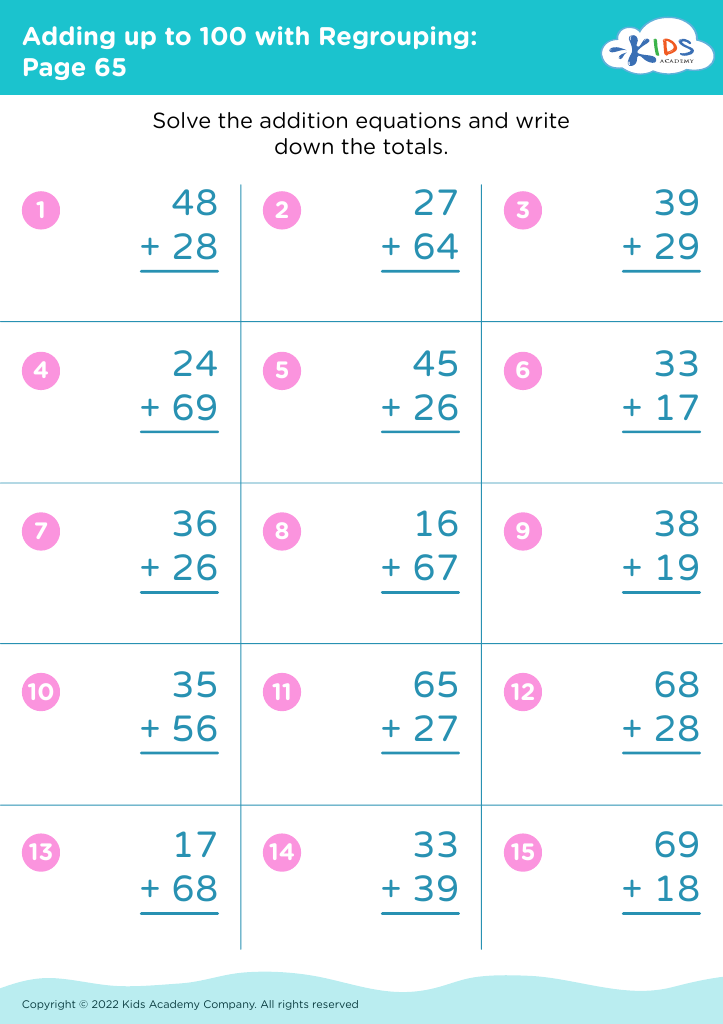
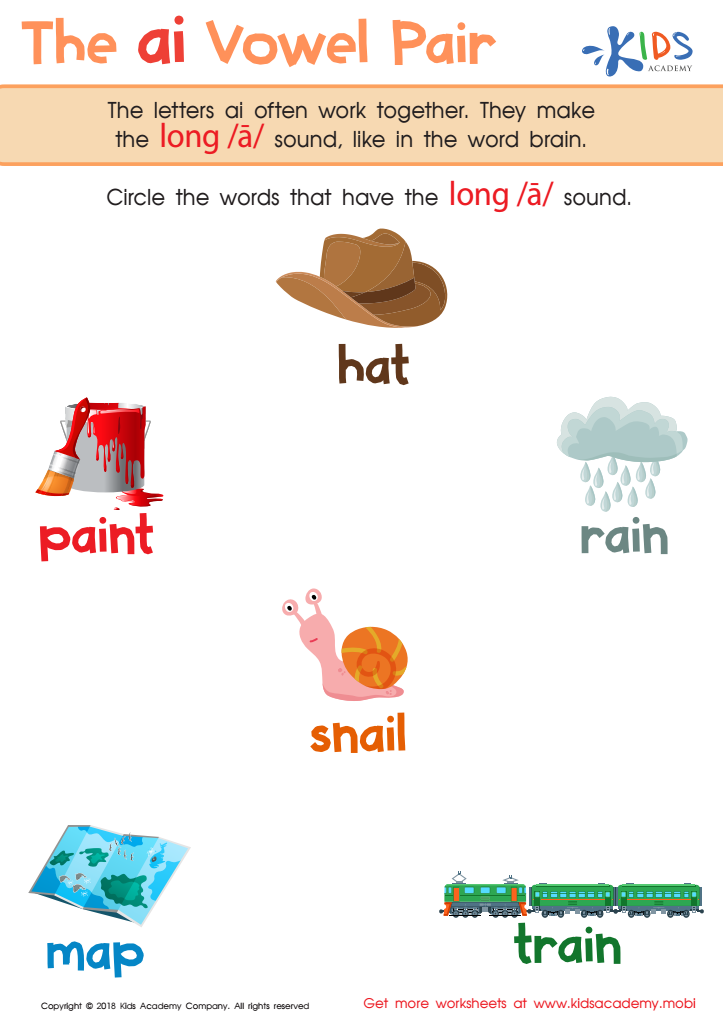
The AI Vowel Pair Worksheet
Vowel pairs make different sounds than individual letters. The 'ai' combination often forms the long /a/ sound, like in 'brain' and 'strain'. Get your kids to look at the pictures in the worksheet, identify each and say the name aloud. Help them circle the words with the long /a/ sound.
The AI Vowel Pair Worksheet
Worksheet
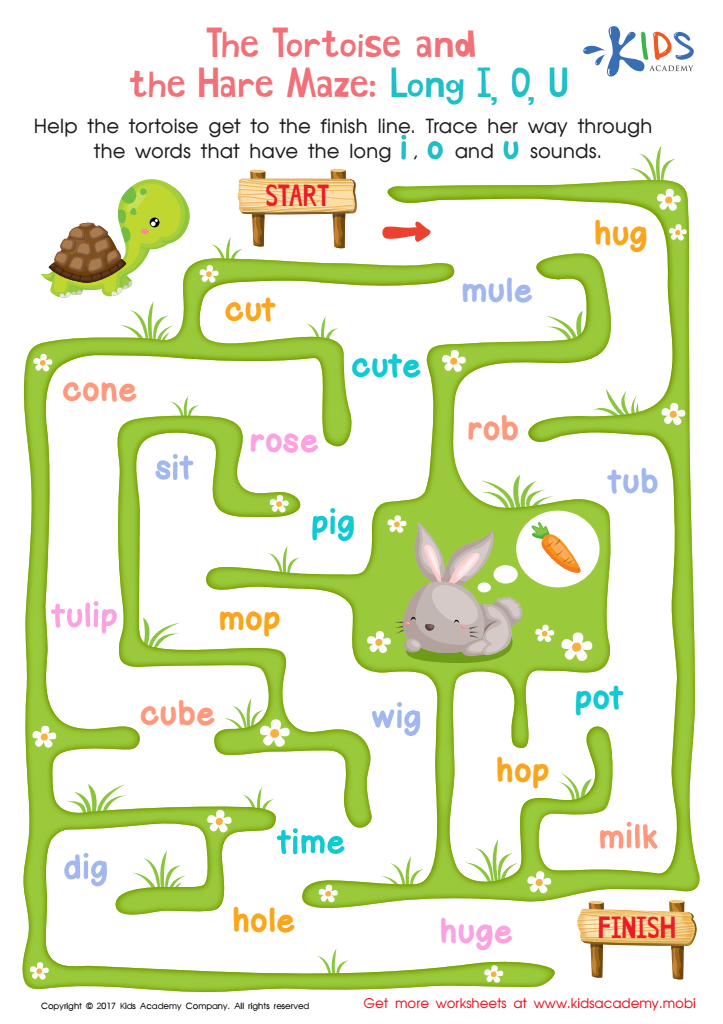
Long I, O, U Words Worksheet
This fun phonics worksheet has your child race the tortoise and hare to the finish line. Find all the long vowel sounds to win! It'll help your child's recognition of long I, O, and U words without him realizing it!
Long I, O, U Words Worksheet
Worksheet
Join Kids Academy for Free
Who is primarily going to use this learning content?







Phonics understanding is fundamental for children aged 6-8 as it lays the groundwork for effective reading and spelling skills. At this age, children's brains are particularly receptive to learning the relationships between letters and sounds. This skill is crucial because it helps them decode new words, an essential step for reading fluently and confidently.
For parents and teachers, prioritizing phonics is integral to fostering a child's academic success. Early phonics instruction enhances children’s ability to recognize patterns in words, making it easier to spell and understand more complex texts as they progress through school. Without strong phonics skills, children may struggle with reading comprehension, which can affect their performance across all subjects, from mathematics to social studies, where reading skills are indispensable.
Moreover, early phonics education supports the development of a lifelong love for reading. As children become more comfortable and proficient readers, they gain confidence and are more likely to pick up books out of interest and enjoyment. This intrinsic motivation for reading can lead to richer vocabularies, better general knowledge, and stronger critical thinking skills.
In essence, a solid foundation in phonics equips children with essential tools for academic achievement and sets the stage for a lifelong affinity for reading and learning. Thus, it is crucial for parents and teachers to invest time and resources in nurturing phonics skills during these formative years.








