Subtraction practice Addition & Subtraction Worksheets for Ages 6-8 - Page 2
74 filtered results
-
From - To
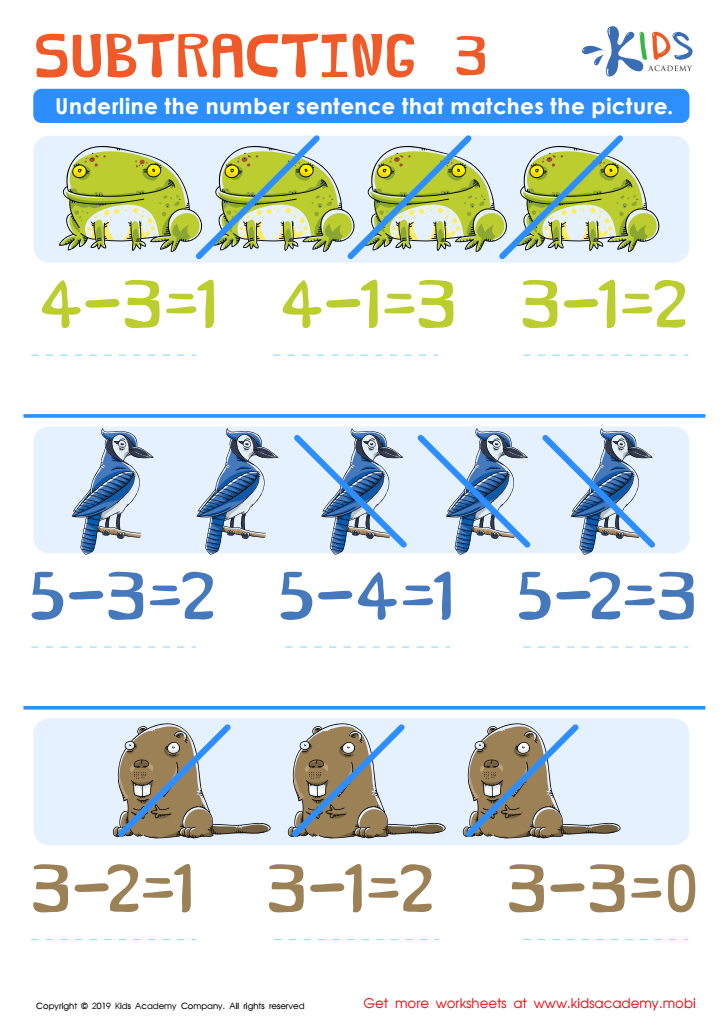
Subtracting 3 Worksheet
 Assign to My Students
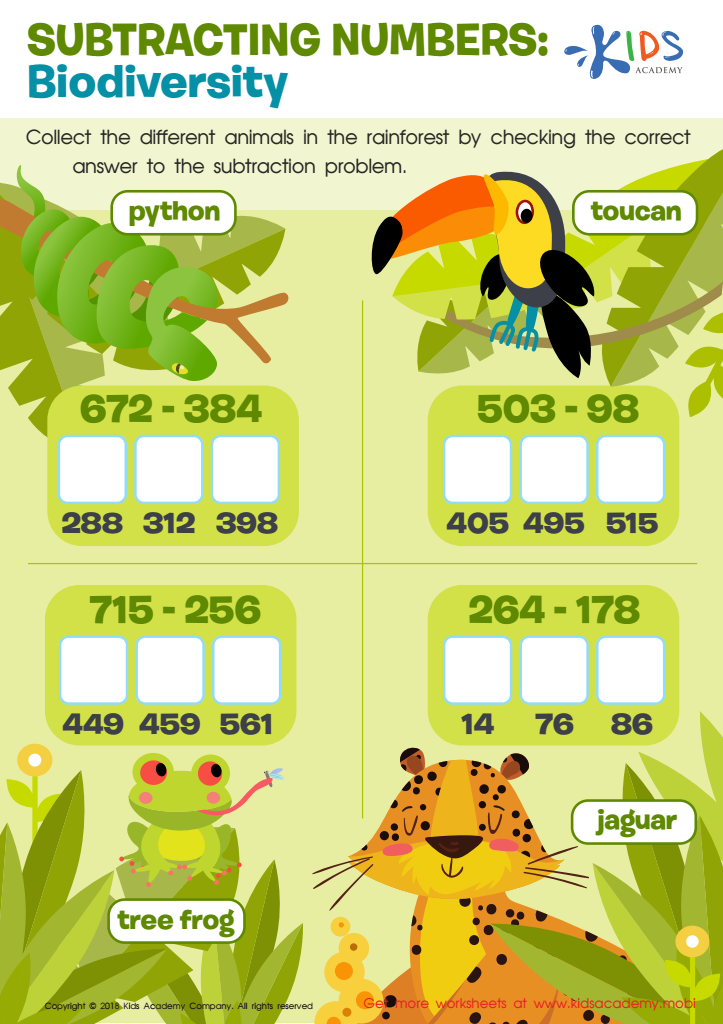
Subtracting Numbers: Biodiversity Worksheet
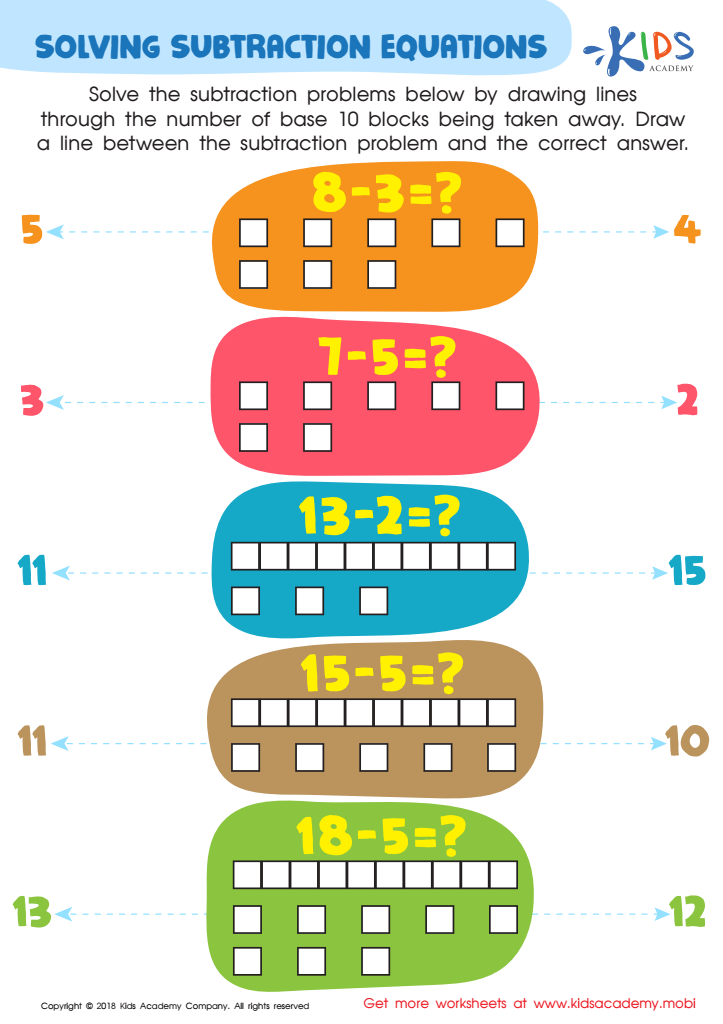
Solving Subtraction Equations Worksheet
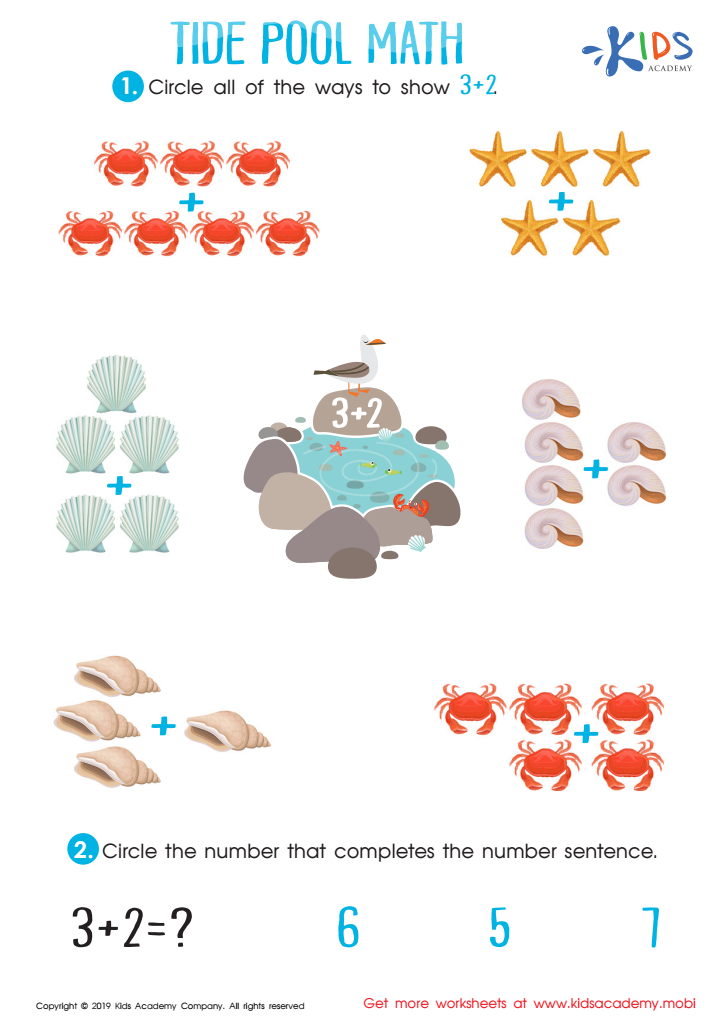
Tide Pool Math Worksheet
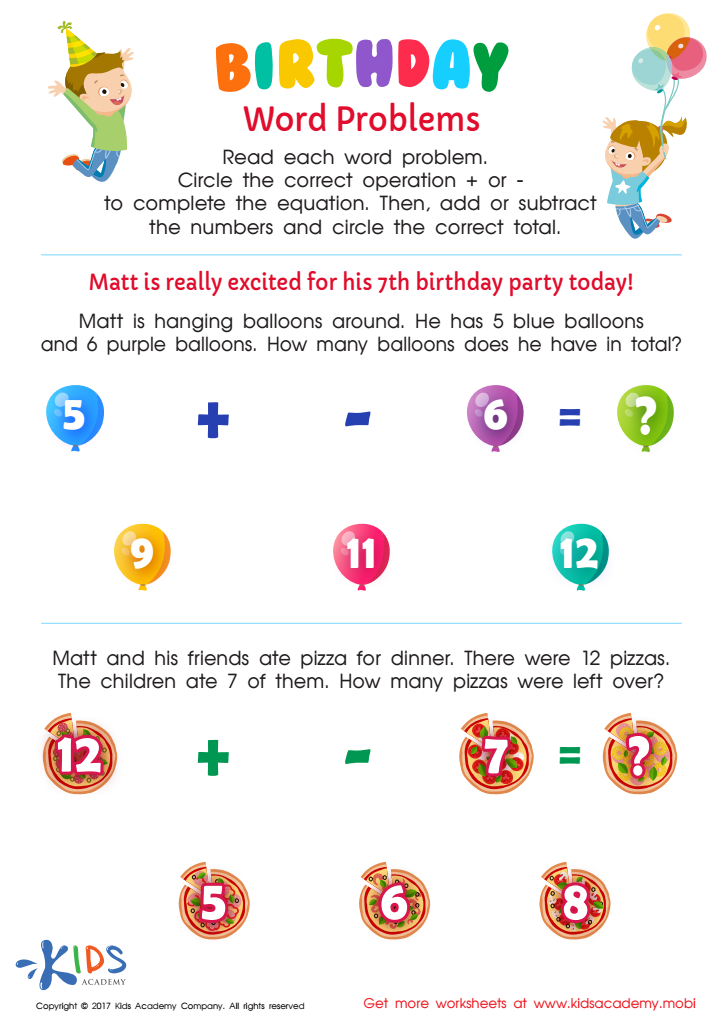
Birthday Word Problems Substraction Worksheet
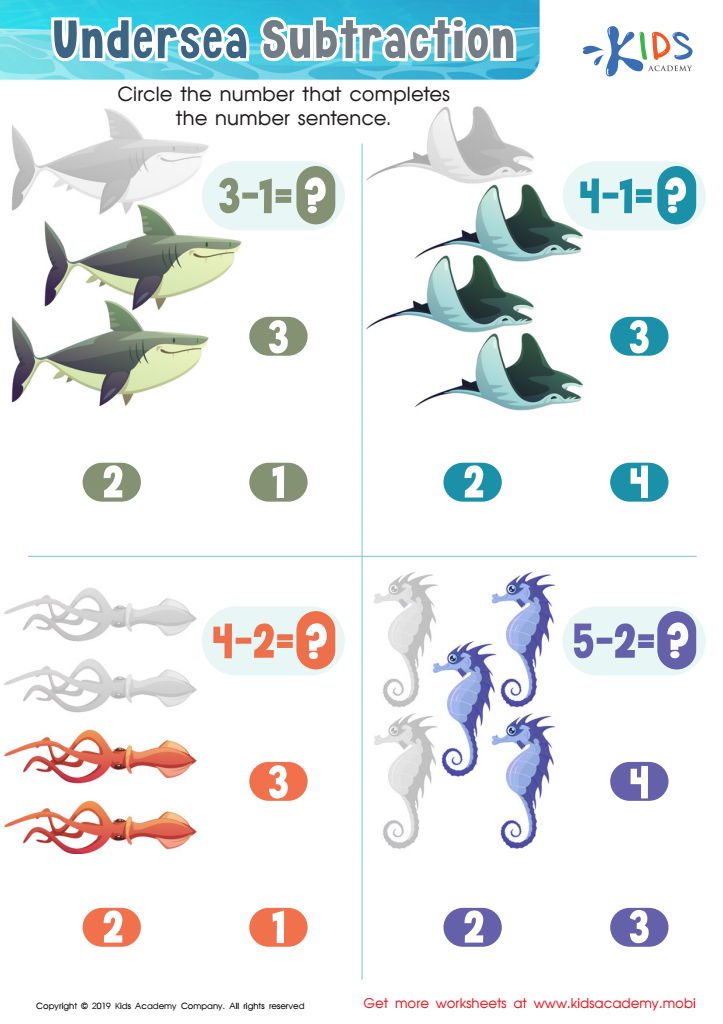
Undersea Subtraction Worksheet
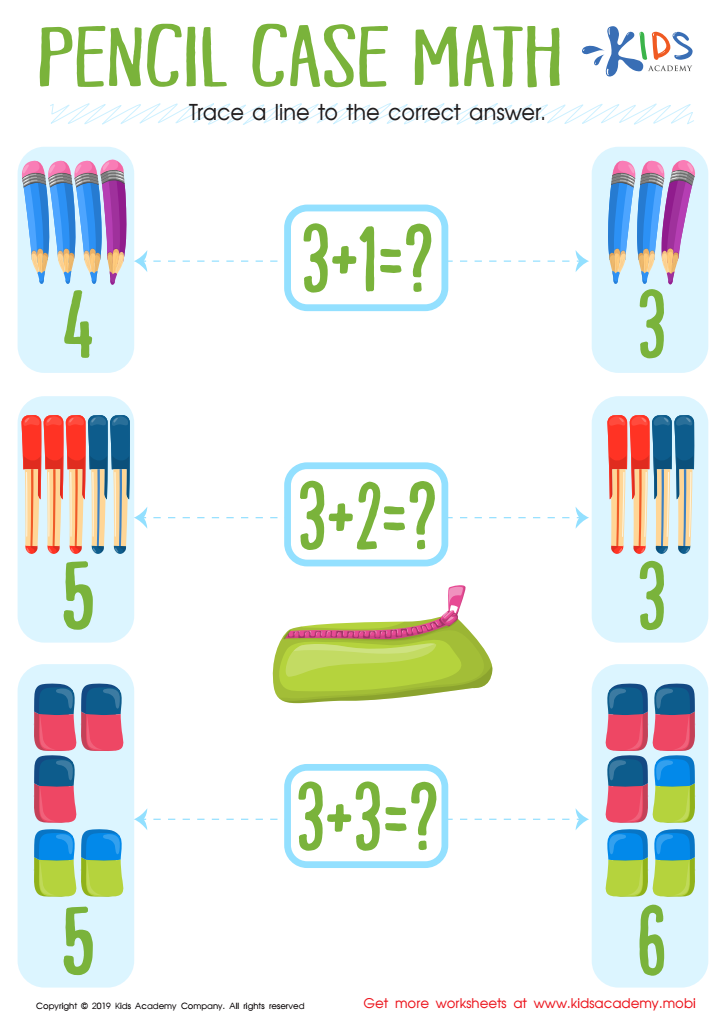
Pencil Case Math Worksheet
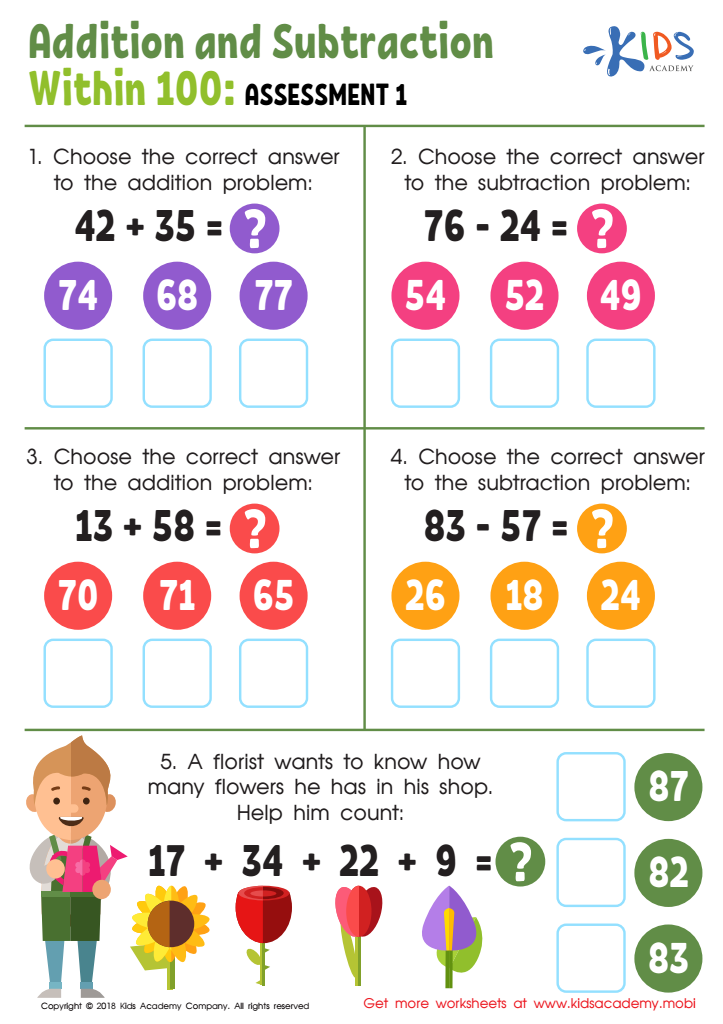
Addition and Subtraction Within 100 Worksheet
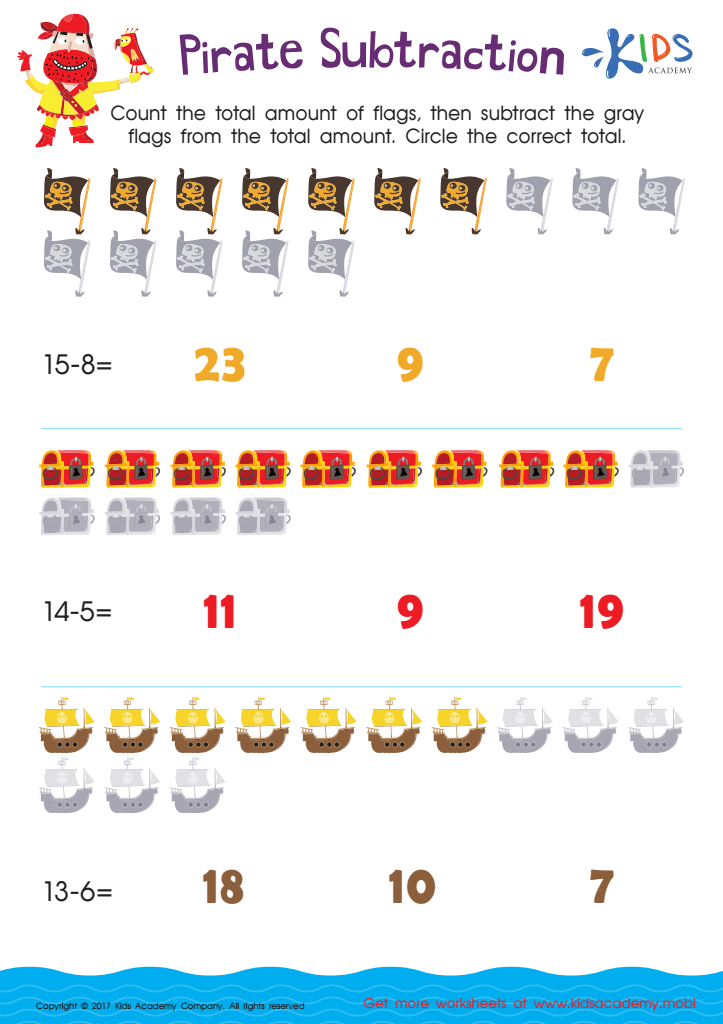
Pirate Subtraction Substraction Worksheet
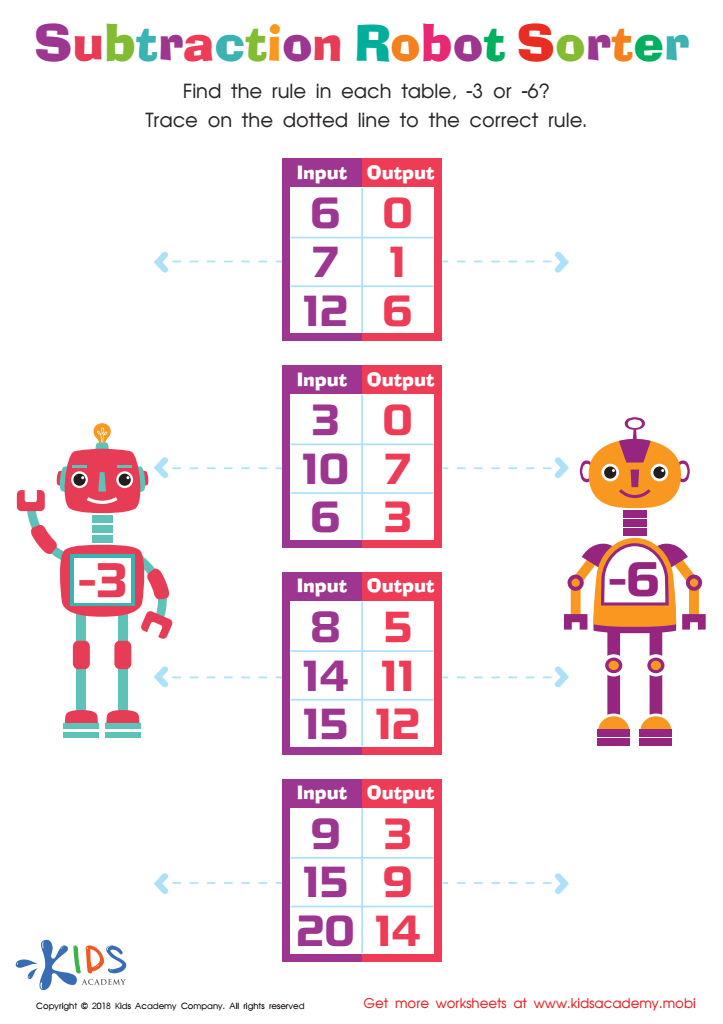
Subtraction Robot Sorter Worksheet
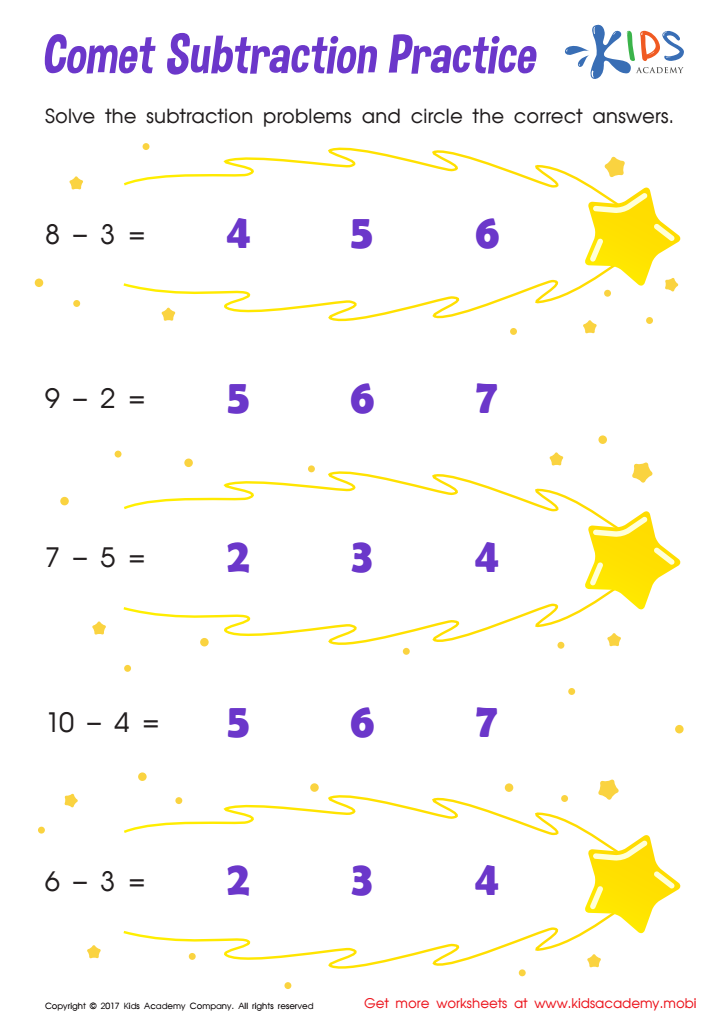
Comet Subtraction Practice Substraction Worksheet
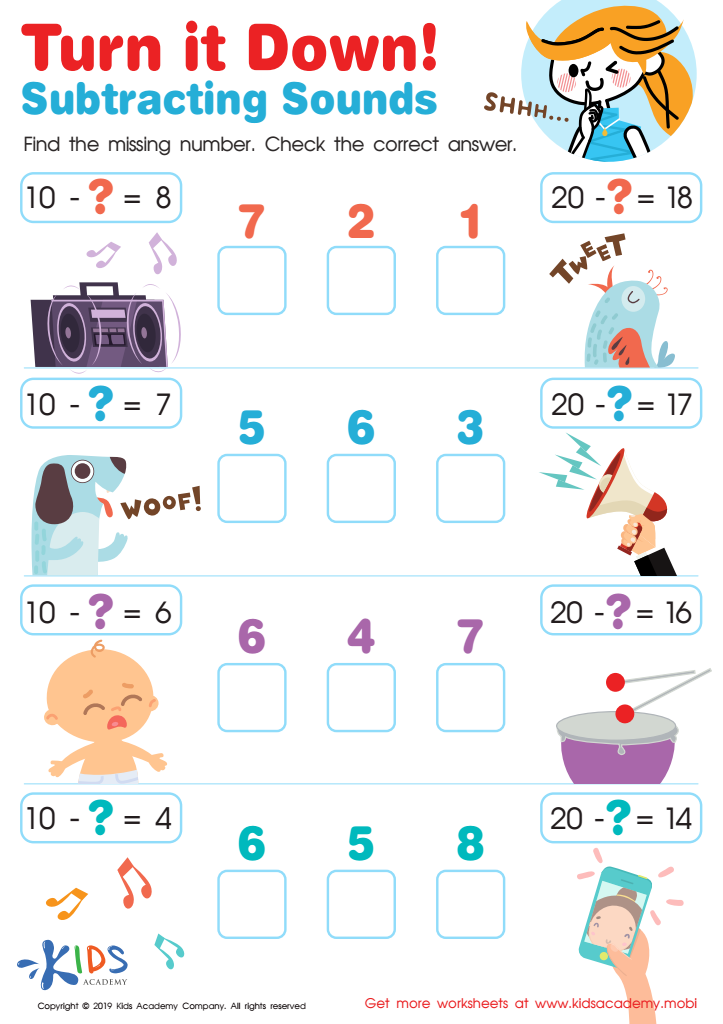
Turn It down! Subtracting Sounds Worksheet
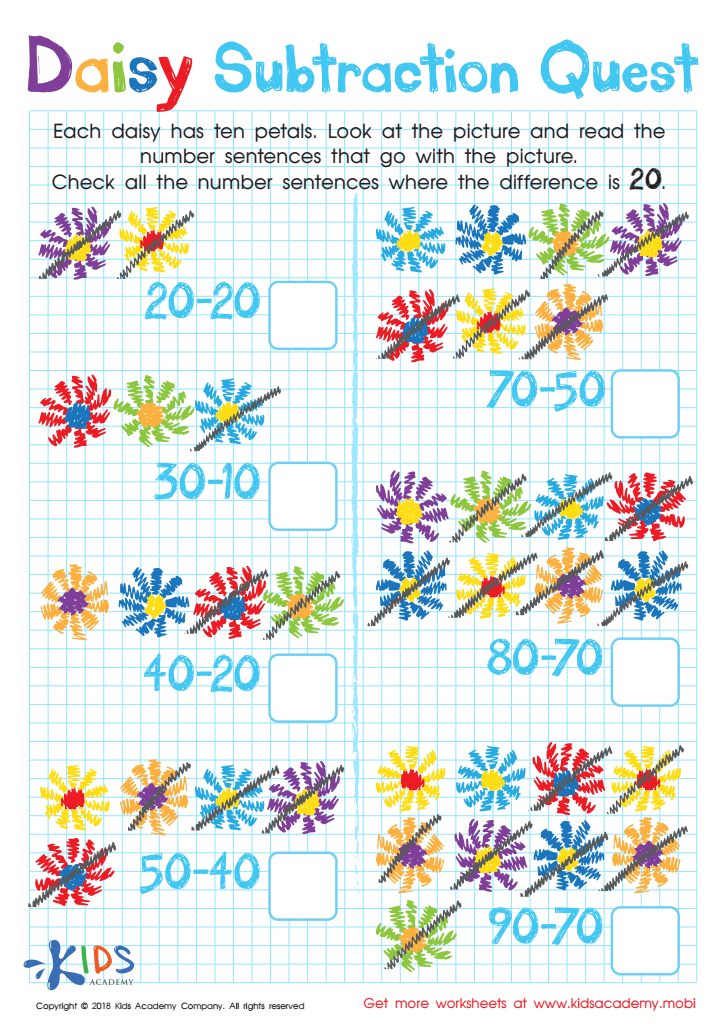
Daisy Subtraction Quest Worksheet
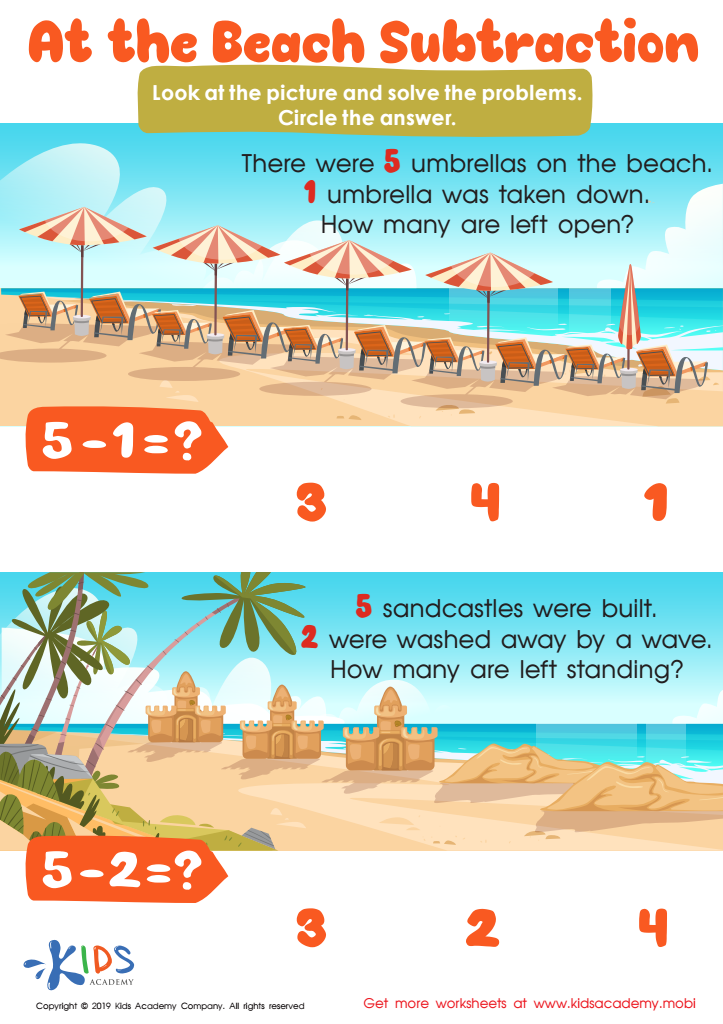
At the Beach Subtraction Worksheet
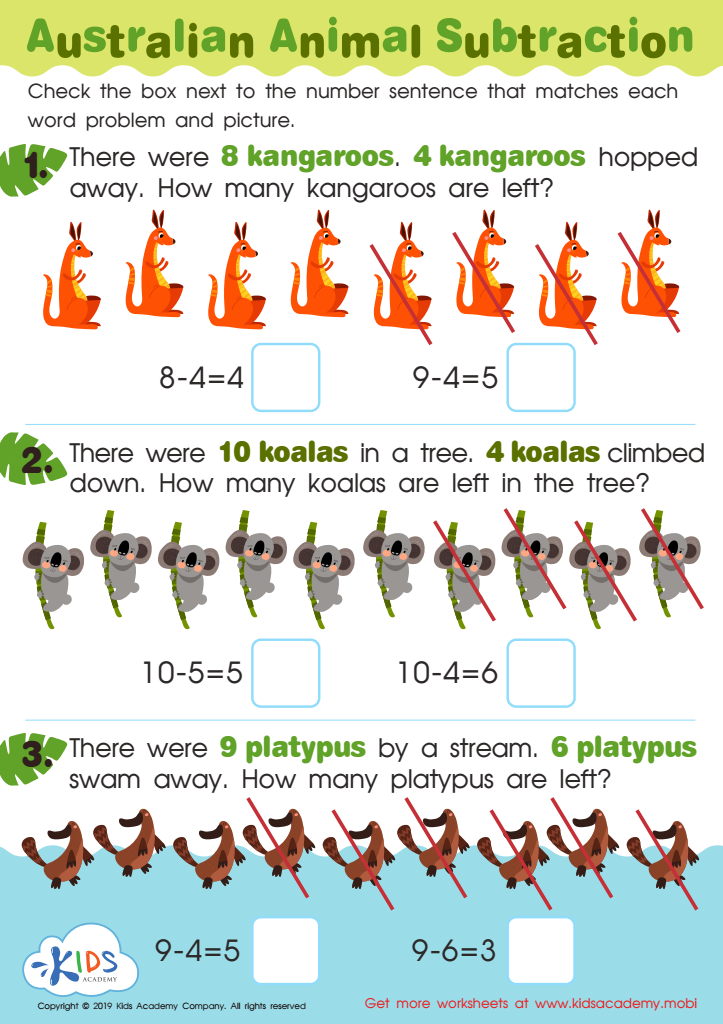
Australian Animal Subtraction Worksheet
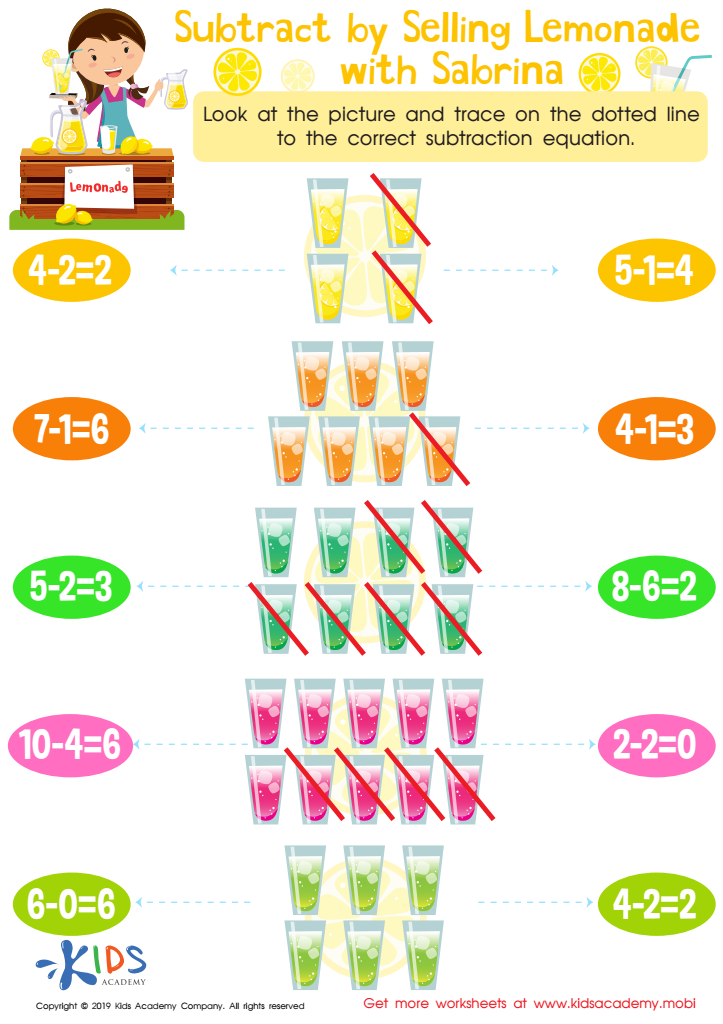
Subtract by Selling Lemonade with Sabrina Worksheet
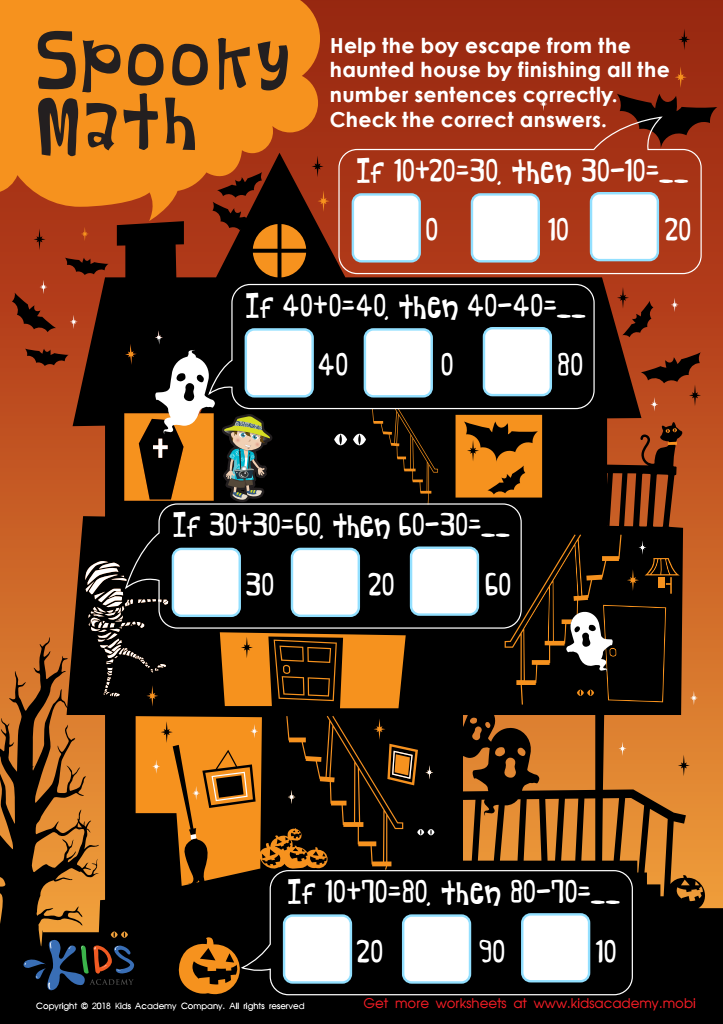
Subtract Tens: Spooky Math Worksheet
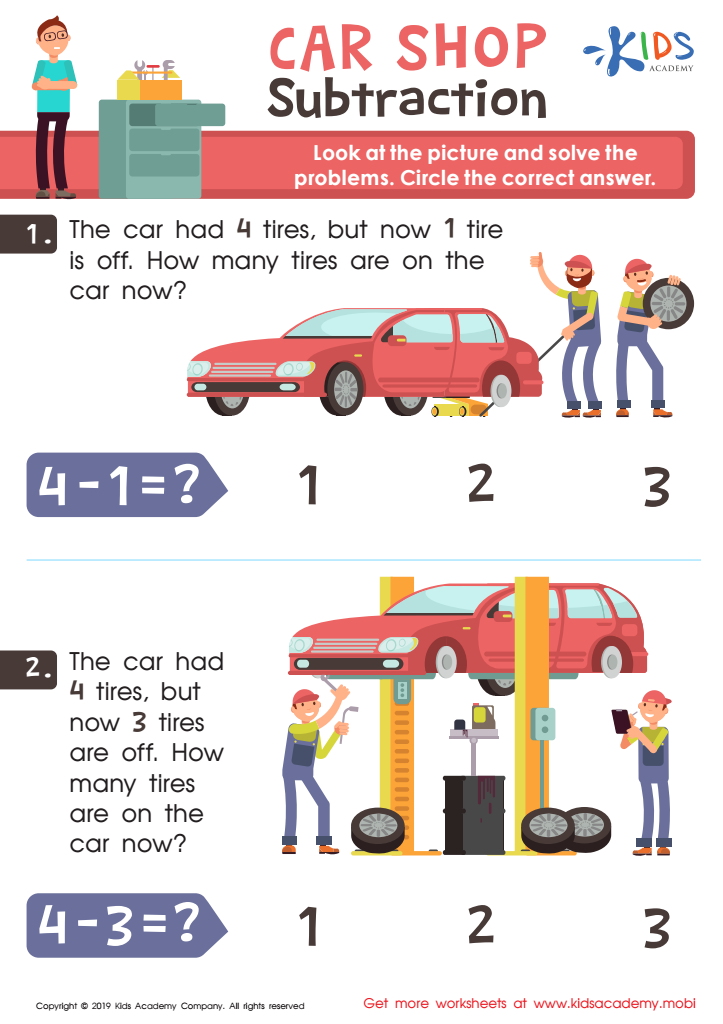
Car Shop Subtraction Worksheet
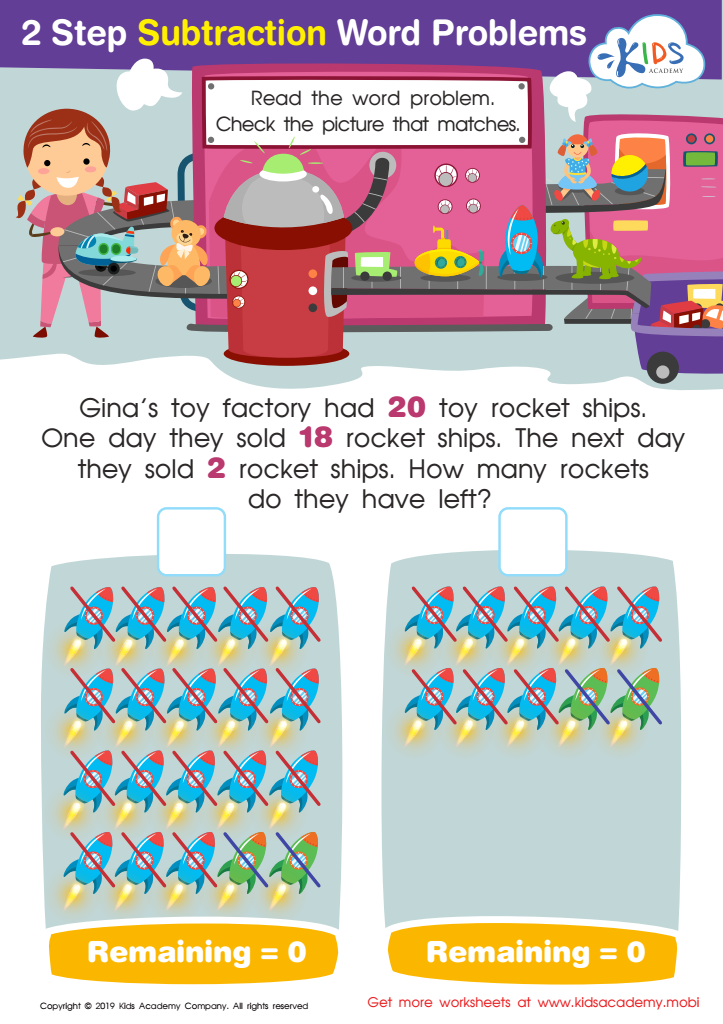
Step Subtraction Word Problems Worksheet
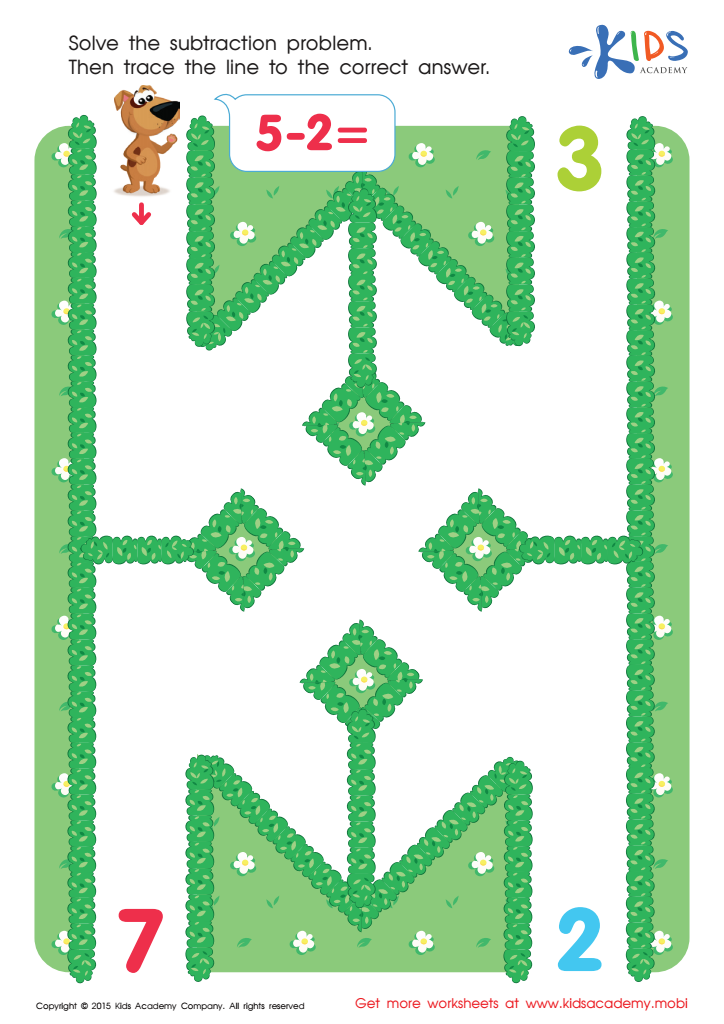
Five Minus Two Worksheet
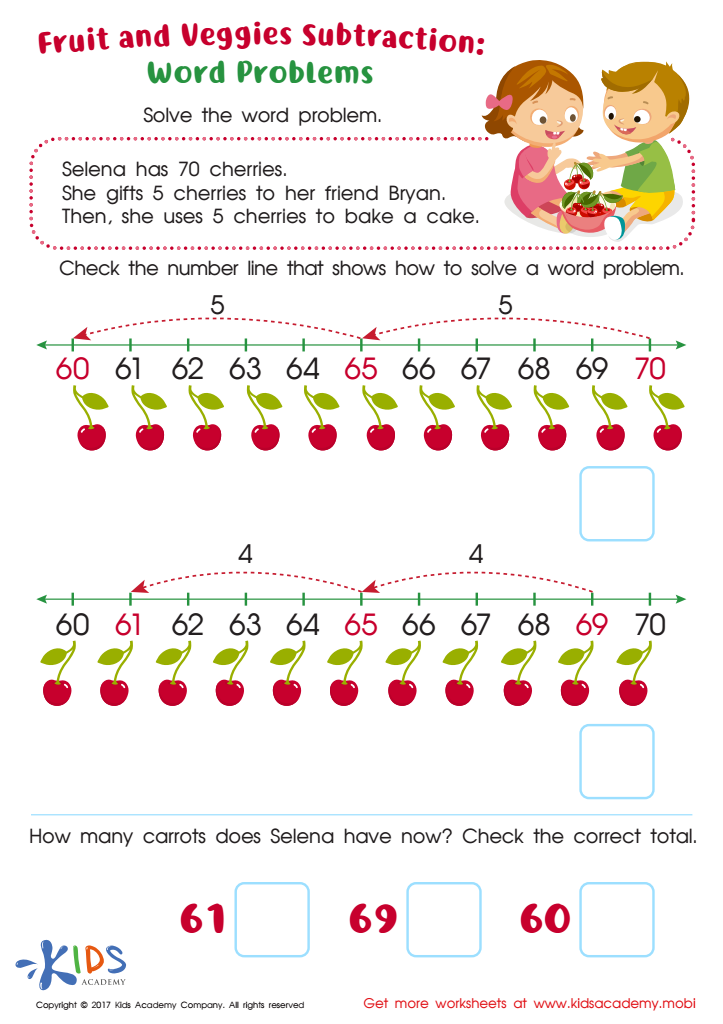
Subtraction Word Problems Free Printable
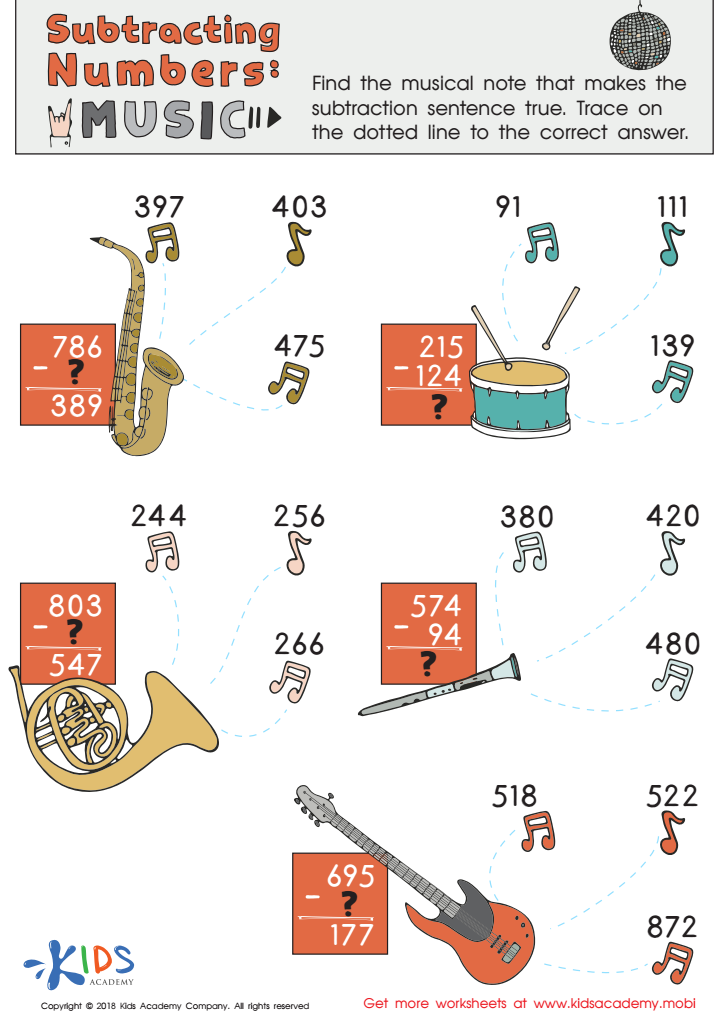
Subtracting Numbers: Music Worksheet








Parents and teachers should prioritize subtraction practice, along with addition, for children aged 6-8 because these skills are fundamental to a child's mathematical development and everyday problem-solving. Mastery of subtraction builds a strong numerical foundation, enabling students to tackle more complex mathematical concepts in later grades. Understanding both addition and subtraction helps children see the relationship between the two operations, essential for skills like mental math and equation-solving.
Additionally, subtraction is essential in real-life situations, such as shopping, measuring, and balancing budgets, fostering critical thinking and decision-making skills. Engaging students in regular subtraction practice enhances their confidence and encourages a positive attitude toward math. Moreover, overcoming challenges in subtraction can cultivate resilience and problem-solving strategies that are beneficial beyond mathematics.
Teachers and parents can create enjoyable learning experiences, such as games and interactive activities, to reinforce subtraction concepts while making learning fun. This encouragement nurtures a lifelong love for learning and helps develop a growth mindset as students progress through their educational journey. In summary, strengthening subtraction skills during these formative years sets children up for mathematical success and equips them with the tools to navigate their world effectively.








