Following instructions Geometry Worksheets for Ages 6-8
6 filtered results
-
From - To
Explore our engaging "Following Instructions Geometry Worksheets" designed specifically for children ages 6-8. These interactive worksheets help young learners develop essential geometry skills while practicing their ability to follow directions accurately. Each worksheet offers a variety of fun activities, such as identifying shapes, measuring angles, and enhancing spatial awareness. Our resources not only boost creativity and critical thinking but also encourage collaboration by allowing kids to work together on tasks. Perfect for classroom or home use, these worksheets ensure a hands-on learning experience that fosters understanding and confidence in geometry concepts. Start building a strong math foundation today!
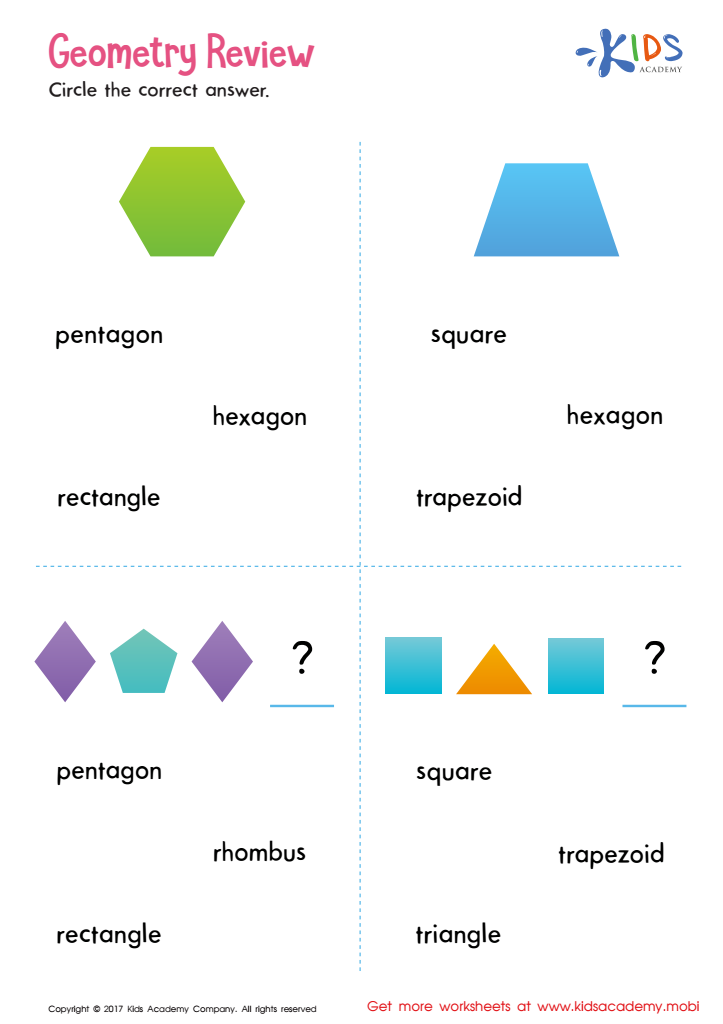
Geometry Review Printable











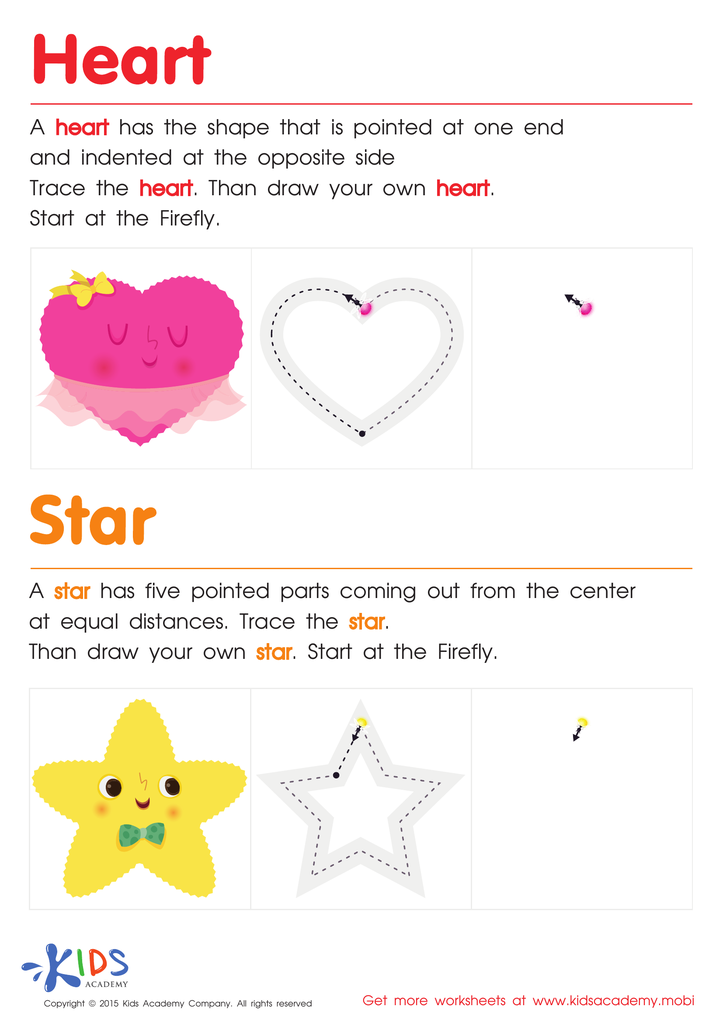
Let's Learn to Draw Hearts And Stars Printable
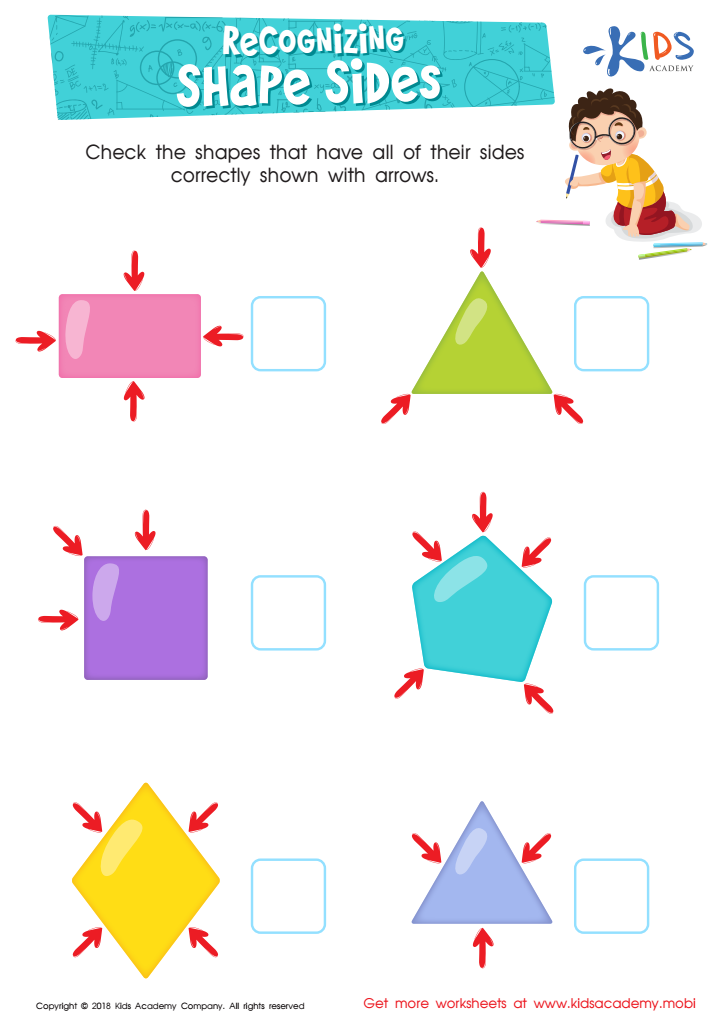
Recognizing Shape Sides Worksheet
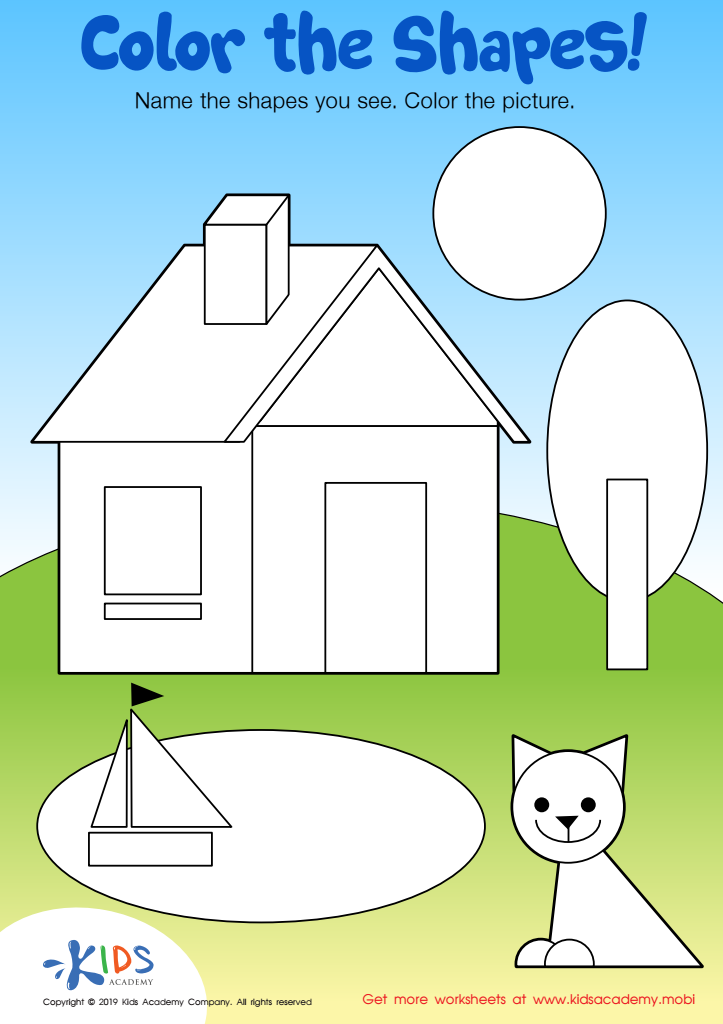
Color the Shapes Worksheet
 Assign to My Students
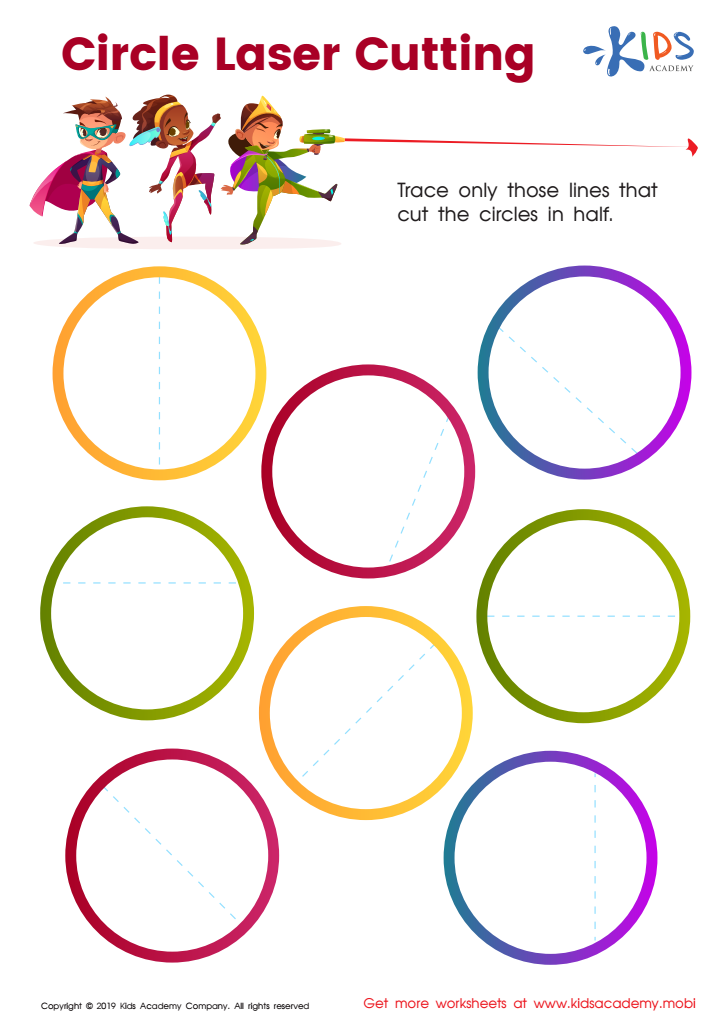
Circle Laser Cutting Worksheet
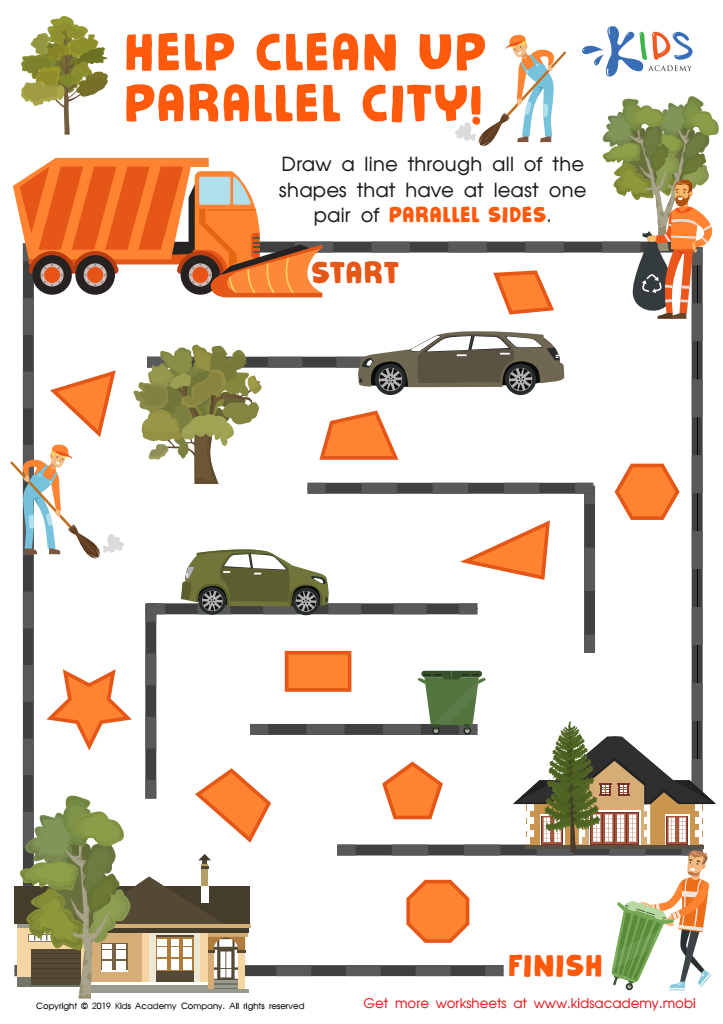
Help Clean Up Parallel City Worksheet








Following instructions in geometry for ages 6-8 is crucial for several reasons. At this developmental stage, children are not only learning mathematical concepts but also critical thinking and problem-solving skills. Geometry introduces shapes, spatial awareness, and measuring, which are foundational skills for more advanced math. By mastering these basics, students build confidence and improve their ability to reason mathematically.
Moreover, following instructions enhances a child's ability to analyze tasks and understand sequential thinking. When children learn to carefully follow steps in solving geometric problems or constructing shapes, they develop discipline and attention to detail—important skills for success in various academic areas and everyday life.
Encouraging adherence to instructions also promotes fine motor skills as children engage in activities like drawing shapes, folding paper, or using tools for hands-on geometrical constructions. Parents and teachers play a vital role in reinforcing the importance of precision and accuracy in following directions, thus fostering an environment where children learn through exploration and creativity.
Ultimately, by prioritizing instruction-following in geometry, parents and teachers prepare children for future educational challenges, instiling skills that extend beyond mathematics into general life skills and everyday decision-making.








