Animal identification Numbers Worksheets for Ages 6-8
4 filtered results
-
From - To
Unlock a fun and educational experience with our Animal Identification Numbers Worksheets for ages 6-8! Tailored to engage young minds, these worksheets combine the excitement of discovering various animals with essential number learning and identification skills. Each page features adorable animal illustrations paired with numbers, encouraging kids to recognize, count, and improve their basic math abilities. Perfect for both classroom and home learning, these interactive worksheets foster curiosity and foster a love for learning in your child. Equip your little ones with the foundational skills they need while making math fun and engaging!
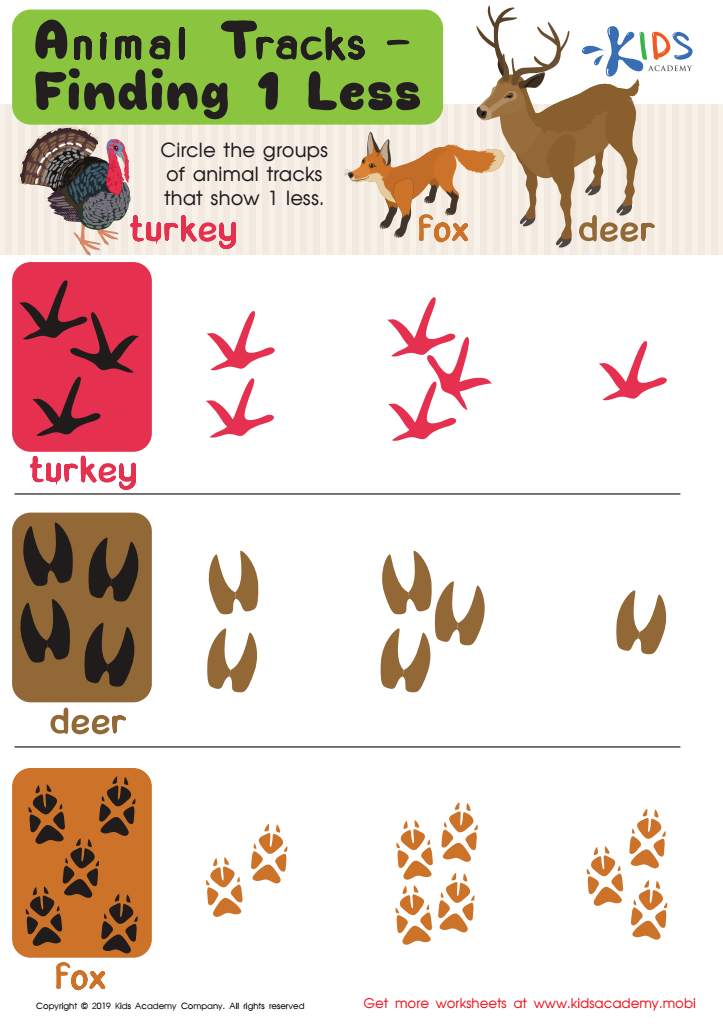
Animal Tracks: Find 1 Less Worksheet
 Assign to My Students
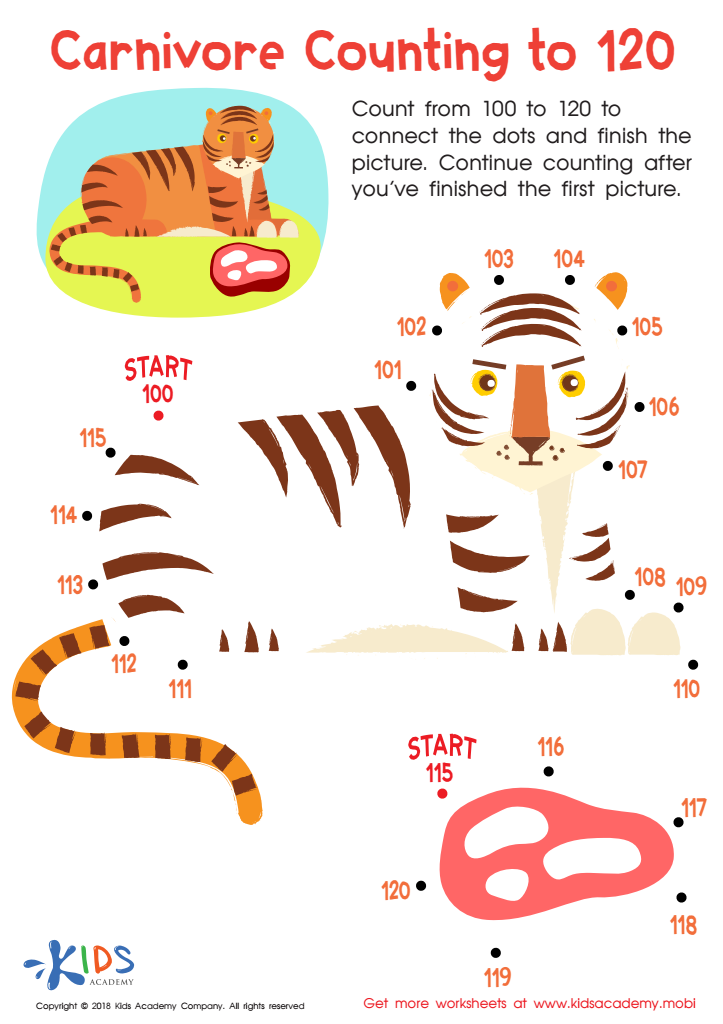
Carnivore Counting to 120 Worksheet
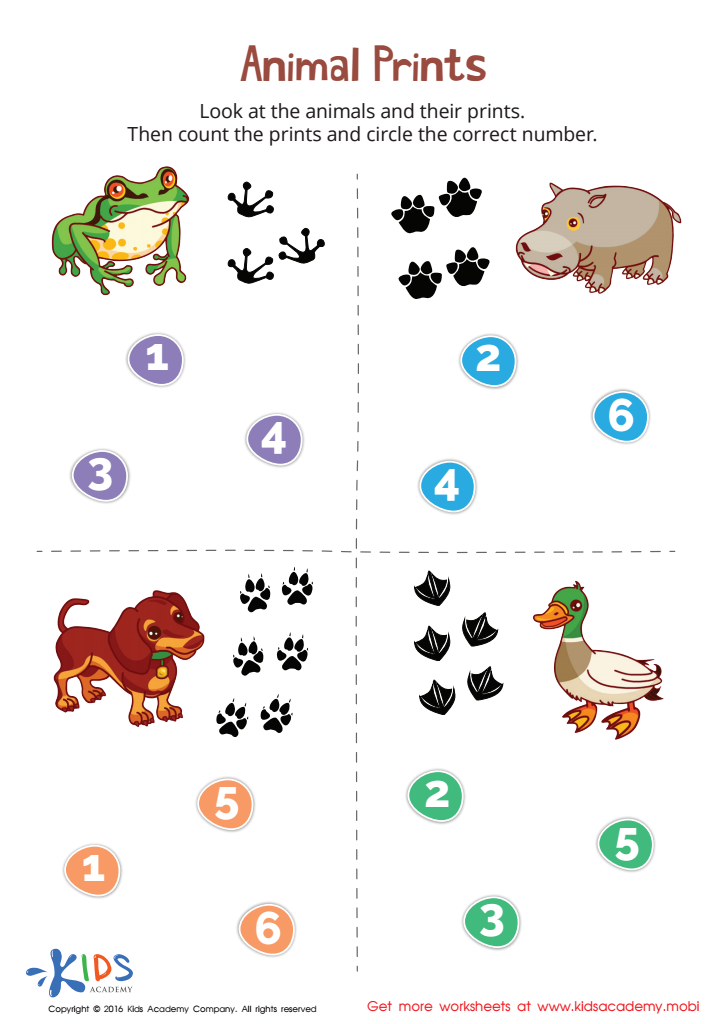
Animal Prints Match-Up Worksheet
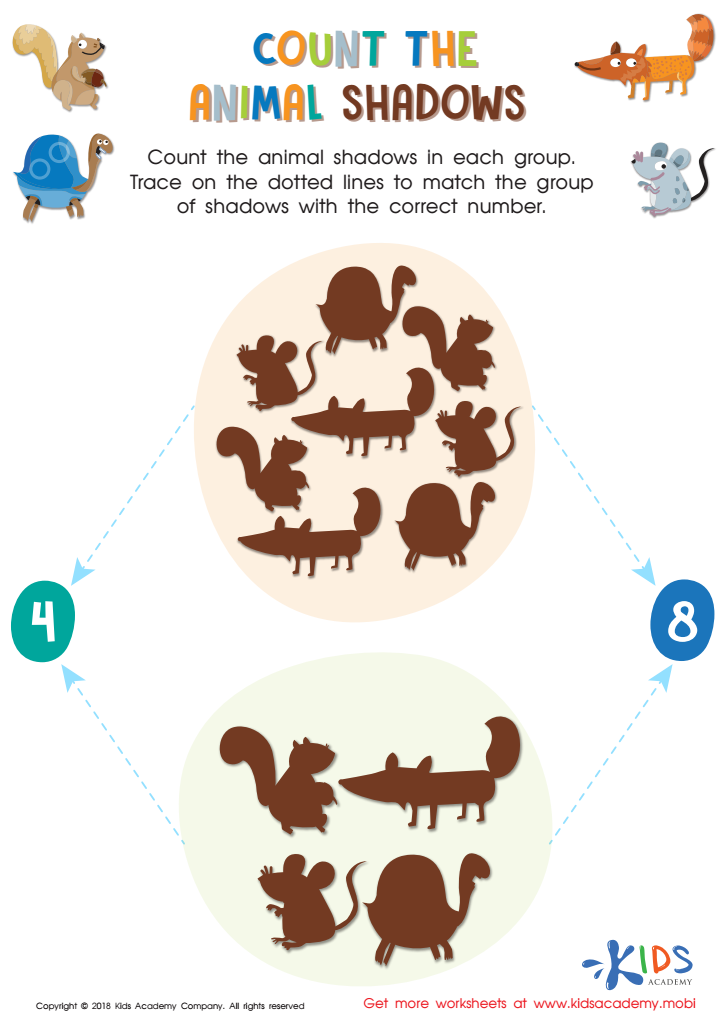
Count the Animal Shadows Worksheet








Animal Identification Numbers, such as unique tagging systems or identification methods for wildlife and livestock, can be surprisingly valuable in an educational context for ages 6-8. For parents and teachers, incorporating these identification numbers into learning activities can make science and nature lessons both engaging and educational.
Firstly, teaching about Animal Identification Numbers encourages curiosity and enhances observational skills in young children. By learning how each animal can be individually identified, children cultivate a deeper interest in wildlife and animals, sparking a natural inclination toward scientific investigation and critical thinking.
Furthermore, discussing why animals are tagged or identified can introduce foundational environmental education concepts. Children begin to understand the importance of research, conservation, and animal welfare. For example, tracking migratory patterns of birds aids in learning about ecosystems and biodiversity. Such topics make science come alive, moving it from abstract concepts to tangible, real-world applications.
Additionally, this subject can develop data literacy. Children learn basic data collection and analysis skills when engaging with information about animals, fostering numeracy and early computational thinking which are crucial in contemporary education.
Ultimately, for parents and teachers, this topic offers a rich, interdisciplinary approach to teaching core concepts in science, environment, and arithmetic, instilling a sense of empathy and responsibility towards all living creatures.








