Cognitive Development Numbers Worksheets for Ages 6-8
37 filtered results
-
From - To
Discover our engaging Cognitive Development Numbers Worksheets designed specifically for children aged 6-8! These thoughtfully crafted resources aim to enhance essential math skills by encouraging critical thinking and problem-solving. Through dynamic activities focused on number recognition, counting, and basic arithmetic, young learners will build a strong mathematical foundation while cultivating their cognitive abilities. Our worksheets include a variety of formats, from puzzles to visual aids, making learning both fun and effective. Perfect for classroom use or at-home learning, these worksheets provide a comprehensive approach to developing essential math skills while promoting creativity and logical reasoning. Start fostering a love for numbers today!
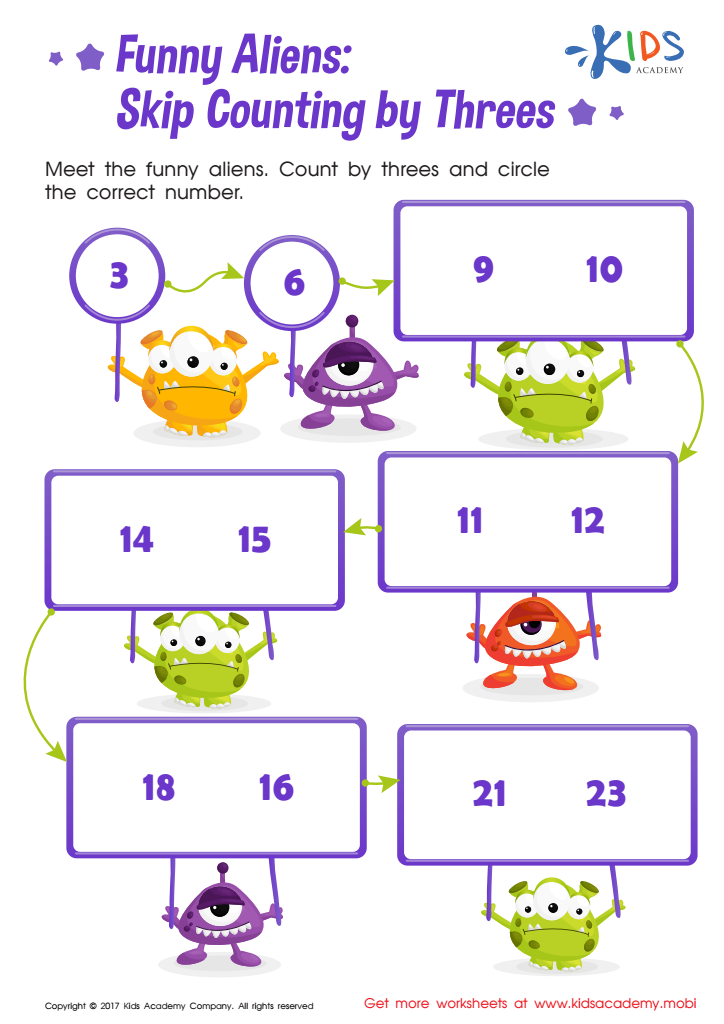
Skip Counting by 3s: Funny Aliens Printable
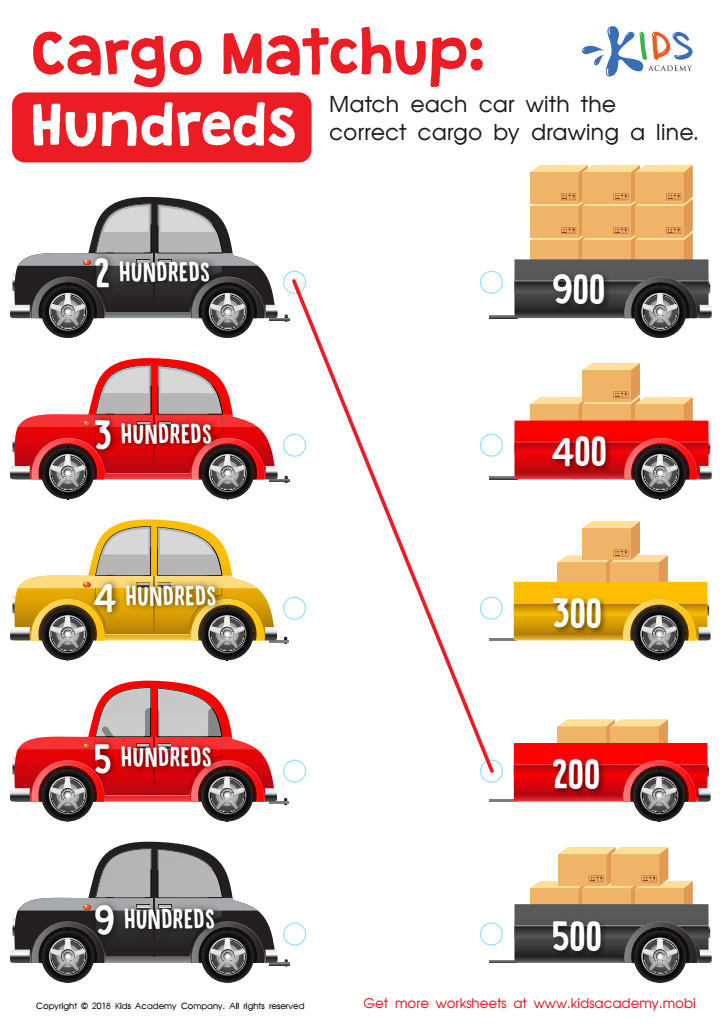
Cargo Matchup: Hundreds Worksheet

Count and Match Boxes with Vegetables
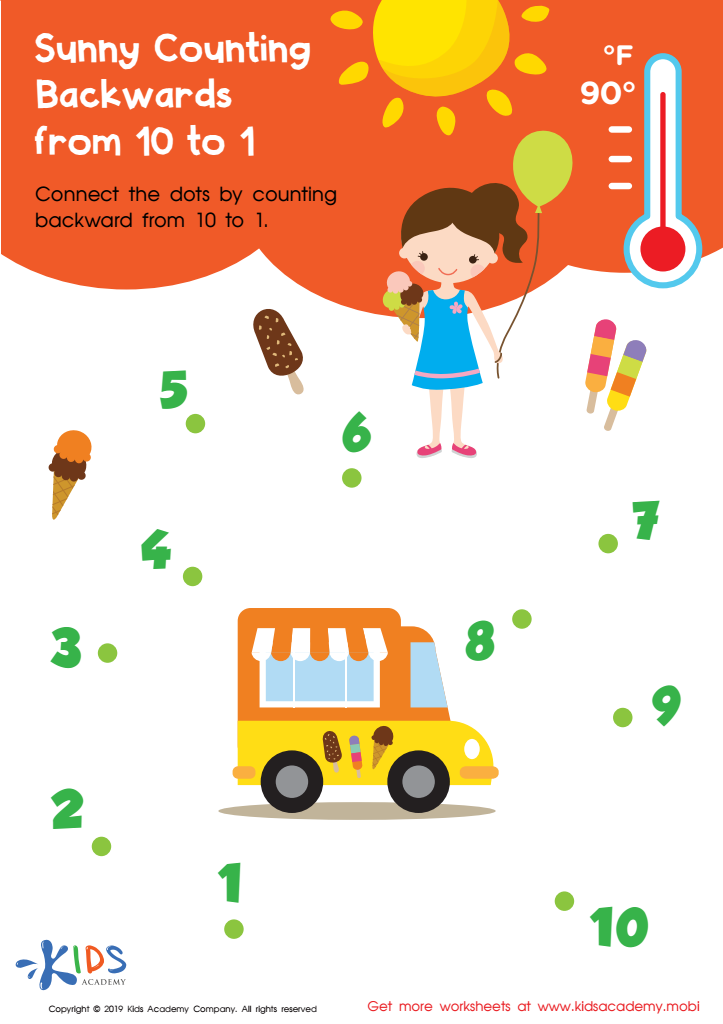
Sunny Counting Backwards from 10 to 1 Worksheet
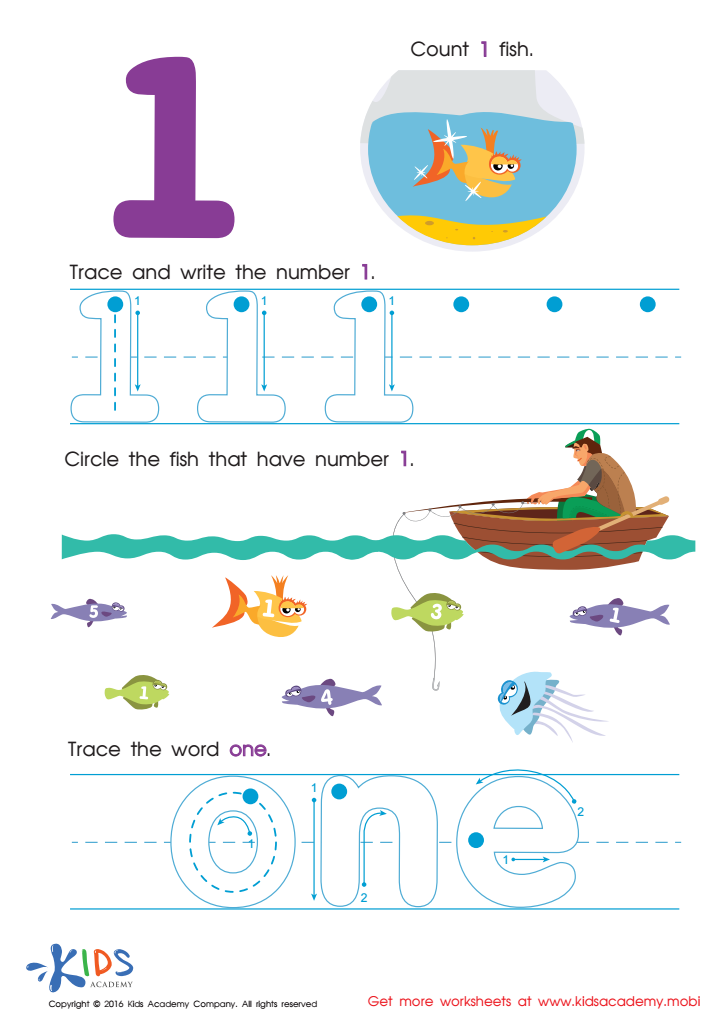
Learning to Write 1 Worksheet
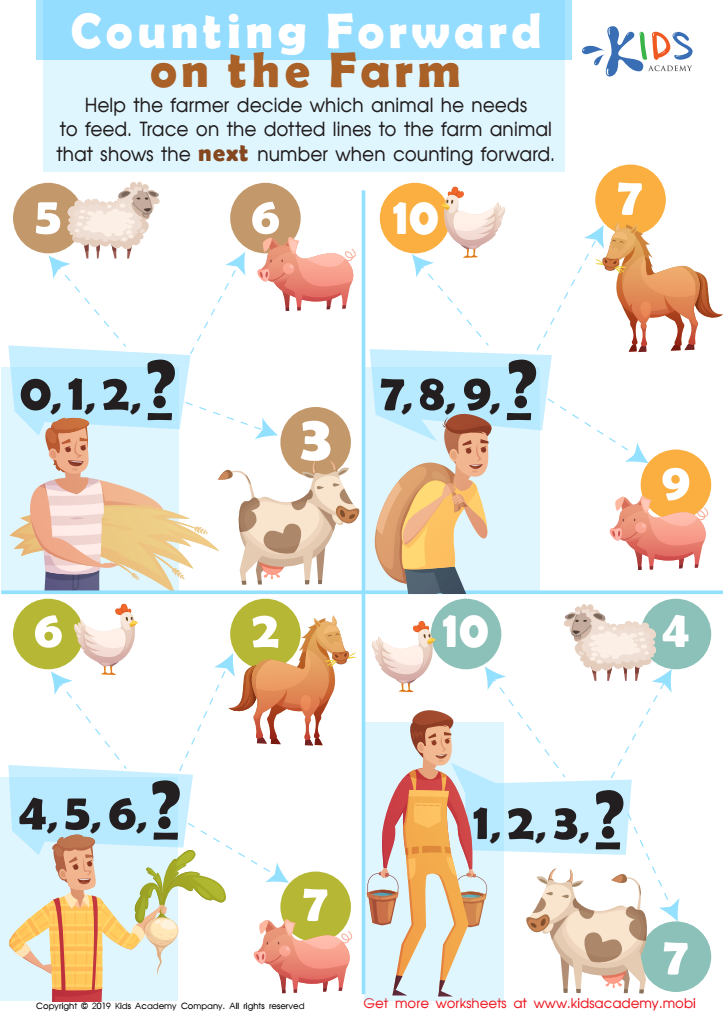
Counting Forward On the Farm Worksheet
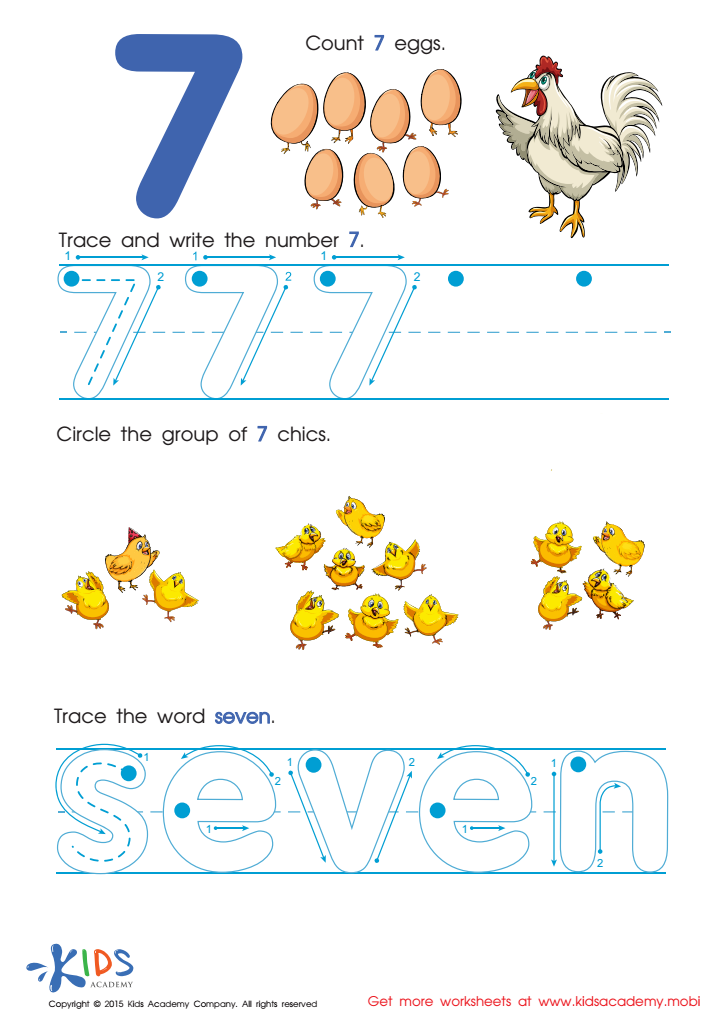
Trace And Write Number 7 with Fun Worksheet
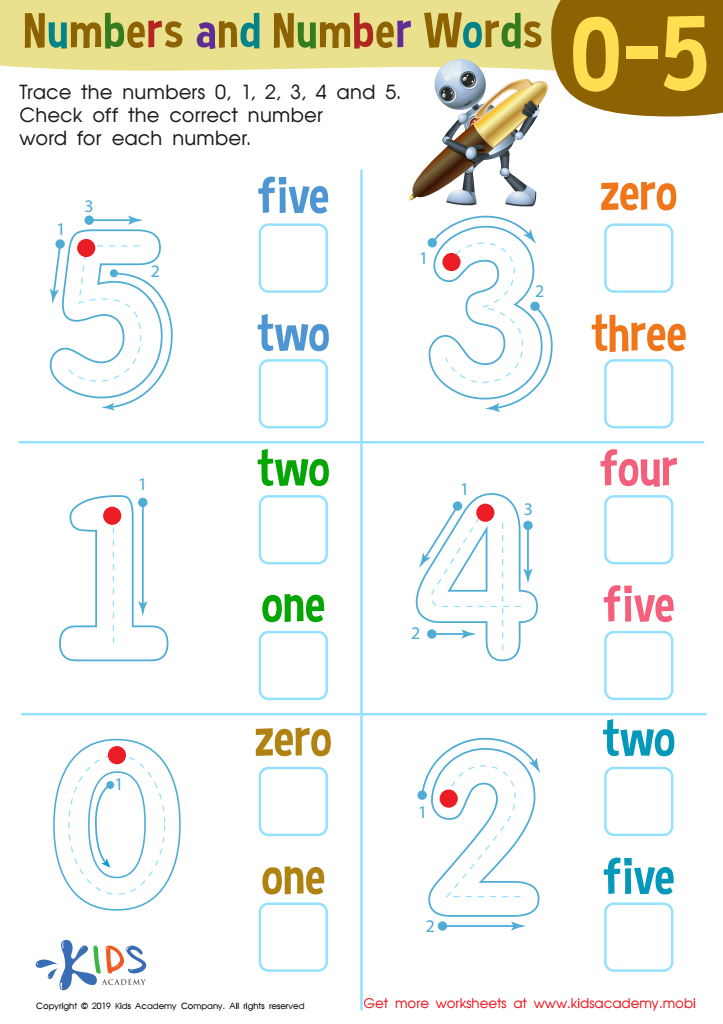
Numbers and Number Words Worksheet
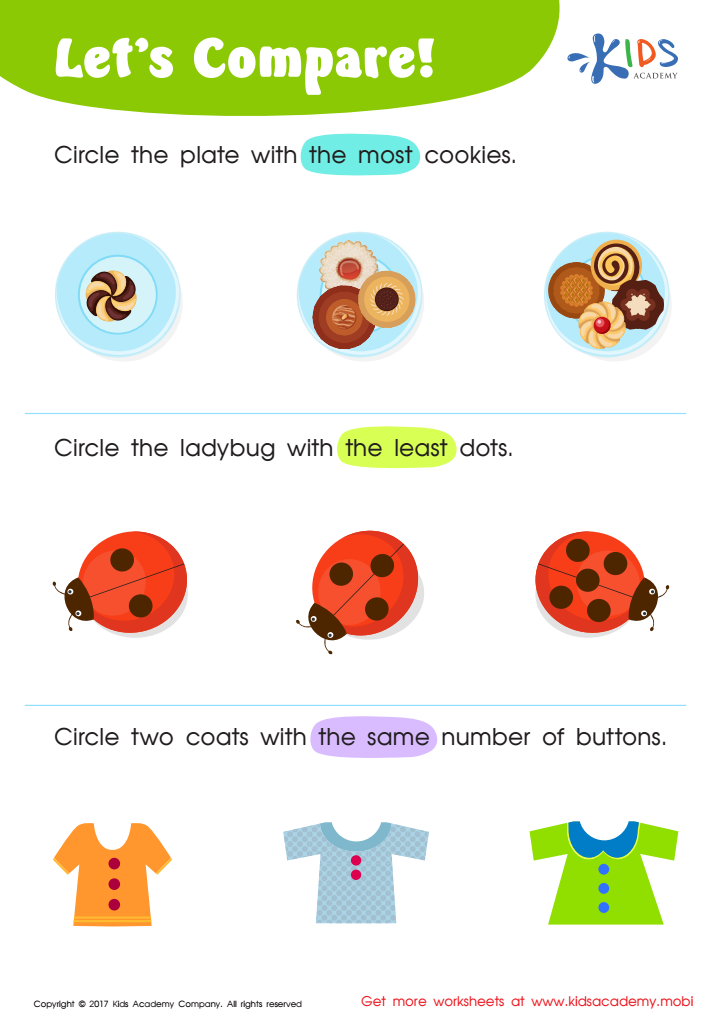
Matching: Classifying Toys by Size Worksheet
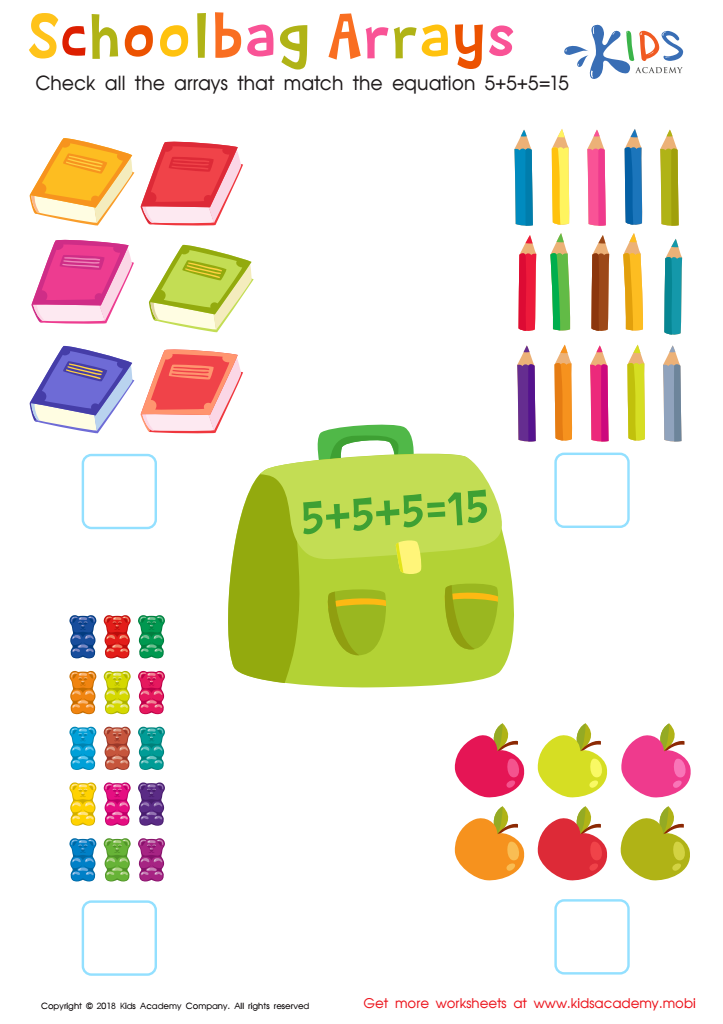
Schoolbag Arrays Worksheet
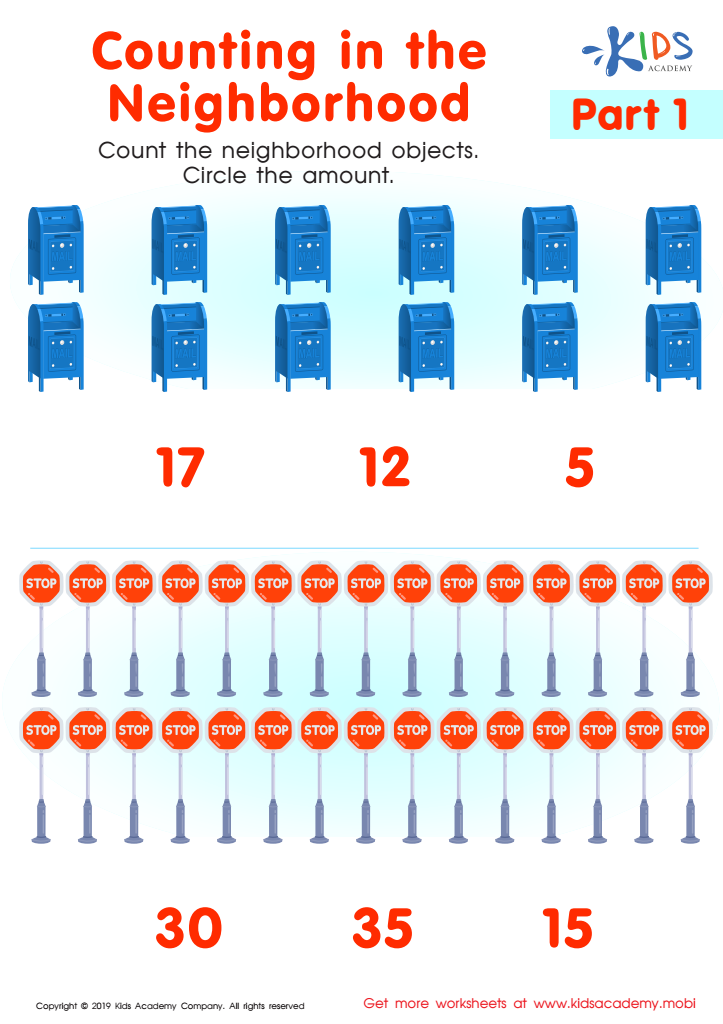
Counting in the Neighborhood Part1 Worksheet
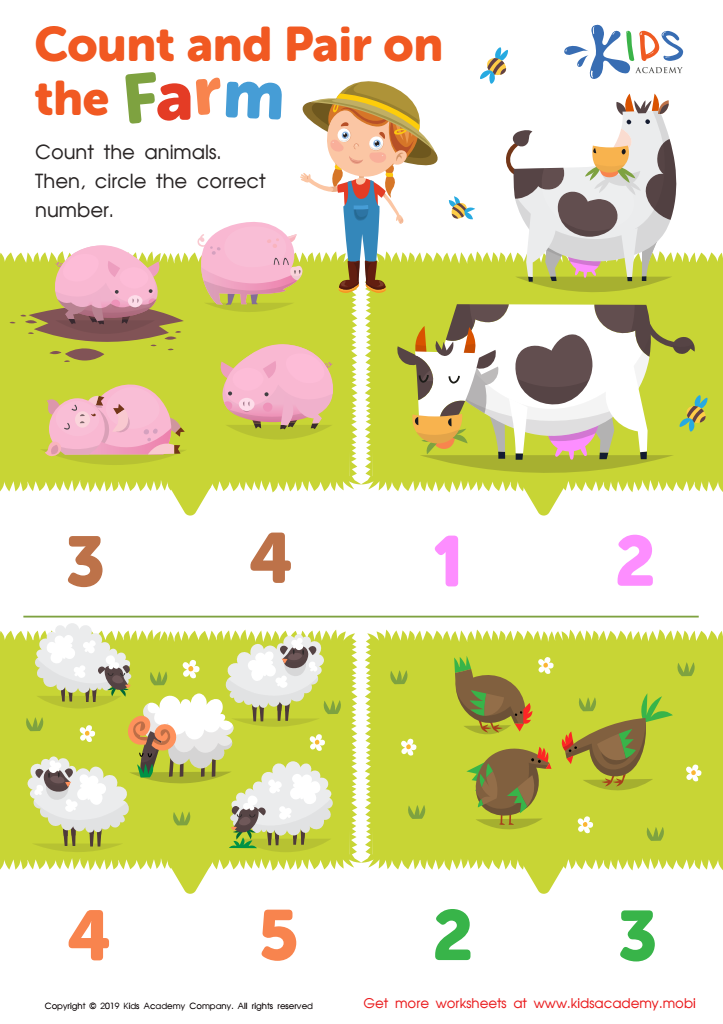
Count and Pair on the Farm Worksheet
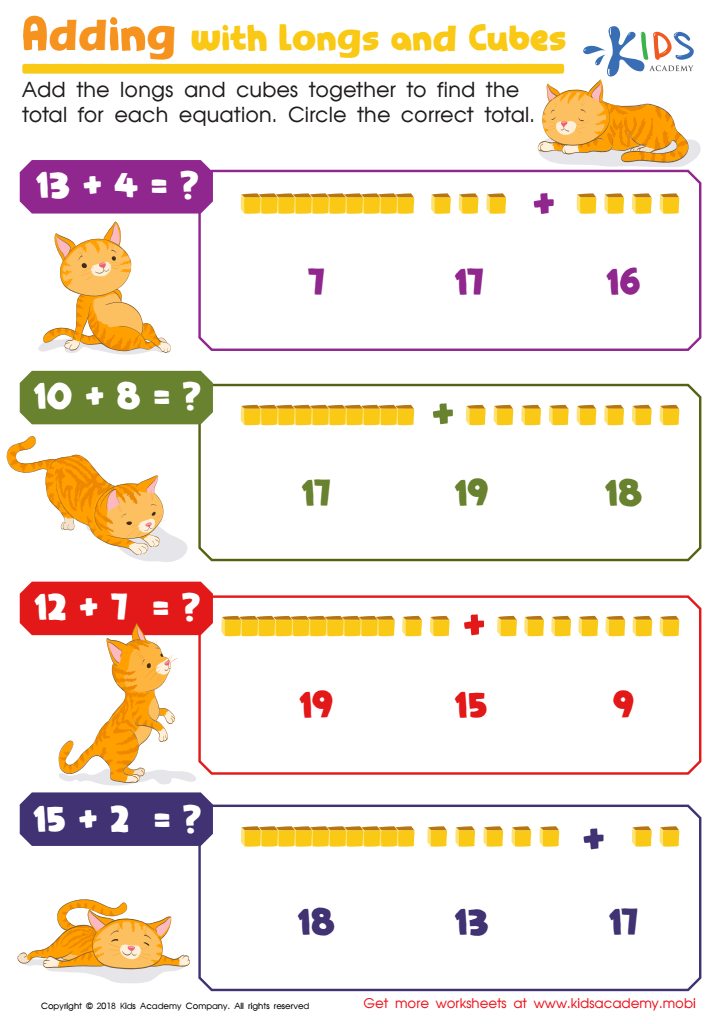
Adding With Longs and Cubes Worksheet
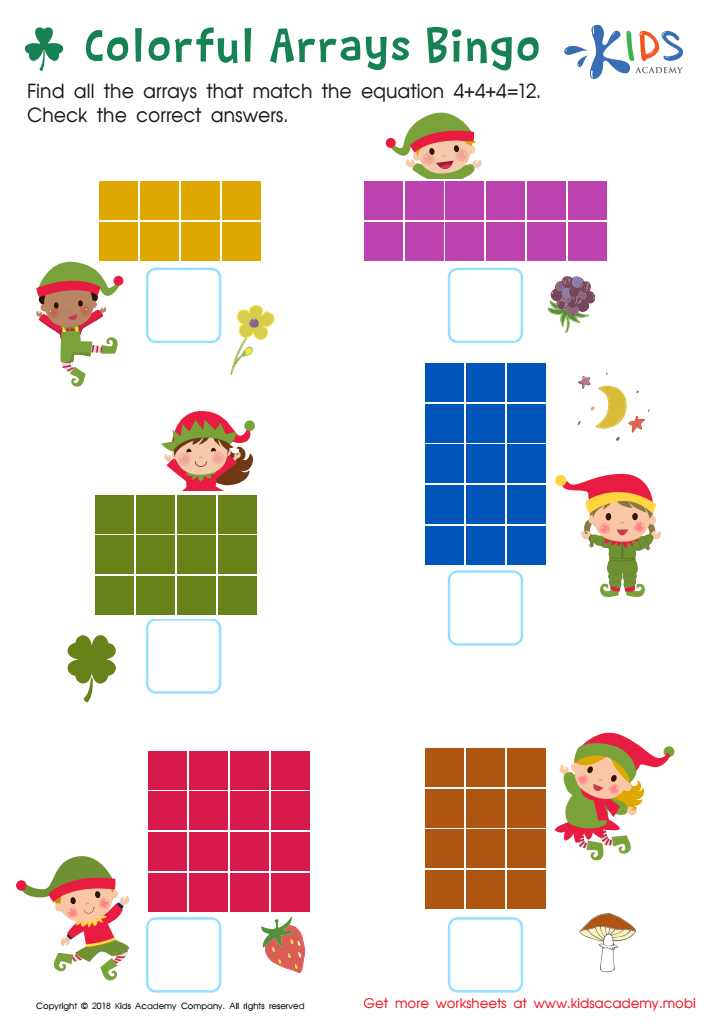
Colorful Arrays Bingo Worksheet
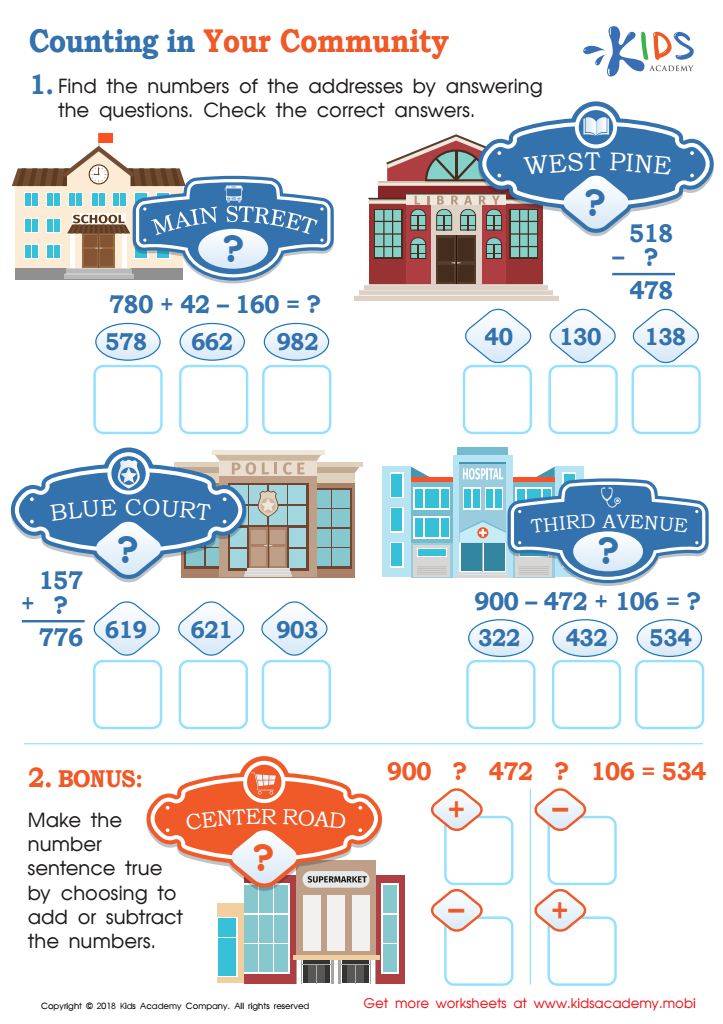
Counting in Your Community Worksheet
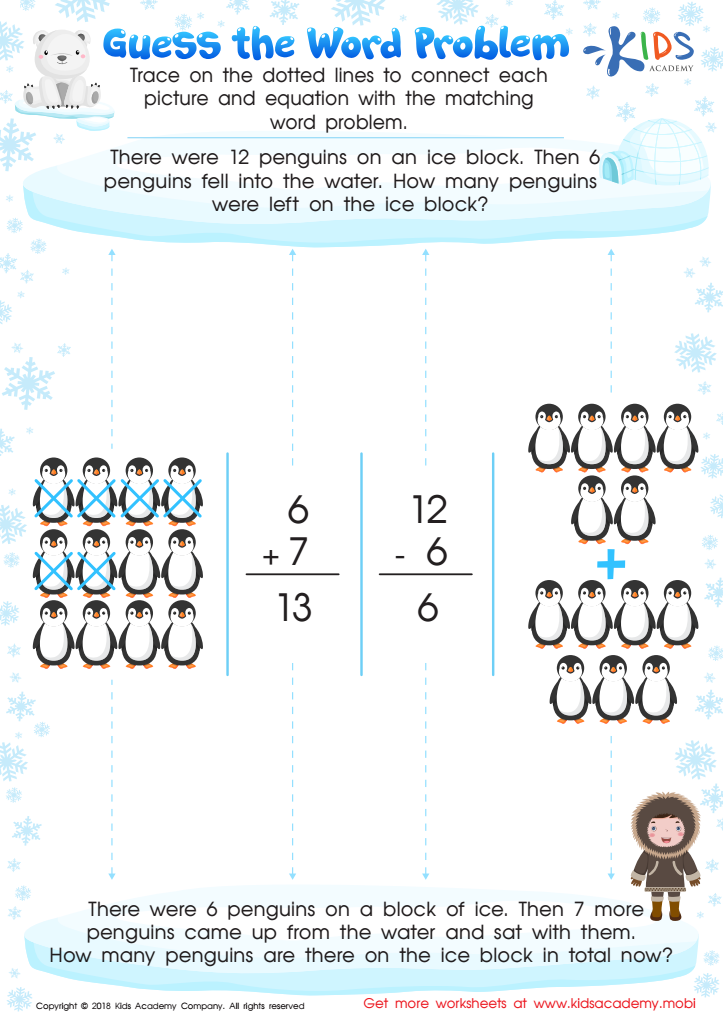
Guess the Word Problem Worksheet

Learn Number For Kindergarten Worksheet
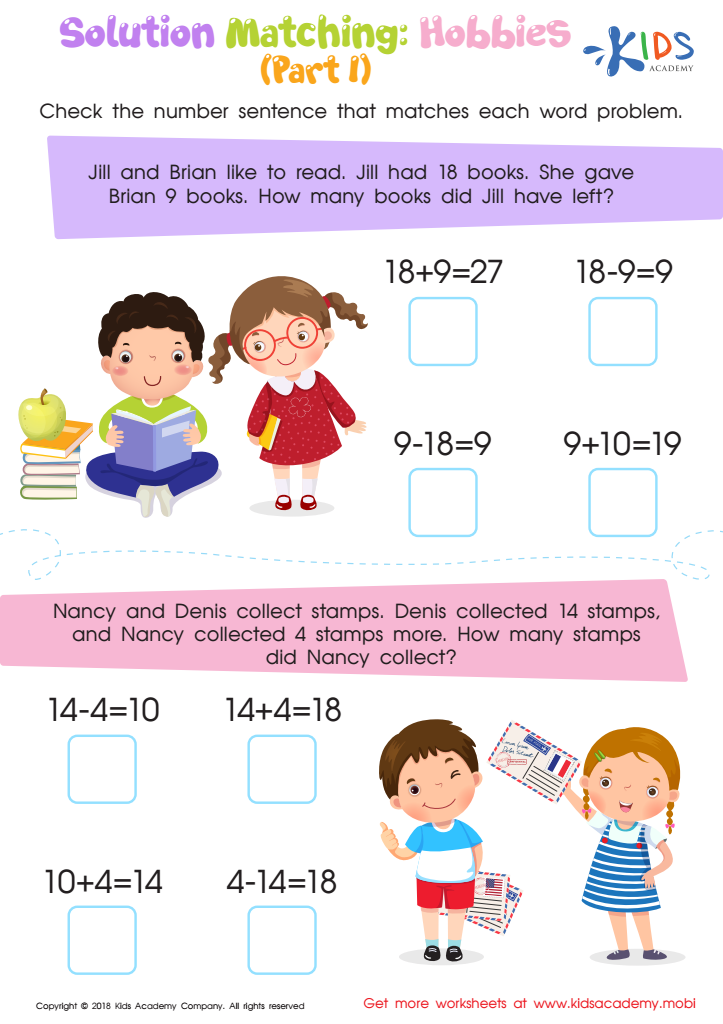
Solution Matching: Hobbies. Part 1 Worksheet
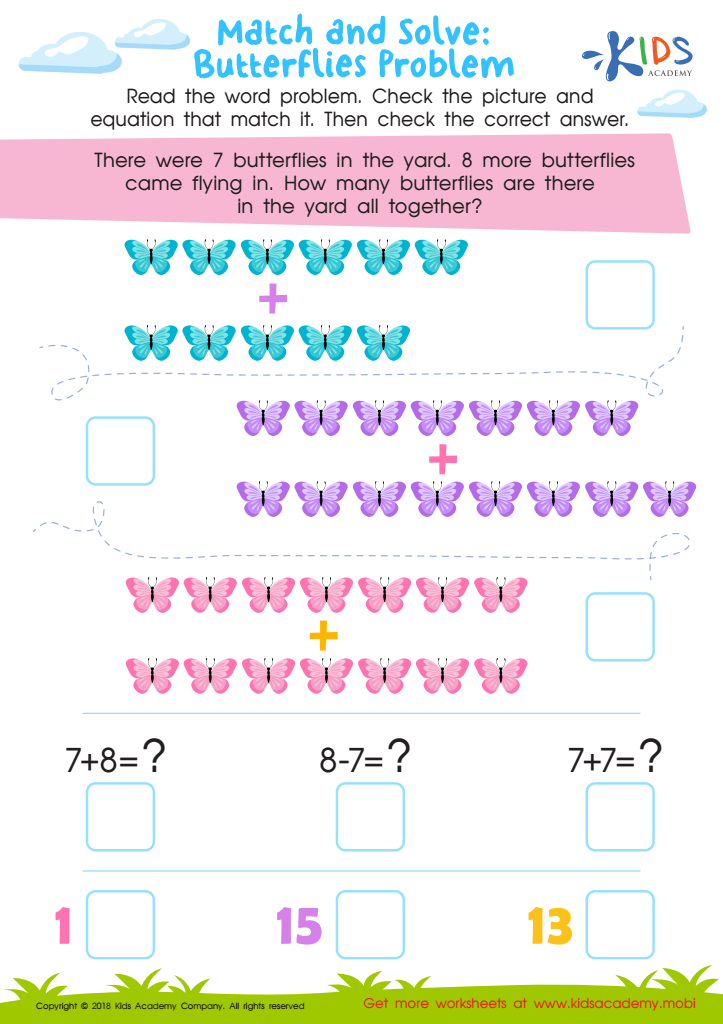
Match and Solve: Butterfly Problem Worksheet
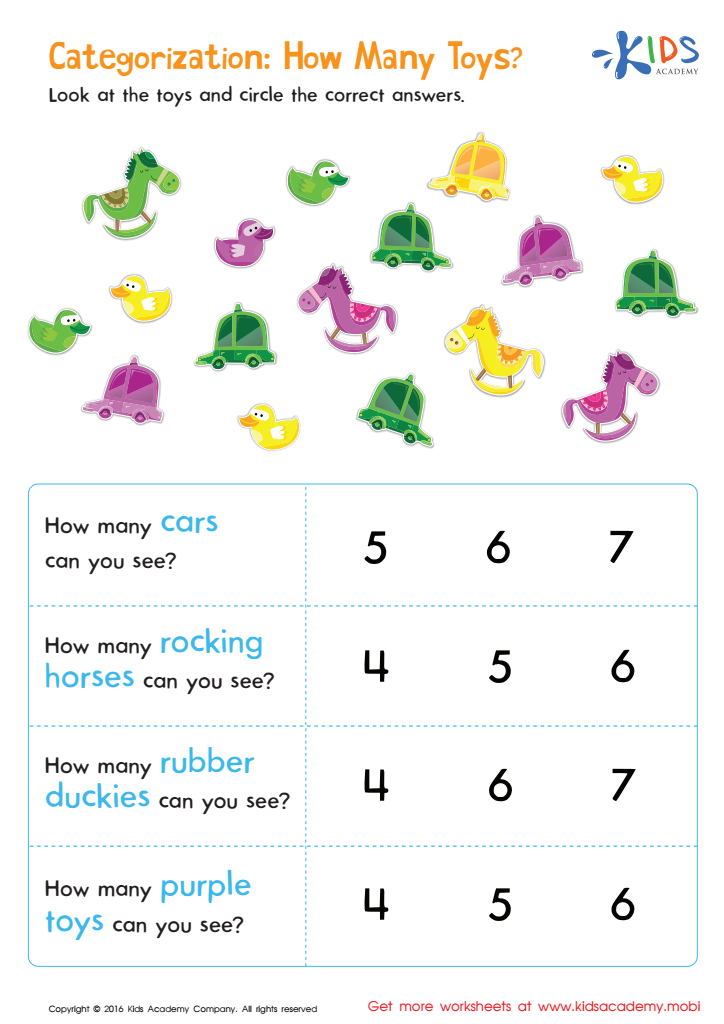
Classifying Toys by Type and Color Sorting Worksheet

Count Santa's Presents Worksheet
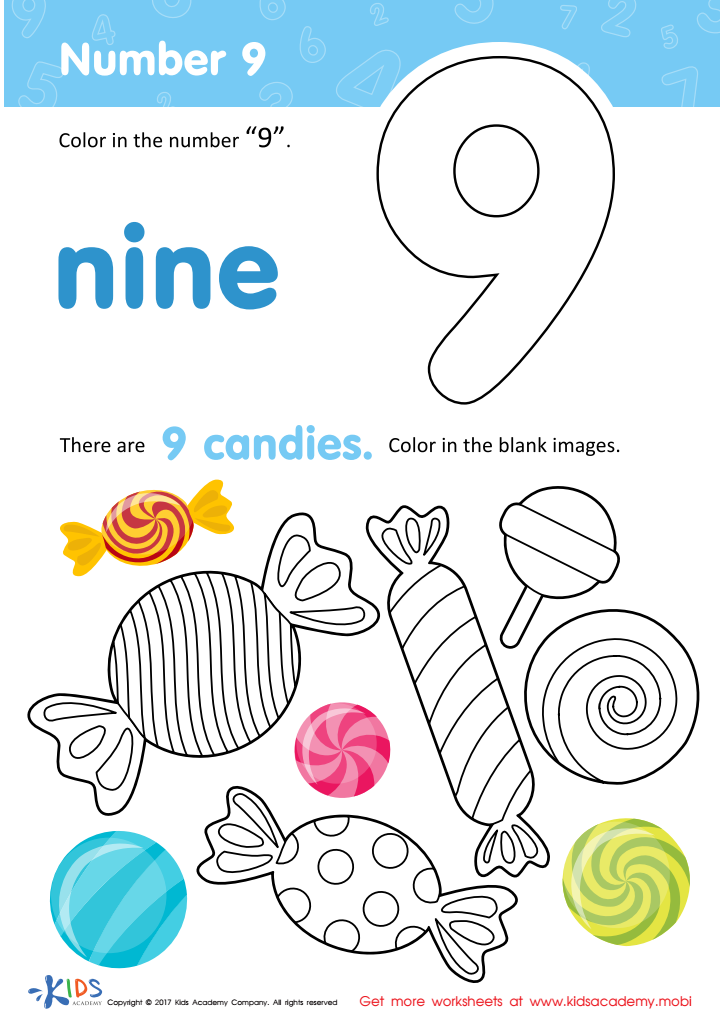
Number 9 Printable
 Assign to My Students
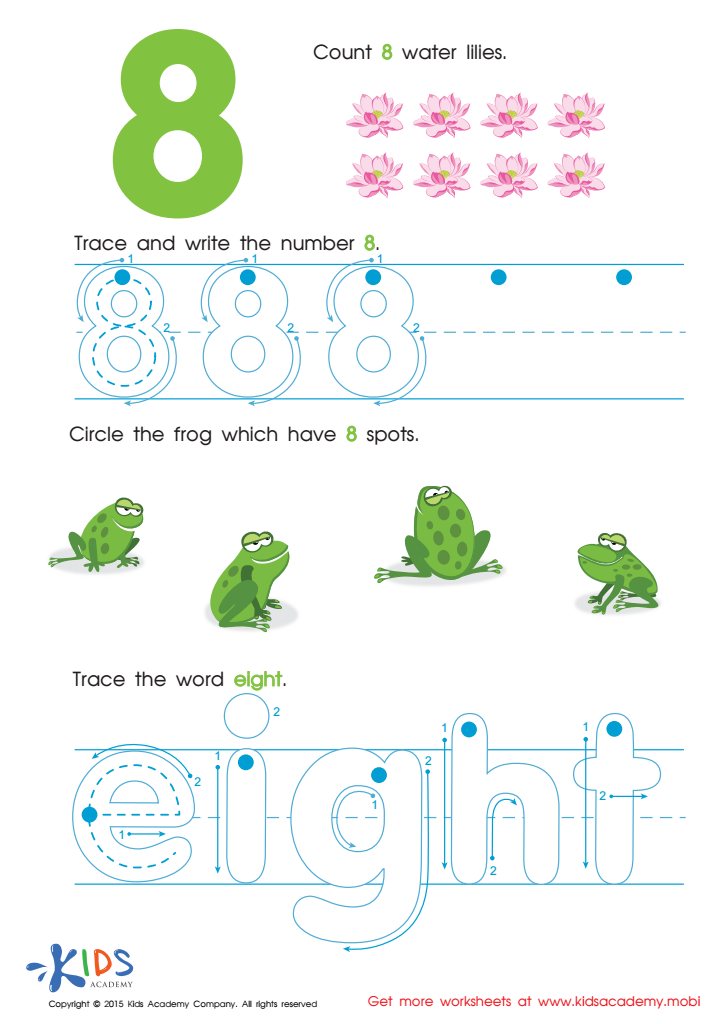
Learn Number 8 Easily Worksheet
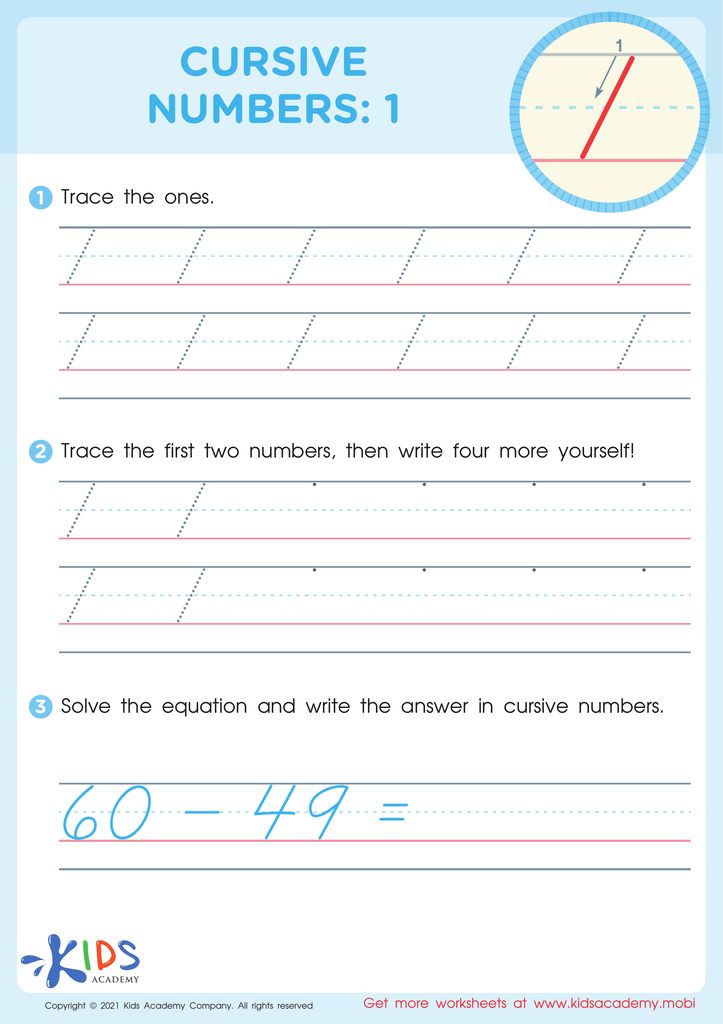
Cursive Numbers: 1 Worksheet








Cognitive development in children ages 6-8 is crucial for their academic success and overall growth. During these years, children transition from early concrete thinking to more abstract reasoning, making it vital for parents and teachers to understand and support this process.
At this stage, children develop critical thinking skills, problem-solving abilities, and a deeper understanding of concepts in mathematics and language. They begin to grasp more complex ideas, such as cause and effect, which forms the foundation for higher-level learning. With emerging skills in counting, categorization, and manipulation of numbers, nurturing cognitive development encourages confidence and a love for learning.
Parents and teachers play a key role in this development. Engaging children in problem-solving activities, games, and interactive discussions can stimulate thought processes. Reinforcing positive reinforcement strategies supports their self-esteem and motivation. Understanding cognitive benchmarks can also help educators identify potential learning disabilities early.
Additionally, effective communication between parents and teachers enhances a child’s learning experience, ensuring a cohesive approach to education. By valuing cognitive development, adults can foster well-rounded, curious learners equipped for future challenges, thus significantly impacting their lifelong learning journey.








