Basic Addition Math Worksheets for Ages 6-8 - Page 2
69 filtered results
-
From - To
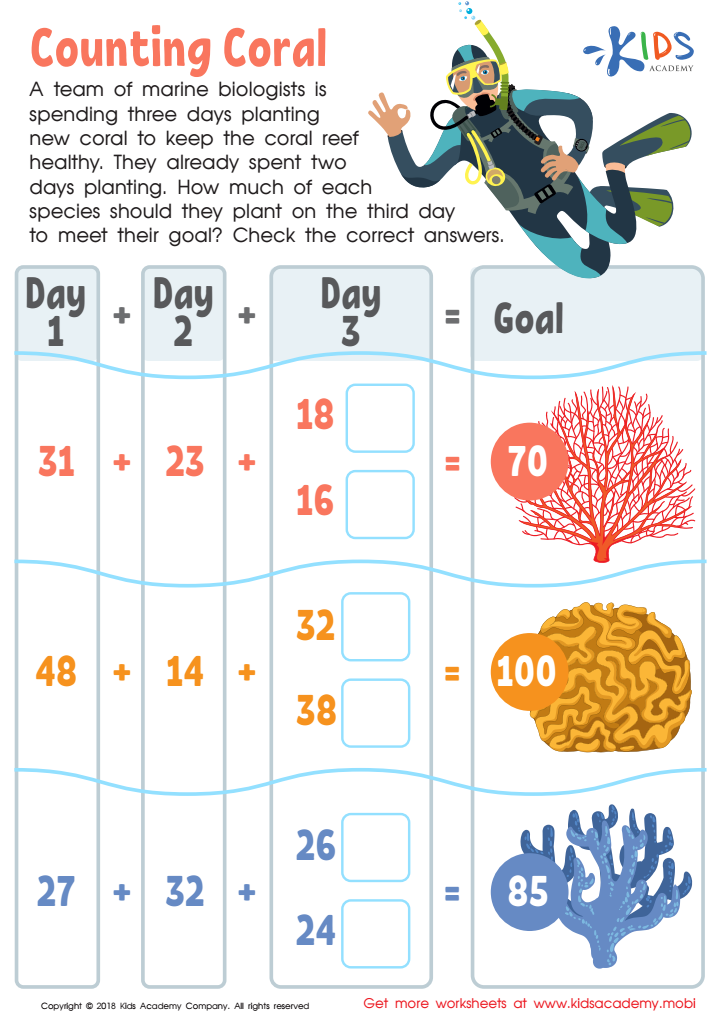
Counting Coral Worksheet
 Assign to My Students
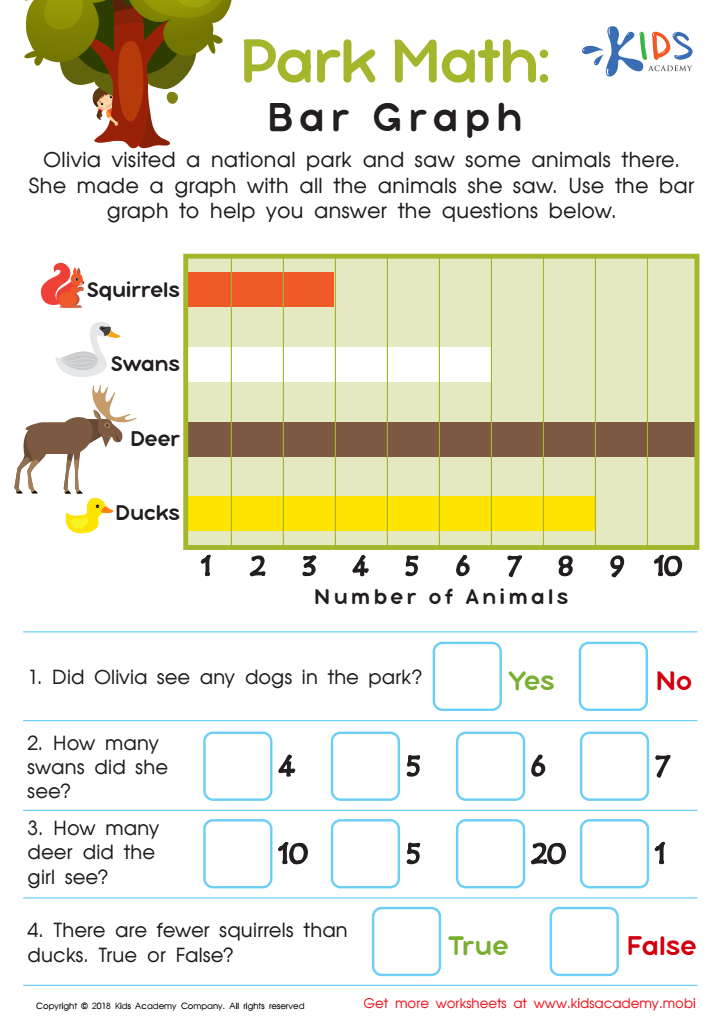
Park Math: Bar Graph Worksheet
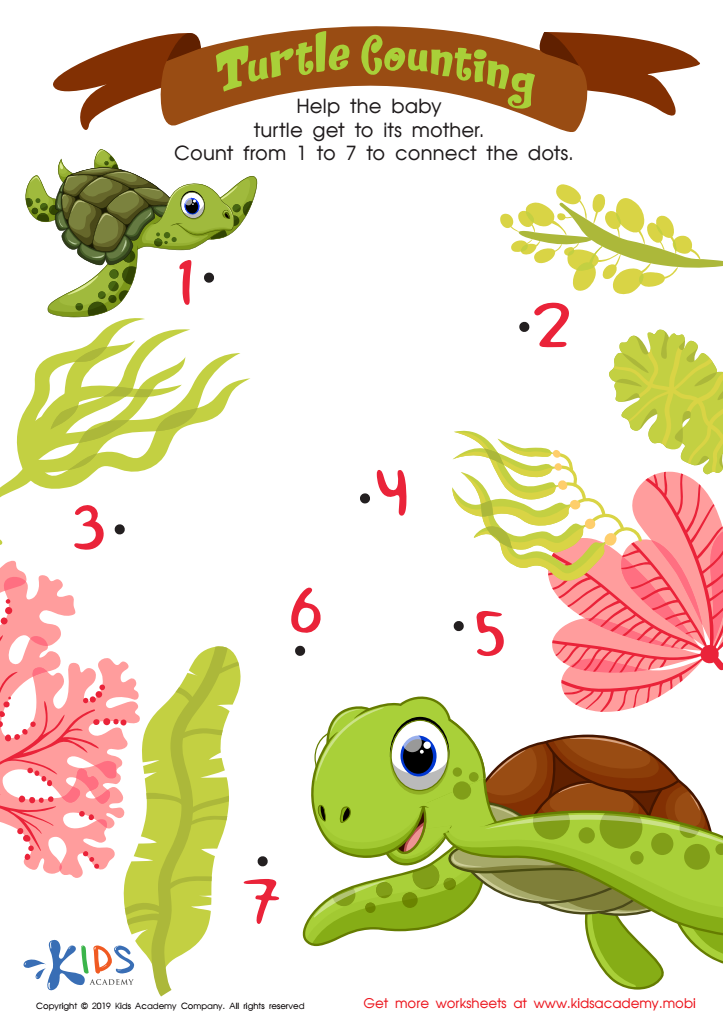
Turtle Counting Worksheet
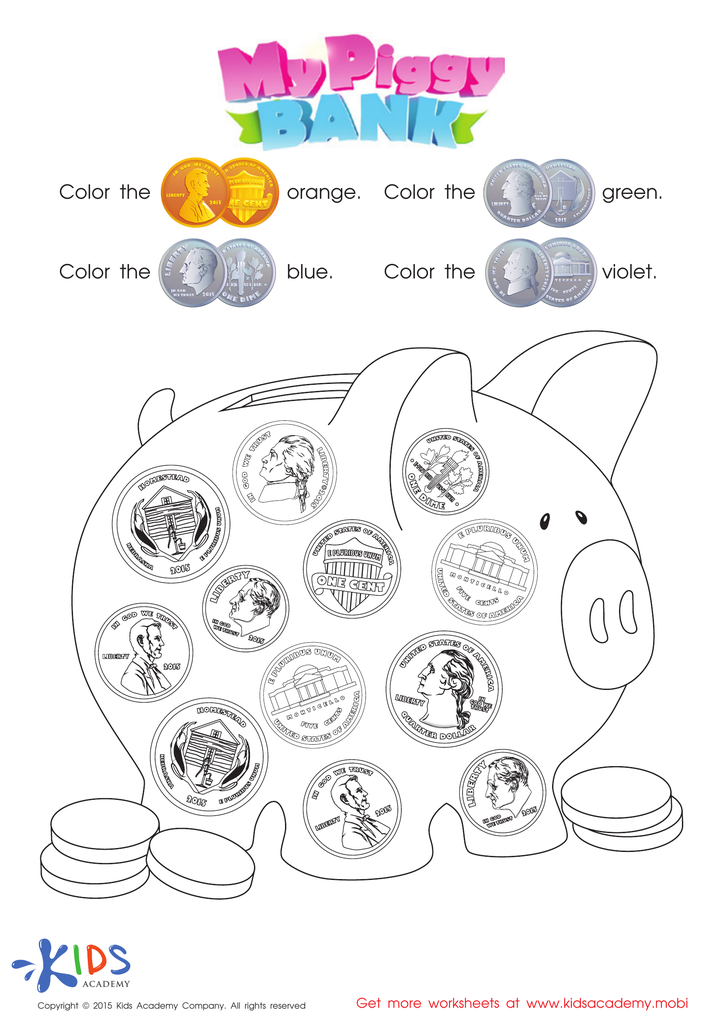
Recognizing Money Money Worksheet
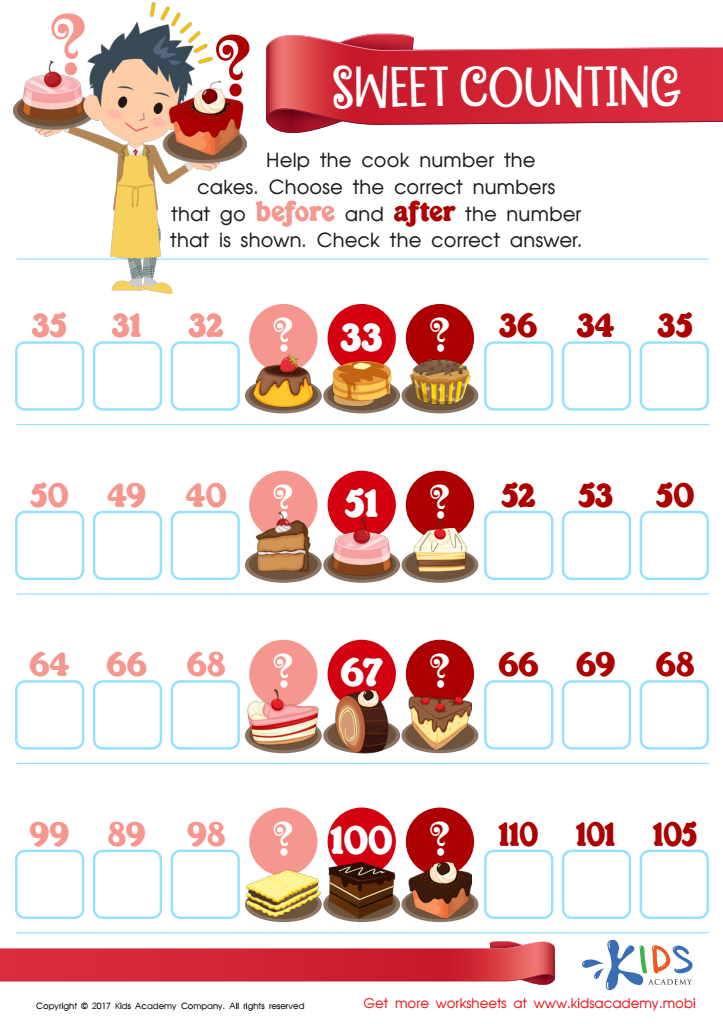
Sweet Counting - Part 1 Worksheet
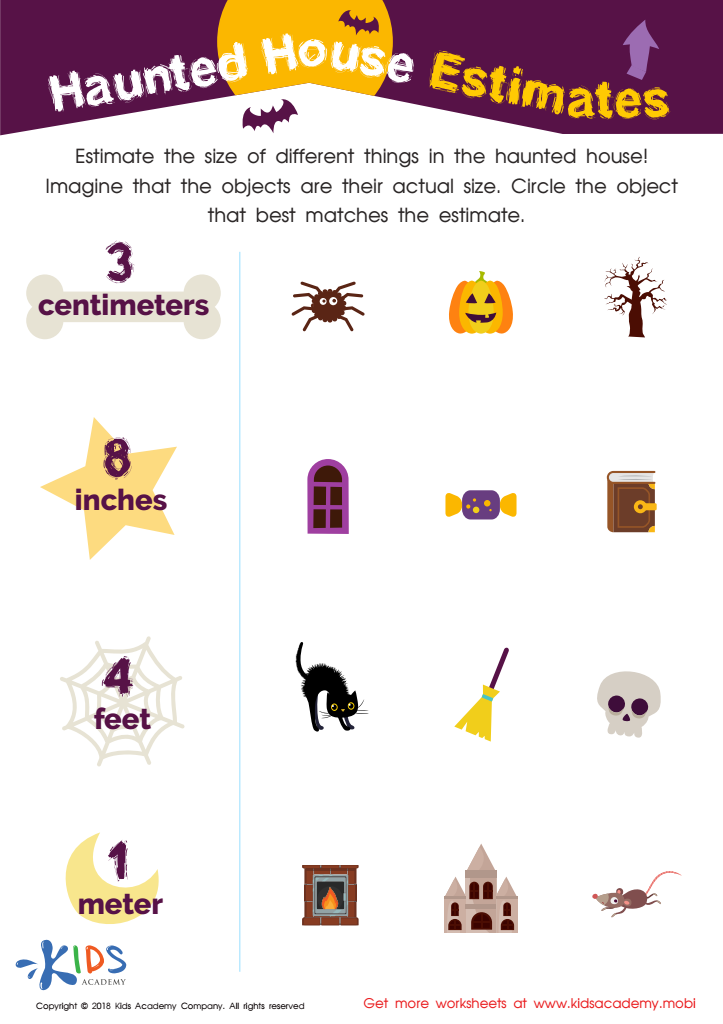
Haunted House Estimates Worksheet
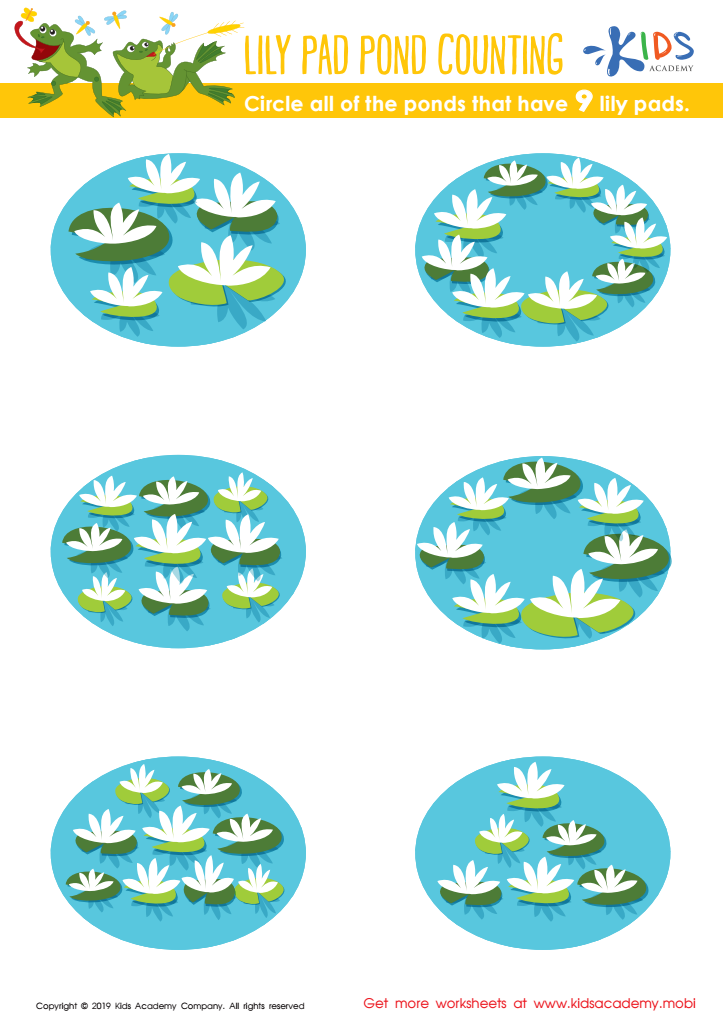
Lily Pad Pond Counting Worksheet
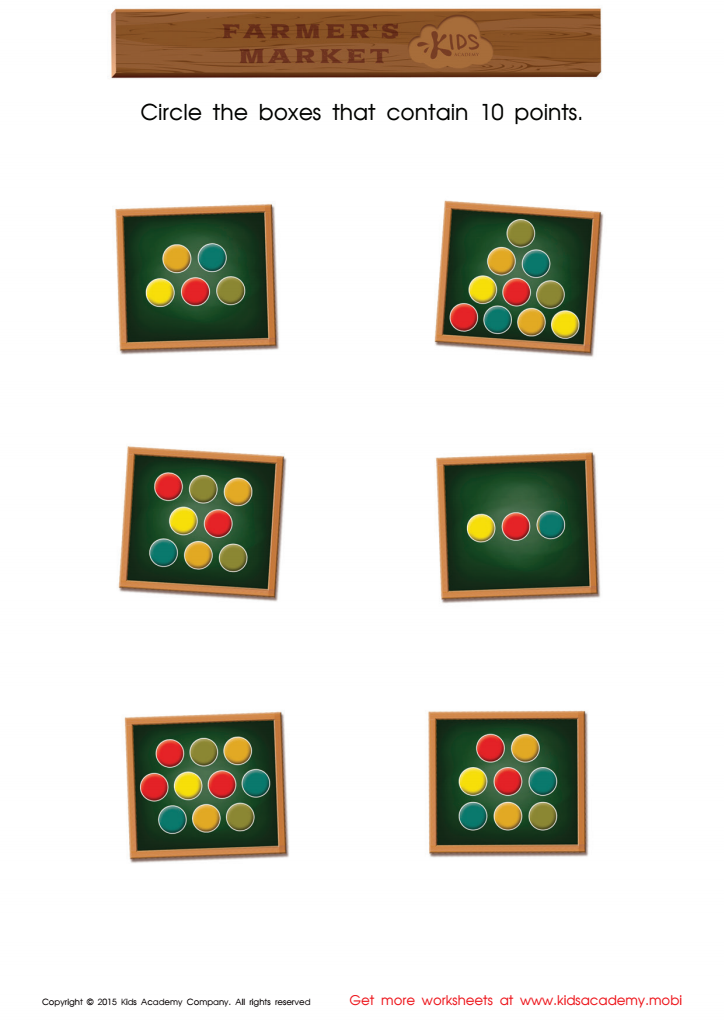
Count and Match Points 10 Math Worksheet
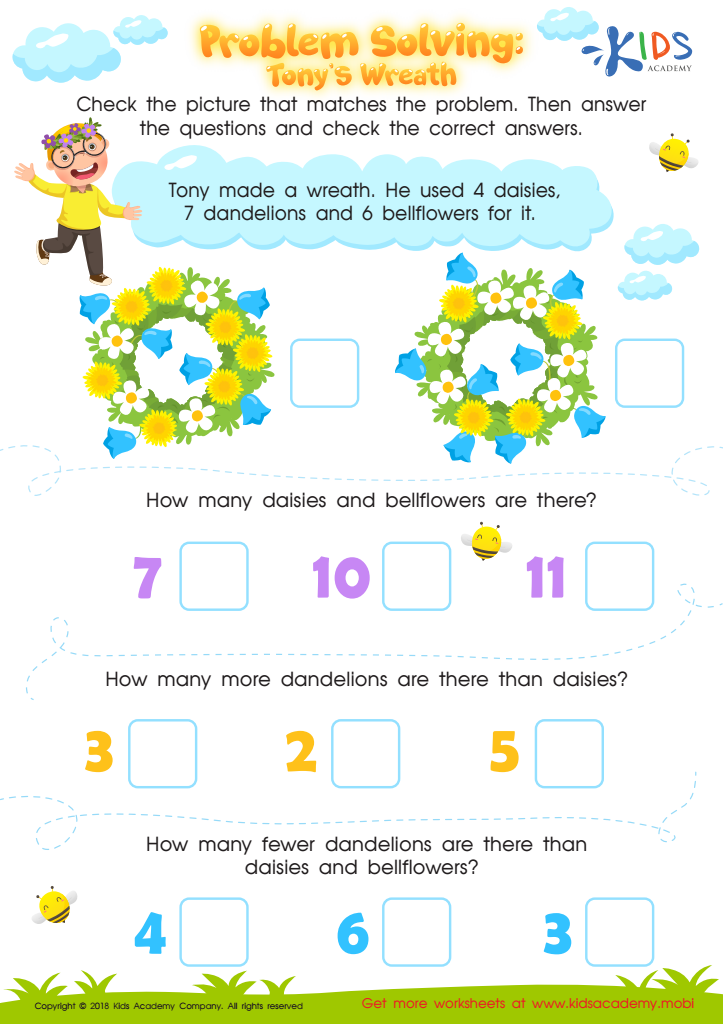
Problem Solving: Tony's Wreath Worksheet
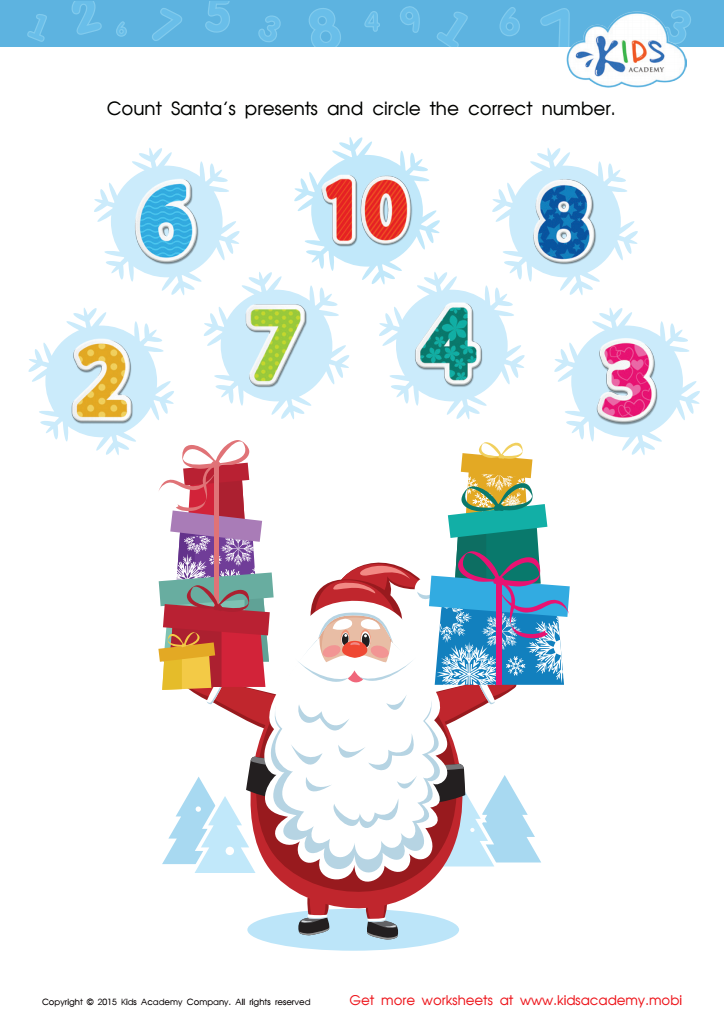
Count Santa's Presents Worksheet
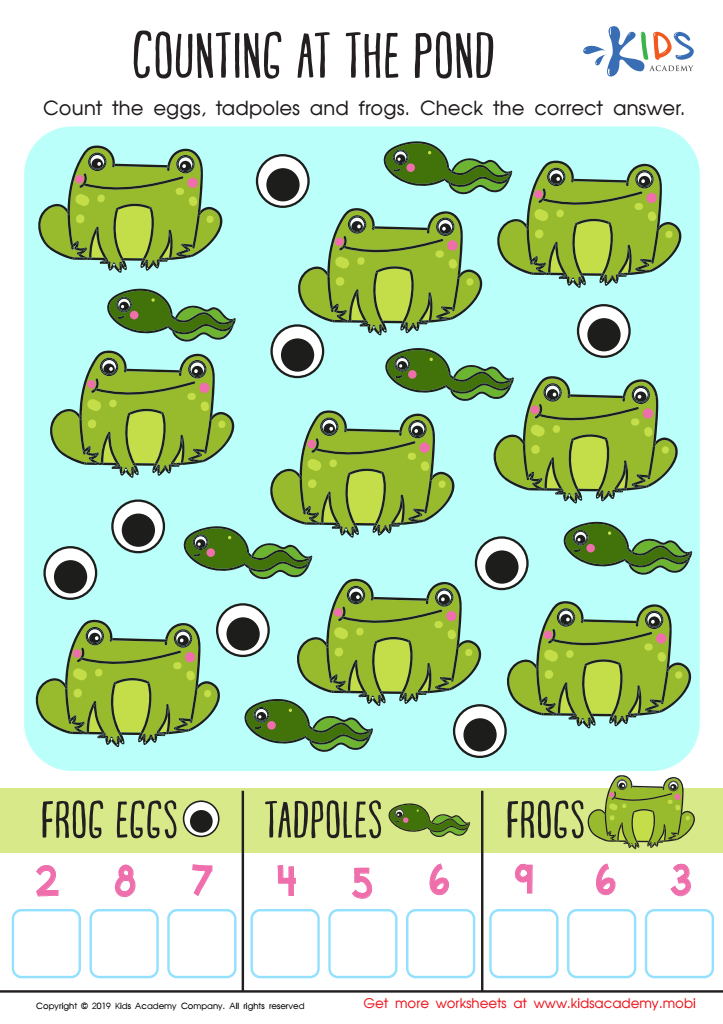
Counting at the Pond Worksheet
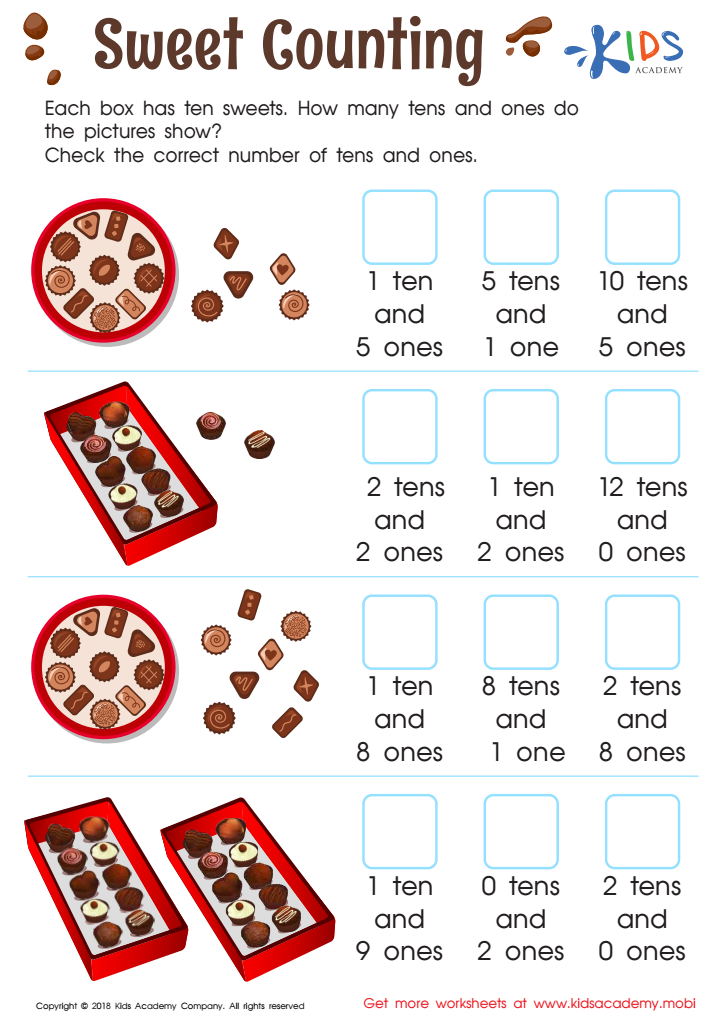
Sweet Counting - Part 2 Worksheet
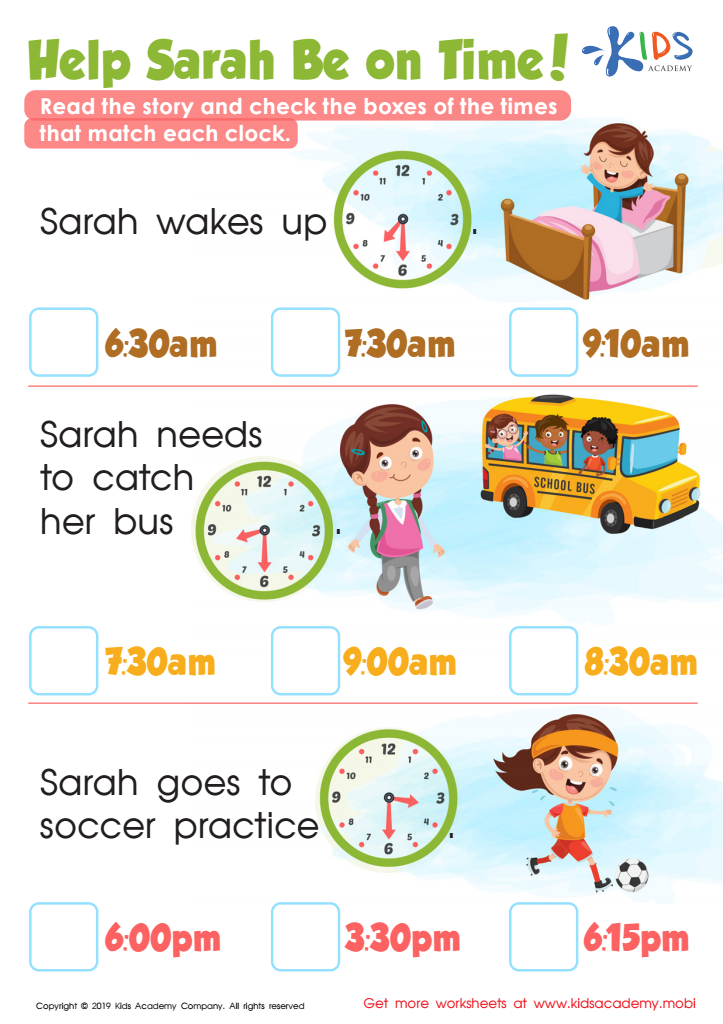
Help Sarah Be on Time! Worksheet
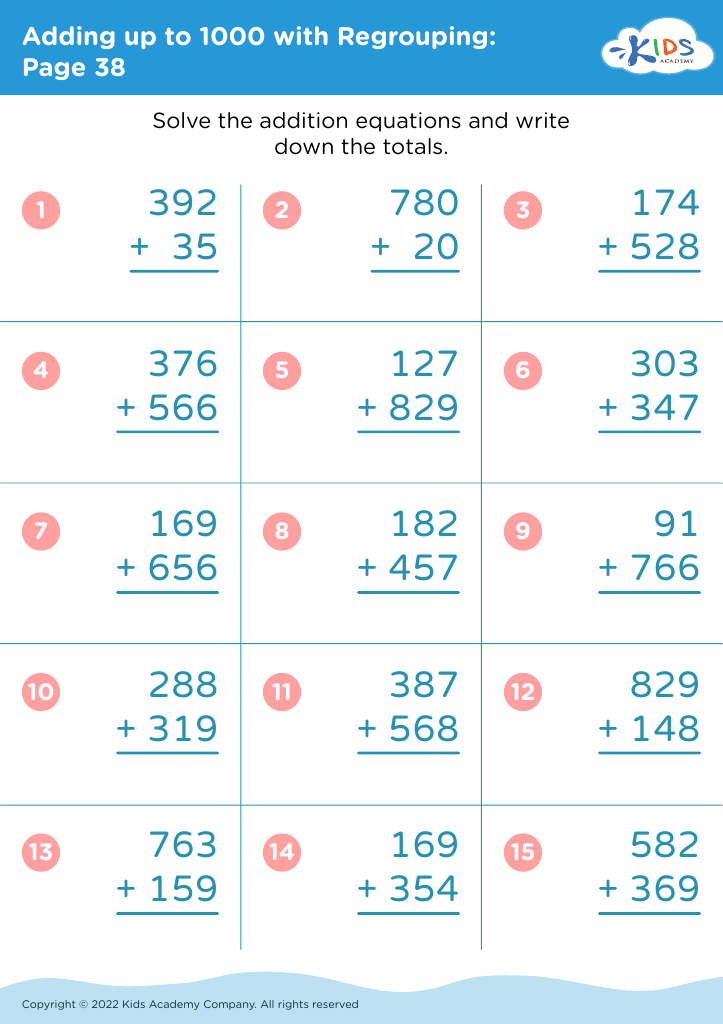
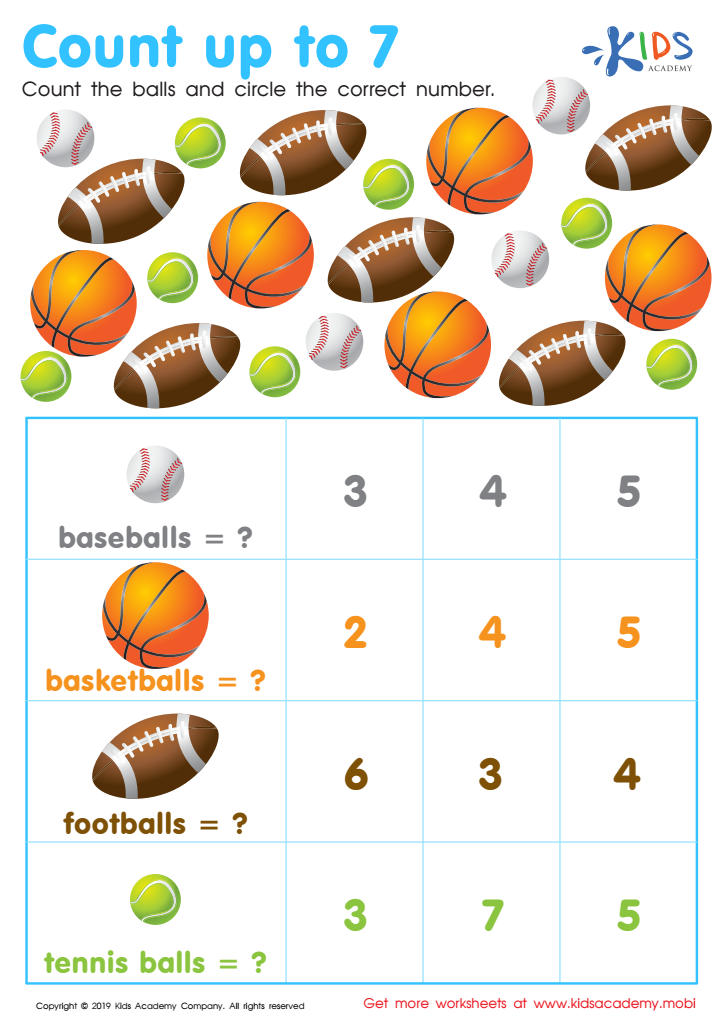
Count up to 7 Worksheet
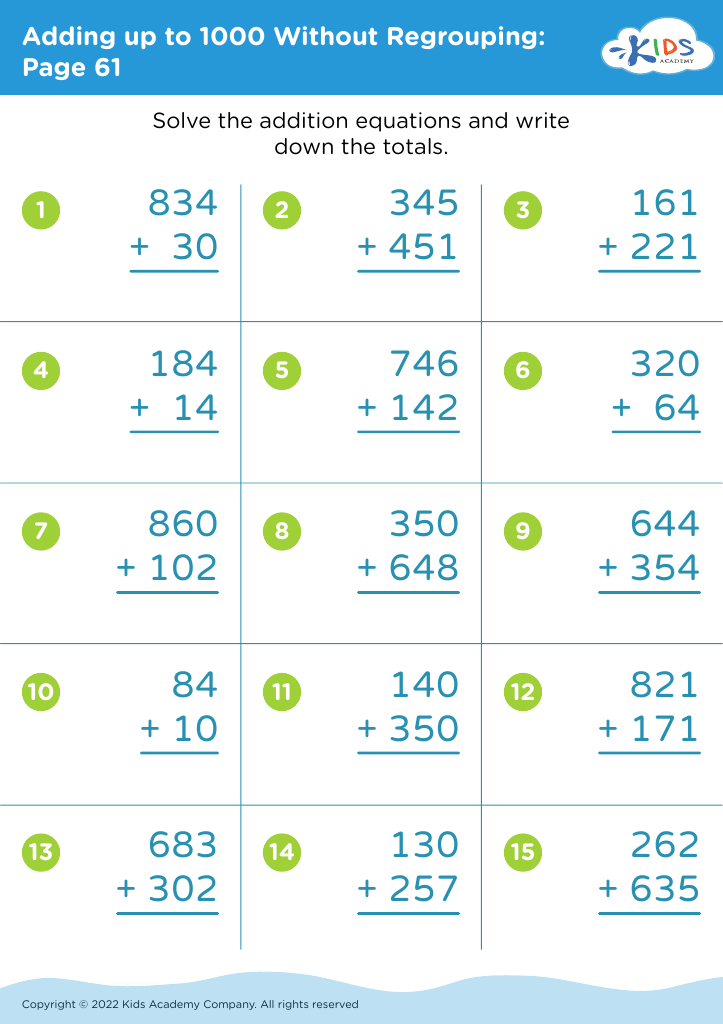
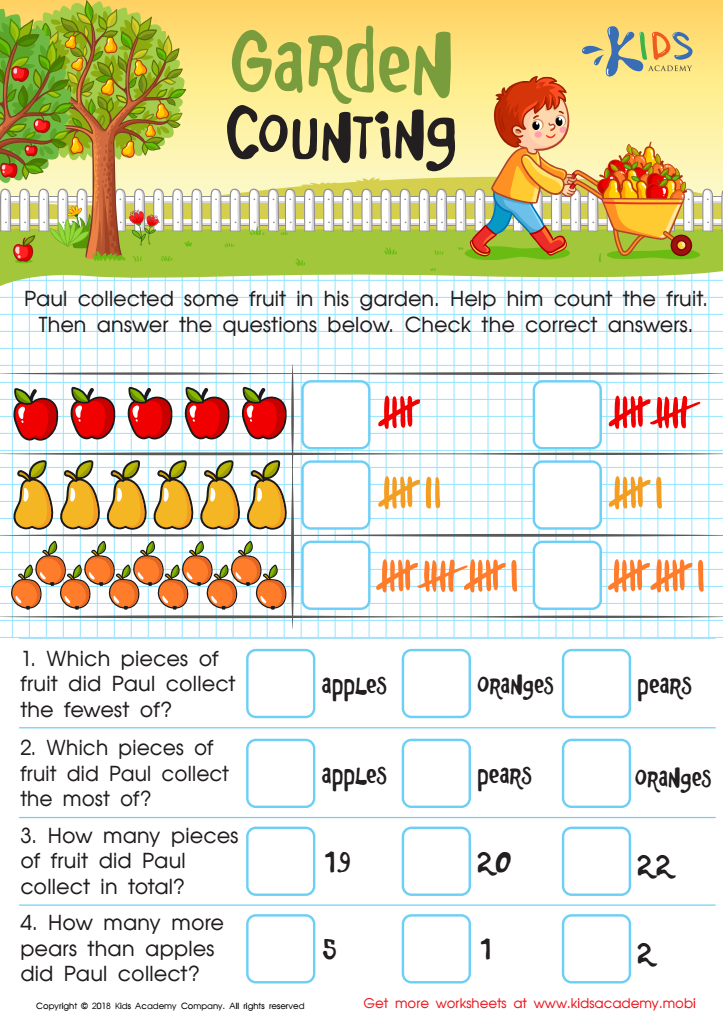
Garden Counting Worksheet
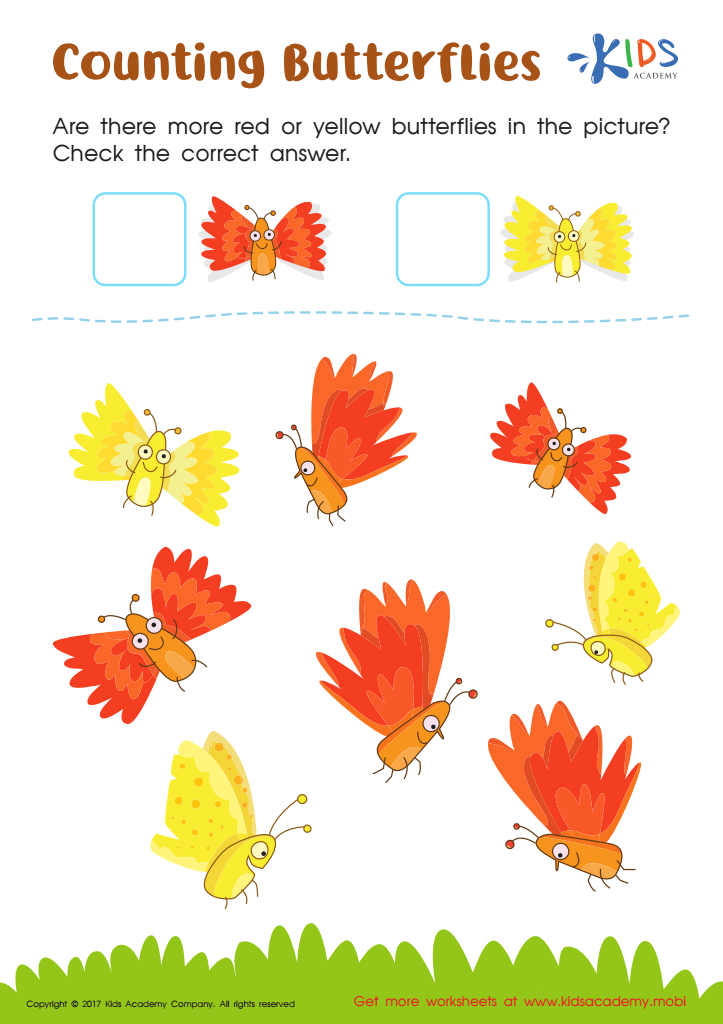
Counting Butterflies Worksheet
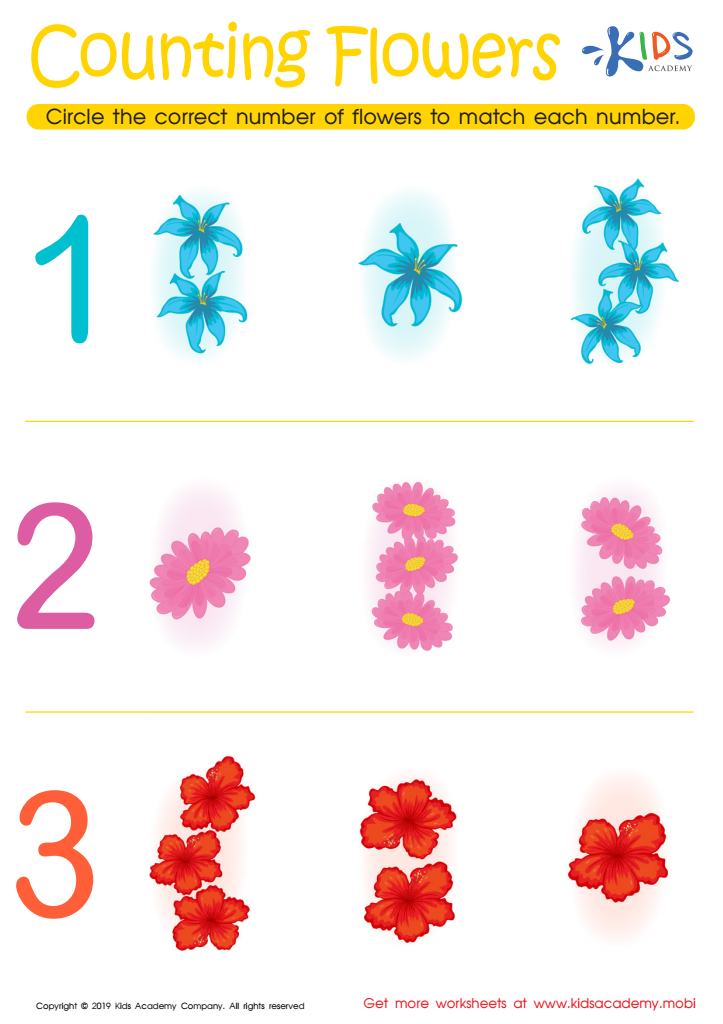
Counting Flowers Worksheet
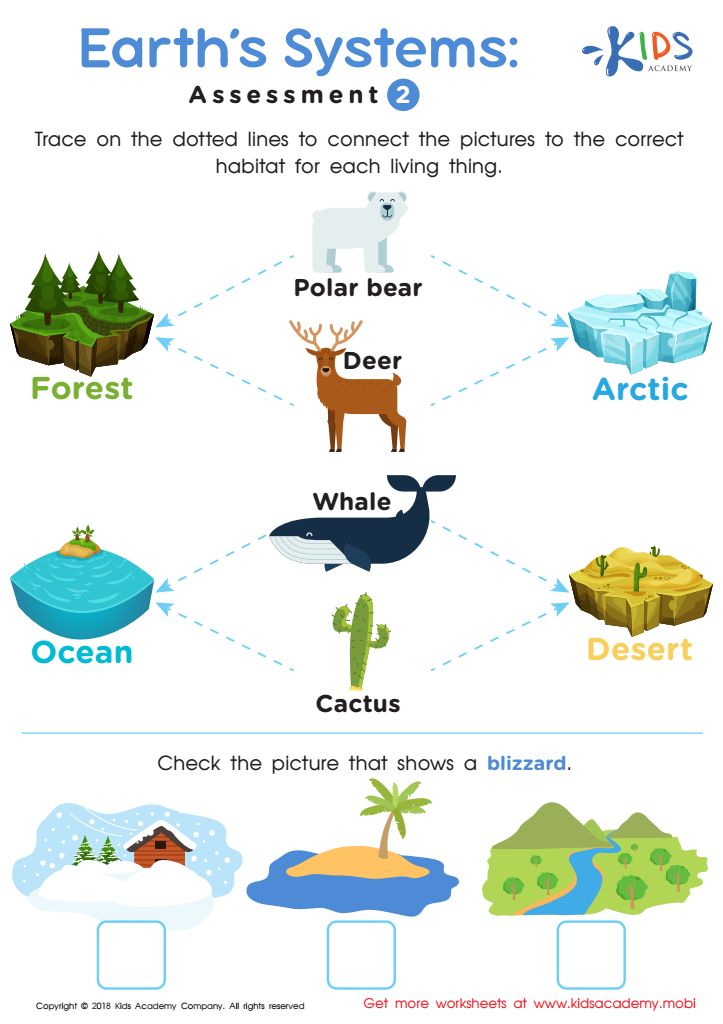
Earth's Systems: Assessment 2








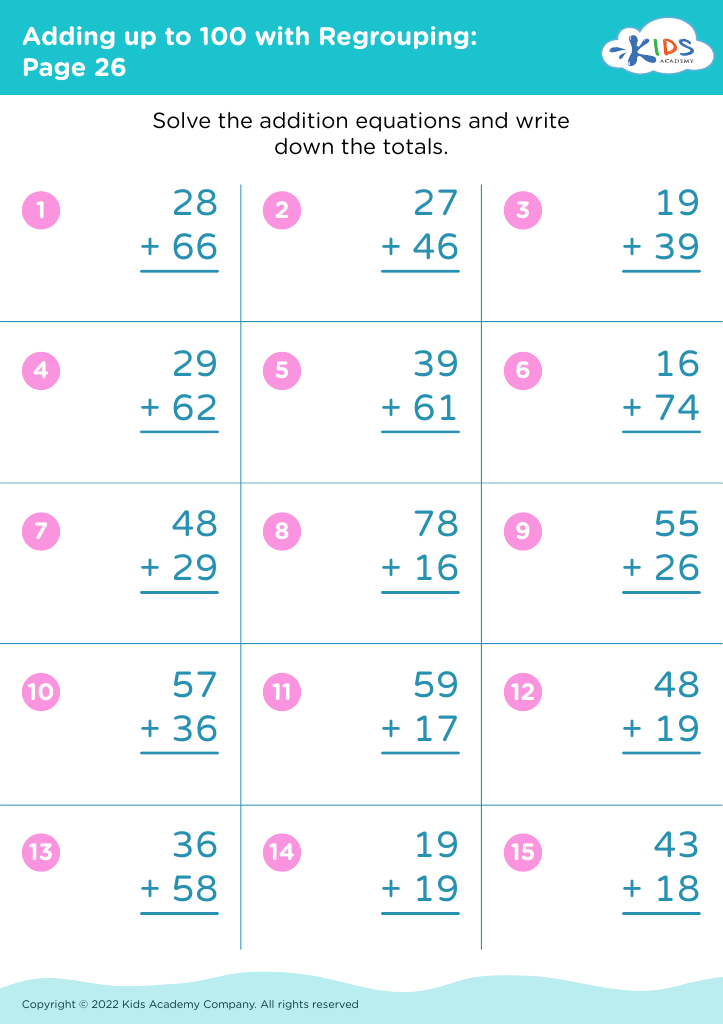
Basic addition is a crucial building block in a child's early education, especially for ages 6 to 8. During these formative years, foundational math skills pave the way for more advanced mathematical concepts. When parents and teachers prioritize teaching basic addition, they set children up for future academic success.
Firstly, mastering addition boosts a child's confidence. Seeing the results of their efforts—like correctly solving "2 + 3 = 5"—encourages them to engage further with math. This positive reinforcement fosters an interest in learning and promotes a can-do attitude.
Secondly, addition underpins other vital math skills such as subtraction, multiplication, and division. A solid grasp of addition makes these future topics less daunting and more accessible. Without this foundation, students may struggle to progress or develop math aversion, which can impact their overall academic performance.
Moreover, math skills are integral to everyday life. Young children use addition in real-world scenarios, such as counting toys, distributing snacks, or understanding time. Proficiency in basic addition allows them to navigate these daily tasks more effectively, promoting their independence and problem-solving abilities.
Finally, cognitive development is enhanced through math problem-solving. Activities like addition games and puzzles stimulate brain development, improve memory, and encourage logical thinking. Caring about basic addition equips children with essential skills for both their academic journey and daily life.








